
Diving in Montenegro
Across Montenegro, dive sites differ in depth, clarity, and overall conditions, requiring a flexible approach to planning. 4 dive locations are currently indexed within Montenegro on our platform.
Diving in Montenegro is characterized by its Adriatic Sea coastline, featuring steep limestone cliffs and numerous small caverns. Primary diving activity is concentrated around locations such as Budva, which serves as a central point for exploring nearby sites.
This coastal structure provides varied underwater environments, from rocky formations to sheltered areas, offering distinct experiences for divers.
Dive Map of Montenegro
A dive map for Montenegro helps in navigating the scattered points of interest along its Adriatic coast. It highlights key areas, primarily around Budva, where access to notable sites like St. Nikola Island is straightforward.
Such a map would illustrate the locations of unique features, including a patrol boat wreck built in 1952, aiding divers in planning their explorations.
Dive Sites to Explore
View all 4 sites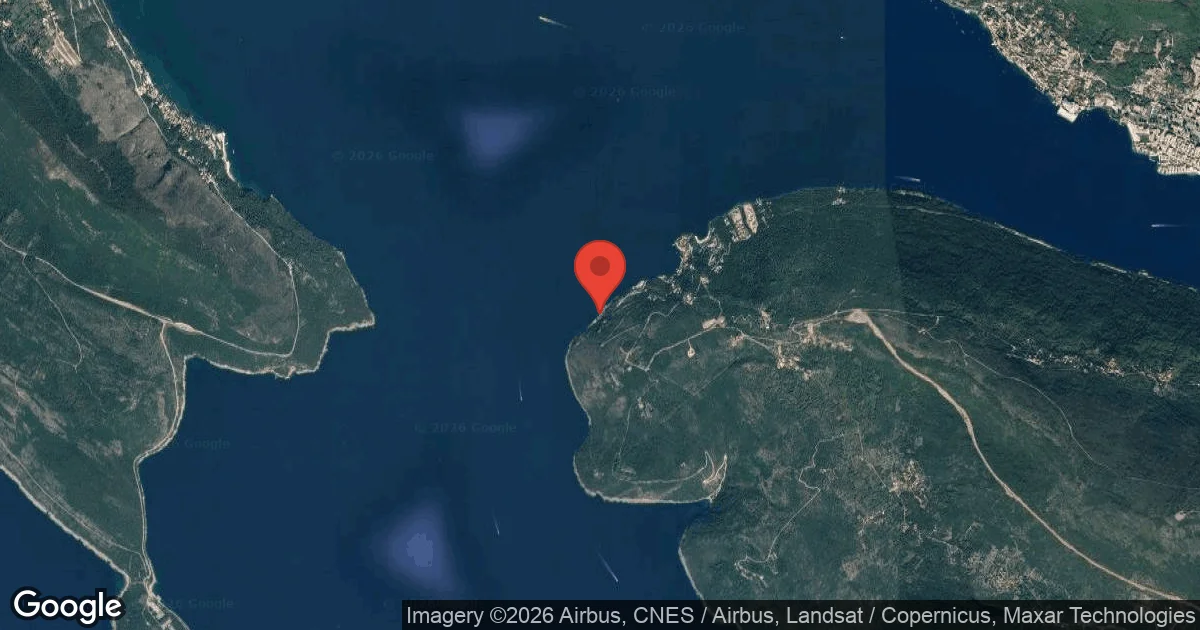
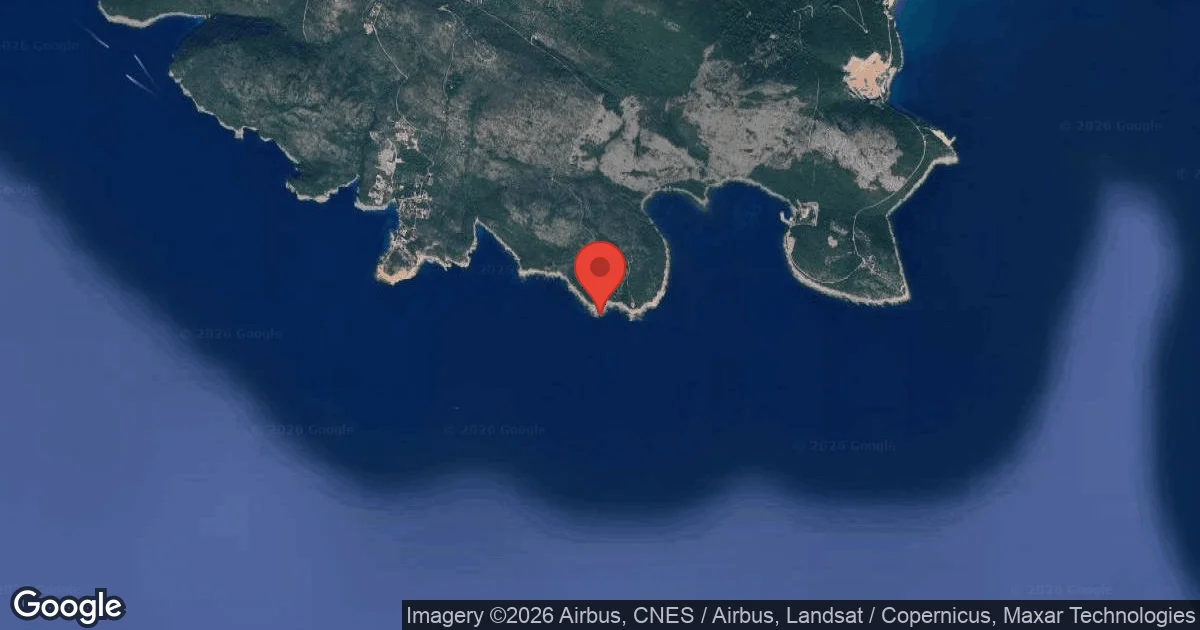
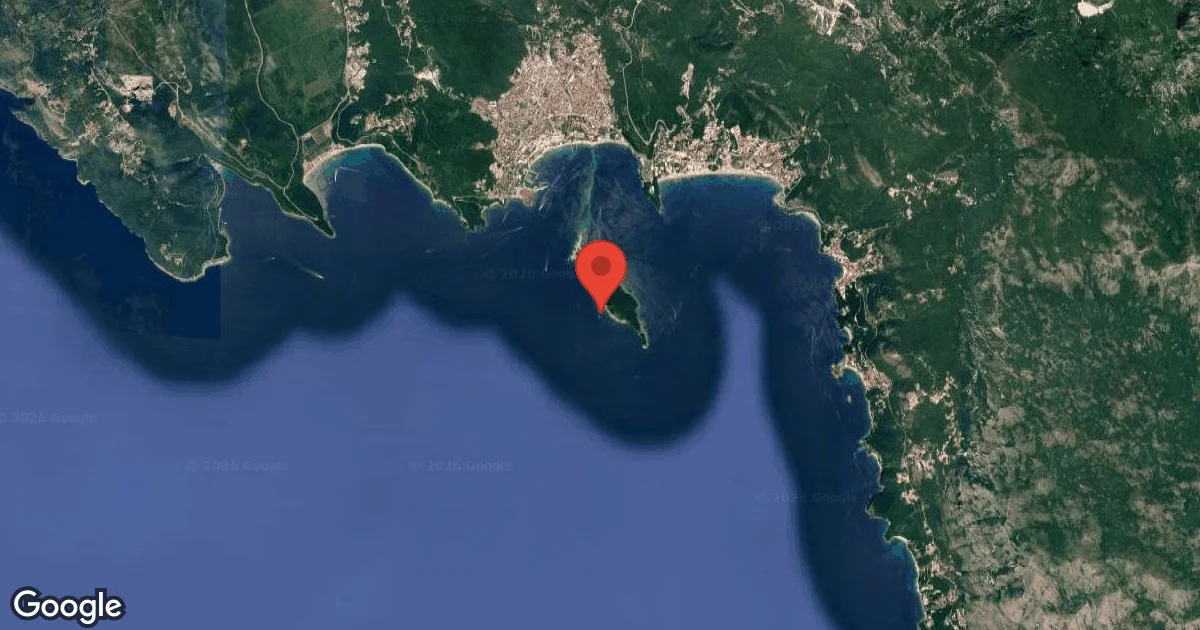
Divers of varying experience levels can find suitable sites along the Montenegrin coast. For beginners, certain areas offer shallower depths, with some initial dive experiences guided to a maximum depth of 10 meters (33 ft).
More experienced divers can explore a beautiful patrol boat wreck, constructed in 1952, a significant historical site. Around Budva, sites like St. Nikola Island provide opportunities for exploration. Visibility varies, generally ranging from 15 meters (50 ft) in areas like Budva, and extending up to 35 meters (115 ft) around underwater cliffs, offering clear views of the marine environment.
Best Time to Dive in Montenegro
Evaluating dive conditions is key for planning a trip to Montenegro, with summer offering optimal circumstances. During June through August, visibility around Budva averages 15 meters (50 ft), though it can extend to 35 meters (115 ft) near underwater cliffs.
These months present conditions conducive to enjoyable summer diving, providing clear views of the coastal features and marine life.
Monthly Sea Temperatures
Sea temperatures in Montenegro demonstrate a clear seasonal progression, primarily during the summer months. Waters around Budva typically begin at about 22°C (72°F) in June, gradually warming to 27°C (81°F) by August.
Outside of this period, the Adriatic Sea is described as having cold water, with some experiences noting "very cold" conditions, indicating the need for appropriate thermal protection.
| Jan | Feb | Mar | Apr | May | Jun | Jul | Aug | Sep | Oct | Nov | Dec | |
|---|---|---|---|---|---|---|---|---|---|---|---|---|
| Max | 16° | 15° | 15° | 17° | 22° | 26° | 28° | 28° | 27° | 23° | 20° | 18° |
| Avg | 14° | 14° | 15° | 16° | 19° | 23° | 26° | 25° | 24° | 21° | 19° | 16° |
| Min | 13° | 14° | 14° | 14° | 16° | 20° | 23° | 23° | 22° | 18° | 17° | 14° |
Dive Conditions
Diving in Montenegro can accommodate various skill levels, with conditions primarily influenced by visibility. Around Budva, visibility averages 15 meters (50 ft), providing clear views for most recreational divers.
For those exploring the underwater cliffs, visibility can extend significantly, reaching up to 35 meters (115 ft), which enhances the experience for divers comfortable with broader perspectives.
Marine Life Highlights
Most Mentioned Species
Marine life in Montenegro varies across dive locations, with different species appearing depending on environment and conditions. The species highlighted here are the most frequently associated with dive sites in our data, offering a realistic overview of what divers are most likely to encounter.
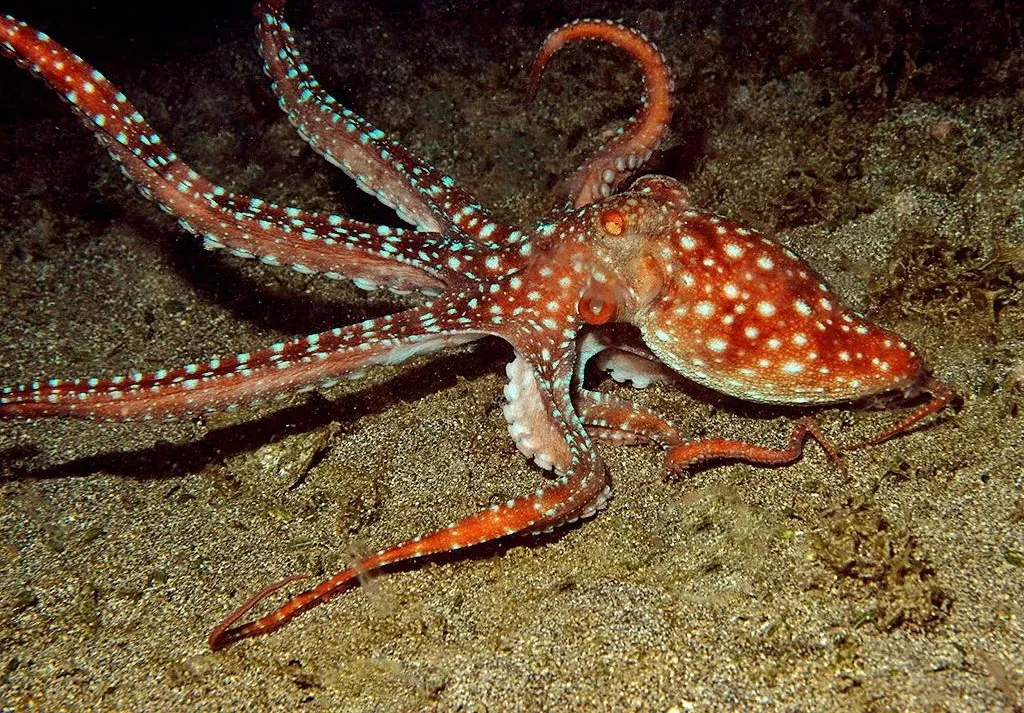
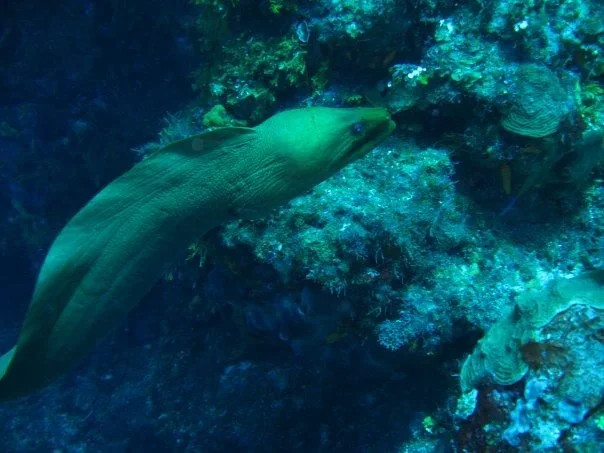
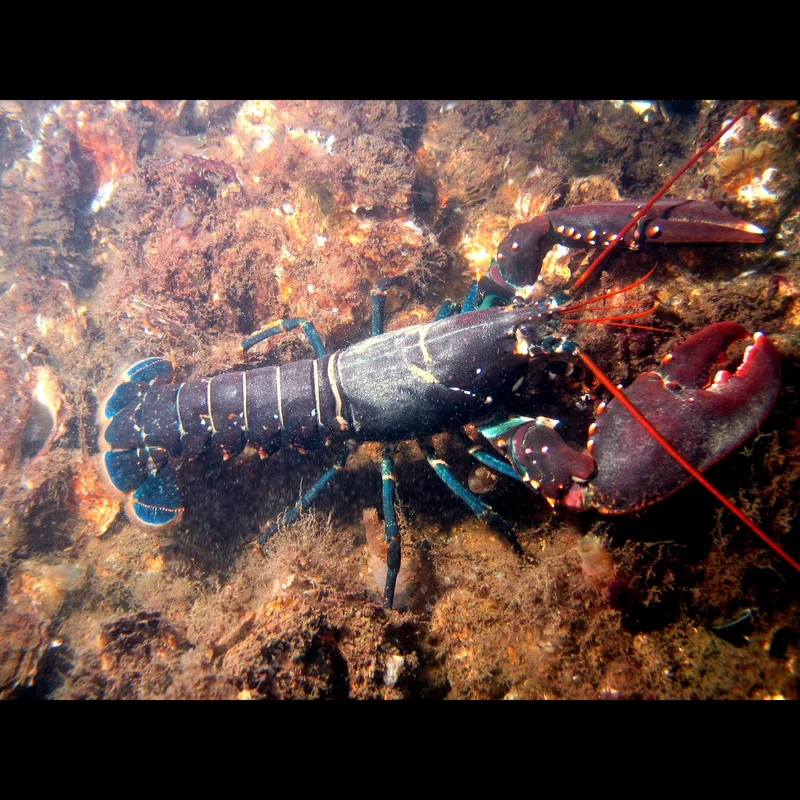
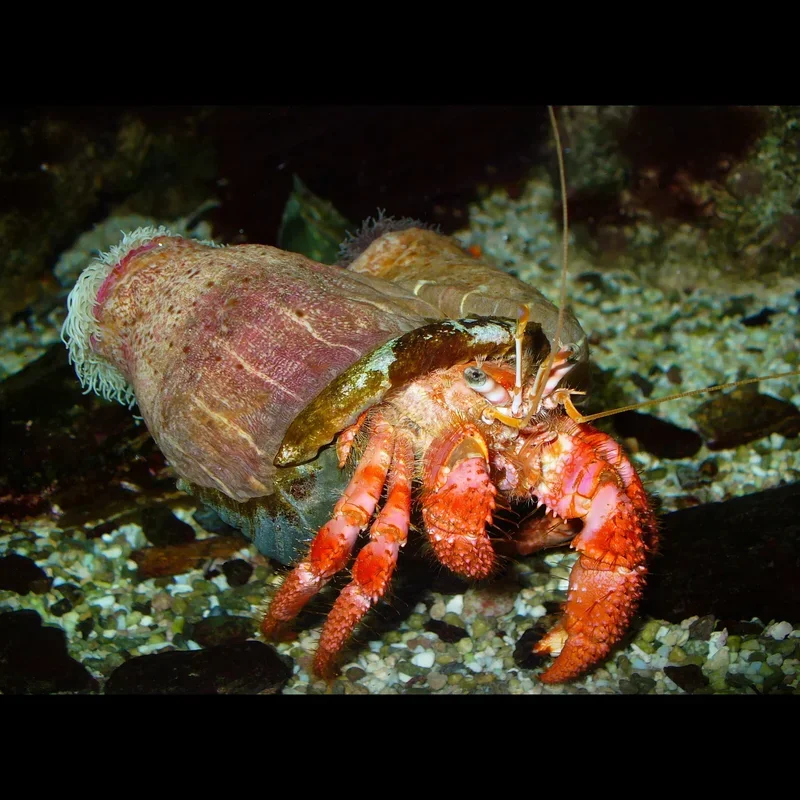
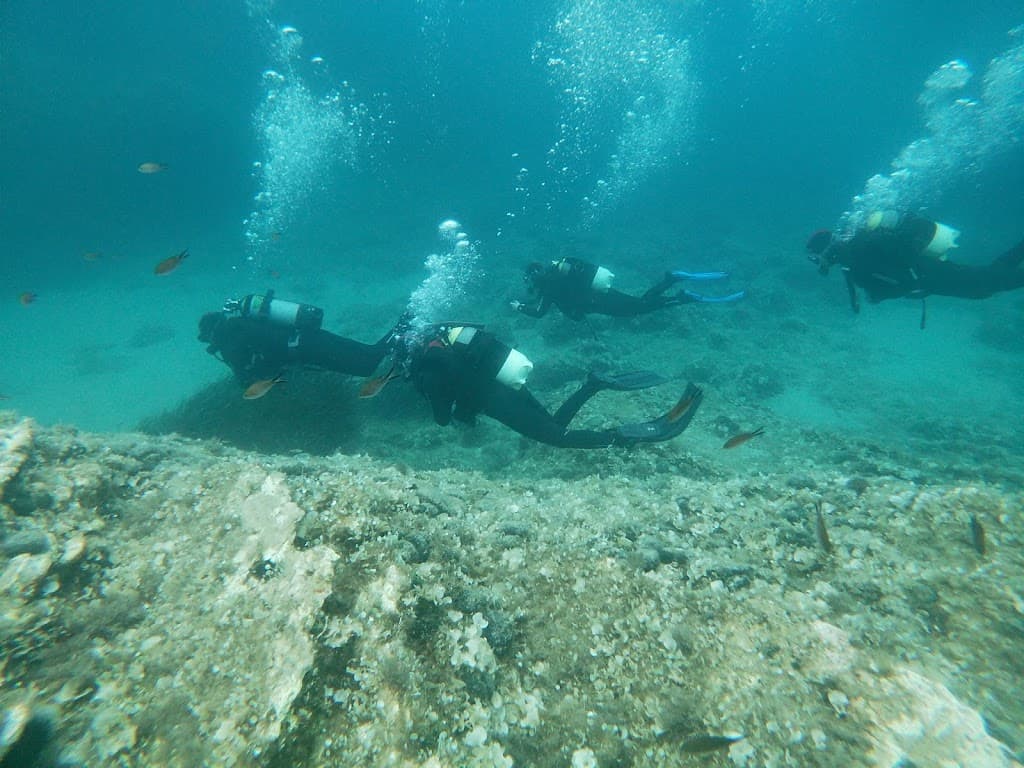
Observations of marine life along the Montenegrin coast during summer diving months include a range of species inhabiting the underwater cliffs and other dive sites. Divers may encounter octopuses, moray eels, and lobsters.
Groupers, barracudas, and scorpionfish are also present. Additionally, parrotfish, stingrays, rainbow wrasses, and bogues contribute to the faunal diversity, alongside more recently noted lionfish. Night dives offer opportunities to spot octopuses and crabs.
Regions for Diving
Accessing Montenegro's dive regions primarily involves reaching coastal centers such as Budva, a key hub for local dive operations. From Budva, dive boats regularly depart to nearby sites.
For instance, St. Nikola Island is reachable by boat in under 20 minutes from local dive centers, facilitating straightforward access to its dive locations. The Montenegrin sea coast itself features steep limestone cliffs, indicating that many sites are boat-accessible rather than shore-entry.
Travel & Passport Guide
Travel Basics
Trip Planning
Safety & Diving Considerations
Diving safety in Montenegro incorporates considerations for various experience levels. For beginners, guided dives often adhere to a maximum depth of 10 meters (33 ft), ensuring a controlled and secure introduction to the underwater environment.
This structured approach helps new divers gain confidence while exploring the coastal areas.
Dive Centers in Montenegro
View all 7 dive centers
Frequently Asked Questions
What are the typical water temperatures for diving in Montenegro?
Water temperatures vary seasonally. During summer, from June to August, temperatures around Budva range from approximately 22°C (72°F) to 27°C (81°F). Outside of these warmer months, the Adriatic Sea is generally considered to have cold water.
What kind of marine life can divers expect to see?
Divers may encounter a variety of species, including octopuses, moray eels, lobsters, and groupers. Other observed marine life includes barracudas, scorpionfish, parrotfish, stingrays, rainbow wrasses, and bogues. Lionfish have also been noted, and night dives provide opportunities to spot crabs.
Are there specific dive sites suitable for beginners?
Yes, for beginners, there are dive experiences that adhere to a maximum depth of 10 meters (33 ft). This allows new divers to safely explore the shallower coastal areas and become comfortable with the environment.