
Diving at Snapper Shoal (Nicaragua)
Snapper Shoal offers a glimpse into Nicaragua's less-traveled underwater world, where the Caribbean's dynamic forces sculpt compelling dive sites. This destination is part of a larger canvas featuring volcanic reefs, coral gardens, and occasional wreck opportunities. Divers seeking encounters beyond the typical crowded spots will appreciate the authenticity found here. Experience Central American diving with a distinct, unhurried rhythm.
Tonight's objective overview for Snapper Shoal shows an air temperature of 29°C. The measured surface conditions include wave heights around 1.7 m. This environmental data is logged for the close of the day.
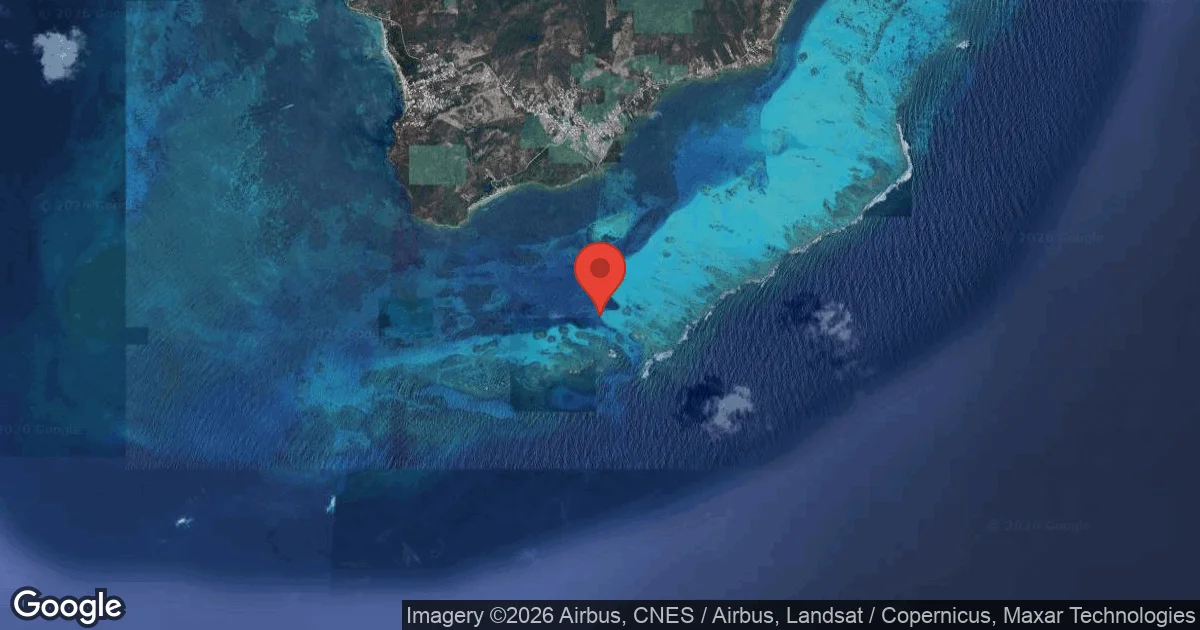
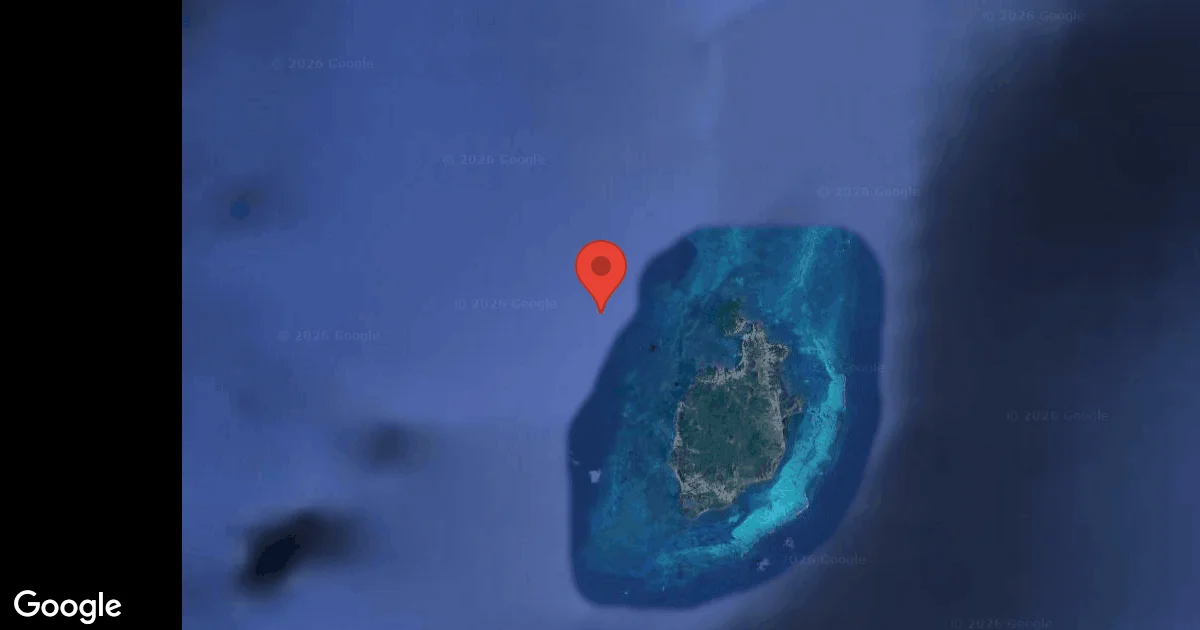
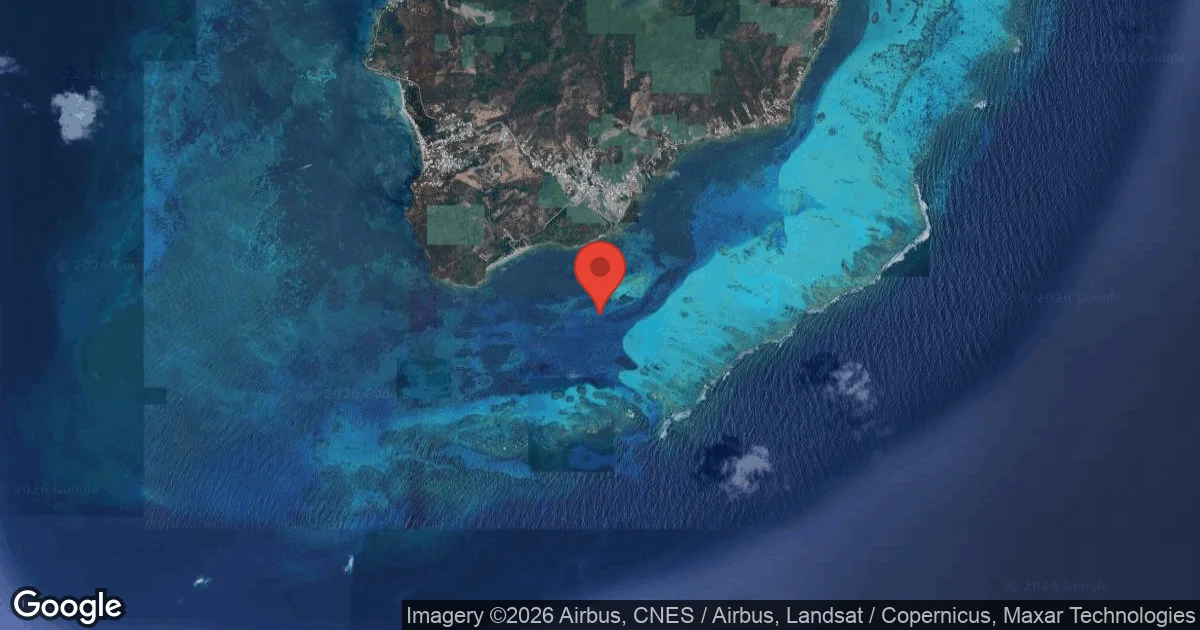
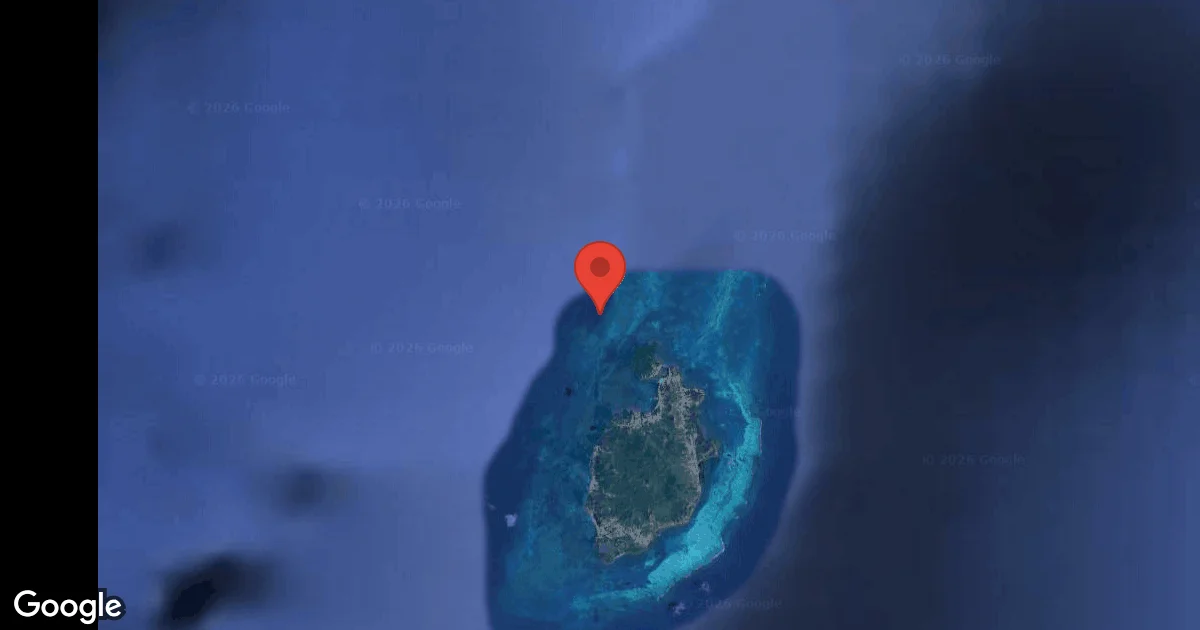
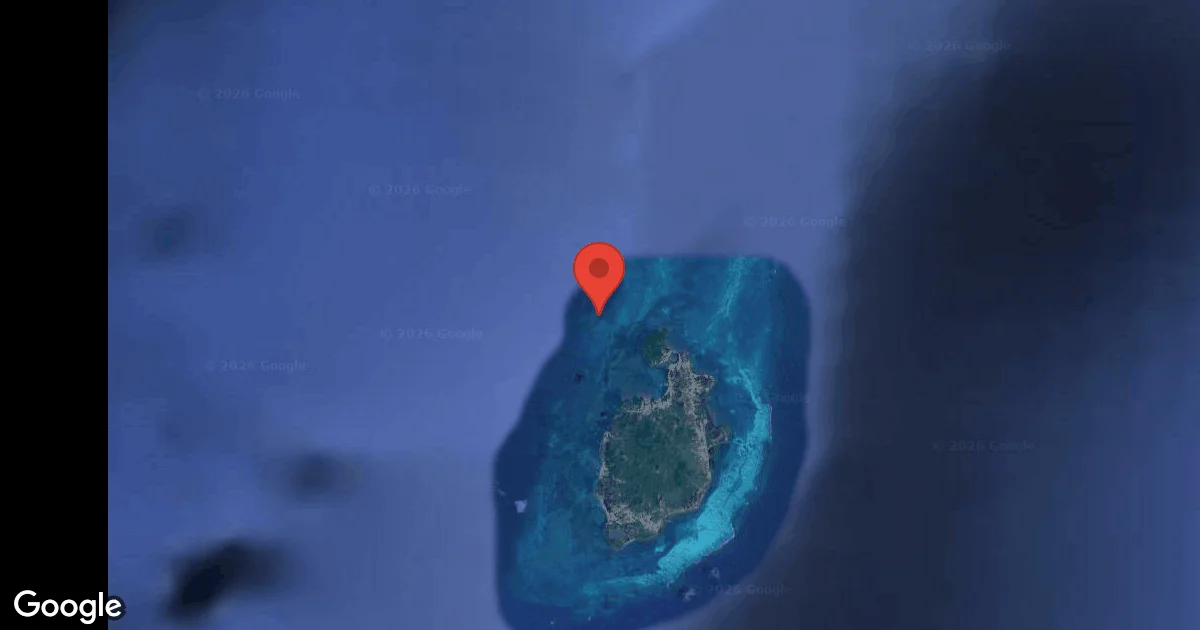
Dive Site Location & Key Facts
Dive Site Overview
Diving in Nicaragua has historically been characterized by its dual-coast allure, with both Caribbean and Pacific influences shaping diverse underwater landscapes. Unlike some regions, its development as a dive destination has maintained a relatively 'off the beaten path' appeal.
Snapper Shoal exemplifies this, presenting itself as a reef system within the broader framework of Nicaragua's varied dive offerings that include volcanic reefs, coral gardens, and fascinating wreck sites. Divers here typically explore vibrant coral structures that have developed over time. Dive sites are known for fostering a sense of discovery, often without heavy traffic experienced elsewhere.
This allows for a more intimate interaction with the marine environment. While specific historical details of Snapper Shoal are limited, its formation is tied to geological processes that shaped the Caribbean coast, creating habitat for diverse tropical fish, rays, sea turtles, and occasional reef sharks.
These waters have long supported local fishing communities and now invite divers to witness their natural splendor. General depths in Nicaraguan reefs often range, but divers can expect to encounter varying profiles.
Conditions are Moderate
High Wind Advisory (40km/h). Unsafe surface.
Current conditions near Snapper Shoal show 29° air, 29° sea temperature, 1.4 m waves, and 40 km/h wind. Forecast data is refreshed regularly to ensure accuracy.
Best Time to Dive
For the most rewarding diving experience at Snapper Shoal, planning your visit during the dry season, generally November to April, is often recommended, aligning with periods of calmer seas and clearer visibility. Water temperatures during this season typically range from 26-29°C (79-84°F), providing comfortable conditions. Although the dry season is broadly favorable, specific months like May and October show 'Good' dive scores in our system, suggesting optimal windows. In May, air temperatures average around 28°C (82°F), with reduced wave heights around 1.4 m (4.6 ft) and less wind, leading to improved underwater clarity. October also presents 'Good' scores, with slightly higher average rainfall (9.3 mm/0.37 in) but minimal waves at 0.9 m (3.0 ft) and lighter winds, which generally support better surface conditions for boat trips. Rainy season, from May to October, can introduce stronger currents and reduced visibility, especially along the Caribbean coast. Wildlife sightings, including rays and turtles, are also reported to be more predictable during the drier months, enhancing the overall dive experience.
PEAK SEASON SCORE
Scores combine air & water temps, waves, wind & rainfall for overall conditions.
BEST MONTHS TO DIVE
Monthly records compiled from satellite and marine observation nodes over the last 3 years. Data provided by Open-Meteo and MET Norway.
Dive Experience & Conditions
Understanding the immediate marine dynamics at Snapper Shoal is key to a smooth dive. Divers often encounter generally warm waters, with temperatures consistently between 26-29°C (79-84°F), ensuring comfort during extended bottom times. Visibility varies significantly with seasonal conditions; it tends to be excellent during the dry season (November to April) due to calmer seas, offering expansive views of reef structures. Conversely, the rainy season (May to October) can introduce stronger currents and reduced clarity, particularly on the Caribbean coast where Snapper Shoal is situated. Currents can add an element of drift, requiring good buoyancy control. Wave heights are another factor influencing the experience, with averages ranging from 0.9 m (3.0 ft) in October to over 2 m (6.6 ft) in January and February. Divers should anticipate these fluctuations, as surface conditions directly impact entry and exit, and can influence underwater sediment movement, particularly on shallower parts of the reef.
Dive Difficulty & Safety Guidelines
Before heading to Snapper Shoal, an expert tip is to always consult with local dive professionals regarding current site conditions. Given that Nicaragua's dive sites can be relatively uncrowded, it's crucial to dive with reputable operators who possess up-to-date local knowledge. Adhering to PADI Standard Safe Diving Practices is paramount for any diver.
Always check your gear thoroughly, plan your dive within your certification limits, and maintain conservative bottom times. Currents can be a factor, especially during the rainy season, so assess conditions before entry and be prepared for potential drift dives.
Maintaining good buoyancy control is essential to protect the reef ecosystem. Having appropriate dive insurance and carrying your certification card are also standard recommendations for all excursions.
Recommended Equipment
- Dive Computer
- DSMB
This gear list is based on verified equipment signals for Snapper Shoal, Nicaragua. Always confirm final gear choices with your dive operator, guide, or liveaboard.
Recommended Dive Suit
For relaxed exploration dives, dive skin or rash guard generally provides adequate warmth. Consider warmer surface protection (like a boat coat) due to brisk winds. Water conditions at Snapper Shoal are currently measured at approximately 29°C (84°F). Surface air temperatures are resting at 29°C (84°F).
Forecast trends indicate similar diving conditions over the next few days.
A diver's personal tolerance to cold water can play a large role in suit selection.
Due to technical issues with our weather providers, data hasn't been fetched for over 48 hours. The data above reflects the conditions at the time of the last successful fetch.
Emergency & Medical Support
Essential information to help you plan your dive trip to Snapper Shoal.

Hyperbaric chambers are a critical part of dive safety infrastructure. Availability varies significantly by region, and not all dive areas have immediate access.
Before diving, it's recommended to:
- confirm nearest medical facilities
- check emergency procedures with local dive operators
- ensure dive insurance covers evacuation if required
Divers Alert Network
Diving emergency assistance available through DAN World.
+1-919-684-9111- 24/7 emergency hotline
- Diving medical assistance
- Evacuation coordination
Emergency contacts are provided for reference. Always verify local emergency services before diving.
Marine Life at Snapper Shoal
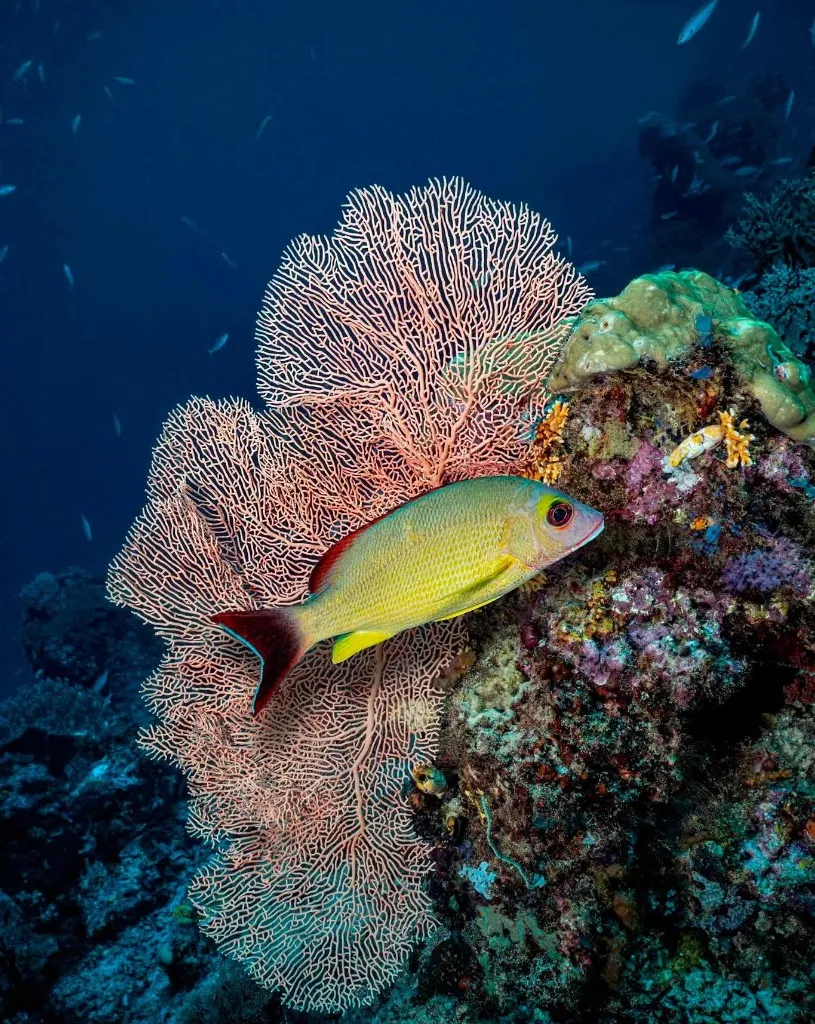
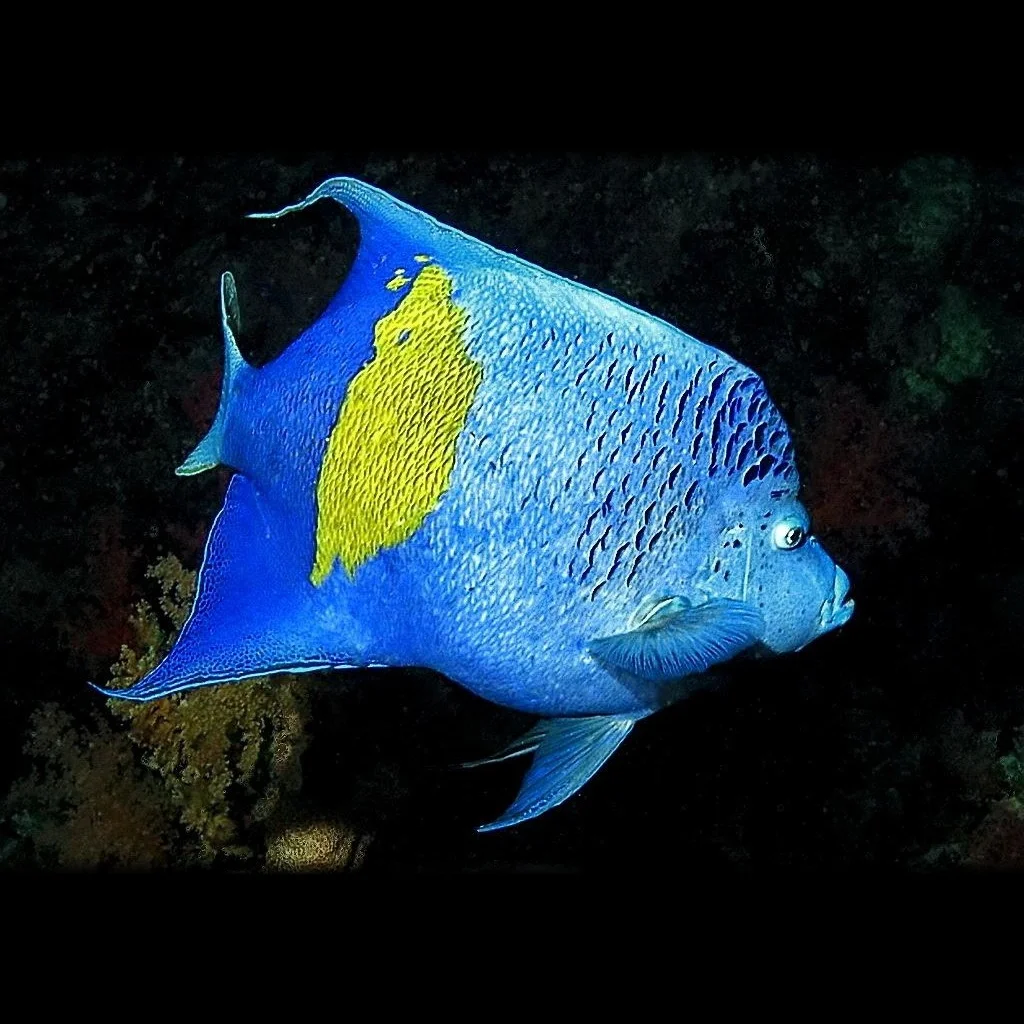
The underwater landscape of Snapper Shoal provides a home for a diverse array of marine life. Its reef structures are frequented by tropical fish in vibrant hues, creating a dynamic visual experience for divers.
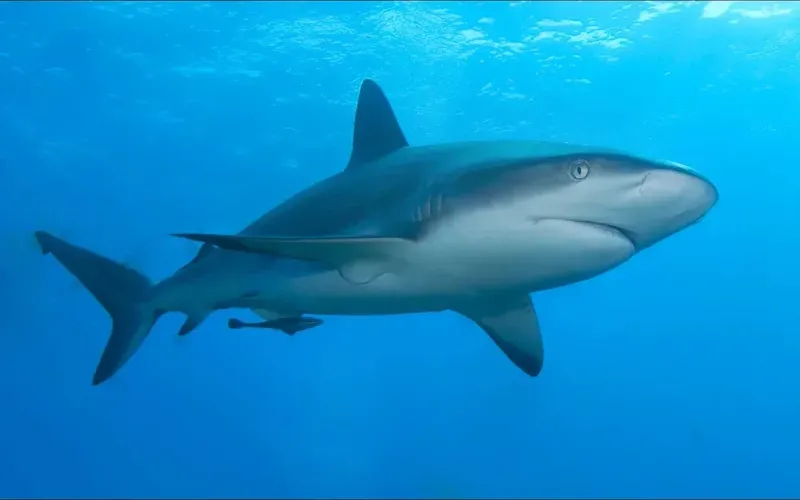
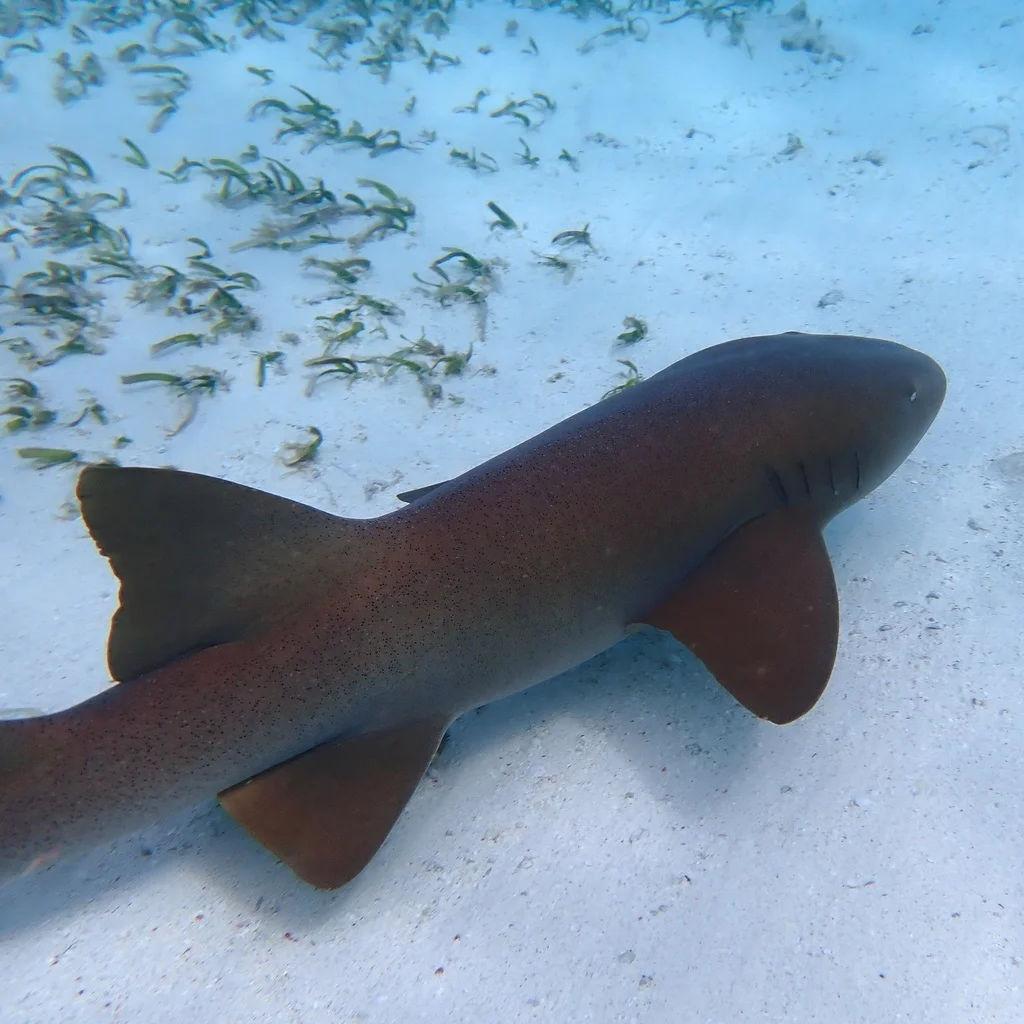
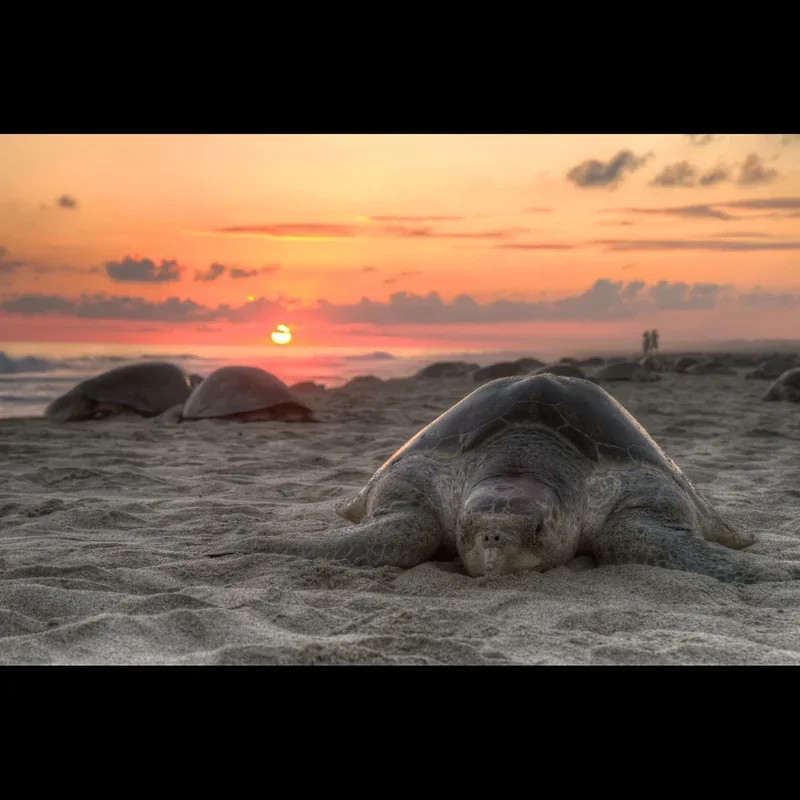
Encounters with rays gracefully navigating the reef contours are possible, along with sightings of sea turtles, which often cruise through the area. While not guaranteed, the occasional presence of reef sharks adds an element of excitement to the dive.
Healthy coral gardens here contribute to the rich biodiversity, supporting a complex ecosystem for various invertebrates and smaller reef inhabitants. These elements combine to offer compelling photographic opportunities and memorable wildlife interactions.
Dive Sites Near Snapper Shoal
View all dive sites in NicaraguaDiscover more underwater gems in this area.
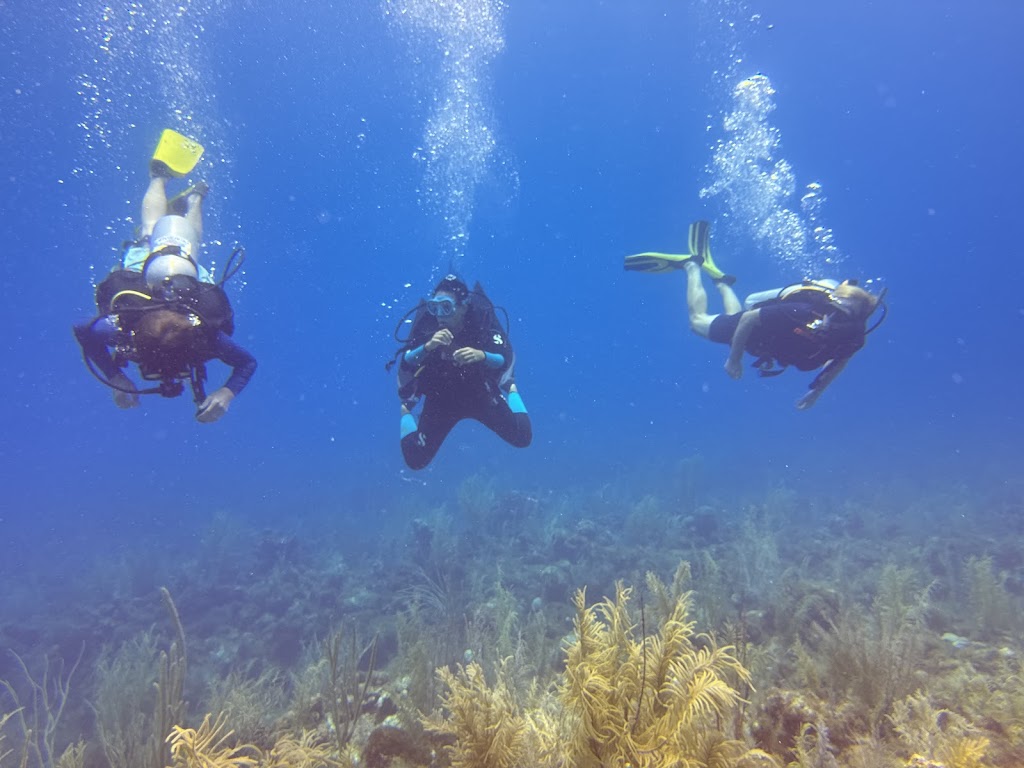
Dive Centers Near Snapper Shoal
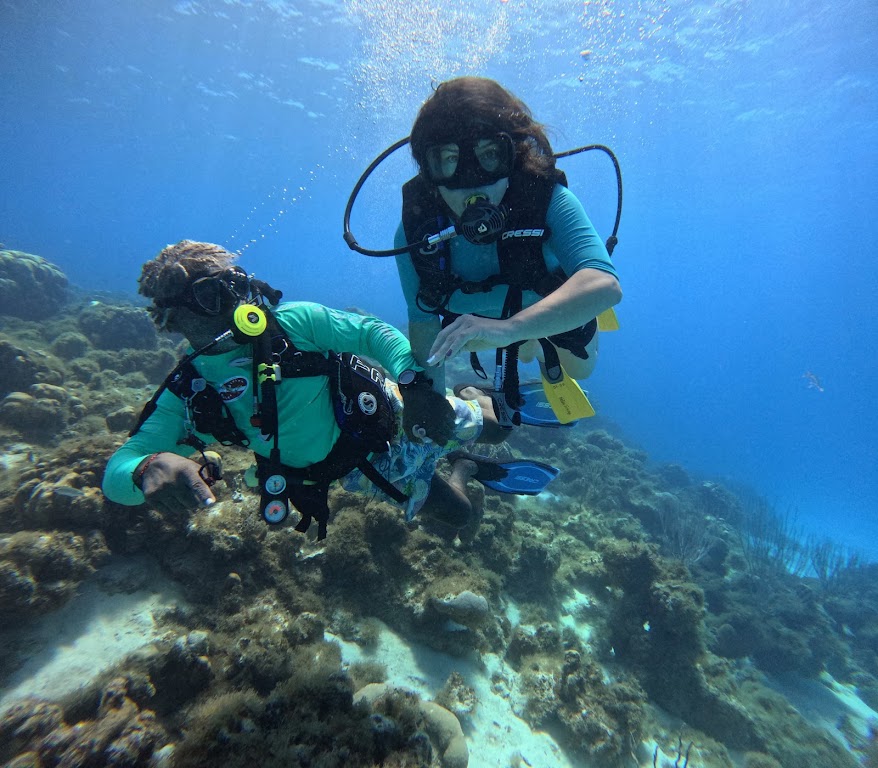
Today: 07:00 - 18:00
Nearest Airports
Nearest airports to help plan travel to this dive area.
Search Flights
Check available flights and routes on Expedia, using the nearby airports listed in this section.
Search Flights on ExpediaFrequently Asked Questions
When is the best time to dive Snapper Shoal?
The dry season, from November to April, generally offers calmer seas and better visibility. Specifically, May and October often show 'Good' dive scores, indicating optimal conditions for an enjoyable experience.
What are the typical water temperatures at Snapper Shoal?
Divers can expect consistently warm waters. Temperatures generally range from 26-29°C (79-84°F) throughout the year, providing comfortable conditions for most dives.
Can I expect currents at this dive site?
Currents can vary, particularly with the seasons. The rainy season (May to October) may bring stronger currents, requiring good buoyancy control, while the dry season generally has calmer conditions.
What marine life might I see at Snapper Shoal?
The reef structures host tropical fish, rays, and sea turtles. Occasional reef sharks are also reported in the area. The diverse ecosystem supports various invertebrates.
How do I get to diving sites in Nicaragua?
Travelers typically fly into Augusto C. Sandino International Airport (MGA) in Managua or Bluefields Airport (BEF) on the Caribbean coast. From there, domestic flights or ground transfers connect to coastal dive destinations.
What level of diving experience is needed for Snapper Shoal?
Nicaraguan dive sites, including reef systems like Snapper Shoal, are generally suitable for both beginners and advanced divers. Conditions can vary, so consulting with a local dive professional is always advisable.
What is the typical visibility at Snapper Shoal?
Visibility at Snapper Shoal varies with conditions and seasonality. It tends to be excellent during the dry season, but can be reduced during the rainy season due to increased runoff and stronger currents.
Planning to dive Snapper Shoal?
Send one inquiry and receive offers directly from the best verified local dive operators.
Conditions are Moderate
High Wind Advisory (40km/h). Unsafe surface.
Current conditions near Snapper Shoal show 29° air, 29° sea temperature, 1.4 m waves, and 40 km/h wind. Forecast data is refreshed regularly to ensure accuracy.