
Diving at Airport Point (Panama)
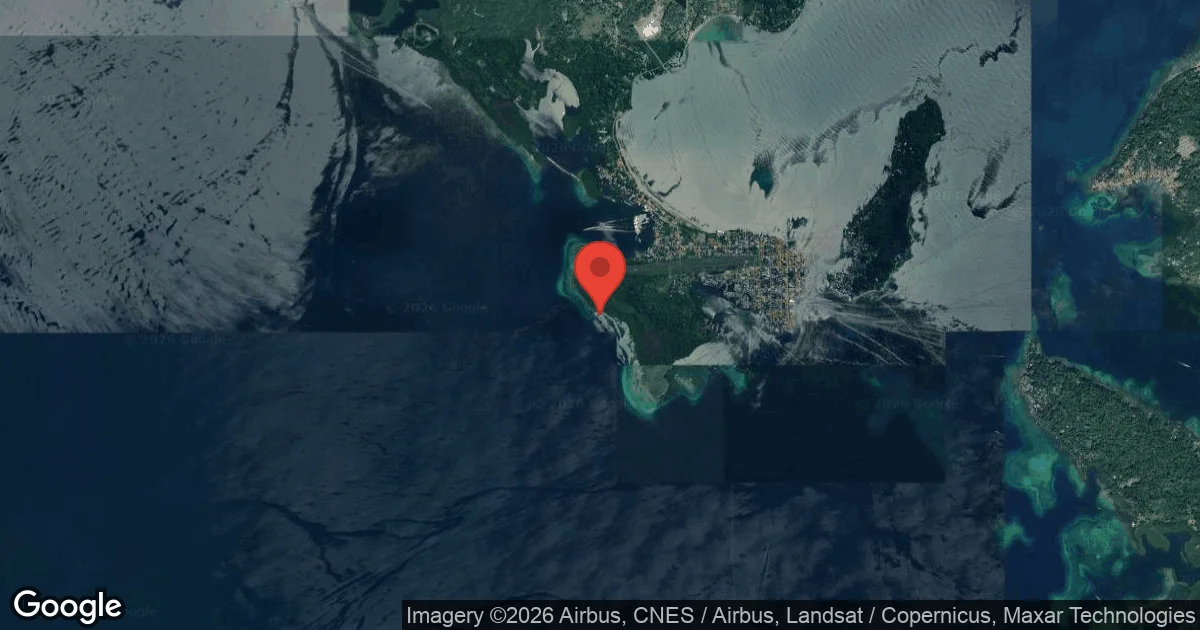
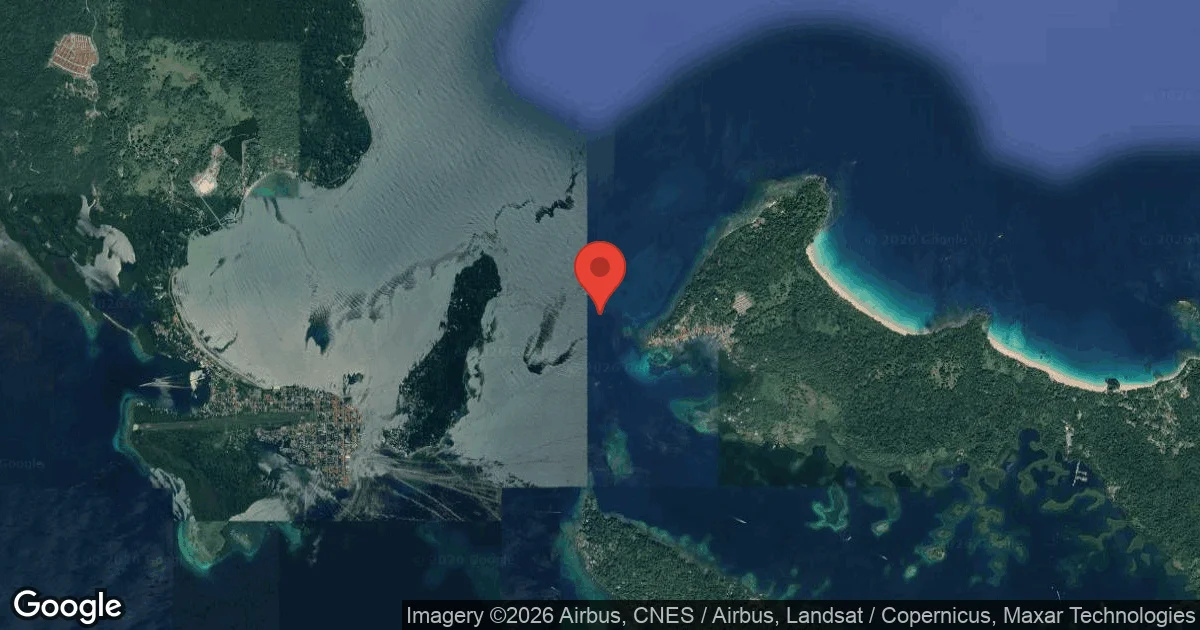
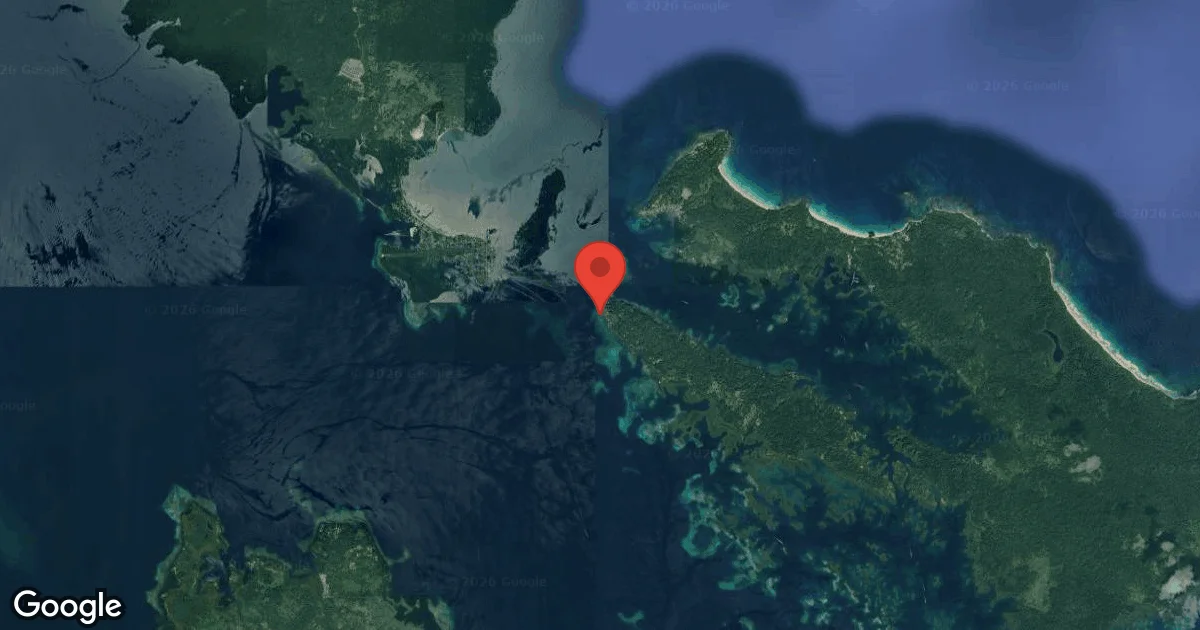
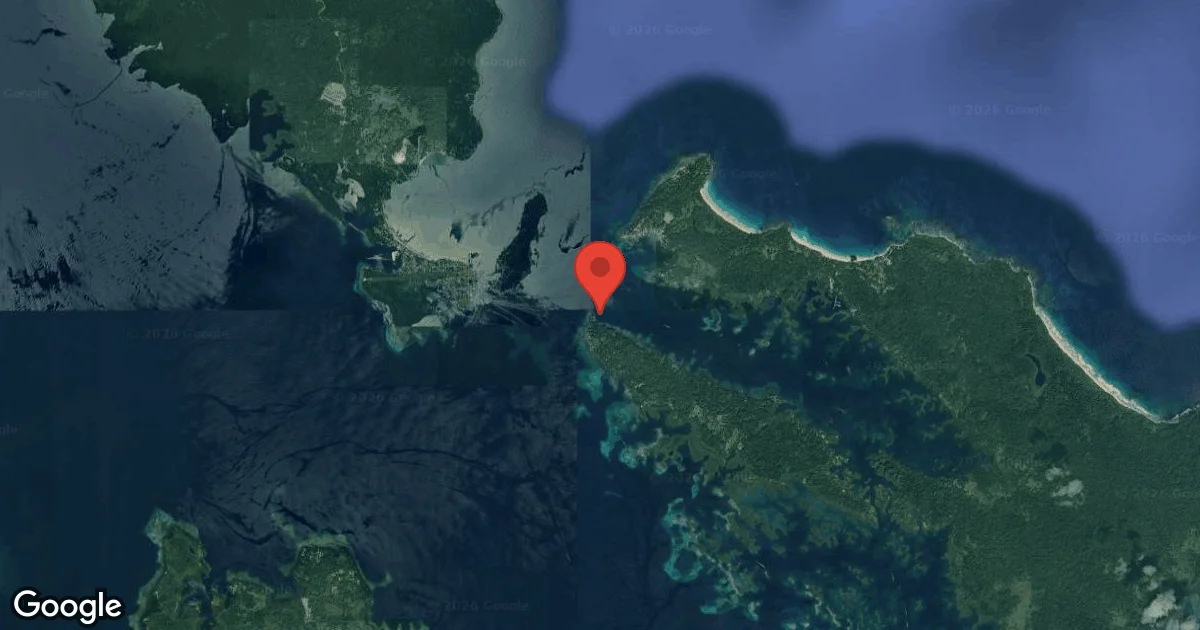
Airport Point in Bocas del Toro offers divers clear views of an engaging underwater landscape. Visibility here frequently allows for excellent exploration of both natural reef structures and fascinating artificial attractions. Divers can expect conditions conducive to photography and relaxed observation, making it an accessible site for a range of certification levels.
Evening condition tracking at Airport Point features an air temperature of 26°C. We have recorded wave heights measuring 0.6 m during this period. These figures outline the environmental parameters currently present.
Dive Site Location & Key Facts
Dive Site Overview
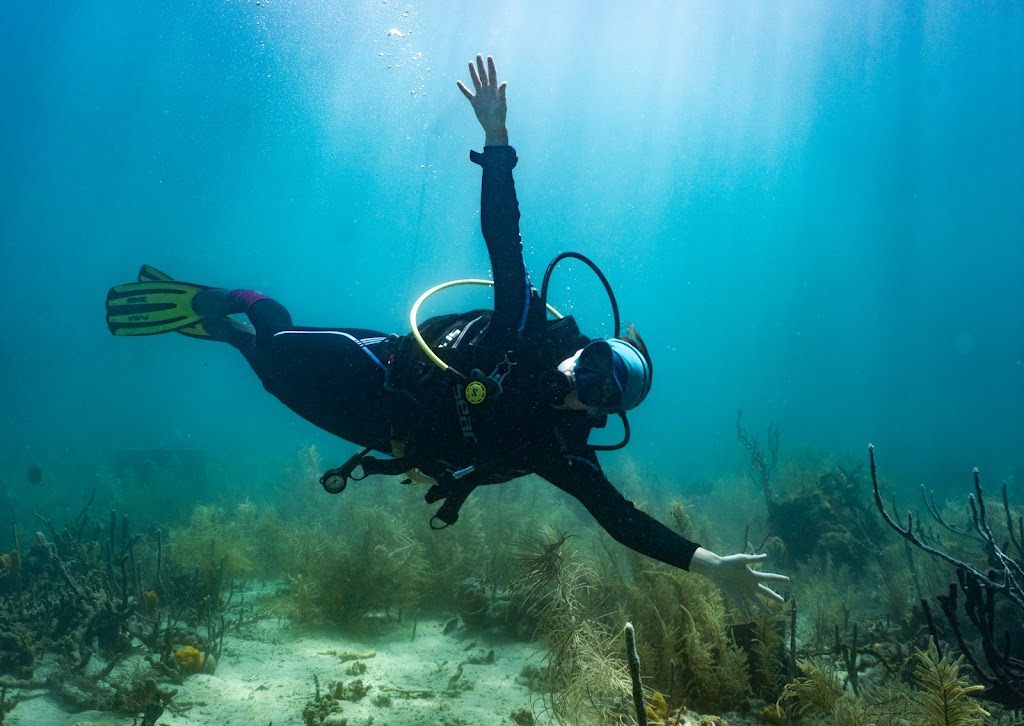
Exploring Airport Point unveils a multi-faceted underwater environment, from natural coral formations to captivating wrecks. Divers encounter a unique blend of reef and sandy bottom, providing diverse habitats for a wide range of marine life.
A distinct draw is the small plane wreck, resting at approximately 10 m (33 ft), which has become an artificial haven for various species. Its fuselage offers shelter, attracting schools of fish and smaller invertebrates. Adjacent to this, the intricate structures beneath the nearby pier also act as an established artificial reef, inviting thorough exploration.
These pilings host a rich growth of sponges and corals, creating a vertical ecosystem to observe. Many opportunities for extended bottom times exist, particularly around these prominent features, offering ample chances for underwater photography and detailed observation.
Depths at this site remain well within recreational limits, typically ranging to about 14-17 m (46-56 ft) in the Bocas del Toro region. This accessibility makes it suitable for various diver experiences, including those undergoing initial Discover Scuba Diving programs or advanced divers practicing their skills.
Investigating the nooks and crannies of the wrecks and reef where many creatures find shelter rewards patient divers. Expect a leisurely pace to fully appreciate the complex ecosystems developing around these submerged structures; it's a dive designed for discovery. This combination of natural and artificial elements creates a dynamic and engaging dive profile, promising new sights with each visit.
Conditions are Good
Optimal conditions expected
Current conditions near Airport Point show 26° air, 29° sea temperature, 0.6 m waves, and 21 km/h wind. Forecast data is refreshed regularly to ensure accuracy.
Best Time to Dive
The period from March through October generally presents good to excellent diving conditions at Airport Point, with September standing out with an 'Excellent' dive score. Air temperatures during these months remain comfortably warm, averaging between 26°C and 27.5°C (79-81°F). While specific water temperature data isn't consistently reported, the tropical climate suggests warm, inviting waters year-round. Rainfall is notably lower from March to May, which often correlates with improved underwater visibility. Conversely, while November sees increased rainfall, September and October tend to have lower wave heights and lighter winds, which can contribute to calmer surface conditions and clearer water, enhancing the dive experience.
PEAK SEASON SCORE
Scores combine air & water temps, waves, wind & rainfall for overall conditions.
BEST MONTHS TO DIVE
Monthly records compiled from satellite and marine observation nodes over the last 3 years. Data provided by Open-Meteo and MET Norway.
Dive Experience & Conditions
Diving here typically involves mild current dynamics, allowing for comfortable exploration of the site's distinct features. Often, conditions present minimal surge, making for an enjoyable and relaxed underwater experience. A combination of reef and sandy bottom areas creates a varied topography, with artificial structures like the plane wreck and pier adding significant points of interest. These sites are generally shallow enough to permit longer bottom times, ideal for observation and photography, without concerns about rapid nitrogen uptake. Visibility can vary depending on recent rainfall and tidal movements, but clear water is frequently encountered, contributing to a relaxed dive. Surrounding tropical waters provide consistently warm temperatures, making it comfortable for extended periods underwater, often in the 22-27°C (72-81°F) range. Surface conditions are often calm, especially during specific calmer seasons, further enhancing ease of entry and exit. Divers can anticipate a generally tranquil environment, conducive to focused exploration of the diverse marine habitats.
Dive Difficulty & Safety Guidelines
Approaching this site requires standard safe diving practices; always dive within your certification limits and with a buddy. Given the unique structures like the plane wreck and pier, maintaining good buoyancy control is crucial to avoid disturbing marine life or delicate coral growth. Though specific hazards aren't consistently reported, general safety includes careful ascent and descent rates, and always carrying appropriate signaling devices.
It's advisable to consult with local dive operators for the most current site conditions and specific guidelines, as they possess up-to-date knowledge of the local environment. Respecting the marine ecosystem by avoiding contact with corals and wildlife is also fundamental.
Recommended Equipment
- Dive Computer
- DSMB
This gear list is based on verified equipment signals for Airport Point, Panama. Always confirm final gear choices with your dive operator, guide, or liveaboard.
Recommended Dive Suit
With water temperatures around 29°C (85°F), many divers find a dive skin or rash guard provides comfortable protection.
Local conditions can vary slightly across different parts of the same dive site.
Conditions are expected to stay fairly consistent in the days ahead.
Emergency & Medical Support
Essential information to help you plan your dive trip to Airport Point.

Hyperbaric chambers are a critical part of dive safety infrastructure. Availability varies significantly by region, and not all dive areas have immediate access.
Before diving, it's recommended to:
- confirm nearest medical facilities
- check emergency procedures with local dive operators
- ensure dive insurance covers evacuation if required
Divers Alert Network
Diving emergency assistance available through DAN World.
+1-919-684-9111- 24/7 emergency hotline
- Diving medical assistance
- Evacuation coordination
Emergency contacts are provided for reference. Always verify local emergency services before diving.
Marine Life at Airport Point
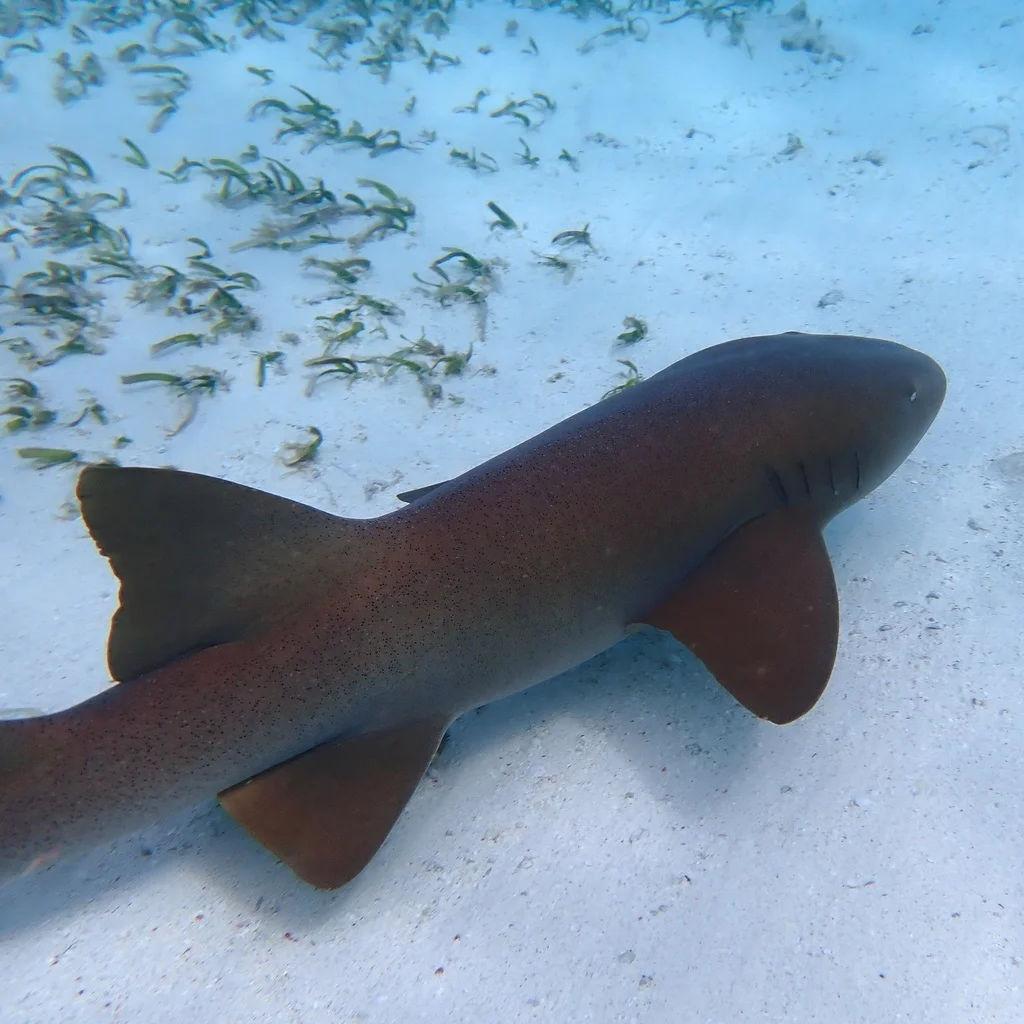
The diverse structures at Airport Point attract a vibrant array of marine inhabitants. Divers often encounter nurse sharks, resting on the sandy bottom or tucked within crevices.
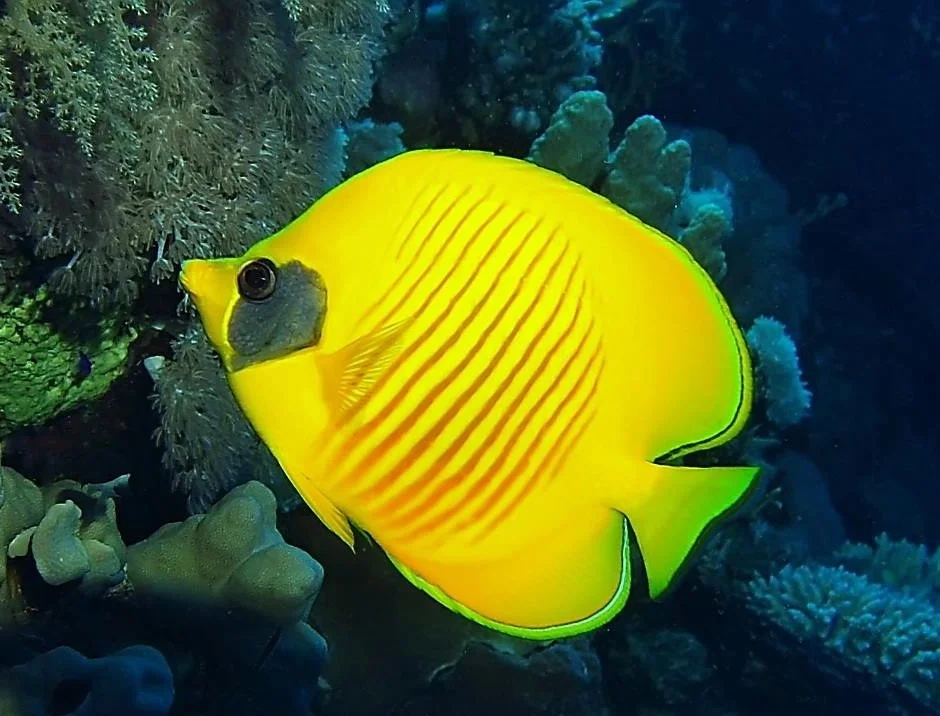
Among the artificial reefs, you might spot several toadfish peeking from their rocky dens, alongside schools of butterflyfish and delicate feather worms. Encounters with groups of squids can add an exciting dynamic to the dive.
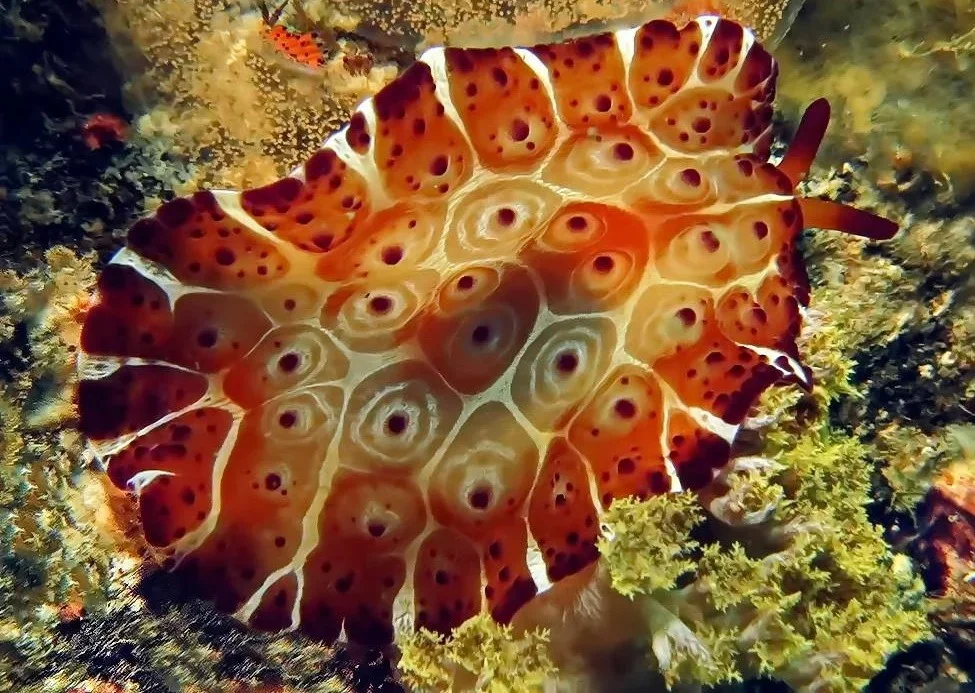
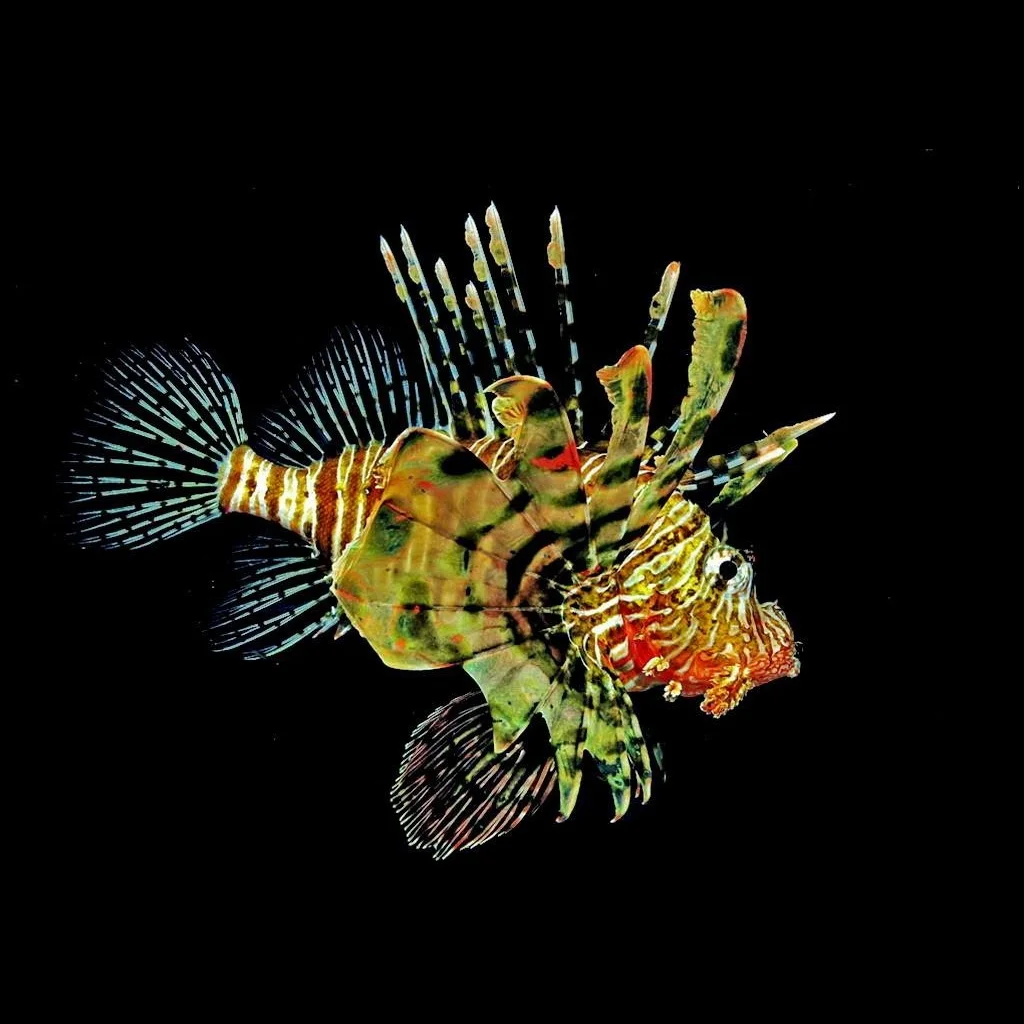
Additionally, divers should be aware of invasive lionfish, which are sometimes present, and can also observe beautiful lettuce sea slugs, Elysia Crispata, displaying their intricate blue, pink, purple, and green ruffles among the corals.

Dive Sites Near Airport Point
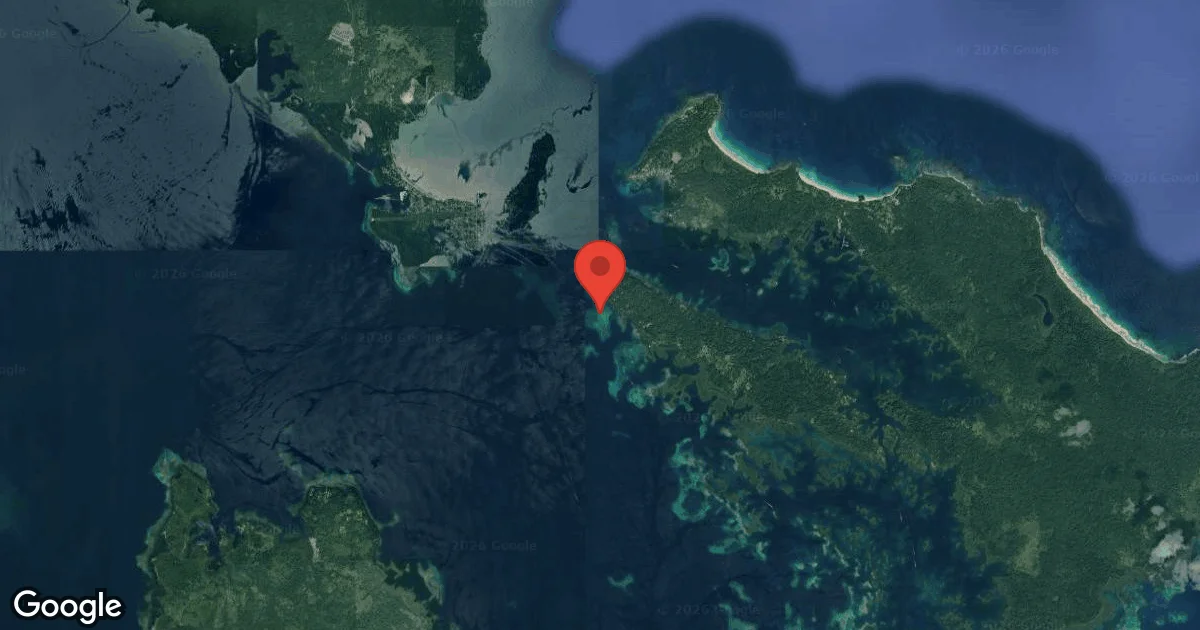
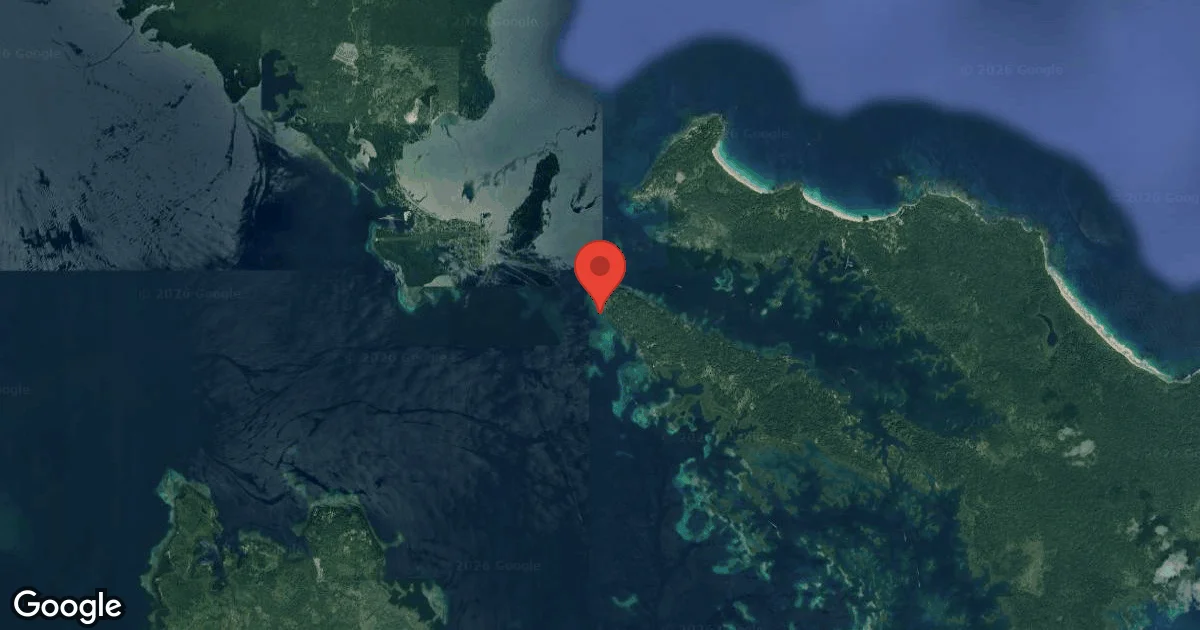
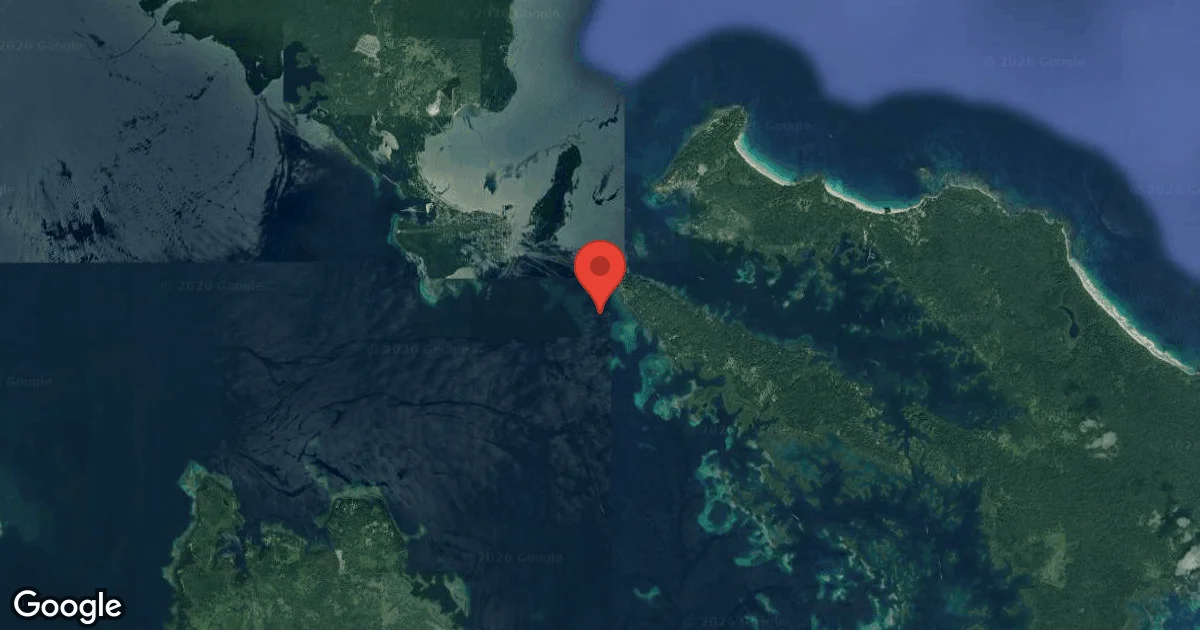
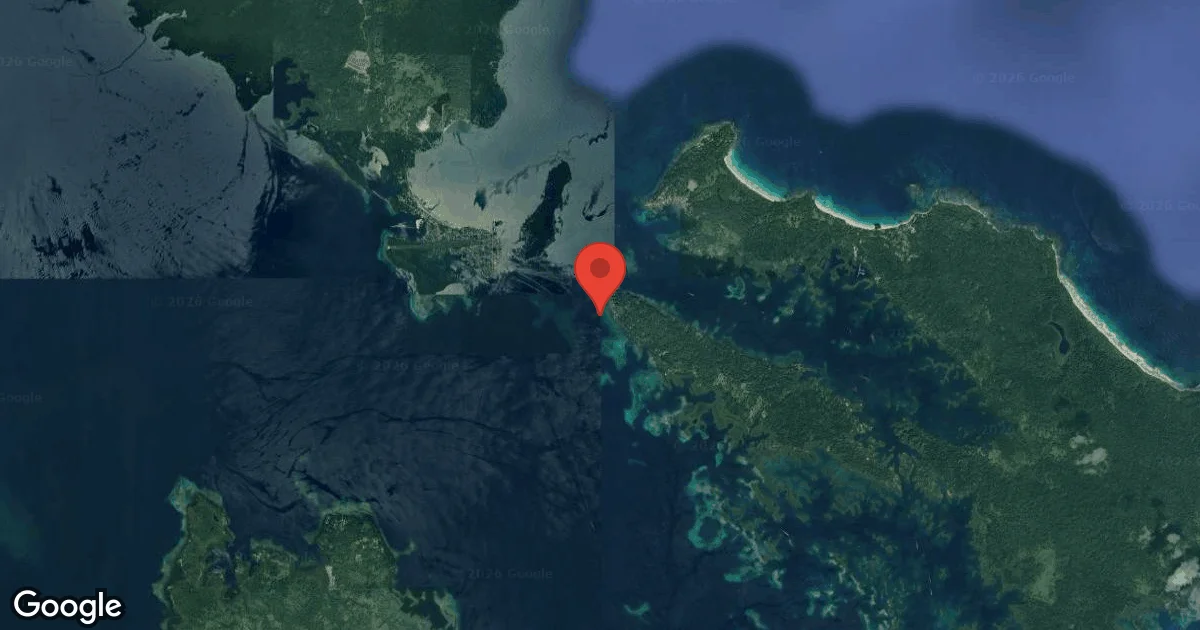
View all dive sites in PanamaDiscover more underwater gems in this area.
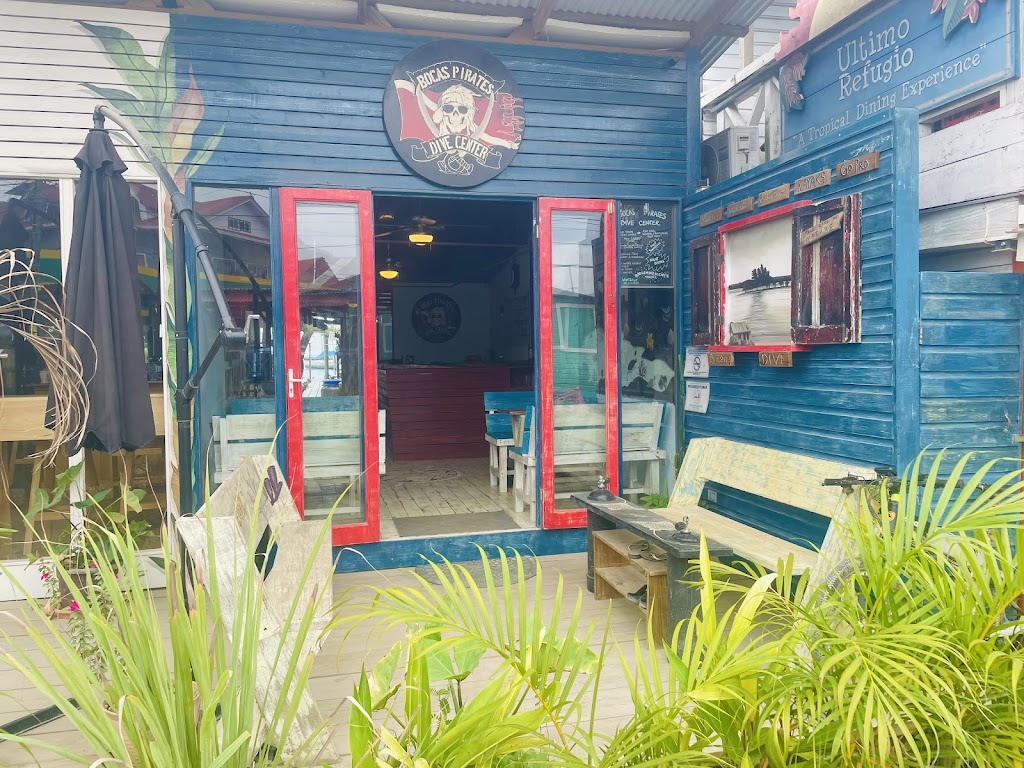
Dive Centers Near Airport Point

Today: 08:00 - 17:00

Nearest Airports
Nearest airports to help plan travel to this dive area.
Search Flights
Check available flights and routes on Expedia, using the nearby airports listed in this section.
Search Flights on ExpediaFrequently Asked Questions
What depth can I expect at Airport Point?
This site is relatively shallow, with a maximum depth of 12 m (39 ft) at Airport Point itself. The profile can allow for longer bottom times, while nearby dive sites in Bocas del Toro may reach around 14–17 m (46–56 ft).
Are there any wrecks at Airport Point?
Yes, Airport Point is notable for its plane wreck and the structures beneath the pier. These artificial features have become thriving habitats for marine life and offer excellent opportunities for exploration.
What is the water temperature like?
While specific water temperature data isn't consistently reported, Panama's tropical climate means the waters are generally warm and comfortable year-round. Air temperatures average between 25-27.5°C (77-82°F).
What kind of marine life might I see?
Divers often spot nurse sharks, toadfish, squids, butterflyfish, and feather worms. You might also encounter the colorful lettuce sea slug and should be aware of invasive lionfish.
Is this site suitable for beginner divers?
Its relatively shallow depths and usually mild current dynamics make it suitable for various experience levels, including those doing Discover Scuba Diving. However, always dive with a certified guide or instructor.
What are the best months for diving here?
Diving is good to excellent from March to October, with September offering the best conditions. Lower rainfall during March-May can mean better visibility, while September-October often have calmer seas and lighter winds.
Planning to dive Airport Point?
Send one inquiry and receive offers directly from the best verified local dive operators.
Conditions are Good
Optimal conditions expected
Current conditions near Airport Point show 26° air, 29° sea temperature, 0.6 m waves, and 21 km/h wind. Forecast data is refreshed regularly to ensure accuracy.