
Diving at Bouy Line (Panama)
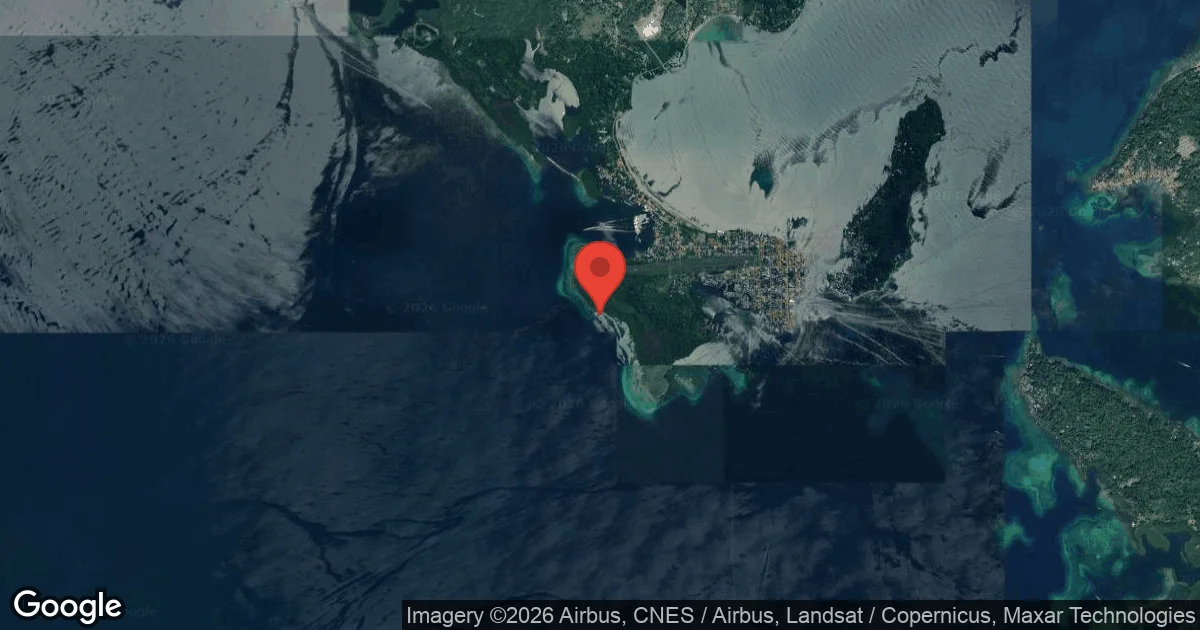
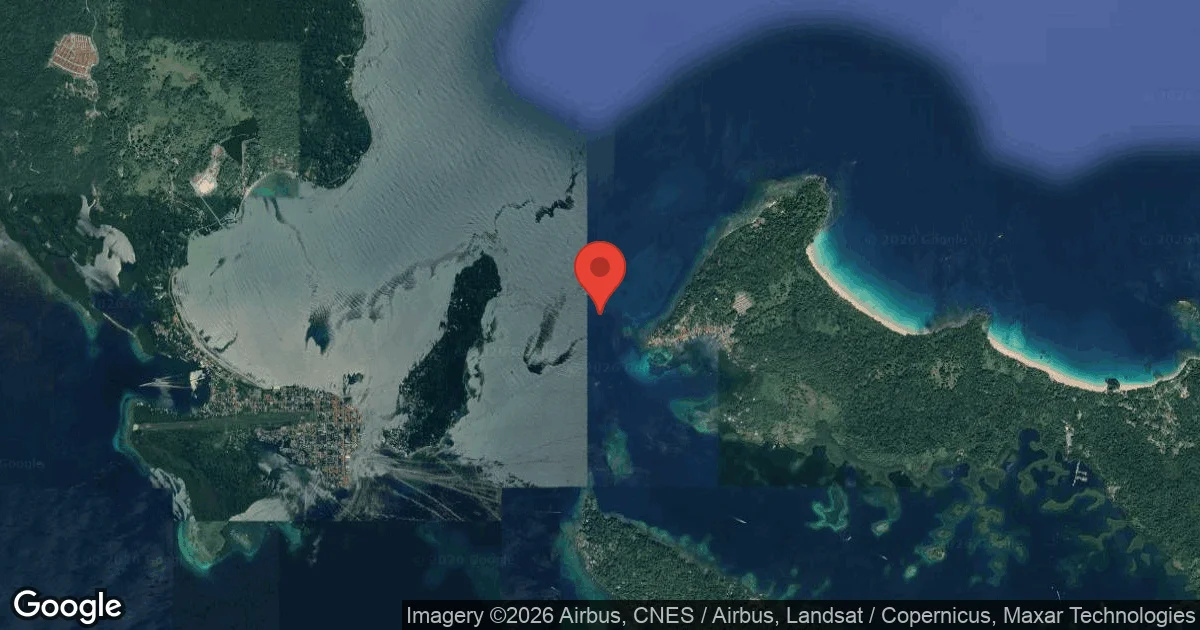
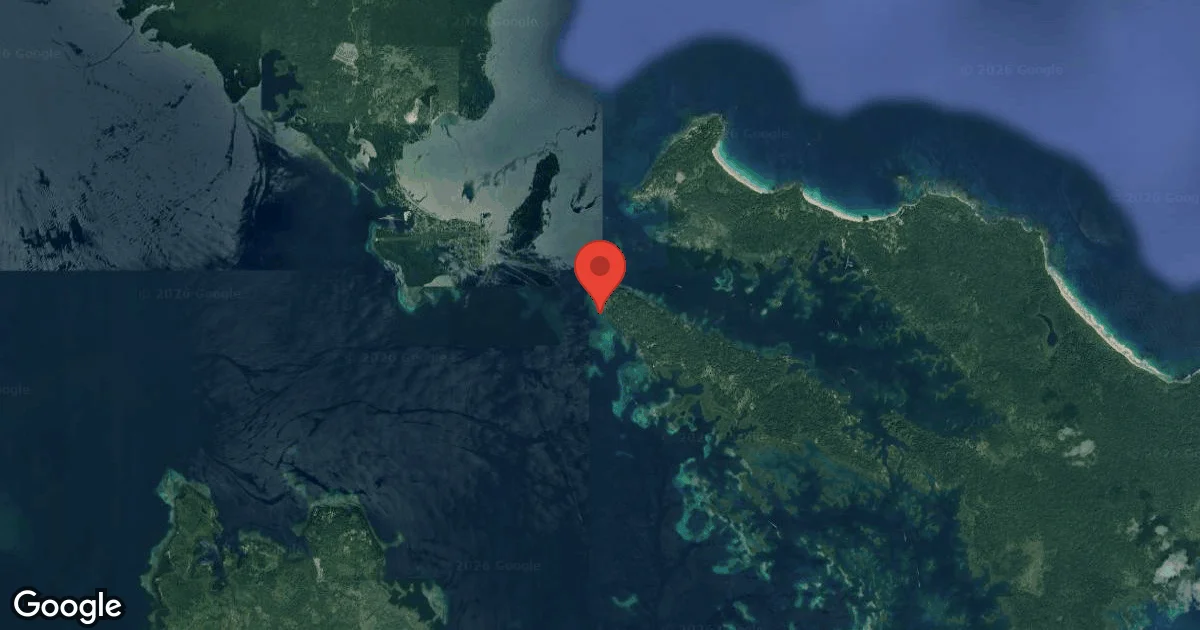
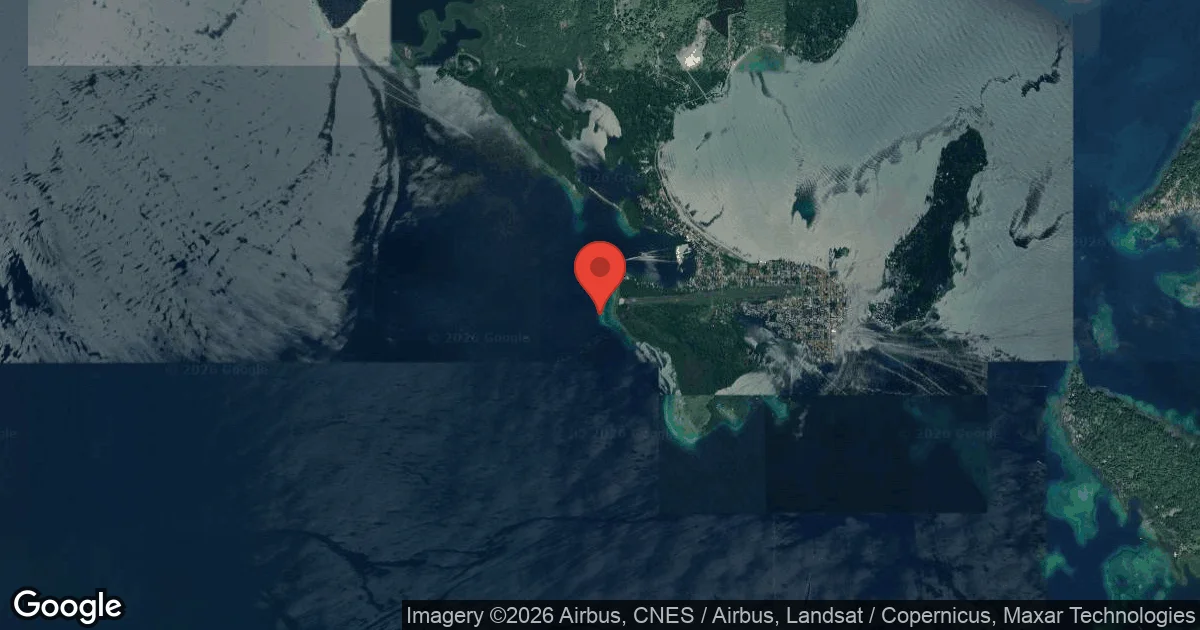
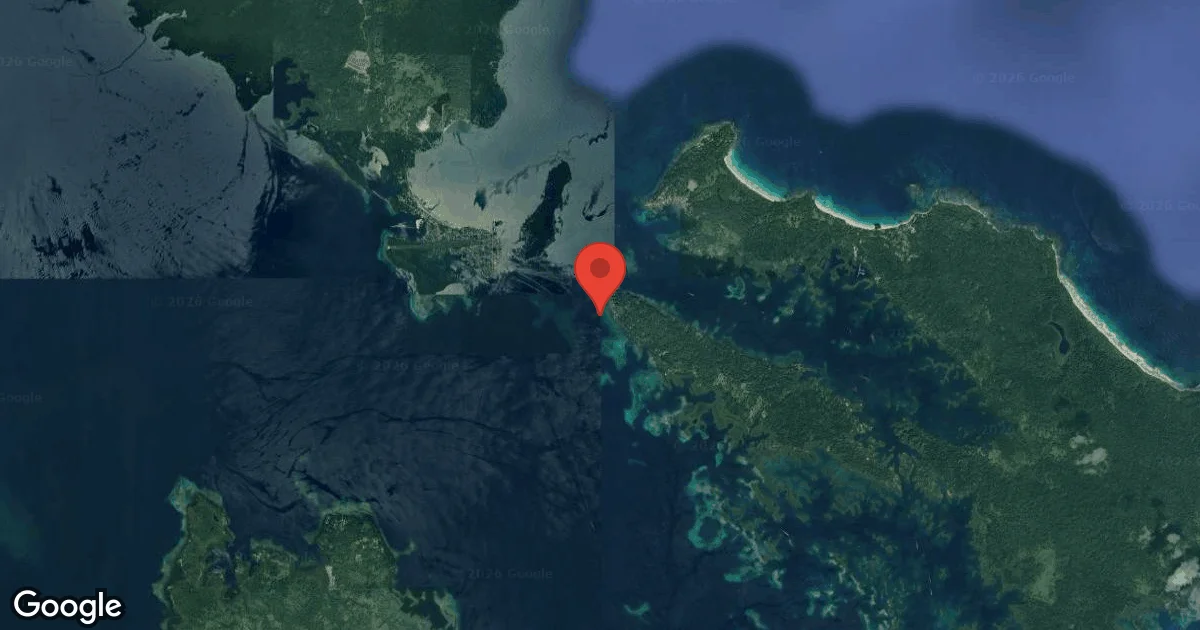
An intriguing underwater topography defines Bouy Line, merging natural coral and sponge reef formations with an artificial trimaran shipwreck. Situated near Solarte Island, the site provides a diverse environment where marine ecosystems have integrated with human-made structures. Vibrant reef life coexists with the submerged wreck, crafting an engaging dive for varying skill levels.
Evening condition tracking at Bouy Line features an air temperature of 27.5°C. We have recorded wave heights measuring 0.6 m during this period. These figures outline the environmental parameters currently present.
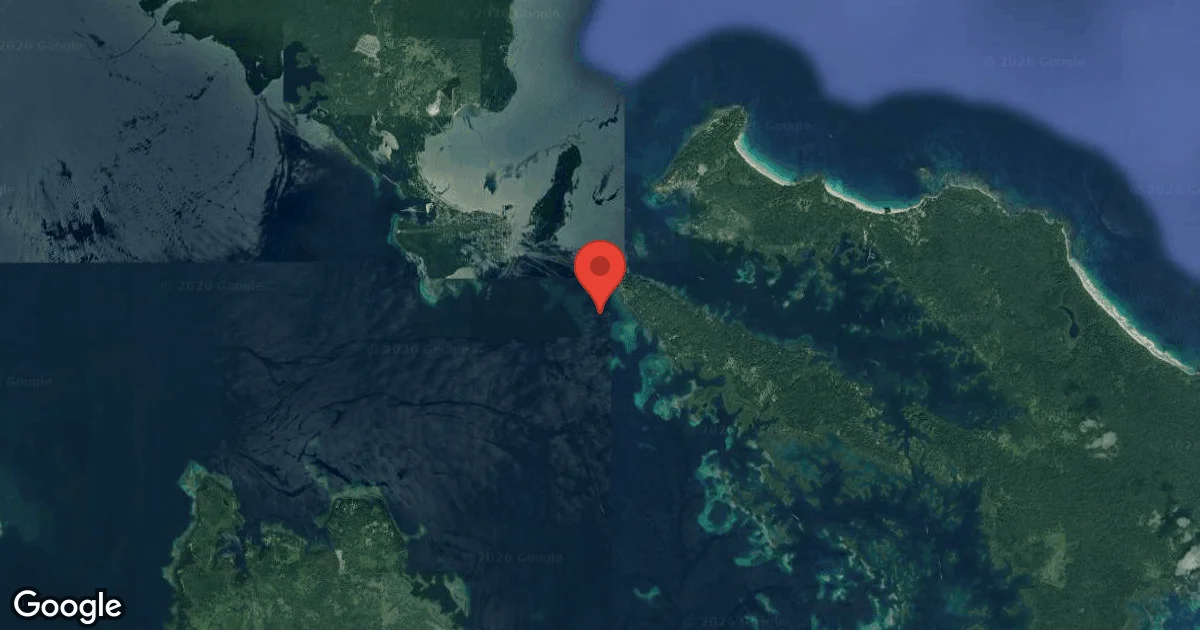
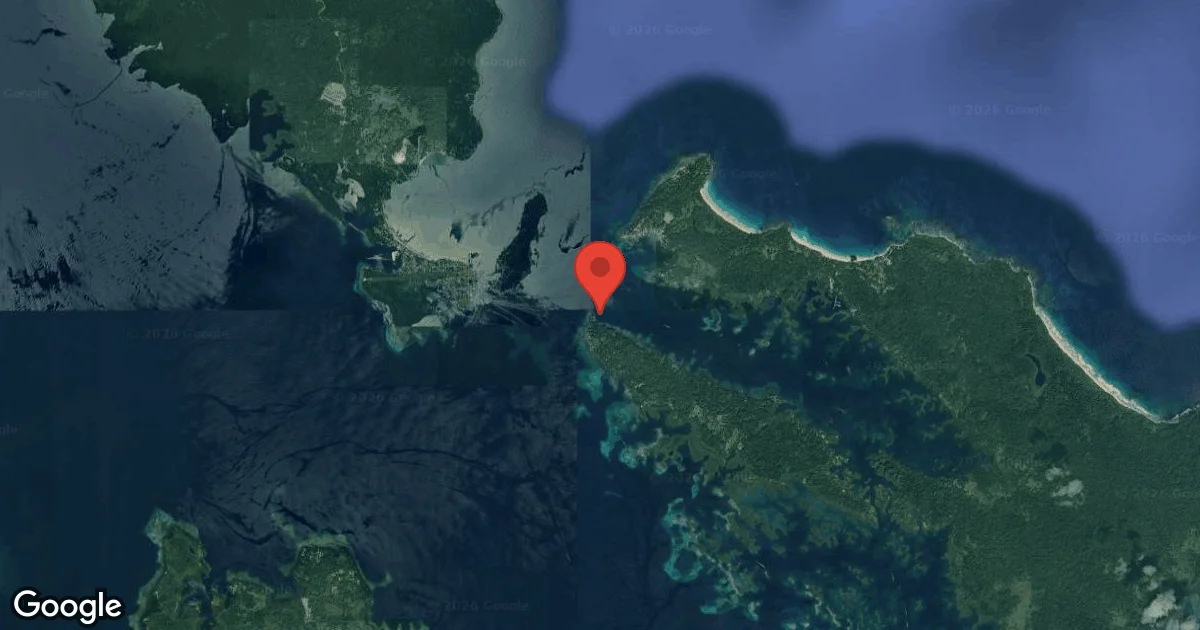
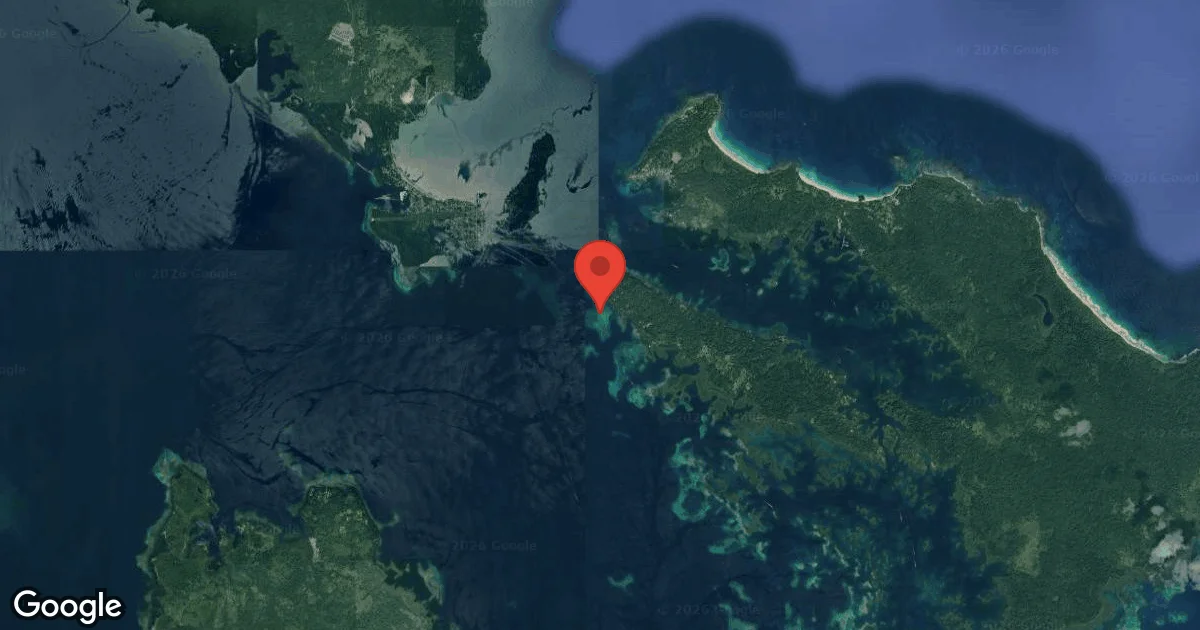
Dive Site Location & Key Facts
Dive Site Overview
Imagine descending into a vibrant underwater realm where a beautiful coral and sponge reef thrives alongside an artificial trimaran wreck. Bouy Line, near Solarte Island, promises a rewarding dive experience, merging natural beauty with an intriguing historical element.
A submerged trimaran stands as a focal point, its structure having transformed into a stable habitat that attracts various marine species. Divers exploring discover intricate shapes and vibrant colors of surrounding reef formations, then transition smoothly to inspecting the wreck itself. Exploring the trimaran reveals its transformation from a vessel to an integrated part of the ecosystem, with corals attaching and small fish finding shelter.
Water temperatures, while not consistently reported for Bouy Line, typically align with regional averages, usually around 25-27°C / 77-81°F, ensuring comfortable diving. Visibility varies with local conditions, but on favorable days, complex structures of both reef and wreck are clearly observable.
Opportunities for photography abound throughout an extended dive, appealing to both newer and seasoned divers seeking a blend of natural wonder and wreck exploration.
Conditions are Good
Optimal conditions expected
Current conditions near Bouy Line show 27° air, 30° sea temperature, 0.5 m waves, and 23 km/h wind. Forecast data is refreshed regularly to ensure accuracy.
Best Time to Dive
Periods of calm seas and improved visibility often define optimal diving conditions at Bouy Line. May and September typically offer excellent dive scores, coinciding with lower average wave heights, around 0.4-0.5 m / 1.3-1.6 ft. During May, air temperatures average approximately 27.5°C / 82°F with moderate rainfall; September maintains similar comfortable air temperatures of 27°C / 81°F, also experiencing reasonable rainfall. March also presents good conditions, noting some of the lowest average rainfall at 2.53 mm / 0.1 inches. While specific water temperatures aren't consistently reported, air temperatures suggest a generally warm environment year-round, making most months suitable for diving, with May and September often standing out.
PEAK SEASON SCORE
Scores combine air & water temps, waves, wind & rainfall for overall conditions.
BEST MONTHS TO DIVE
Monthly records compiled from satellite and marine observation nodes over the last 3 years. Data provided by Open-Meteo and MET Norway.
Dive Experience & Conditions
Exploring depths down to 17 m / 56 ft, Bouy Line is accessible for certified Open Water divers. A rich coral and sponge reef forms the backdrop for the submerged trimaran wreck, providing a complex environment for exploration. Visibility varies depending on local weather patterns, yet during favorable conditions, reef's complex structures and abundant life are clearly observable, revealing intricate details. While specific water temperature data is not consistently reported for Bouy Line, the region generally experiences warm, tropical water conditions. Expect temperatures aligned with regional averages. Currents are typically mild, making for a relaxed exploration of both natural and artificial features without significant challenges.
Dive Difficulty & Safety Guidelines
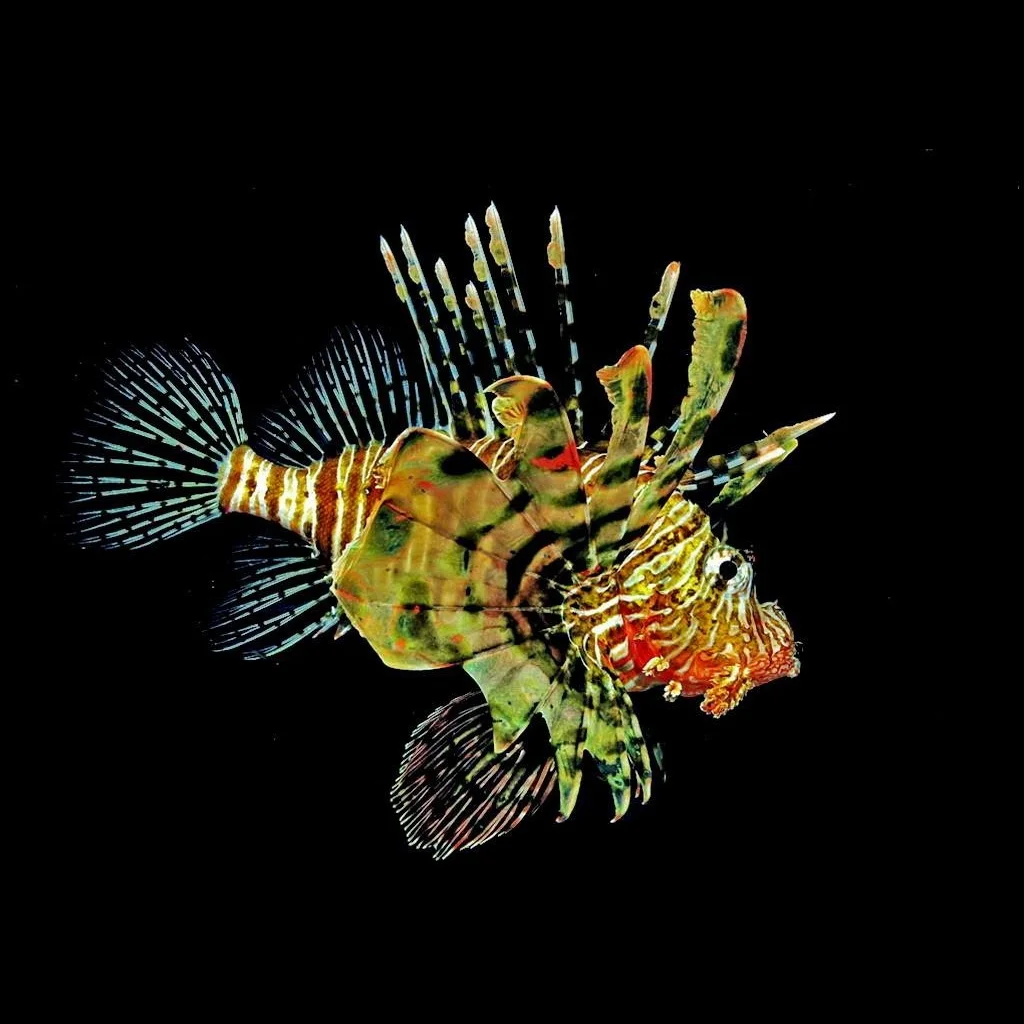
Navigating Bouy Line safely involves awareness of the unique elements present at the site. Dive with a local guide who understands the conditions and can point out key features, including any invasive lionfish, which may be present on the reef. Divers should adhere to standard safety protocols, maintaining appropriate depths and monitoring air consumption.
While the site is generally considered manageable for various skill levels, always ensure your equipment is in good working order and dive within your certification limits. A proper briefing from a dive operator will cover any specific local considerations.
Recommended Equipment
Overhead / entanglement risk. Wreck penetration requires proper training.
- Dive Computer
- DSMB
- Primary & Backup Lights
- Wreck Reel
- Cutting Tool
This gear list is based on verified equipment signals for Bouy Line, Panama. Always confirm final gear choices with your dive operator, guide, or liveaboard.
Recommended Dive Suit
Short-term weather patterns suggest stable conditions for divers visiting the area.
Thermal protection such as dive skin or rash guard is commonly used in similar temperatures. Consider warmer surface protection (like a boat coat) due to brisk winds.
At Bouy Line, the water is currently sitting around 30°C (85°F). Surface air temperatures are resting at 27°C (81°F).
Emergency & Medical Support
Essential information to help you plan your dive trip to Bouy Line.

Hyperbaric chambers are a critical part of dive safety infrastructure. Availability varies significantly by region, and not all dive areas have immediate access.
Before diving, it's recommended to:
- confirm nearest medical facilities
- check emergency procedures with local dive operators
- ensure dive insurance covers evacuation if required
Divers Alert Network
Diving emergency assistance available through DAN World.
+1-919-684-9111- 24/7 emergency hotline
- Diving medical assistance
- Evacuation coordination
Emergency contacts are provided for reference. Always verify local emergency services before diving.
Marine Life at Bouy Line
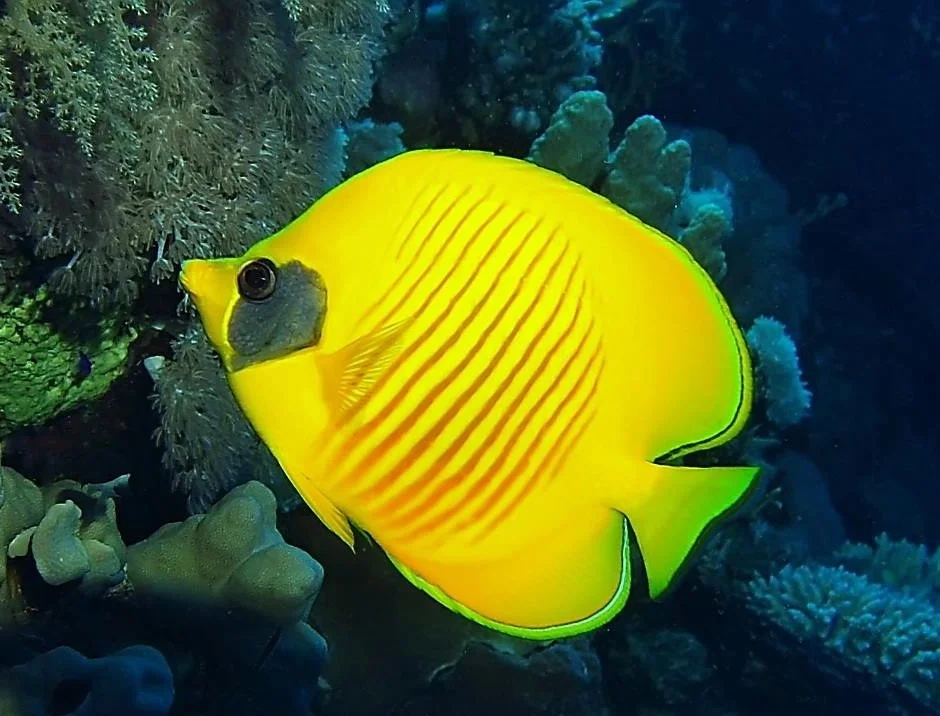
Resident marine life at Bouy Line presents a diverse collection. Explorers frequently encounter various butterflyfish darting around coral and sponge formations.
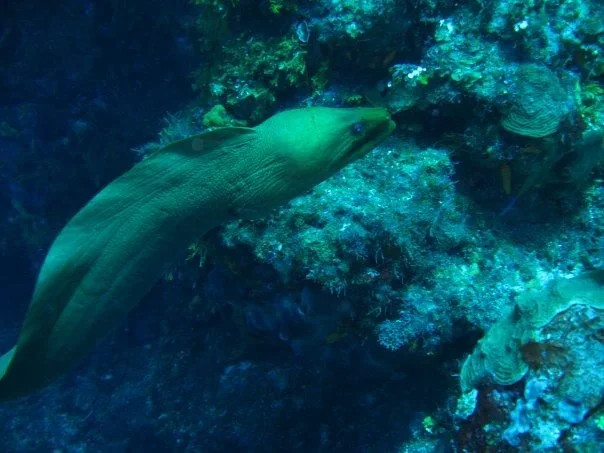
Feather worms add pops of color, retracting into their tubes as divers approach. An artificial trimaran wreck provides habitat for creatures like moray eels, often found tucked into crevices.
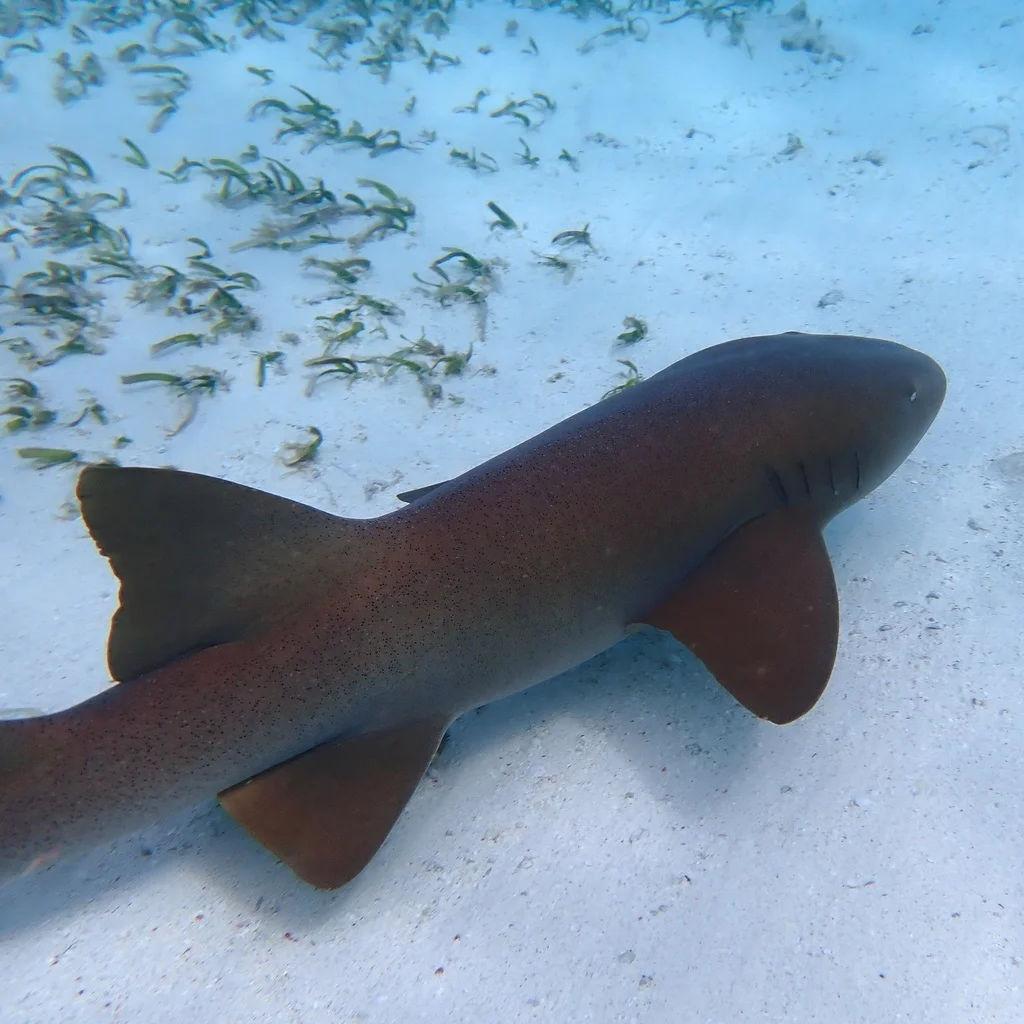
Nurse sharks have also been noted in the area, resting on the seabed. Additionally, toadfish are present, known to hide within rocky dens, and observant divers might spot a few invasive lionfish.
Dive Sites Near Bouy Line
View all dive sites in PanamaDiscover more underwater gems in this area.
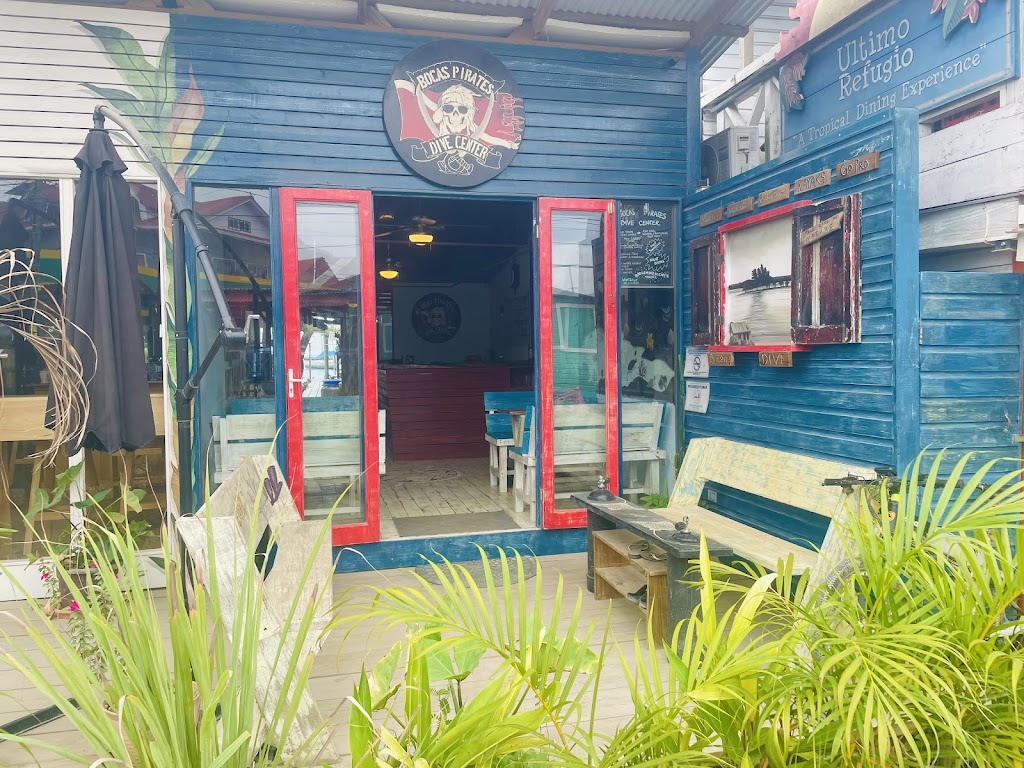
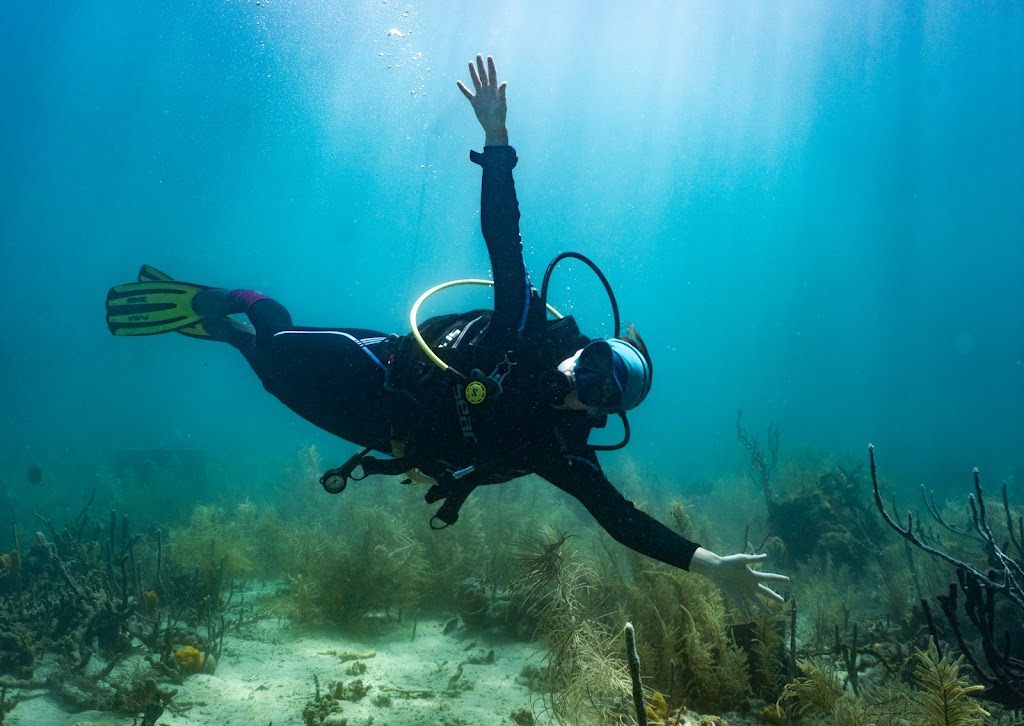
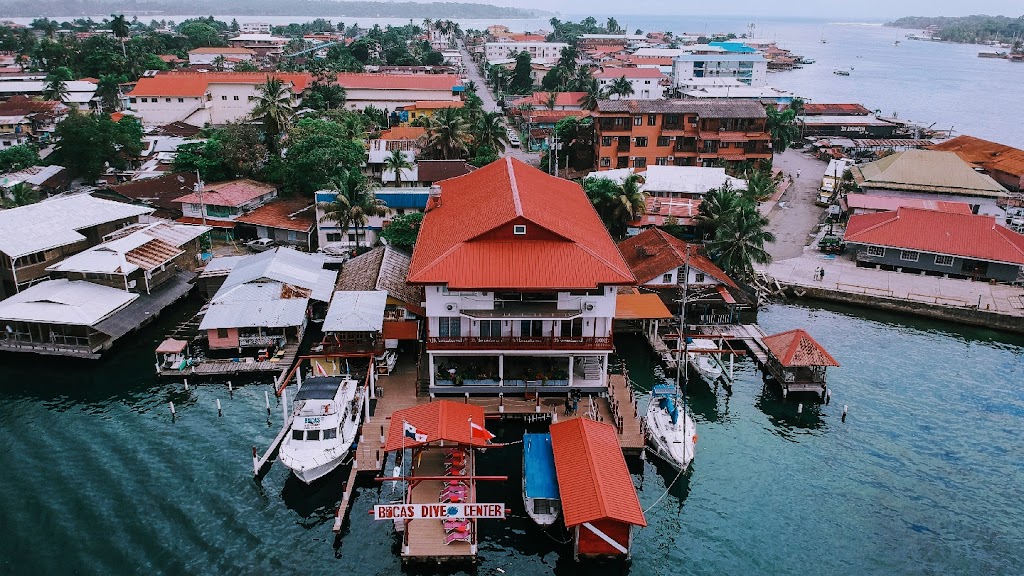
Dive Centers Near Bouy Line

Today: 08:00 - 17:00
Nearest Airports
Nearest airports to help plan travel to this dive area.
Search Flights
Check available flights and routes on Expedia, using the nearby airports listed in this section.
Search Flights on ExpediaFrequently Asked Questions
What is the maximum depth at Bouy Line?
Typical maximum diving depth at Bouy Line is 17 m / 56 ft. Such depths are suitable for certified Open Water divers and above.
What kind of structures can I expect to see at Bouy Line?
Bouy Line is characterized by natural coral and sponge reef formations, combined with an artificial trimaran shipwreck. A submerged vessel has become an integral part of the marine ecosystem.
What marine life is commonly found at Bouy Line?
Divers often observe butterflyfish, feather worms, moray eels, and nurse sharks. Invasive lionfish are also sometimes present, which local dive operations may manage. Toadfish hide in rocky areas.
When is the best time of year to dive Bouy Line?
May and September generally offer excellent dive conditions due to lower wave heights and good visibility. Air temperatures are comfortable year-round, averaging 25-27°C / 77-81°F.
Are there any specific hazards at this dive site?
While no specific hazards are consistently reported beyond typical dive site considerations, divers should be aware of invasive lionfish. Always dive with a reputable local guide and follow standard safety protocols.
Is Bouy Line suitable for beginner divers?
With a maximum depth of 17 m / 56 ft and generally mild currents, Bouy Line is often considered suitable for Open Water certified divers. Its diverse features, including both reef and wreck, provide an engaging experience for those with basic certifications.
Planning to dive Bouy Line?
Send one inquiry and receive offers directly from the best verified local dive operators.
Conditions are Good
Optimal conditions expected
Current conditions near Bouy Line show 27° air, 30° sea temperature, 0.5 m waves, and 23 km/h wind. Forecast data is refreshed regularly to ensure accuracy.