
Diving at Areu Passage Inner Reef Wall (Papua New Guinea)
A dive at Areu Passage Inner Reef Wall immediately draws attention to the dramatic vertical drop. Corals densely cover the face, revealing an intricate tapestry of life as the wall descends. This structure creates a dynamic environment, where the reef's rich ecosystem thrives across varying depths. Expect impressive gorgonians and sponges along the deep ledges.
Tonight's objective overview for Areu Passage Inner Reef Wall shows an air temperature of 26.5°C. The measured surface conditions include wave heights around 0.8 m. This environmental data is logged for the close of the day.
Dive Site Location & Key Facts
Dive Site Overview
The Areu Passage Inner Reef Wall presents a compelling dive through Papua New Guinea's vibrant underwater topography. It exemplifies the region's dramatic wall diving, where the reef system plunges steeply, offering diverse habitats from its shallower crest to the deeper, shadowed sections.
This structure transitions from an active reef top, potentially around 7 meters / 23 feet, to depths extending well beyond recreational limits, sometimes dropping past 40 meters / 130 feet into the abyss. Along its face, one can observe various coral formations, from expansive hard corals near the surface, providing shelter for small reef fish, to substantial gorgonians and barrel sponges at greater depths, where light penetration diminishes.
The dive encompasses both intricate micro-fauna clinging to the wall and larger pelagic species drawn to the passage's currents. This site is suitable for Open Water divers comfortable with depth, with advanced certifications recommended for exploring its deeper segments and navigating its diverse ecosystem.
Conditions are Moderate
Optimal conditions expected
Current conditions near Areu Passage Inner Reef Wall show 27° air, 30° sea temperature, 0.8 m waves, and 32 km/h wind. Forecast data is refreshed regularly to ensure accuracy.
Best Time to Dive
Planning a dive at Areu Passage Inner Reef Wall generally offers a rewarding experience across much of the year, though conditions can influence your visit. From August to September, conditions are typically favorable, marked by lower average wave heights (around 0.9 meters / 3.0 feet) and reduced wind speeds (approximately 11.2-11.5 km/h / 7-7.1 mph), leading to a "Good" dive score. These months also see moderate rainfall, averaging 15-19 mm. Air temperatures during these periods are consistently warm, often ranging from 27°C / 81°F. While specific water temperatures aren't consistently reported, the tropical climate suggests warm waters, likely in the 27-29°C / 81-84°F range. December to March brings higher wave activity and wind, with increased rainfall averaging 5-8 mm, which may lead to choppier surface conditions, but diving remains feasible with a "Moderate" rating.
PEAK SEASON SCORE
Scores combine air & water temps, waves, wind & rainfall for overall conditions.
BEST MONTHS TO DIVE
Monthly records compiled from satellite and marine observation nodes over the last 3 years. Data provided by Open-Meteo and MET Norway.
Dive Experience & Conditions
Current dynamics frequently define the diving experience at Areu Passage. Conditions along the wall can shift significantly, moving from relatively calm, sheltered areas to a distinct current flowing with considerable force over the upper reef. Divers must anticipate potential drift, carefully planning their entry and exit points to manage the flow effectively. Typically, visibility at comparable PNG wall sites often surpasses 30 meters, providing expansive, clear perspectives of the entire reef structure. The wall usually starts in shallower water, commonly between 5 to 7 meters, then drops sharply. Some sections plunge almost sheer after a significant lip encountered around 27 meters, continuing into much greater depths beyond recreational limits. This profound deep structure demands precise depth management and excellent buoyancy control for a safe and enjoyable dive.
Dive Difficulty & Safety Guidelines
Approaching the Areu Passage Inner Reef Wall requires attentive dive planning and awareness of your surroundings. Buoyancy control is paramount when navigating a vertical reef, especially given the potential for varying currents. Always monitor your depth and no-decompression limits carefully, particularly when exploring deeper sections of the wall.
Due to Papua New Guinea's remote dive locations, it's advisable to dive with experienced guides and ensure your dive operator has robust emergency protocols. Consider carrying a personal locator beacon or similar signaling device.
Maintaining situational awareness of your buddy and the wall's contours will contribute to a safe and enjoyable dive.
Recommended Equipment
Deep dive hazard. Increased narcosis and gas consumption risk.
- Dive Computer
- DSMB
- Primary & Backup Lights
This gear list is based on verified equipment signals for Areu Passage Inner Reef Wall, Papua New Guinea. Always confirm final gear choices with your dive operator, guide, or liveaboard.
Recommended Dive Suit
Water temperatures at Areu Passage Inner Reef Wall are currently estimated to be around 30°C (85°F), shaping the overall diving conditions for today. Surface air temperatures are resting at 27°C (80°F).
Many divers choose dive skin or rash guard when diving in similar conditions. Consider warmer surface protection (like a boat coat) due to brisk winds.
Forecast models show minimal temperature variation in the coming days.
Emergency & Medical Support
Essential information to help you plan your dive trip to Areu Passage Inner Reef Wall.

Hyperbaric chambers are a critical part of dive safety infrastructure. Availability varies significantly by region, and not all dive areas have immediate access.
Before diving, it's recommended to:
- confirm nearest medical facilities
- check emergency procedures with local dive operators
- ensure dive insurance covers evacuation if required
Divers Alert Network
Diving emergency assistance available through DAN World.
+1-919-684-9111- 24/7 emergency hotline
- Diving medical assistance
- Evacuation coordination
Emergency contacts are provided for reference. Always verify local emergency services before diving.
Marine Life at Areu Passage Inner Reef Wall
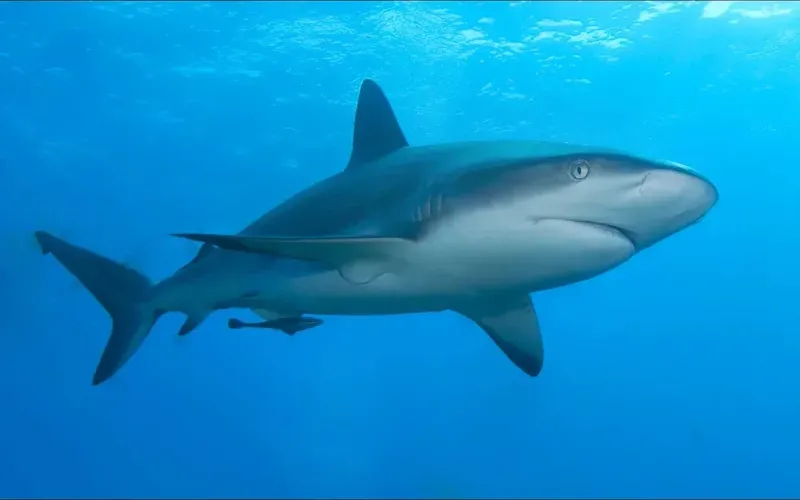
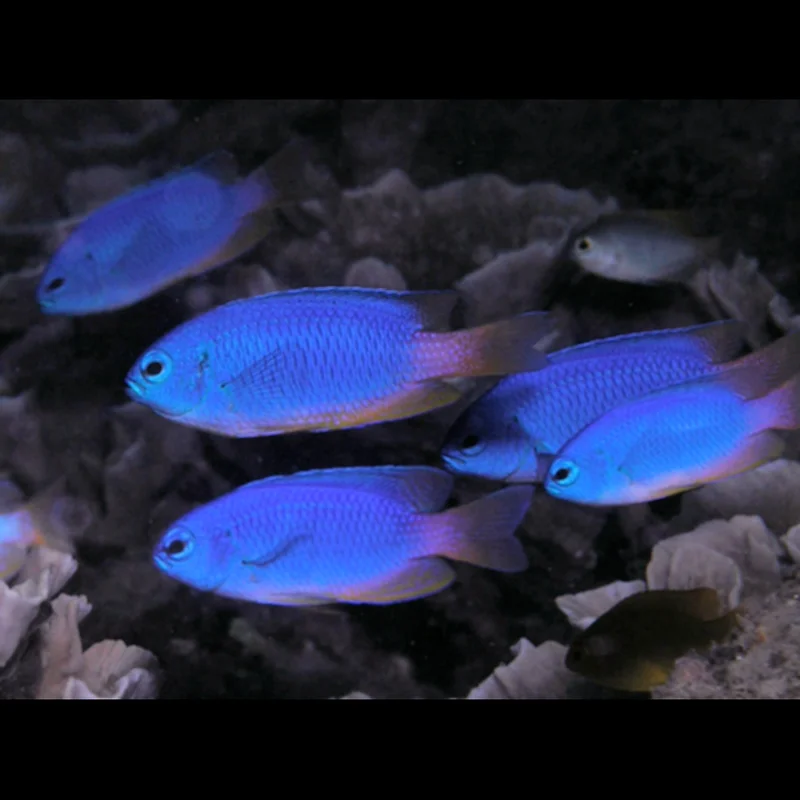
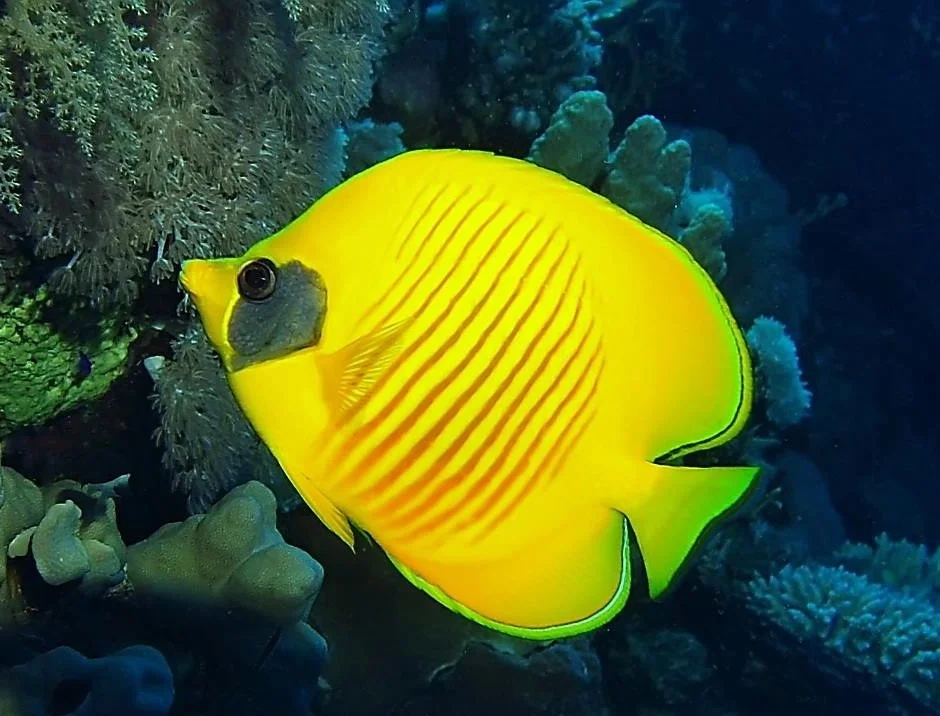
The Areu Passage Inner Reef Wall hosts a diverse array of marine life typical of PNG's vibrant coral ecosystems. Along the wall, expect to encounter numerous smaller reef fish like damselfish and butterflyfish, darting among extensive hard and soft corals.
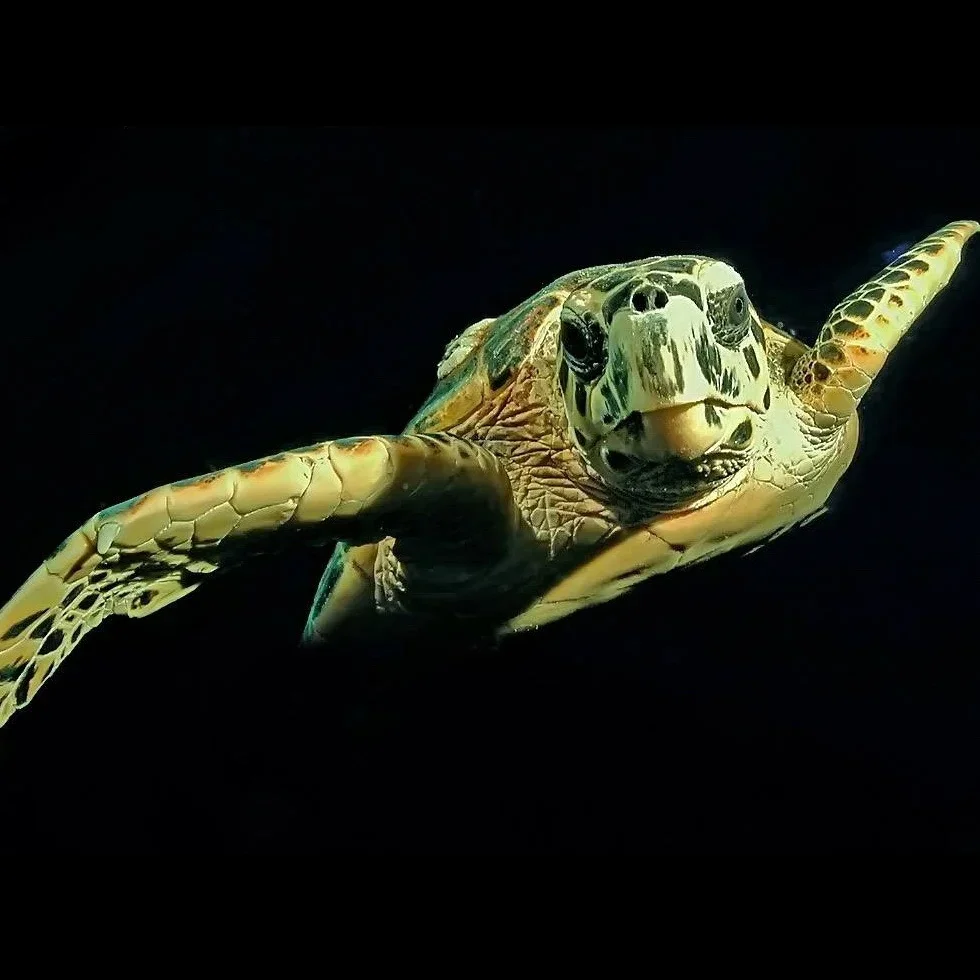
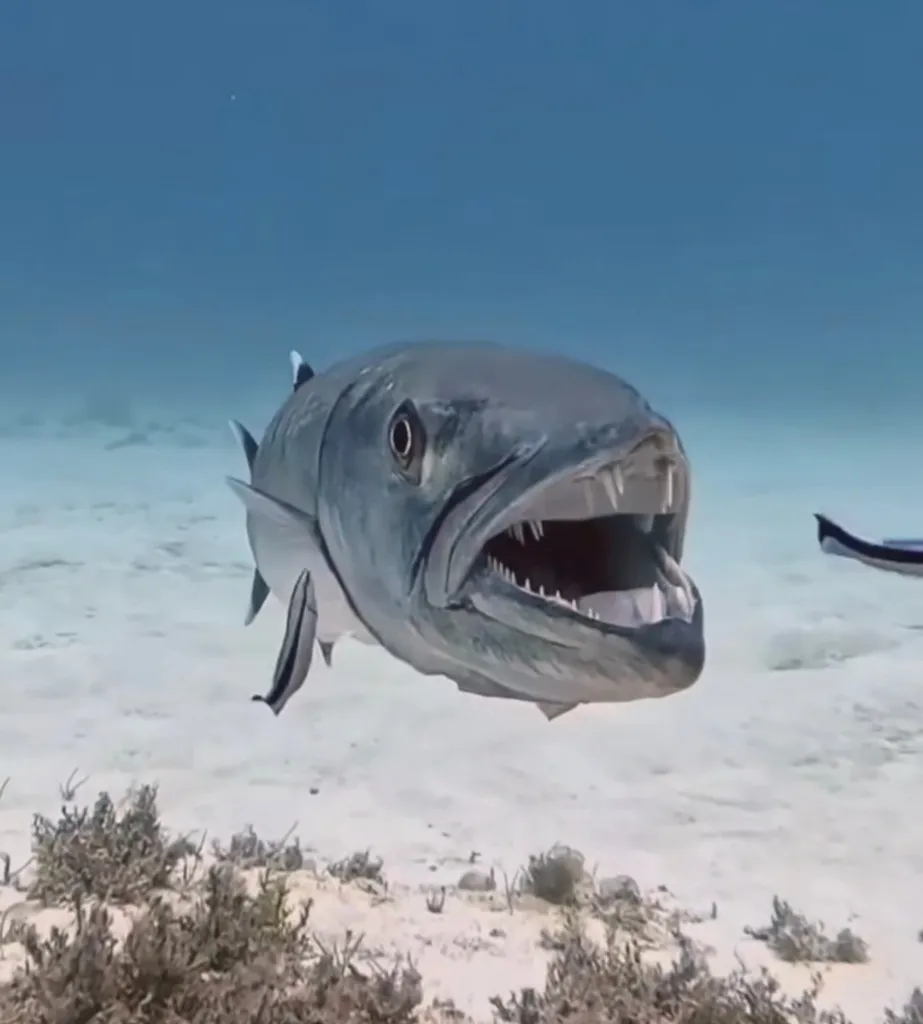
Sections of the wall are often adorned with large barrel sponges, sea fans, and gorgonians. Schooling barracudas, trevally, and unicorn fish are commonly seen in the water column. Reef sharks and green or hawksbill turtles also frequent these wall environments.
Dive Centers Near Areu Passage Inner Reef Wall
No Dive Centers Local To Areu Passage Inner Reef Wall
Are you a dive center visiting this location? Get listed to reach divers.
Nearest Airports
Nearest airports to help plan travel to this dive area.
Frequently Asked Questions
What level of diving experience is required for Areu Passage Inner Reef Wall?
This site is generally suitable for Open Water certified divers comfortable with deeper profiles. For exploring depths beyond 18 meters, advanced certification and experience with wall diving are highly recommended due to the sheer drops.
Are currents a factor when diving this site?
Yes, as a passage inner reef wall, currents can be a significant factor. Conditions can range from calm to moderate drift, influenced by tides and local weather patterns. Divers should be prepared for potential current and discuss strategies with their guide.
What kind of coral formations can be seen?
The wall is characterized by a rich diversity of corals. Shallow areas typically feature vibrant hard corals, while deeper sections are often covered with soft corals, large gorgonians, and impressive barrel sponges.
What is the typical visibility at Areu Passage?
Visibility at Papua New Guinea's wall dives, including Areu Passage, is often excellent, frequently exceeding 30 meters. This allows for clear views of the extensive reef structure and distant marine life.
Is it possible to see large pelagic species here?
Wall dives in passages often attract pelagic marine life. While not guaranteed on every dive, sightings of schooling fish like barracudas and trevally are common, and reef sharks or turtles may also be encountered.
What are the average water temperatures for diving?
While specific data for Areu Passage's water temperature is limited, the surrounding tropical climate of Papua New Guinea ensures generally warm waters. Expect temperatures to be consistently pleasant, likely ranging from 27-29°C / 81-84°F year-round.
Planning to dive Areu Passage Inner Reef Wall?
Send one inquiry and receive offers directly from the best verified local dive operators.
Conditions are Moderate
Optimal conditions expected
Current conditions near Areu Passage Inner Reef Wall show 27° air, 30° sea temperature, 0.8 m waves, and 32 km/h wind. Forecast data is refreshed regularly to ensure accuracy.