
Diving in Papua New Guinea
Across Papua New Guinea, dive sites differ in depth, clarity, and overall conditions, requiring a flexible approach to planning. Our database currently contains 20 dive locations across Papua New Guinea.
Intricate geography of Papua New Guinea, defined by its numerous island provinces and extensive coastal areas, creates a diverse underwater landscape for divers. From East New Britain to New Ireland, and along mainland shores like Madang and Milne Bay, the country's unique structure offers a compelling blend of historical exploration and ecological richness. Varied topography significantly shapes the diving experience, presenting distinct opportunities across different regions.
Divers encounter remnants of World War II history alongside the extensive ecosystems of the coral triangle. The interplay between historical sites and natural formations ensures a diverse and engaging underwater journey, reflecting the country's complex geological and historical narrative.
Dive Map of Papua New Guinea
For divers planning an expedition, a detailed map of Papua New Guinea's dive sites offers essential practical utility. It helps visualize the distribution of documented locations across mainland provinces and various island groups, simplifying the orientation process.
A map would clearly mark key areas like Kimbe Bay, Madang, Tufi, and Milne Bay, each noted for distinct underwater experiences. Specific points of interest, from historical wrecks such as the American Liberty Ship to prominent reef systems like Deacon’s Reef, can be precisely pinpointed. Navigational aid is crucial for efficient planning and maximizing exploration.
Dive Sites to Explore
View all 20 sites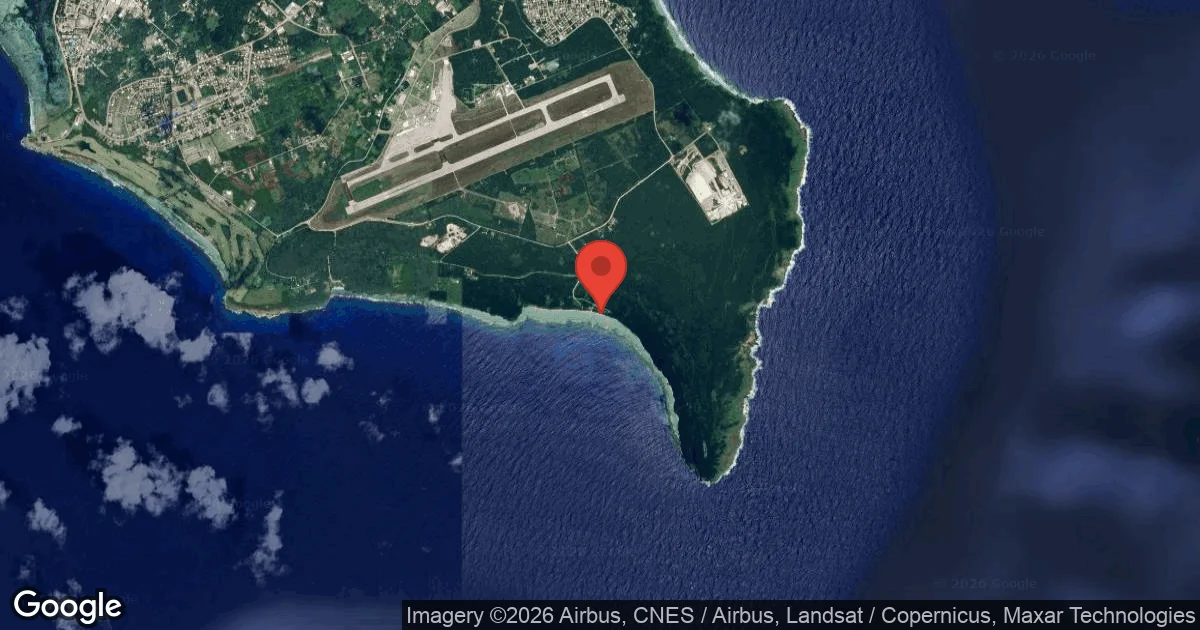
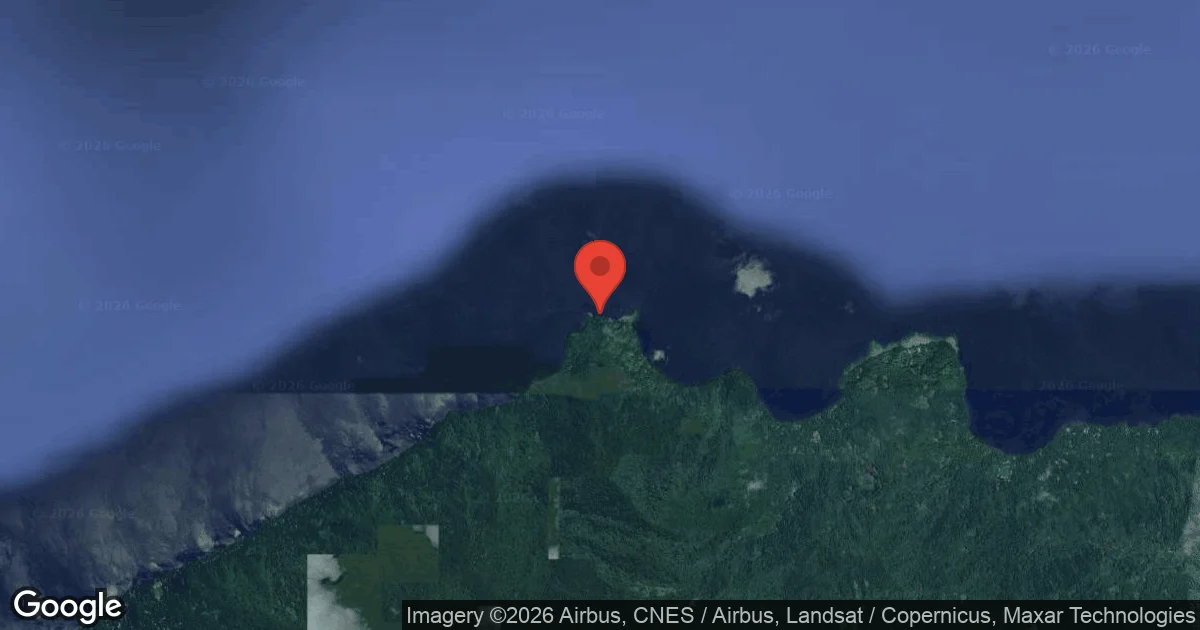
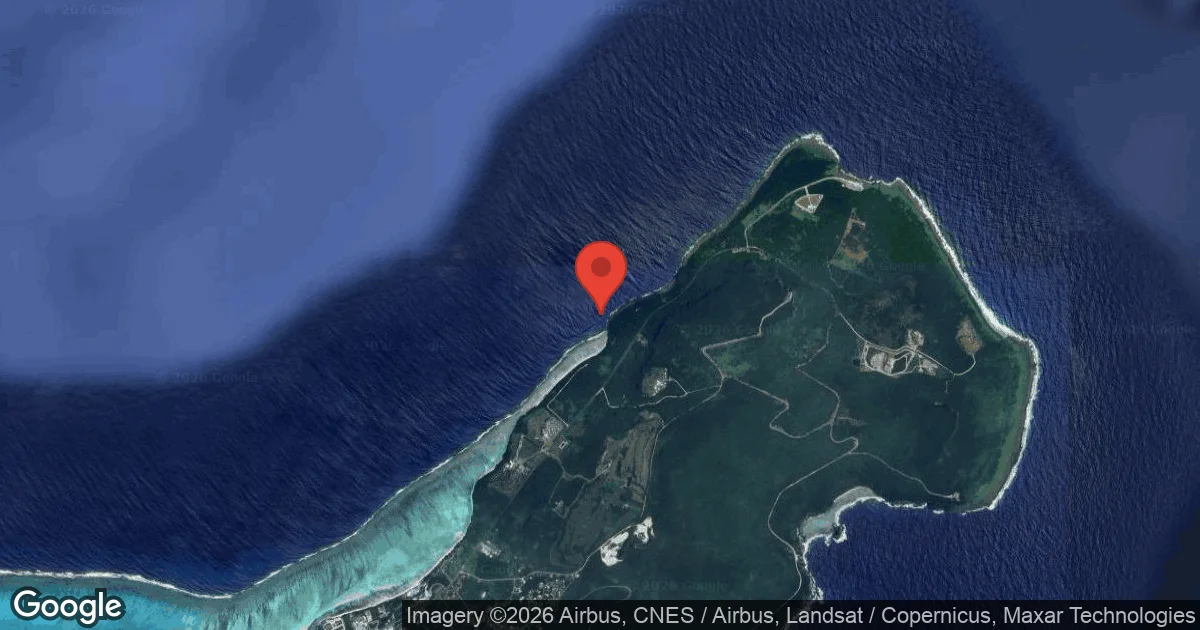
Divers exploring this destination will encounter a range of distinct dive site categories, each offering unique underwater experiences. Country waters are characterized by numerous wrecks, extensive reefs, and specific opportunities for muck diving, distributed across various regions.
In Milne Bay, significant World War II history is preserved underwater; the Black Jack B17F Flying Fortress bomber, located off Cape Vogel, exemplifies a historical wreck site. Area also features Lawadi or Dinah’s Beach, specifically recognized for its compelling macro diving. Further north, Madang provides access to a choice of 18 documented reefs and wrecks, indicating a varied underwater topography. Tufi adds another dimension with its distinctive fjord diving, complemented by both reef and wreck sites. Across these varied locations, visibility frequently exceeds 30 m (100 ft), greatly enhancing the exploration of both historical artifacts and the country's extensive marine ecosystems.
Best Time to Dive in Papua New Guinea
Understanding the seasonal patterns in Papua New Guinea is key to optimizing dive conditions and marine life encounters. Wet season, specifically from June through August, typically brings optimal visibility to most dive sites, with excellent clarity often extending through mid-December. This period offers some of the best overall conditions for underwater exploration.
For divers seeking specific marine species, the period between November and March presents a distinct opportunity to observe walking sharks. While the dry season, running from October to mid-May, experiences occasional rain, it generally offers stable and favorable conditions for exploring the country's diverse underwater environments. Sea temperatures remain consistently warm year-round, contributing to diver comfort regardless of the season. During the dry season, water temperatures typically range from 25-29°C (77-84°F). In the wet season, temperatures are around 25°C (77°F), making light exposure suits suitable for most dives throughout the year.
Monthly Sea Temperatures
Consistent water temperatures in Papua New Guinea directly contribute to high diver comfort throughout the year. During the dry season, from October to mid-May, water temperatures typically range from 25°C to 29°C (77-84°F).
In the wet season, from June to September, temperatures are around 25°C (77°F). Overall, average year-round water temperatures are reported between 26°C and 30°C (79-86°F), making lighter exposure protection suitable for most dives.
| Jan | Feb | Mar | Apr | May | Jun | Jul | Aug | Sep | Oct | Nov | Dec | |
|---|---|---|---|---|---|---|---|---|---|---|---|---|
| Max | 31° | 30° | 30° | 30° | 30° | 30° | 30° | 29° | 30° | 31° | 31° | 31° |
| Avg | 30° | 29° | 29° | 29° | 29° | 29° | 29° | 29° | 29° | 29° | 30° | 30° |
| Min | 29° | 28° | 28° | 29° | 29° | 28° | 28° | 28° | 28° | 28° | 29° | 28° |
Dive Conditions
Understanding dive conditions often involves considering how visibility and other factors influence the experience at various depths. In Papua New Guinea, visibility frequently exceeds 30 m (100 ft), allowing for extensive views of both shallow reefs and deeper wreck sites.
Visibility is notably optimal from June through August, extending as good to excellent through mid-December. Consistent clarity enhances the ability to explore larger underwater structures and observe marine life across different depth profiles.
Marine Life Highlights
Most Mentioned Species
Marine life in Papua New Guinea varies across dive locations, with different species appearing depending on environment and conditions. The species highlighted here are the most frequently associated with dive sites in our data, offering a realistic overview of what divers are most likely to encounter.
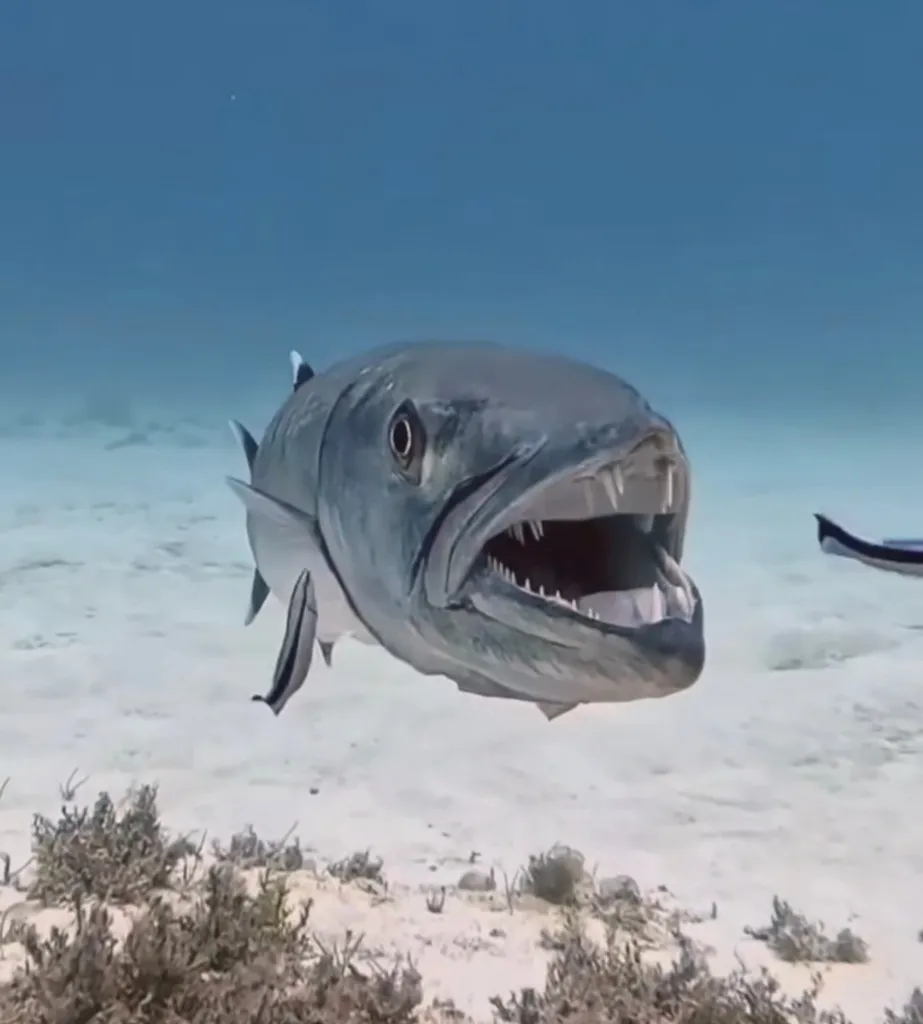
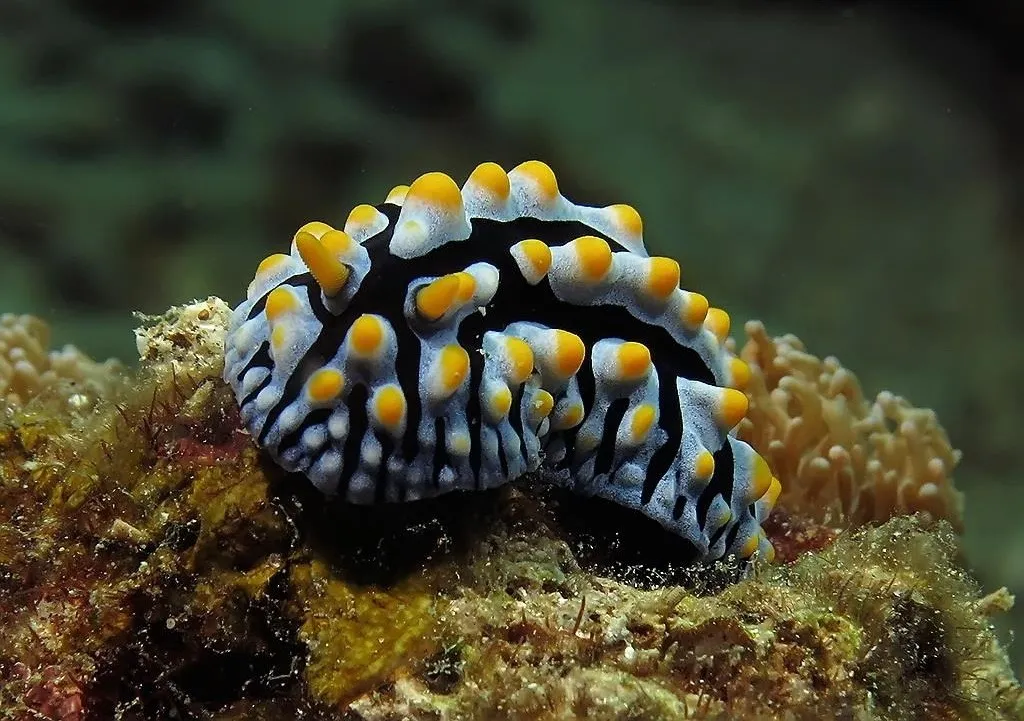
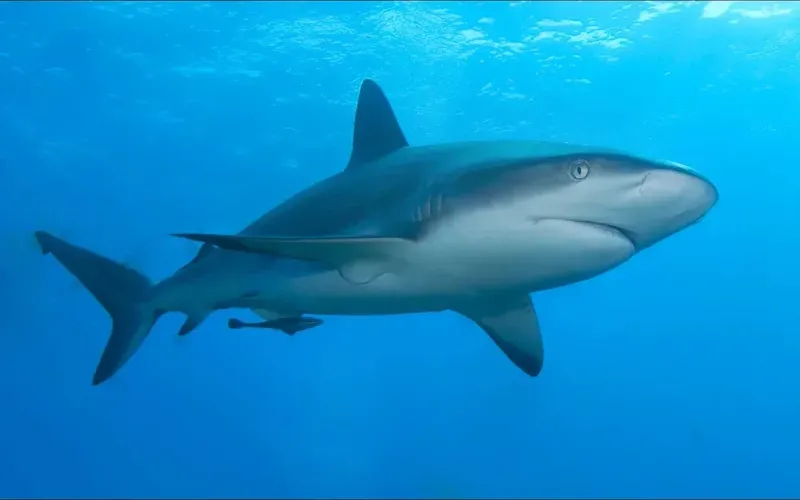
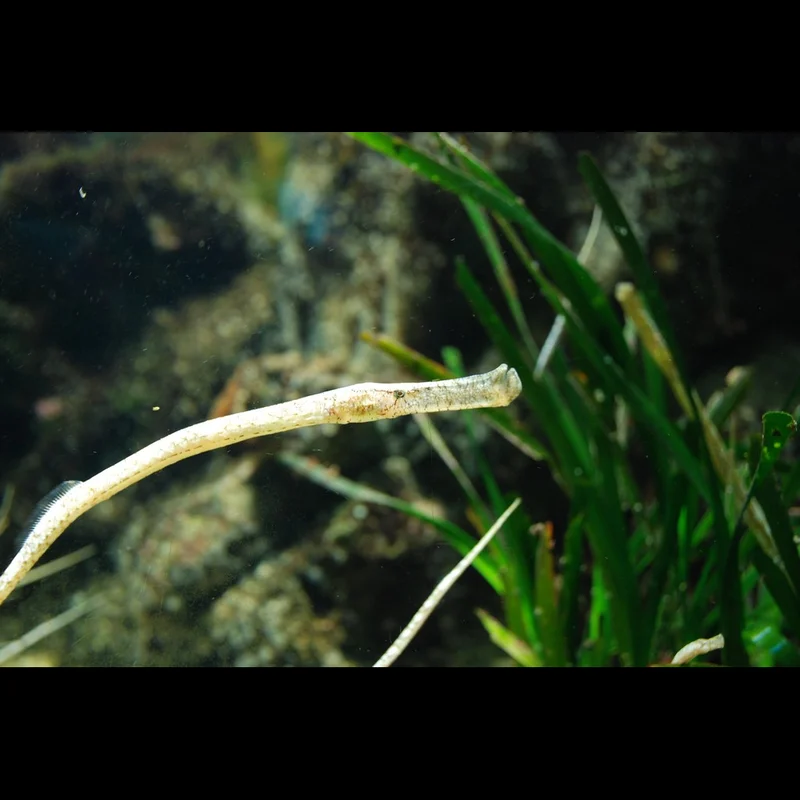
Seasonal highlights characterize marine life encounters in Papua New Guinea, alongside the country's broader ecological significance. Between November and March, divers have an opportunity to observe the unique walking shark, a distinct seasonal attraction.
As a key part of the coral triangle, these waters are recognized for having the highest diversity of tropical fish and coral globally. Positioning ensures a biologically rich environment, where species encounters can vary by season and specific location.
Regions for Diving
Divers can compare different dive regions in Papua New Guinea based on their unique characteristics, each offering a distinct underwater focus. Milne Bay, for instance, is noted for its World War II wrecks, such as the Black Jack B17F bomber, and its specific muck diving site, Lawadi or Dinah’s Beach.
Madang presents a blend of 18 documented reefs and wrecks, providing varied exploration opportunities. Tufi offers diverse diving that includes fjords, reefs, and additional wreck sites, presenting a different geological experience. Kimbe Bay is also a notable area for underwater exploration. Across these regions, water temperatures generally range from 25-30°C (77-86°F), and visibility can be optimal during the June to August period.
Travel & Passport Guide
Travel Basics
Trip Planning
Safety & Diving Considerations
Ensuring diver safety in Papua New Guinea relies heavily on obtaining localized information. Available data is concentrated around a limited number of documented locations, rather than being widely distributed or consolidated at a national level. Divers should primarily consult local dive operators for specific guidance relevant to their chosen sites.
Details regarding certification requirements, local emergency procedures, or common current patterns are best obtained directly from the individual dive centers operating in the planned dive areas. Direct communication ensures access to the most current and relevant safety protocols for a particular site, which is crucial for a safe and informed dive experience.
Dive Centers in Papua New Guinea
View all 2 dive centers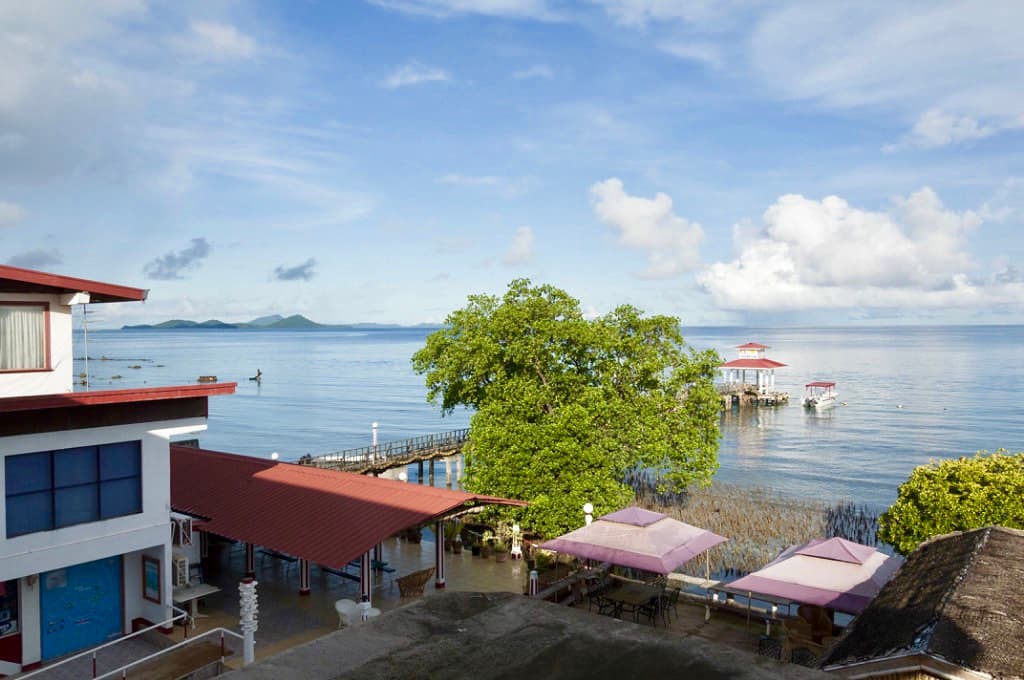
Frequently Asked Questions
What kind of diving can I expect in Papua New Guinea?
Papua New Guinea offers a compelling mix of World War II wreck diving and reef exploration. Sites like the Black Jack B17F bomber and the American Liberty Ship provide historical interest, while locations such as Deacon’s Reef and the general coral triangle region highlight rich marine biodiversity.
When is the best time to visit for optimal dive conditions?
Visibility is generally optimal during the wet season, from June through August, and remains good to excellent until mid-December. The dry season, from October to mid-May, also offers favorable conditions with occasional rain.
What are the typical water temperatures?
Water temperatures in Papua New Guinea are consistently warm, ranging from 25°C to 29°C (77-84°F) in the dry season and around 25°C (77°F) in the wet season. Average year-round temperatures are between 26°C and 30°C (79-86°F).
Are there any specific marine animals I might see?
If you dive between November and March, you have a chance of seeing the walking shark. Generally, as Papua New Guinea is located in the coral triangle, you can expect a high diversity of tropical fish and coral.