
Diving at Campalans Wall (Philippines)
Approaching Campalans Wall on Siquijor Island, divers anticipate a boat entry to one of the Philippines' captivating underwater sites. Initial glimpses reveal a steep wall descending into the blue, promising an immediate immersion into a vibrant coral landscape. This ocean dive offers a direct route to exploring diverse marine species from the moment you slip beneath the clear waters, setting the stage for an unforgettable experience.
Tonight's objective overview for Campalans Wall shows an air temperature of 28°C. The measured surface conditions include wave heights around 0.5 m. This environmental data is logged for the close of the day.
Dive Site Location & Key Facts
Dive Site Overview
Campalans Wall provides a truly engaging dive, distinguished by its impressive vertical structure and the rich marine ecosystem it supports. This site on Siquijor Island is characterized by a steep wall adorned with a spectrum of vibrant corals and abundant marine species.
Divers will find themselves exploring intricate crevices and ledges, home to various reef inhabitants. While specific pelagic sightings are not consistently reported for this exact site, the general area offers clear waters, allowing for excellent visibility that enhances the exploration of the wall's topography. The experience here focuses on the detailed beauty of a living reef, inviting close observation of smaller life forms and the overall health of the coral community. It's a prime example of Siquijor's mesmerizing underwater realm, easily accessed via boat.
Conditions are Good
07:00 - 14:00
Optimal conditions expected
Current conditions near Campalans Wall show 28° air, 30° sea temperature, 0.5 m waves, and 24 km/h wind. Forecast data is refreshed regularly to ensure accuracy.
Best Time to Dive
For an optimal experience at Campalans Wall, planning a trip between April and June, or during October, typically yields excellent diving conditions. During these months, the dive score is frequently rated as 'Excellent,' indicating favorable weather and sea states. Air temperatures during peak months like May average around 28.5°C (83°F), contributing to comfortable surface intervals. Rainfall remains relatively low throughout the year, with less than 9mm of rain reported in most months, ensuring good surface conditions. While diving is generally good year-round, these periods often present calmest seas, with average wave heights typically below 0.5 meters (1.6 ft), making boat entries and exits smoother.
PEAK SEASON SCORE
Scores combine air & water temps, waves, wind & rainfall for overall conditions.
BEST MONTHS TO DIVE
Monthly records compiled from satellite and marine observation nodes over the last 3 years. Data provided by Open-Meteo and MET Norway.
Dive Experience & Conditions
Beginning the descent at Campalans Wall, divers immediately encounter a dramatic drop-off, characteristic of a true wall dive. The wall face itself is draped in vibrant corals, acting as a dynamic canvas for marine activity. Water temperatures in the wider region generally range from 26-31°C (79-88°F), providing a comfortable environment for prolonged bottom times. Visibility can vary depending on local conditions but is often reported to be clear, enhancing the view of the wall's expansive structure. Currents in the Siquijor area are not consistently reported for Campalans Wall, but divers should always be prepared for potential medium to strong currents, which are common in various Philippine dive sites, especially around exposed walls. The maximum depth of this wall dive falls within recreational limits, allowing ample exploration time.
Dive Difficulty & Safety Guidelines
When diving Campalans Wall, prioritizing safety is key, particularly given the potential for varying conditions. Always attend the local dive operator's briefing, as they possess the most current site-specific information and local expertise. Having an Advanced Open Water certification is beneficial, particularly for exploring deeper sections of the wall or if currents are present, as deep dives are common in the region.
Always carry a surface marker buoy (SMB) and know how to deploy it, especially when diving walls or in areas with possible currents. Divers should also consider bringing a Nautilus Lifeline or similar GPS device for added security. Familiarity with drift diving techniques can be advantageous depending on prevailing conditions.
Recommended Equipment
- Dive Computer
- DSMB
This gear list is based on verified equipment signals for Campalans Wall, Philippines. Always confirm final gear choices with your dive operator, guide, or liveaboard.
Recommended Dive Suit
With water temperatures around 30°C (85°F), many divers find a dive skin or rash guard provides comfortable protection.
Divers performing multiple dives may appreciate slightly warmer protection later in the day.
Environmental conditions appear stable for the near future.
Emergency & Medical Support
Essential information to help you plan your dive trip to Campalans wall.

Hyperbaric chambers are a critical part of dive safety infrastructure. Availability varies significantly by region, and not all dive areas have immediate access.
Before diving, it's recommended to:
- confirm nearest medical facilities
- check emergency procedures with local dive operators
- ensure dive insurance covers evacuation if required
Divers Alert Network
Diving emergency assistance available through DAN World.
+1-919-684-9111- 24/7 emergency hotline
- Diving medical assistance
- Evacuation coordination
Emergency contacts are provided for reference. Always verify local emergency services before diving.
Marine Life at Campalans Wall
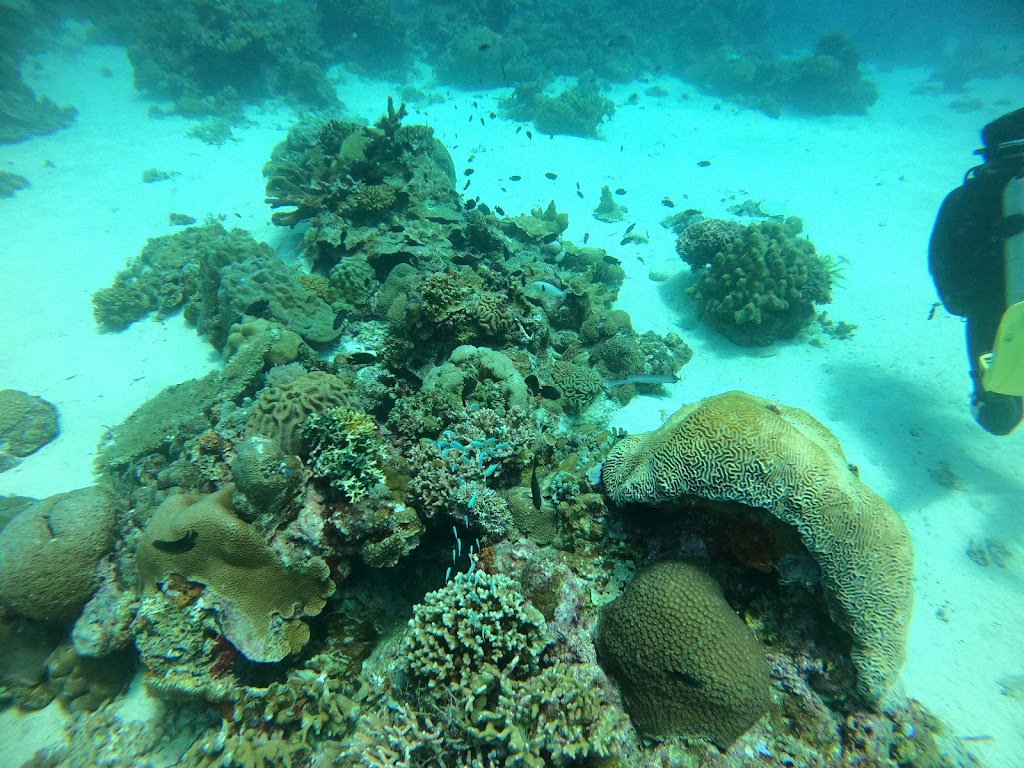
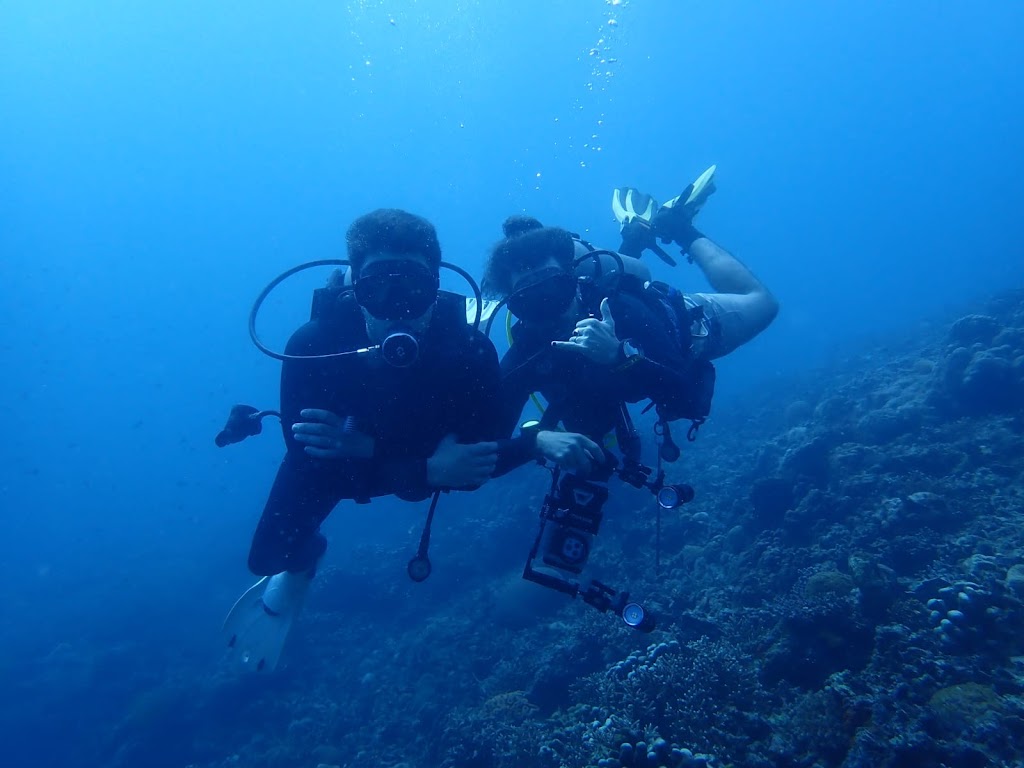
The immediate impression at Campalans Wall is the sheer abundance of life clinging to and flitting around the steep coral face. Divers are often captivated by the vivid hard and soft corals, forming an intricate habitat along the wall.
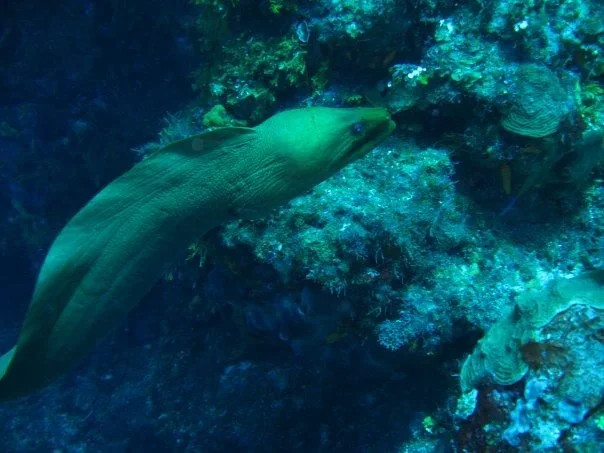
Glimpses of moray eels are common, peering from cracks and crevices, their watchful eyes a familiar sight. Schools of fish frequently drift past the wall, creating dynamic patterns against the blue.
You'll also encounter beautiful sea fans swaying gently in the subtle currents, adding to the site's rich tapestry of color and texture.
Dive Sites Near Campalans Wall
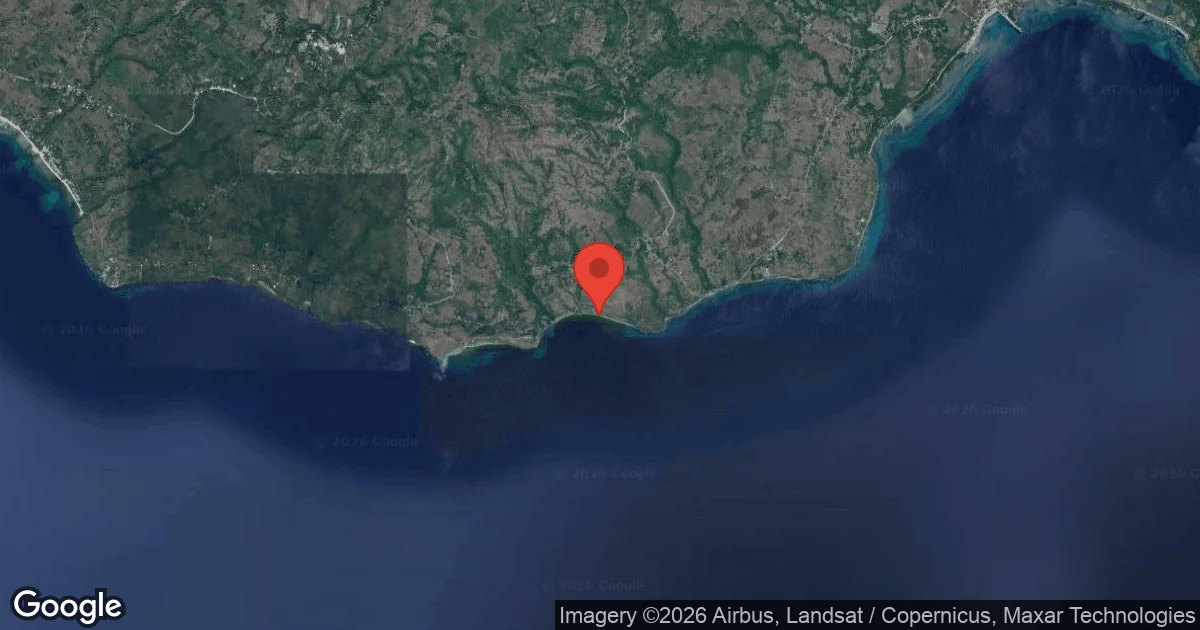
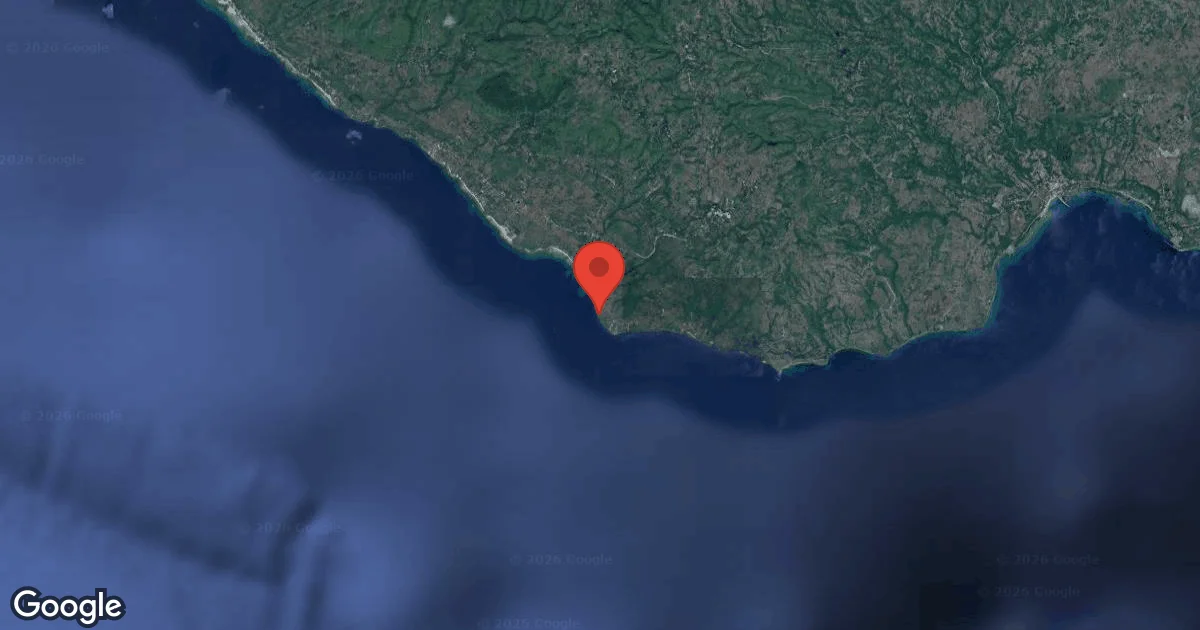
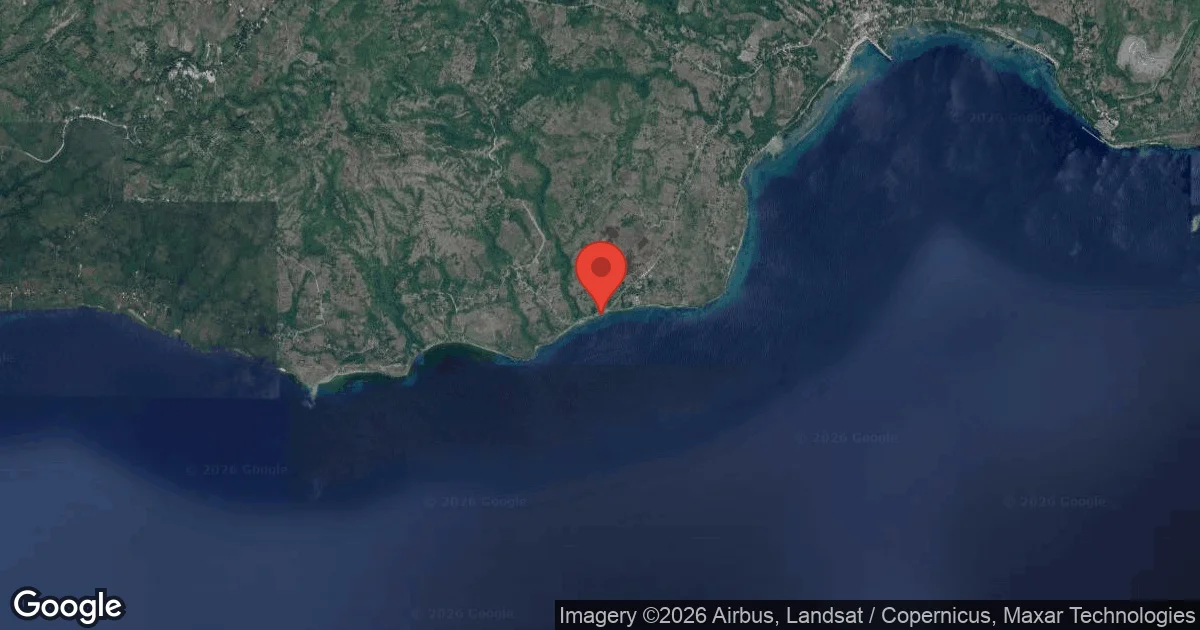
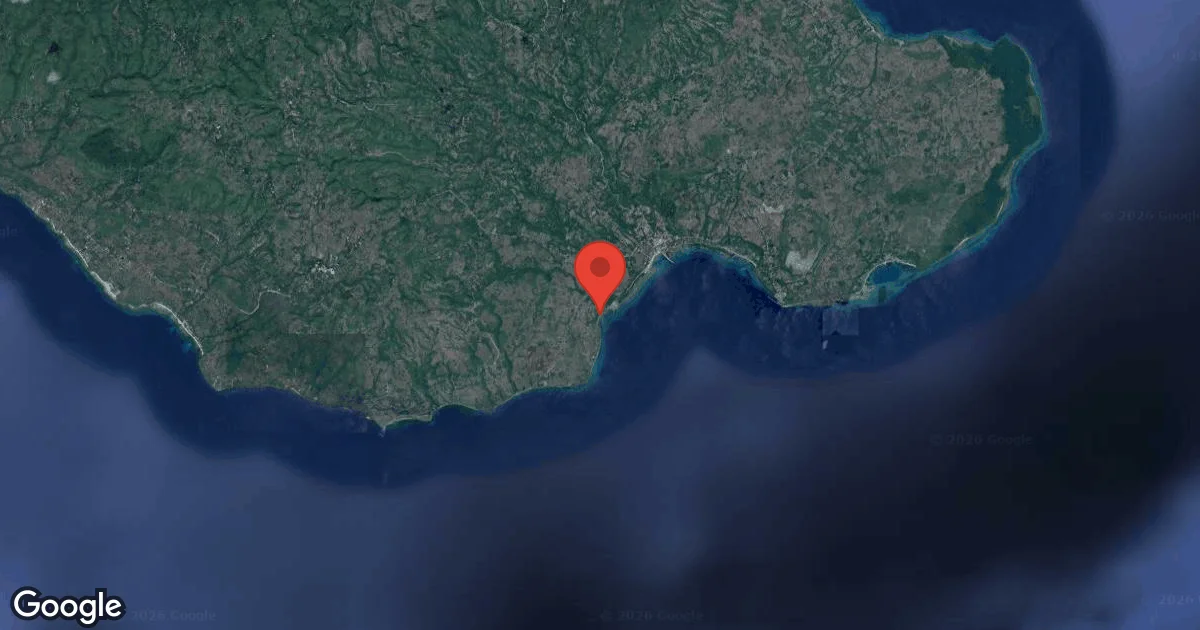
View all dive sites in PhilippinesDiscover more underwater gems in this area.
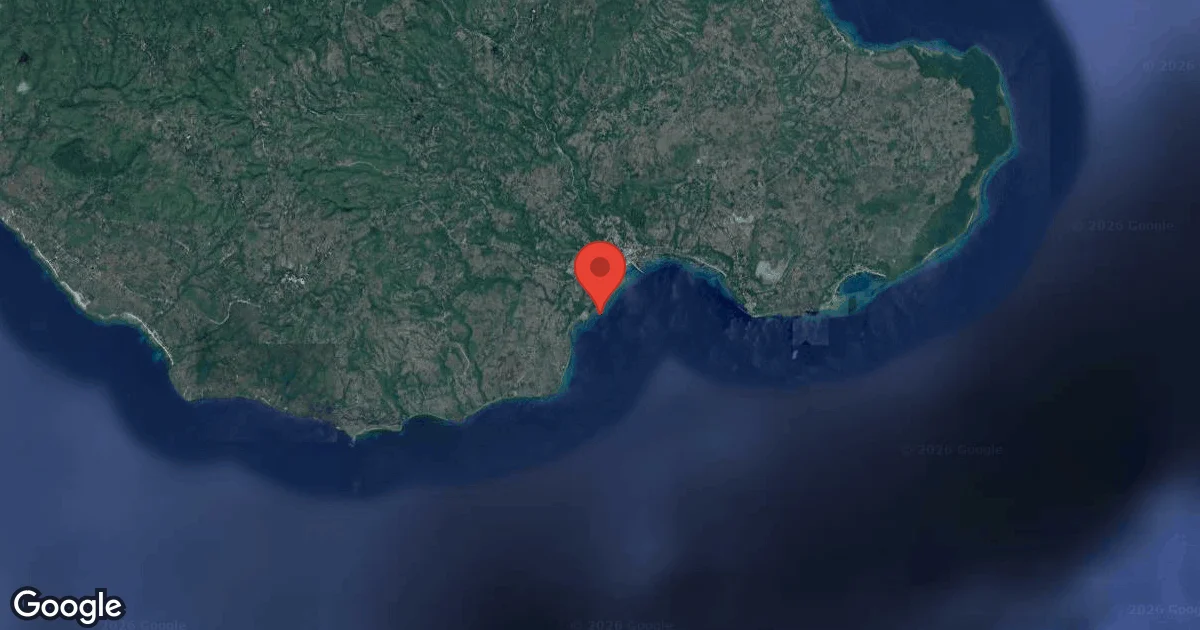
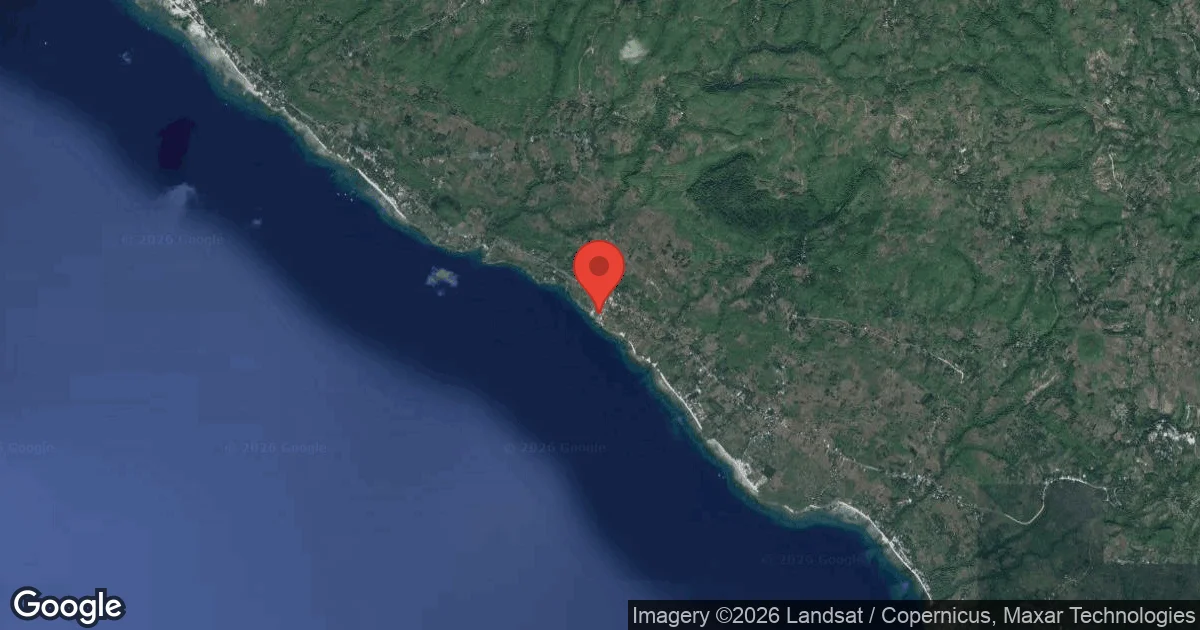
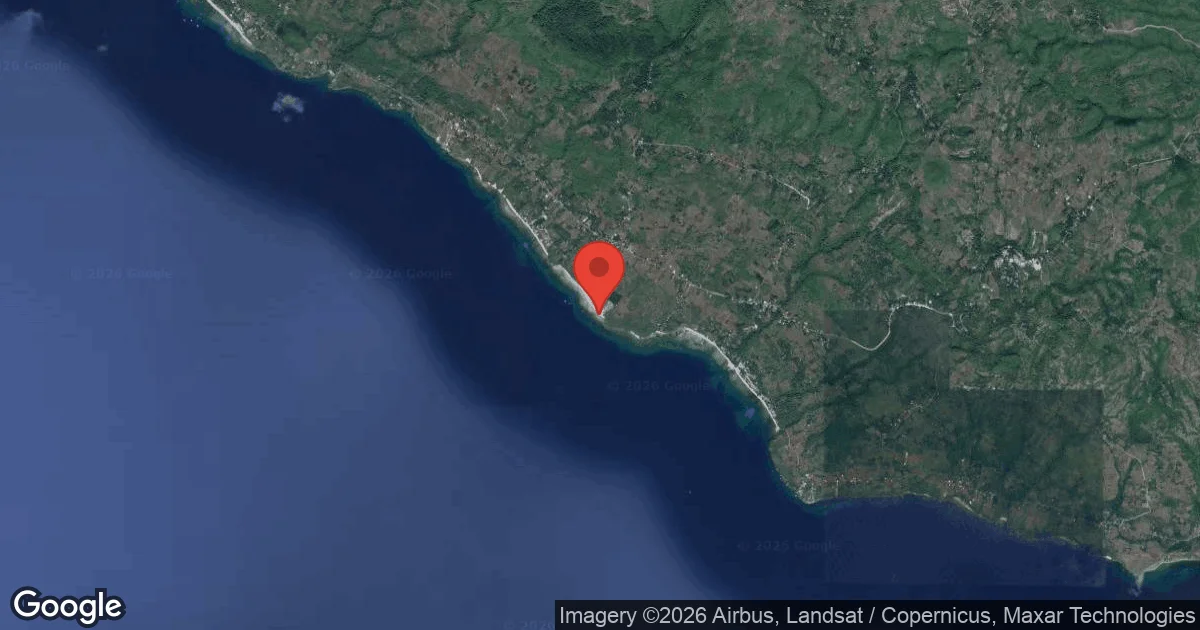
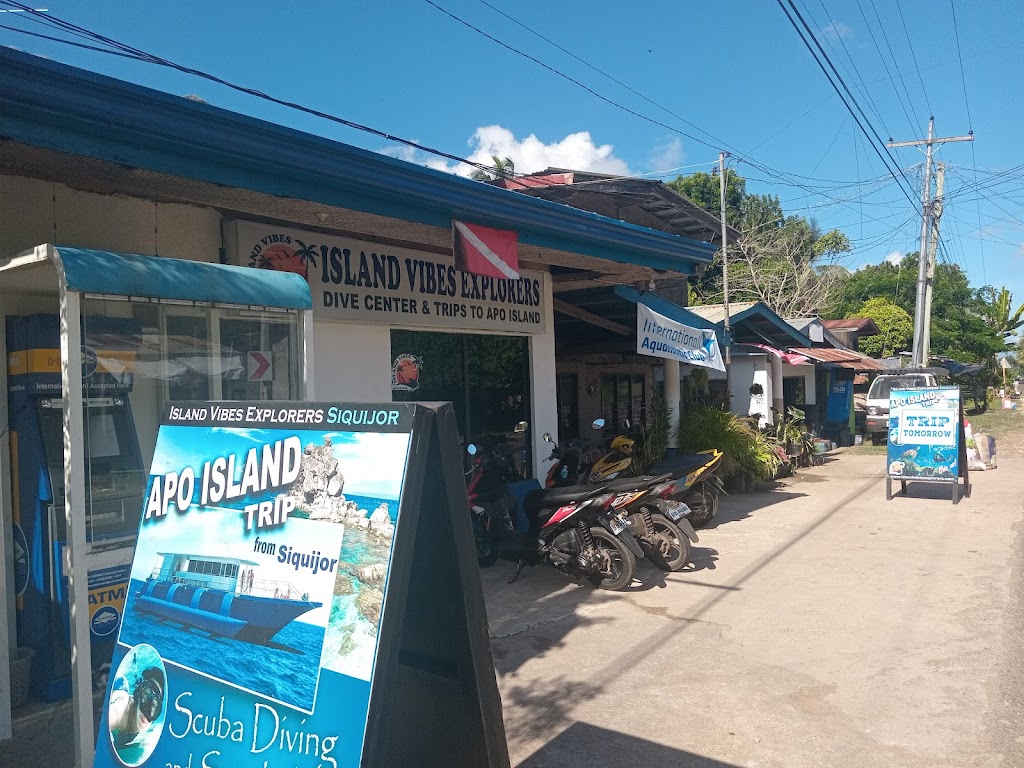
Dive Centers Near Campalans Wall
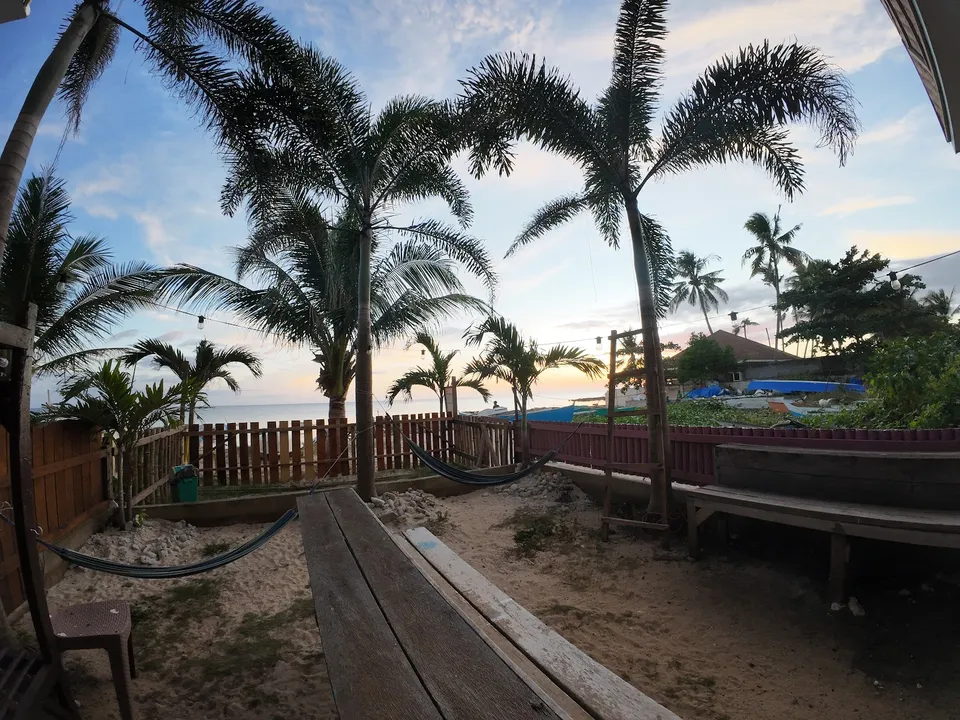
Today: 07:30 - 17:00

Nearest Airports
Nearest airports to help plan travel to this dive area.
Search Flights
Check available flights and routes on Expedia, using the nearby airports listed in this section.
Search Flights on ExpediaFrequently Asked Questions
Where is Campalans Wall located?
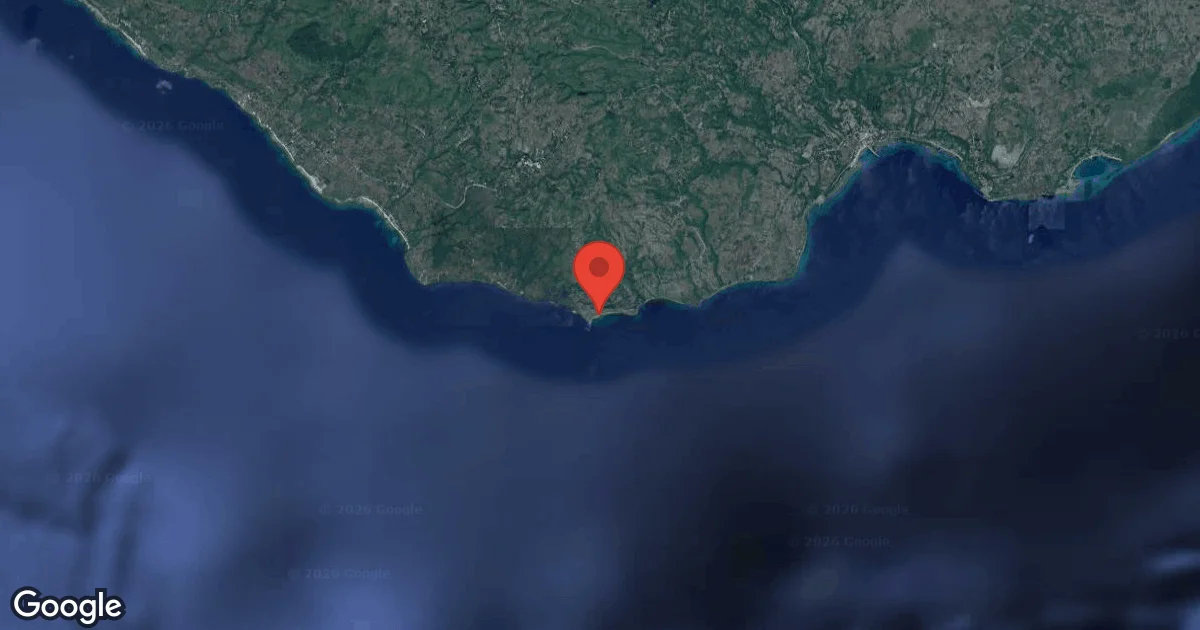
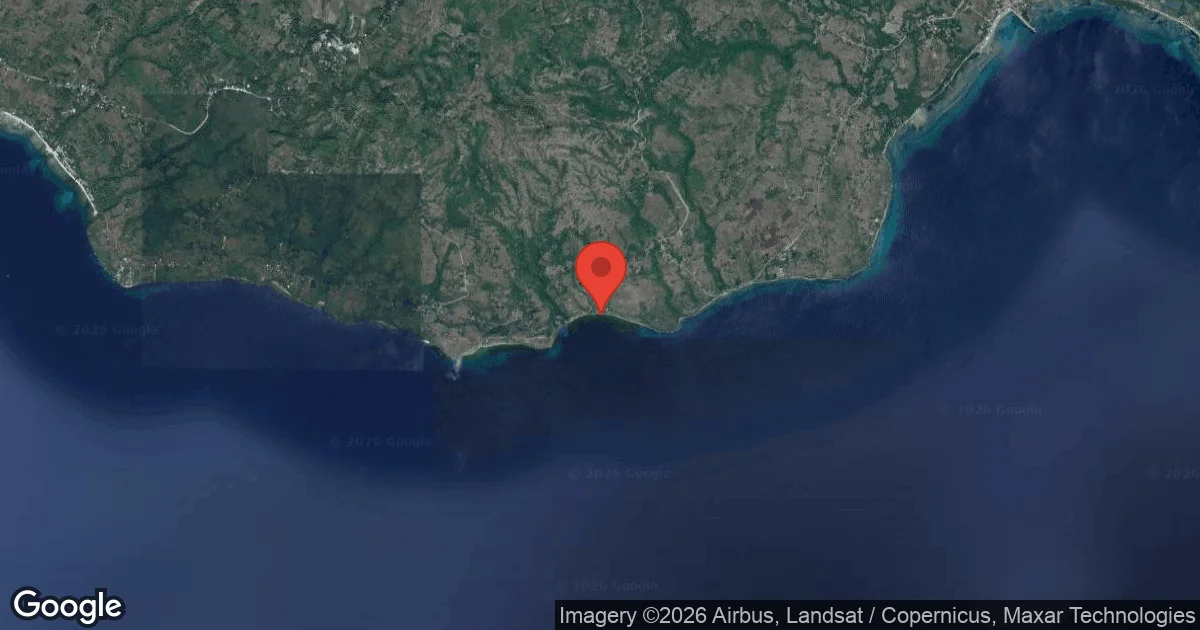
Campalans Wall lies off Siquijor Island in the Philippines. Access is via boat, typically departing from local dive shops on the island.
What type of dive is Campalans Wall?
This is primarily a wall dive in the ocean. Divers explore a steep coral wall that descends into deeper waters, offering views of various marine species and coral formations.
What kind of marine life can I expect to see?
The wall is adorned with vibrant corals and diverse marine species. Common sightings include moray eels peering from cracks, beautiful sea fans, and various schools of reef fish. Specific large pelagics are not consistently reported for this site.
What are the typical water conditions at Campalans Wall?
Water temperatures in the region generally range from 26-31°C (79-88°F), offering a warm diving experience. Visibility is often clear, allowing for good views of the wall. Currents can vary, so preparedness for moderate to strong currents is advisable.
Is Campalans Wall suitable for all diver levels?
While recreational divers can enjoy the shallower sections, an Advanced Open Water certification is recommended for those wishing to explore the deeper parts of the wall or when currents are present. Beginner divers should always go with an experienced guide.
How do I get to Campalans Wall?
Access to Campalans Wall is exclusively by boat. Most local dive shops on Siquijor Island offer guided trips to the site, providing convenient transportation.
What is the best time of year to dive Campalans Wall?
The months of April through June, and October, are often considered excellent for diving Campalans Wall due to favorable weather, calm seas, and comfortable air temperatures averaging around 28°C (82°F).
Planning to dive Campalans Wall?
Send one inquiry and receive offers directly from the best verified local dive operators.
Conditions are Good
07:00 - 14:00
Optimal conditions expected
Current conditions near Campalans Wall show 28° air, 30° sea temperature, 0.5 m waves, and 24 km/h wind. Forecast data is refreshed regularly to ensure accuracy.