
Diving at Gabayan Reef (Philippines)
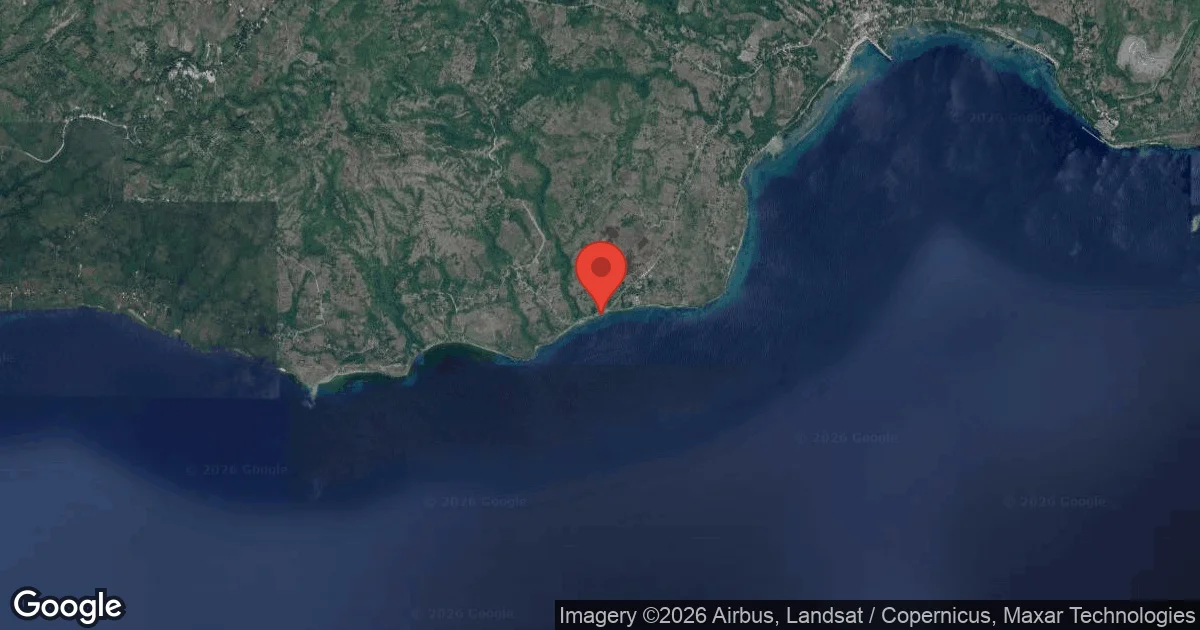
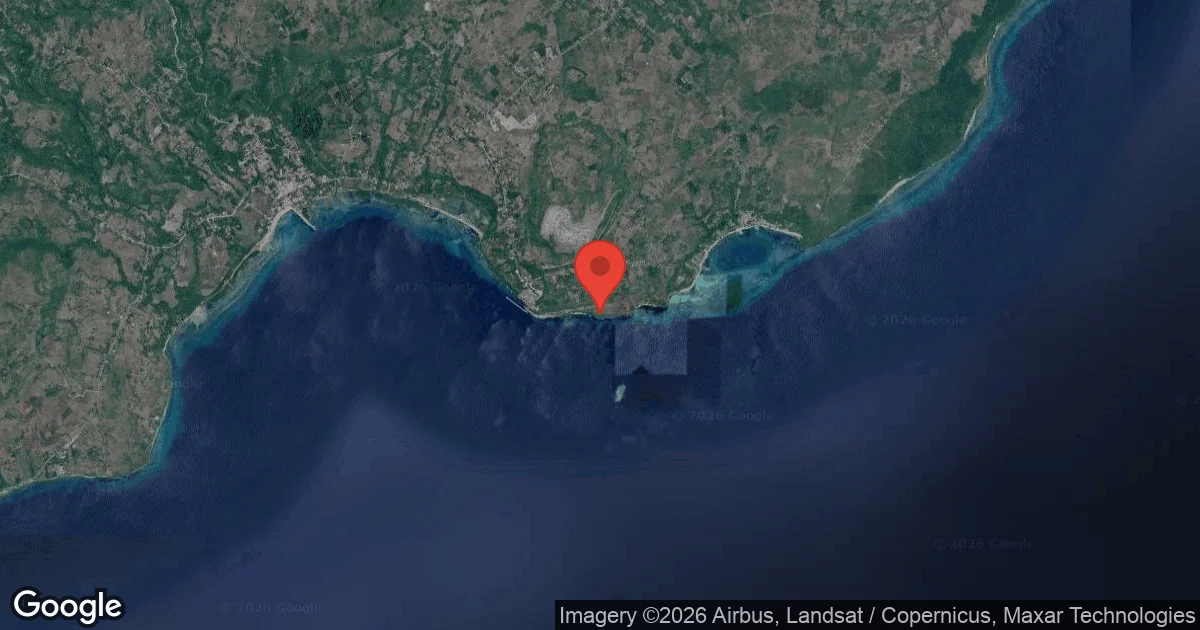
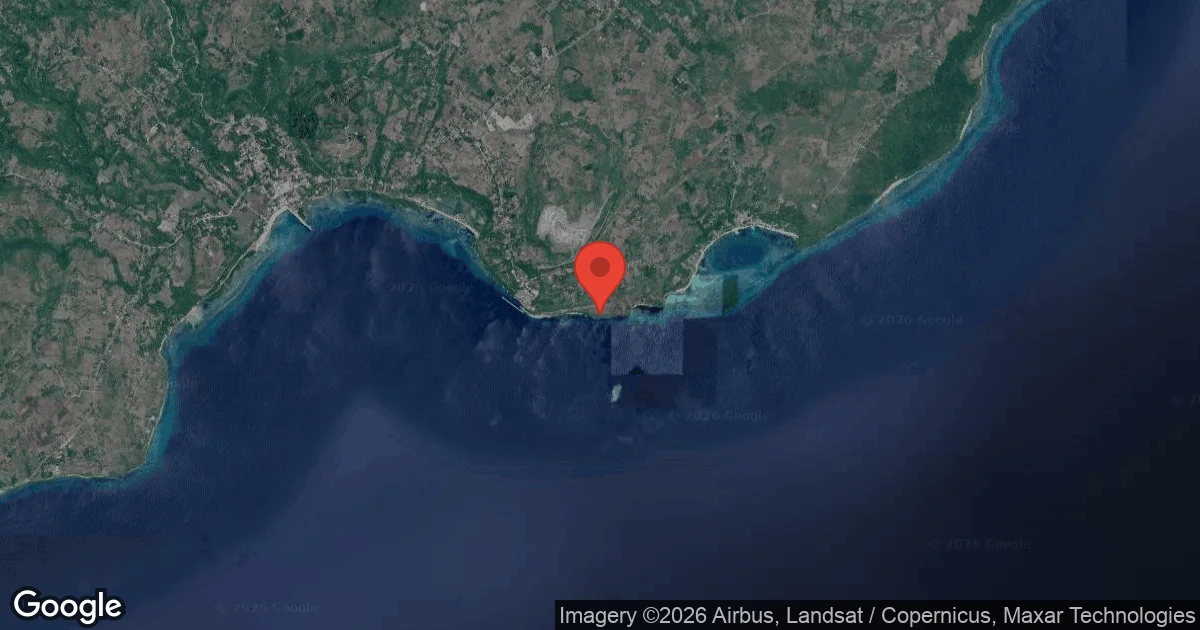
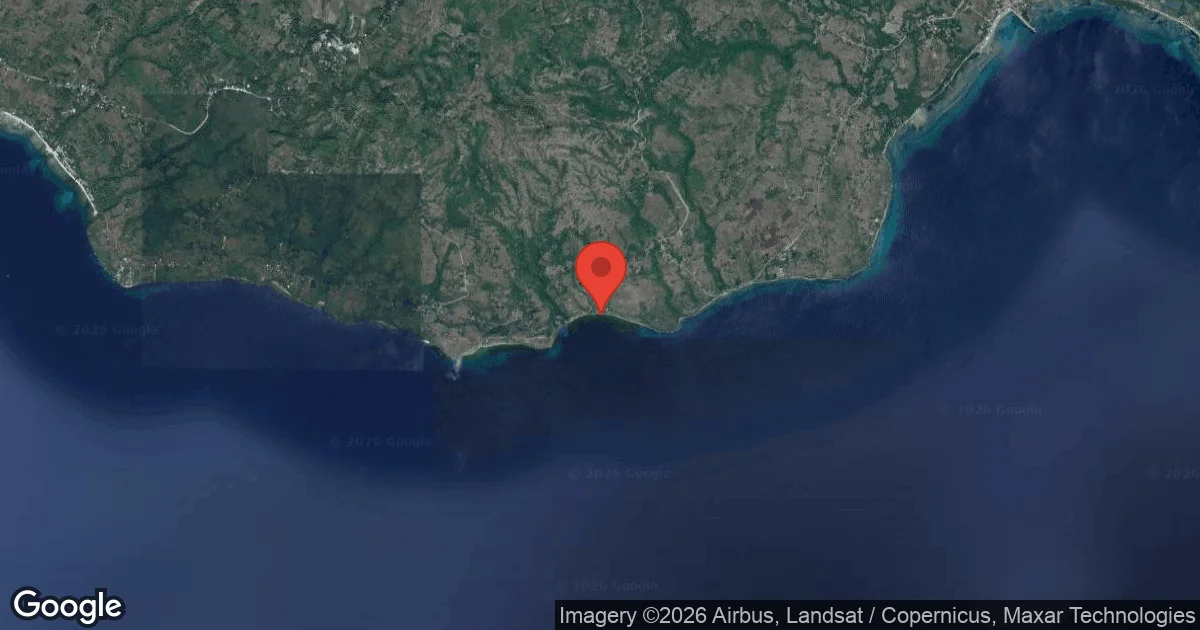
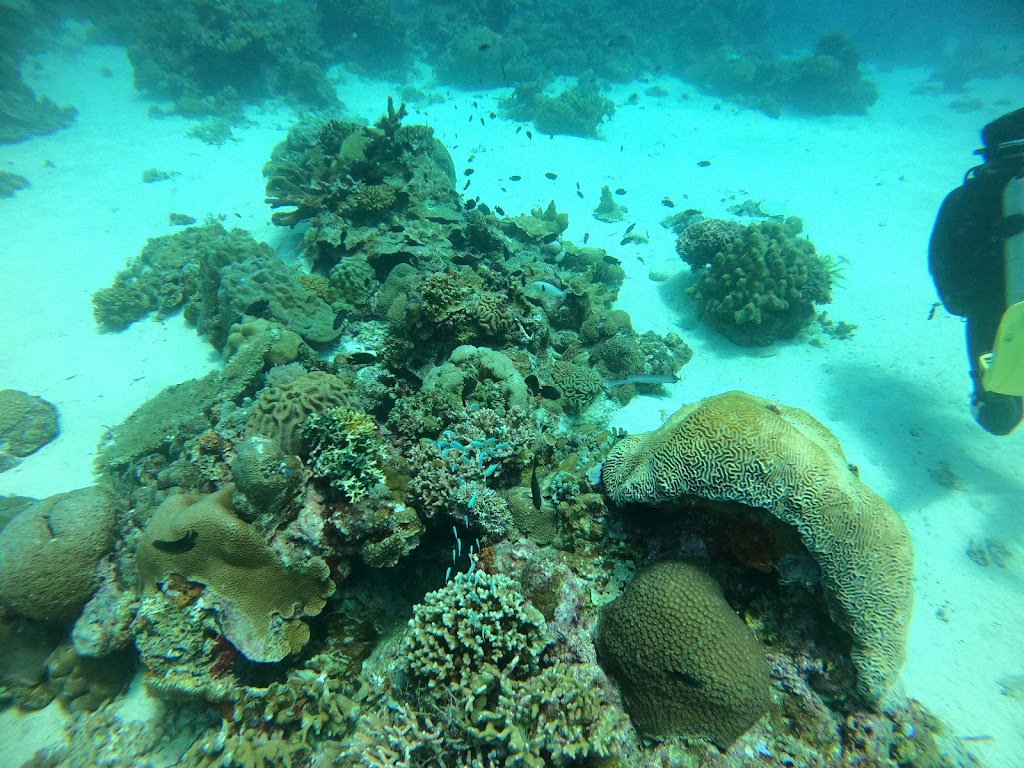
Gabayan Reef presents itself as a coastal coral reef dive, typically experienced as an easy boat excursion. Located within the Philippines, it features a classic reef-slope profile, beginning with shallow coral heads and rubble. The topography then steps down into a broader slope where robust hard corals intermix with sponges and patches of sand, reaching a maximum depth of 30 m (100 ft). This site is well-suited for recreational divers seeking diverse reef scenery.
Evening condition tracking at Gabayan Reef features an air temperature of 27°C. We have recorded wave heights measuring 0.4 m during this period. These figures outline the environmental parameters currently present.
Dive Site Location & Key Facts
Dive Site Overview
Embarking on a dive at Gabayan Reef offers a refreshing departure from the region's prevalent volcanic-sand muck sites, providing a vibrant contrast with its rich tapestry of reef life. Divers can anticipate a relaxed multi-level experience, beginning in the brightly lit shallower areas where the most colorful corals thrive.
Here, the ample sunlight illuminates an array of robust hard corals and various soft coral species, inviting closer inspection of the smaller inhabitants and juvenile fish. As the descent continues, the reef gradually transitions into broader sand channels and distinctive coral bommies. This shift in topography presents varied opportunities to discover a diverse range of critters, from camouflaged nudibranchs hidden among the substrate to various species of goby and shrimp.
Larger reef fish, including snappers, sweetlips, and occasional groupers, frequently patrol these deeper zones, often congregating around the more prominent coral structures. The consistently clear waters significantly enhance visibility, allowing for thorough and unhurried exploration of the intricate mixed coral formations and sandy patches.
This accessible boat dive makes reef exploration straightforward for certified divers, presenting a picturesque underwater landscape that rewards careful observation and a leisurely pace.
Conditions are Good
Optimal conditions expected
Current conditions near Gabayan Reef show 27° air, 30° sea temperature, 0.5 m waves, and 18 km/h wind. Forecast data is refreshed regularly to ensure accuracy.
Best Time to Dive
Considering the climate data, optimal conditions for diving at Gabayan Reef are typically observed from April to June and again in October. These months consistently yield 'Excellent' dive scores. During April and May, air temperatures average between 28.5-29°C (83-84°F), with rainfall at its lowest, around 2.5-5.4 mm. June maintains 'Excellent' conditions, with air temperatures averaging 28°C (82°F) and moderate rainfall. October also stands out with high dive scores, average air temperatures around 27.5°C (82°F), and manageable wave heights. While specific water temperature data isn't consistently reported, the generally high air temperatures suggest warm tropical diving conditions throughout these periods.
PEAK SEASON SCORE
Scores combine air & water temps, waves, wind & rainfall for overall conditions.
BEST MONTHS TO DIVE
Monthly records compiled from satellite and marine observation nodes over the last 3 years. Data provided by Open-Meteo and MET Norway.
Dive Experience & Conditions
The underwater environment at Gabayan Reef generally presents a tranquil setting, characterized by consistently clear waters that often allow for extensive views of the intricate reef structure. Most dives here are experienced as a gentle drift or a slow, controlled cruise along the natural slope. In the shallow zones, natural light penetrates deeply, brightly illuminating the most vibrant coral communities and showcasing their rich colors and diverse inhabitants. Moving into the deeper sections, approximately 15-30 m (50-100 ft), light penetration softens, revealing more intricate habitats within the sand channels and around the impressive coral bommies. Conditions are typically mild, with gentle currents that make the site highly suitable for recreational divers of varying experience levels. The saltwater environment maintains a consistently warm temperature, aligning with tropical expectations and providing comfortable diving for extended bottom times. Expect comfortable diving in waters that feel consistently warm.
Dive Difficulty & Safety Guidelines
Approaching Gabayan Reef requires adherence to standard recreational diving protocols to ensure a safe and enjoyable experience. Given its max depth of 30 m (100 ft), divers planning to explore the deeper zones should hold an Advanced Open Water certification or equivalent. It's essential to plan your multi-level dive carefully, respecting no-decompression limits and ascent rates.
Maintaining proper buoyancy is crucial to avoid contact with the fragile coral formations. Always dive with a buddy, conduct thorough gear checks, and carry a surface signaling device for added safety.
Recommended Equipment
- Dive Computer
- DSMB
This gear list is based on verified equipment signals for Gabayan Reef, Philippines. Always confirm final gear choices with your dive operator, guide, or liveaboard.
Recommended Dive Suit
Conditions in the coming days are expected to stay within a similar temperature range.
Many experienced divers would consider dive skin or rash guard an appropriate choice here. Consider warmer surface protection (like a boat coat) due to brisk winds.
At Gabayan Reef, the water is currently sitting around 30°C (86°F). Surface air temperatures are resting at 27°C (81°F).
Due to technical issues with our weather providers, data hasn't been fetched for over 48 hours. The data above reflects the conditions at the time of the last successful fetch.
Emergency & Medical Support
Essential information to help you plan your dive trip to Gabayan Reef.

Hyperbaric chambers are a critical part of dive safety infrastructure. Availability varies significantly by region, and not all dive areas have immediate access.
Before diving, it's recommended to:
- confirm nearest medical facilities
- check emergency procedures with local dive operators
- ensure dive insurance covers evacuation if required
Divers Alert Network
Diving emergency assistance available through DAN World.
+1-919-684-9111- 24/7 emergency hotline
- Diving medical assistance
- Evacuation coordination
Emergency contacts are provided for reference. Always verify local emergency services before diving.
Marine Life at Gabayan Reef
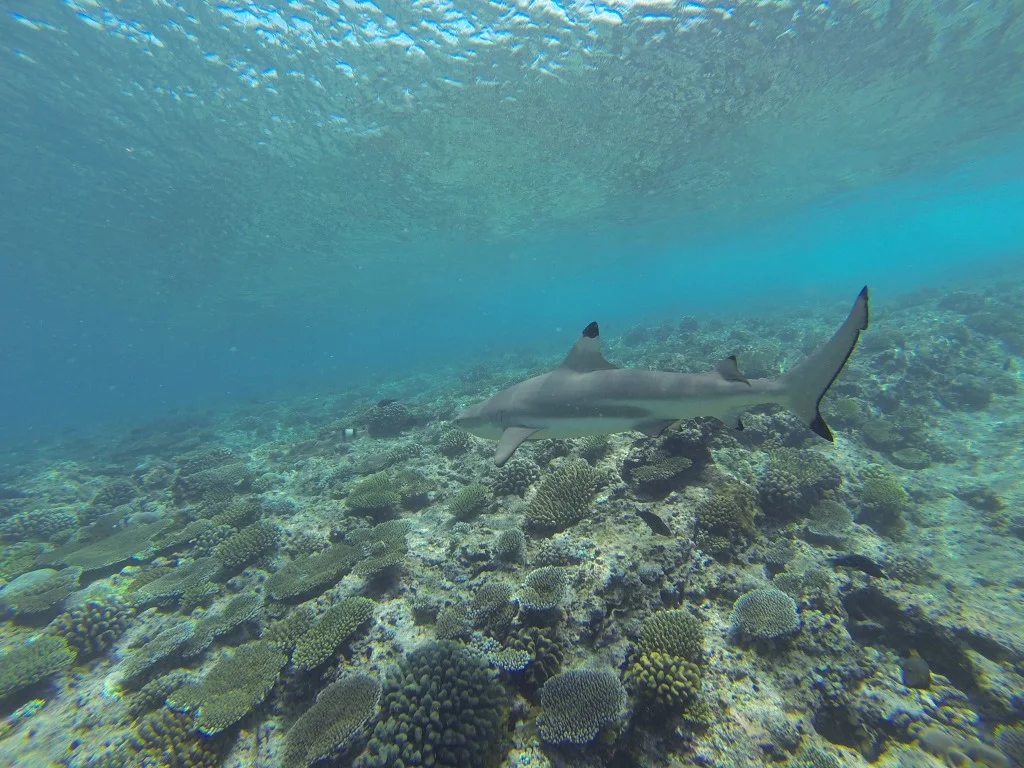
Upon entering the reef, divers typically first observe the diverse fish life that populates the shallow coral heads and rubble. As the dive progresses deeper, attention shifts to the hard corals and sponges, where smaller critters often reside.
Larger reef fish can be found in the sand channels and around the bommies. While not guaranteed on every dive, common sightings in the broader region also include various species of sharks, whales, dolphins, and sea turtles, adding an element of grander marine encounters to the reef's intrinsic beauty.

Dive Sites Near Gabayan Reef
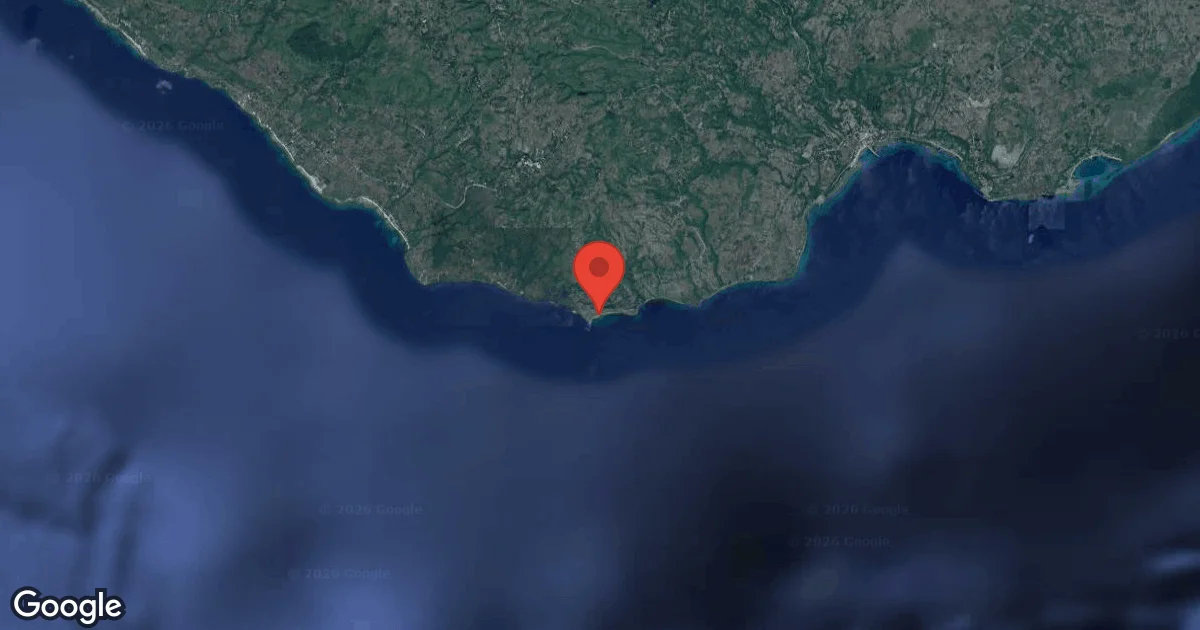
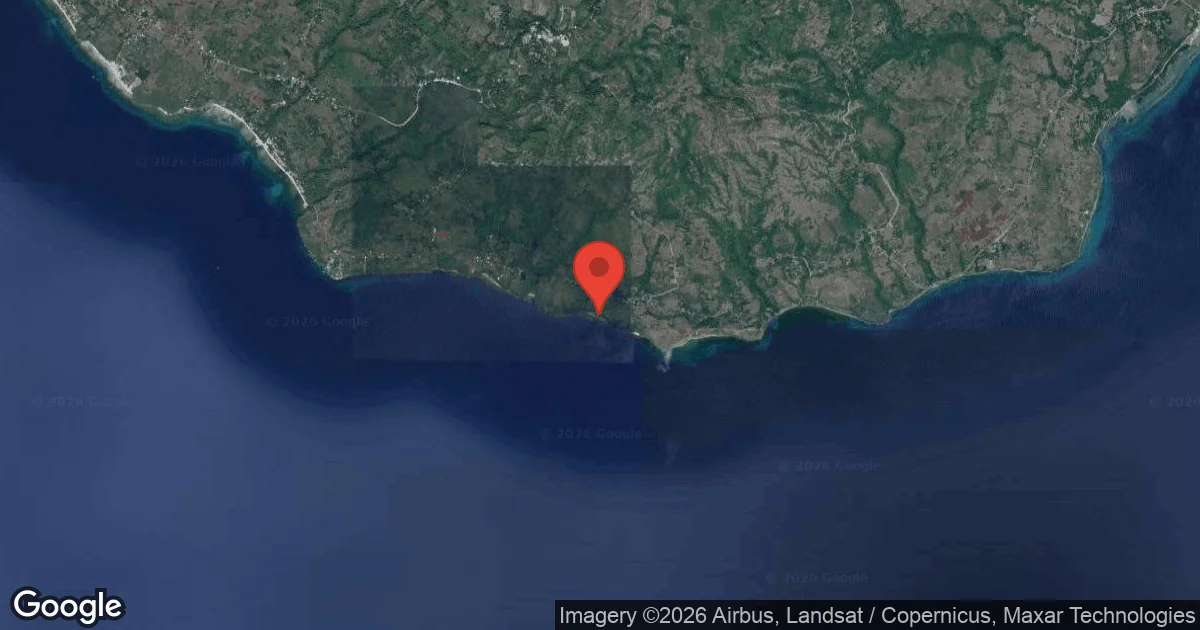
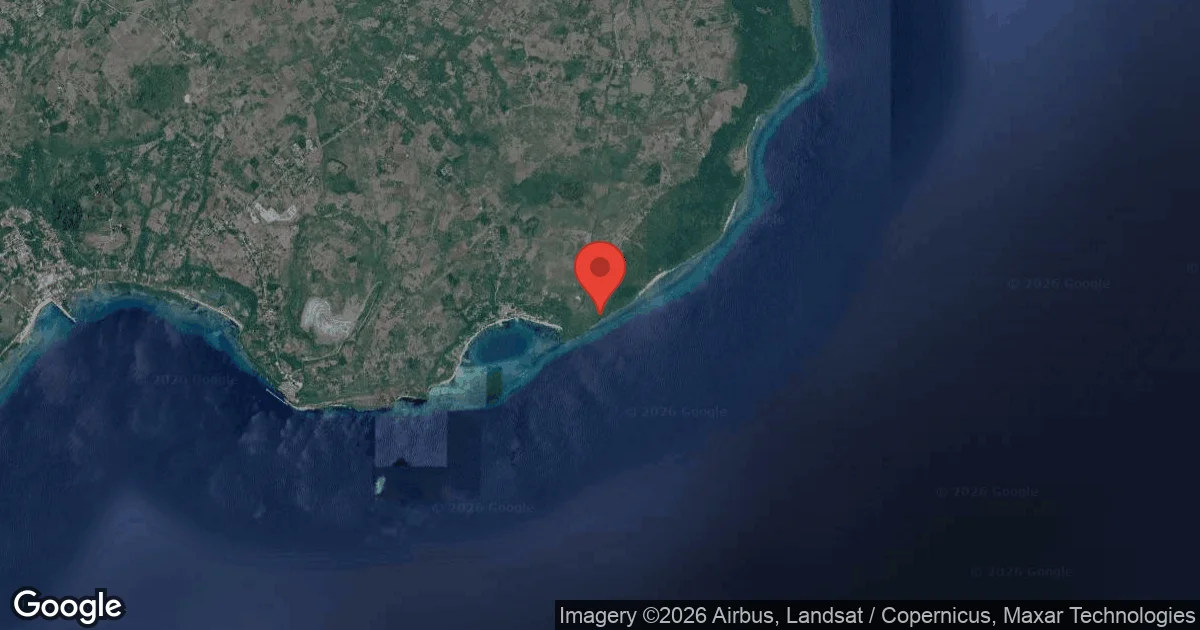
View all dive sites in PhilippinesDiscover more underwater gems in this area.
Dive Centers Near Gabayan Reef

Today: 07:30 - 17:00


Nearest Airports
Nearest airports to help plan travel to this dive area.
Search Flights
Check available flights and routes on Expedia, using the nearby airports listed in this section.
Search Flights on ExpediaFrequently Asked Questions
What is the maximum depth at Gabayan Reef?
Gabayan Reef features a maximum depth of 30 m (100 ft). The reef slope gradually descends, offering opportunities for both shallow and deeper exploration depending on your certification level.
What kind of marine life can I expect to see?
You'll typically observe diverse fish life in the shallower coral heads and rubble. Deeper sections host smaller critters among hard corals and sponges, along with larger reef fish patrolling sand channels and bommies. The region also has reported sightings of sharks, whales, dolphins, and sea turtles.
What are the best months to dive Gabayan Reef?
Optimal diving conditions are generally found from April to June and again in October. These periods offer high dive scores, lower rainfall, and manageable wave heights, making for comfortable experiences.
Is Gabayan Reef suitable for beginners?
Yes, the site is suitable for certified recreational divers. Its gentle currents, clear waters, and multi-level profile allow for a relaxed experience, though deeper sections require appropriate certification.
What are the typical water conditions like?
The water at Gabayan Reef is consistently warm, typical of tropical environments. Visibility is often excellent, allowing for clear views of the reef, and currents are generally mild, often facilitating a gentle drift dive.
How does Gabayan Reef compare to other local dive sites?
It stands out as a vibrant coral reef contrast to the region's more common volcanic-sand muck sites. Gabayan Reef provides extensive coral formations and diverse reef fish, focusing on the beauty of a healthy hard coral ecosystem.
What certifications are recommended for this dive?
For exploring the full range of depths, an Advanced Open Water certification or equivalent is recommended to safely reach the 30 m (100 ft) maximum. Open Water divers can still enjoy the shallower, colorful reef sections.
Planning to dive Gabayan Reef?
Send one inquiry and receive offers directly from the best verified local dive operators.
Conditions are Good
Optimal conditions expected
Current conditions near Gabayan Reef show 27° air, 30° sea temperature, 0.5 m waves, and 18 km/h wind. Forecast data is refreshed regularly to ensure accuracy.