
Diving at Kalanggaman Island (Philippines)
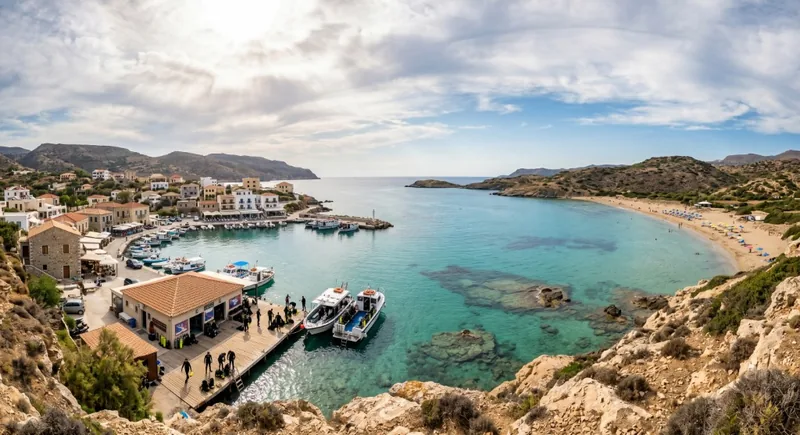
Kalanggaman Island maintains its reputation as a pristine destination, largely due to its uninhabited status. The island's remote nature has preserved its natural beauty, particularly its iconic sandbar. For divers, this solitude translates into an undisturbed underwater environment, accessed primarily via day trips from nearby dive hubs. Its development has been carefully managed, ensuring the raw appeal of its white sand beaches and clear waters remains intact for visitors.
Evening condition tracking at Kalanggaman Island features an air temperature of 28°C. We have recorded wave heights measuring 0 m during this period. These figures outline the environmental parameters currently present.
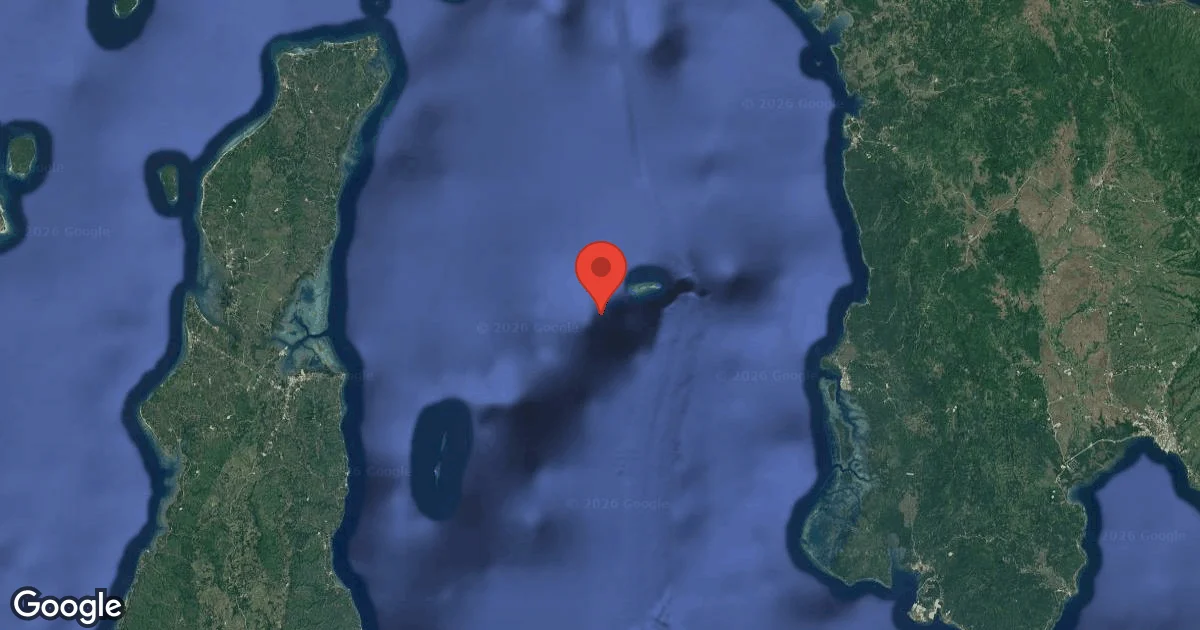
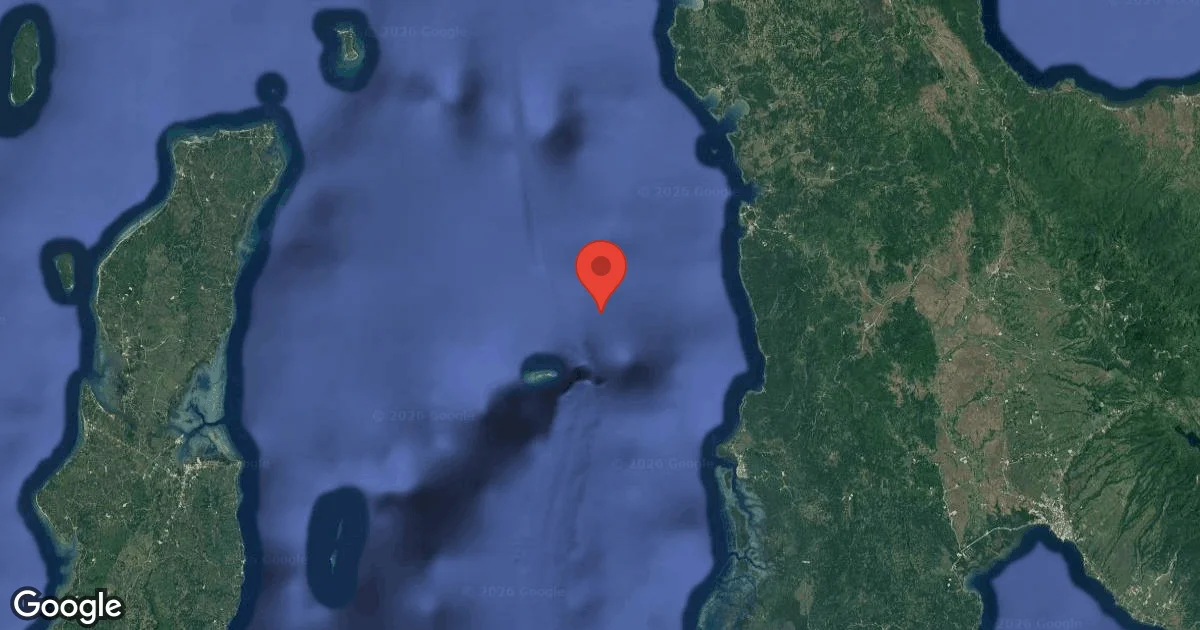
Dive Site Location & Key Facts
Dive Site Overview
Beneath the surface surrounding Kalanggaman Island, divers encounter a varied topography defined by dramatic deep walls and expansive ocean dive sites. Underwater structures descend to a maximum depth of 30 m (98 ft), providing ample opportunity for exploration within recreational dive limits.
Walls are notably adorned with a rich array of black corals, alongside numerous other coral varieties, indicating a healthy and diverse ecosystem. Its structural complexity supports a substantial population of fish and various other marine organisms that shelter within its crevices and along its ledges. Diving here often involves drift conditions, where currents gently carry divers along the wall, enhancing the sense of exploration without requiring strenuous finning.
These currents are generally manageable, suitable for advanced open water divers. Boat entry is the standard approach, facilitating easy access to the more remote sections of these extensive reef systems, often away from the island's distinctive sandbar area.
Visibility is typically excellent, often extending beyond 20 meters (65 ft), allowing for clear views of the intricate coral formations and any passing pelagic life. Divers can expect a dynamic experience, transitioning from vibrant shallower reef areas, which might start around 5-10 meters, to more dramatic deeper wall faces, where encounters with larger species are possible. The environment truly reflects its open ocean position.
Conditions are Excellent
07:00 - 14:00
Optimal conditions expected
Current conditions near Kalanggaman Island show 28° air, 31° sea temperature, 0.1 m waves, and 19 km/h wind. Forecast data is refreshed regularly to ensure accuracy.
Best Time to Dive
Diving conditions around Kalanggaman Island exhibit a seasonal contrast, with the period from March through August generally offering the most favorable experiences. During these months, dive scores are consistently rated as 'Excellent,' reflecting calmer seas and optimal visibility. April, in particular, stands out with minimal average rainfall at 0.96mm and lower wave heights, making surface intervals and boat transfers more comfortable. Air temperatures remain consistently warm, averaging between 27°C and 28.5°C (80-83°F) from March to May. While August also shows excellent dive scores, it sees a slight increase in average rainfall compared to the drier spring months. September to February still offers 'Good' diving conditions, but averages slightly higher wind speeds and wave heights, potentially leading to choppier boat rides. Rainfall also tends to be higher in the latter part of the year, particularly in September and July, averaging around 9-10mm.
PEAK SEASON SCORE
Scores combine air & water temps, waves, wind & rainfall for overall conditions.
BEST MONTHS TO DIVE
Monthly records compiled from satellite and marine observation nodes over the last 3 years. Data provided by Open-Meteo and MET Norway.
Dive Experience & Conditions
Current dynamics play a significant role in shaping the dive experience at Kalanggaman Island. As an open ocean site, divers should anticipate consistent drift conditions, which can range from mild to moderate depending on tidal flows and recent weather. Such currents are integral to the ecosystem, bringing nutrients that support the vibrant coral walls and attract pelagic species. Visibility typically remains very good, often exceeding 20 meters (65 ft), allowing for clear views even during a brisk drift. Water temperatures are generally warm, averaging between 27-29°C (81-84°F) throughout the year, making a 3mm wetsuit or rash guard sufficient for thermal protection. Absence of land-based runoff contributes to the exceptional clarity, revealing the intricate details of the black corals and schooling fish. This site offers an immersive drift diving experience, where the underwater scenery unfolds as you move along the deep walls.
Dive Difficulty & Safety Guidelines
Given the predominant drift diving conditions, robust dive planning and adherence to safety protocols are paramount at Kalanggaman Island. While no specific inherent hazards are consistently reported for this site, managing currents is crucial. Divers should always deploy a Surface Marker Buoy (SMB) upon ascent, especially given its open ocean location and boat traffic.
A dive computer is essential for monitoring bottom time and ascent rates in these dynamic environments. Furthermore, divers are advised to maintain good buoyancy control to protect the delicate black corals that adorn the deep walls.
Entry to the dive sites is exclusively by boat, requiring careful transfers between vessels. Communication with your dive guide about personal comfort levels with drift diving is always recommended to ensure a safe and enjoyable experience for all.
Recommended Equipment
Current and surface separation risk. Local briefing strongly recommended.
- Dive Computer
- DSMB
- Reel / Spool
This gear list is based on verified equipment signals for Kalanggaman Island, Philippines. Always confirm final gear choices with your dive operator, guide, or liveaboard.
Recommended Dive Suit
With water temperatures around 31°C (87°F), many divers find a dive skin or rash guard provides comfortable protection.
Divers performing multiple dives may appreciate slightly warmer protection later in the day.
Environmental conditions appear stable for the near future.
Emergency & Medical Support
Essential information to help you plan your dive trip to Kalanggaman Island.

Hyperbaric chambers are a critical part of dive safety infrastructure. Availability varies significantly by region, and not all dive areas have immediate access.
Before diving, it's recommended to:
- confirm nearest medical facilities
- check emergency procedures with local dive operators
- ensure dive insurance covers evacuation if required
Divers Alert Network
Diving emergency assistance available through DAN World.
+1-919-684-9111- 24/7 emergency hotline
- Diving medical assistance
- Evacuation coordination
Emergency contacts are provided for reference. Always verify local emergency services before diving.
Marine Life at Kalanggaman Island
Upon descending into Kalanggaman's waters, the sheer abundance of fish life is immediately apparent along vibrant coral walls. Divers frequently observe schools of reef fish navigating intricate coral formations.
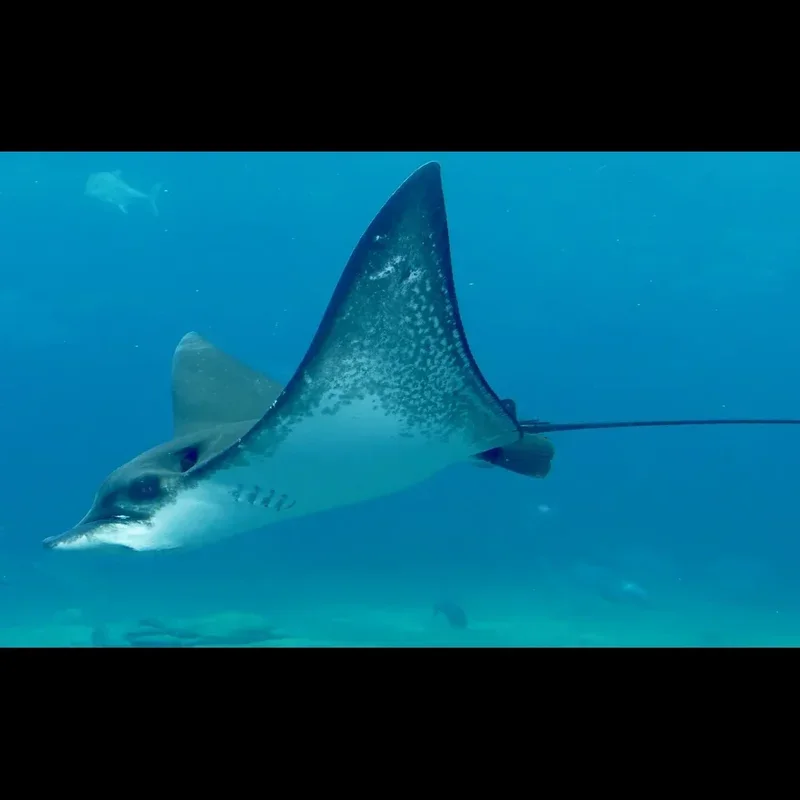
Keep an eye out for pelagic sightings in the deeper sections, as tuna are common here, often patrolling the drop-offs. Eagle rays have also been spotted gracefully gliding through the currents.
Healthy coral ecosystems, particularly black corals, provide shelter for a myriad of smaller creatures, contributing to overall biodiversity. This active environment promises consistent interactions with local marine inhabitants.

Dive Sites Near Kalanggaman Island
View all dive sites in PhilippinesDiscover more underwater gems in this area.
Dive Centers Near Kalanggaman Island
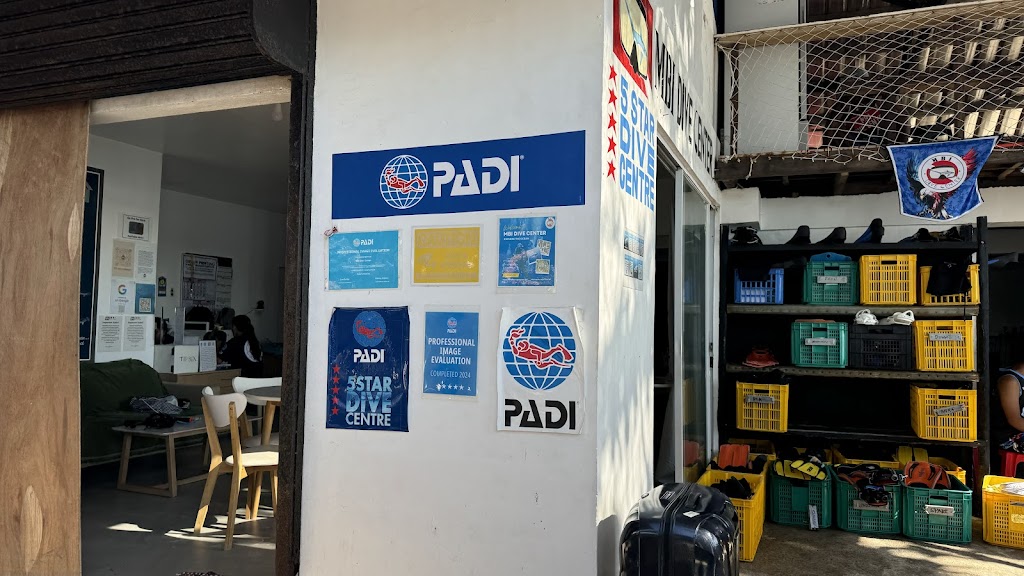
Today: 08:00 - 19:00
Nearest Airports
Nearest airports to help plan travel to this dive area.
Search Flights
Check available flights and routes on Expedia, using the nearby airports listed in this section.
Search Flights on ExpediaFrequently Asked Questions
Is Kalanggaman Island uninhabited?
Kalanggaman Island is largely uninhabited, offering a pristine and quiet escape. There are no permanent residents, bars, restaurants, or accommodations directly on the island itself.
How do I get to Kalanggaman Island for diving?
Access to Kalanggaman Island is primarily via boat trips, usually organized from nearby dive hubs like Malapascua Island. The boat ride typically takes about an hour to reach the island.
What is the maximum diving depth at Kalanggaman Island?
The maximum recreational diving depth at Kalanggaman Island is 30 meters (98 ft). This depth range caters well to Advanced Open Water certified divers.
Are there strong currents at Kalanggaman Island dive sites?
Yes, Kalanggaman Island dive sites often experience drift conditions due to their open ocean location. Currents can range from mild to moderate, making it suitable for divers comfortable with this type of diving.
What marine life can I expect to see?
Divers can expect to see abundant reef fish, various types of corals including black corals, and frequently pelagic species like tuna. Eagle rays are also among the common sightings.
What is the water temperature like for diving?
Water temperatures around Kalanggaman Island are consistently warm throughout the year. They generally average between 27-29°C (81-84°F), making a 3mm wetsuit or rash guard suitable.
Is the island good for non-divers too?
Yes, even non-divers can enjoy Kalanggaman Island's stunning natural beauty. The island features a beautiful white sandbar and clear blue waters, ideal for relaxing and photography during surface intervals.
Planning to dive Kalanggaman Island?
Send one inquiry and receive offers directly from the best verified local dive operators.
Conditions are Excellent
07:00 - 14:00
Optimal conditions expected
Current conditions near Kalanggaman Island show 28° air, 31° sea temperature, 0.1 m waves, and 19 km/h wind. Forecast data is refreshed regularly to ensure accuracy.