
Diving at Kimud Shoal (Philippines)
Kimud Shoal stands out as a primary destination for divers seeking pelagic encounters, particularly hammerhead sharks. Positioned near Malapascua Island and Monad Shoal, this sunken island features a plateau starting around 10 m (33 ft) before steep slopes plunge into deeper waters. It's a key spot for advanced divers, offering unparalleled opportunities to observe schooling hammerheads in specific seasons.
Tonight's objective overview for Kimud Shoal shows an air temperature of 28°C. The measured surface conditions include wave heights around 0 m. This environmental data is logged for the close of the day.
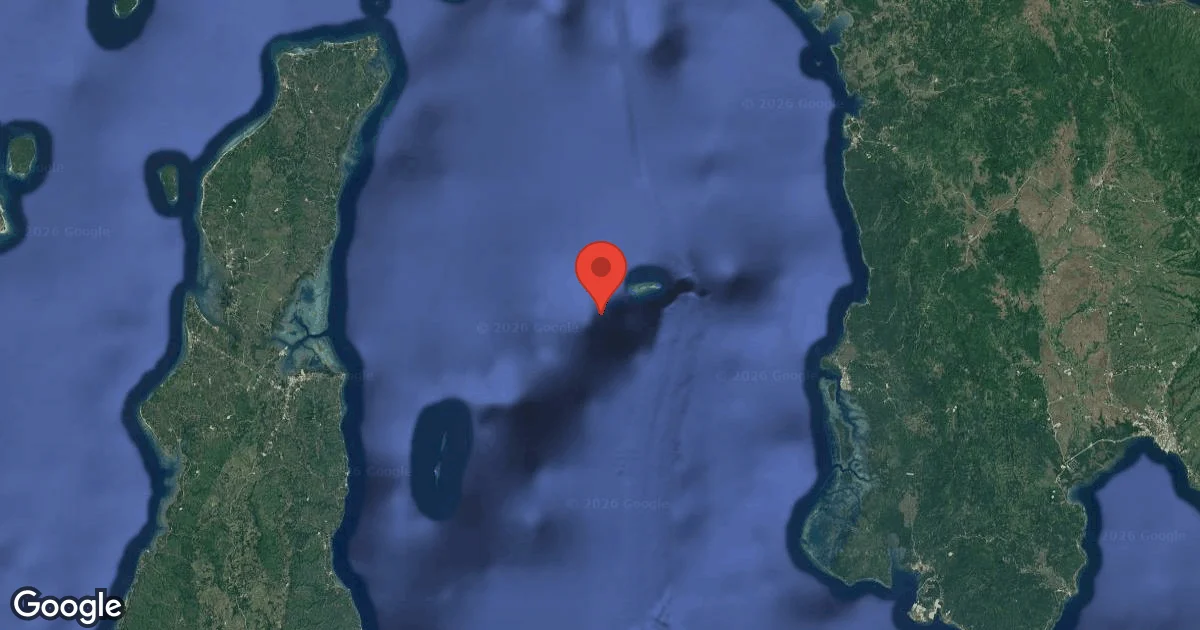
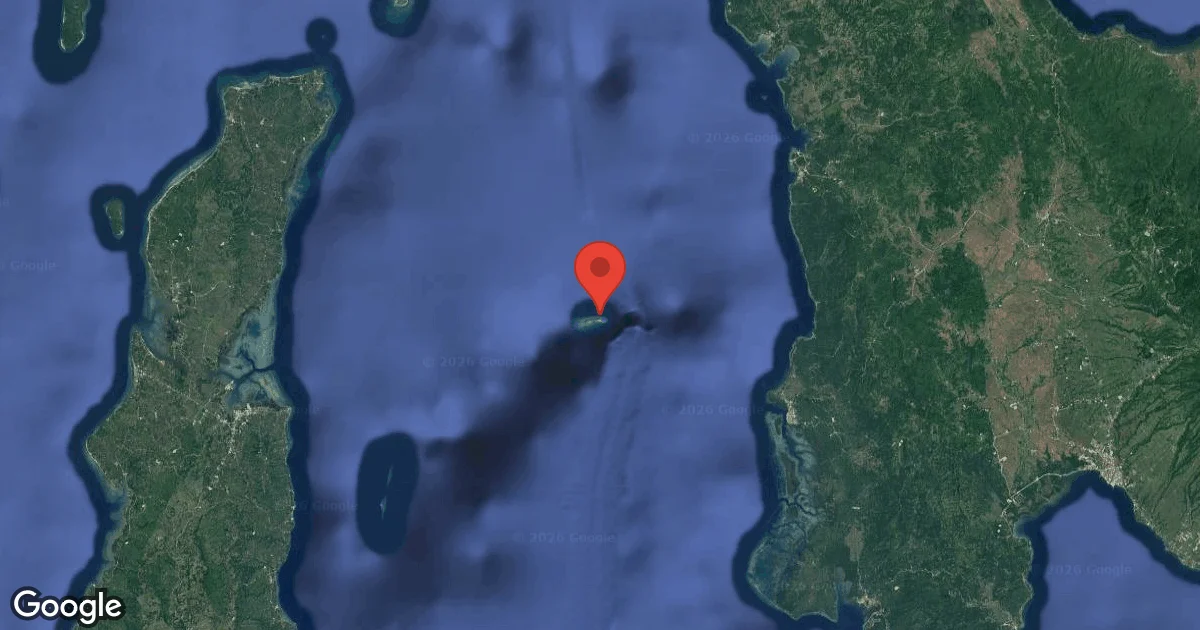
Dive Site Location & Key Facts
Dive Site Overview
Kimud Shoal presents a distinct underwater topography, centered around a substantial sunken island. Its top lies at approximately 10-12 meters deep, making the shallower sections accessible for initial exploration.
From this plateau, one side of the shoal gradually slopes to about 30 meters before a dramatic drop-off into depths exceeding 200 meters. The opposing side features a sheer vertical wall, creating a diverse and dynamic environment. While primarily known as a hammerhead shark destination, thresher sharks are also regular visitors, though perhaps not in the numbers typically observed at nearby Monad Shoal.
Beyond the significant pelagic life, the vibrant plateau supports a thriving hard coral garden, soft corals, and sponges, housing various reef creatures. You might spot moray eels, frogfish, and other macro life within these corals.
Along the sloping walls, a rich tapestry of colorful soft corals and gorgonian fans harbors nudibranchs and shrimps, appealing to macro enthusiasts exploring the deeper sections. This sunken island offers a compelling blend of open ocean encounters and vibrant reef ecosystems.
Conditions are Excellent
07:00 - 14:00
Optimal conditions expected
Current conditions near Kimud Shoal show 28° air, 30° sea temperature, 0.1 m waves, and 19 km/h wind. Forecast data is refreshed regularly to ensure accuracy.
Best Time to Dive
While liveaboards visit Kimud Shoal throughout the year, specific seasons offer heightened chances for particular encounters, especially hammerhead sharks. Hammerhead season typically runs from December or January through April, with peak sightings of large schools often occurring in March or April. The site experiences slightly wetter weather from July through December, although rainfall is generally infrequent compared to other areas in Cebu. Air temperatures remain warm year-round, averaging from 26.5°C (80°F) in January to 28.5°C (83°F) in May. Diving conditions are rated 'Excellent' for most months, with 'Good' ratings in February and September, often due to slightly stronger winds and higher waves. Wave heights can vary, from a low of 0.2 m (0.7 ft) in June to around 0.5 m (1.6 ft) in January. Open water exposure means conditions can be rough at times, regardless of the season.
PEAK SEASON SCORE
Scores combine air & water temps, waves, wind & rainfall for overall conditions.
BEST MONTHS TO DIVE
Monthly records compiled from satellite and marine observation nodes over the last 3 years. Data provided by Open-Meteo and MET Norway.
Dive Experience & Conditions
Descending into the deep blue at Kimud Shoal presents a profound sensation, particularly when seeking pelagic species in open water. Advanced divers find the site most rewarding; comfort with potential vertigo or disorientation from the lack of immediate reference points during blue water encounters is beneficial. The typical maximum recreational depth here is around 40 m (131 ft). Technical divers, however, may have options for deeper descents if supported by their liveaboard operations. Water temperatures in the Malapascua area generally range from 24-30°C (75-86°F), with the cooler end corresponding to the northern hemisphere's winter. Currents can be present and vary, influencing the approach to pelagic viewing, sometimes requiring active swimming against the flow in this open ocean environment. The top of the shoal provides a vibrant coral garden for exploring, while its dramatic drop-offs, particularly on the east side, are adorned with huge sea fans and dramatic overhangs.
Dive Difficulty & Safety Guidelines
Navigating Kimud Shoal demands a mindful approach to safety, particularly for dives targeting schooling hammerheads in blue water. An Open Water certification with a minimum of ten to twenty logged dives is often required by liveaboards, but the nature of these specific dives makes them more suitable for advanced divers. Maintaining good buoyancy control is crucial, especially when hovering without clear visual references in the deep.
Divers should be prepared for varying currents, which can be moderate to strong. Always dive with a reliable buddy and carry a Surface Marker Buoy (SMB) for safety stops and signaling at the surface.
Prior to any descent, ensure you have a clear understanding of the dive plan, maximum depth limits, and safety procedures specific to pelagic diving in open ocean conditions.
Recommended Equipment
Deep dive hazard. Increased narcosis and gas consumption risk.
- Dive Computer
- DSMB
- Primary & Backup Lights
This gear list is based on verified equipment signals for Kimud Shoal, Philippines. Always confirm final gear choices with your dive operator, guide, or liveaboard.
Recommended Dive Suit
With water temperatures around 30°C (86°F), many divers find a dive skin or rash guard provides comfortable protection.
Local dive briefings can provide the most accurate guidance.
The upcoming forecast points to generally steady conditions in the area.
Emergency & Medical Support
Essential information to help you plan your dive trip to Kimud Shoal.

Hyperbaric chambers are a critical part of dive safety infrastructure. Availability varies significantly by region, and not all dive areas have immediate access.
Before diving, it's recommended to:
- confirm nearest medical facilities
- check emergency procedures with local dive operators
- ensure dive insurance covers evacuation if required
Divers Alert Network
Diving emergency assistance available through DAN World.
+1-919-684-9111- 24/7 emergency hotline
- Diving medical assistance
- Evacuation coordination
Emergency contacts are provided for reference. Always verify local emergency services before diving.
Marine Life at Kimud Shoal
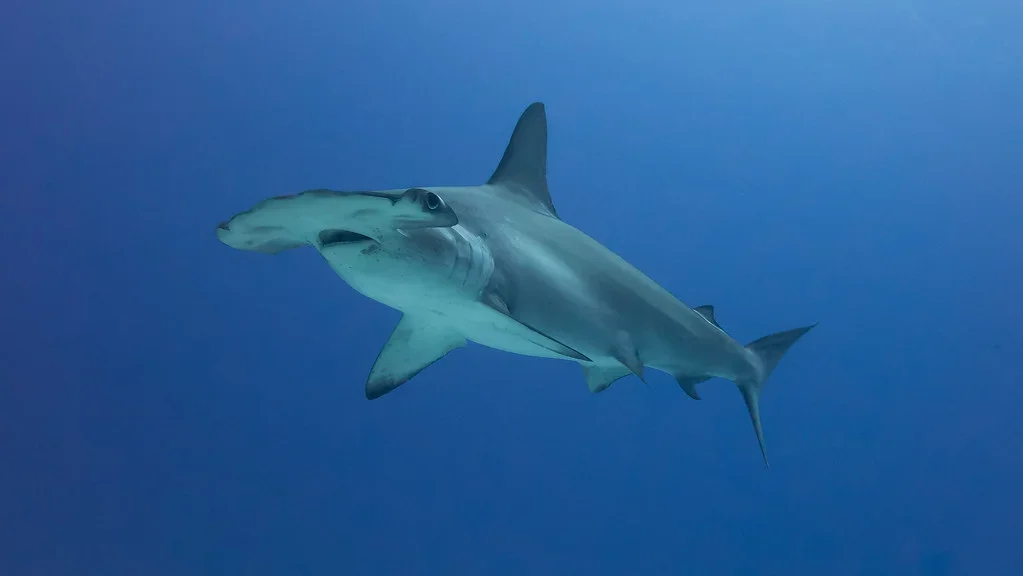
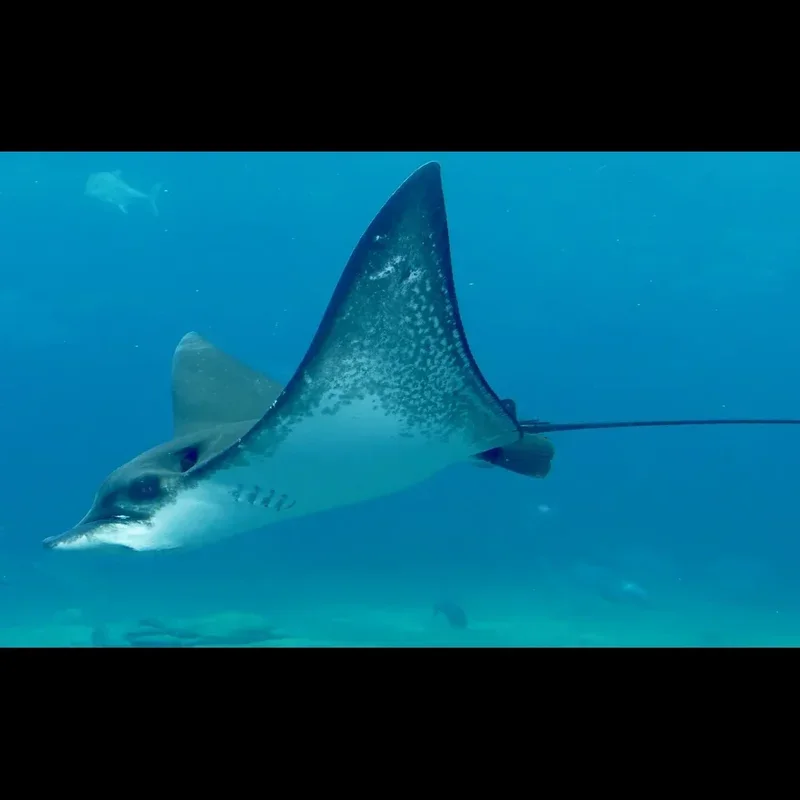
Divers often first notice the graceful movements of thresher sharks, which are regular visitors to Kimud Shoal. Beyond them, the anticipation of encountering schooling hammerhead sharks is a significant draw, particularly from December through April.
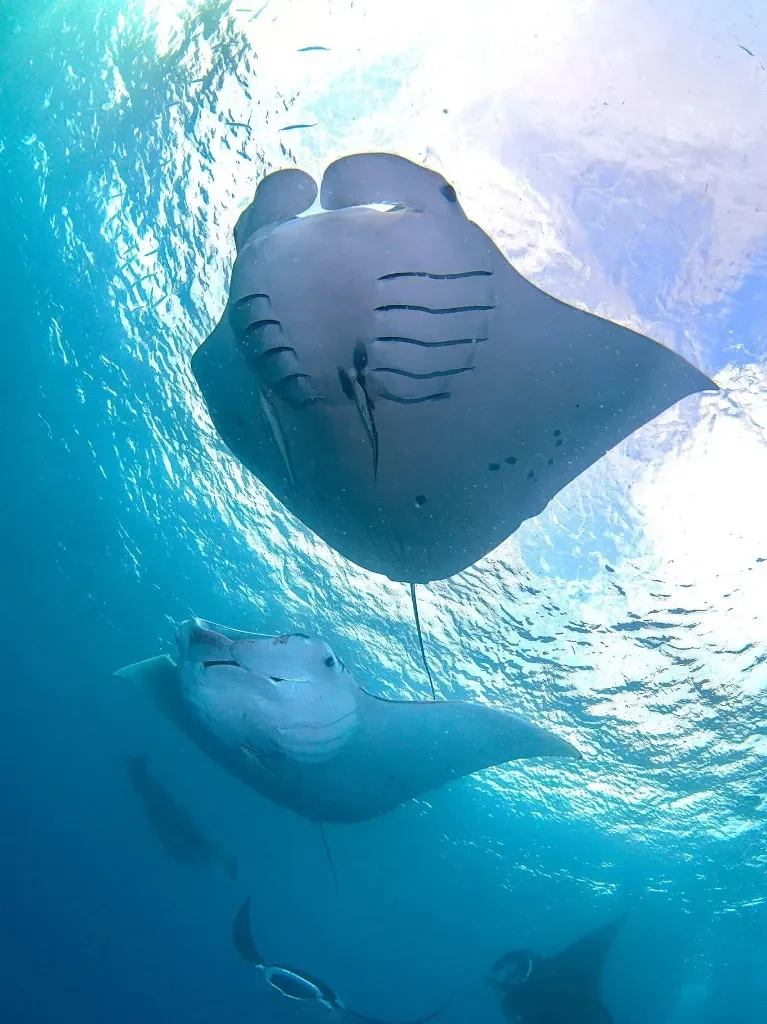
During these months, schools of up to 200 individuals have been reported. Other notable pelagic sightings include manta rays, devil rays, and eagle rays cruising the deeper sections.
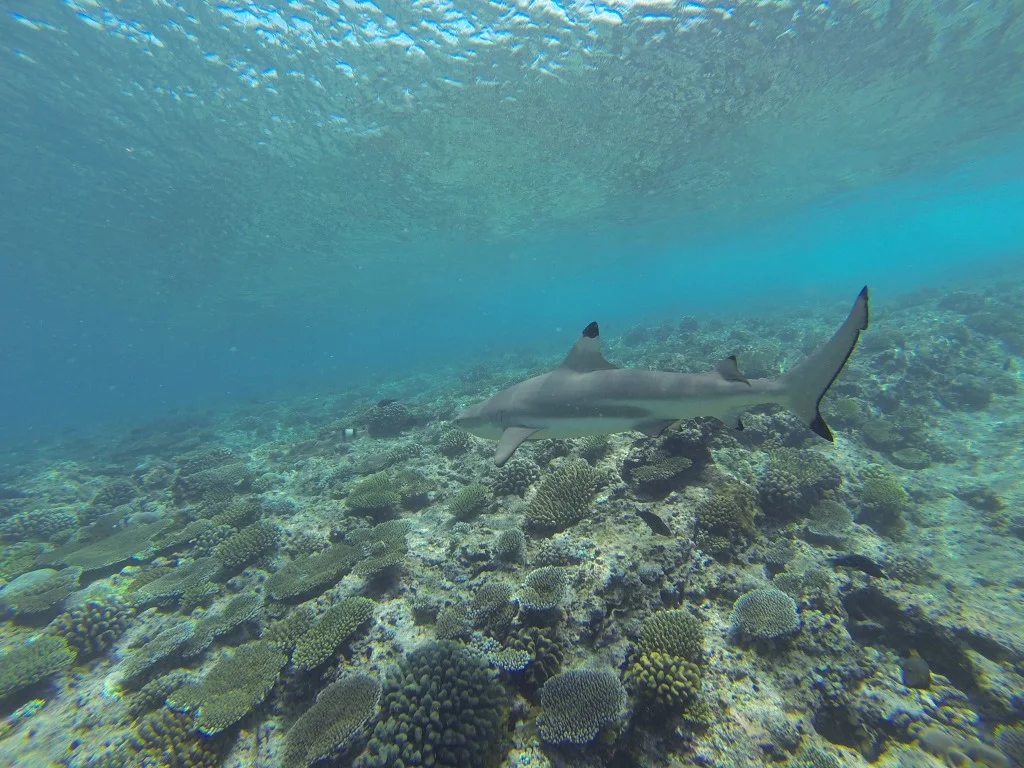
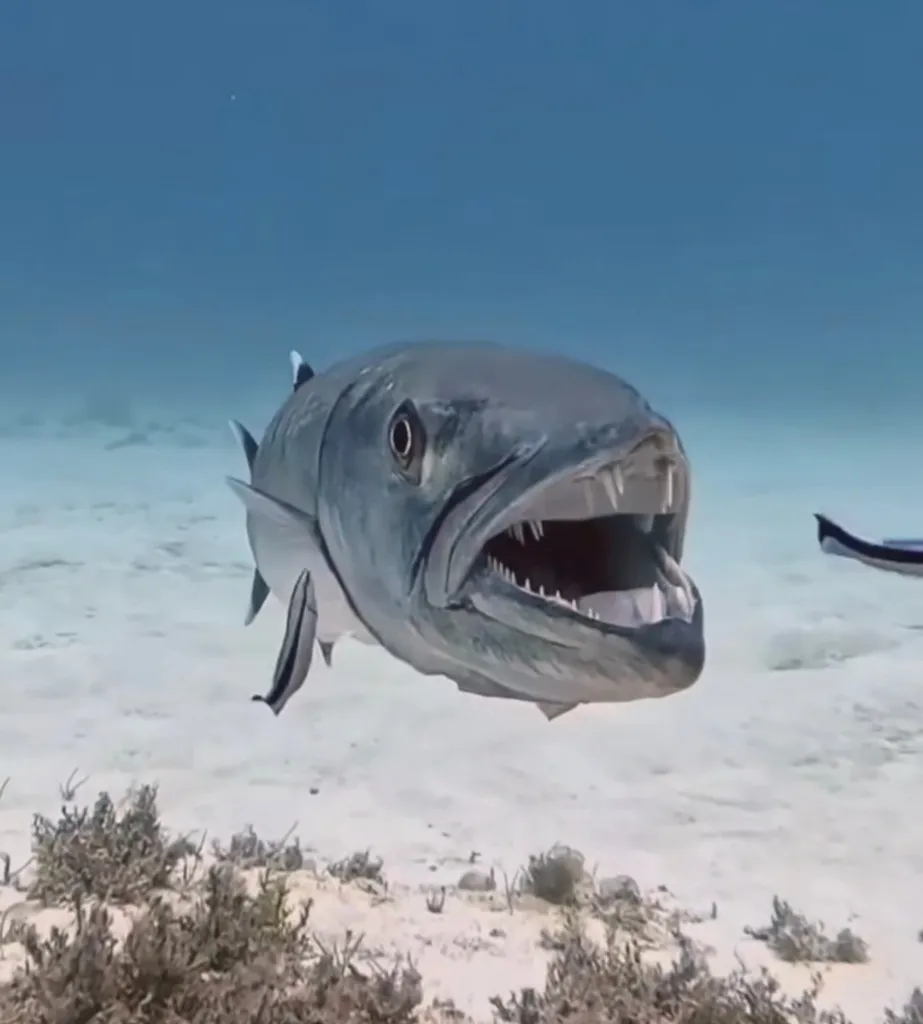
Barracuda, tuna, mackerel, and various requiem sharks also frequent the area. Above water, dolphin sightings are not uncommon during boat transfers to and from the site, adding another dimension to the marine experience.
Dive Sites Near Kimud Shoal
View all dive sites in PhilippinesDiscover more underwater gems in this area.
Dive Centers Near Kimud Shoal
Today: 08:00 - 19:00
Nearest Airports
Nearest airports to help plan travel to this dive area.
Search Flights
Check available flights and routes on Expedia, using the nearby airports listed in this section.
Search Flights on ExpediaFrequently Asked Questions
What kind of dive site is Kimud Shoal?
Kimud Shoal is an underwater island or pinnacle, quite distinct from Monad Shoal. Its plateau starts around 10-12 meters deep, then drops off dramatically into depths exceeding 200 meters. The site is primarily known for exciting pelagic encounters.
What marine life can I expect to see at Kimud Shoal?
Hammerhead sharks are a primary draw, particularly large schools during their season, along with thresher sharks. Divers might also encounter manta rays, devil rays, eagle rays, barracuda, tuna, mackerel, and various reef sharks. On the plateau and drop-offs, a vibrant coral garden supports smaller reef creatures and macro life.
When is the best time to see hammerhead sharks?
Hammerhead shark season generally runs from December or January through April. The highest probability of seeing large schools is typically in March or April, towards the end of their peak season.
What is the typical water temperature?
Water temperatures in the Kimud Shoal area typically range from 24 to 30°C (75-86°F). Cooler temperatures are more common during the northern hemisphere's winter months.
Is Kimud Shoal suitable for Open Water divers?
While some liveaboards may accept Open Water divers with sufficient logged dives (10-20, depending on itinerary), the deep blue water and potential for strong currents, especially when seeking hammerheads, make it more suitable for advanced divers comfortable with these conditions. Technical diving options may also be available.
How do I get to Kimud Shoal?
Kimud Shoal is generally accessed via liveaboard trips departing from Cebu City or Malapascua. Cebu City is easily reachable by flight, while Malapascua requires a land transfer (bus or taxi) from Cebu City, followed by a small boat ride.
Planning to dive Kimud Shoal?
Send one inquiry and receive offers directly from the best verified local dive operators.
Conditions are Excellent
07:00 - 14:00
Optimal conditions expected
Current conditions near Kimud Shoal show 28° air, 30° sea temperature, 0.1 m waves, and 19 km/h wind. Forecast data is refreshed regularly to ensure accuracy.