Marine Life

What Divers Should Know About Black Coral

Learn all about the Black Coral, including dynamic specs, encounter highlights, habitats, and the best dive sites to find them.
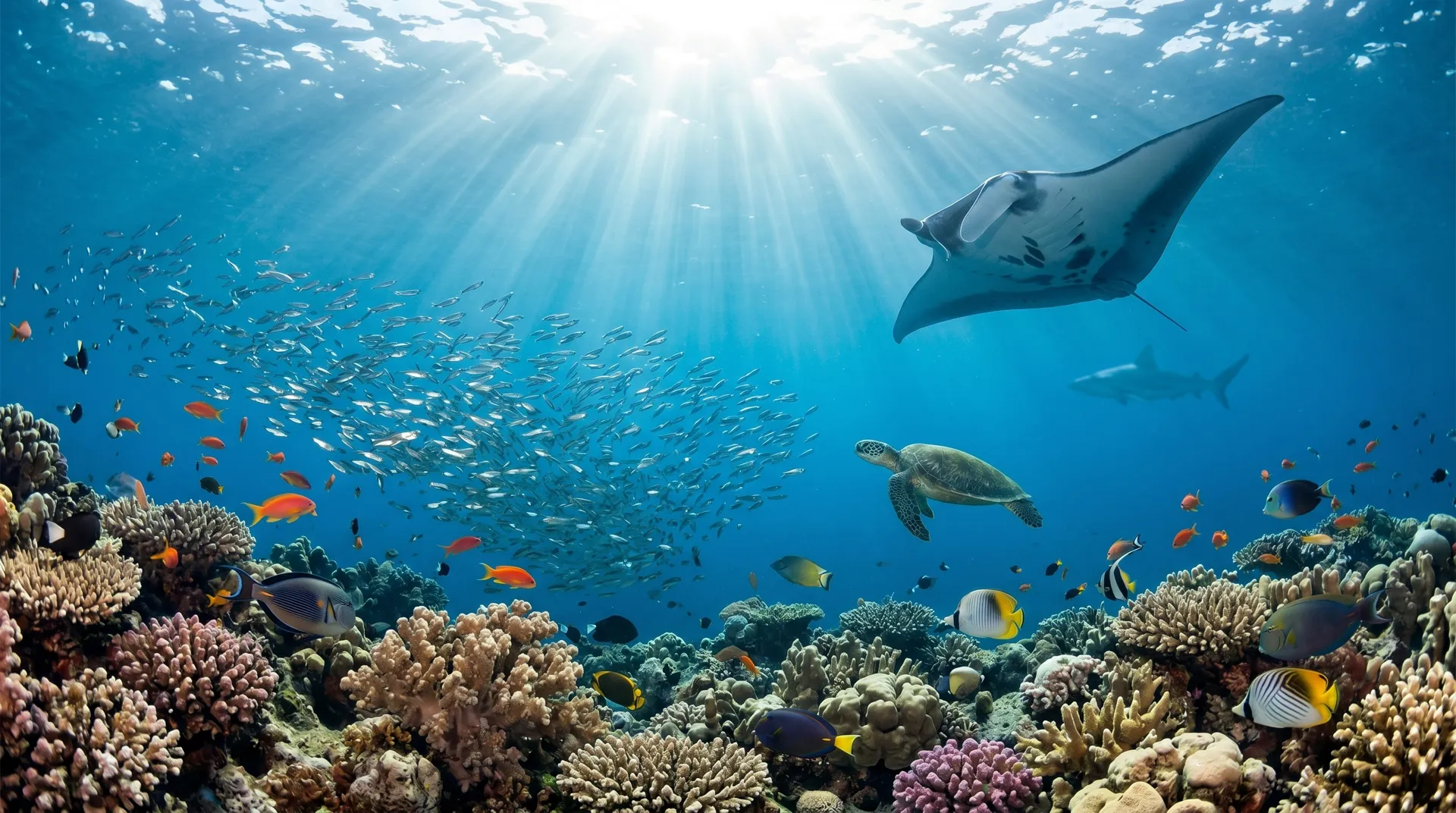
Black Coral
Scientific Name

/

Size

/

Depth

/

Habitat

/

Conservation

Not Evaluated

Danger Level

/

About the Black Coral

Venturing below 50 meters, particularly on continental slopes, you might encounter the distinctive forms of black coral, or Antipatharians. These deep-water corals are instantly recognizable by their jet-black or dark brown chitin skeletons, often surrounded by their living, colored polyps. While cosmopolitan, appearing in nearly every oceanic location except brackish waters, about 75% of species thrive below this 50-meter mark. Requiring a hard surface for attachment, they frequently grow on reefs, isolated outcroppings, cliffs, or within caves where undersea currents provide a steady food supply.

These fascinating corals are carnivorous, with polyps efficiently stinging and digesting passing meiofauna like zooplankton. Their unique fan-shaped structures are not merely aesthetic; many species strategically place polyps only on the downstream side to conserve energy while maximizing prey capture. Black corals also play a vital ecological role, providing housing, shelter, food, and protection for various other marine animals, contributing to local reef ecosystems.

Where You Can See Black Coral

Detailed regional distribution data for Black Coral is not available yet. This species may still appear on related dive site pages when local sightings or habitat information are available.

Dive Sites with Black Coral

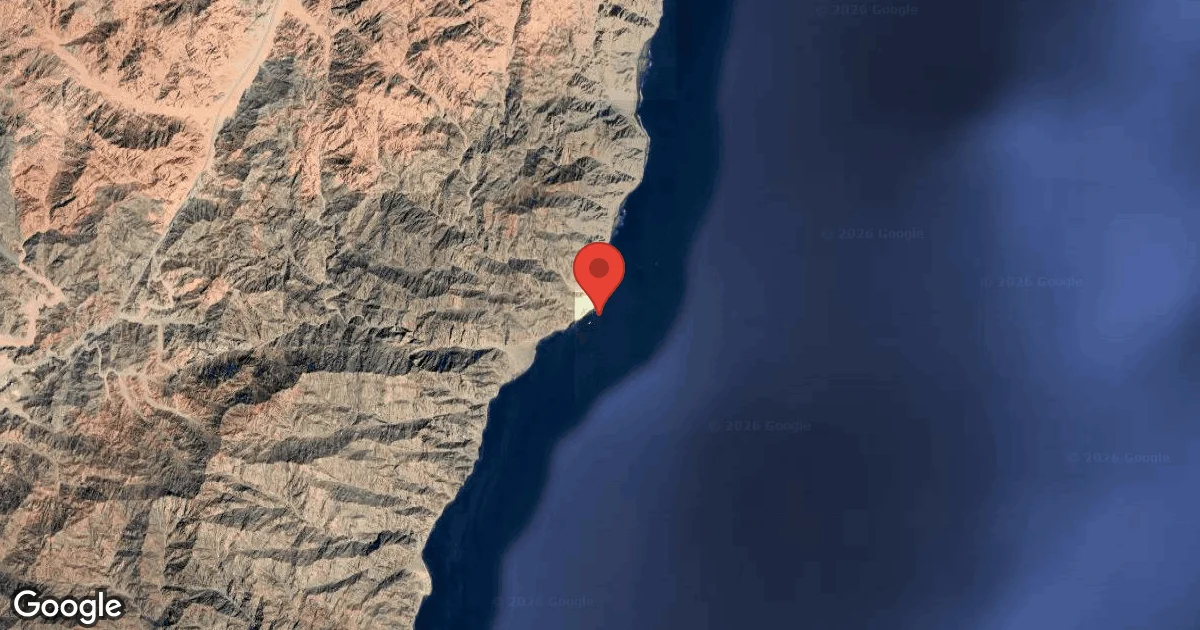
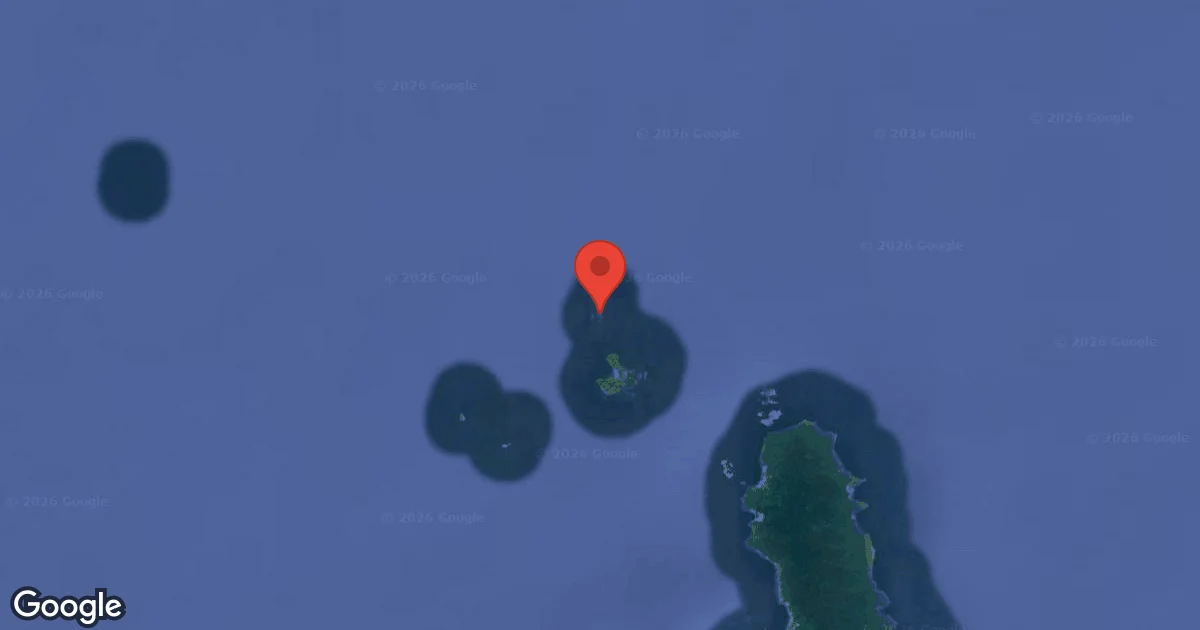
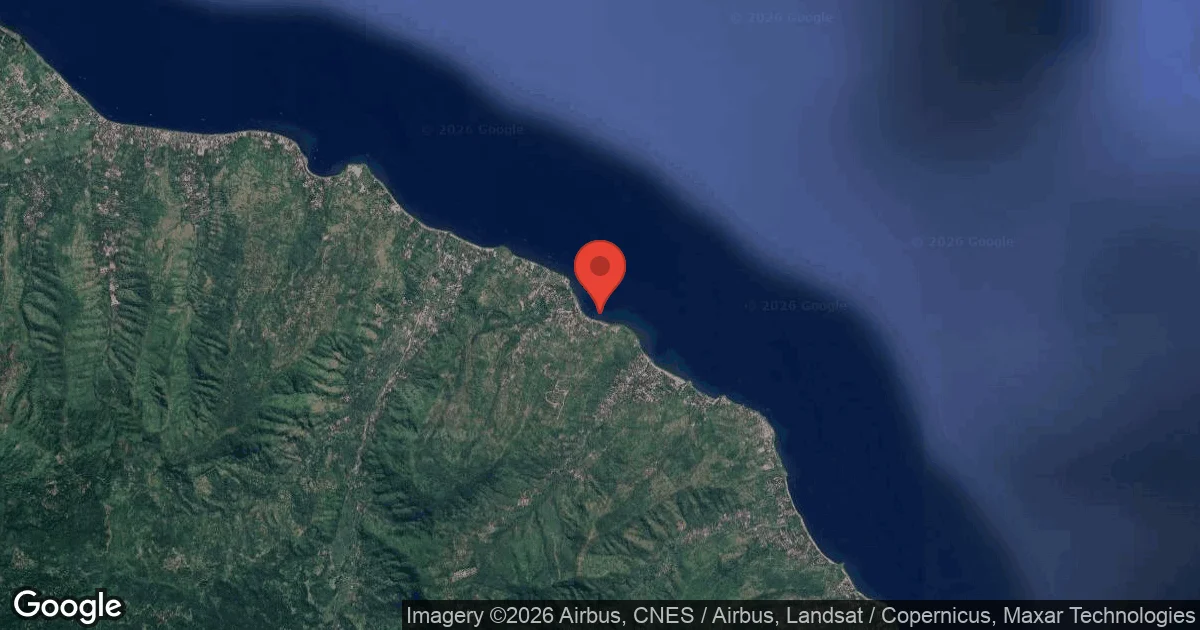
Discover 12 of 49 breathtaking locations where you can encounter this species.
Related Marine Life

Explore other incredible species you can encounter on your diving adventures.