
Diving at Panorama Reef (Philippines)
Approaching Panorama Reef requires divers to consider its dynamic conditions, particularly the potential for currents. This site in the Philippines presents a dramatic wall and canyon system ideal for those comfortable with varied underwater landscapes. Planning your dive to account for these elements ensures a more rewarding exploration of its vibrant coral structures and diverse marine inhabitants. It's a location that rewards attentive preparation.
Starting the day at Panorama Reef, the ambient air temperature is recorded at 26.5°C. Ongoing monitoring shows wave heights measuring 0.5 m. This data represents the current surface conditions for early activities.
Dive Site Location & Key Facts
Dive Site Overview
Entering the waters of Panorama Reef reveals a captivating blend of structural complexity and lively ecosystems. The site's defining feature is a sloping wall that descends to a sandy bottom, observed at approximately 25 m (80 ft).
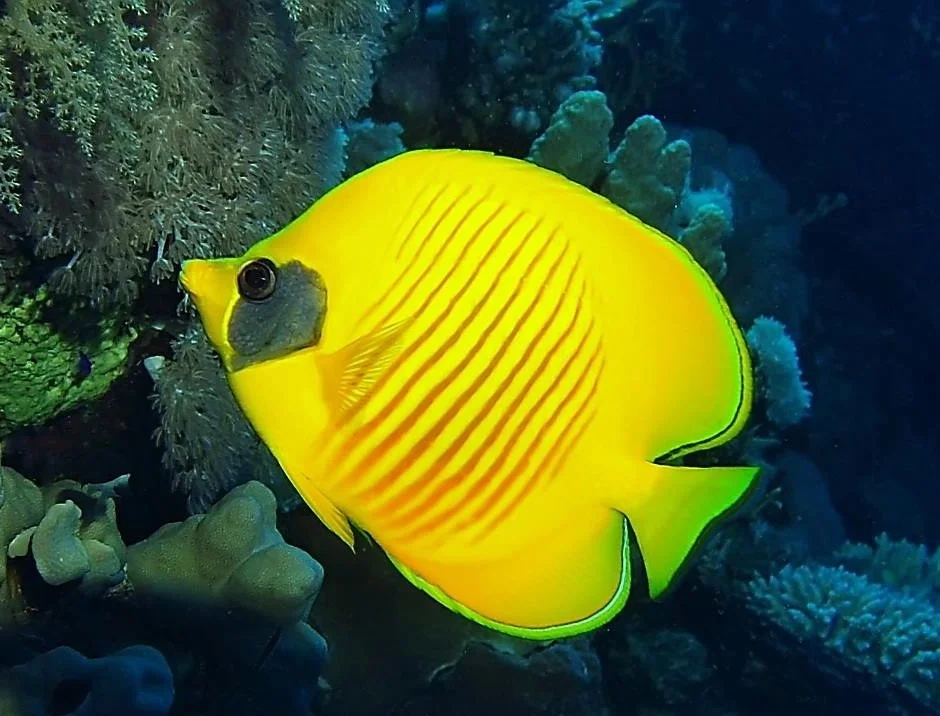
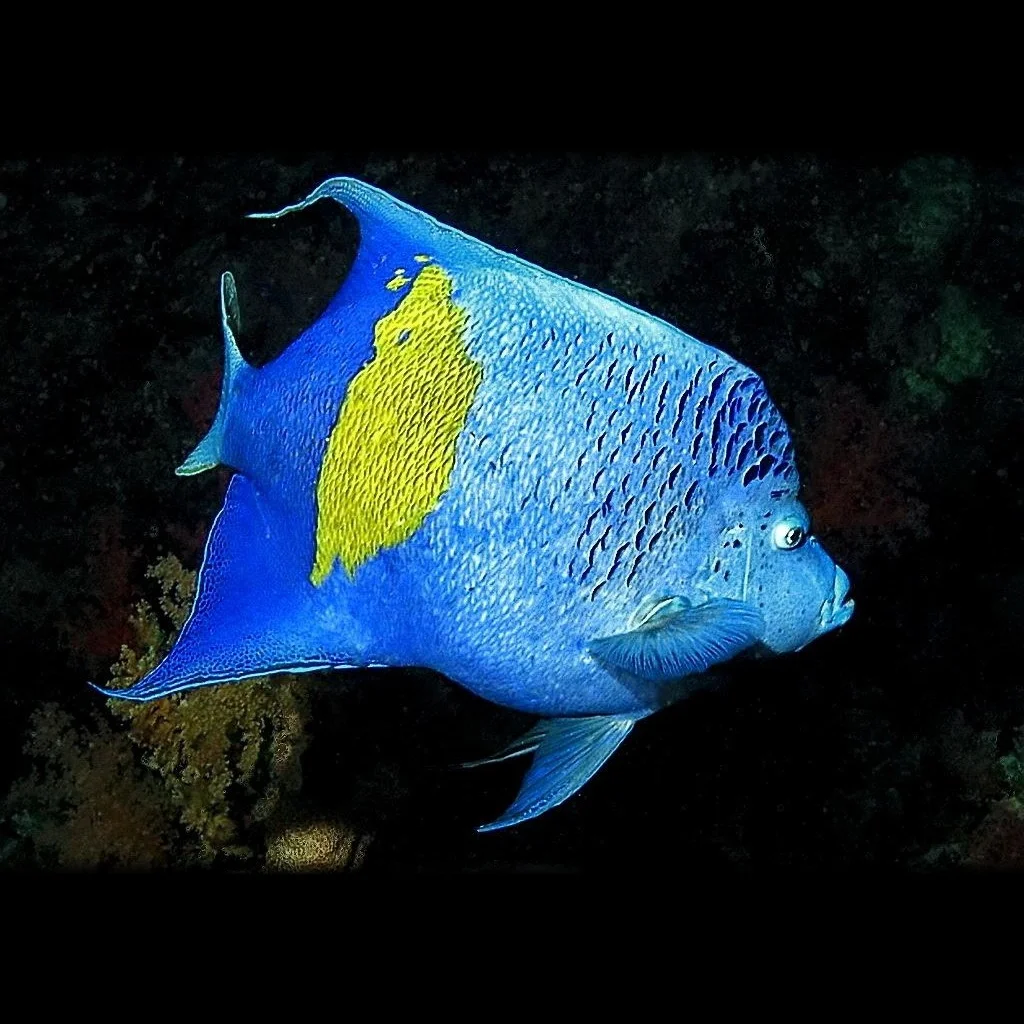
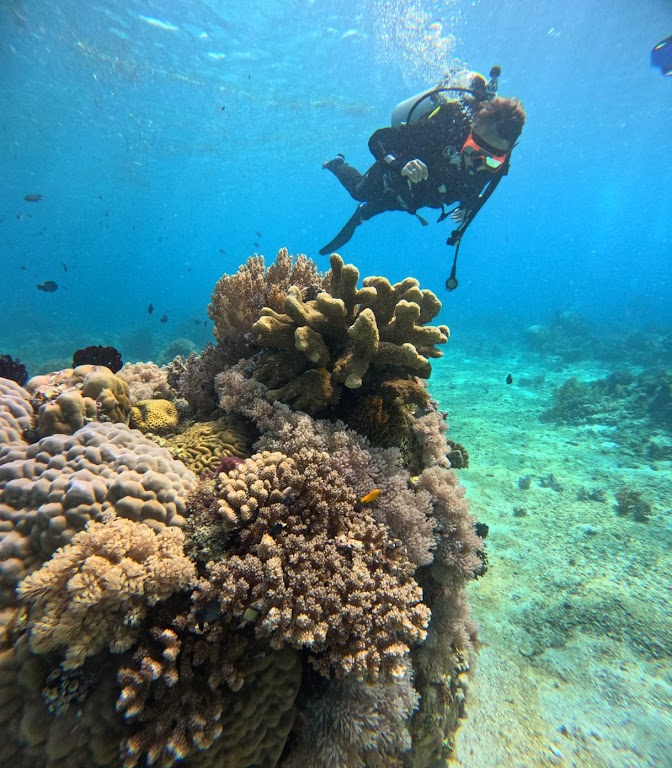
This substantial drop-off is carved with intricate canyons, creating an engaging environment for divers to navigate. Below the surface, divers encounter a mix of hard and soft corals that establish a foundation for a rich array of small reef life. Throughout the vibrant formations, an abundance of fish species such as clownfish, angelfish, and butterflyfish are common sights, adding constant motion and color to the reef.
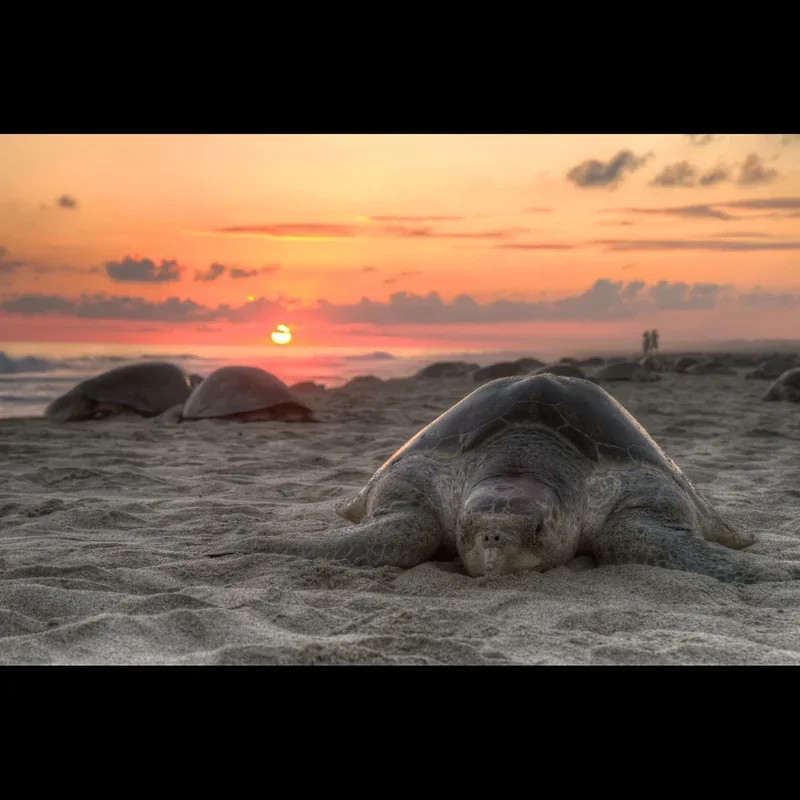
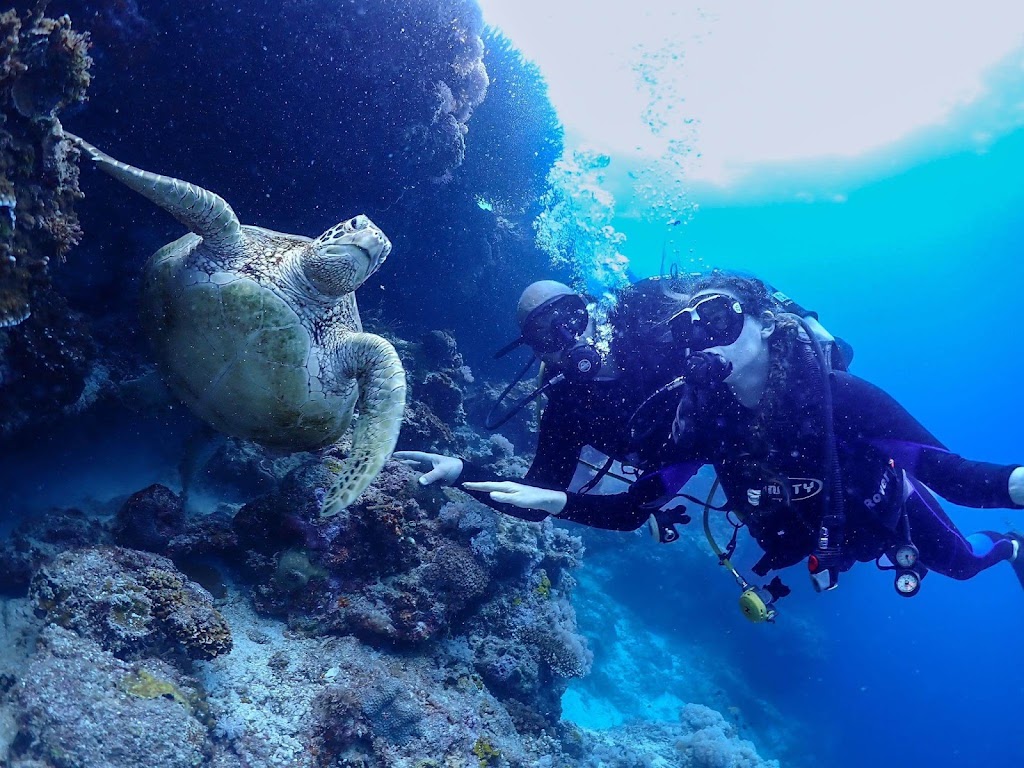
Larger marine creatures, including graceful sea turtles, are also frequent visitors, often seen gliding along the reef's contours. Access to the reef is usually by boat, a journey of about 20 minutes from shore.
Divers should anticipate the potential for currents, making an intermediate skill level generally appropriate. This reef offers more than just observation; it provides a dynamic experience where the topography dictates the flow of the dive, ensuring varied perspectives and discoveries.
Conditions are Good
07:00 - 14:00
Optimal conditions expected
Current conditions near Panorama Reef show 27° air, 30° sea temperature, 0.4 m waves, and 24 km/h wind. Forecast data is refreshed regularly to ensure accuracy.
Best Time to Dive
For optimal visibility at Panorama Reef, consider visiting during the dry season, which typically spans from January to May, and again from August to October. During these months, system data frequently rates diving conditions as 'Excellent' (score of 9), indicating favorable underwater clarity. Air temperatures during these prime periods consistently hover between 26.5°C and 28.5°C (79-83°F), ensuring comfortable surface conditions. Rainfall is notably lower, especially in April and May, when it averages a mere 3.6-7.4 mm. Reduced rainfall often correlates directly with diminished runoff, which contributes to clearer waters and enhanced visibility. Conversely, while still considered 'Good', months like December and February can experience slightly higher wave heights and increased wind speeds, potentially impacting surface conditions and underwater clarity.
PEAK SEASON SCORE
Scores combine air & water temps, waves, wind & rainfall for overall conditions.
BEST MONTHS TO DIVE
Monthly records compiled from satellite and marine observation nodes over the last 3 years. Data provided by Open-Meteo and MET Norway.
Dive Experience & Conditions
Beginning your descent at Panorama Reef, the immediate feature is a sloping wall that quickly transitions into more dramatic canyons. This vertical structure drops off to a sandy expanse at its maximum depth. The site is known for varying current conditions; it can range from mild to strong, potentially requiring divers to be proficient in drift diving techniques. These currents, when present, can enhance the experience by carrying divers along the extensive reef system. Water temperatures are consistently warm throughout the year, typically ranging from 22-27°C (72-81°F), ensuring comfortable diving in standard tropical wetsuits. Divers should anticipate a boat entry and be ready for potentially choppy surface conditions depending on daily wave height. The mix of structural exploration and potential drift makes it a site best suited for intermediate to experienced divers.
Dive Difficulty & Safety Guidelines
Navigating Panorama Reef effectively demands preparation for its potential challenges. Strong currents are a key hazard that divers should anticipate, especially during certain times. Being prepared for drift diving and having a plan to manage these currents is essential.
Listen closely to your dive guide's instructions and maintain proximity to your buddy at all times. Staying hydrated is important in tropical environments, so drink plenty of water before and after dives to prevent fatigue.
Protect your skin from sun exposure; a rash guard or wetsuit and reef-safe sunscreen are recommended. Adhering to responsible diving practices, such as avoiding contact with corals and refraining from feeding marine life, helps preserve the delicate ecosystem.
Recommended Equipment
Overhead environment. Do not enter beyond training and gas planning limits.
Current and surface separation risk. Local briefing strongly recommended.
- Dive Computer
- DSMB
- Primary & Backup Lights
- Reel / Spool
- Cutting Tool
This gear list is based on verified equipment signals for Panorama Reef, Philippines. Always confirm final gear choices with your dive operator, guide, or liveaboard.
Recommended Dive Suit
Water temperatures at Panorama Reef are currently estimated to be around 30°C (85°F), shaping the overall diving conditions for today. Surface air temperatures are resting at 27°C (80°F).
Dive skin or rash guard is generally considered suitable for water temperatures like this. Consider warmer surface protection (like a boat coat) due to brisk winds.
Conditions in the coming days are expected to stay within a similar temperature range.
Due to technical issues with our weather providers, live updates are temporarily delayed. The data above reflects the conditions at the time of the last successful fetch.
Emergency & Medical Support
Essential information to help you plan your dive trip to Panorama Reef.

Hyperbaric chambers are a critical part of dive safety infrastructure. Availability varies significantly by region, and not all dive areas have immediate access.
Before diving, it's recommended to:
- confirm nearest medical facilities
- check emergency procedures with local dive operators
- ensure dive insurance covers evacuation if required
Divers Alert Network
Diving emergency assistance available through DAN World.
+1-919-684-9111- 24/7 emergency hotline
- Diving medical assistance
- Evacuation coordination
Emergency contacts are provided for reference. Always verify local emergency services before diving.
Marine Life at Panorama Reef
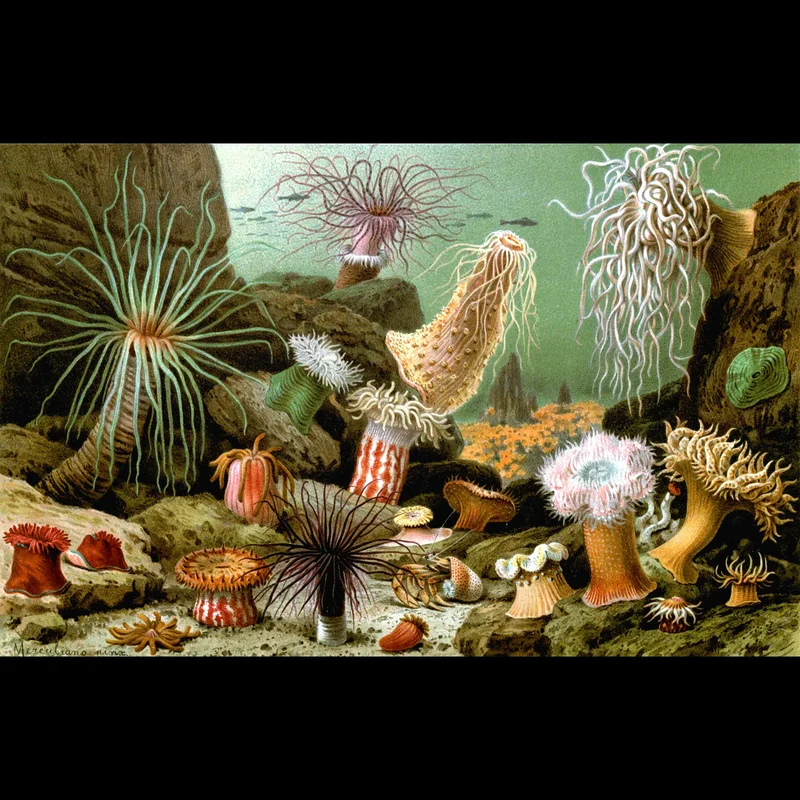
The marine inhabitants of Panorama Reef contribute significantly to its allure. Divers can expect to encounter an abundance of smaller reef life amidst the diverse hard and soft corals that carpet the walls and canyons.
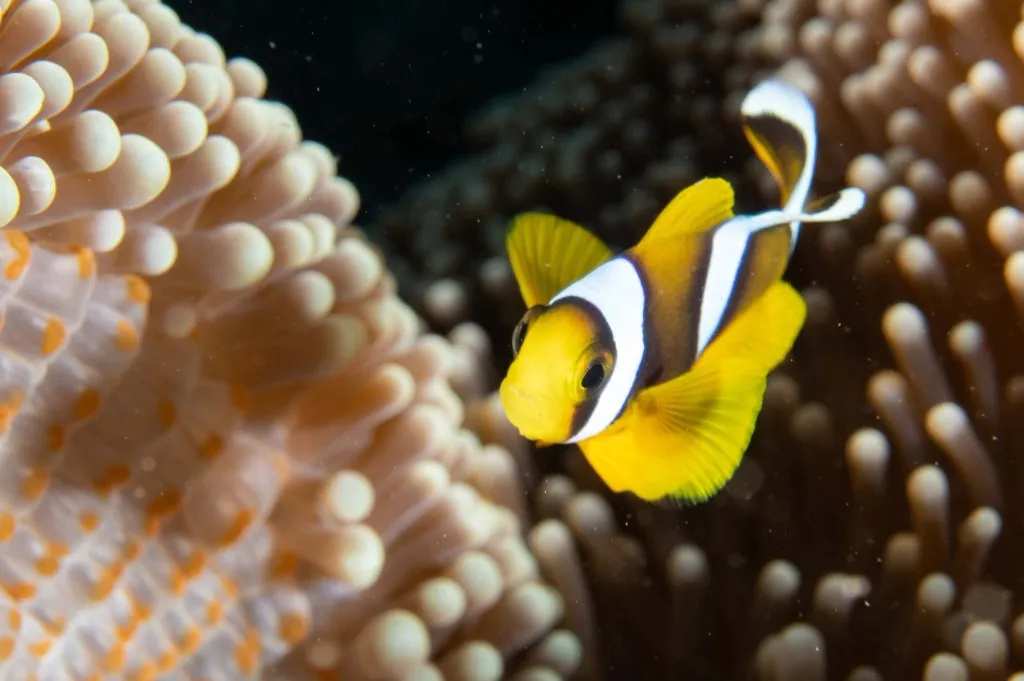
Playful clownfish are commonly seen darting between anemones, while elegant angelfish and dazzling butterflyfish add flashes of color to the reef scape. Keep an eye out for graceful sea turtles, which are often observed cruising along the walls and within the reef's structures.
The vibrant ecosystems here support a healthy population of various fish species, making every dive a dynamic visual experience.
Dive Sites Near Panorama Reef
View all dive sites in PhilippinesDiscover more underwater gems in this area.
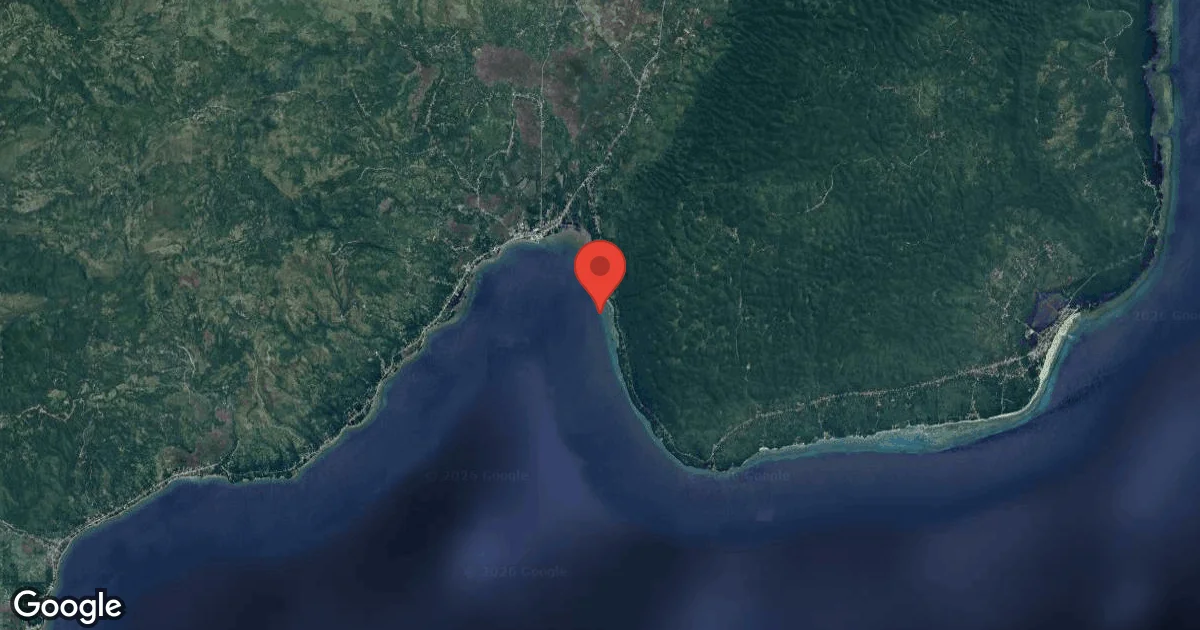
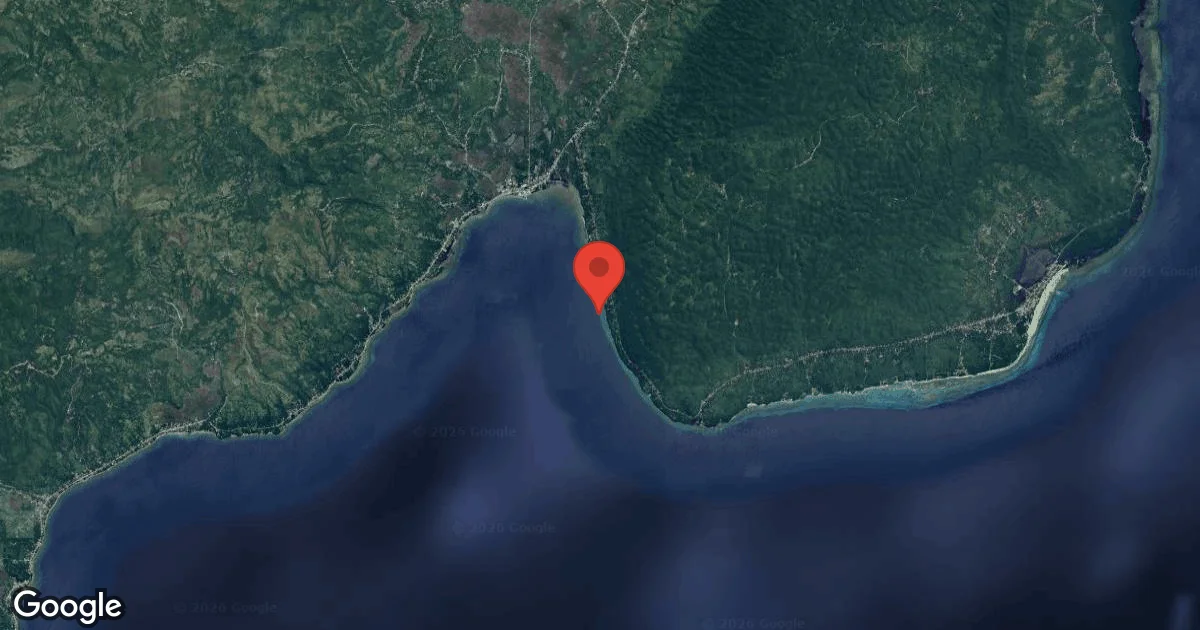
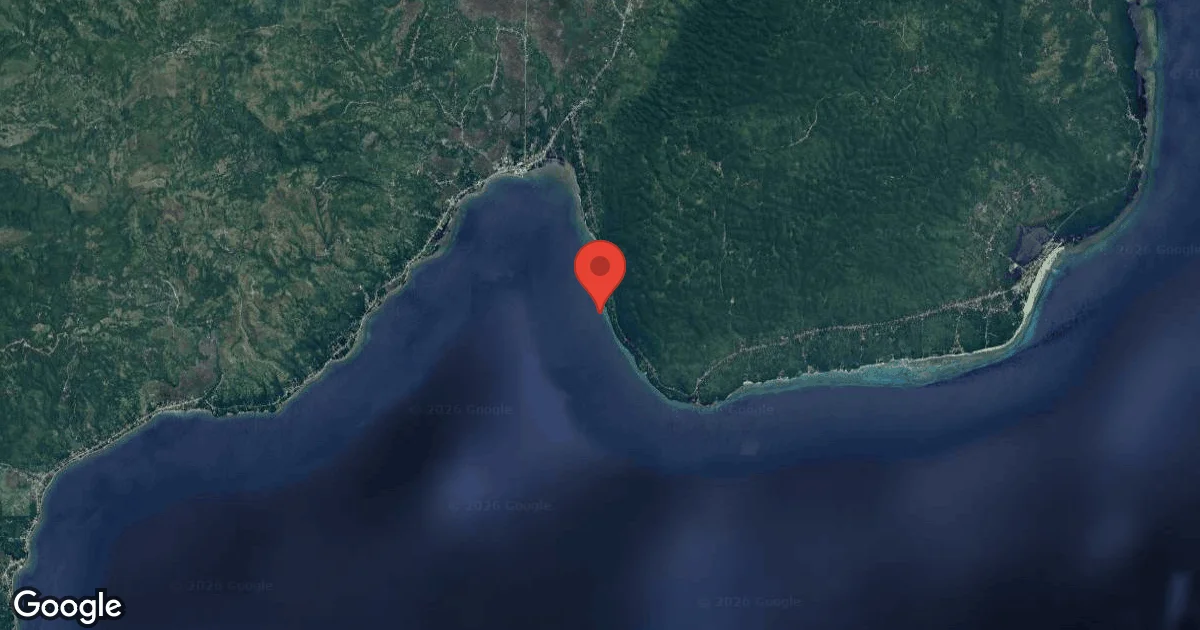
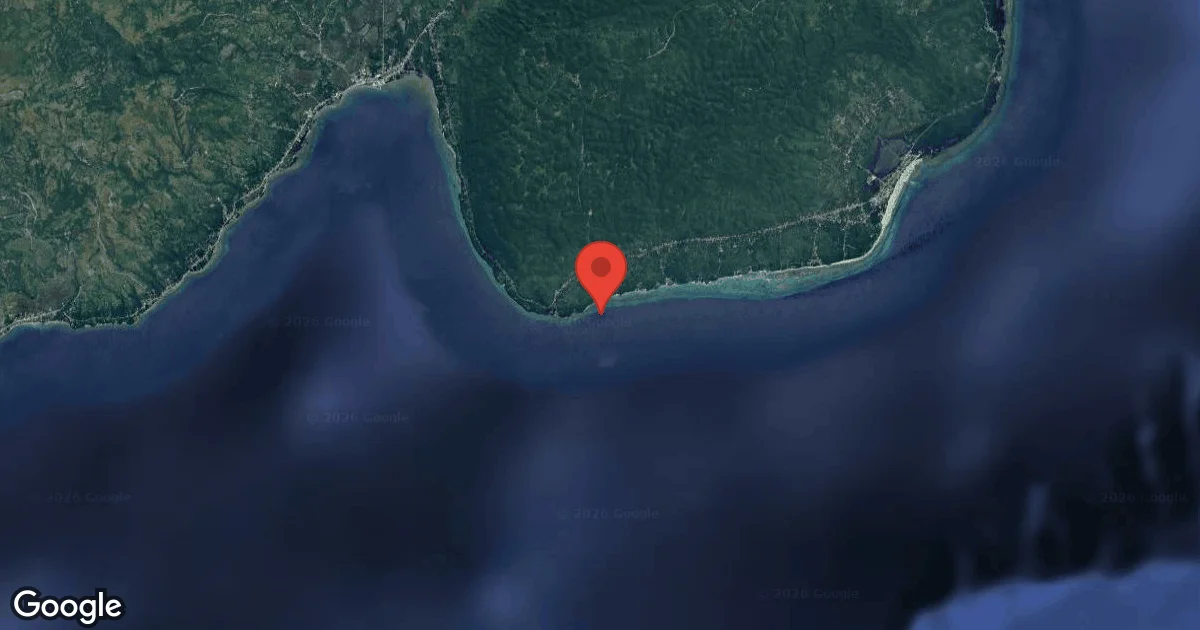
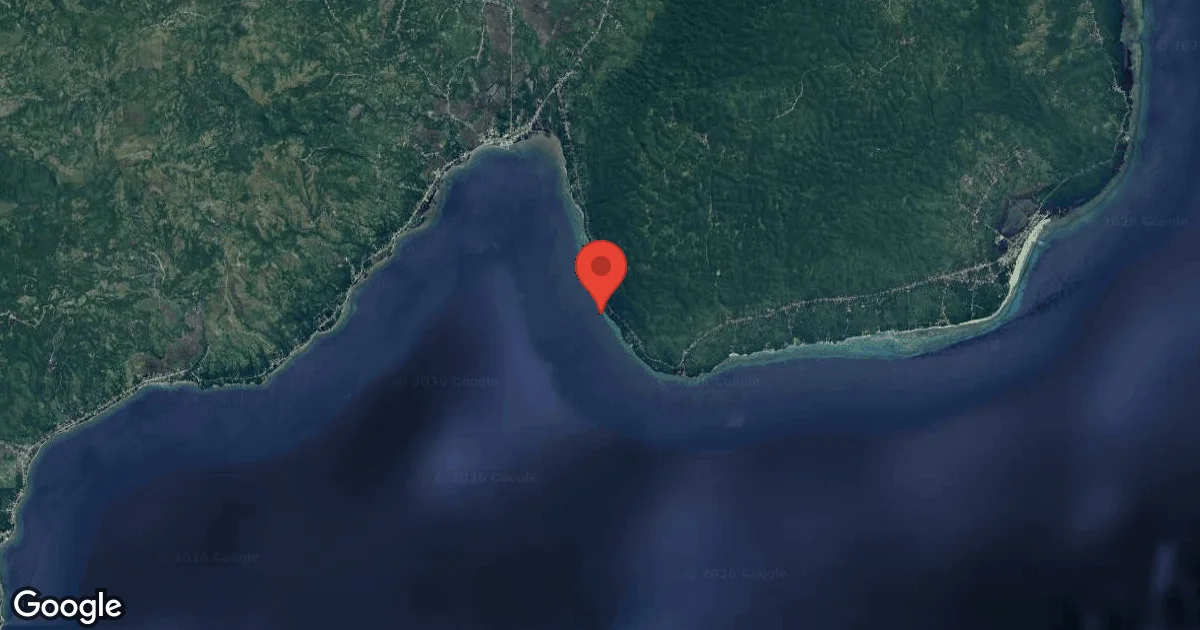
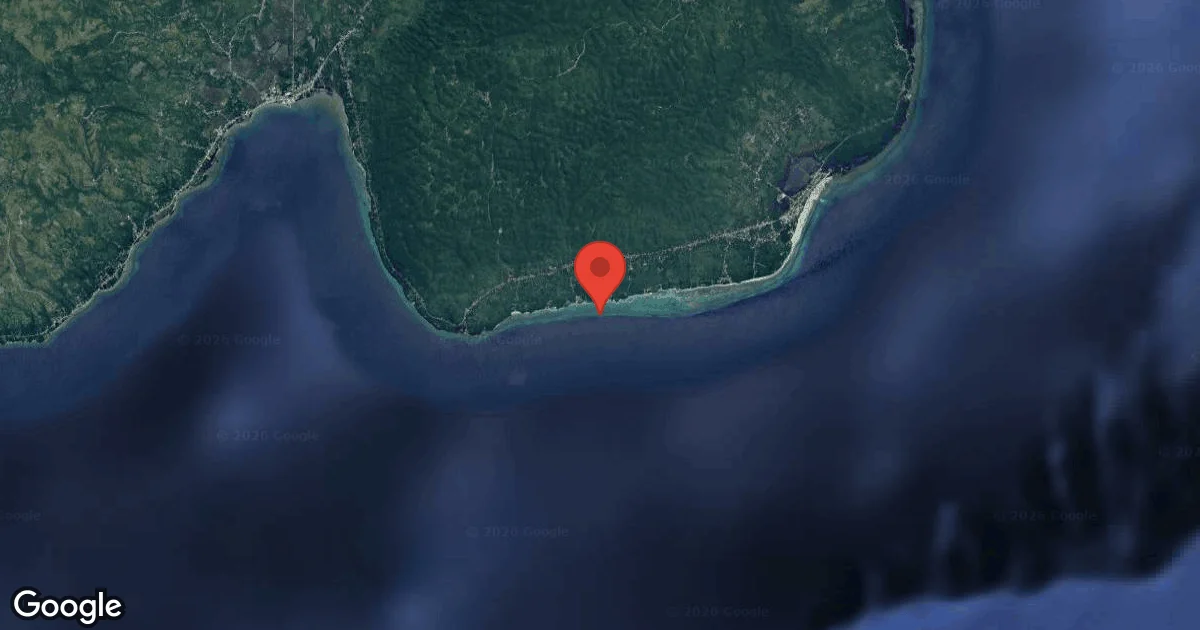
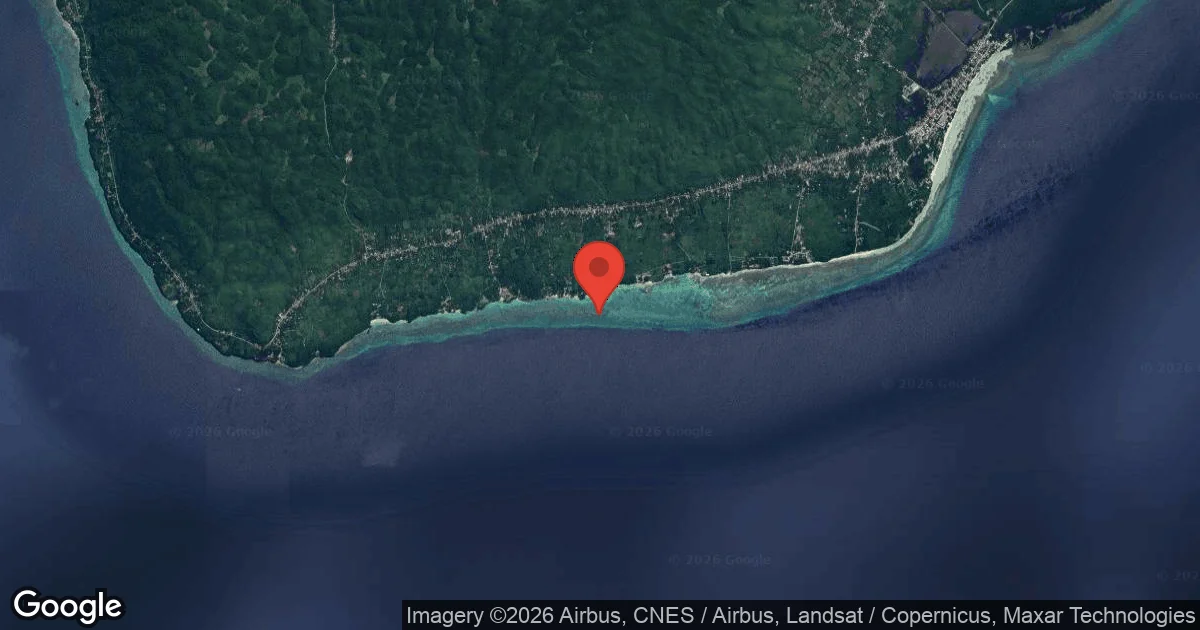
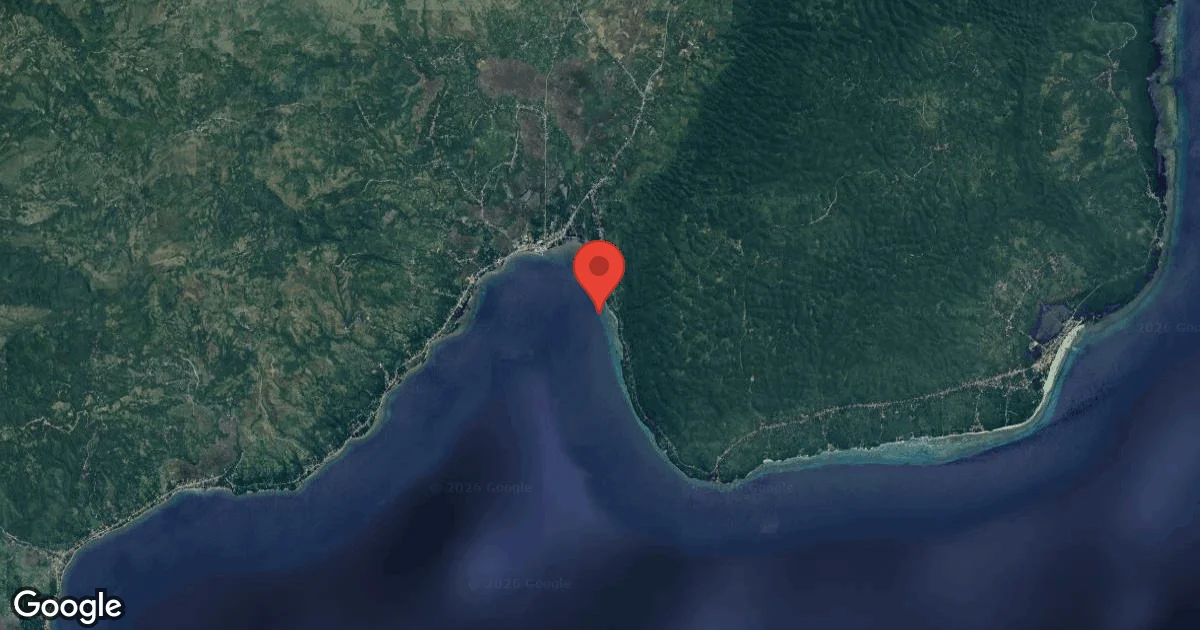
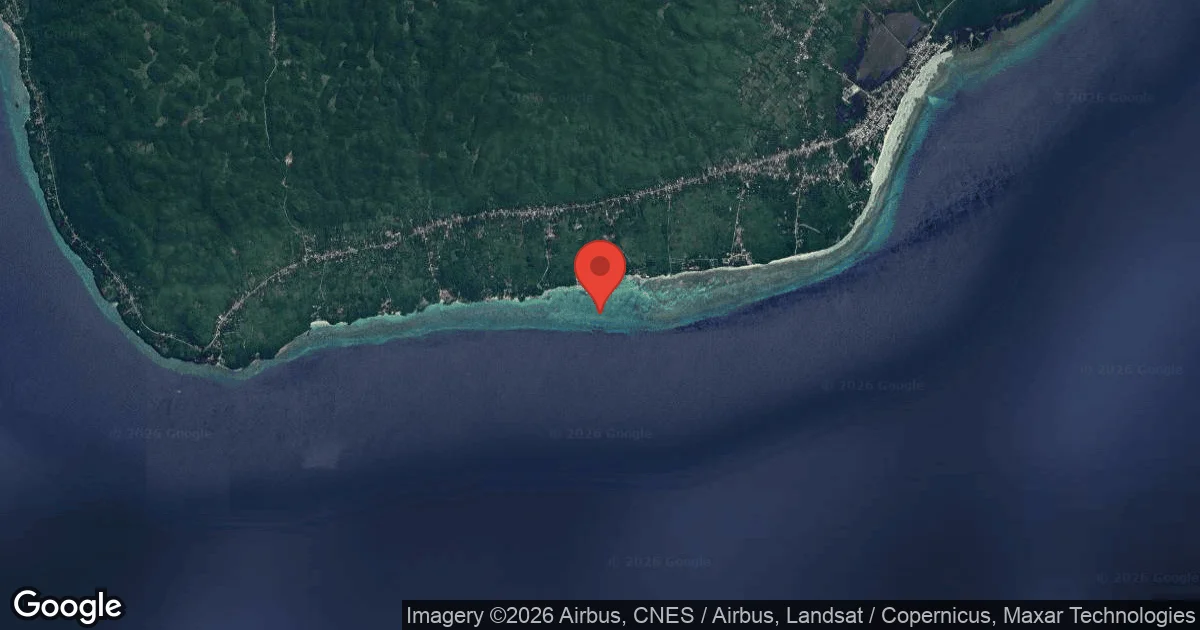
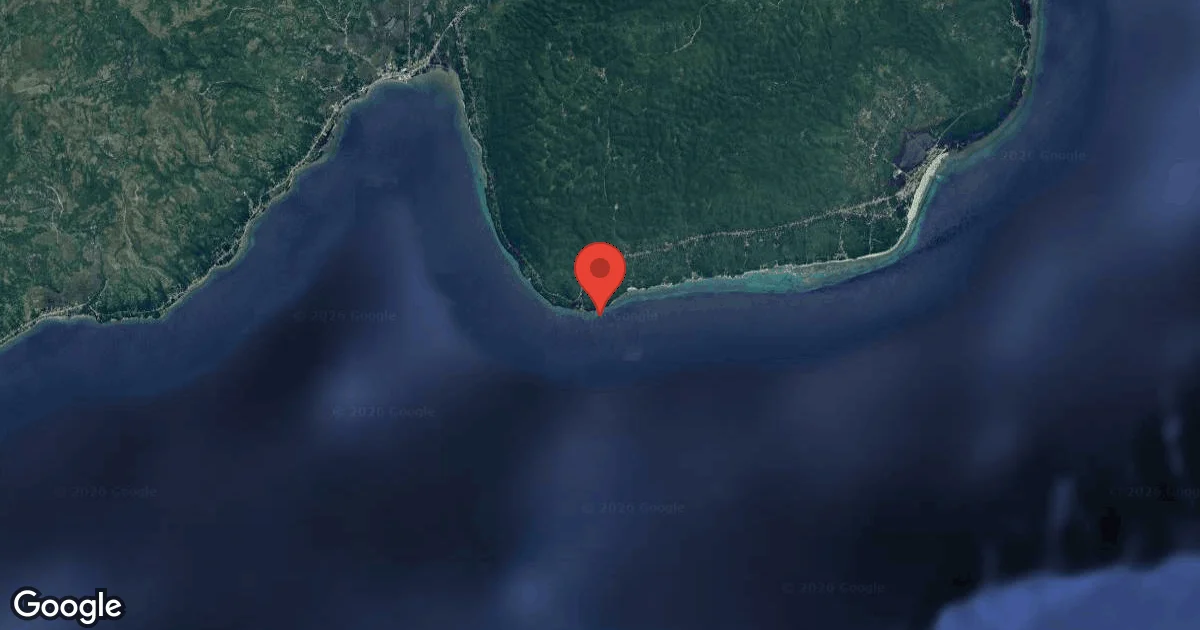
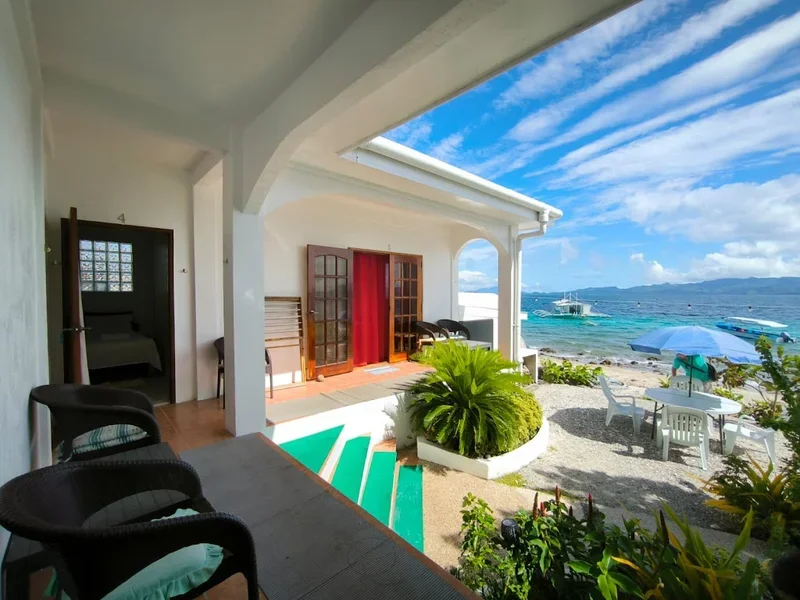
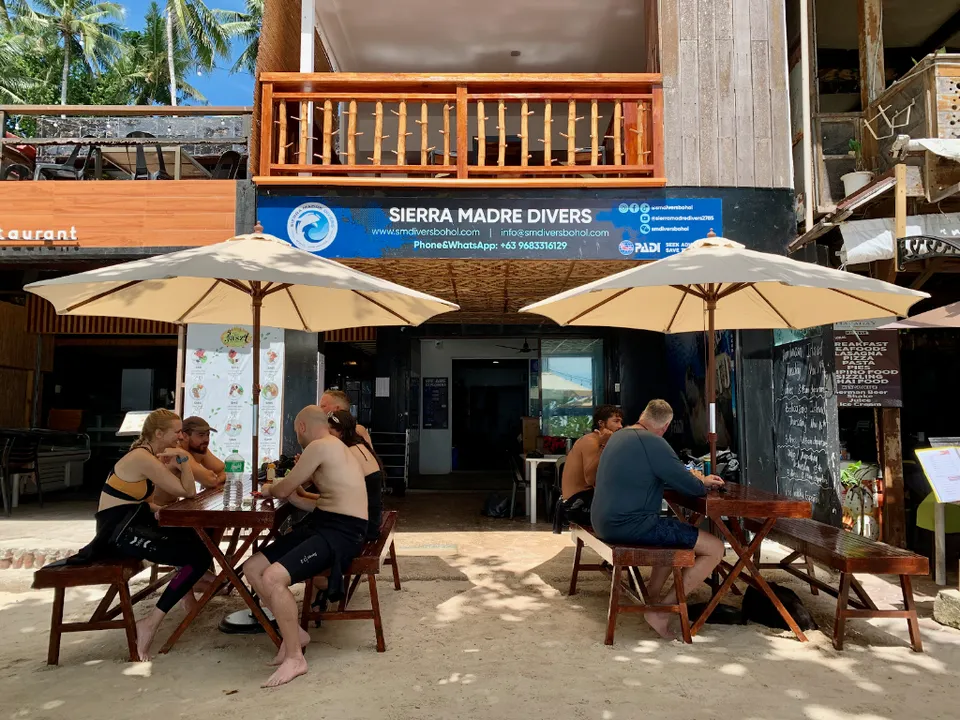
Dive Centers Near Panorama Reef


Nearest Airports
Nearest airports to help plan travel to this dive area.
Search Flights
Check available flights and routes on Expedia, using the nearby airports listed in this section.
Search Flights on ExpediaFrequently Asked Questions
Is Panorama Reef suitable for beginner divers?
Panorama Reef is generally recommended for intermediate to experienced divers. The potential for strong currents and the site's topography, featuring walls and canyons, require a higher level of diving proficiency.
What kind of topography can I expect at Panorama Reef?
The reef features a prominent sloping wall that drops off to a sandy bottom at around 25 m (80 ft). This wall is carved with stunning canyons, providing an intricate and varied landscape to explore during your dive.
Are strong currents common at this dive site?
Yes, varying current conditions are a known aspect of Panorama Reef. Divers should be prepared for potential strong currents and be comfortable with drift diving techniques.
What marine life is frequently seen at Panorama Reef?
Divers often encounter a rich variety of reef fish, including clownfish, angelfish, and butterflyfish. Graceful sea turtles are also common sightings, navigating the coral structures and canyons.
How do I access Panorama Reef?
Access to Panorama Reef is typically by boat. The ride usually takes approximately 20 minutes from the nearest shore point.
What are the typical water temperatures?
Water temperatures at Panorama Reef are consistently warm throughout the year, generally ranging between 22-27°C (72-81°F). This allows for comfortable diving in a standard tropical wetsuit.
When is the best time to visit Panorama Reef for diving?
The best times for diving are typically from January to May and then again from August to October. These periods offer excellent dive conditions, lower rainfall, and generally better visibility.
Planning to dive Panorama Reef?
Send one inquiry and receive offers directly from the best verified local dive operators.
Conditions are Good
07:00 - 14:00
Optimal conditions expected
Current conditions near Panorama Reef show 27° air, 30° sea temperature, 0.4 m waves, and 24 km/h wind. Forecast data is refreshed regularly to ensure accuracy.