
Diving at Pogaling (Philippines)
Pogaling's underwater topography unfolds as a typical reef environment, characteristic of open ocean diving in the Philippines. Divers navigating this site can anticipate formations consistent with a vibrant coral ecosystem, where the natural structure supports diverse marine habitats. Its location implies a dynamic interplay between ocean currents and reef growth.
As evening covers Pogaling, the local air temperature is measured at 26°C. The current wave height at the surface is recorded at 0.3 m. These late-day readings characterize the surface conditions for the night.
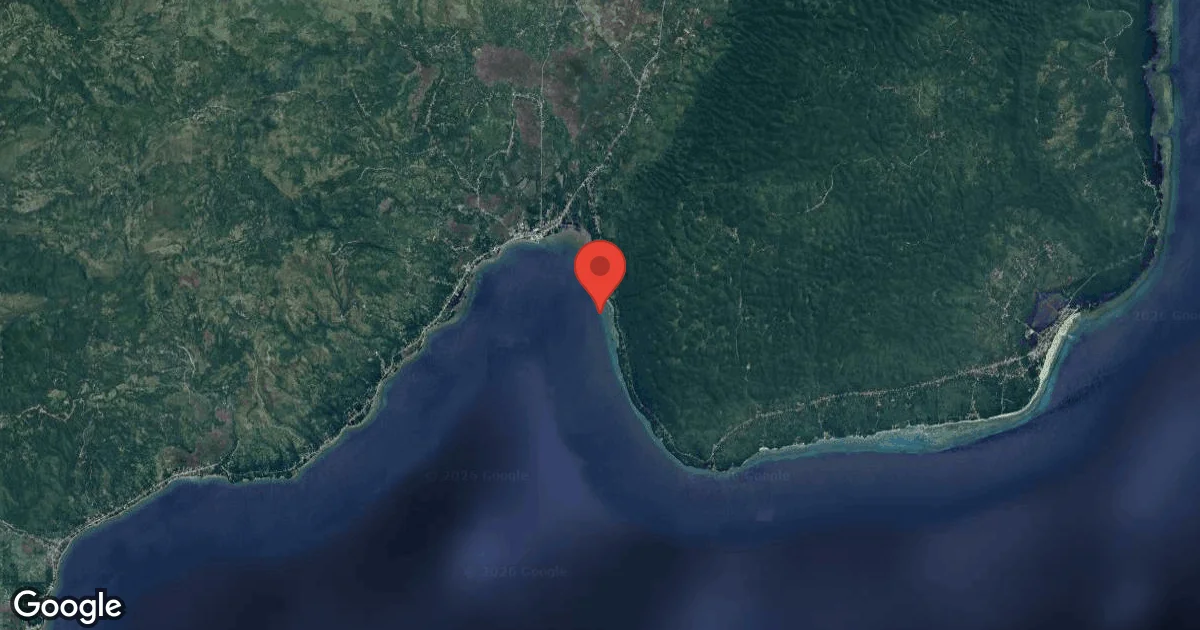
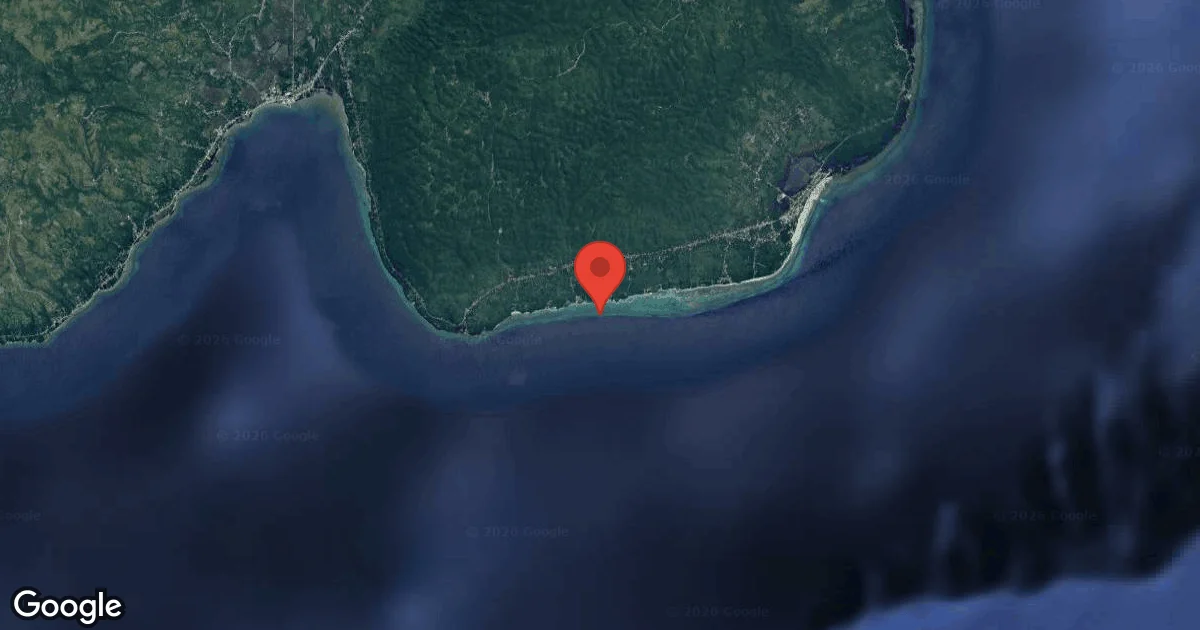
Dive Site Location & Key Facts
Dive Site Overview
Embarking on a dive at Pogaling generally offers conditions conducive to exploring its healthy reef systems, with climate data indicating favorable opportunities throughout much of the year. The tropical air temperatures consistently range between 26-28°C (79-82°F), making surface intervals comfortable.
While specific water temperature data isn't consistently reported, the region's climate suggests warm tropical waters. Depending on the season, divers might encounter varying wave conditions, from calmer periods with average wave heights around 0.3-0.5 meters (1-1.6 ft) to slightly choppier days. These conditions shape an experience often defined by colorful corals and a diversity of reef life, providing opportunities for both macro observation and wider reef exploration typical of Philippine ocean environments.
The experience here focuses on the expansive reef systems, where the clear tropical waters allow for extensive underwater exploration and photography. Such consistent conditions make Pogaling a generally reliable destination for divers seeking vibrant coral ecosystems.
Conditions are Good
Optimal conditions expected
Current conditions near Pogaling show 26° air, 30° sea temperature, 0.3 m waves, and 21 km/h wind. Forecast data is refreshed regularly to ensure accuracy.
Best Time to Dive
Planning a trip to Pogaling often hinges on seeking optimal visibility and comfortable conditions, with several months offering excellent dive scores. January, April, May, August, September, and October stand out, typically presenting air temperatures between 26-28°C (79-82°F) and lower average rainfall, which can contribute to clearer waters. During these peak months, rain averages around 3.6-9.8 mm, minimizing runoff and enhancing underwater clarity. Wave heights tend to be lower, often between 0.3-0.5 meters (1-1.6 ft), fostering calmer surface conditions and better visibility. Conversely, months like February and December, while still rated 'Good,' show slightly higher wind speeds and wave heights, potentially affecting dive conditions. Divers aiming for the best possible underwater views and calmest seas should target the periods with the highest dive scores.
PEAK SEASON SCORE
Scores combine air & water temps, waves, wind & rainfall for overall conditions.
BEST MONTHS TO DIVE
Monthly records compiled from satellite and marine observation nodes over the last 3 years. Data provided by Open-Meteo and MET Norway.
Dive Experience & Conditions
Descending into Pogaling's waters, divers typically encounter the warm embrace of tropical conditions. While specific water temperatures vary, they are consistently pleasant for unsuited or lightly suited diving. The underwater journey often reveals diverse reef structures, potentially including slopes or walls adorned with various hard and soft corals, consistent with many Philippine reef environments. Depending on tidal movements, currents can range from mild to moderate, influencing the drift of a dive. These currents often bring nutrients that sustain the reef's health. Visibility can extend significantly, especially during peak months, allowing for expansive views of the underwater landscape. Exploring these ocean reefs provides a dynamic interaction with the marine environment, where conditions shape each individual dive.
Dive Difficulty & Safety Guidelines
Approaching any dive site in the Philippines, including Pogaling, requires a mindful approach to safety and local conditions. While no specific hazards are reported for Pogaling, divers should always be prepared for potential currents, which are a natural part of dynamic ocean environments. Proper buoyancy control is crucial when navigating around delicate reef structures to avoid accidental contact.
Maintaining a safe distance from marine life is always a recommended practice. Divers should also ensure their equipment is well-maintained and suitable for tropical reef diving.
Always dive within your certification limits and consider diving with experienced local guides who can best advise on daily conditions and specific site characteristics.
Recommended Equipment
Deep dive hazard. Increased narcosis and gas consumption risk.
- Dive Computer
- DSMB
- Primary & Backup Lights
This gear list is based on verified equipment signals for Pogaling, Philippines. Always confirm final gear choices with your dive operator, guide, or liveaboard.
Recommended Dive Suit
Current diving conditions indicate water temperatures around 30°C (85°F) at Pogaling. Surface air temperatures are resting at 26°C (79°F).
Current forecasts indicate relatively stable conditions for the coming days.
Most divers exploring waters at this temperature rely on dive skin or rash guard for effective insulation. A hood or vest is suggested for sensitive divers due to surface winds. Water temperature is only one factor influencing overall comfort during a dive.
Emergency & Medical Support
Essential information to help you plan your dive trip to Pogaling.

Hyperbaric chambers are a critical part of dive safety infrastructure. Availability varies significantly by region, and not all dive areas have immediate access.
Before diving, it's recommended to:
- confirm nearest medical facilities
- check emergency procedures with local dive operators
- ensure dive insurance covers evacuation if required
Divers Alert Network
Diving emergency assistance available through DAN World.
+1-919-684-9111- 24/7 emergency hotline
- Diving medical assistance
- Evacuation coordination
Emergency contacts are provided for reference. Always verify local emergency services before diving.
Marine Life at Pogaling
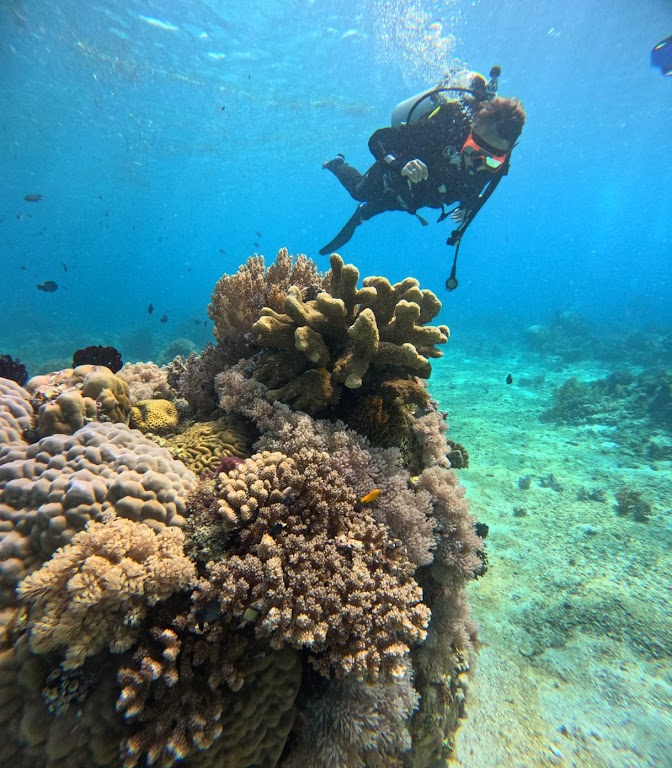
Upon entering Pogaling's waters, divers frequently observe a vibrant display of reef fish darting among the corals, a common sight across Philippine reefs. The healthy reef systems provide habitat for various species, where schools of smaller fish often create dynamic patterns.
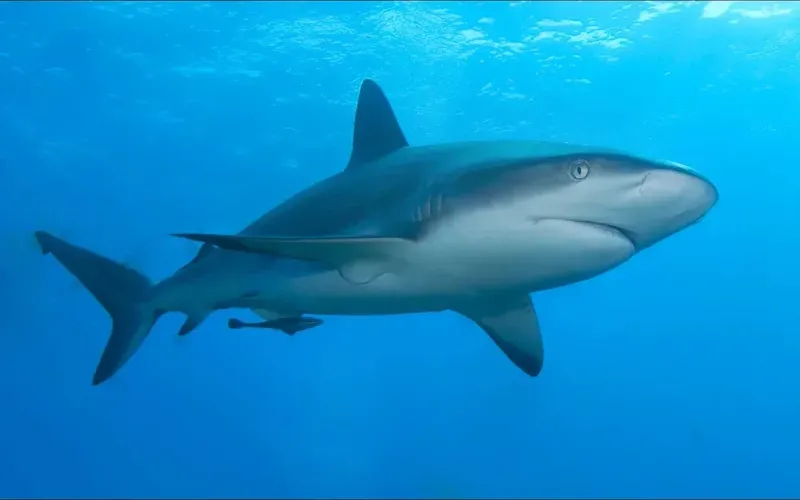
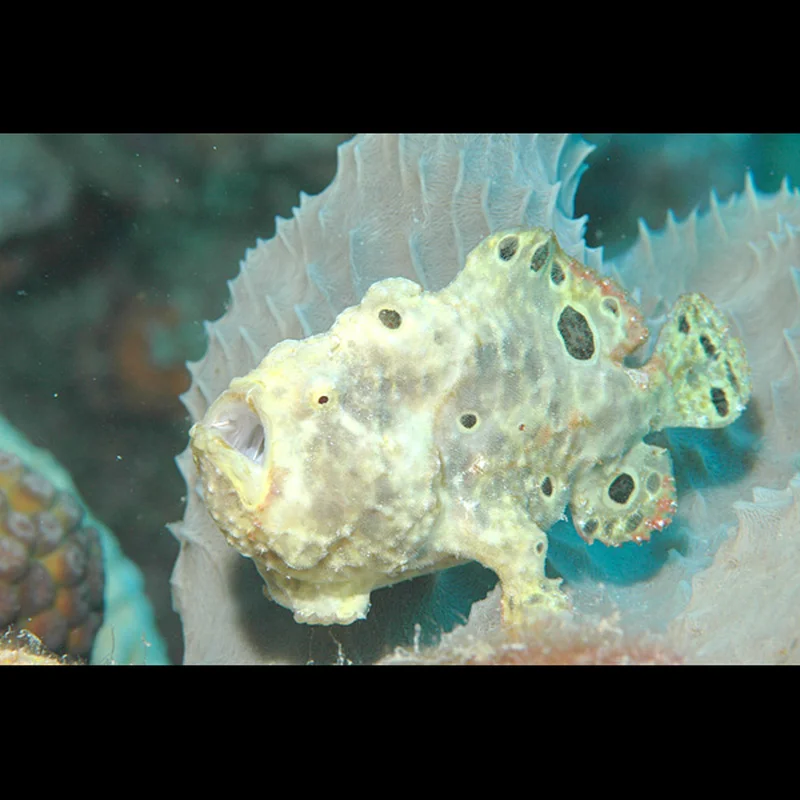
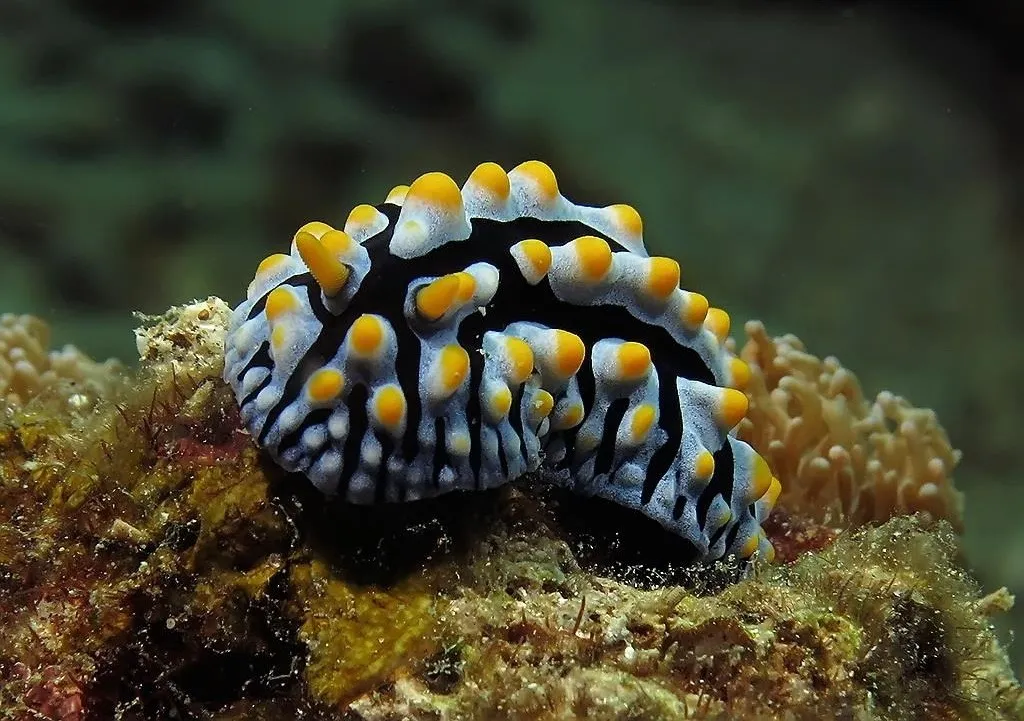
You might also spot an array of macro life, such as nudibranchs and frogfish, tucked away in the coral crevices. Occasional sightings of larger reef inhabitants, such as turtles or reef sharks, are consistent with the broader marine ecosystems found in the region, adding an exciting element to the dive. The overall biodiversity reflects a thriving ocean reef.

Dive Sites Near Pogaling
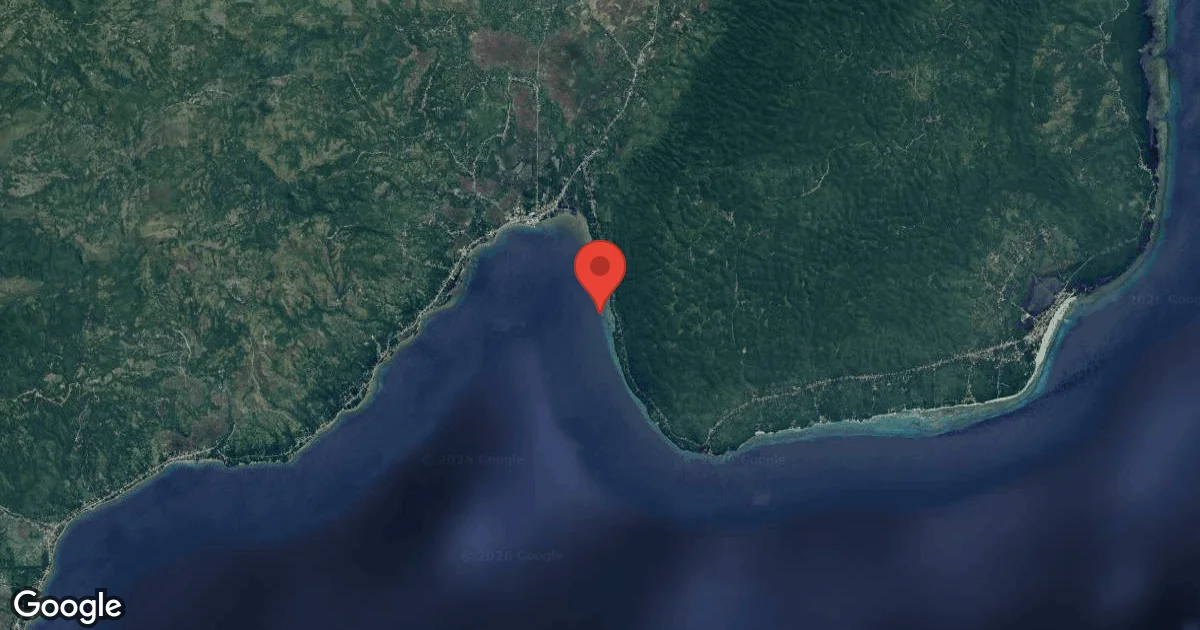
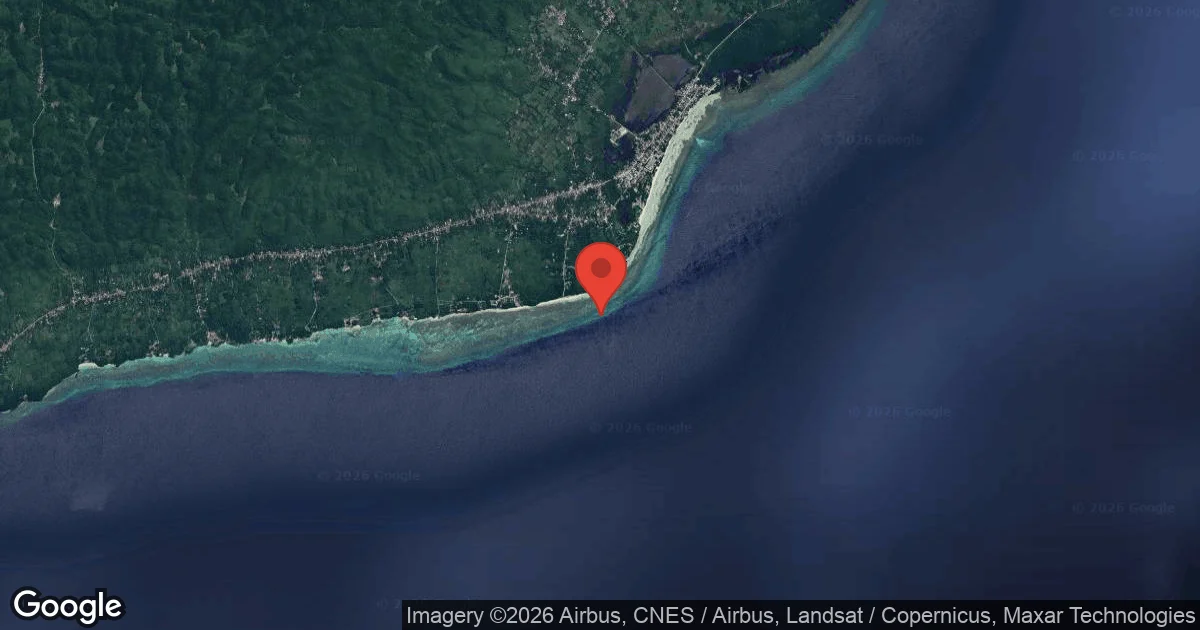
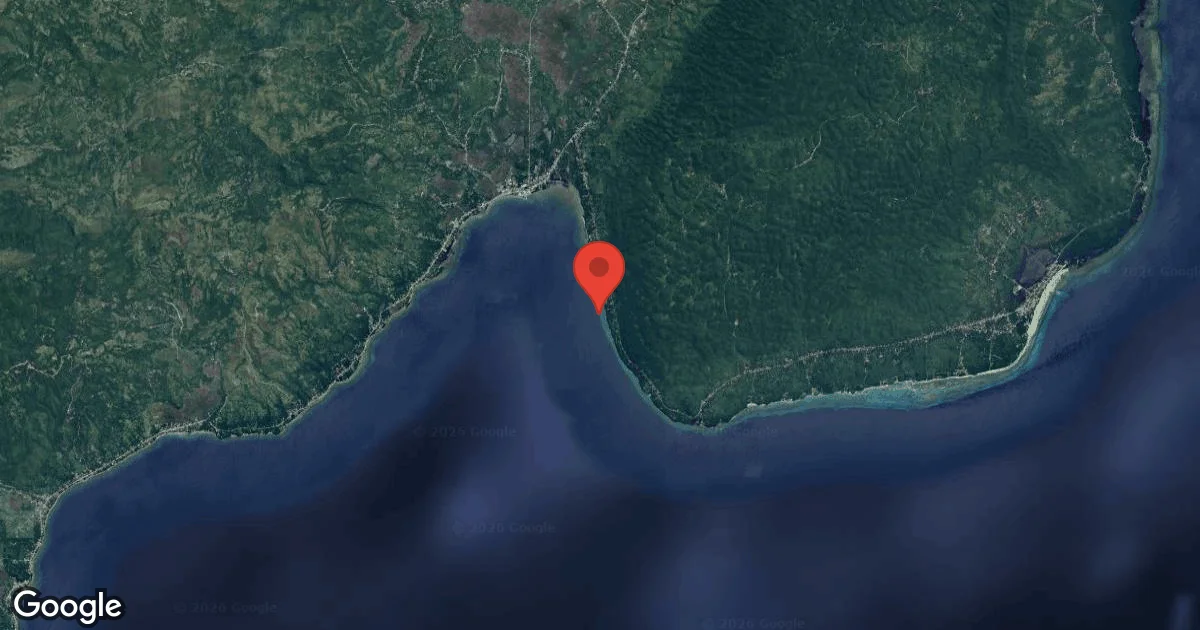
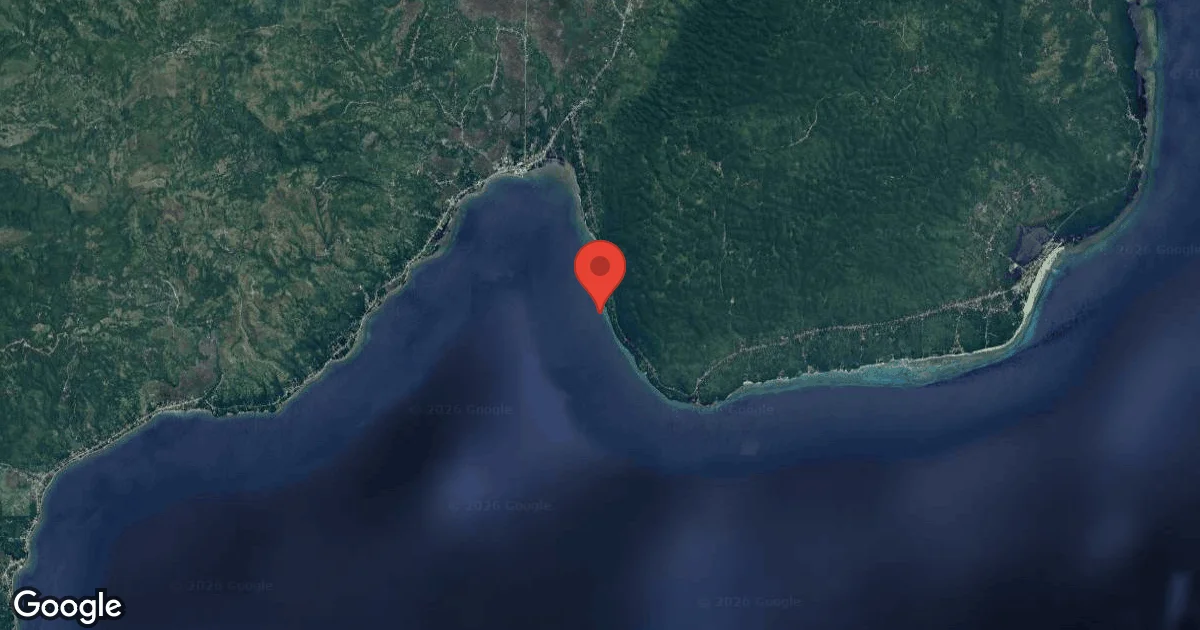
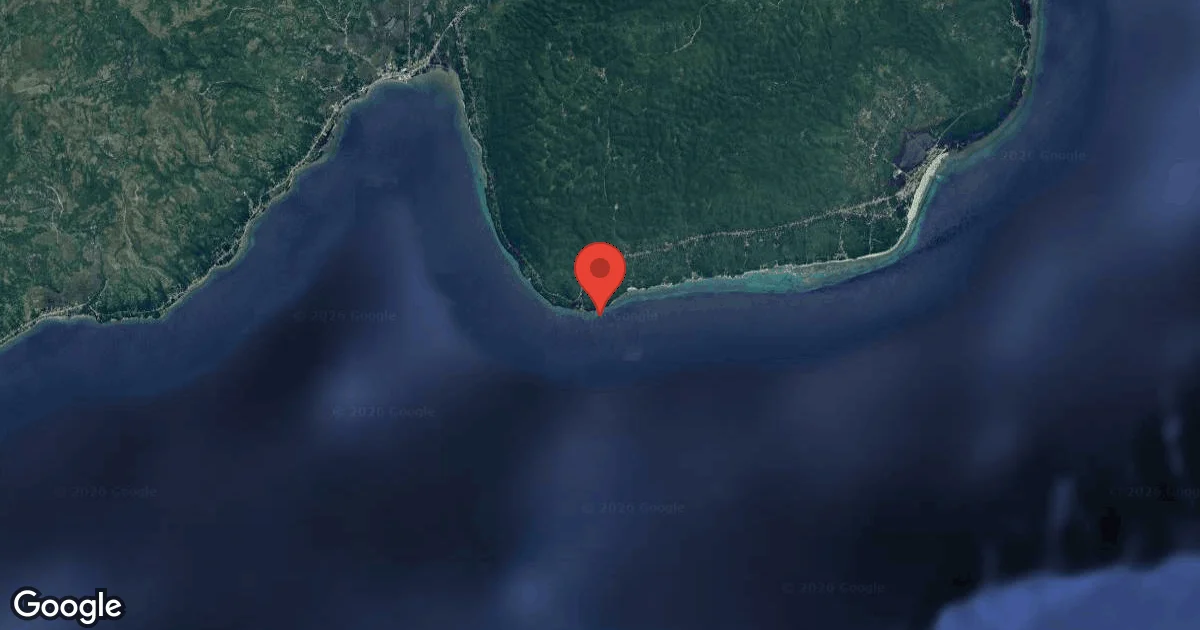
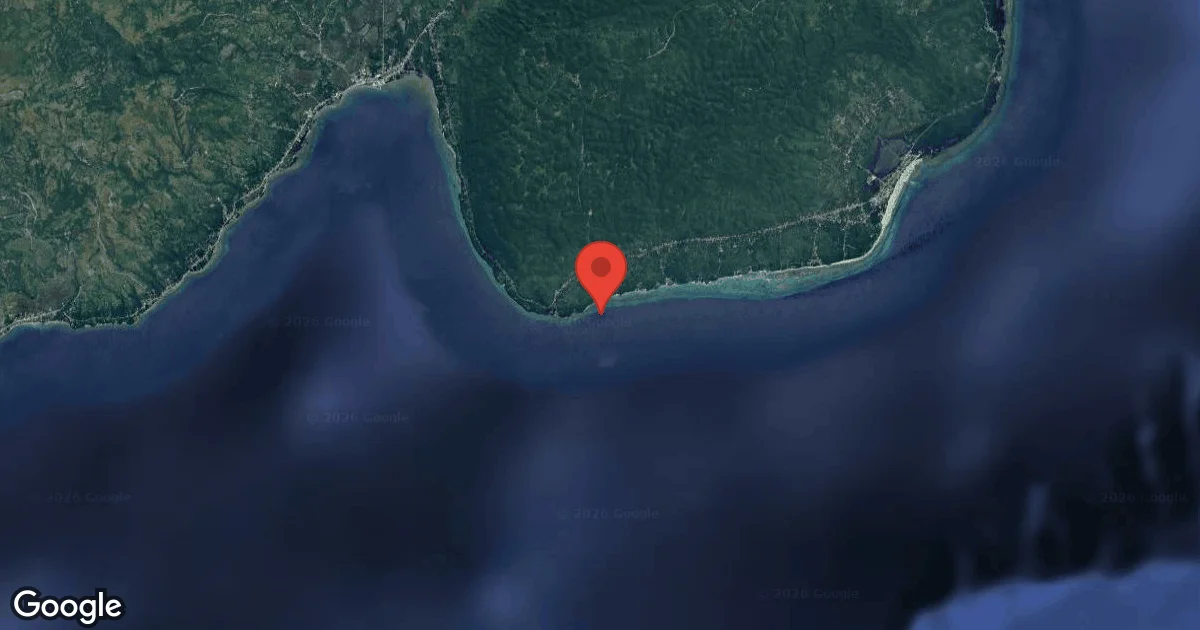
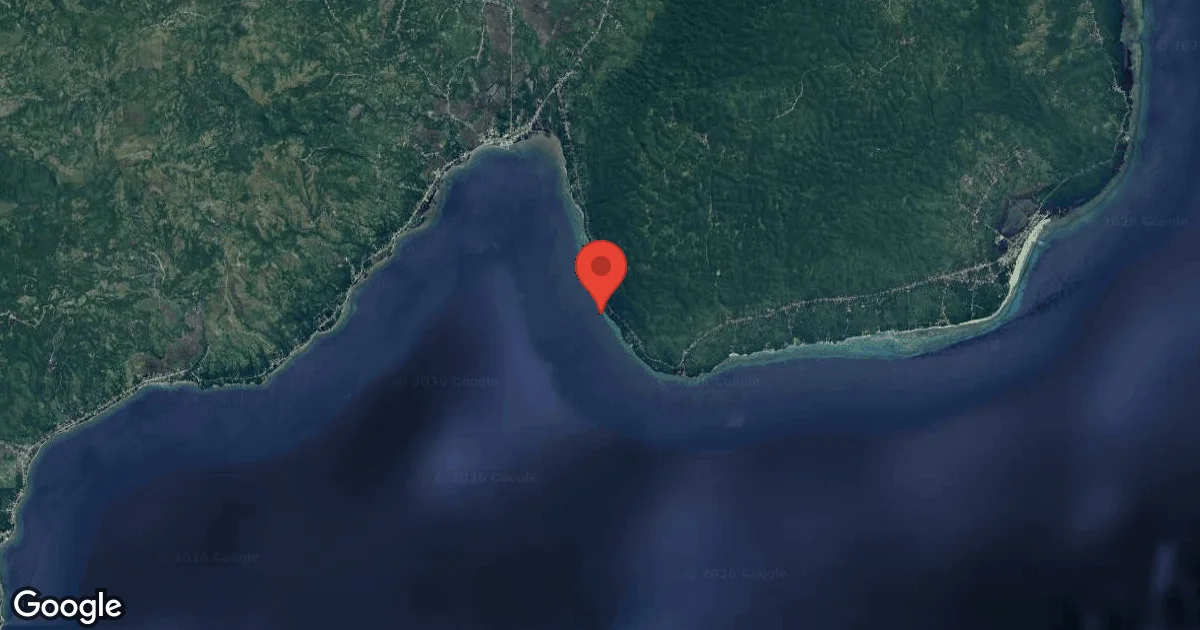
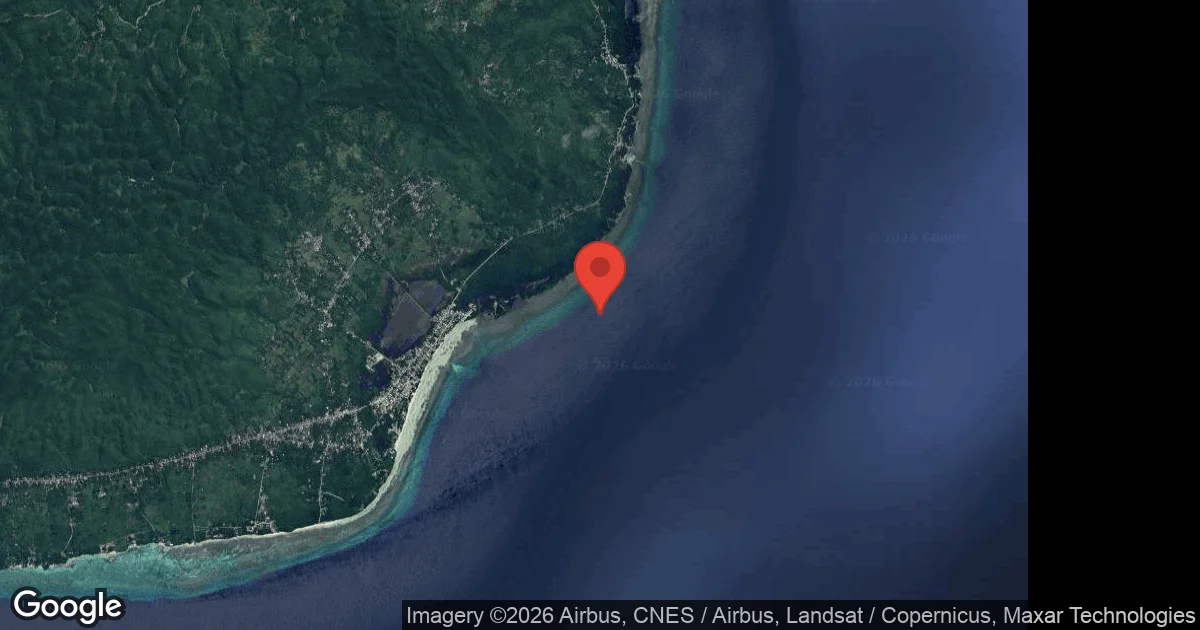
View all dive sites in PhilippinesDiscover more underwater gems in this area.
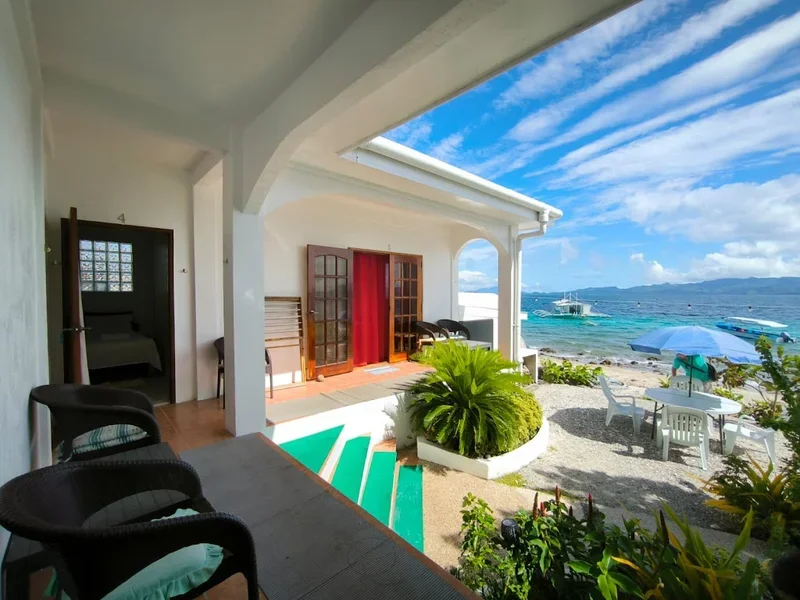
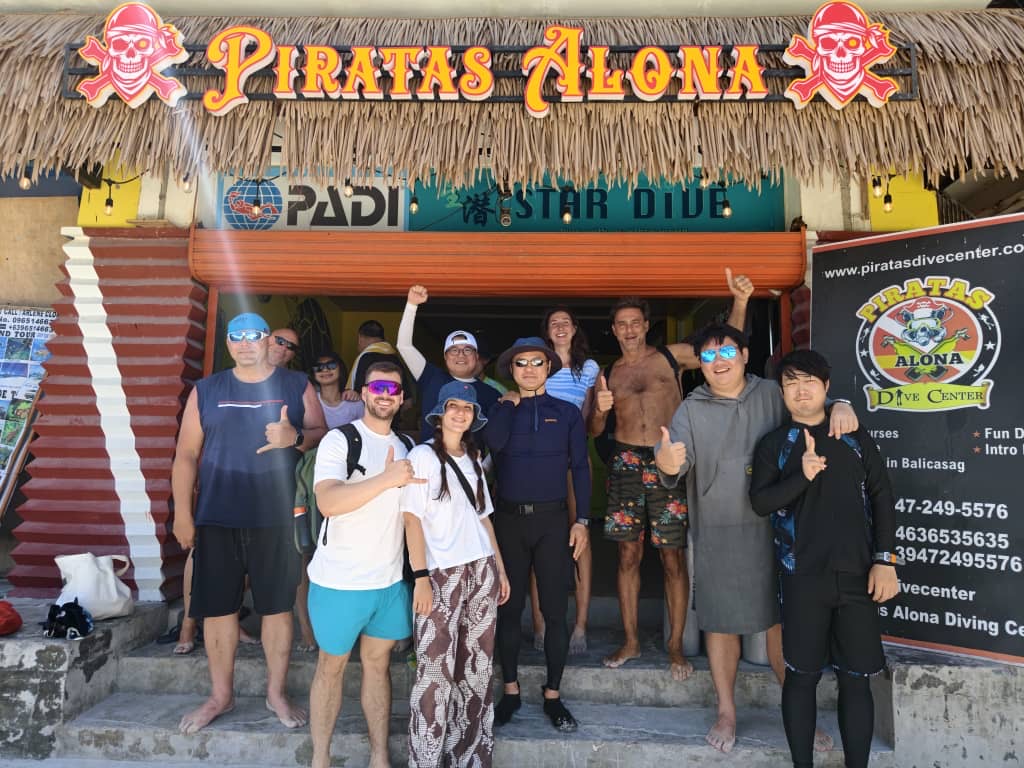
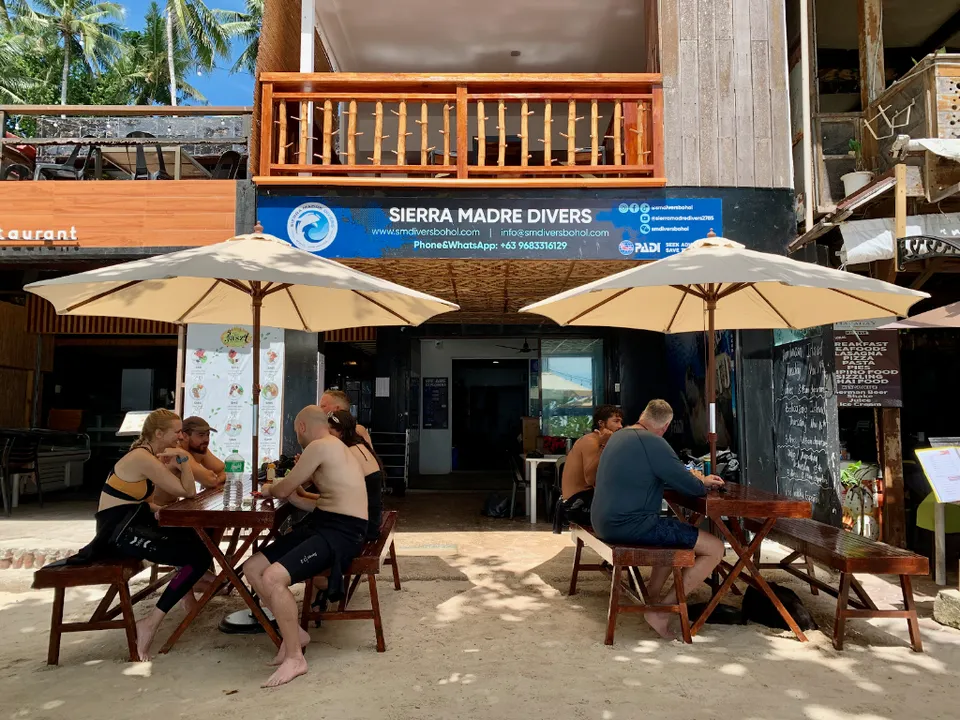
Dive Centers Near Pogaling
Nearest Airports
Nearest airports to help plan travel to this dive area.
Search Flights
Check available flights and routes on Expedia, using the nearby airports listed in this section.
Search Flights on ExpediaFrequently Asked Questions
What is the typical water temperature at Pogaling?
While specific water temperature data for Pogaling isn't consistently reported, the site is within a tropical region of the Philippines. Divers can generally expect warm water conditions suitable for light wetsuits or rash guards throughout the year.
Are there strong currents at Pogaling?
Currents at Pogaling can vary depending on tidal patterns and local weather conditions. Divers may encounter mild to moderate currents, which are common in many Philippine reef environments. It's always advisable to consult with local dive operators for daily current reports.
What kind of marine life can I expect to see?
Pogaling's reef environment is consistent with the rich biodiversity of the Philippines. Divers typically observe diverse reef fish, various hard and soft corals, and potentially macro life like nudibranchs. Occasional sightings of turtles or reef sharks are also possible.
What is the best time of year for visibility?
Visibility tends to be best during months with lower rainfall and calmer seas, particularly from January to May and August to October. These periods generally offer clearer waters due to reduced runoff and more settled weather conditions.
Is Pogaling suitable for beginner divers?
While Pogaling is a reef dive, its suitability for beginners depends on the specific dive site conditions on a given day, especially concerning currents. It's recommended that beginner divers consult with local dive centers to choose sites appropriate for their skill level.
Can I expect to see large pelagic species?
As an ocean reef, there is potential for encountering larger pelagic species. While not guaranteed, sightings of animals like reef sharks or barracuda are consistent with the open water environment of Philippine dive sites. These occurrences often depend on luck and prevailing conditions.
What are the common depths for diving at Pogaling?
Pogaling's reef structures are suitable for recreational diving, with depths varying across the site. Divers can typically explore shallower reef areas as well as deeper sections consistent with standard open water diving limits.
Planning to dive Pogaling?
Send one inquiry and receive offers directly from the best verified local dive operators.
Conditions are Good
Optimal conditions expected
Current conditions near Pogaling show 26° air, 30° sea temperature, 0.3 m waves, and 21 km/h wind. Forecast data is refreshed regularly to ensure accuracy.