
Diving at Selinog Island (Philippines)
Selinog Island invites divers to explore its diverse underwater geography, often accessed via day trips from Siquijor. This offshore destination, about an hour from San Juan, presents a striking contrast of shallow, vibrant reefs giving way to dramatic walls and sandy slopes. You'll encounter both macro life and schooling pelagics, with the famed Geopeter wreck adding an exciting technical challenge. Its tranquil surface environment complements the rich subaquatic exploration awaiting below.
Tonight's objective overview for Selinog Island shows an air temperature of 28°C. The measured surface conditions include wave heights around 0.5 m. This environmental data is logged for the close of the day.
Dive Site Location & Key Facts
Dive Site Overview
The waters around Selinog Island hold a compelling blend of natural history and a notable maritime event. This flat tropical island, recognized for its white sand beaches and palm trees, rests atop a significant underwater volcanic structure, shaping its diverse dive terrain.
Below the surface, the reefs here have matured into vibrant ecosystems, supporting a wide array of marine life. A key part of Selinog's diving narrative is the Geopeter wreck, a cargo ferry that sank in 1987. This vessel, now resting between 50 and 65 meters (164 and 213 ft) on a sandy bottom, has transformed into a thriving artificial reef over more than three decades since its incident.
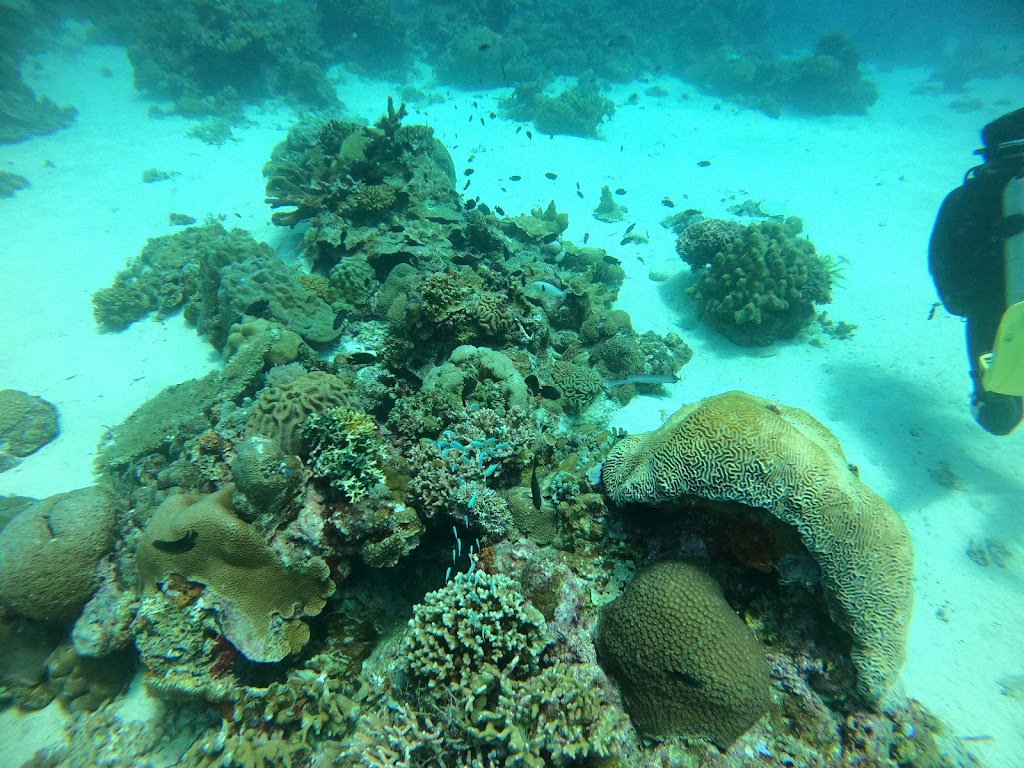
While the island itself is known as an unspoiled, quiet destination, its underwater realm provides an adventurous contrast. Divers find pristine coral formations, intriguing sandy slopes, and even caverns.
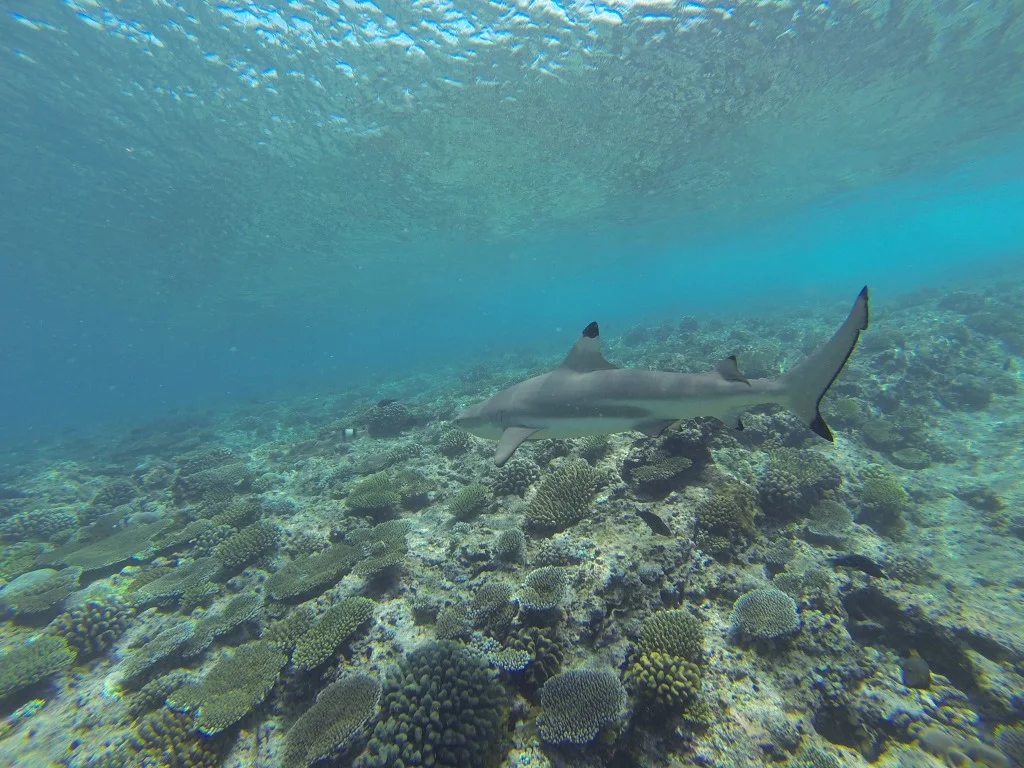
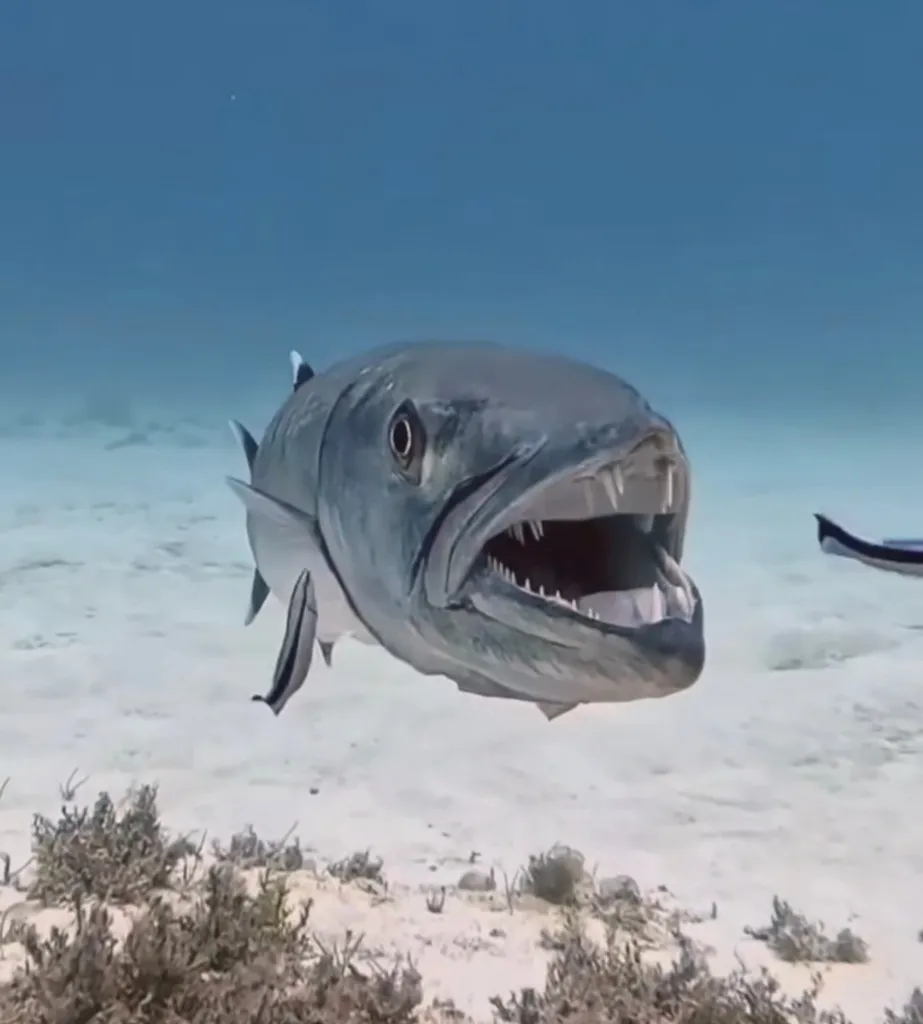
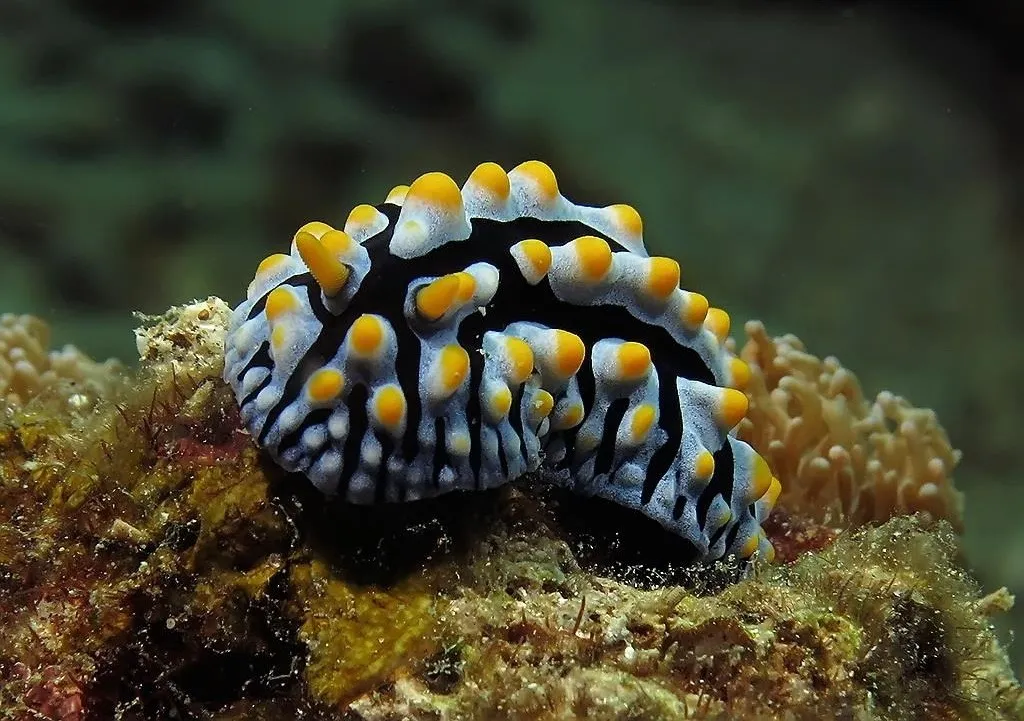
The site promises encounters with both minute macro subjects, like nudibranchs and shrimp, alongside larger schooling fish, barracuda, and occasional passing sharks, all contributing to a rich historical and biological tapestry.
Conditions are Good
07:00 - 14:00
Optimal conditions expected
Current conditions near Selinog Island show 28° air, 30° sea temperature, 0.6 m waves, and 22 km/h wind. Forecast data is refreshed regularly to ensure accuracy.
Best Time to Dive
Planning your dive trip to Selinog Island is generally rewarding across much of the year, with peak conditions often experienced from May to October. During this period, the air temperatures are consistently warm, averaging 28.5°C (83°F) in May and remaining around 28°C (82°F) through October. Rainfall tends to be lower and wave heights are typically calmer, particularly in May with averages around 0.4 meters, enhancing overall dive comfort and boat travel. January, March, and April also offer good diving scores with average air temperatures from 27°C to 28°C (81-82°F) and low rainfall. While February experiences slightly higher average wave heights of almost 1 meter, the conditions remain manageable. Even in November and December, while rainfall averages are a bit higher, ranging from 9.68mm to 11.63mm, the diving scores still indicate favorable conditions, ensuring a good experience for most divers.
PEAK SEASON SCORE
Scores combine air & water temps, waves, wind & rainfall for overall conditions.
BEST MONTHS TO DIVE
Monthly records compiled from satellite and marine observation nodes over the last 3 years. Data provided by Open-Meteo and MET Norway.
Dive Experience & Conditions
Exploring Selinog Island’s underwater environment presents varied conditions, influenced by its offshore location. Expect generally clear waters, offering excellent visibility for both the vibrant shallow coral gardens and the deeper features. Depending on the specific dive site around the island, divers may encounter calm stretches or dynamic currents, particularly near walls or exposed areas. The deeper sections, extending down to 30 meters (100 ft) for recreational divers and significantly more for technical explorations, reveal complex rock formations. Water temperature is not consistently reported, but typically reflects tropical warmth, making a 3mm wetsuit or rash guard suitable for comfort. These conditions cater to a range of experiences, from gentle explorations of pristine reefs to more exhilarating drift dives for advanced participants.
Dive Difficulty & Safety Guidelines
When diving at Selinog Island, always prioritize careful planning and adherence to your certification limits. Given its offshore nature, some areas may experience currents, especially when exploring walls or conducting drift dives. Stay alert to dive leader instructions regarding current strength and direction.
For those considering the Geopeter wreck, it's crucial to understand this site is strictly for qualified technical divers, specifically those certified to Extended Range level with extensive wreck diving experience, as it lies between 50 and 65 meters deep. Recreational divers should stick to the shallower reef and wall sections within their no-decompression limits.
Maintain proper buoyancy control to protect the pristine coral reefs and practice responsible interaction with marine life. Ensure all equipment is well-maintained, and always dive with a reliable buddy and local guidance.
Recommended Equipment
- Dive Computer
- DSMB
This gear list is based on verified equipment signals for Selinog Island, Philippines. Always confirm final gear choices with your dive operator, guide, or liveaboard.
Recommended Dive Suit
For divers planning standard recreational dives, dive skin or rash guard is usually a suitable option. Divers vary widely in how quickly they feel cold underwater.
Conditions at Selinog Island currently place the water temperature near 30°C (86°F). Surface air temperatures are resting at 28°C (82°F).
The forecast outlook suggests that temperatures will stay close to current levels.
Emergency & Medical Support
Essential information to help you plan your dive trip to Selinog Island.

Hyperbaric chambers are a critical part of dive safety infrastructure. Availability varies significantly by region, and not all dive areas have immediate access.
Before diving, it's recommended to:
- confirm nearest medical facilities
- check emergency procedures with local dive operators
- ensure dive insurance covers evacuation if required
Divers Alert Network
Diving emergency assistance available through DAN World.
+1-919-684-9111- 24/7 emergency hotline
- Diving medical assistance
- Evacuation coordination
Emergency contacts are provided for reference. Always verify local emergency services before diving.
Marine Life at Selinog Island
The underwater landscape of Selinog Island supports a rich array of marine inhabitants, from the miniscule to the magnificent. Pristine coral reefs provide habitat for numerous species, while sandy slopes often reveal cryptic creatures.
Macro photographers will appreciate the opportunities to spot fascinating nudibranchs and various shrimp species. Moving into the blue, divers frequently observe large schooling barracuda and jacks, which navigate the open water and reef edges.
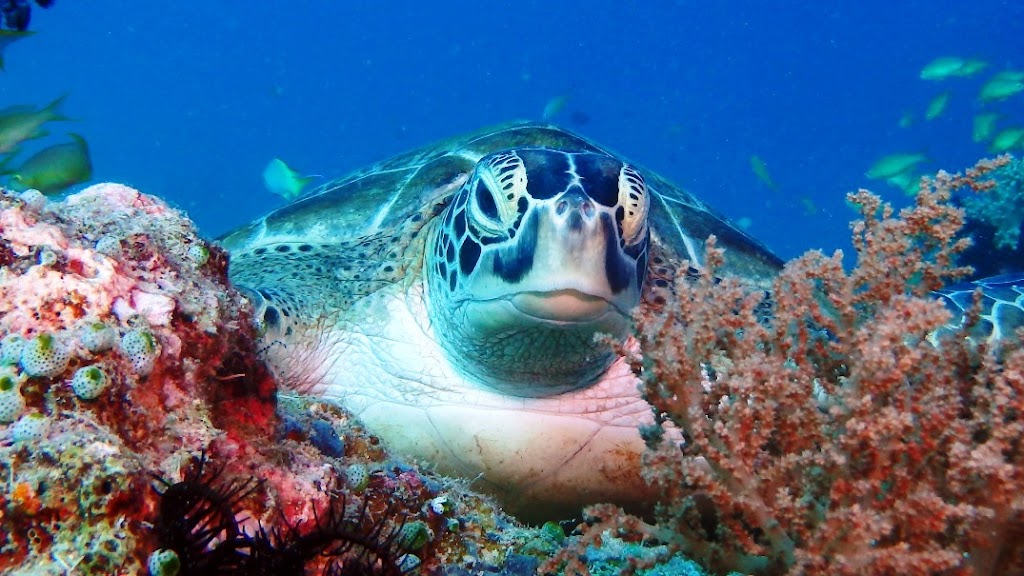
Occasional passing sharks add to the excitement of a pelagic encounter. The Geopeter wreck itself has become a thriving artificial reef, densely populated with a diverse fish community, creating a vibrant spectacle against its historical backdrop. This diverse environment also has general sightings of turtles.
Dive Centers Near Selinog Island
Today: 07:30 - 17:00
Nearest Airports
Nearest airports to help plan travel to this dive area.
Search Flights
Check available flights and routes on Expedia, using the nearby airports listed in this section.
Search Flights on ExpediaFrequently Asked Questions
What level of diving is required for Selinog Island?
Selinog Island offers dives suitable for various certification levels. Open Water divers can explore shallow reefs and coral gardens, while Advanced Scuba Divers can access deeper walls and offshore sites. Technical divers with Extended Range and wreck certifications are required for the Geopeter wreck.
How deep are the dive sites at Selinog Island?
Recreational dive sites around Selinog Island typically extend to 30 meters (100 ft). The Geopeter wreck is a technical dive site, lying between 50 and 65 meters (164 and 213 ft) on a sandy bottom.
What kind of marine life can I expect to see?
Expect a diverse range, including macro life like nudibranchs and shrimp. Larger sightings include schooling barracuda and jacks, with occasional passing sharks. The Geopeter wreck is rich with various fish species.
How do I get to Selinog Island for diving?
Selinog Island is typically accessed via boat trips from dive centers on Siquijor Island, often taking about an hour to reach offshore.
Are there any strong currents?
Conditions can vary. While some areas are calm, certain dive sites, especially around walls or during drift dives, may experience dynamic currents. Dive operators will provide briefings on expected conditions.
Is the Geopeter wreck suitable for all divers?
No, the Geopeter wreck is a dedicated technical dive site. It requires divers to hold an Extended Range certification and possess specific wreck diving experience due to its depth (50-65 meters) and the complexities of wreck penetration.
What are the typical water temperatures?
Specific water temperatures are not consistently reported for Selinog Island. However, being in a tropical region, divers can generally expect warm waters, making lighter exposure suits like a 3mm wetsuit or rash guard suitable for comfort.
Planning to dive Selinog Island?
Send one inquiry and receive offers directly from the best verified local dive operators.
Conditions are Good
07:00 - 14:00
Optimal conditions expected
Current conditions near Selinog Island show 28° air, 30° sea temperature, 0.6 m waves, and 22 km/h wind. Forecast data is refreshed regularly to ensure accuracy.