
Diving at Sunrise (Philippines)
Bohol's Sunrise site presents a compelling entry into the Philippines' underwater landscape. Known for its reef and wall diving, it invites certified divers to explore diverse marine habitats. Expect opportunities to encounter larger pelagic species, including various sharks, whales, dolphins, and turtles, making each descent a potential highlight. Consistent conditions here contribute to an engaging and accessible dive experience.
As evening covers Sunrise, the local air temperature is measured at 29°C. The current wave height at the surface is recorded at 0.1 m. These late-day readings characterize the surface conditions for the night.
Dive Site Location & Key Facts
Dive Site Overview
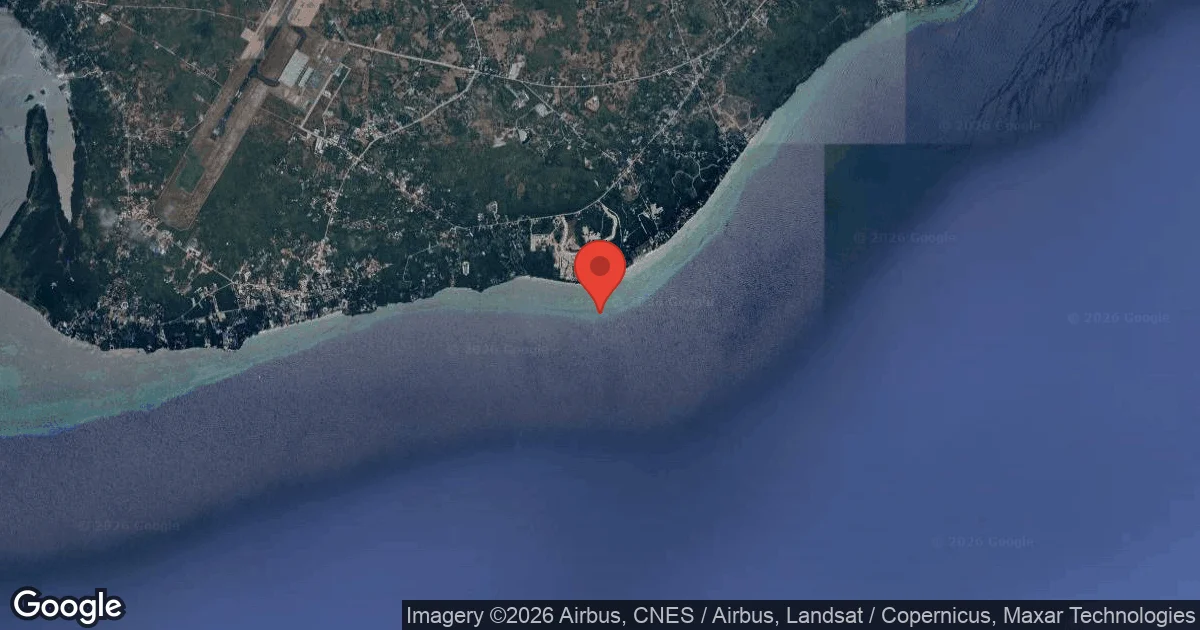
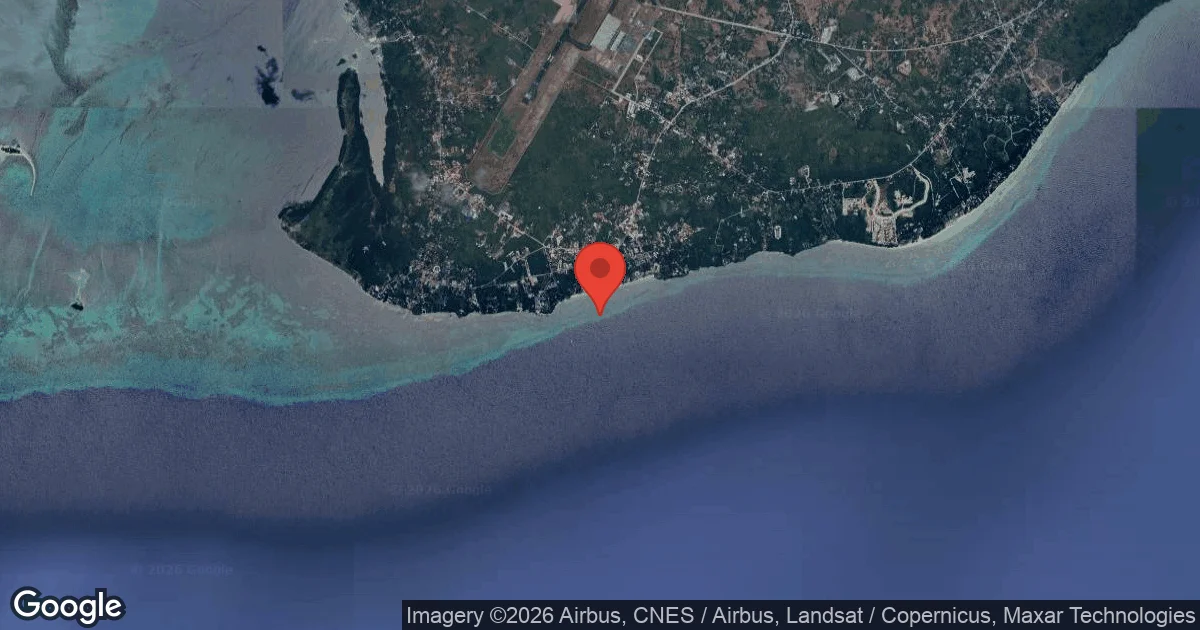
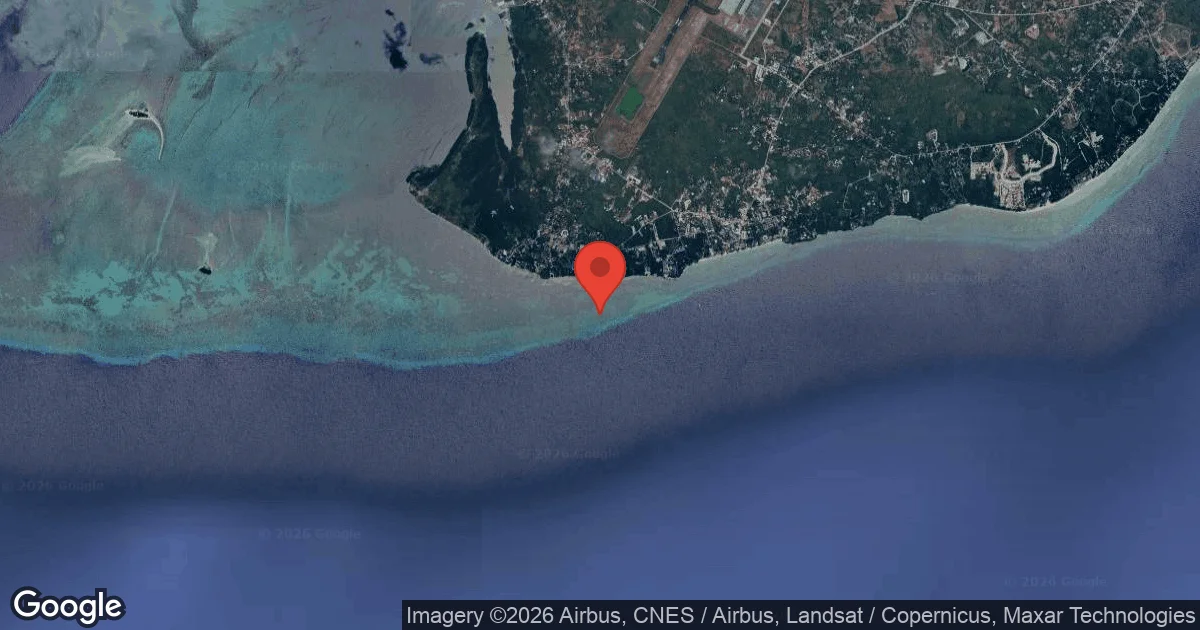
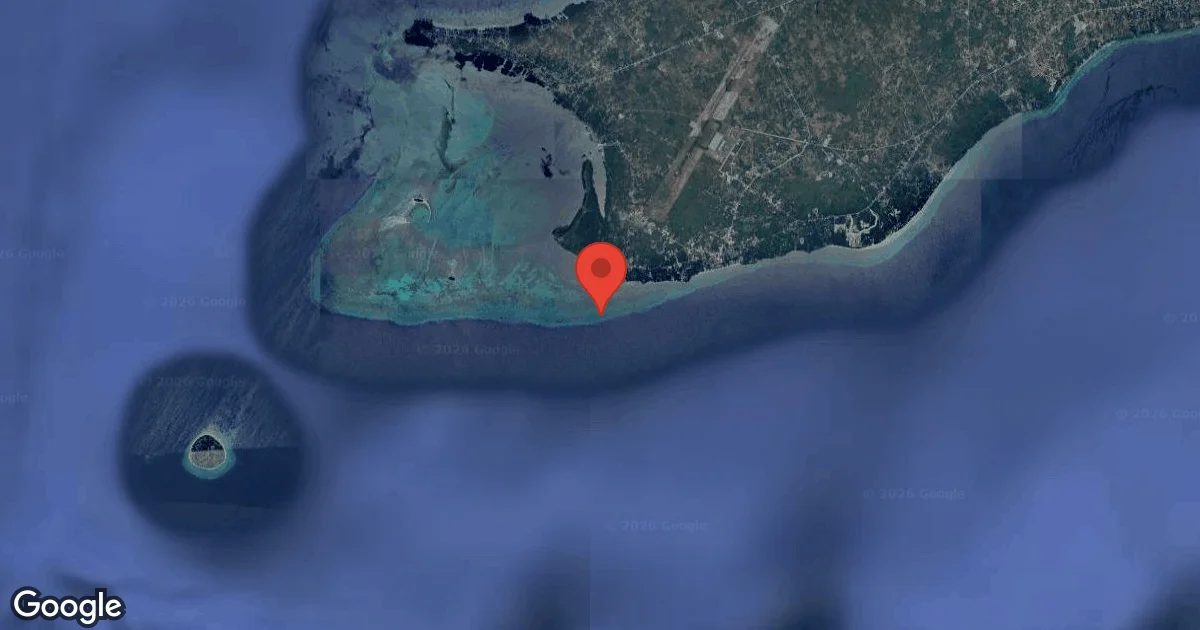
Sunrise stands apart with its promise of significant marine encounters, a characteristic not uniformly found across all dive destinations. Positioned off Panglao Island, Bohol, the location features both vibrant reef ecosystems and dramatic wall formations, catering to diverse dive preferences.
Divers can expect to explore colorful coral gardens along reef slopes, transitioning into deeper sections of a wall. PADI database records suggest potential sightings of sharks, whales, dolphins, and turtles, though such encounters vary depending on prevailing conditions and are never guaranteed.
A site profile lends itself well to explorations by certified divers, with depths generally falling within recreational limits. Dive operations in the region typically offer packages including multiple dives over a day.
Packages generally cover essential equipment, boat transfers, and a dedicated divemaster, ensuring a structured experience. Air temperatures average around 26-28°C (79-82°F) throughout the year, suggesting comfortable surface intervals.
Water temperatures are not consistently reported for this specific site, but typically remain warm in this tropical region. For those seeking to refresh skills, the area can accommodate a gentle re-entry into diving, making Sunrise a versatile location for experiencing a broad spectrum of the region's aquatic life.
Conditions are Excellent
07:00 - 14:00
Optimal conditions expected
Current conditions near Sunrise show 29° air, 30° sea temperature, 0.3 m waves, and 17 km/h wind. Forecast data is refreshed regularly to ensure accuracy.
Best Time to Dive
Optimal diving conditions at Sunrise often align with periods of lower wave activity and minimal rainfall, though excellent dive scores are common year-round. Data indicates that April and May, for instance, typically experience lower average wave heights around 0.4 m (1.3 ft) and significantly reduced rainfall, averaging 3.3-5.8 mm. This usually translates into calmer surface conditions and better visibility. Similarly, June through November also show low average wave heights and good dive scores. Air temperatures remain consistently warm across all months, averaging between 26.5°C (80°F) in cooler months like February and 28.5°C (83°F) in warmer periods such as May. While July sees slightly higher average wind speeds around 21.2 km/h (13.2 mph) and waves reaching 0.6 m (2.0 ft), overall, the climate data suggests favorable diving opportunities persist throughout the year. Divers should note that rain is generally low, ranging from 3.3 mm to 8.5 mm monthly, ensuring that underwater experiences are rarely significantly impacted by precipitation. Local operators can provide the most current daily updates.
PEAK SEASON SCORE
Scores combine air & water temps, waves, wind & rainfall for overall conditions.
BEST MONTHS TO DIVE
Monthly records compiled from satellite and marine observation nodes over the last 3 years. Data provided by Open-Meteo and MET Norway.
Dive Experience & Conditions
Descending into Sunrise, divers often first appreciate gentle reef slopes transitioning into more dramatic wall drop-offs. Cooler current sensations are rare here; water temperatures consistently maintain tropical warmth in the region, though specific figures for this site aren't available. Visibility typically ranges from good to excellent, but can vary with tidal movements and plankton blooms. Surface conditions, influenced by average wave heights usually below 0.6 m (2 ft) and wind speeds generally under 22 km/h (14 mph), tend to be manageable, though July sometimes presents choppier waters. Inside, site topography provides shelter in certain sections, allowing for closer observation of macro life. Interplay of light filtering through the water column on a reef or wall can be captivating. Divers should anticipate a comfortable environment, supporting extended bottom times within no-decompression limits.
Dive Difficulty & Safety Guidelines
When planning a dive at Sunrise, always consult with local dive centers to obtain the latest site-specific conditions and any potential advisories. Given the presence of both reef and wall dive types, a thorough pre-dive briefing on current and topography is essential. Divers should maintain awareness of their depth and air consumption, especially when exploring wall sections, to prevent exceeding limits.
While no specific hazards are reported for Sunrise, maintaining good buoyancy control is always crucial to protect the delicate reef structures and prevent accidental contact with the wall. For those interested in night diving in the general area, an Advanced Open Water certification is a prerequisite, highlighting the importance of matching your skill level to the planned activity.
Most dive operations ensure a ratio of one divemaster for a maximum of four divers, providing an added layer of safety and guidance throughout the experience.
Recommended Equipment
- Dive Computer
This gear list is based on verified equipment signals for Sunrise, Philippines. Always confirm final gear choices with your dive operator, guide, or liveaboard.
Recommended Dive Suit
For many recreational divers, dive skin or rash guard provides a practical level of insulation in these conditions. Divers who tend to get cold easily may prefer slightly thicker exposure protection.
The waters surrounding Sunrise are currently maintaining temperatures close to 30°C (85°F). Surface air temperatures are resting at 29°C (84°F).
The next few days appear likely to bring similar environmental conditions.
Emergency & Medical Support
Essential information to help you plan your dive trip to Sunrise.

Hyperbaric chambers are a critical part of dive safety infrastructure. Availability varies significantly by region, and not all dive areas have immediate access.
Before diving, it's recommended to:
- confirm nearest medical facilities
- check emergency procedures with local dive operators
- ensure dive insurance covers evacuation if required
Divers Alert Network
Diving emergency assistance available through DAN World.
+1-919-684-9111- 24/7 emergency hotline
- Diving medical assistance
- Evacuation coordination
Emergency contacts are provided for reference. Always verify local emergency services before diving.
Marine Life at Sunrise
Sunrise's underwater landscape, characterized by reef and wall structures, acts as a dynamic habitat for varied marine life. Along vibrant reef sections, divers might observe colorful hard and soft corals, providing refuge for smaller fish species.
Moving towards the wall, topography shifts, revealing deeper crevices and overhangs. Here, larger pelagic life—sharks, whales, dolphins, and turtles—may occasionally be sighted.
Deeper areas also provide niches for unique macro subjects that might emerge, particularly during dawn or dusk. Light's interplay on these features creates an immersive experience, showcasing diverse aquatic ecosystems at varying depths.
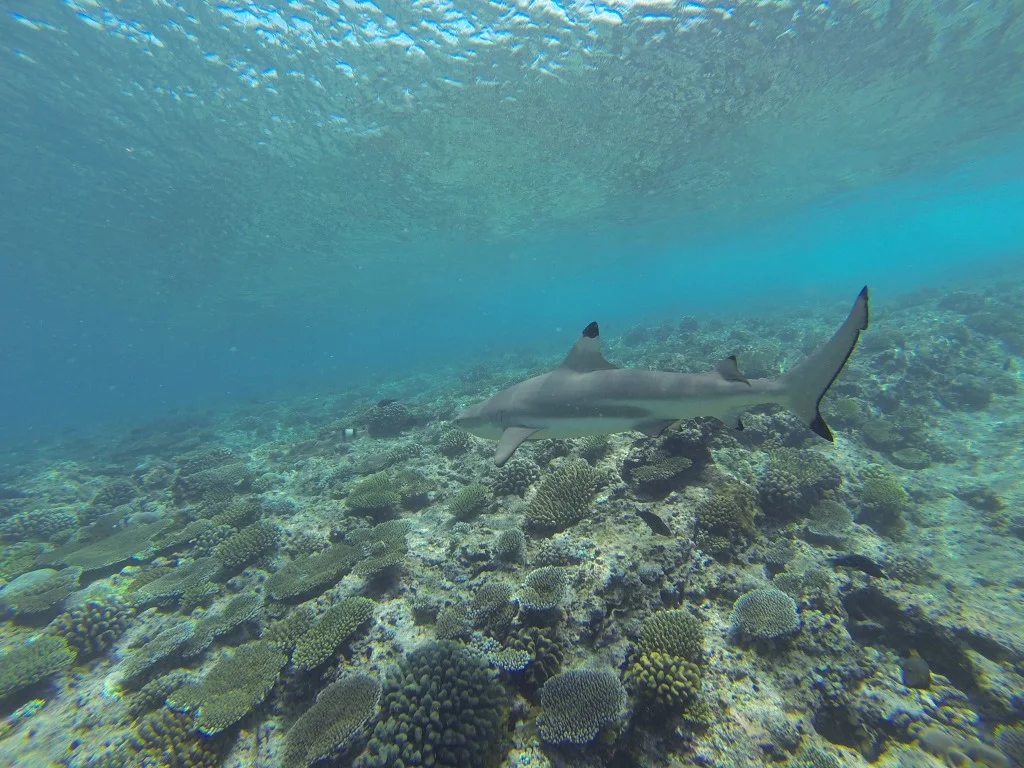
Dive Sites Near Sunrise
View all dive sites in PhilippinesDiscover more underwater gems in this area.
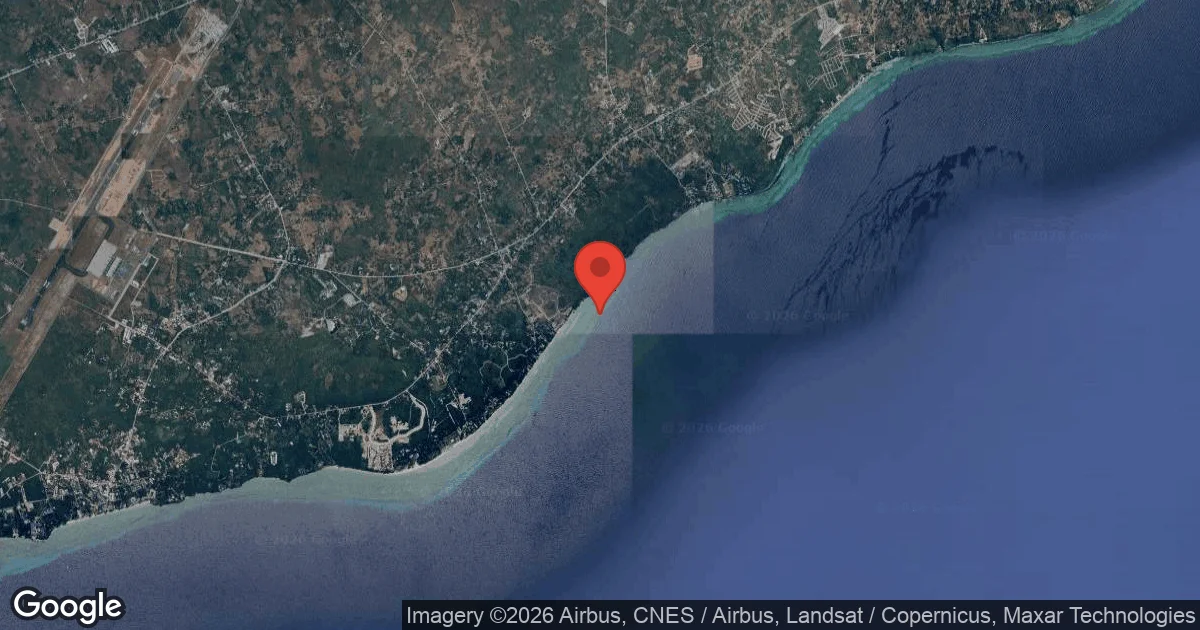
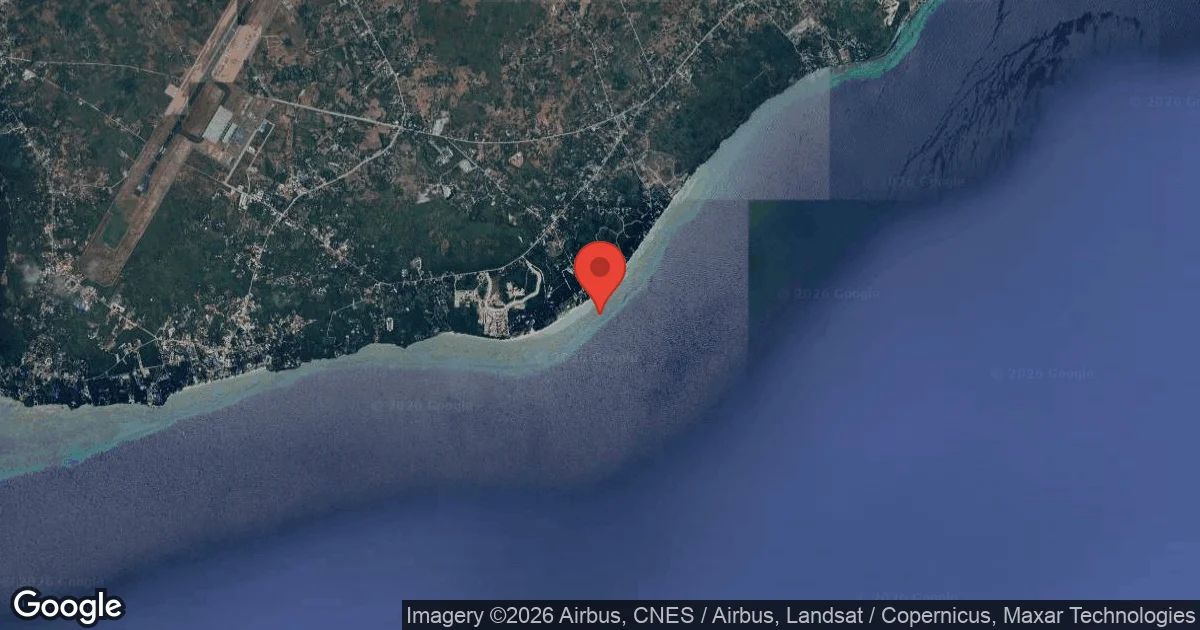
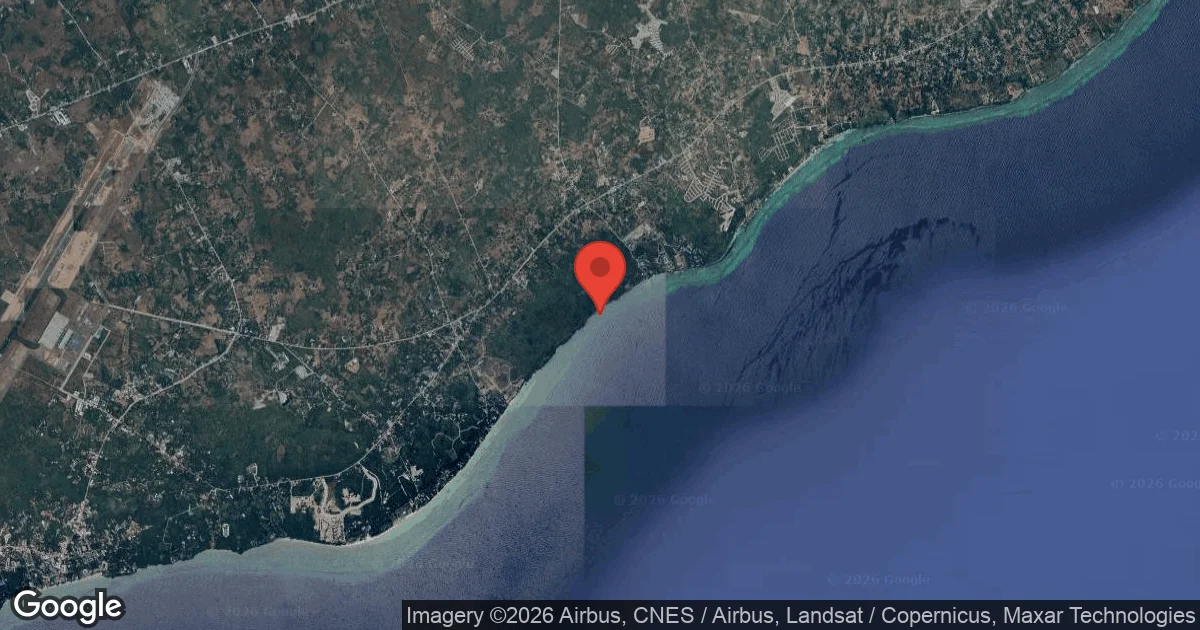
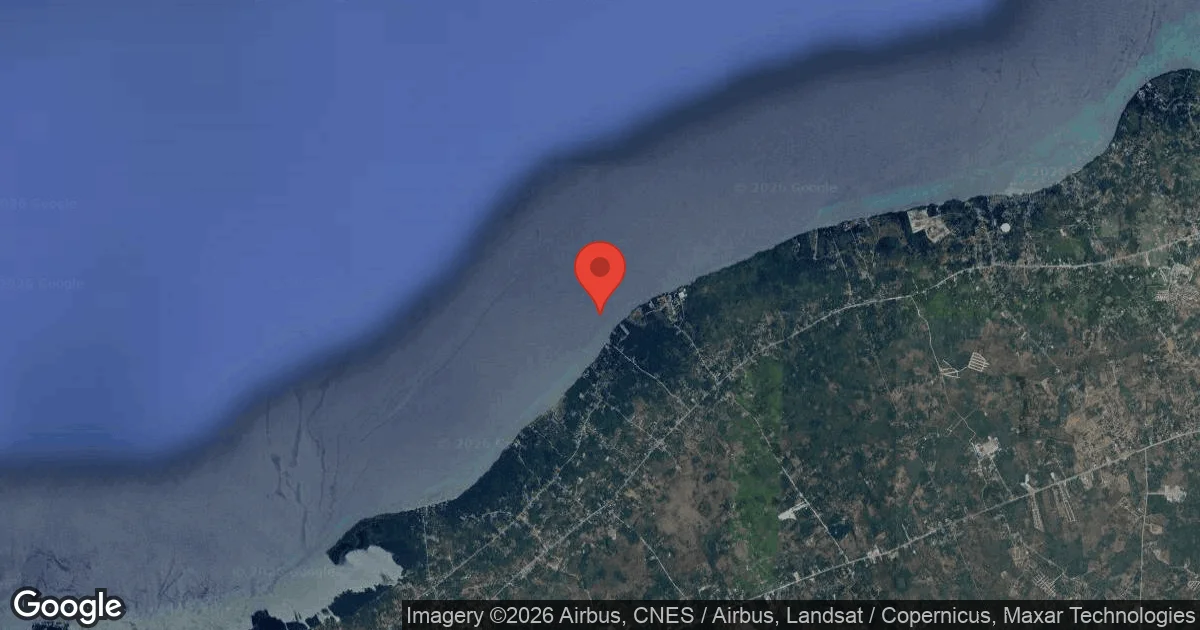
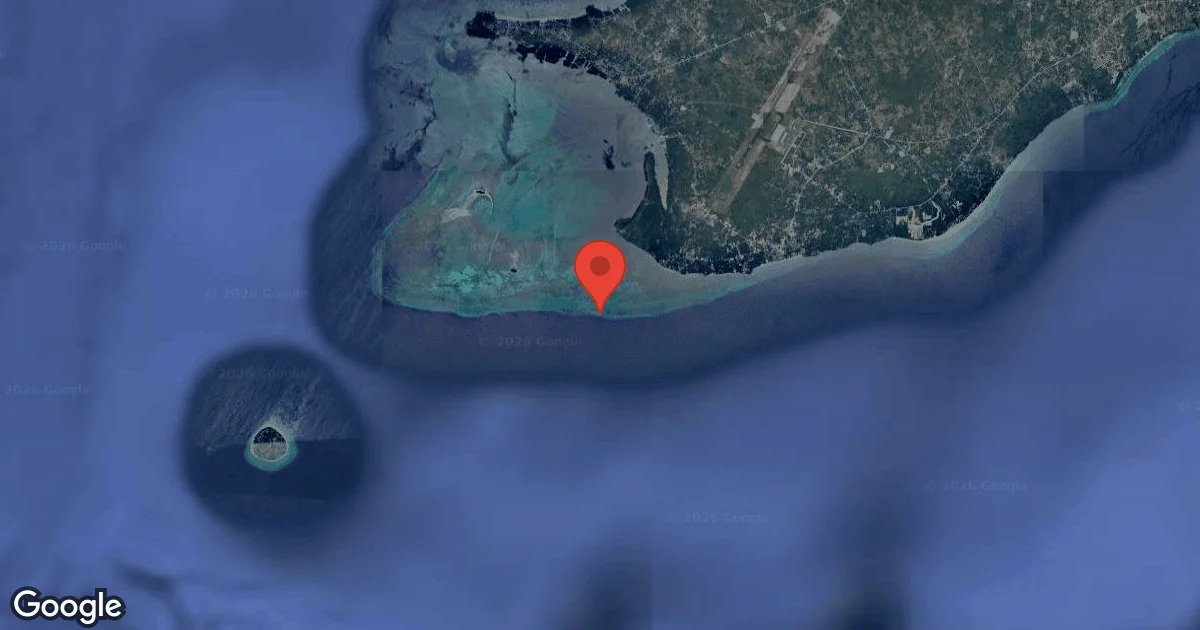
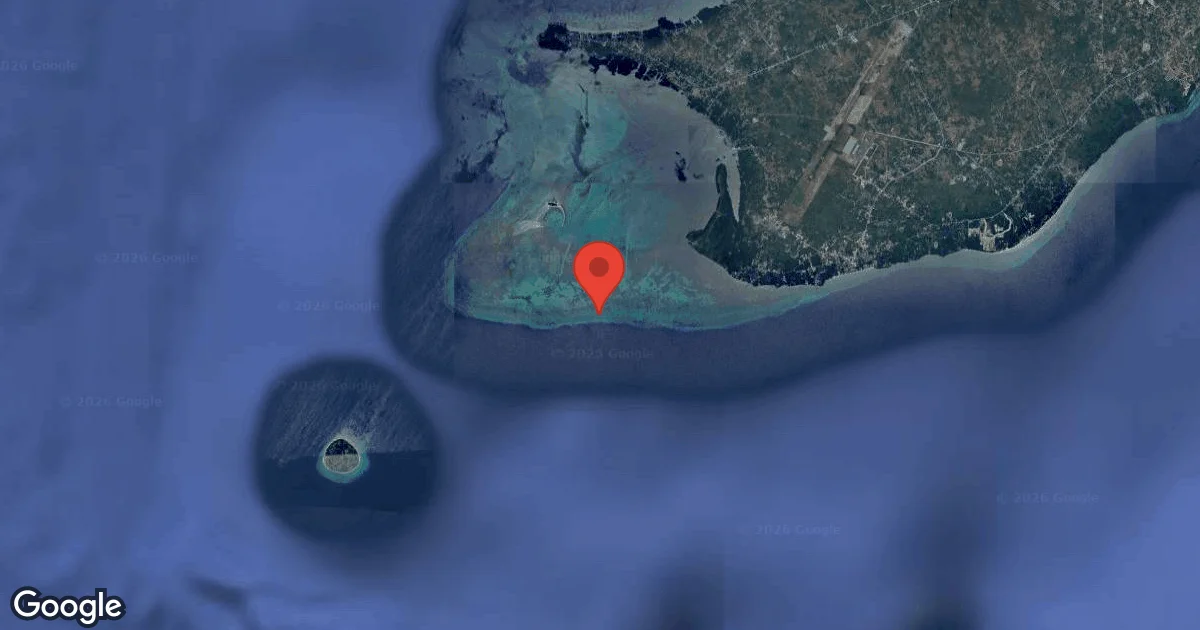
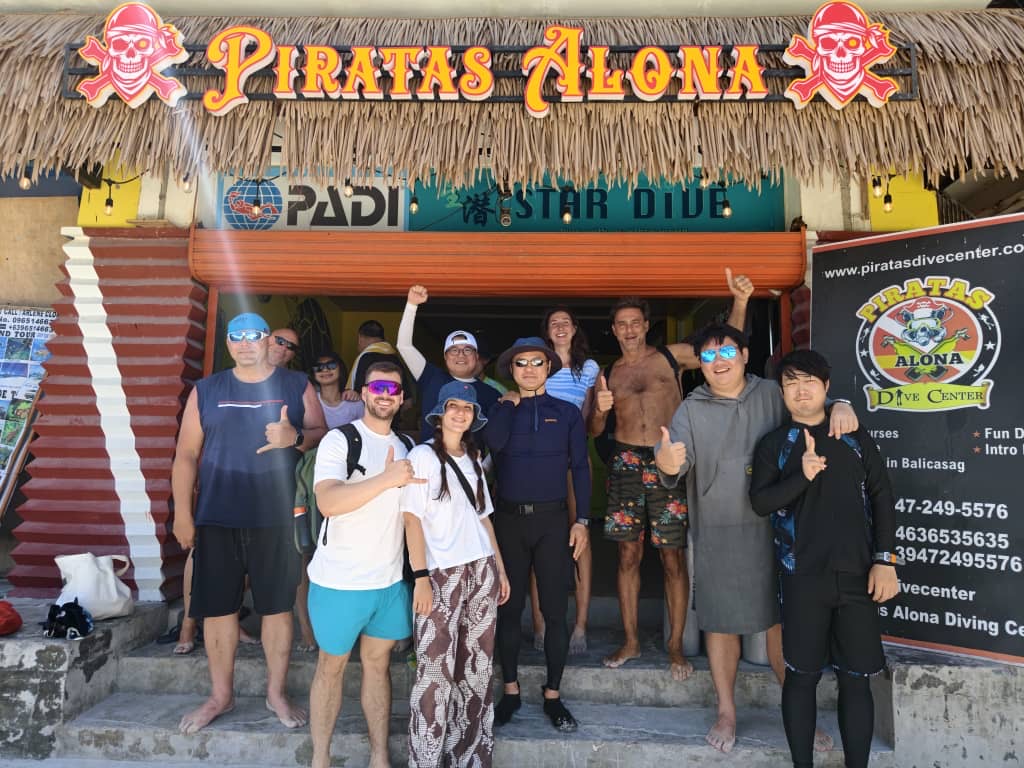
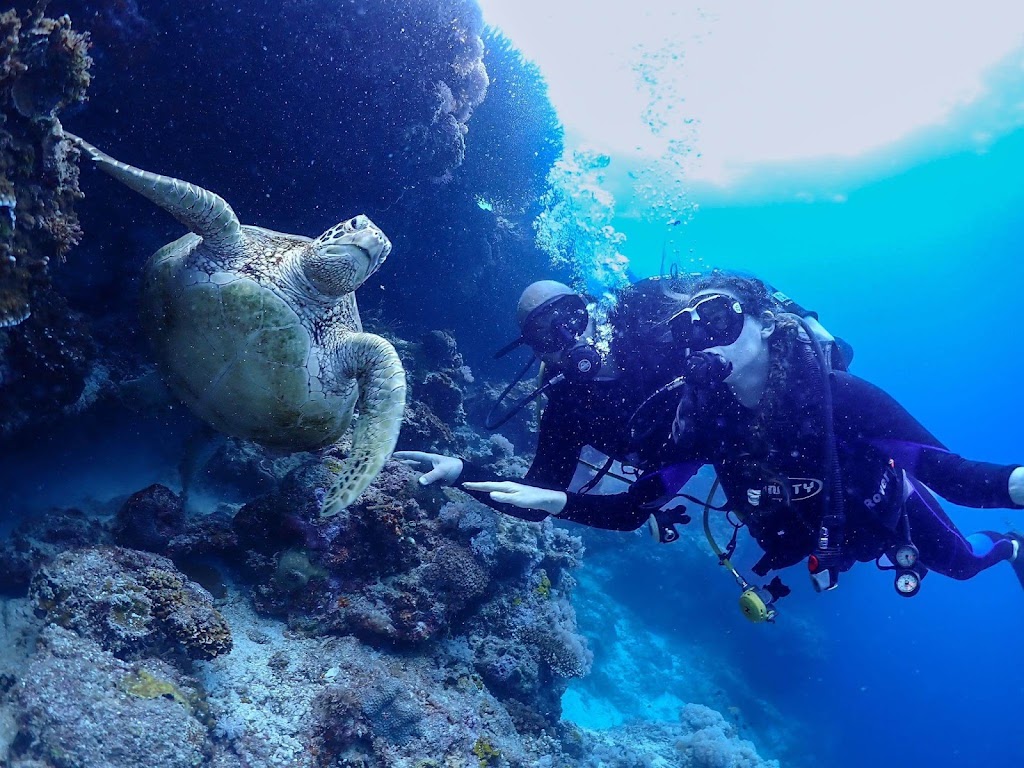
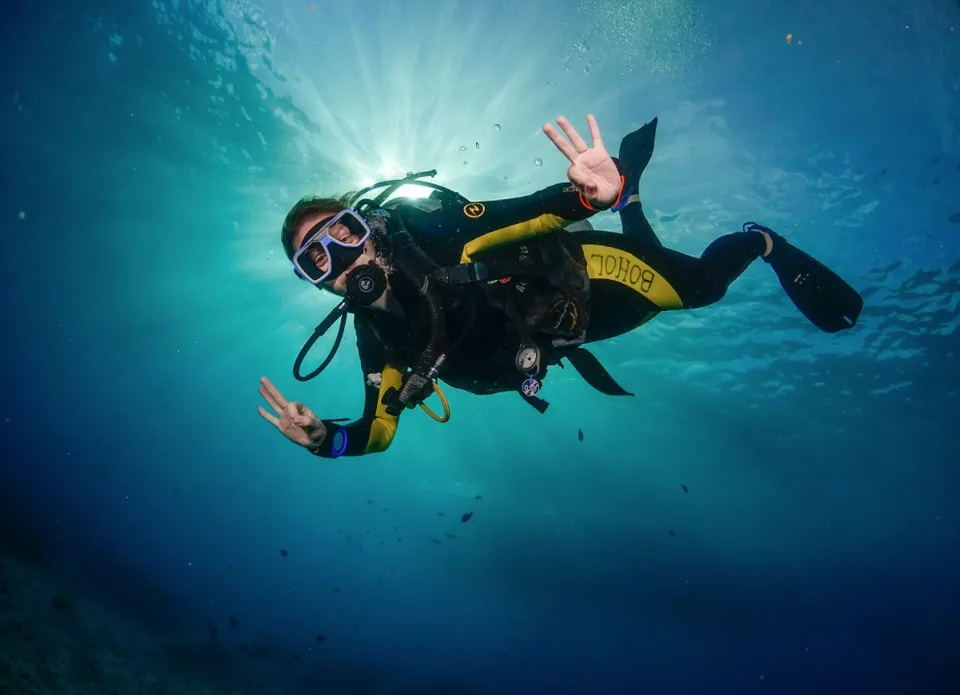
Dive Centers Near Sunrise
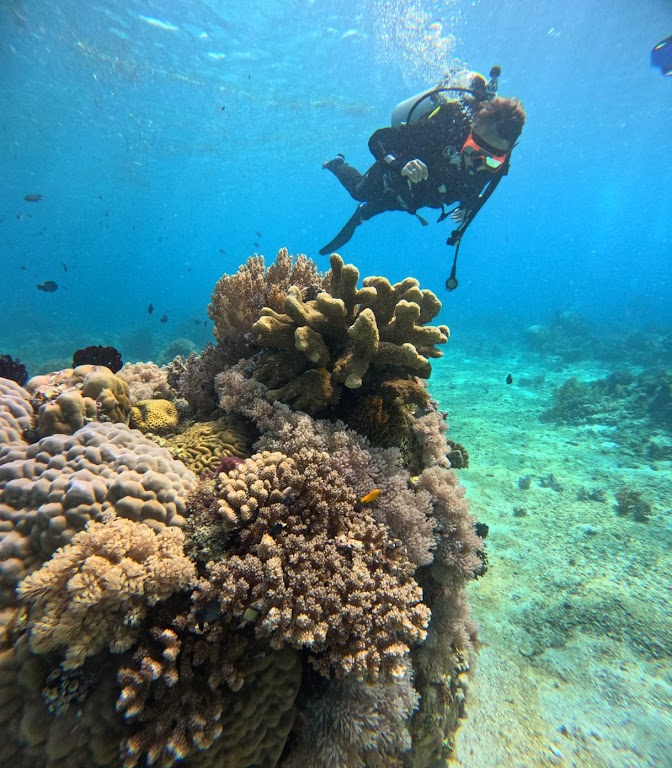
Today: 08:00 - 17:30
Nearest Airports
Nearest airports to help plan travel to this dive area.
Search Flights
Check available flights and routes on Expedia, using the nearby airports listed in this section.
Search Flights on ExpediaFrequently Asked Questions
What types of diving can I expect at Sunrise?
Sunrise is primarily known for its reef and wall diving. You'll navigate vibrant reef slopes that transition into more dramatic vertical drop-offs, offering varied underwater topography to explore.
What marine life might I encounter at Sunrise?
While sightings depend on conditions, the site has potential for encounters with larger pelagic species such as sharks, whales, dolphins, and turtles. You'll also observe diverse reef fish and coral formations.
Do I need a specific certification for diving at Sunrise?
Sunrise is open to any certified scuba diver for standard day dives. For specialized activities like night dives in the general region, an Advanced Open Water certification is typically required.
What are the typical water and air temperatures?
Air temperatures average between 26.5-28.5°C (80-83°F) year-round. Water temperatures for this specific site are not consistently reported but are generally warm, consistent with tropical Philippine waters.
How are the surface conditions usually at Sunrise?
Surface conditions are generally manageable, with average wave heights typically below 0.6 m (2 ft) and wind speeds under 22 km/h (14 mph). July can sometimes present slightly choppier waters.
Are divemasters provided on trips to Sunrise?
Yes, most dive packages to sites like Sunrise include a professional divemaster. A common ratio is one divemaster for a maximum of four divers, ensuring personalized guidance.
Is equipment rental available for diving at Sunrise?
Yes, essential dive equipment is typically included in fun dive packages. Local dive centers also usually offer rentals for additional items like GoPros and dive computers.
Planning to dive Sunrise?
Send one inquiry and receive offers directly from the best verified local dive operators.
Conditions are Excellent
07:00 - 14:00
Optimal conditions expected
Current conditions near Sunrise show 29° air, 30° sea temperature, 0.3 m waves, and 17 km/h wind. Forecast data is refreshed regularly to ensure accuracy.