
Diving at Alona Beach House Reef (Philippines)
The House Reef invites divers into its shallow reef sections, immediately transitioning into a gentle slope. Initial depths around 5 meters (15 ft) guide you towards the main wall, revealing diverse coral formations. Continue descending along this feature, which eventually drops to 25 meters (80 ft), offering different perspectives on the marine environment. This progressive descent is ideal for familiarizing divers with the site's layout.
As evening covers Alona Beach House Reef, the local air temperature is measured at 31°C. The current wave height at the surface is recorded at 0.1 m. These late-day readings characterize the surface conditions for the night.
Dive Site Location & Key Facts
Dive Site Overview
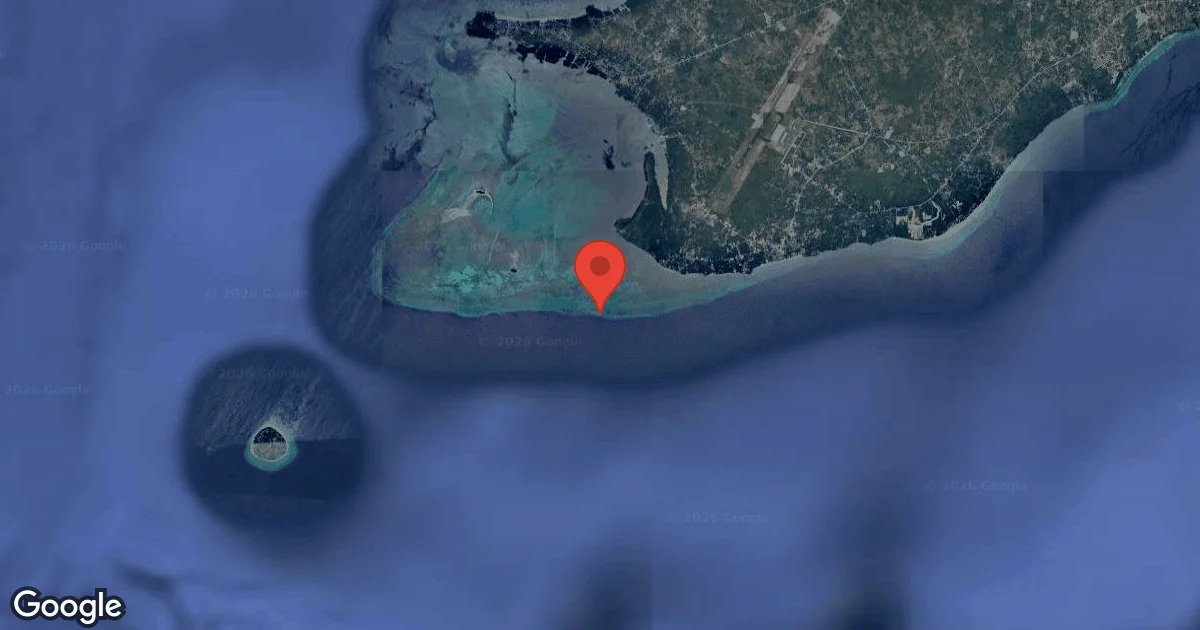
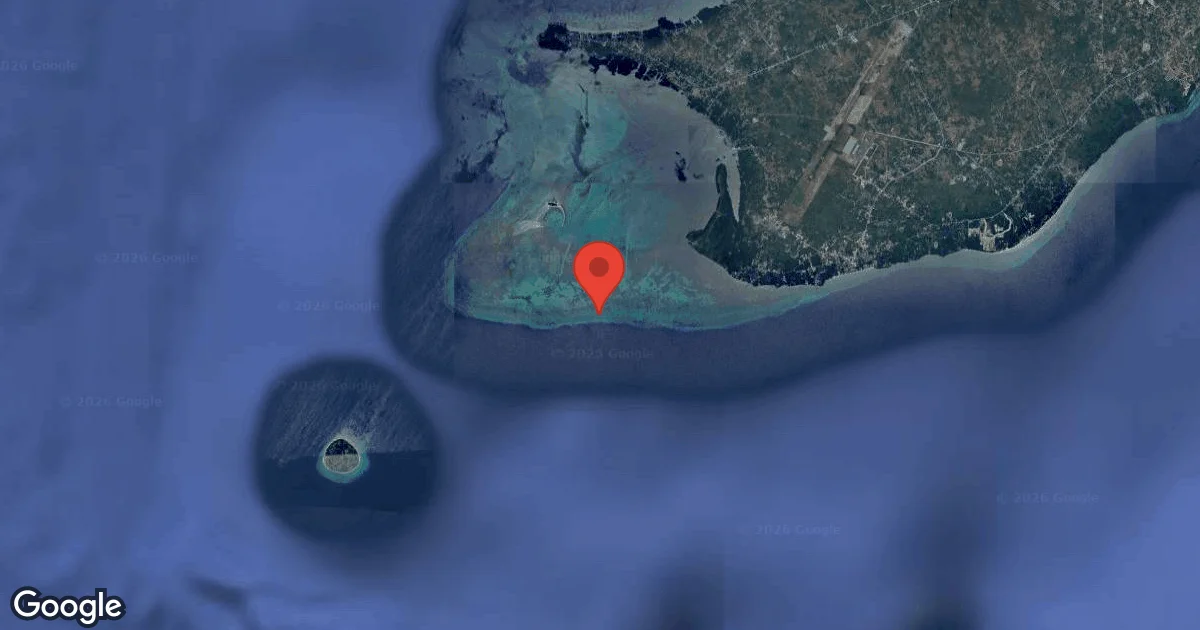
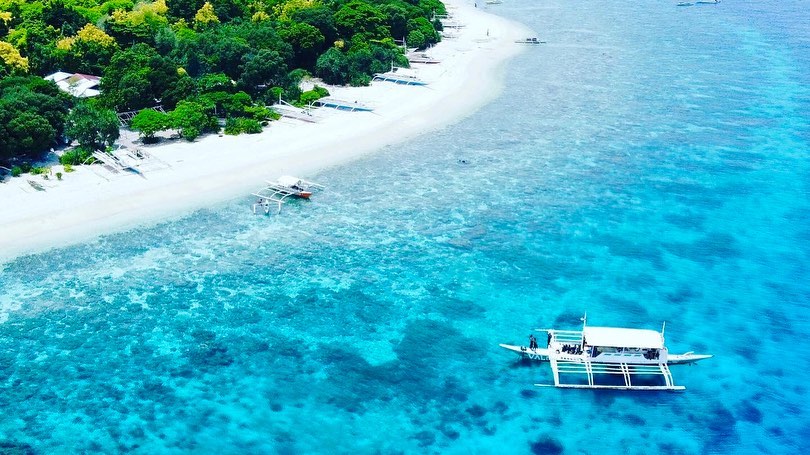
This dive site, situated less than a kilometer from shore in Panglao, Bohol, presents a distinctive underwater topography. Dives typically begin in shallow, sandy areas starting at 3-5 meters (10-15 ft), quickly leading to a vibrant coral garden.
Divers then follow a prominent sloped wall, a defining characteristic of the location, which starts around 5-8 meters (15-25 ft) and continues down to approximately 25 meters. Beyond the wall's base, a sandy slope extends further, though the most active areas for marine life are often along the wall itself. Crevasses and small caves punctuate the coral-covered wall, providing ample hiding spots for various critters.
Its accessibility from Alona Beach makes it a convenient shore or short boat dive. This house reef is a popular spot for both day and night dives, appreciated for its relaxed pace and rich macro opportunities.
Visibility typically ranges from good to excellent, influenced by local tides and weather conditions, enhancing the experience of exploring this diverse reef system.
Conditions are Excellent
07:00 - 14:00
Optimal conditions expected
Current conditions near Alona Beach House Reef show 31° air, 30° sea temperature, 0.3 m waves, and 16 km/h wind. Forecast data is refreshed regularly to ensure accuracy.
Best Time to Dive
Optimal visibility at this house reef generally occurs during periods of minimal rain and lower wave activity. Months like April, May, and August consistently offer excellent dive scores, typically experiencing some of the lowest average rainfall, around 3.3 to 5.8 mm. Wave heights during these peak months are also relatively modest, often below 0.5 meters (1.6 ft), contributing to clearer conditions underwater. While diving is considered good year-round, with average air temperatures staying warm at 27-28.5°C (81-83°F), the dry season from December to May usually presents the most stable and calmest waters. Lighter winds during this time further support outstanding clarity for observation and photography. Even during months with slightly higher rainfall, such as October or November, dive scores remain excellent, suggesting that localized conditions can still provide rewarding experiences. For the clearest views of the sloped wall and its macro inhabitants, planning a visit during the drier, calmer parts of the year is advisable.
PEAK SEASON SCORE
Scores combine air & water temps, waves, wind & rainfall for overall conditions.
BEST MONTHS TO DIVE
Monthly records compiled from satellite and marine observation nodes over the last 3 years. Data provided by Open-Meteo and MET Norway.
Dive Experience & Conditions
Diving this house reef offers a generally relaxing experience, well-suited for beginners and those seeking a calm exploration. The descent begins over a sandy area, where scattered coral formations soon give way to the main sloped wall. Water temperatures remain consistently warm, typically between 27-30°C (81-86°F), allowing for comfortable dives without heavy thermal protection. Currents are usually mild, making for easy navigation along the reef structure down to its maximum recreational depth. Visibility is often good, enhancing the appreciation of the wall's intricate details and its diverse macro life. Exploring the numerous cracks and small caves along the wall reveals a constant parade of smaller creatures. The transition from the vibrant upper reef to the deeper, quieter sandy slopes offers varied underwater scenery.
Dive Difficulty & Safety Guidelines
While this house reef presents no explicitly reported unique hazards, divers should always adhere to standard safety protocols. Maintaining proper buoyancy is crucial to avoid contact with the delicate coral formations and sand, which helps preserve the reef's health. Staying within established recreational dive limits, typically around 25 meters for this site, is essential, particularly for less experienced divers.
Close monitoring of air supply and no-decompression limits ensures a safe ascent profile. Divers are encouraged to dive with a reputable local guide who understands the site's daily nuances, including tidal effects on visibility.
Practicing respectful interaction with marine life, observing without touching, protects both divers and the ecosystem. Calm conditions make it suitable for training dives, but proper supervision remains paramount.
Recommended Equipment
- Dive Computer
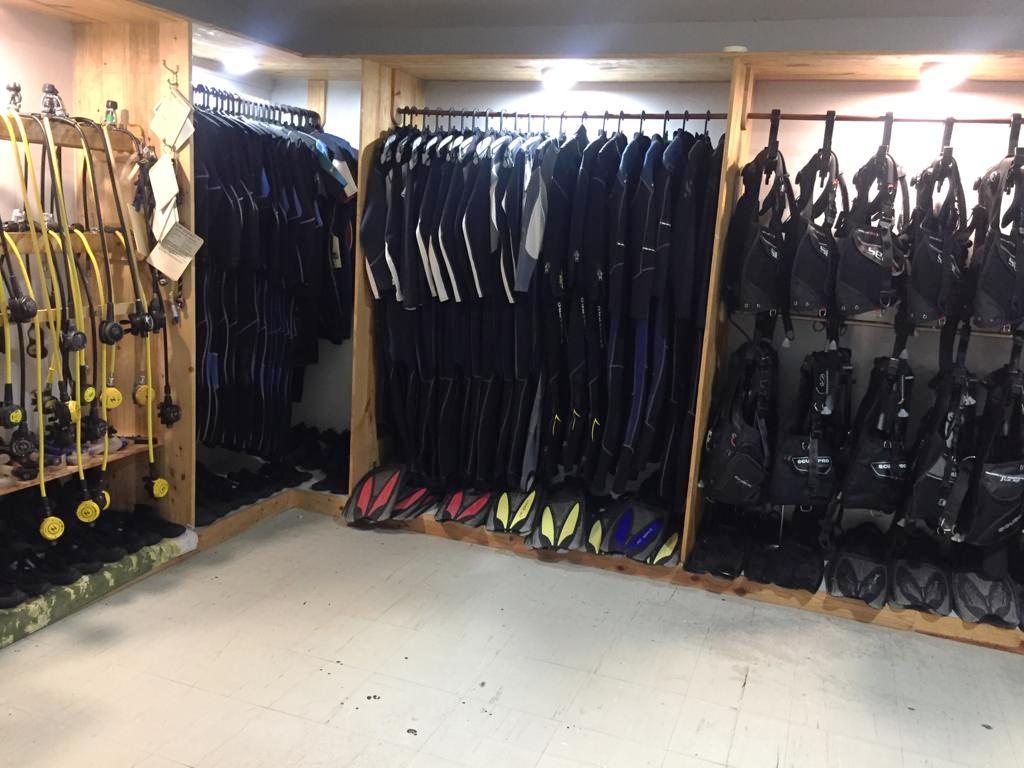
This gear list is based on verified equipment signals for Alona Beach House Reef, Philippines. Always confirm final gear choices with your dive operator, guide, or liveaboard.
Recommended Dive Suit
Current diving conditions indicate water temperatures around 30°C (87°F) at Alona Beach House Reef. Surface air temperatures are resting at 31°C (88°F).
Environmental conditions may feel slightly cooler as the week progresses. Cooler days are ahead; you might want a warmer option for later in the week. A neoprene vest or hood can add flexibility if temperatures feel cooler underwater.
Most divers would typically feel comfortable using dive skin or rash guard in these conditions. Dive depth and duration can significantly affect perceived warmth.
Emergency & Medical Support
Essential information to help you plan your dive trip to Alona Beach House Reef.

Hyperbaric chambers are a critical part of dive safety infrastructure. Availability varies significantly by region, and not all dive areas have immediate access.
Before diving, it's recommended to:
- confirm nearest medical facilities
- check emergency procedures with local dive operators
- ensure dive insurance covers evacuation if required
Divers Alert Network
Diving emergency assistance available through DAN World.
+1-919-684-9111- 24/7 emergency hotline
- Diving medical assistance
- Evacuation coordination
Emergency contacts are provided for reference. Always verify local emergency services before diving.
Marine Life at Alona Beach House Reef
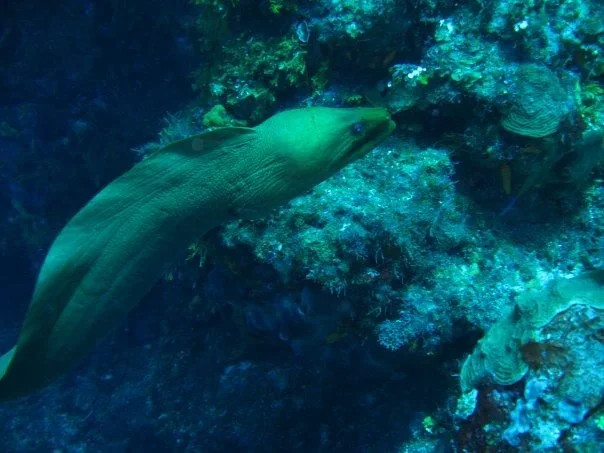
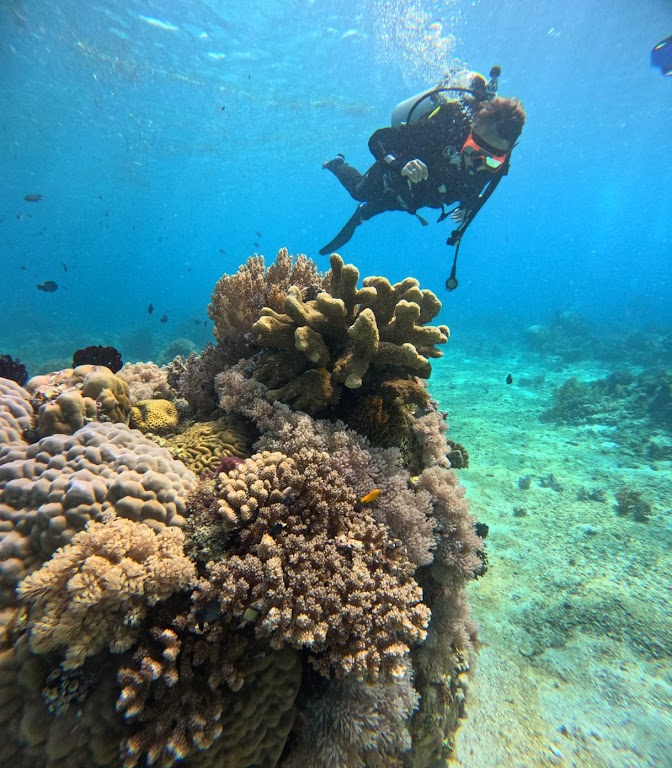
Upon entering the water at this dive site, divers quickly notice the vibrant macro life camouflaged within the corals. Nudibranchs of various species are frequently observed along the sloped wall, often alongside moray eels peeking from crevasses.
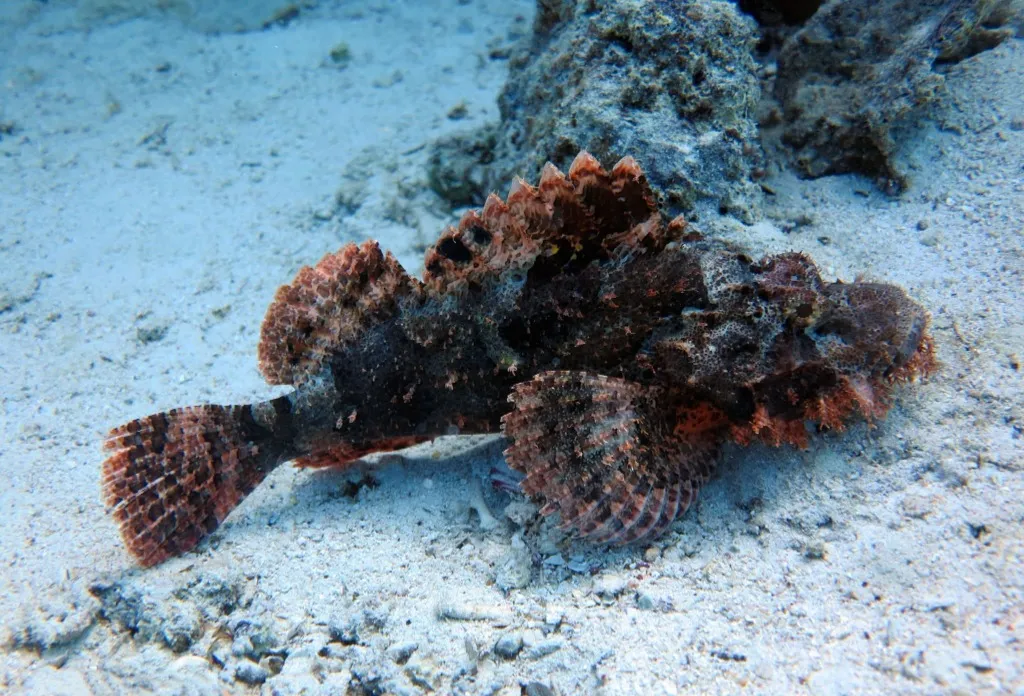
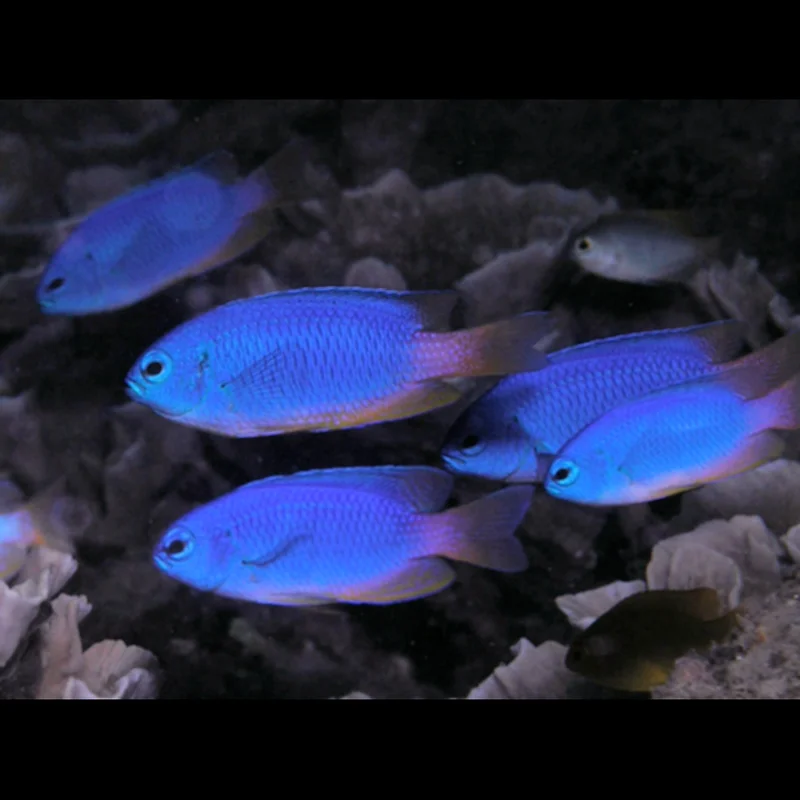
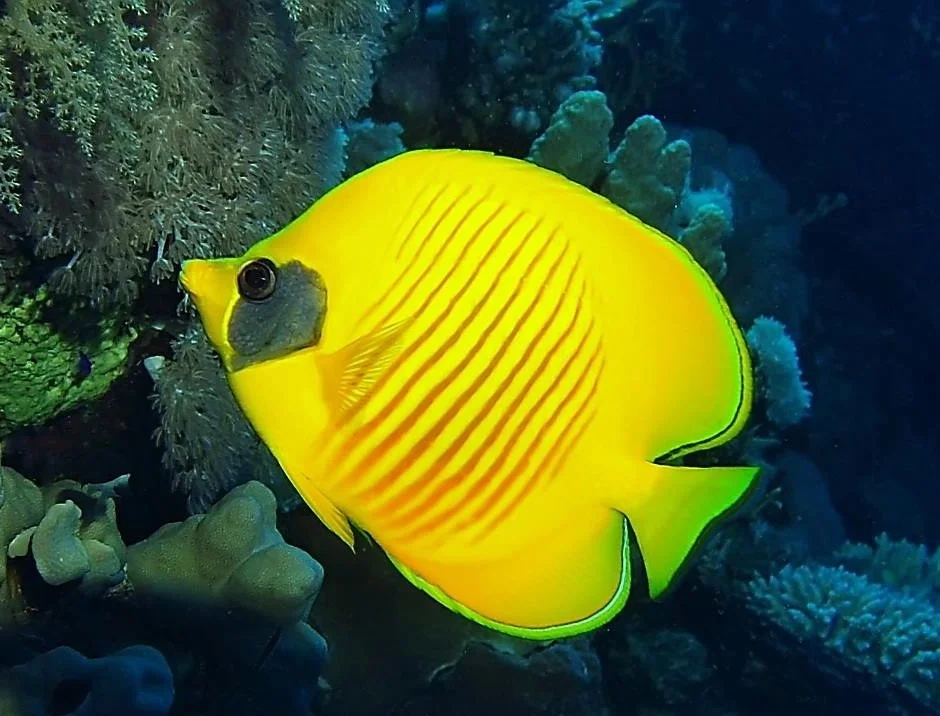
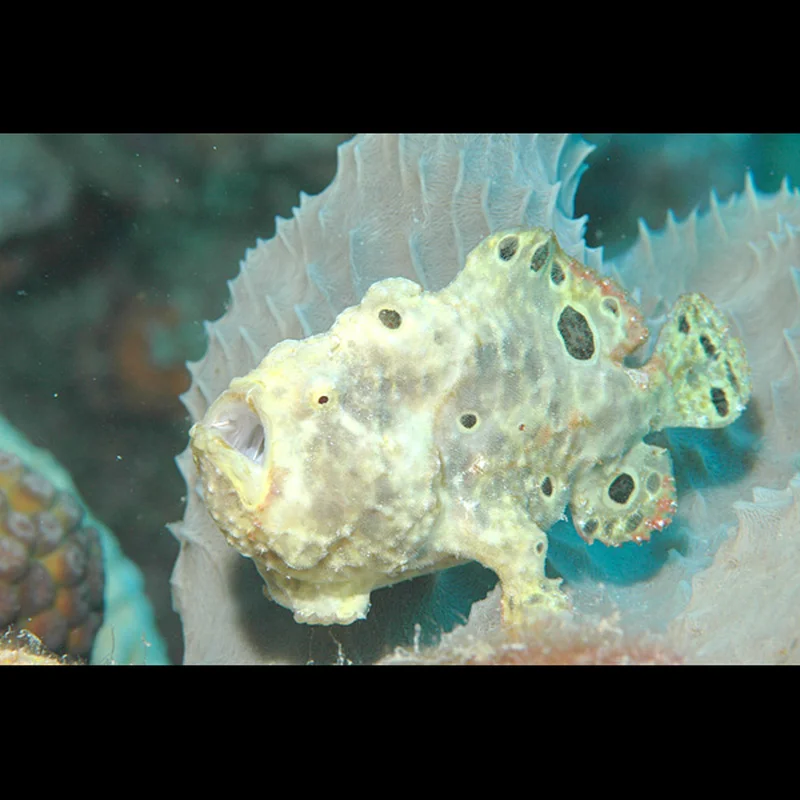
Look closely for the distinctive shapes of giant frogfish and the intricate patterns of harlequin ghost pipefish. Colorful tropical fish, including butterflyfish, angelfish, and damselfish, school among the coral formations.
Feathered starfish cling to the reef, while sea cucumbers dot the sandy sections. Encounters with lionfish, scorpionfish, and various shrimp species are common, adding to the site's rich biodiversity. Occasionally, turtles and sea snakes might also pass through the reef's environs.
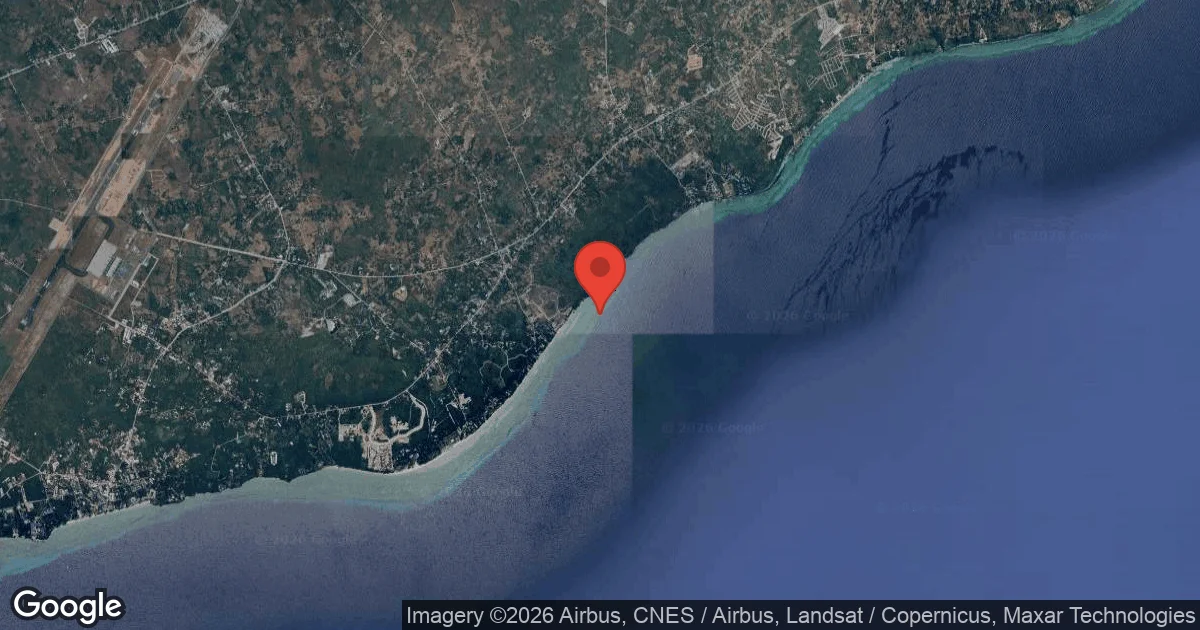
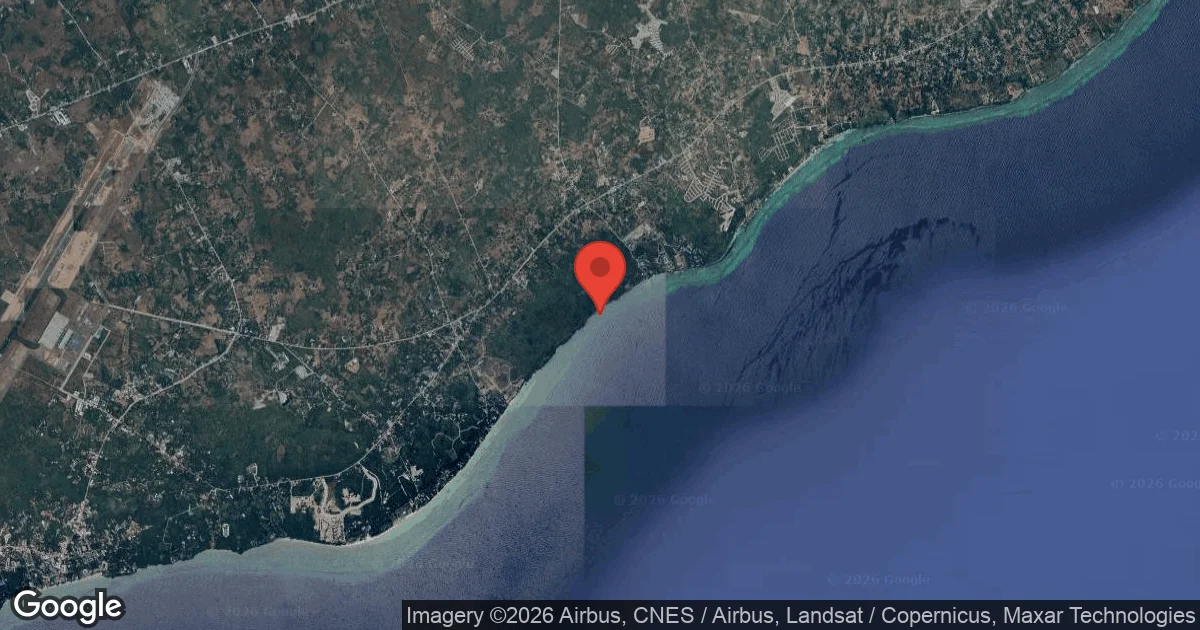
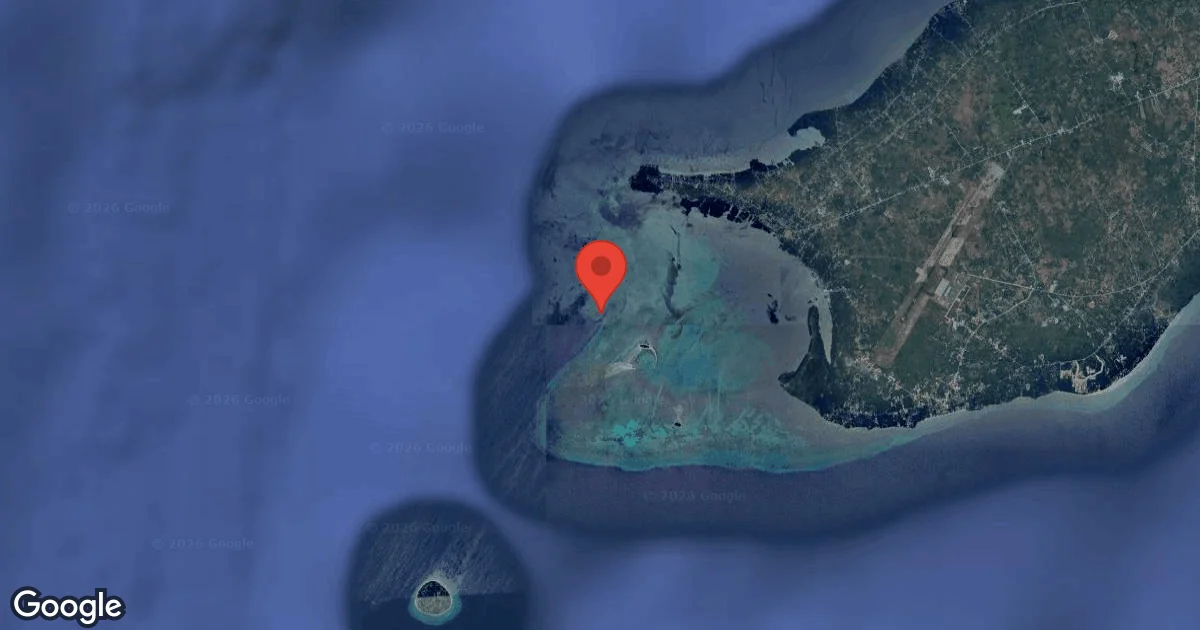
Dive Sites Near Alona Beach House Reef
View all dive sites in PhilippinesDiscover more underwater gems in this area.
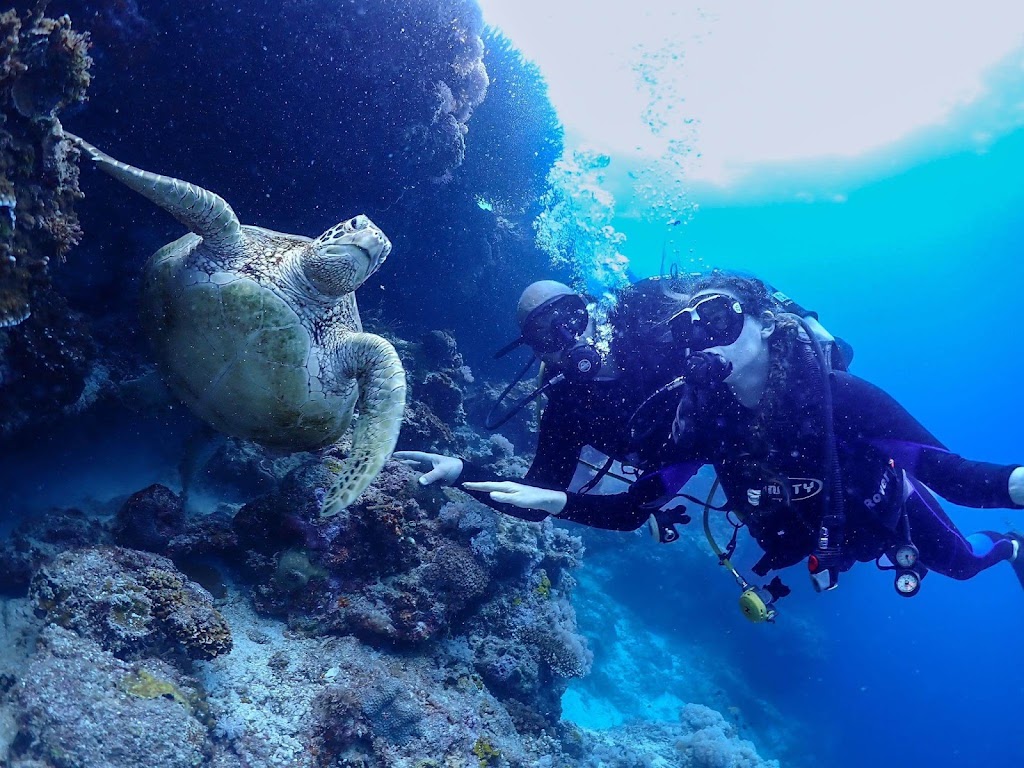
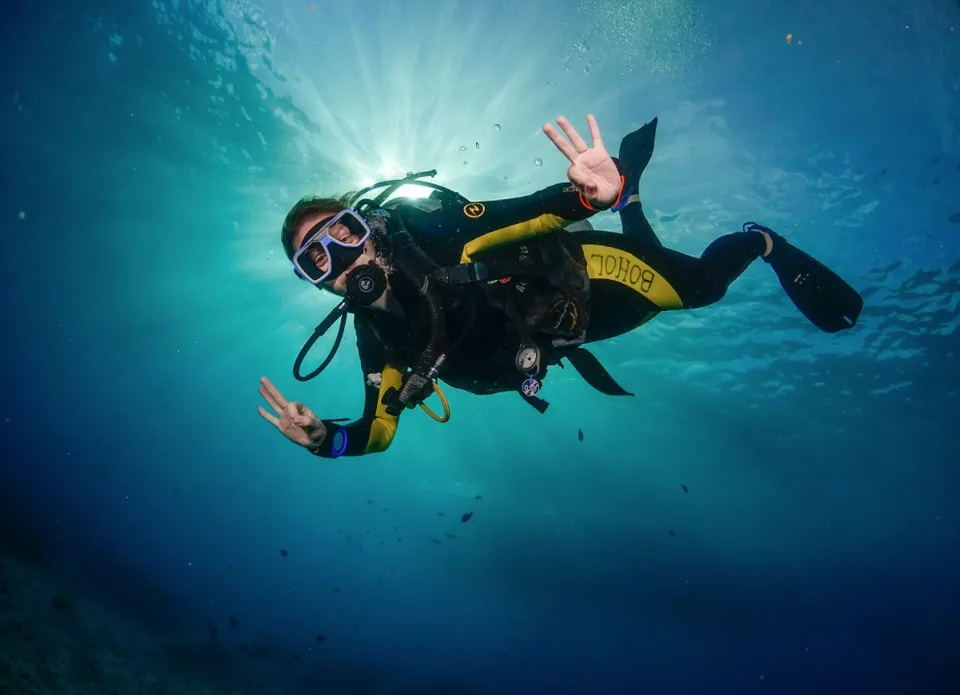
Dive Centers Near Alona Beach House Reef
Today: 08:00 - 17:30

Nearest Airports
Nearest airports to help plan travel to this dive area.
Search Flights
Check available flights and routes on Expedia, using the nearby airports listed in this section.
Search Flights on ExpediaFrequently Asked Questions
What is the typical depth range at this house reef?
This dive site features a sloped wall that generally begins around 5 meters and extends down to approximately 25 meters. Shallower sections are ideal for beginners, while deeper areas offer more to explore.
Is this dive site suitable for beginners?
Yes, this reef is considered an easy and relaxing dive, making it excellent for beginner scuba divers, introductory dives, and training courses. Its mild currents and accessible depths contribute to a comfortable learning environment.
What kind of marine life can I expect to see here?
The reef is rich in macro life, with frequent sightings of nudibranchs, frogfish, and various ghost pipefish. You'll also encounter moray eels, lionfish, and a variety of colorful reef fish like butterflyfish and damselfish. Turtles and sea snakes are sometimes observed.
Are night dives possible at this location?
Absolutely. This house reef is a favored location for night diving, often revealing different nocturnal critters. Many macro species become more active and visible after sunset, offering a unique perspective on the reef's biodiversity.
How is visibility typically at this dive site?
Visibility at this house reef is typically good to excellent. Conditions can vary depending on local tides and weather, but generally, divers can expect clear waters for observing the reef and its inhabitants.
What is the best way to access the dive site?
This reef is highly accessible, often described as being just off Alona Beach. Many local dive shops offer short boat rides, typically around 3 minutes, or even direct entries, making it a convenient local dive.
Planning to dive Alona Beach House Reef?
Send one inquiry and receive offers directly from the best verified local dive operators.
Conditions are Excellent
07:00 - 14:00
Optimal conditions expected
Current conditions near Alona Beach House Reef show 31° air, 30° sea temperature, 0.3 m waves, and 16 km/h wind. Forecast data is refreshed regularly to ensure accuracy.