
Diving at Gak-Ang (Philippines)
Descending into Gak-Ang typically involves a drift along a vibrant wall, transitioning into flourishing reef systems. Divers can anticipate encounters with dynamic currents, which dictate the pace of the exploration, revealing extensive coral gardens and potential sightings of larger pelagic species. It's an immersive drift dive, emphasizing awareness of the current's flow.
Evening condition tracking at Gak-Ang features an air temperature of 28.5°C. We have recorded wave heights measuring 0.1 m during this period. These figures outline the environmental parameters currently present.
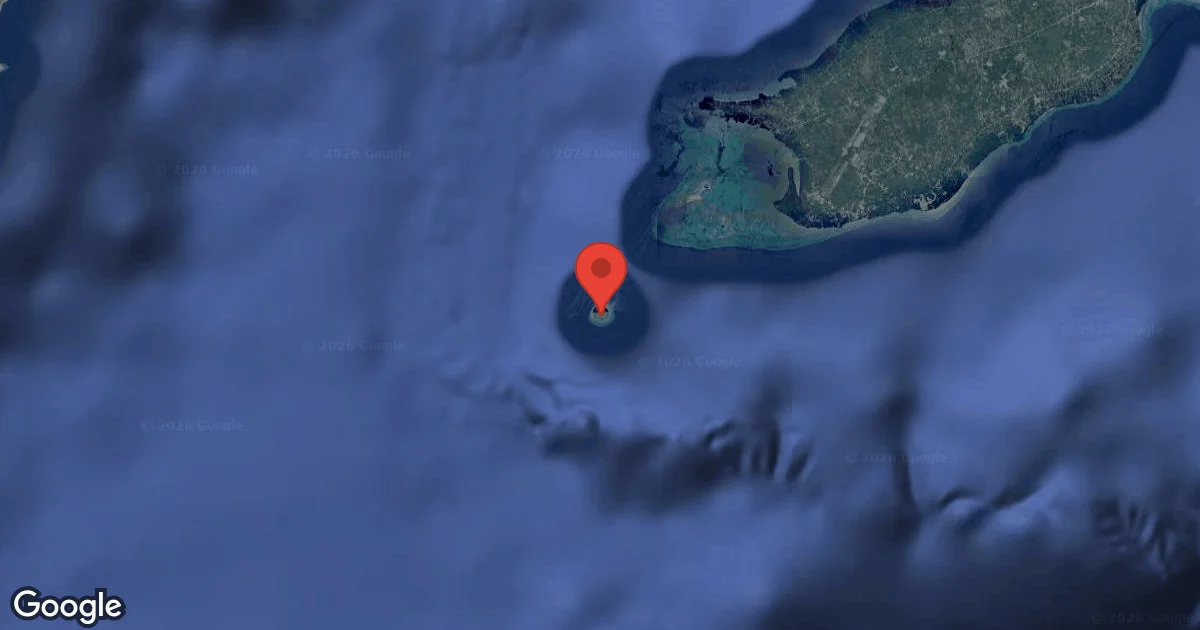
Dive Site Location & Key Facts
Dive Site Overview
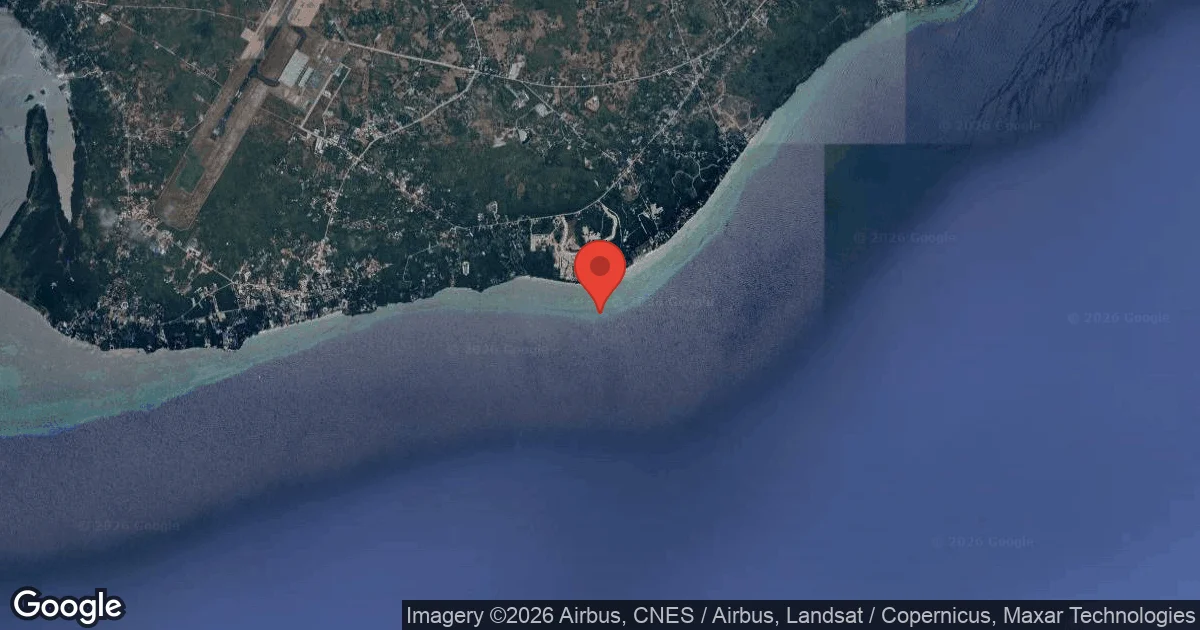
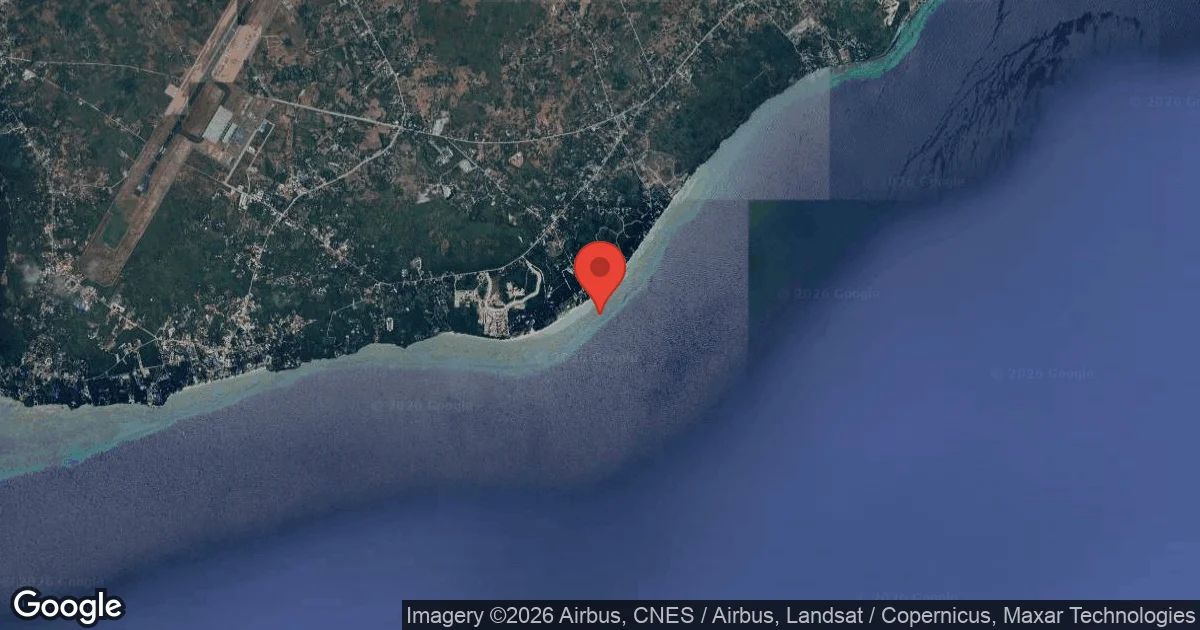
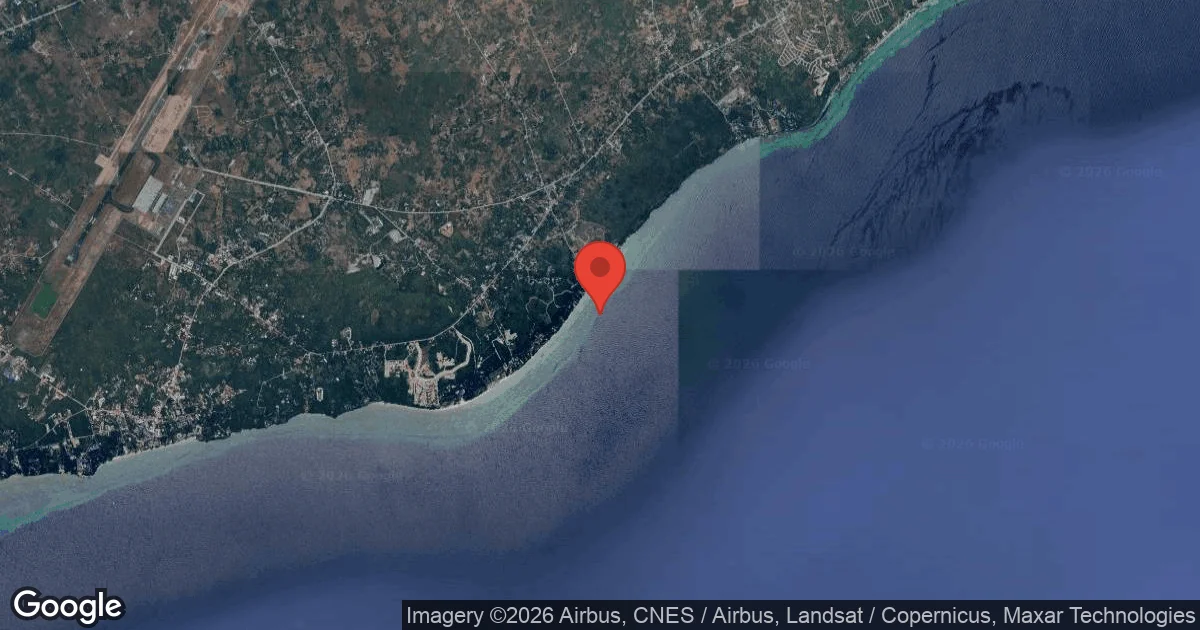
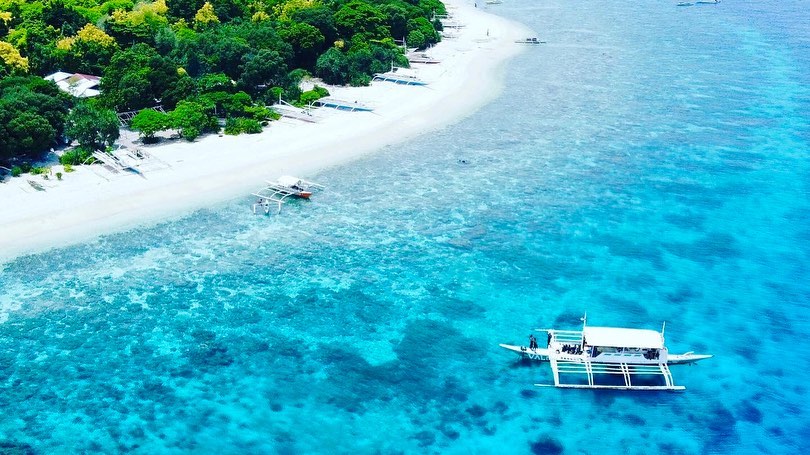
The underwater landscape at Gak-Ang stands out as a unique exploration opportunity, contrasting sharply with the more heavily frequented dive locations in the region. Off Panglao, Bohol, this site maintains a pristine quality, largely due to its status as an emerging, less-trafficked destination.
A system of white buoys clearly delineates a protected zone, an effort that has successfully preserved the remarkable health and uniform dispersion of its live corals. These corals form expansive, thriving gardens that transition into dramatic walls, plunging to depths that challenge and reward advanced divers, extending from 25 m down to 40 m / 82 to 130 ft.
Exploring Gak-Ang delivers a genuine sense of discovery, offering a quieter experience away from larger crowds. Divers should be prepared for varying current conditions, which can range from slight to strong, with their intensity heavily influenced by tidal movements.
These currents dictate the nature of the dive, often transforming it into a dynamic drift, revealing new sections of the reef. The extensive healthy coral coverage across both walls and shallower reef flats creates an ecosystem rich in diversity, appealing to those seeking an untouched feel.
This protected environment supports intricate reef systems and provides shelter for numerous species, making each descent a journey into a vibrant, well-preserved underwater world.
Conditions are Excellent
07:00 - 14:00
Optimal conditions expected
Current conditions near Gak-Ang show 29° air, 30° sea temperature, 0.2 m waves, and 18 km/h wind. Forecast data is refreshed regularly to ensure accuracy.
Best Time to Dive
Planning a dive trip to Gak-Ang presents a wide window of opportunity, as conditions remain generally favorable throughout the entire year. Divers will find the months from April through December frequently rated as 'Excellent' for underwater exploration, with the remaining months still offering 'Good' conditions. Air temperatures consistently provide warmth, averaging around 28°C / 82°F in April and May, and reaching peaks near 28.5°C / 83°F. This consistent warmth ensures comfortable surface intervals. From April to September, rainfall is typically low, contributing to enhanced visibility and making these months especially appealing for both diving and enjoying surface activities. Wave heights generally stay within a calm range of 0.3 to 0.5 meters / 1 to 1.6 feet, which typically ensures smooth boat rides to the site; however, a slight increase in wave activity can sometimes be observed in February. The underwater environment consistently welcomes divers with warm water temperatures, usually settling within the 28-29°C / 82-84°F range, reducing the need for thick wetsuits. These stable and pleasant environmental factors allow for reliable dive planning almost any time of year.
PEAK SEASON SCORE
Scores combine air & water temps, waves, wind & rainfall for overall conditions.
BEST MONTHS TO DIVE
Monthly records compiled from satellite and marine observation nodes over the last 3 years. Data provided by Open-Meteo and MET Norway.
Dive Experience & Conditions
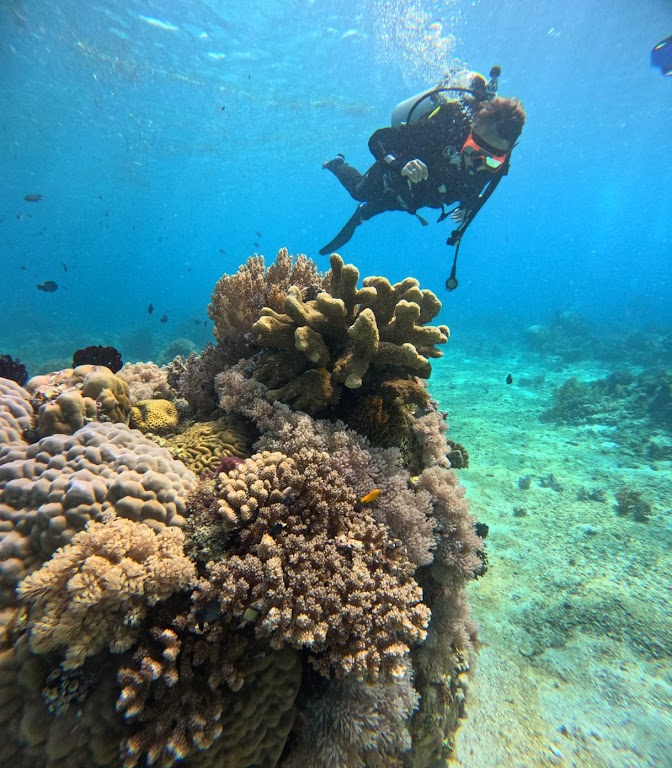
Divers exploring Gak-Ang will typically begin with a descent that unveils a dramatic wall, richly adorned with a vibrant array of hard and soft corals. This striking vertical landscape extends to significant depths, offering varied environments for different experience levels. The site is frequently approached as a drift dive, necessitating careful attention to the prevailing currents, which can fluctuate from gentle to quite strong, heavily influenced by the changing tides. These currents guide the underwater journey, revealing different sections of the reef as the dive progresses. Visibility here is often a highlight, commonly reported around 25 m / 82 ft on many days, which provides expansive, clear views of the intricate coral ecosystems and the broader marine environment. Beyond the main wall, the topography diversifies to include shallower reef areas. These shallower zones are perfect for the latter stages of a dive, offering extended bottom time among different coral formations and a higher chance of macro life sightings. Navigating these varied conditions requires good buoyancy control and an understanding of drift diving principles.
Dive Difficulty & Safety Guidelines
Diving at Gak-Ang necessitates an understanding of drift diving techniques due to the variable currents, which can shift between slight and strong. Divers should plan with their guide to account for tidal conditions and potential swift movements along the wall. The white buoys marking the protected area highlight the importance of maintaining proper buoyancy to avoid contact with the delicate, healthy coral structures.
While it's not a major tourist hub, adherence to responsible diving practices helps preserve this thriving marine environment.
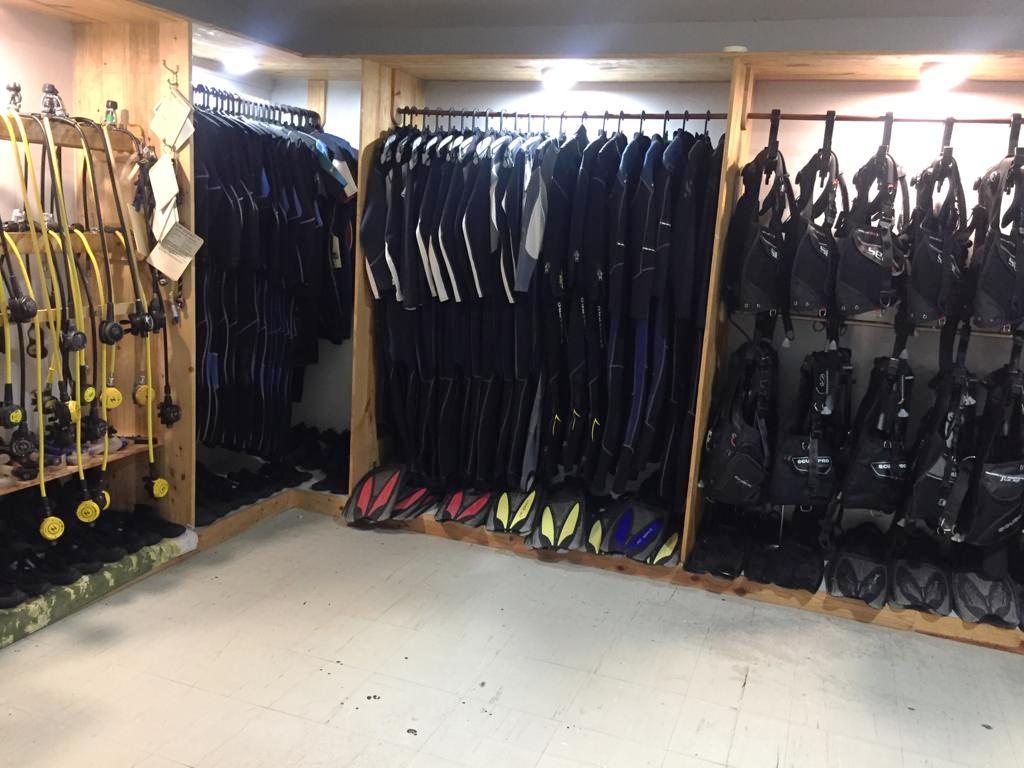
Recommended Equipment
- Dive Computer
This gear list is based on verified equipment signals for Gak-Ang, Philippines. Always confirm final gear choices with your dive operator, guide, or liveaboard.
Recommended Dive Suit
Recent conditions suggest the water at Gak-Ang remains near 30°C (85°F), offering typical conditions for the area. Surface air temperatures are resting at 29°C (83°F).
Weather projections show fairly stable environmental conditions ahead.
Most divers would typically feel comfortable using dive skin or rash guard in these conditions. Dive depth and duration can significantly affect perceived warmth.
Emergency & Medical Support
Essential information to help you plan your dive trip to Gak-Ang.

Hyperbaric chambers are a critical part of dive safety infrastructure. Availability varies significantly by region, and not all dive areas have immediate access.
Before diving, it's recommended to:
- confirm nearest medical facilities
- check emergency procedures with local dive operators
- ensure dive insurance covers evacuation if required
Divers Alert Network
Diving emergency assistance available through DAN World.
+1-919-684-9111- 24/7 emergency hotline
- Diving medical assistance
- Evacuation coordination
Emergency contacts are provided for reference. Always verify local emergency services before diving.
Marine Life at Gak-Ang
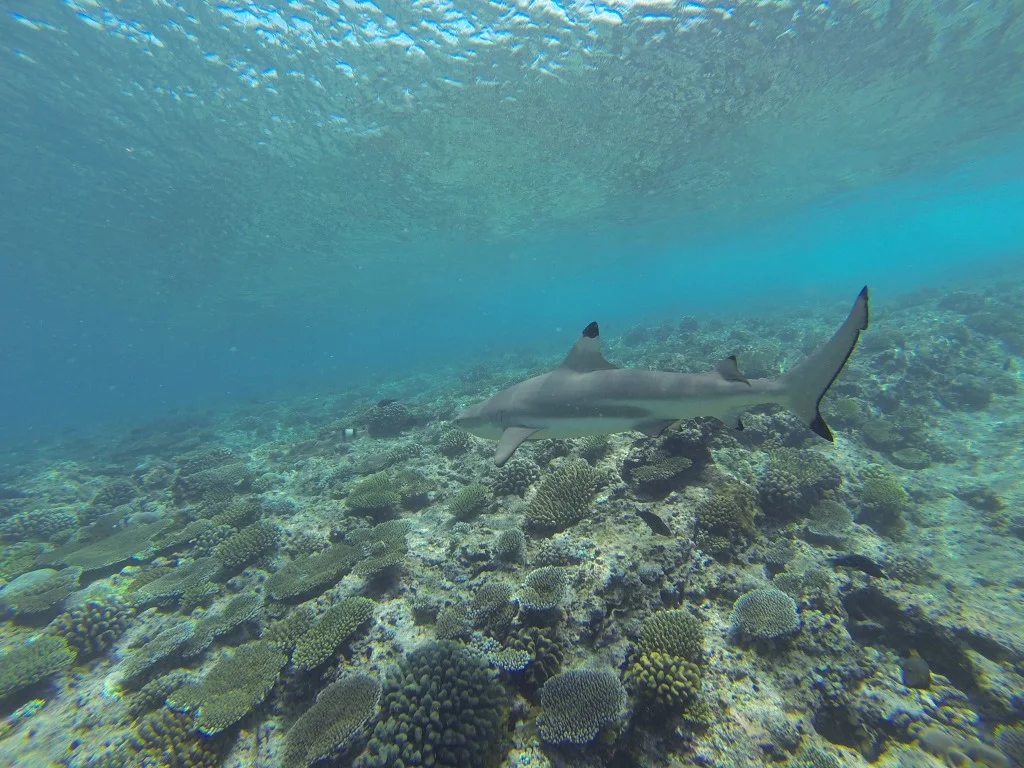
Gak-Ang's vibrant coral gardens and the extensive deep walls serve as a crucial habitat, supporting a wide array of marine species that captivate divers. Encounters with large pelagic life are a frequent highlight; various sharks, whales, dolphins, and turtles are regularly observed moving through the blue.
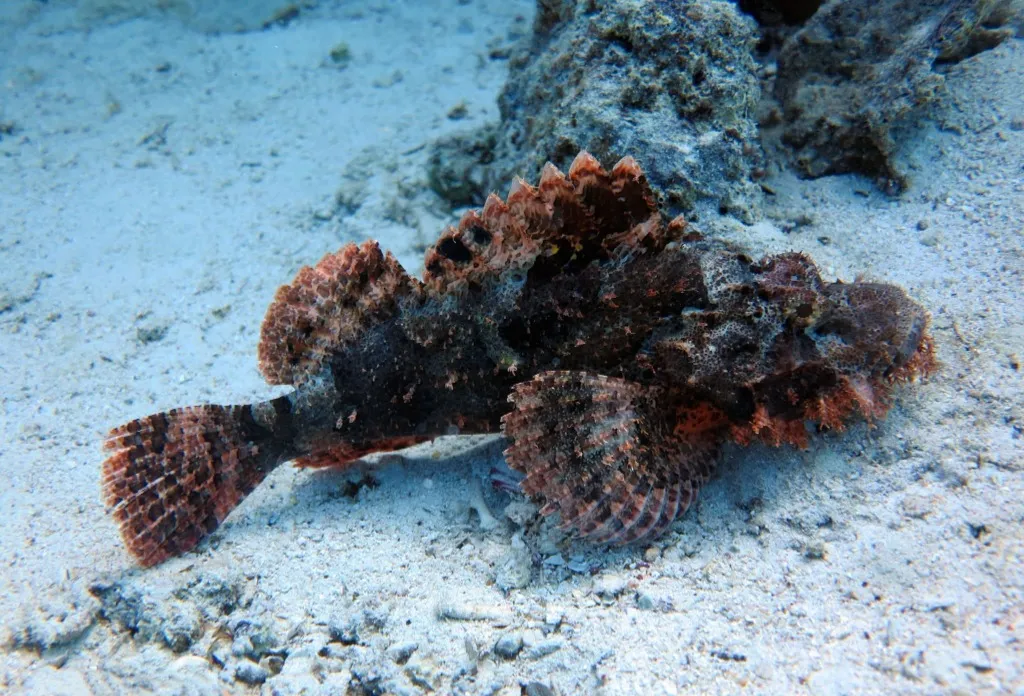
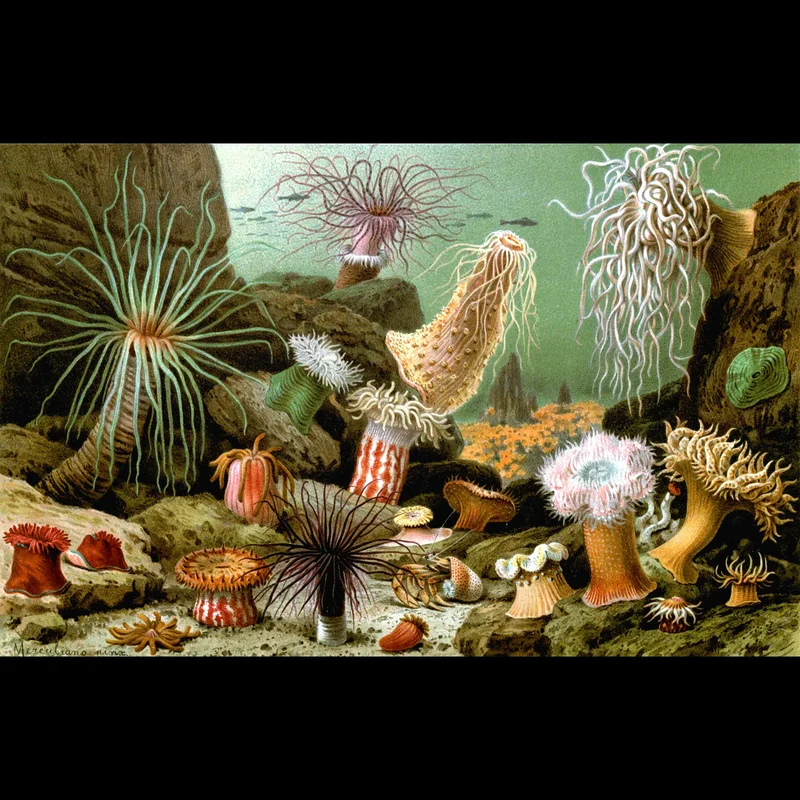
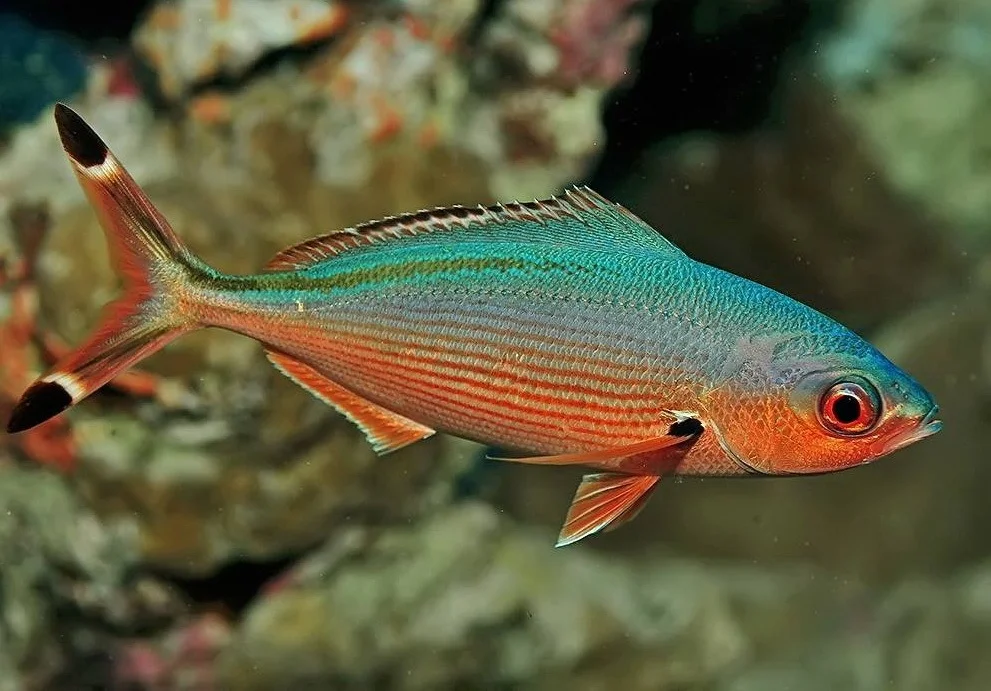
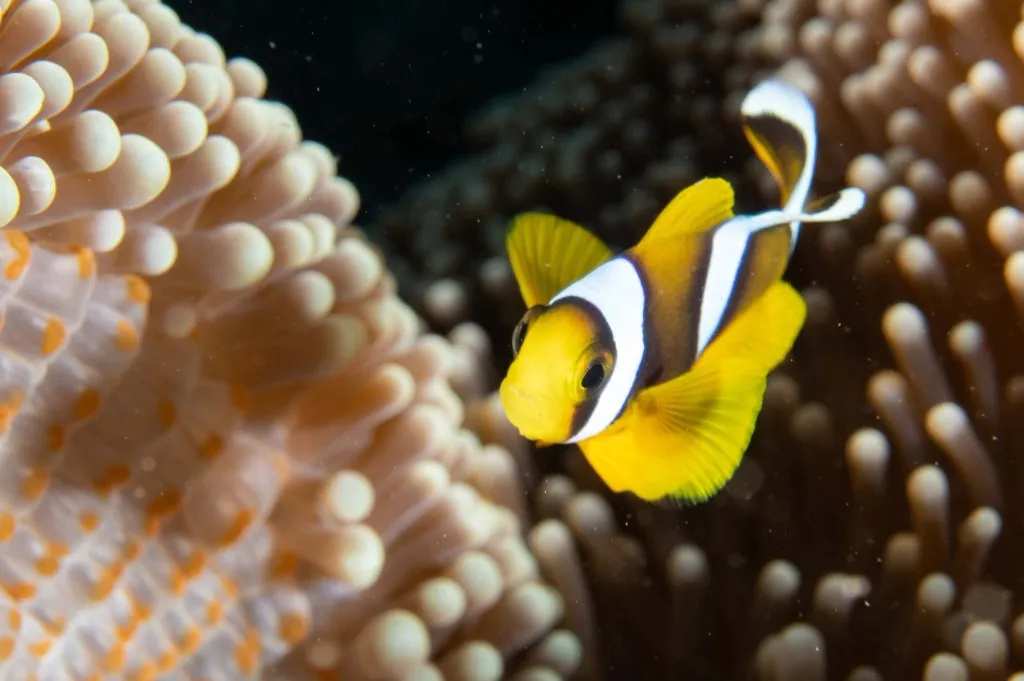
Beyond these impressive migratory visitors, the intricate coral ecosystems teem with diverse reef fish, from schooling fusiliers to camouflaged scorpionfish. Look closer among the corals to discover a rich assortment of mollusks, including nudibranchs, and various anemones housing their resident clownfish.
This site truly presents a dynamic environment, showcasing a full spectrum of underwater encounters. From the smallest, most colorful reef inhabitants to the majestic larger migratory species, Gak-Ang offers a genuinely rich tapestry of marine biodiversity on every dive.
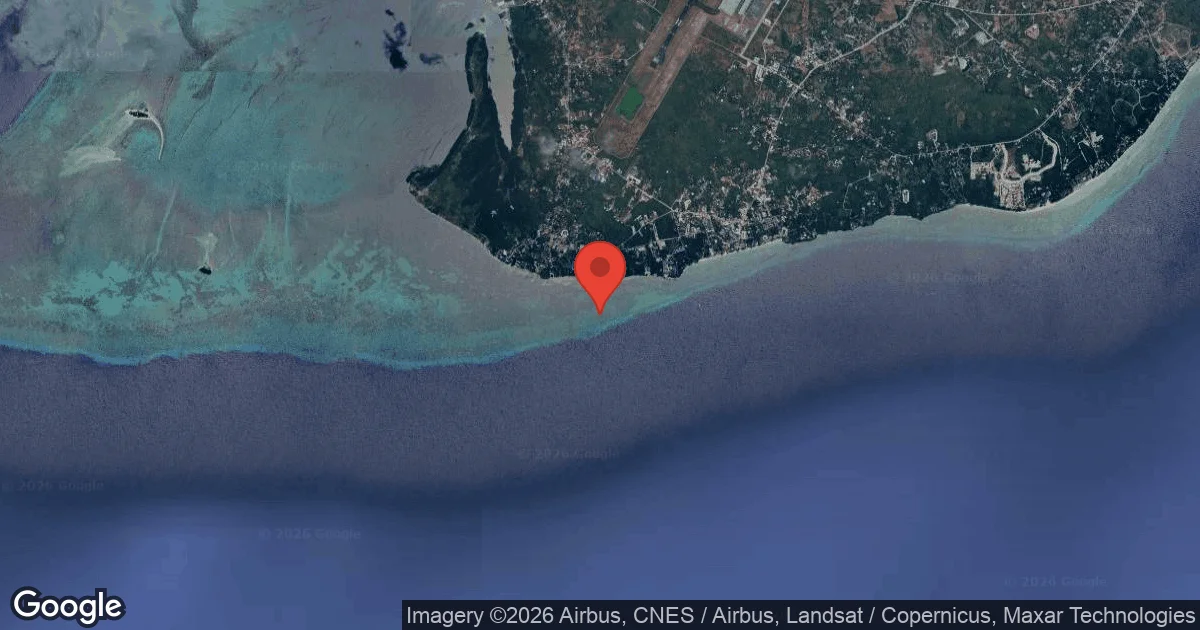
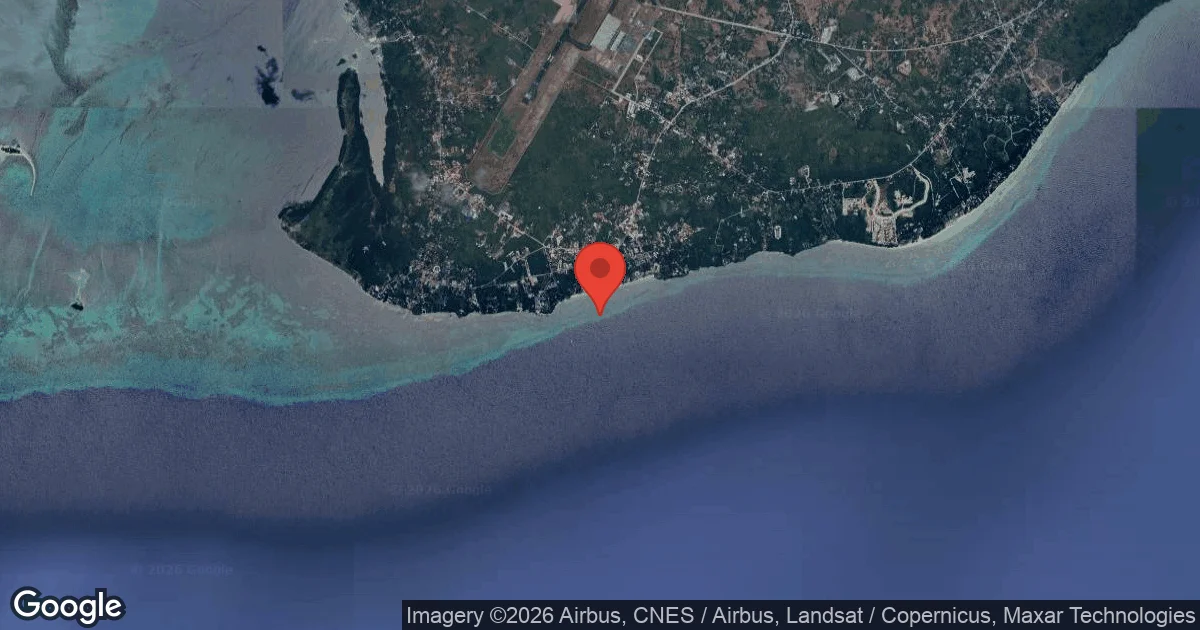
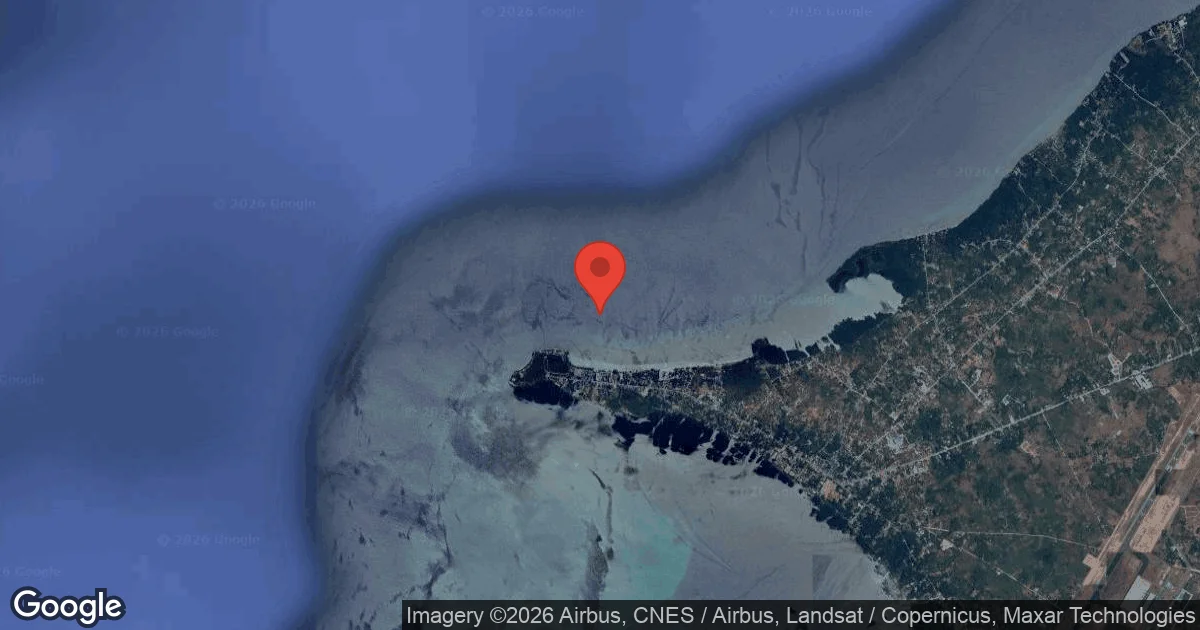
Dive Sites Near Gak-Ang
View all dive sites in PhilippinesDiscover more underwater gems in this area.
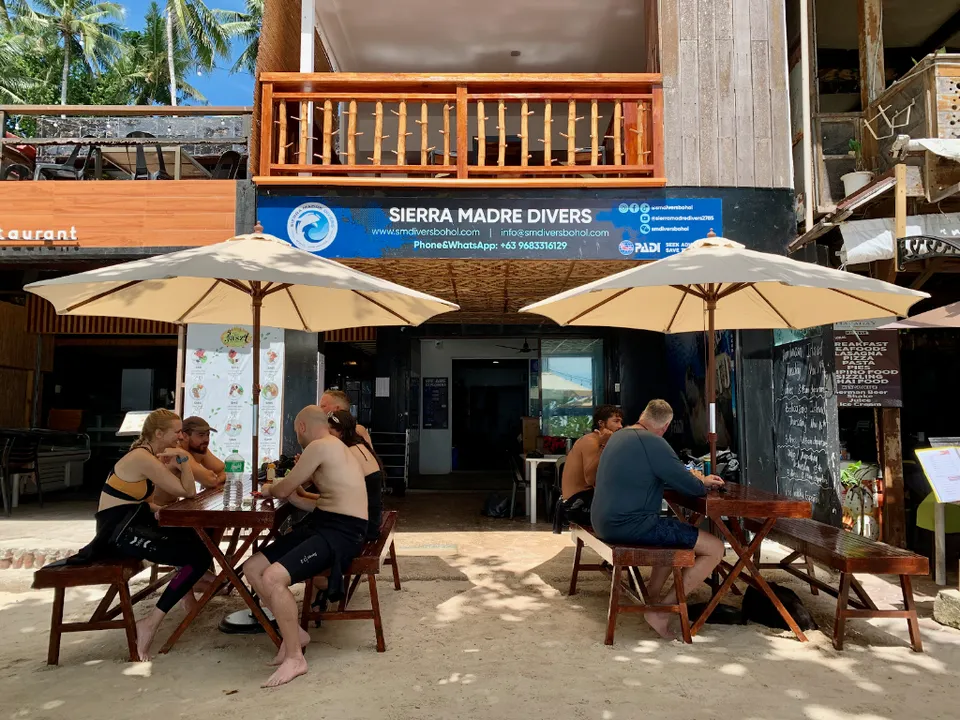
Dive Centers Near Gak-Ang
Today: 08:00 - 17:30
Nearest Airports
Nearest airports to help plan travel to this dive area.
Search Flights
Check available flights and routes on Expedia, using the nearby airports listed in this section.
Search Flights on ExpediaFrequently Asked Questions
What dive types are available at Gak-Ang?
Gak-Ang primarily offers reef and wall diving. The site features extensive coral gardens and a dramatic wall that drops to deeper sections.
What depths can be expected during a dive at Gak-Ang?
The wall sections at Gak-Ang typically range from 25-40 m / 82-130 ft. Many recreational dives will explore the upper parts of the wall and reef.
Are currents common at this dive site?
Yes, currents are a notable feature at Gak-Ang. It's often conducted as a drift dive, with currents varying from slight to strong depending on the tide.
What marine life might I encounter at Gak-Ang?
Common sightings include sharks, whales, dolphins, and turtles. The site also boasts healthy corals, diverse fish, and various invertebrates like anemones and mollusks.
Is Gak-Ang a crowded dive destination?
No, Gak-Ang is not yet a major tourist destination. It tends to have fewer boats and people compared to more well-known nearby sites, offering a quieter dive experience.
What does the name Gak-Ang mean?
In Cebuano, a local Visayan language, Gak-Ang means "to squat" or "to crouch." The name's origin might relate to the islet's physical characteristics or its shaded beach areas.
Is Gak-Ang suitable for snorkeling?
Yes, the waters within the buoy-marked perimeter of Gak-Ang islet are generally calm and protected, making it suitable for effortless snorkeling among healthy corals and fish.
Planning to dive Gak-Ang?
Send one inquiry and receive offers directly from the best verified local dive operators.
Conditions are Excellent
07:00 - 14:00
Optimal conditions expected
Current conditions near Gak-Ang show 29° air, 30° sea temperature, 0.2 m waves, and 18 km/h wind. Forecast data is refreshed regularly to ensure accuracy.