
Diving at Cova Do Sono (Portugal)
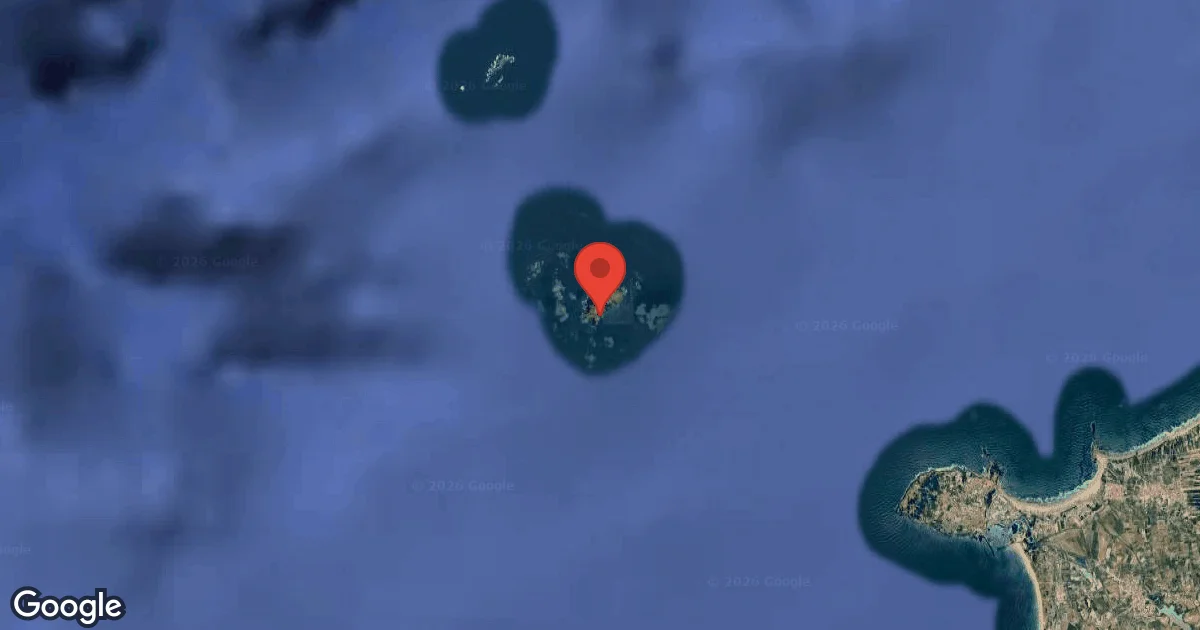
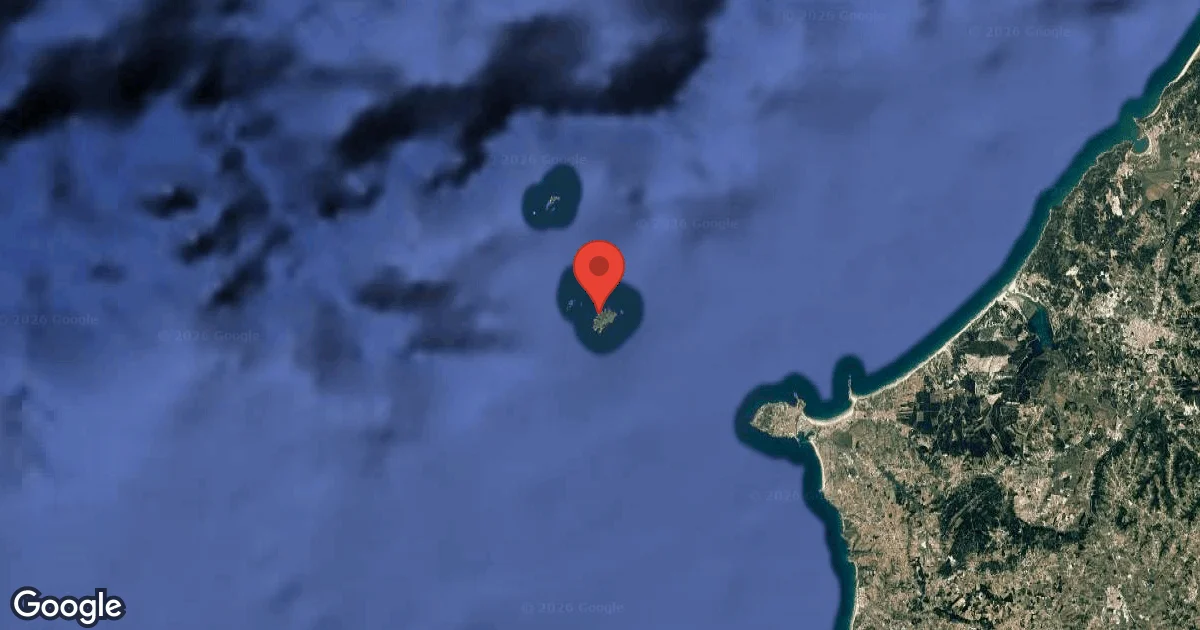
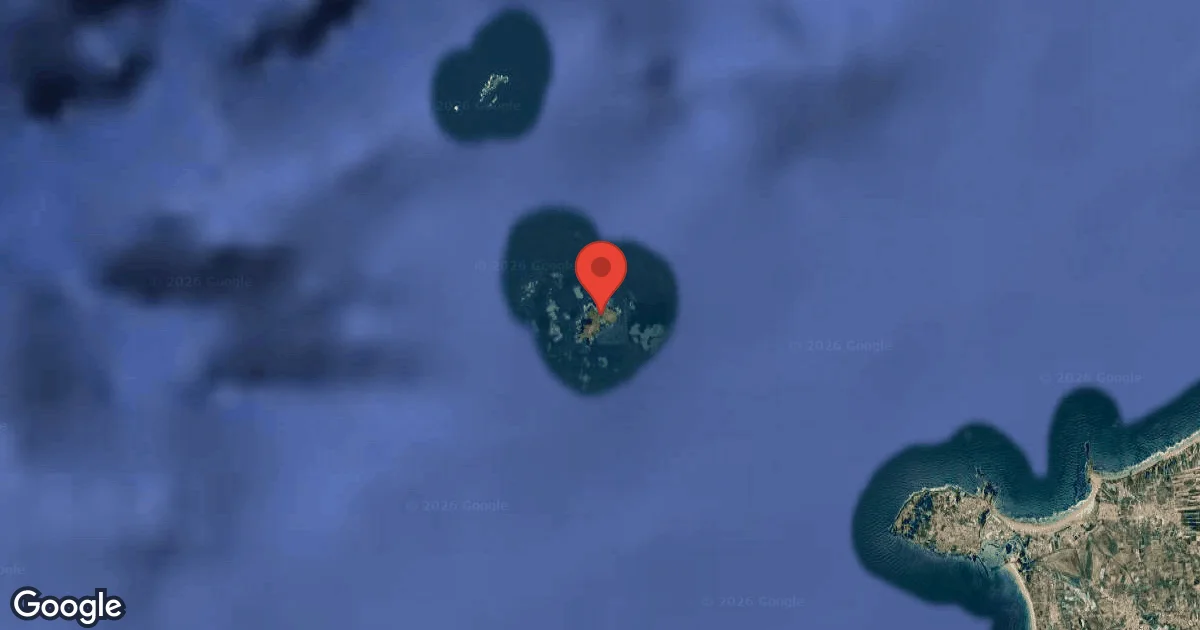
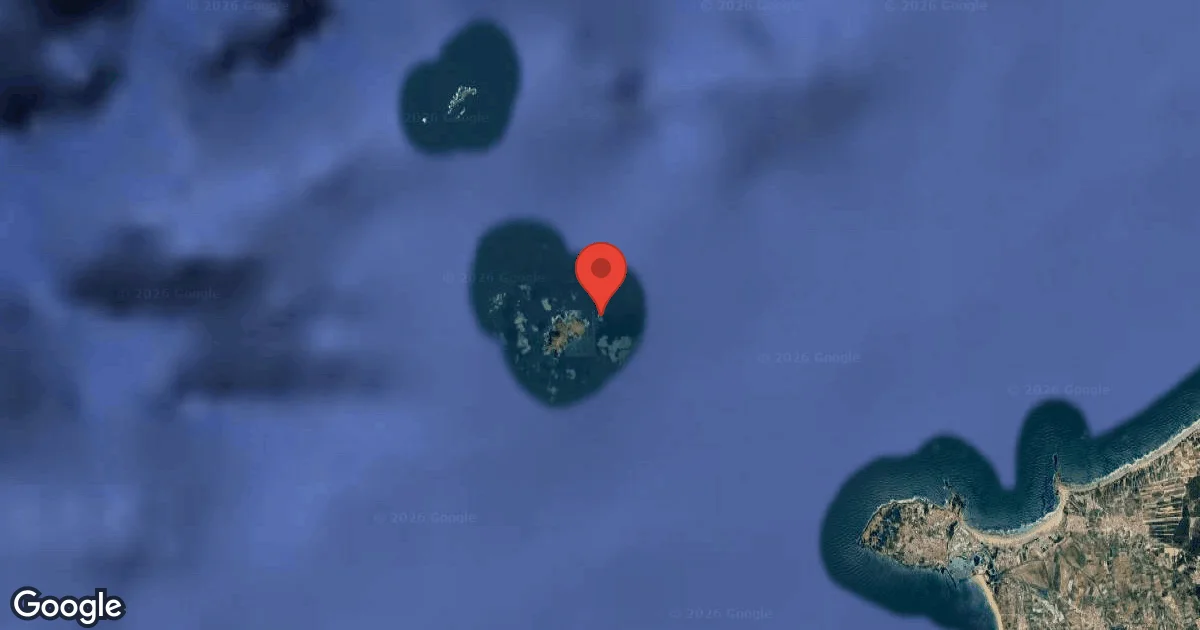
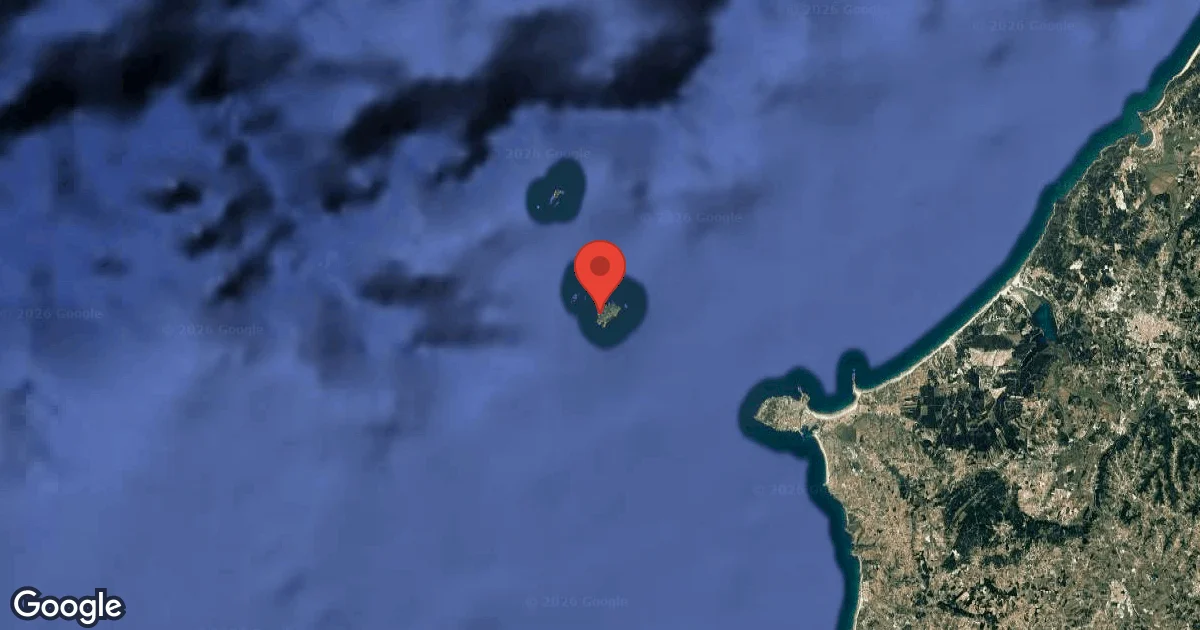
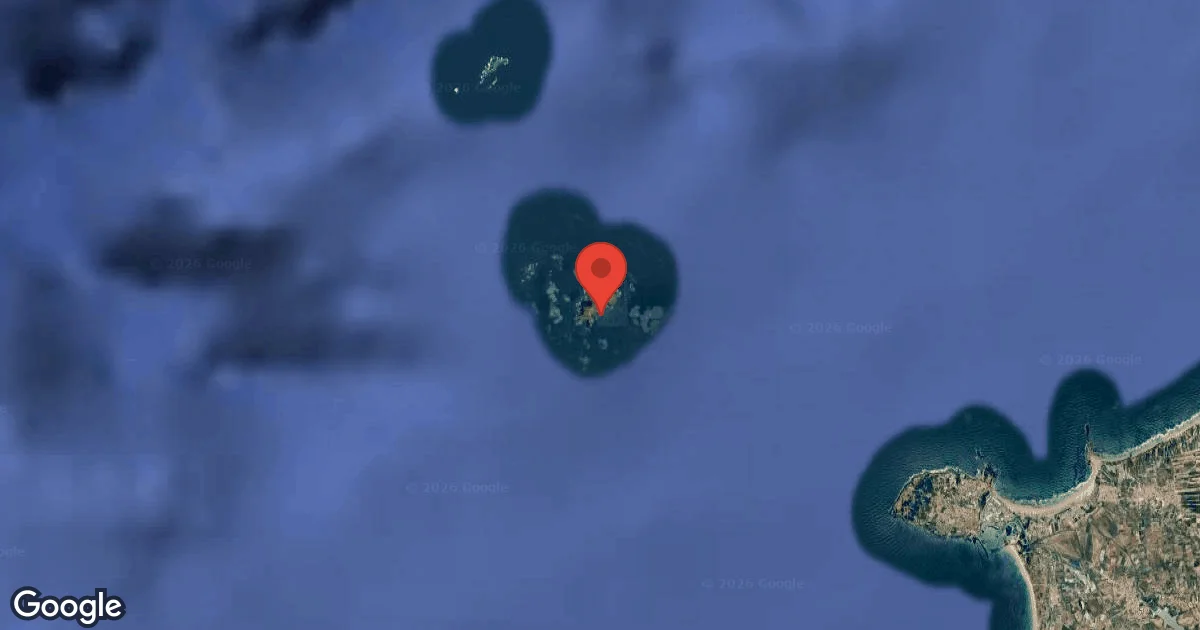
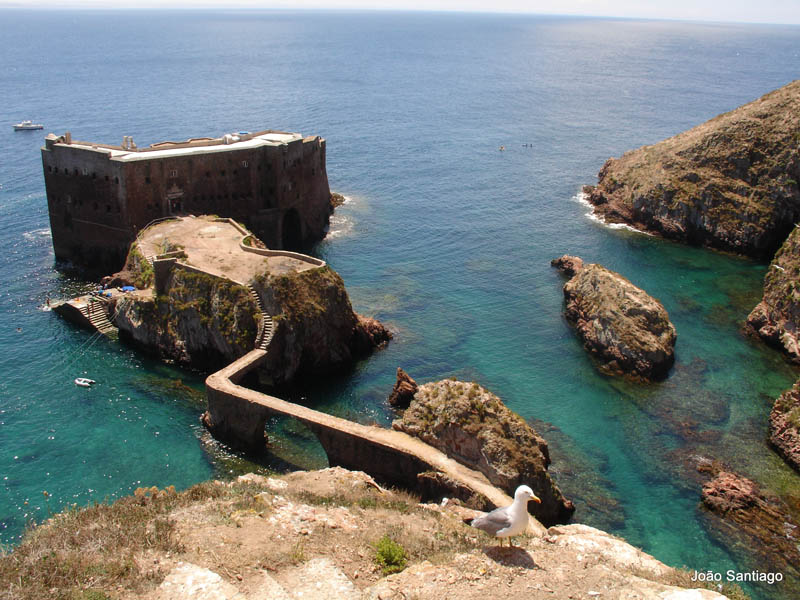
Cova do Sono, located within the southern bay of Portugal's Berlenga Grande Island, provides a notably calm and sheltered diving environment. Its unique appeal lies in the accessibility of its underwater cave systems, often referred to as the Hollow of Dreams. This site allows divers of various experience levels to refine cavern navigation skills while enjoying diverse marine habitats. It presents an opportunity to explore a tranquil part of the Berlengas archipelago.
As evening covers Cova Do Sono, the local air temperature is measured at 17.5°C. The current wave height at the surface is recorded at 2.7 m. These late-day readings characterize the surface conditions for the night.
Dive Site Location & Key Facts
Dive Site Overview
While Cova do Sono might appear simple due to its shallower nature, its history among local divers points to a consistently rewarding experience. For generations, this sheltered bay has been a favored spot, known for its clear waters and protection from stronger currents, making it an excellent entry point into the Berlengas’ underwater world.
Divers exploring here will encounter a maximum depth of 12 m (39 ft), with opportunities for extended dives into shallows as limited as two meters. Exploring the topography, expect captivating cave galleries, dramatic rock formations, and walls filled with intriguing cracks and holes.
These features occasionally form narrow passages reminiscent of small canyons. It's an ideal location for macro photography, revealing a vibrant ecosystem even in its shallower sections and across expansive sandy bottom areas.
Navigating these submerged features provides a sense of discovery, connecting divers to the island's geological past and the continuous ebb and flow of its marine inhabitants. The 'Sleeping Pit,' as it's translated, has long been a tranquil haven for marine life and divers alike.
Conditions are Moderate
High Swell Advisory. Not recommended.
Current conditions near Cova Do Sono show 18° air, 16° sea temperature, 2.7 m waves, and 27 km/h wind. Forecast data is refreshed regularly to ensure accuracy.
Best Time to Dive
Planning your dive at Cova do Sono ideally aligns with the calmer conditions experienced from May through October. During these months, divers generally encounter more favorable sea states, with wave heights tending to be lower than the rest of the year. Air temperatures peak in the summer, making surface intervals more comfortable. Specifically, August through October often provide the best combination of warmer waters and reduced swells, which contributes to overall higher dive scores. The water temperature during summer typically ranges from 18-22°C (64-72°F), cooling to 14-17°C (57-63°F) in winter. While average rainfall is minimal in the peak summer months, slight increases are observed towards autumn. These seasonal patterns suggest that late spring to early autumn offers the most enjoyable diving experience in this region.
PEAK SEASON SCORE
Scores combine air & water temps, waves, wind & rainfall for overall conditions.
BEST MONTHS TO DIVE
Monthly records compiled from satellite and marine observation nodes over the last 3 years. Data provided by Open-Meteo and MET Norway.
Dive Experience & Conditions
Divers exploring Cova do Sono will find conditions generally accommodating, particularly within its sheltered bay. Underwater current here remains consistently low, typically less than 1 knot, making it a comfortable dive for most certification levels. Visibility is a consistent asset, often staying within a good range of 10 to 15 meters year-round. While currents are mild, moderate surge can occasionally be present, especially closer to the surface or during specific weather patterns. This means divers should be prepared for some water movement, though it rarely impacts the overall ease of navigation. Its recreational depth range, combined with predictable conditions, allows for focused exploration of the diverse rock formations and sandy bottom areas.
Dive Difficulty & Safety Guidelines
An expert approach to diving Cova do Sono involves being mindful of entry and exit points, especially as boat entry is the common method. Although the site is generally calm, a moderate surge can occur, necessitating careful attention during ascents and descents near the boat. Always conduct a thorough buddy check and review emergency procedures before entering the water.
Due to the presence of cavern systems, divers should possess appropriate training or be accompanied by a certified guide if planning to penetrate overhead environments. Adhering to recreational depth limits and monitoring air consumption is always prudent, even in shallower waters.
Dive permits may be required for certain areas within the Berlengas archipelago, so confirm all necessary authorizations beforehand.
Recommended Equipment
Overhead environment. Do not enter beyond training and gas planning limits.
- Dive Computer
- DSMB
- Primary & Backup Lights
- Reel / Spool
- Cutting Tool
This gear list is based on verified equipment signals for Cova Do Sono, Portugal. Always confirm final gear choices with your dive operator, guide, or liveaboard.
Recommended Dive Suit
Repeated dives during the same day can gradually reduce overall body warmth.
Divers exploring Cova Do Sono today will likely encounter water temperatures close to 16°C (61°F). Surface air temperatures are resting at 18°C (64°F). Divers spending extended time underwater often rely on 5-7mm wetsuit for balanced warmth and flexibility. Consider warmer surface protection (like a boat coat) due to brisk winds.
A warming trend is expected over the next few days. A warming trend is expected over the next few days.
Due to technical issues with our weather providers, live updates are temporarily delayed. The data above reflects the conditions at the time of the last successful fetch.
Emergency & Medical Support
Essential information to help you plan your dive trip to Cova do Sono.

Hyperbaric chambers are a critical part of dive safety infrastructure. Availability varies significantly by region, and not all dive areas have immediate access.
Before diving, it's recommended to:
- confirm nearest medical facilities
- check emergency procedures with local dive operators
- ensure dive insurance covers evacuation if required
Divers Alert Network
Diving emergency assistance available through DAN Europe.
+39 0642115685- 24/7 emergency hotline
- Diving medical assistance
- Evacuation coordination
Emergency contacts are provided for reference. Always verify local emergency services before diving.
Closest Listed Hyperbaric Chambers
Showing listed hyperbaric chamber facilities within 200 km of this dive site.
Distances are approximate straight-line distances and may not reflect emergency travel time.
Centro de Medicina Subaquatica e Hiperbarica
24/7 ListedICU CapableLisboa, Portugal•Approx. 77 km straight-line
Centro de Medicina Subaquatica e Hiperbarica
24/7 ListedICU CapableInformation is provided for reference and planning purposes only. Dive Navigator does not verify operational status, staffing, availability, or quality of care at listed facilities. In an emergency, contact local emergency services, DAN, your dive operator, or the chamber directly. Do not travel to a facility without calling ahead.
Marine Life at Cova Do Sono
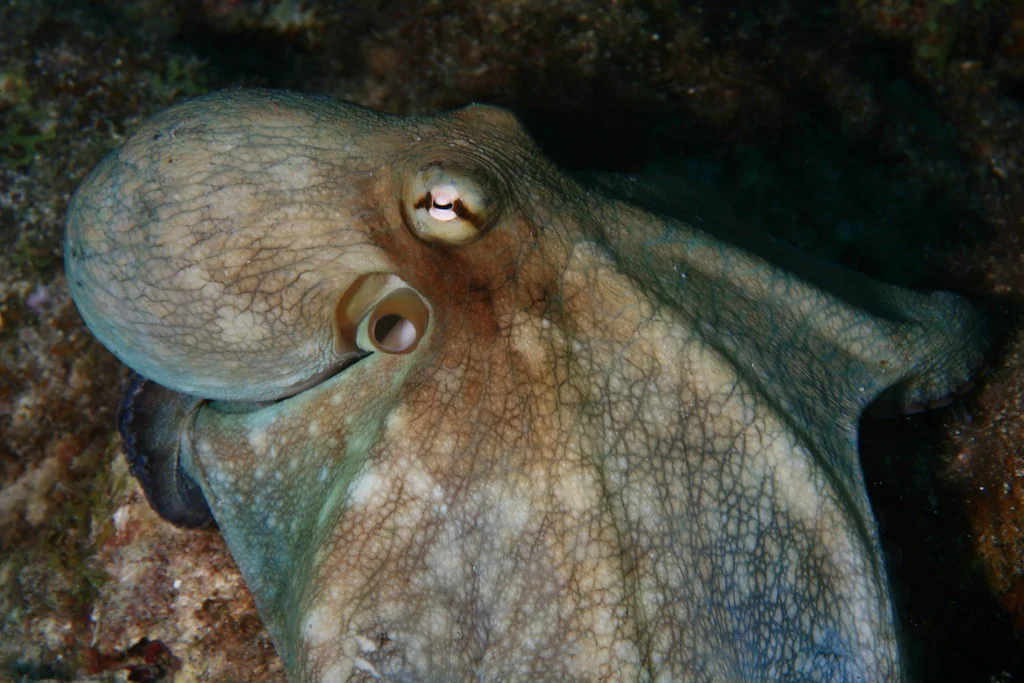
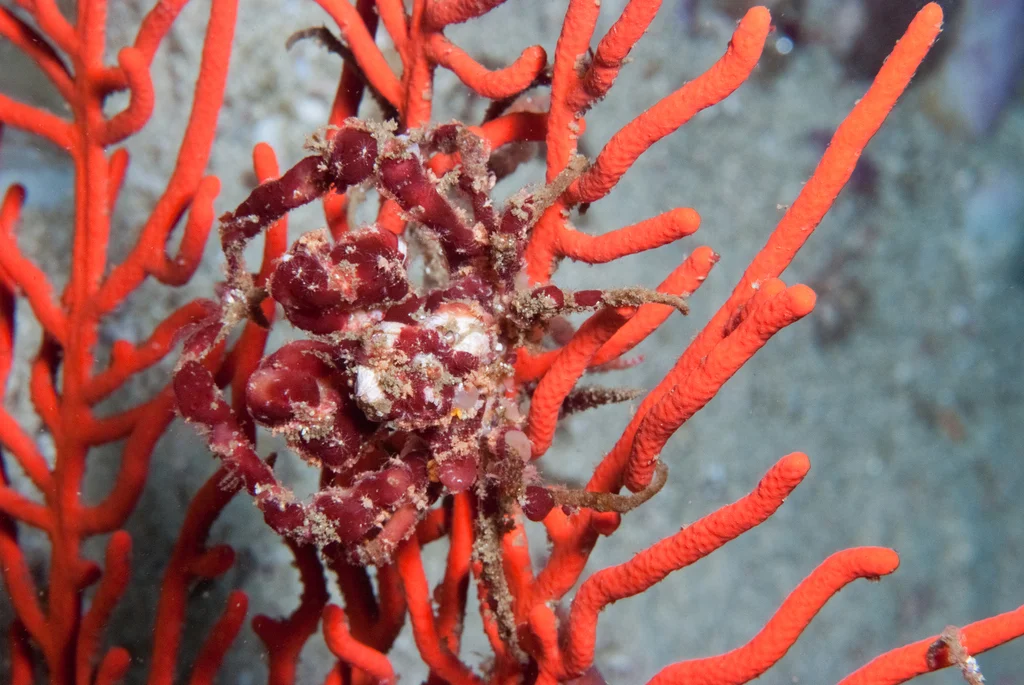
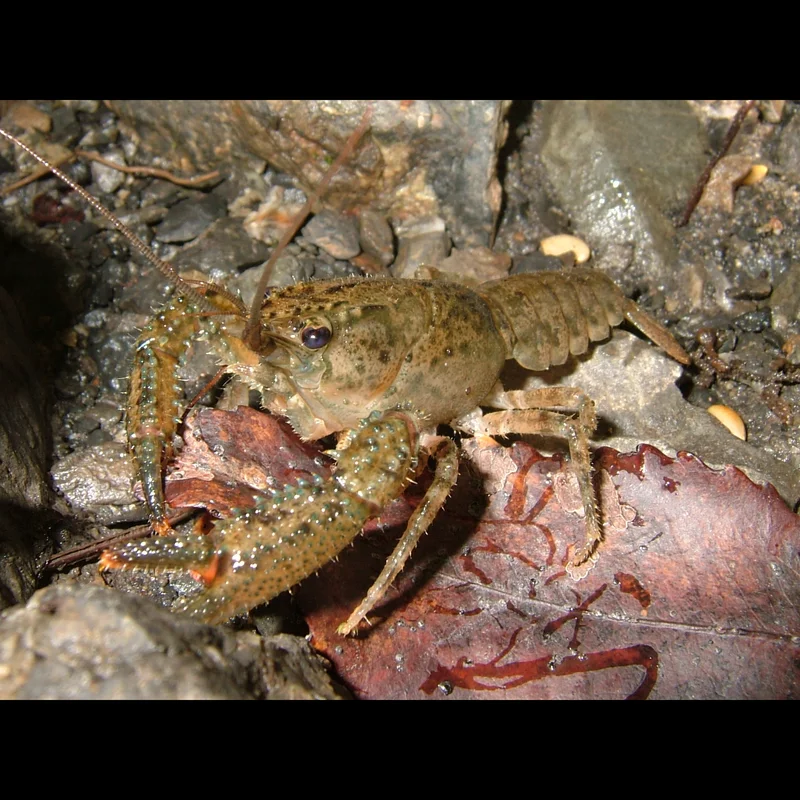
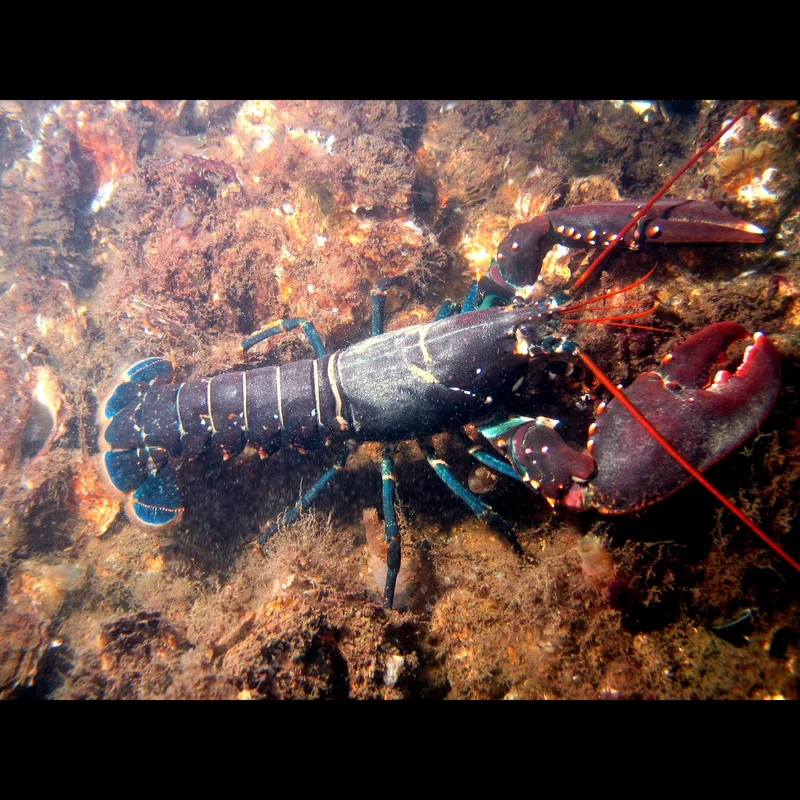
Approaching Cova do Sono, the first marine life divers often notice are schools of fish, including mackerel and jacks, moving through the clear waters. Closer inspection along the rocky walls and within cave galleries reveals a variety of invertebrates; common octopus can be spotted camouflaged, alongside spider crabs and elusive lobsters and crayfish tucked into crevices.
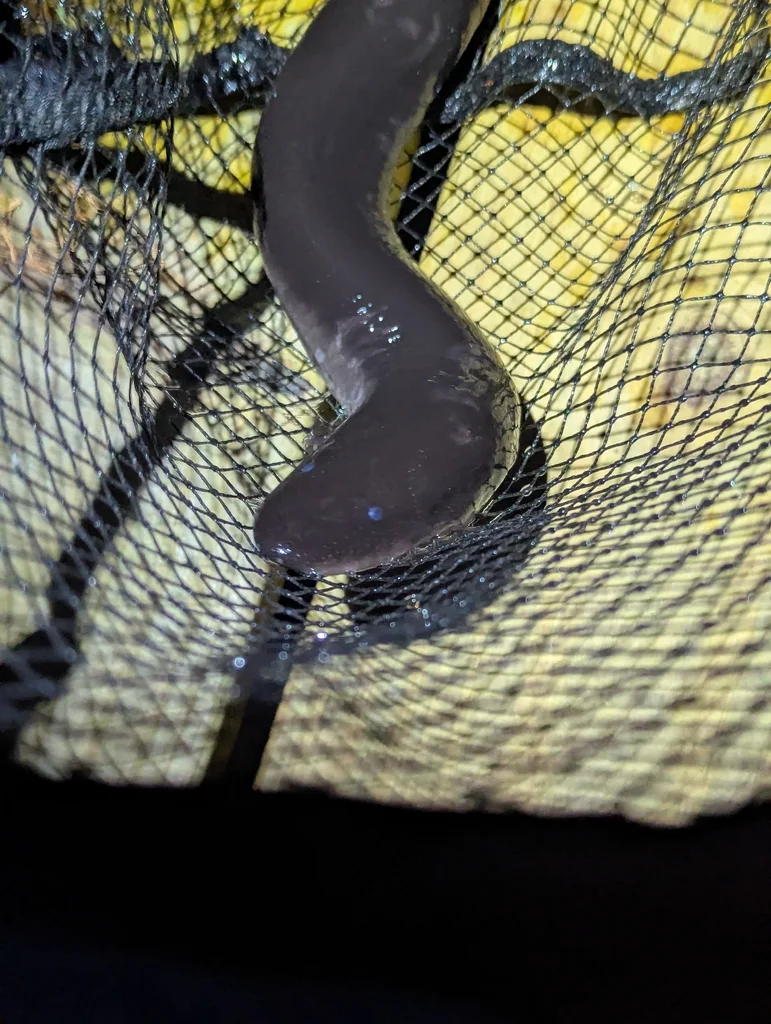
Keep an eye out for conger eels peering from their rocky hideaways. The feeding areas are particularly active, drawing in sea breams and cow breams, which provide excellent macro photography opportunities. Nudibranchs also add splashes of color to the rock formations and flora.
Dive Sites Near Cova Do Sono
View all dive sites in PortugalDiscover more underwater gems in this area.
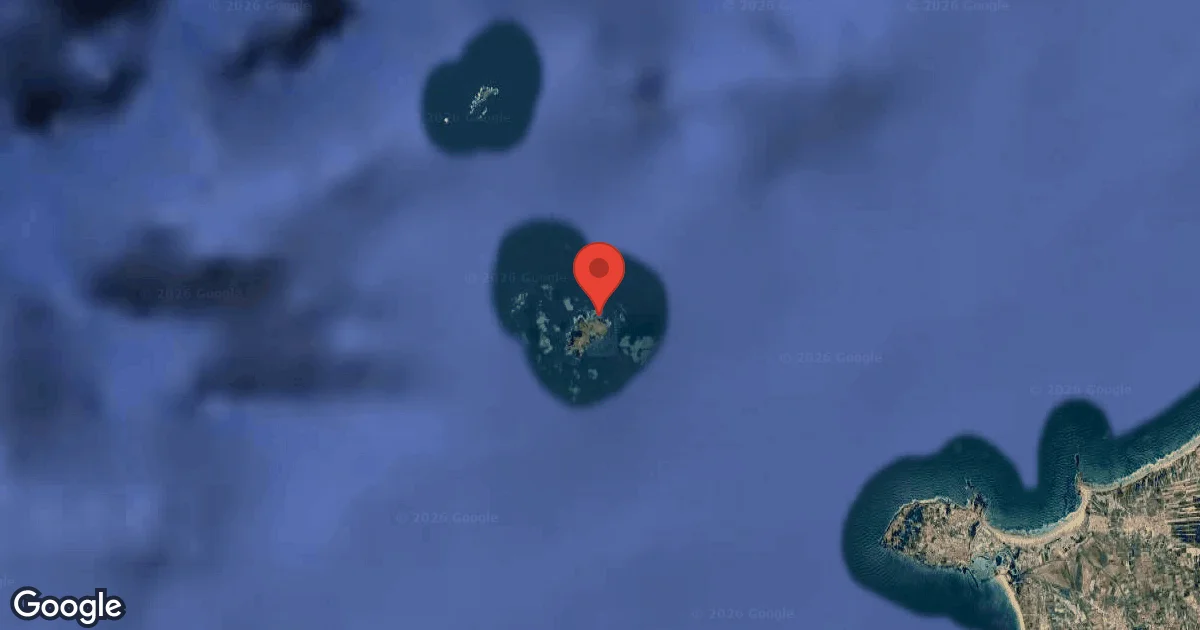
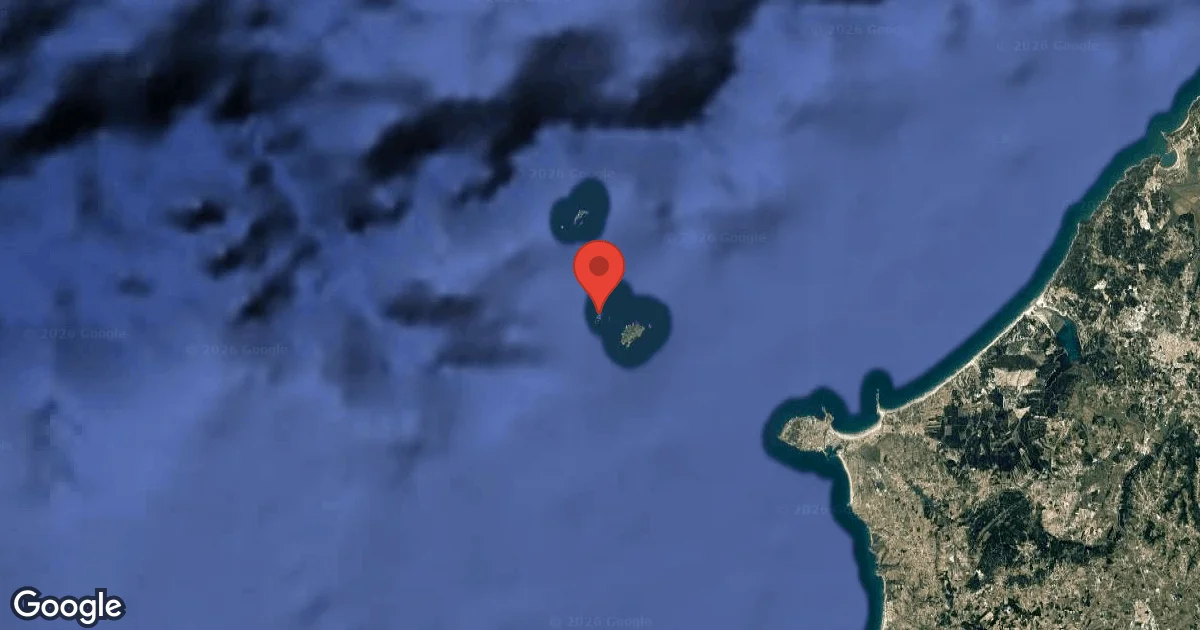
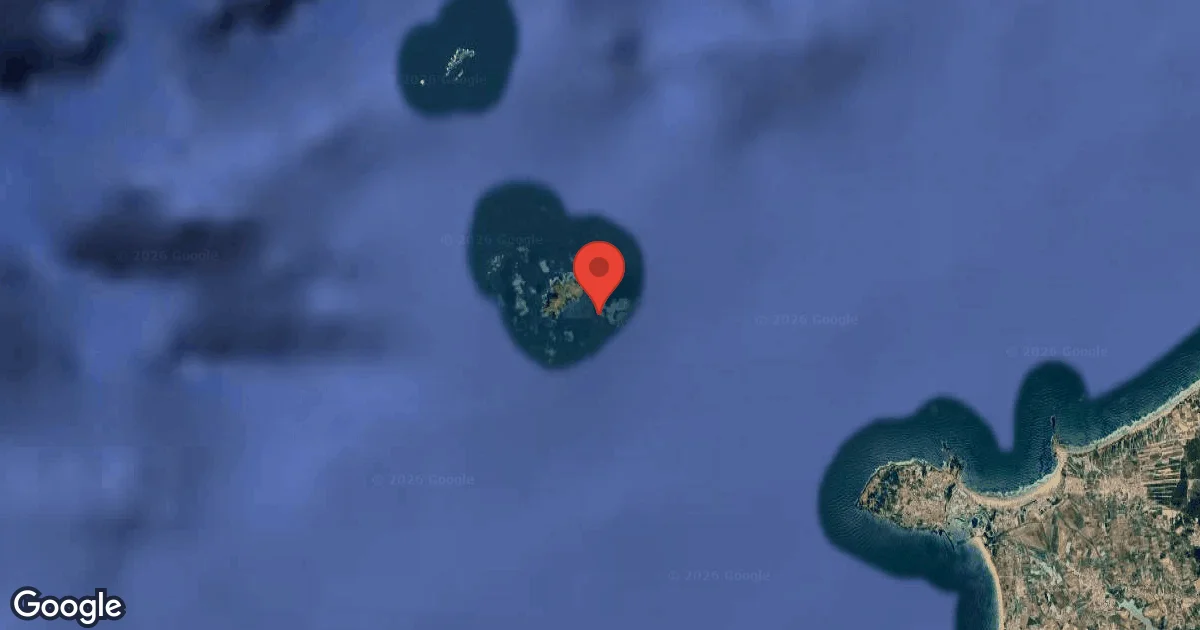
Dive Centers Near Cova Do Sono
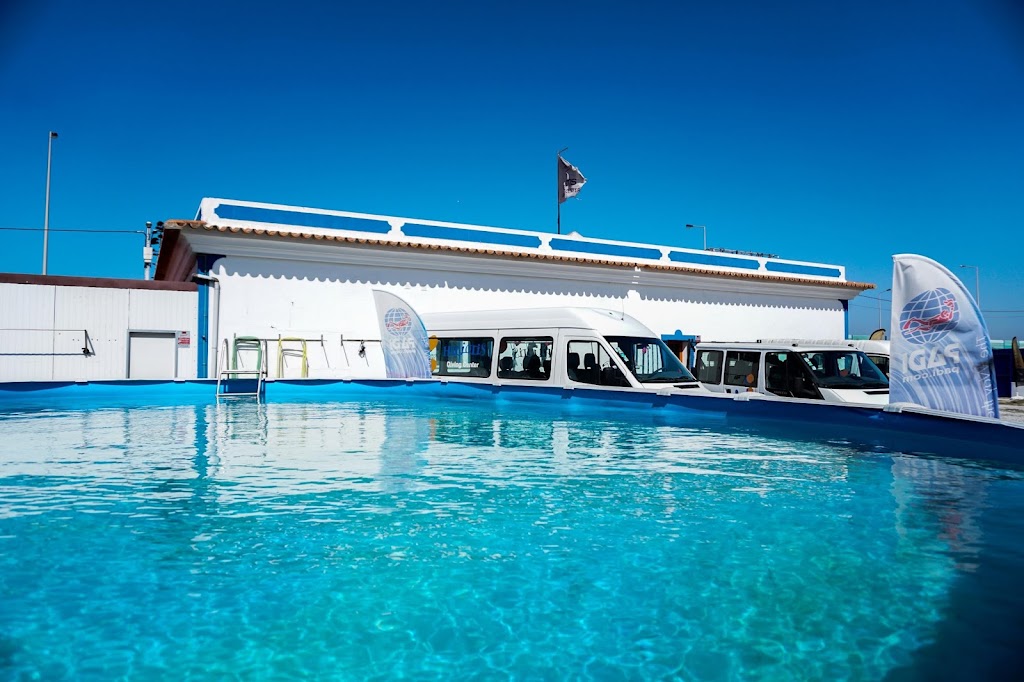
Today: 09:00 - 13:00 • 14:00 - 18:00
Nearest Airports
Nearest airports to help plan travel to this dive area.
Search Flights
Check available flights and routes on Expedia, using the nearby airports listed in this section.
Search Flights on ExpediaFrequently Asked Questions
Is Cova do Sono suitable for beginner divers?
Yes, Cova do Sono is considered an accessible dive site within the Berlengas archipelago. Its sheltered bay, low currents, and shallow maximum depth of 12 m (39 ft) make it ideal for divers of all experience levels, including those refreshing skills.
What is the typical water temperature?
Water temperatures vary seasonally, ranging from 14-17°C (57-63°F) in winter to a warmer 18-22°C (64-72°F) during summer. Dressing appropriately with a suitable wetsuit is recommended.
Are there strong currents at Cova do Sono?
Currents at Cova do Sono are typically low, generally less than 1 knot. However, divers should be aware that a moderate surge can occasionally be present, especially near the surface.
What kind of underwater topography can I expect?
The site features diverse topography, including impressive cave galleries and rock formations. You'll also find walls full of cracks and holes, as well as sandy bottom areas.
What marine life might I encounter?
Expect to see schools of mackerel and jacks, alongside common octopus, spider crabs, and lobsters. Conger eels are also present, often hiding in crevices, and sea breams and cow breams are common in feeding areas.
Do I need any special certification for the caves?
While the site has accessible cave galleries, if you plan to enter overhead environments, it's advisable to have cavern or cave diving training. Otherwise, enjoy exploring the entrances and surrounding rock formations.
What is the average visibility like?
Visibility at Cova do Sono is generally good, consistently ranging between 10 and 15 meters throughout the year. This offers clear views of the underwater landscape.
Planning to dive Cova Do Sono?
Send one inquiry and receive offers directly from the best verified local dive operators.
Conditions are Moderate
High Swell Advisory. Not recommended.
Current conditions near Cova Do Sono show 18° air, 16° sea temperature, 2.7 m waves, and 27 km/h wind. Forecast data is refreshed regularly to ensure accuracy.