
Diving at Flandres (Portugal)
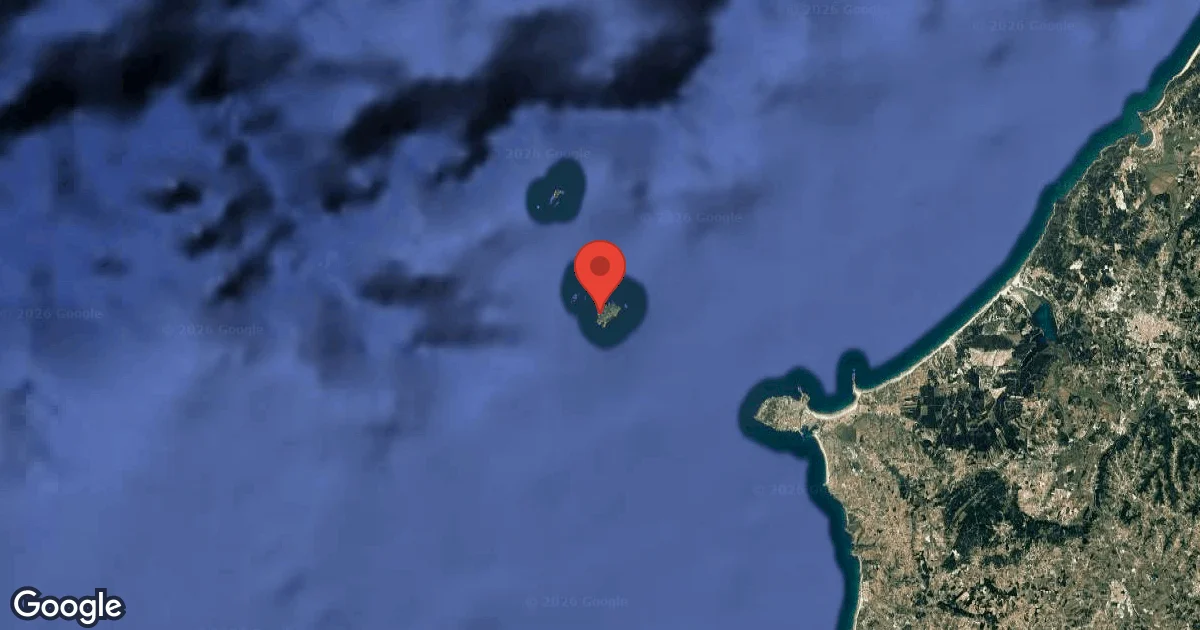
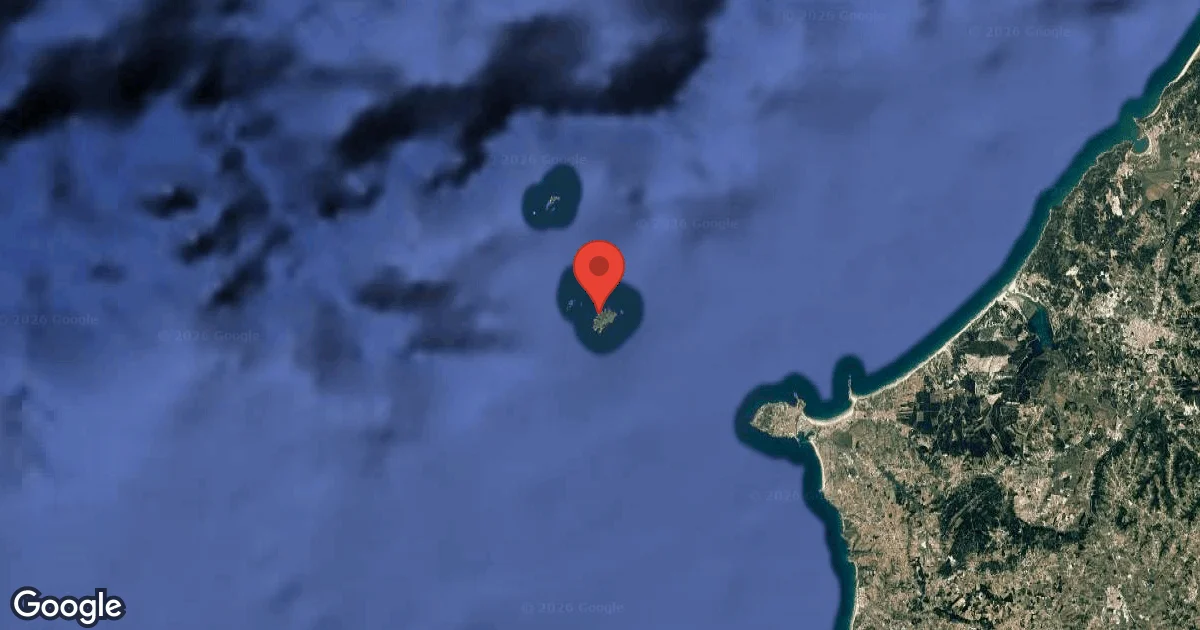
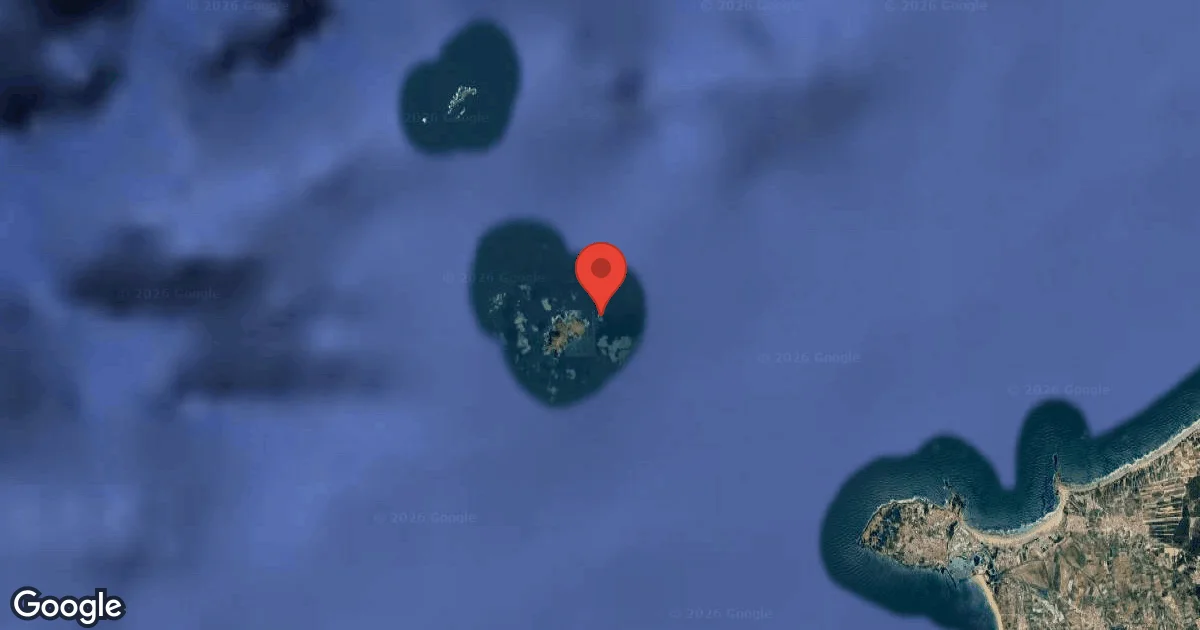
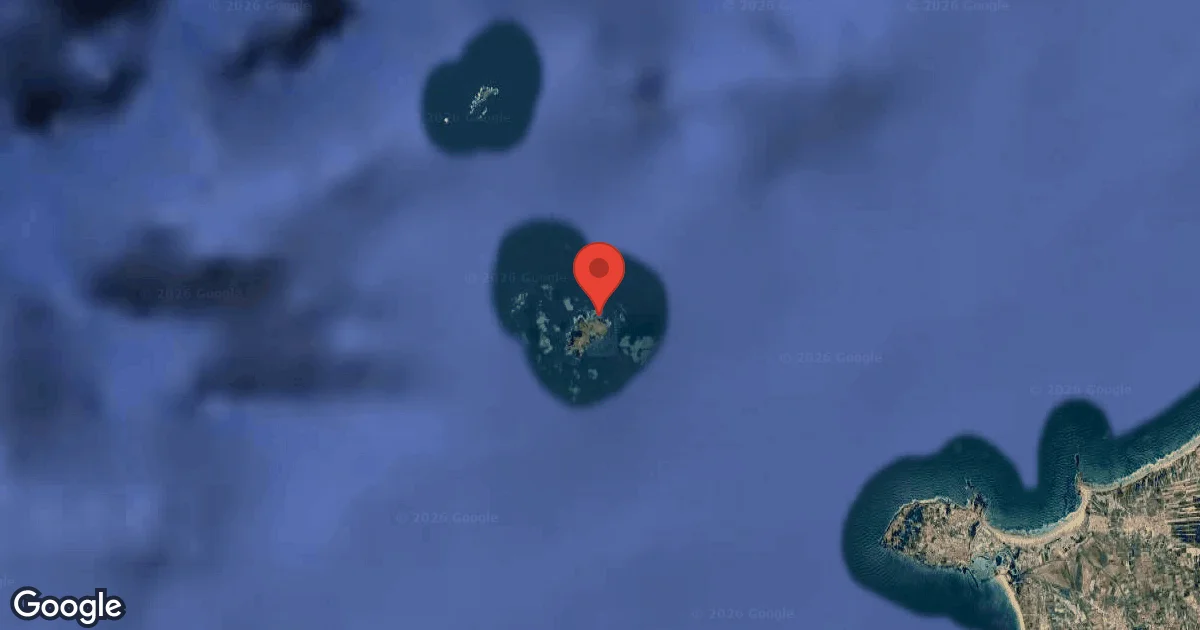
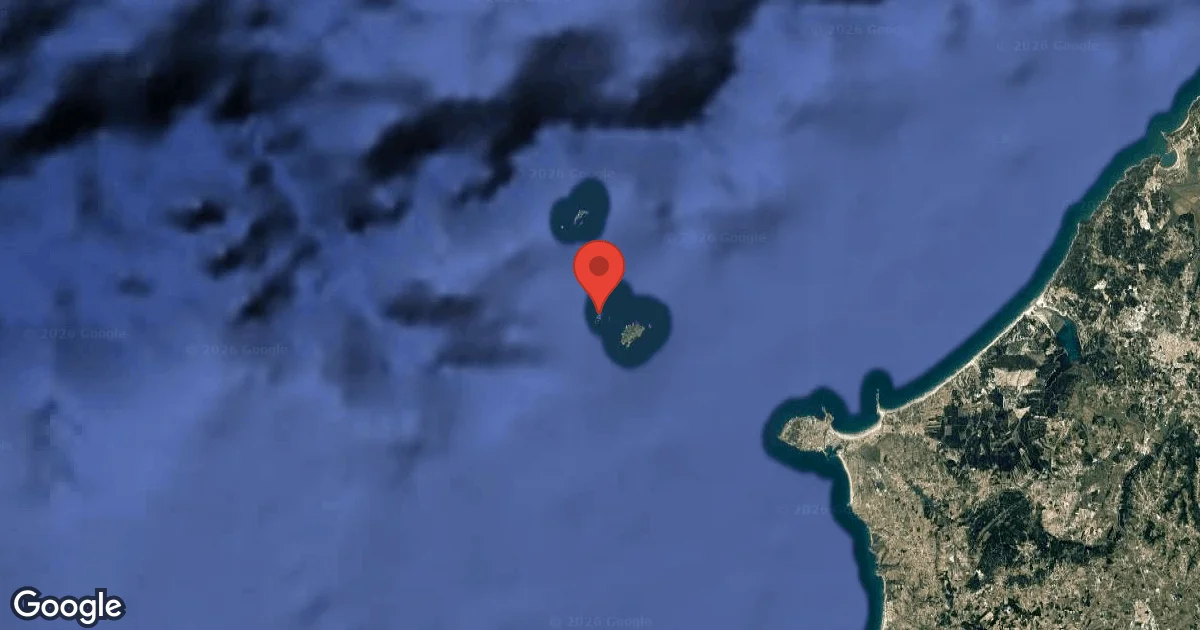
For divers seeking a relaxed experience within the Berlengas archipelago, Flandres offers a sheltered bay environment. This site combines easy access with diverse underwater features, presenting a viable alternative to more exposed walls. Prioritizing calm conditions and proper planning ensures a rewarding exploration of its unique circuit.
Evening condition tracking at Flandres features an air temperature of 21.5°C. We have recorded wave heights measuring 2.1 m during this period. These figures outline the environmental parameters currently present.
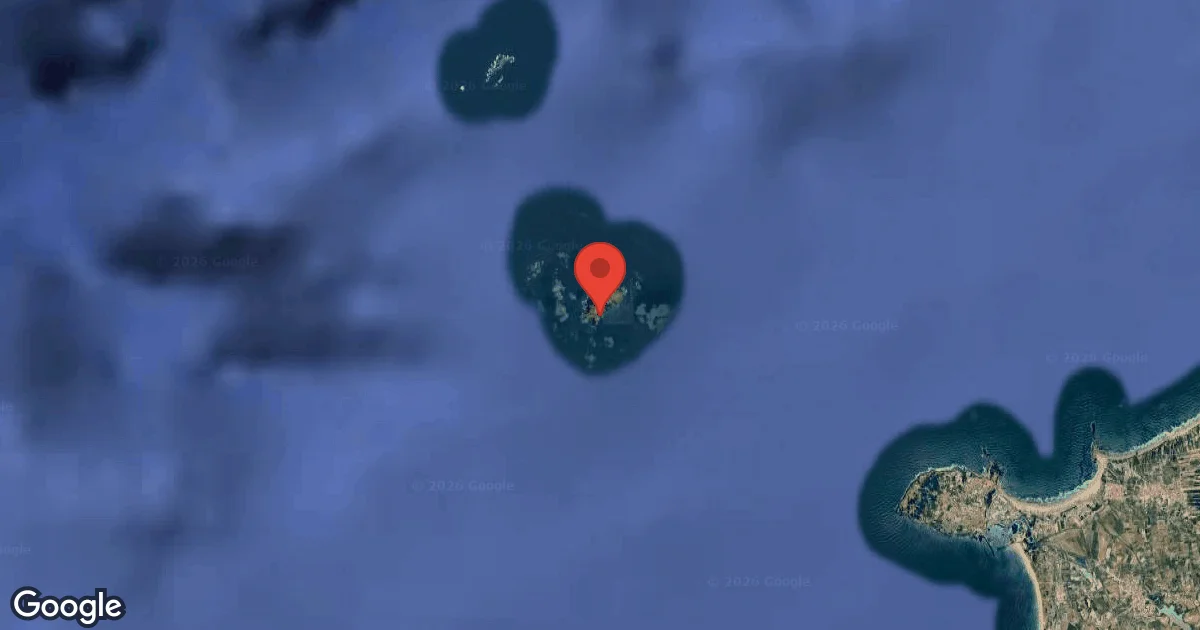
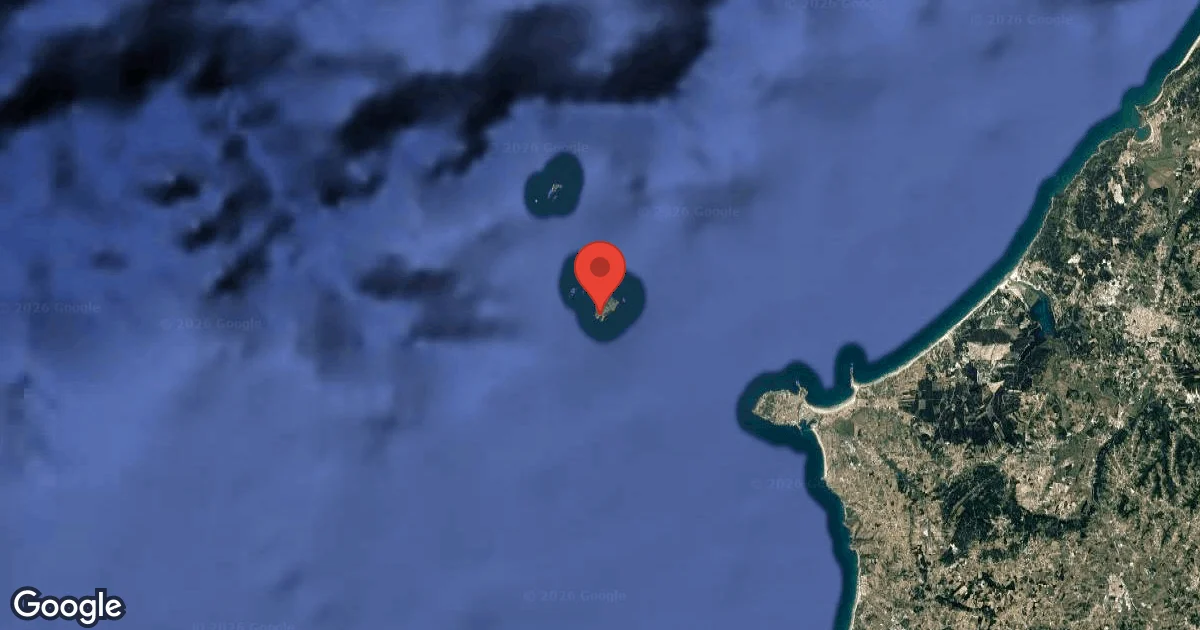
Dive Site Location & Key Facts
Dive Site Overview
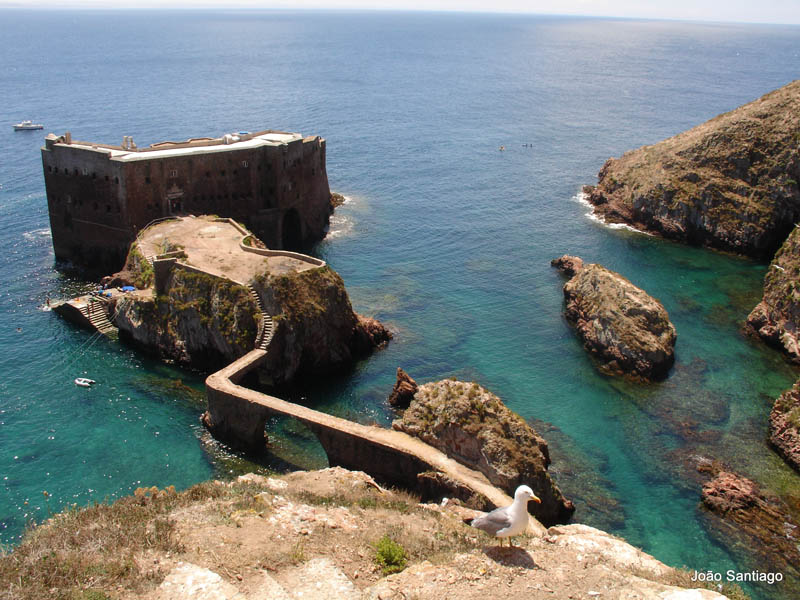
Navigating the calm waters of Berlengas Island, Flandres provides a relaxed dive experience, often defined by its varied underwater landscape. Starting over a shallow sandy bottom, divers might first spot streaked gurnards camouflaged against the sediment.
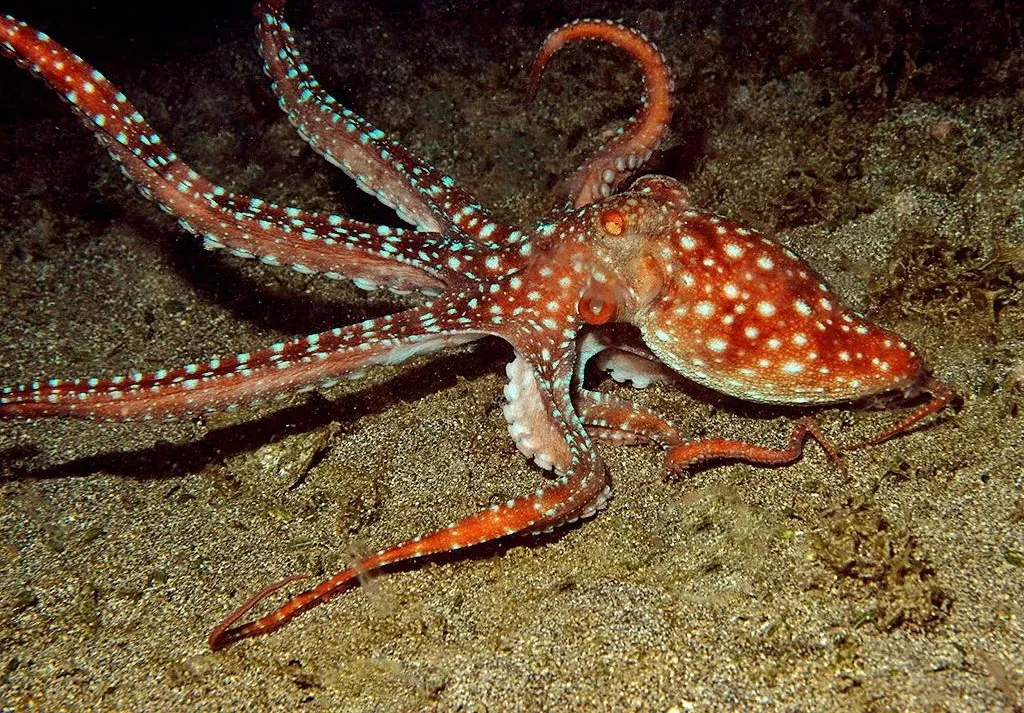
From this initial exploration, the route guides divers towards a small cavern. While modest in size, this overhead environment frequently shelters forkbeards, making it a point of interest. Continuing the circuit, explorers encounter the remains of a small wreck, which has become a stable habitat for octopuses, often seen tucked within its structure.
From here, the route circles Cavalete Rock, an important feature that shapes the circuit and allows for extended bottom time. Remaining within a maximum depth of 15 m (49 ft), the entire trajectory allows for ample exploration without significant depth challenges.
Throughout the dive, schools of seabreams and cowbreams frequently move through the water column, adding dynamic elements to the scenery. Flandres presents a fulfilling and accessible route within the archipelago, particularly for those seeking a less demanding yet engaging underwater journey through a truly sheltered bay.
Conditions are Moderate
High Swell Advisory. Not recommended.
Current conditions near Flandres show 22° air, 16° sea temperature, 2.4 m waves, and 24 km/h wind. Forecast data is refreshed regularly to ensure accuracy.
Best Time to Dive
Planning for optimal visibility at Flandres typically aligns with the calmer diving season, extending from late spring into early autumn. Conditions are usually more reliable from May through September, when average wave heights decrease significantly, often below 2 meters (6.5 ft). Air temperatures during these months are comfortable, ranging from 16°C (61°F) in May to 18.5°C (65°F) in August. Rainfall is minimal during this period, with August seeing an average of only 0.04 mm, contributing to better underwater clarity. These conditions lead to a 'Moderate' dive score, indicating more favorable sea states and generally clearer waters compared to the less predictable winter months.
PEAK SEASON SCORE
Scores combine air & water temps, waves, wind & rainfall for overall conditions.
BEST MONTHS TO DIVE
Monthly records compiled from satellite and marine observation nodes over the last 3 years. Data provided by Open-Meteo and MET Norway.
Dive Experience & Conditions
The prevailing current dynamics at Flandres usually involve tranquil bay settings, especially within the sheltered sections. This creates a calm water experience, making it an inviting spot for relaxed diving. Visibility typically extends up to 10 m (33 ft), providing clear views of the site's rock formations and resident marine life. Water temperatures vary, generally ranging from 16°C to 20°C (61-68°F), depending on the season and specific currents. Entry to the site requires moderate effort, often involving boat access due to its location within the Berlengas reserve.
Dive Difficulty & Safety Guidelines
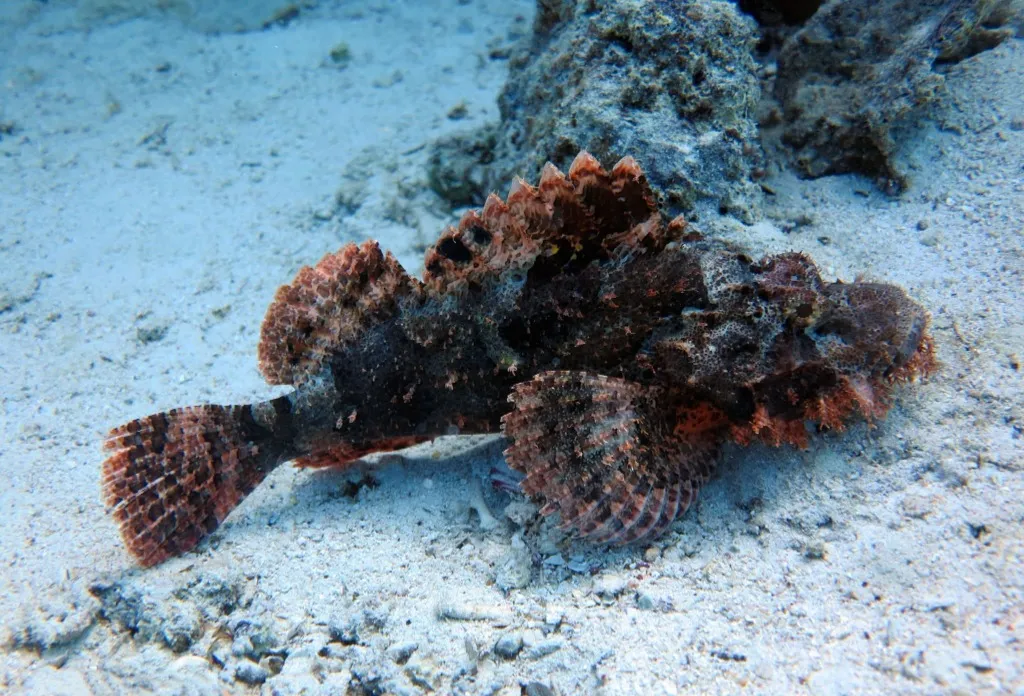
Approaching Flandres requires awareness of potential overhead environments, particularly if opting to enter the shallow cavern. Caution is needed around various wildlife; divers should avoid contact with red/brown scorpionfish due to their venomous nature and steer clear of sea urchins to prevent spine injuries. As part of the Berlengas reserve, access relies on island boat logistics and favorable weather windows from Peniche.
It's imperative that all divers adhere to current marine reserve regulations, operator guidance, and any navigation or landing controls specific to the archipelago.
Recommended Equipment
Overhead environment. Do not enter beyond training and gas planning limits.
- Dive Computer
- DSMB
- Primary & Backup Lights
- Reel / Spool
- Cutting Tool
This gear list is based on verified equipment signals for Flandres, Portugal. Always confirm final gear choices with your dive operator, guide, or liveaboard.
Recommended Dive Suit
With water temperatures around 16°C (60°F), many divers find a 5-7mm wetsuit provides comfortable protection.
Local conditions can vary slightly across different parts of the same dive site.
Surface conditions are expected to warm up slightly in the coming days. A warming trend is expected over the next few days.
Emergency & Medical Support
Essential information to help you plan your dive trip to Flandres.

Hyperbaric chambers are a critical part of dive safety infrastructure. Availability varies significantly by region, and not all dive areas have immediate access.
Before diving, it's recommended to:
- confirm nearest medical facilities
- check emergency procedures with local dive operators
- ensure dive insurance covers evacuation if required
Divers Alert Network
Diving emergency assistance available through DAN Europe.
+39 0642115685- 24/7 emergency hotline
- Diving medical assistance
- Evacuation coordination
Emergency contacts are provided for reference. Always verify local emergency services before diving.
Closest Listed Hyperbaric Chambers
Showing listed hyperbaric chamber facilities within 200 km of this dive site.
Distances are approximate straight-line distances and may not reflect emergency travel time.
Centro de Medicina Subaquatica e Hiperbarica
24/7 ListedICU CapableLisboa, Portugal•Approx. 77 km straight-line
Centro de Medicina Subaquatica e Hiperbarica
24/7 ListedICU CapableInformation is provided for reference and planning purposes only. Dive Navigator does not verify operational status, staffing, availability, or quality of care at listed facilities. In an emergency, contact local emergency services, DAN, your dive operator, or the chamber directly. Do not travel to a facility without calling ahead.
Marine Life at Flandres
Diving Flandres, one might first notice streaked gurnards resting on the sandy bottom near the start of the dive. Further along the circuit, the small cavern often reveals forkbeards tucked into crevices.
The wreck remnants serve as a natural habitat, with octopuses commonly observed seeking shelter. Along the reef, schools of seabreams and cowbreams are a frequent sight, moving gracefully through the water column.
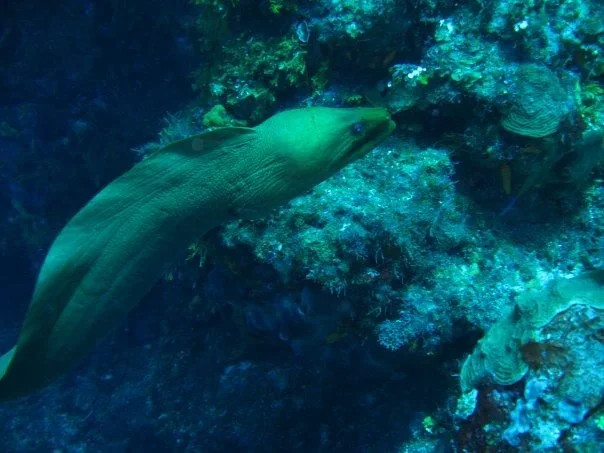
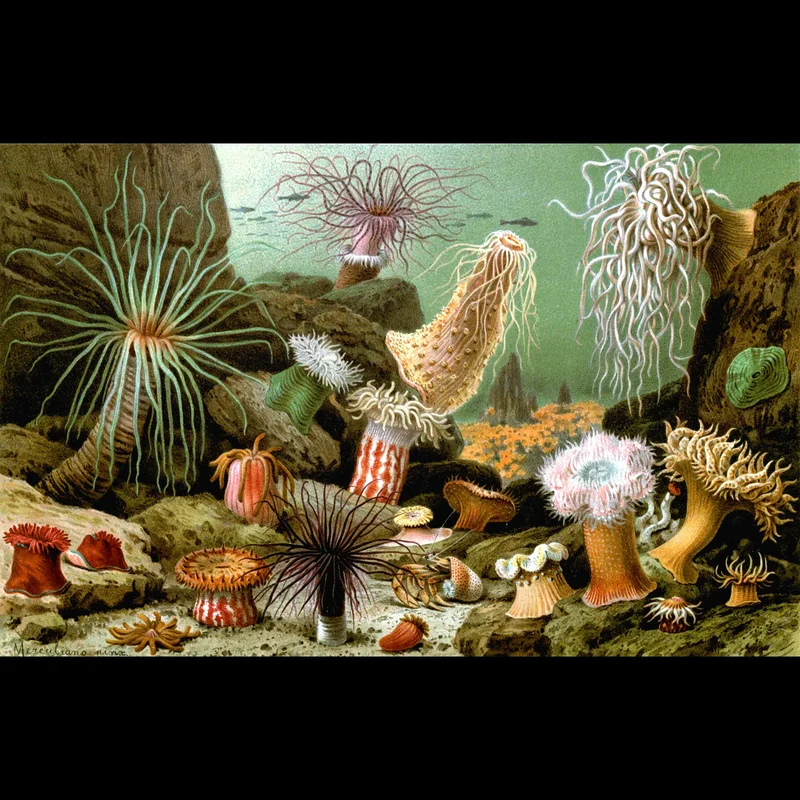
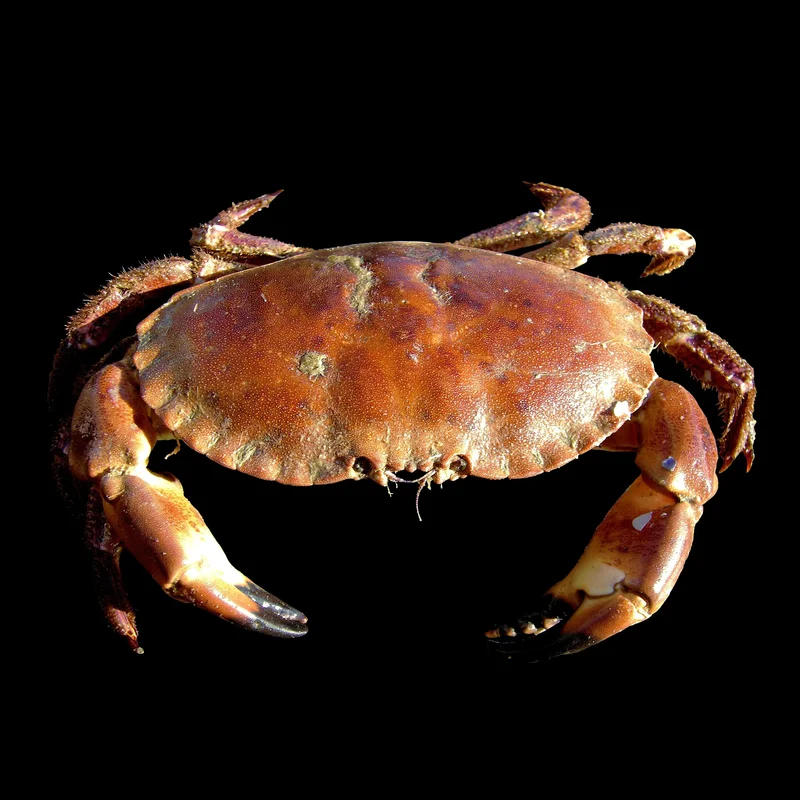
Divers may also spot moray eels, crabs, sea anemones, conger eels, scorpionfish, and various wrasse species, adding to the site's diverse ecosystem.
Dive Sites Near Flandres
View all dive sites in PortugalDiscover more underwater gems in this area.
Dive Centers Near Flandres
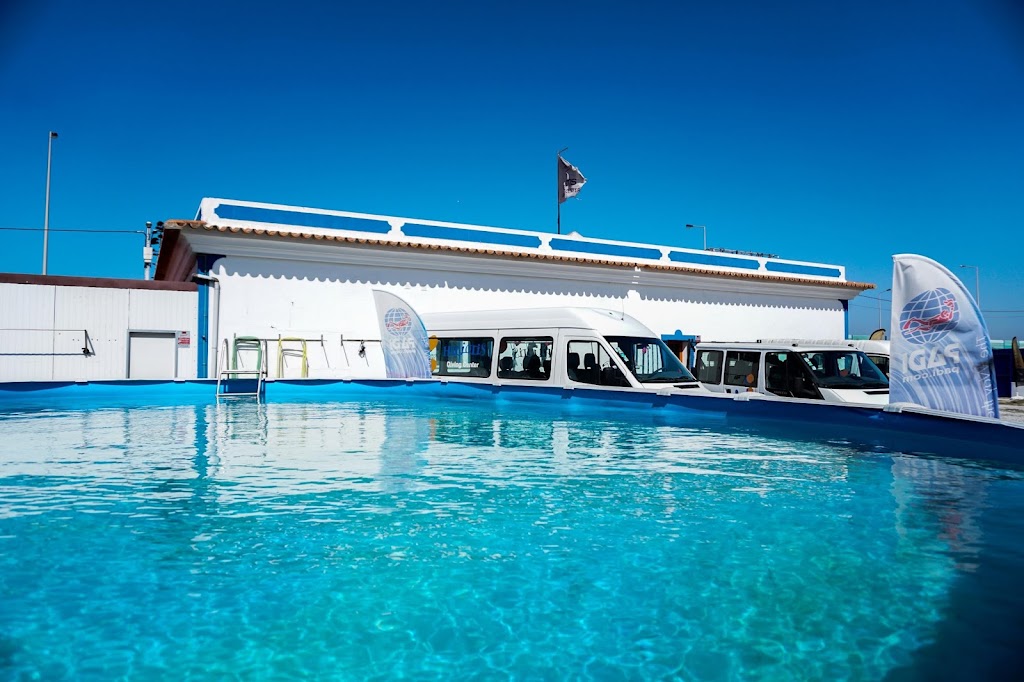
Today: 09:00 - 13:00 • 14:00 - 18:00
Nearest Airports
Nearest airports to help plan travel to this dive area.
Search Flights
Check available flights and routes on Expedia, using the nearby airports listed in this section.
Search Flights on ExpediaFrequently Asked Questions
How deep is Baia da Flandres?
Baia da Flandres offers a maximum reported depth of 15 m (49 ft), making it suitable for recreational divers. The site includes shallower sections around a sandy bottom and a small cavern.
Does Baia da Flandres include a cave?
Yes, Baia da Flandres features a small, shallow cavern that can be explored. Divers should exercise caution if entering this overhead environment.
Is Baia da Flandres suitable for intermediate divers?
Baia da Flandres is considered an easy and relaxed dive, making it suitable for a range of certified divers. Its sheltered bay conditions and low depth contribute to a manageable experience.
What can divers see at Baia da Flandres?
Divers can explore a sheltered bay, sandy bottom areas, a small cavern, and the remains of a small wreck. The site also features rock formations and diverse marine life.
What marine life might divers see at Baia da Flandres?
Common sightings include streaked gurnards, forkbeards, octopuses, seabreams, and cowbreams. Other marine life such as moray eels, crabs, sea anemones, conger eels, scorpionfish, and wrasse are also present.
When is the best time to dive Baia da Flandres?
The best time to dive Flandres is typically from late spring into early autumn, specifically May through September. During these months, conditions are calmer, and sea crossings to Berlengas Island are more reliable.
Why is caution needed around wildlife at Baia da Flandres?
Caution is needed to avoid contact with potentially dangerous wildlife such as venomous red/brown scorpionfish and sea urchins, which have spines. Maintaining a respectful distance from all marine life is always recommended.
Planning to dive Flandres?
Send one inquiry and receive offers directly from the best verified local dive operators.
Conditions are Moderate
High Swell Advisory. Not recommended.
Current conditions near Flandres show 22° air, 16° sea temperature, 2.4 m waves, and 24 km/h wind. Forecast data is refreshed regularly to ensure accuracy.