Diving in Portugal
Dive conditions in Portugal are influenced by local geography, resulting in noticeable differences between sites. We currently feature 30 mapped dive sites across Portugal. This allows divers to evaluate locations before planning trips.
Portugal's underwater landscape is defined by a distinct geographical distribution, spanning its extensive continental coastline and the remote Atlantic archipelagos of the Azores and Madeira. This diverse structure provides a wide array of underwater experiences, from temperate coastal waters to dramatic volcanic formations and deep-sea seamounts further offshore. The country's dive environments encompass historical shipwrecks, natural reefs, and impressive underwater cliffs.
Along the mainland, areas near Lisbon offer numerous dive sites within an hour's reach. North of the capital, the UNESCO Berlengas Biosphere Reserve presents an important underwater sanctuary with unique marine ecosystems. Further south, the Algarve region is recognized for its artificial reefs, including the Ocean Revival Underwater Park, and engaging coastal dives, contributing to its identity as a versatile destination.
The mid-Atlantic Azores archipelago is characterized by its deep blue seamounts and abundant opportunities for pelagic encounters, shaped by its volcanic origins. Madeira, another Atlantic island, benefits from a more stable climate and generally warmer waters, supporting a variety of marine life. This regional segmentation ensures a comprehensive range of diving opportunities, appealing to diverse interests, whether exploring historical wrecks, navigating lava caves, or seeking out larger ocean species.
Dive Map of Portugal
An effective dive map for Portugal serves as a crucial navigational tool, segmenting the country's extensive underwater opportunities and guiding divers through its diverse marine regions. Such a map highlights the primary diving hubs along the mainland, including the areas surrounding Lisbon and the southern Algarve, in addition to showcasing the remote Atlantic islands.
Prominent features on a map would include the Berlengas archipelago, found off Peniche, and the volcanic Azores islands further west. Madeira to the south also features significantly. Visually, the map links divers to specific destinations and their associated notable dive sites, such as the pelagic haven of Princess Alice Bank in the Azores or the artificial reef of Ocean Revival Park in Portimão.
This visual aid simplifies itinerary planning by illustrating the geographical diversity and helping divers choose locations based on their preferences for specific underwater environments.
Dive Sites to Explore
View all 30 sites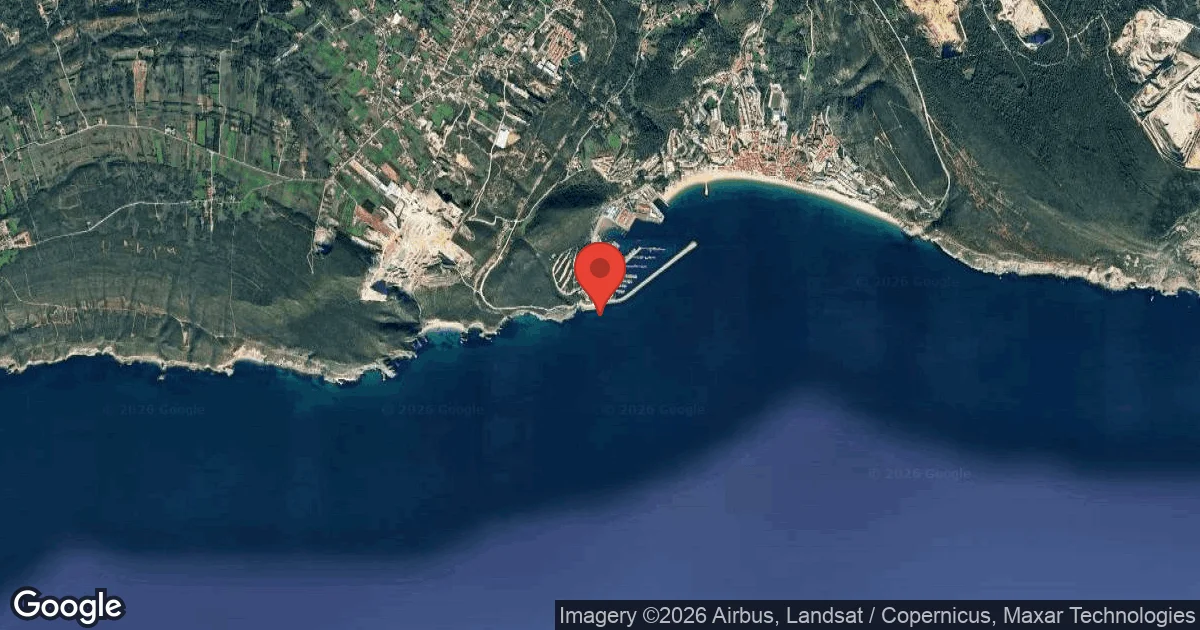
The dive sites across Portugal accommodate a wide range of experience levels, providing accessible coastal immersions for beginners and challenging deep-water expeditions for seasoned divers. This diversity ensures that every enthusiast can discover an appropriate underwater adventure, whether exploring historical shipwrecks or navigating unique volcanic formations.
For those new to wreck diving, the Primavera wreck near Berlengas offers an approachable experience. This 2000-ton Italian steamer, submerged since 1902, now lies carpeted in corals and hosts a variety of marine life, including lobsters and nudibranchs. Visibility at this site can extend up to 30 m (98 ft), providing clear views of its structure.
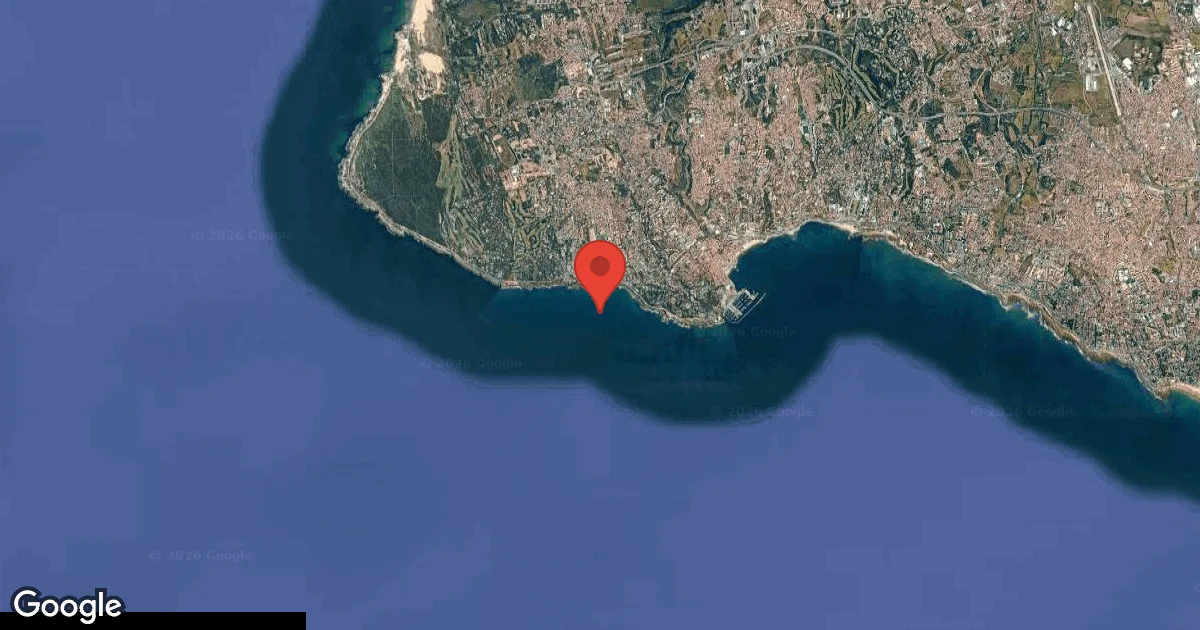
Intermediate divers can explore Pedra da Lagoa near Lisbon, an engaging reef and canyon dive. Here, one might spot cuttlefish and scorpionfish amidst shimmering schools of horse mackerel, pouts, and sea bream. Its sandy bottom and rocky cliff terrain contribute to generally good local visibility. In Madeira, the Corveta Pereira D'Eça shipwreck presents another interesting underwater spectacle, often found in calm waters suitable for various skill levels.
More experienced divers are drawn to the River Gurara shipwreck off Cape Espichel. This Nigerian freighter, which split in two after a severe storm in 1989, rests at depths that typically require an Advanced certification due to its profile and potential currents. Conger eels are frequently seen ribboning out from its bow. The Azores also features Princess Alice Bank, an offshore seamount known for pelagic encounters, demanding experience with deep diving and occasional strong currents, yet rewarding with sightings of larger marine life and visibility extending up to 35 m (115 ft).
Best Time to Dive in Portugal
Optimal travel windows for diving in Portugal are influenced by regional variations and the specific type of underwater experience sought. Generally, the summer months, spanning from June to September, present the calmest seas and highest water temperatures, making this period highly favored for exploring the diverse reefs, caves, and wrecks along the continental coastline.
For diving in areas near Lisbon, the prime season extends from May to September, characterized by the warmest water temperatures, typically 18-22°C (64-72°F), and the clearest visibility. Similarly, the Algarve region experiences its most favorable sea conditions during summer. However, spring (March to June) and early autumn (September to November) also offer excellent underwater clarity with the added benefit of fewer crowds, particularly appealing for mainland sites.
In the Azores, the peak season for diving, especially for encountering large pelagic species, runs from June to October. This timeframe brings more consistent weather and calmer offshore conditions, which are crucial for trips to remote seamounts. Madeira, another Atlantic island, benefits from a stable meteorology, allowing for diving almost all year. Yet, summer remains the preferred time for maximum comfort and ease of access to its dive sites.
Even winter offers possibilities, with water temperatures in the Azores dipping to around 14°C (58°F), providing unique cold-water diving experiences. Early and late seasons in the Azores (May-June and October) are also ideal for reef and wreck photography, with water temperatures around 17-19°C (63-66°F) and good visibility before the peak pelagic season.
Monthly Sea Temperatures
Portugal's sea temperatures exhibit noticeable seasonal shifts, directly influencing dive planning and wetsuit considerations across its diverse regions. Along the continental coastline, particularly near Lisbon, water temperatures during the prime diving season from May to September typically range from 18-22°C (64-72°F). During the winter months, these temperatures can cool to around 14°C (58°F) in some areas, necessitating thicker exposure protection.
The Archipelago of Madeira generally experiences milder and more consistent conditions throughout the year, with sea temperatures ranging between 17-23°C (63-73°F). Notably, the water in Madeira can sometimes be warmer than the ambient air temperature during winter.
Further into the Atlantic, the Azores archipelago also sees distinct seasonal variations. Early and late seasons, such as May to June, might present cooler waters around 17-19°C (63-66°F). However, the peak diving season from June to October offers the warmest conditions, with temperatures from 17-24°C (63-75°F). These temperature ranges generally make a 5mm wetsuit a suitable choice for comfortable diving in most Portuguese waters.
| Jan | Feb | Mar | Apr | May | Jun | Jul | Aug | Sep | Oct | Nov | Dec | |
|---|---|---|---|---|---|---|---|---|---|---|---|---|
| Max | 17° | 17° | 17° | 19° | 21° | 22° | 22° | 23° | 22° | 22° | 21° | 18° |
| Avg | 16° | 16° | 16° | 17° | 18° | 20° | 20° | 21° | 21° | 21° | 19° | 17° |
| Min | 15° | 15° | 15° | 16° | 16° | 18° | 18° | 19° | 20° | 20° | 18° | 17° |
Dive Conditions
Underwater conditions across Portugal exhibit variations that directly influence the skill requirements for different dive sites and regions. While many coastal areas experience generally mild currents, making them suitable for Open Water Divers, certain locations demand more advanced certification due to stronger or occasionally unpredictable flows.
Stronger currents are often encountered in the Azores, particularly at offshore seamounts, and at some mainland sites like the Berlengas archipelago. These areas may necessitate divers to hold at least an Advanced Open Water certification, especially when exploring deeper depths or complex wreck sites. Conversely, the calm waters found in regions such as Sesimbra and Madeira make these destinations ideal for divers of all levels, including beginners.
Visibility is another key factor, typically ranging from 10 to 30 m (33 to 98 ft), though this can depend on the specific location and prevailing weather. The Azores often boast significantly higher visibilities than the continental territory, with offshore dives consistently offering up to 35 m (115 ft) of clarity over deep waters. Mainland sites, including the Berlengas, are also noted for excellent visibility, frequently exceeding 20 m (65 ft). However, river estuaries, such as the Gilão, can sometimes present reduced visibility due to the mixing of river and ocean waters.
Marine Life Highlights
Most Mentioned Species
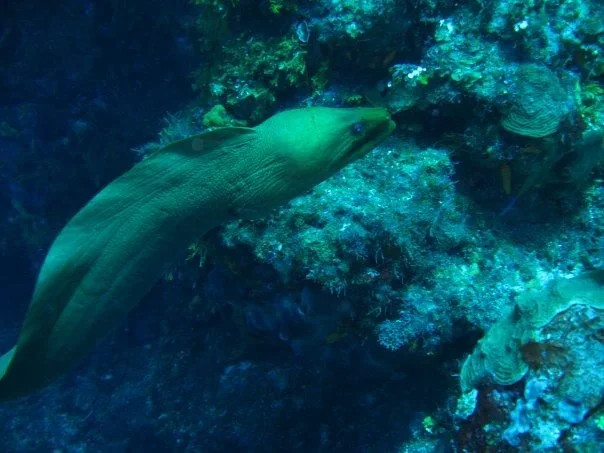
Marine life in Portugal varies across dive locations, with different species appearing depending on environment and conditions. The species highlighted here are the most frequently associated with dive sites in our data, offering a realistic overview of what divers are most likely to encounter.
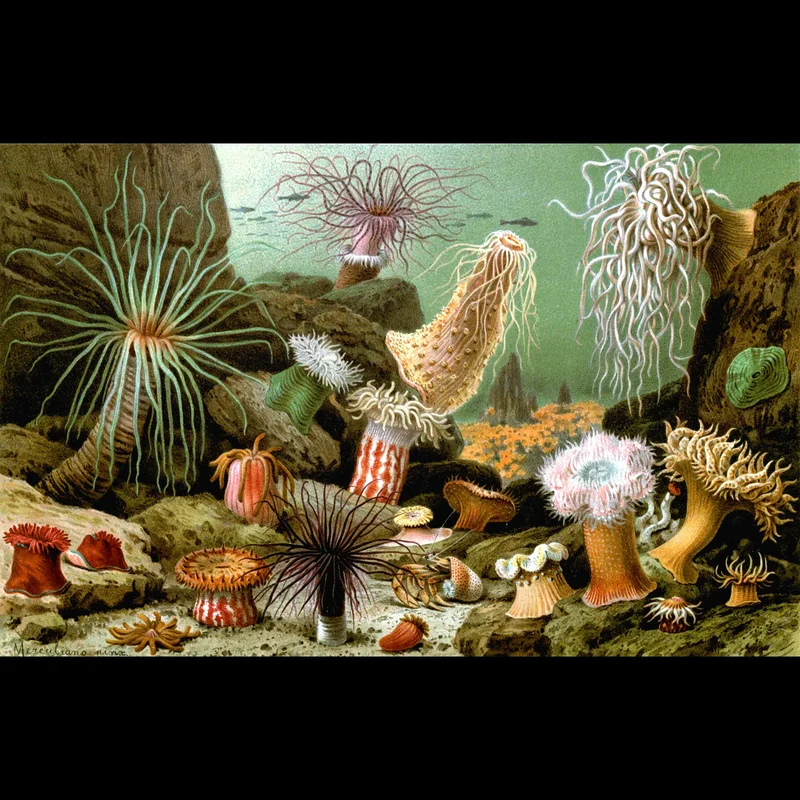
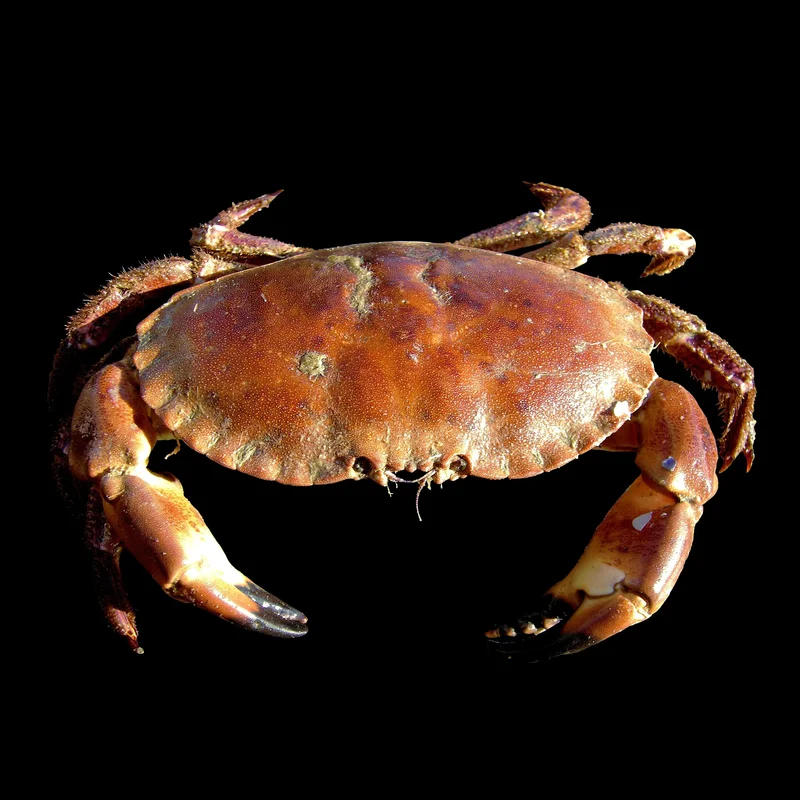
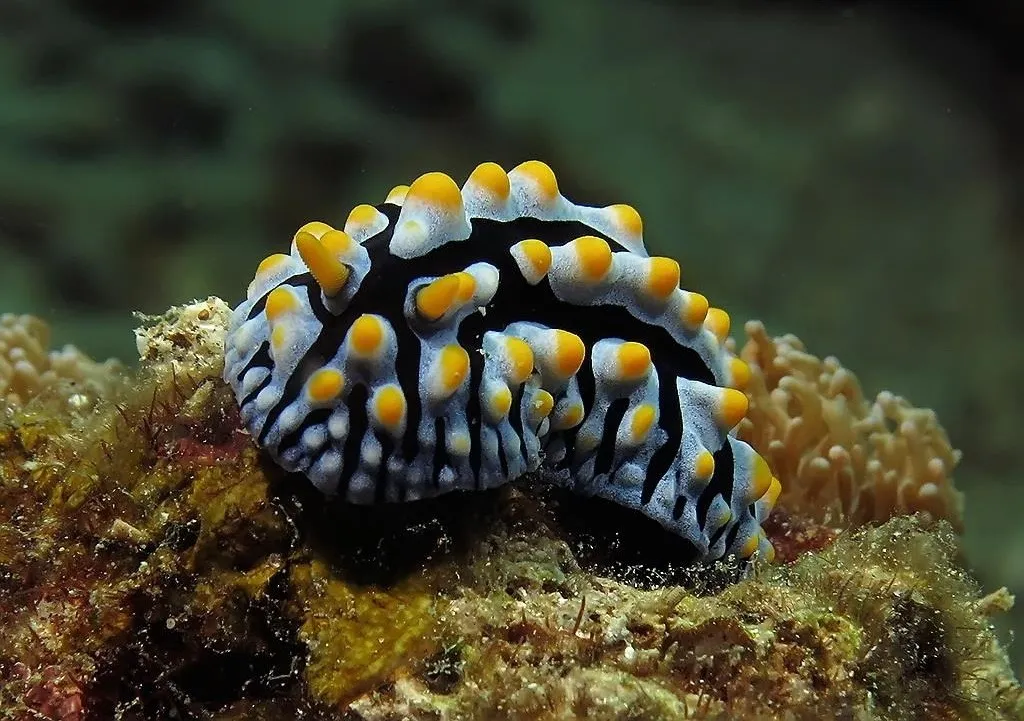
Encounters with Portugal's diverse marine life are frequently tied to specific seasons, particularly for the larger pelagic species found around the Atlantic islands. From July to September, the Azores become a prime location for sightings of manta rays, devil rays, blue sharks, and whale sharks, especially at offshore banks like Princess Alice and Ambrosio. Blue sharks are commonly encountered at baited dives near Pico, Faial, and Terceira, with lucky divers also spotting mako sharks.
Spring marks the commencement of the diving season in the Azores, offering unique opportunities for night dives where tope sharks, squid, and thornback rays can be observed. This period also sees the passage of larger baleen whales, such as blue, fin, and sei whales, typically around April and May, while humpbacks are more prevalent in October.
Throughout the year, continental coastal areas and historical wrecks serve as home to a variety of resident species. Divers can expect to find conger eels, lobsters, cuttlefish, octopuses, and moray eels in many locations. Sites like Pedra de Lagoa near Lisbon are known for schools of horse mackerel, pouts, and sea bream, while the Garajau Marine Reserve off Madeira is notable for its large groupers and barracudas. Dolphins are also sometimes observed cruising the depths.
Regions for Diving
Portugal presents several distinct diving regions, each offering unique underwater environments and requiring specific access considerations. The Azores archipelago, a primary destination in the mid-Atlantic, is typically reached by flying into João Paulo II Airport (PDL) on São Miguel, the main island. From São Miguel, inter-island exploration is facilitated by local flights on SATA Air Açores or through scenic ferry routes connecting islands like Pico, Faial, and São Jorge. This volcanic archipelago features deep seamounts, coastal reefs, and offers peak diving conditions from June to October, with water temperatures ranging from 17-24°C (63-75°F) and offshore visibility up to 35 m (115 ft).
Madeira, another Atlantic island, is readily accessible by air to Funchal. This region boasts a more stable meteorology than the Azores and generally warmer waters, maintaining temperatures between 17-23°C (63-73°F) throughout the year with consistently good visibility. Its southern slope hosts the Garajau Marine Reserve, a significant protected area. A notable site for exploration is the O Madeirense shipwreck, found south of the harbor.
On the continental mainland, the Berlengas archipelago, designated a UNESCO Biosphere Reserve, is reached by boat from Peniche, approximately six miles offshore. This reserve, where Mediterranean and Atlantic climates converge, is known for its excellent visibility, often extending up to 30 m (98 ft). Divers explore historical wrecks like the Primavera and natural formations such as the Furado Grande cave, while the nearby Nazaré canyon influences local currents and marine life.
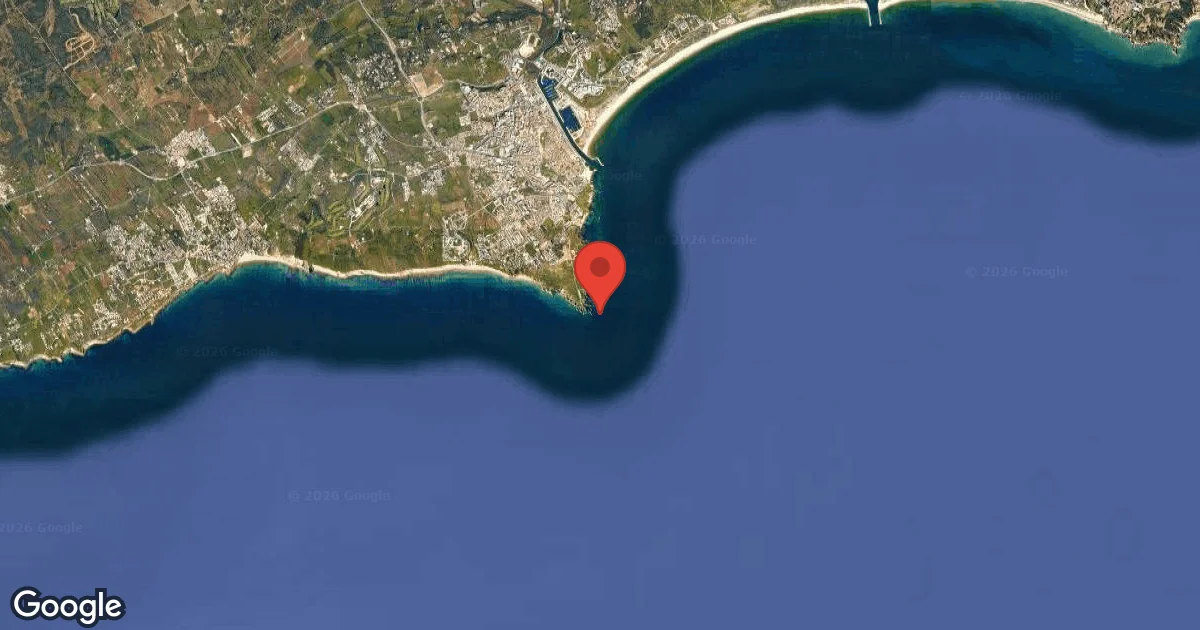
The southern Algarve region is easily accessible by road or by flying into Faro. It offers a calmer sea for much of the year, providing good visibility, particularly during spring and autumn. Key attractions include the Ocean Revival Underwater Park near Portimão, an artificial reef formed by four decommissioned navy ships, as well as natural reefs and caves around Ponta da Piedade. Further west, the Costa Vicentina, a Natural Park, requires specific authorization for diving. The Alentejo coast, including destinations like Porto Covo, is about 110 miles south of Lisbon.
Travel & Passport Guide
Travel Basics
Trip Planning
Safety & Diving Considerations
The diving experience in Portugal is supported by a network of local infrastructure, though divers should always prioritize awareness of specific site conditions. While explicit details on recompression chambers are not widely provided in the available information, dive centers across popular destinations such as the Azores, Madeira, and the Algarve are expected to maintain and adhere to recognized safety protocols. It is consistently recommended to engage with reputable operators for all guided trips.
Understanding dive conditions, particularly currents, is essential for safe underwater exploration. Many continental coastal areas experience generally mild currents, accommodating a wide range of diver experience. However, offshore sites in the Azores and locations like the Berlengas archipelago can feature stronger or more unpredictable flows. For challenging dives, including deep wrecks or remote seamounts, having at least an Advanced Open Water certification is advisable.
The calm waters often found in regions like Madeira contribute to a generally safer and more relaxed diving environment, suitable for all skill levels. Regardless of location or experience, always check local conditions with dive operators before entering the water. This proactive approach ensures a safe and enjoyable dive.
Dive Centers in Portugal
View all 23 dive centers
Frequently Asked Questions
What are the best dive sites in the Azores?
In the Azores, Princess Alice Bank is a top offshore site, known for encounters with manta rays, devil rays, and blue sharks. Formigas Islets also offer volcanic drop-offs with barracuda and amberjack. Coastal dives near São Miguel feature tunnels, lava caves, and shipwrecks like the Dori, while Terceira's Lidador wreck provides another historical dive.
When is the best time to dive in Portugal?
The prime diving season for mainland Portugal, especially Lisbon, runs from May to September, offering warmer waters and clearer visibility. For the Azores, July to October is ideal for pelagic sightings and calm offshore conditions. Madeira offers good diving almost all year, with stable weather and sea temperatures between 17-23°C (63-73°F).
What is the typical water temperature for diving in Portugal?
Water temperatures in Portugal vary by region and season. Near Lisbon, temperatures typically range from 18-22°C (64-72°F) during summer. In Madeira, temperatures are milder, staying between 17-23°C (63-73°F) year-round. The Azores see temperatures from 17-24°C (63-75°F) during their peak season, dropping to around 14°C (58°F) in winter.
What marine life can be seen in Portugal?
Portugal's waters host diverse marine life. In the Azores, divers can encounter manta rays, blue sharks, devil rays, and whale sharks during peak season (July-September). Year-round residents across various sites include conger eels, lobsters, cuttlefish, octopuses, moray eels, and various fish species like horse mackerel and sea bream. Dolphins are also sometimes seen.
Are there many shipwrecks to explore?
Yes, Portugal offers numerous shipwreck diving opportunities. Notable sites include the River Gurara wreck near Cape Espichel, the Primavera wreck in the Berlengas, and the Vapor das 19, a WWI steamship near Sagres. The Ocean Revival Underwater Park in Portimão features four decommissioned navy ships forming an artificial reef. The U1277, a German WWII submarine, is also a diveable wreck.
What are the visibility conditions like?
Visibility in Portugal can range from 10 to 30 m (33 to 98 ft), influenced by location and weather. The Azores often provide excellent visibility, sometimes up to 35 m (115 ft) in offshore areas. Mainland sites like the Berlengas also boast clarity exceeding 20 m (65 ft). However, some coastal areas or river estuaries might experience reduced visibility at times.