
Diving at Steps (South Africa)
Steps, situated on South Africa's Western Seaboard, takes its name from the distinct multi-level reef structure divers encounter. This site presents a dynamic underwater landscape, transitioning from shallower reef tops to dramatic deeper drops. While not consistently reported as a primary dive destination, its geology and varied marine encounters make it a noteworthy location for those seeking diverse topography in the region.
Tonight's objective overview for Steps shows an air temperature of 21°C. The measured surface conditions include wave heights around 1.8 m. This environmental data is logged for the close of the day.
Dive Site Location & Key Facts
Dive Site Overview
Exploring Steps reveals a captivating multi-level reef system, presenting a dynamic underwater landscape for divers. The site begins with a vibrant top section, typically found around 8 m (26 ft), where a dense array of marine life thrives amidst intricate corals and colourful sponges.
Divers navigating away from this shallower plateau encounter several distinct drops, resembling natural steps that characterize the site's unique profile. These 'steps' lead into deeper sections, ultimately reaching a maximum recreational depth of 32 m (105 ft). Throughout these transitions, the spectacular rock formations stand out, carved into a network of gullies, small caves, and enticing swim-throughs.
The topographical complexity offers varied exploration opportunities, from cruising along reef walls to discovering hidden crevices. Patches of sandy bottom are interspersed among the rocky outcrops, providing habitat for different species.
Due to its significant exposure to ocean swells, accessing Steps usually requires a boat, as shore entry can be challenging. Despite this, the site promises a rich and structurally diverse dive.
Conditions are Moderate
Optimal conditions expected
Current conditions near Steps show 21° air, 23° sea temperature, 2.0 m waves, and 25 km/h wind. Forecast data is refreshed regularly to ensure accuracy.
Best Time to Dive
Planning a dive at Steps benefits from understanding local conditions, especially regarding visibility, which can be affected by the site's exposure to large swells. The period from May to August generally shows more moderate wave heights, averaging 1.5 to 1.7 meters. May stands out with a 'Good' dive score, coupled with minimal rainfall, averaging just 1.49 mm. During these cooler months, average air temperatures range from 19.5°C (67°F) in July to 22°C (72°F) in May. Water temperature data for specific months isn't consistently reported, but cooler air temperatures suggest corresponding cooler water. Avoiding months with higher average wave heights, such as September and October, typically around 1.9 meters, may enhance the dive experience and overall visibility.
PEAK SEASON SCORE
Scores combine air & water temps, waves, wind & rainfall for overall conditions.
BEST MONTHS TO DIVE
Monthly records compiled from satellite and marine observation nodes over the last 3 years. Data provided by Open-Meteo and MET Norway.
Dive Experience & Conditions
The multi-level nature of Steps ensures a varied dive experience, catering to different certification levels. Divers can comfortably explore shallower sections from 8 m (26 ft) on the reef's plateau, observing a high density of marine life. For those with advanced certifications, deeper sections descend to a maximum depth of 32 m (105 ft), revealing further rock formations and potentially larger marine encounters. Visibility here can be excellent when conditions align, although its exposed position means it varies with swell activity. Stronger currents occasionally present opportunities for exhilarating drift dives across the reef, requiring suitable experience and planning.
Dive Difficulty & Safety Guidelines
Diving at Steps necessitates careful attention to environmental factors, primarily its significant exposure to swells. Due to the site's open nature, large swells can develop easily, making conditions challenging and potentially limiting access. Always consider prevailing weather and sea forecasts before planning a visit.
Boat entry is the standard approach for this site, offering safer access than shore-based alternatives. Maintaining appropriate buoyancy control is essential when navigating the multi-level reef and its various formations, particularly in areas with overhead environments like caves and swim-throughs.
No specific hazards beyond environmental conditions are reported, emphasizing preparedness for dynamic oceanic patterns.
Recommended Equipment
- Dive Computer
- DSMB
This gear list is based on verified equipment signals for Steps, South Africa. Always confirm final gear choices with your dive operator, guide, or liveaboard.
Recommended Dive Suit
According to recent observations, water temperatures near Steps are approximately 23°C (73°F). Surface air temperatures are resting at 21°C (70°F).
Forecasts suggest rising temperatures later this week. A warming trend is expected over the next few days.
In water temperatures like these, 3-5mm wetsuit typically offers sufficient warmth for most recreational dives. Surface intervals may feel cooler. Some divers naturally tolerate cooler water better than others.
Due to technical issues with our weather providers, data hasn't been fetched for over 48 hours. The data above reflects the conditions at the time of the last successful fetch.
Emergency & Medical Support
Essential information to help you plan your dive trip to Steps.

Hyperbaric chambers are a critical part of dive safety infrastructure. Availability varies significantly by region, and not all dive areas have immediate access.
Before diving, it's recommended to:
- confirm nearest medical facilities
- check emergency procedures with local dive operators
- ensure dive insurance covers evacuation if required
Divers Alert Network
Diving emergency assistance available through DAN Southern Africa.
+27828106010- 24/7 emergency hotline
- Diving medical assistance
- Evacuation coordination
Emergency contacts are provided for reference. Always verify local emergency services before diving.
Marine Life at Steps
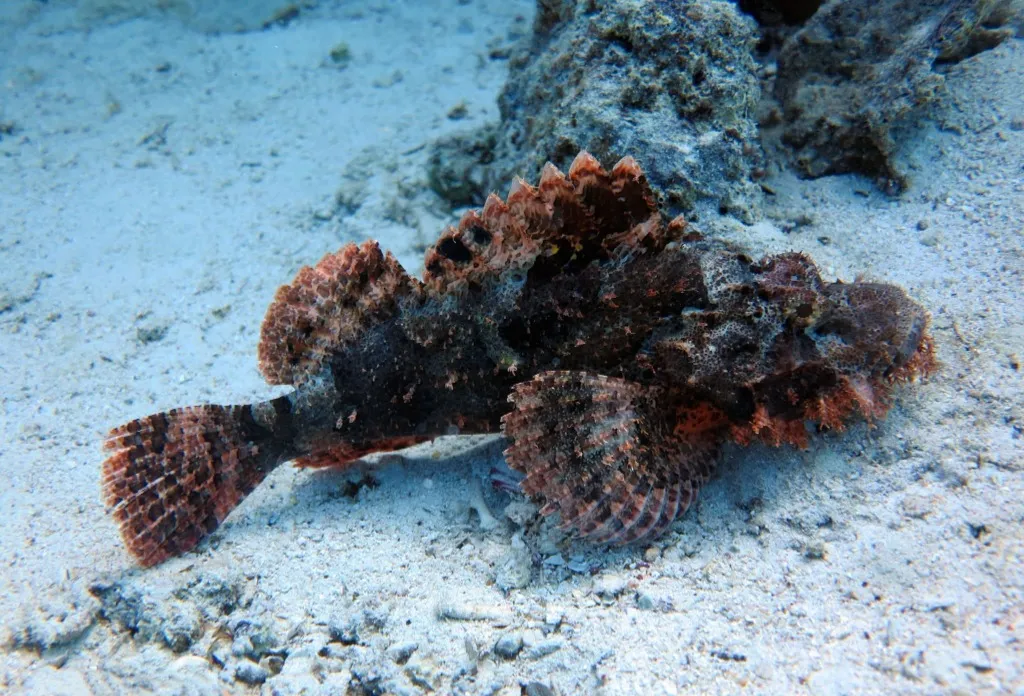
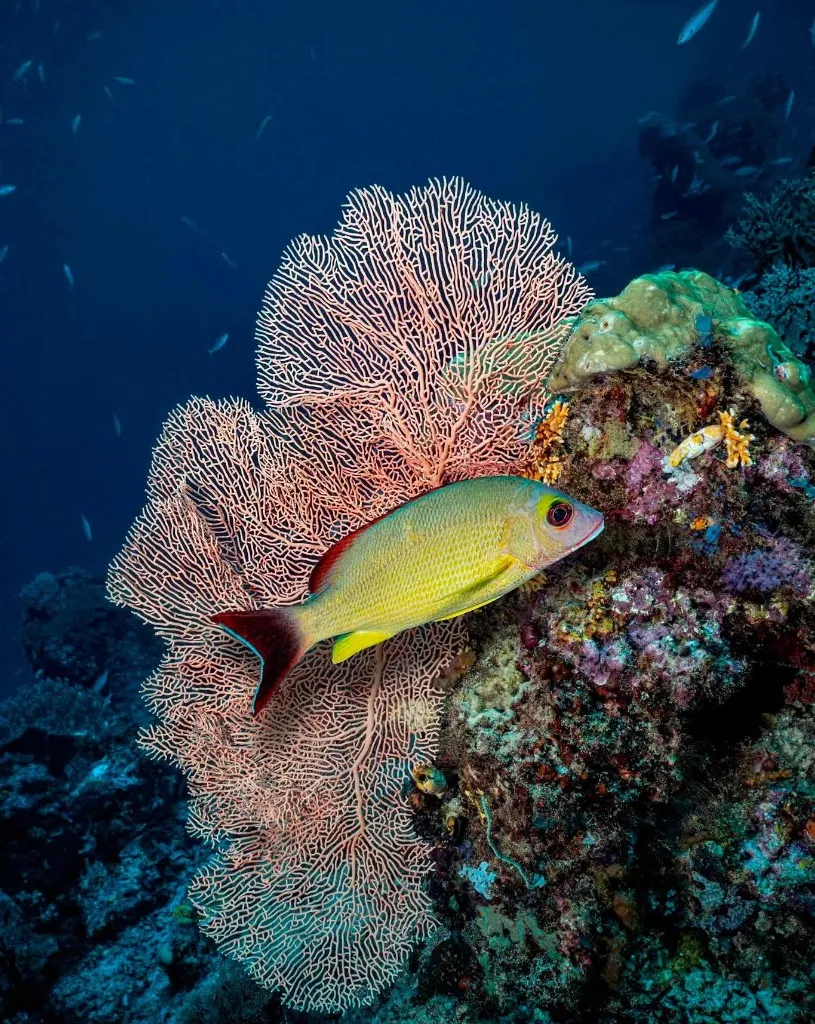
The underwater landscape at Steps supports a diverse and colourful array of marine life. Within the reef's dense growth, divers frequently encounter various species of snapper and the camouflaged scorpionfish.
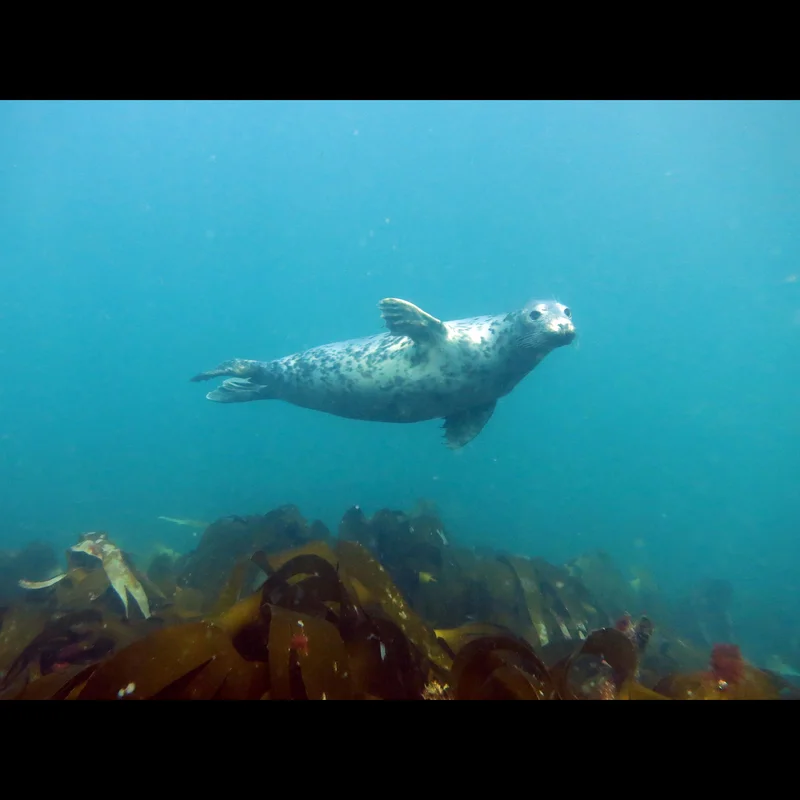
Sightings also extend to larger inhabitants, with seals and dolphins occasionally observed in the surrounding waters. Divers often see a variety of reef fish darting among the colourful corals and intricate rock formations, alongside bottom-dwellers like blue-spotted and ribbon-tail rays resting on sandy patches.
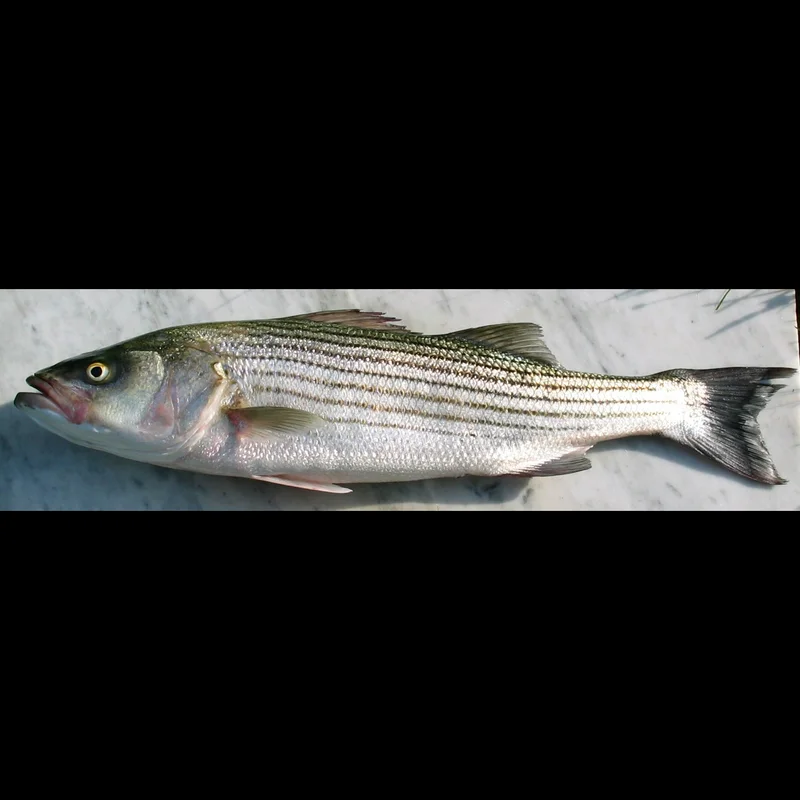
Large pelagic species, including oceanic blacktip sharks and even the charismatic potato bass, can make appearances in deeper or more exposed areas.

Dive Sites Near Steps
View all dive sites in South AfricaDiscover more underwater gems in this area.
Dive Centers Near Steps
Nearest Airports
Nearest airports to help plan travel to this dive area.
Search Flights
Check available flights and routes on Expedia, using the nearby airports listed in this section.
Search Flights on ExpediaFrequently Asked Questions
What is the typical depth range at Steps?
Steps presents a diverse depth profile, beginning with shallower reef tops. The site gradually descends through its distinct multi-level structure, reaching recreational depths over 30 meters.
Is Steps suitable for all diver certification levels?
Yes, the multi-level structure accommodates various certifications. Shallower sections are suitable for entry-level divers, while exploring the deeper areas requires advanced certification or equivalent experience.
What kind of marine life can be expected?
Divers often see colourful reef fish, snapper, and scorpionfish within the dense reef growth. Seals and dolphins are also encountered, with larger species like oceanic blacktip sharks and potato bass possible in deeper zones.
How exposed is the dive site to ocean conditions?
Steps is notably exposed to ocean swells, which can easily create significant wave action. Dive conditions are highly dependent on prevailing weather and sea forecasts, emphasizing the need for careful planning.
Are drift dives common at Steps?
When stronger currents are present, Steps provides opportunities for exhilarating drift diving. This allows divers to cover more of the expansive reef, but it requires appropriate training and experience for safety.
What are the primary topographical features of Steps?
The site is characterized by its namesake 'steps' – distinct drops in the reef profile. Spectacular rock formations, gullies, caves, and swim-throughs further contribute to its varied and engaging underwater appeal.
Planning to dive Steps?
Send one inquiry and receive offers directly from the best verified local dive operators.
Conditions are Moderate
Optimal conditions expected
Current conditions near Steps show 21° air, 23° sea temperature, 2.0 m waves, and 25 km/h wind. Forecast data is refreshed regularly to ensure accuracy.