Loading...

Diving at El Túnel Naranja (Spain)
Published
Bored by volcanic geology straight through a coastal cliff in Cabo de Gata-Níjar Natural Park, El Túnel Naranja is one of the Western Mediterranean's most colorful shallow swim-throughs. Across 50 meters of sunlit volcanic gallery never deeper than 12 meters, walls carpeted in warm-water orange coral glow like molten amber under a dive torch.
Evening condition tracking at El Túnel Naranja features an air temperature of 15°C. We have recorded wave heights measuring 0.7 m during this period. These figures outline the environmental parameters currently present.
Dive Site Location & Key Facts
Site Characteristics
Max Depth12m / 39ft
Entry Typeboat
Water Typesalt
Dive Types
CavernRecreationalReef
Dive Site Overview
Highlighted as Site 3 in Níjar's official Natural Park dive guide near Agua Amarga and Punta de la Media Naranja, this geological marvel begins at a cliffside entrance visible right from the surface. Gliding inside, divers follow a spacious 50-meter underwater tunnel reaching a maximum depth of just 12 meters, punctuated overhead by light inlets and small air-filled domes.
Its true magic lies on the volcanic walls: protected southwestern Mediterranean warmth allows dense, velvety cushions of endemic orange coral (Astroides calycularis) and bright orange Crambe sponges to coat the shaded rock from floor to ceiling, amplified by turquoise backlighting streaming through side openings.
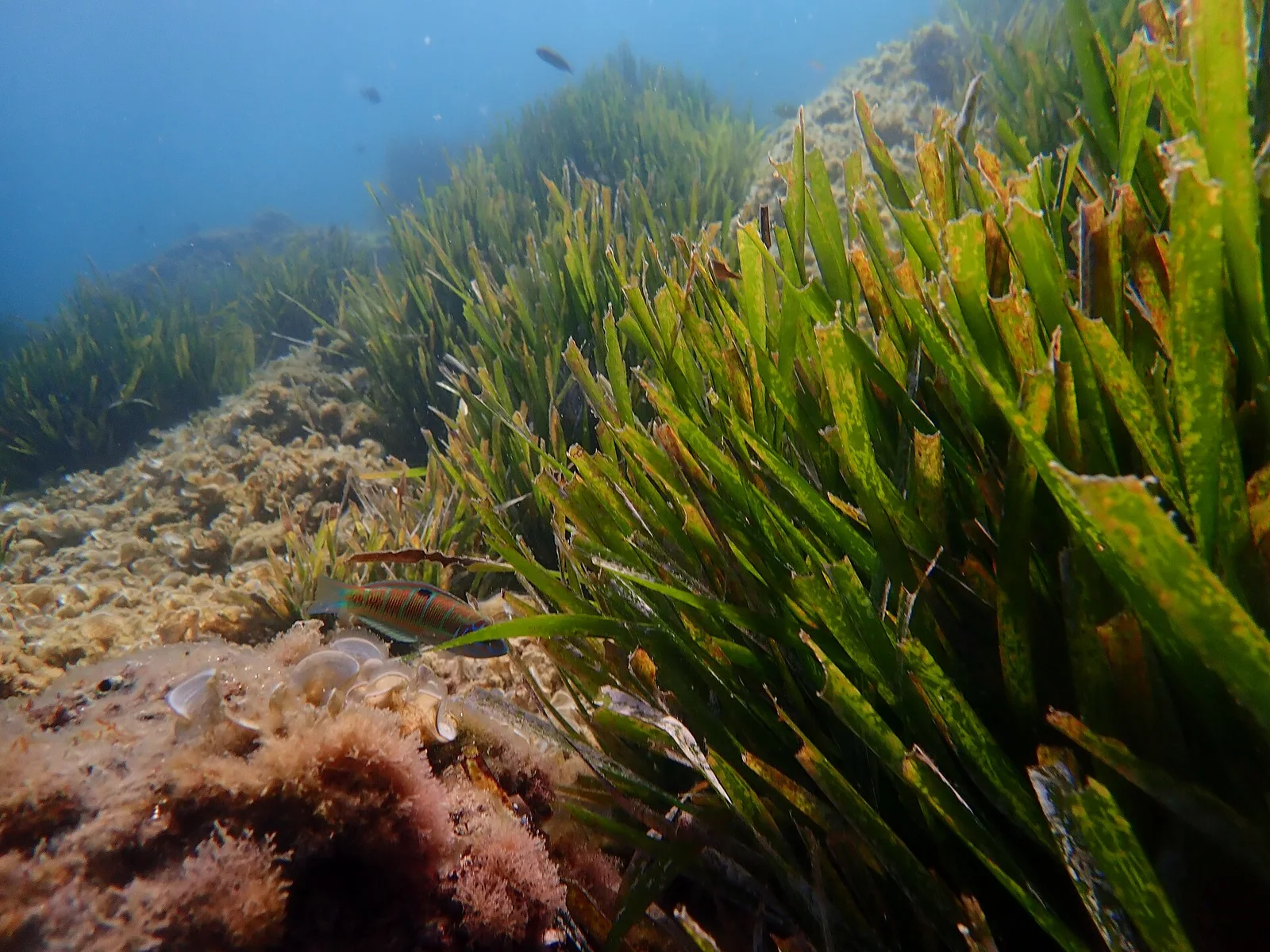
Outside the tunnel, colossal volcanic boulders form a labyrinth of sunlit passages bordered by thick, healthy Posidonia oceanica meadows.
El Túnel Naranja
Conditions are Excellent
9/10
Confidence: 8/10
Indicates meteorological model agreement and data availability.
Best Dive Window
07:00 - 14:00
Optimal conditions expected
06:12
18:45
H: 10:45
L: 16:20
Air / Sea Temp
15° / 20°
Wave Height
0.5 m
Wind Speed
27 km/h NNE
Rain Chance
0%
Current conditions near El Túnel Naranja show 15° air, 20° sea temperature, 0.5 m waves, and 27 km/h wind. Forecast data is refreshed regularly to ensure accuracy.
Radius: ~12km
Updated: Nov 22, 2026, 07:51 local timeMARINE: OPEN-METEOWEATHER: YR.NO
Best Time to Dive
May through October brings flat seas along the Agua Amarga cliffs, 20-to-25-meter visibility, and warm 19 to 26°C water.
Midday and morning sun angles maximize the dramatic shafts of natural light piercing the tunnel inlets.
PEAK SEASON SCORE
86/100
Very GoodScores combine air & water temps, waves, wind & rainfall for overall conditions.
BEST MONTHS TO DIVE
JUL
AUG
SEP
DIVE SCORE GUIDE (0–100)
Excellent (90–100)
Very Good (80–89)
Good (70–79)
Moderate (50–69)
Poor (30–49)
Not Recommended (0–29)
Monthly records compiled from satellite and marine observation nodes over the last 3 years. Data provided by Open-Meteo and MET Norway.
Dive Experience & Conditions
Reached by boat from Agua Amarga, Las Negras, or Carboneras, teams drop onto bare sand outside the Posidonia meadow in 8 to 12 meters. With zero current on calm days and shallow depth, Open Water and veteran photographers alike enjoy long, relaxed bottom times.
Bringing a primary torch or video light inside the tunnel reveals intense fiery orange coral hues against cobalt exit windows.
Dive Difficulty & Safety Guidelines
Never enter the 50-meter shallow tunnel if easterly Levante swell is pushing surge into the cliff, and resist breathing air inside small overhead rock domes—always keep your regulator in your mouth. Maintain careful single-file buoyancy so tank valves and fins never brush fragile Astroides calycularis coral polyps, a strictly protected Mediterranean species.
Ensure your Cabo de Gata-Níjar Natural Park diving authorization is active.
Recommended Equipment
Overhead environment. Do not enter beyond training and gas planning limits.
- Dive Computer
- DSMB
- Primary & Backup Lights
- Reel / Spool
- Cutting Tool
This gear list is based on verified equipment signals for El Túnel Naranja, Spain. Always confirm final gear choices with your dive operator, guide, or liveaboard.
Recommended Dive Suit
With water temperatures around 20°C (67°F), many divers find a 5mm wetsuit provides comfortable protection.
Being prepared with flexible exposure options is a common approach among experienced divers.
Surface conditions are expected to warm up slightly in the coming days. A warming trend is expected over the next few days.
El Túnel Naranja conditions last reviewed: 07:51 local time (UTC+0), Nov 22, 2026
Emergency & Medical Support
Essential information to help you plan your dive trip to El Túnel Naranja.

Hyperbaric chambers are a critical part of dive safety infrastructure. Availability varies significantly by region, and not all dive areas have immediate access.
Before diving, it's recommended to:
- confirm nearest medical facilities
- check emergency procedures with local dive operators
- ensure dive insurance covers evacuation if required
24/7 Available
Divers Alert Network
Diving emergency assistance available through DAN Europe.
+39 0642115685- 24/7 emergency hotline
- Diving medical assistance
- Evacuation coordination
Emergency contacts are provided for reference. Always verify local emergency services before diving.
Marine Life at El Túnel Naranja
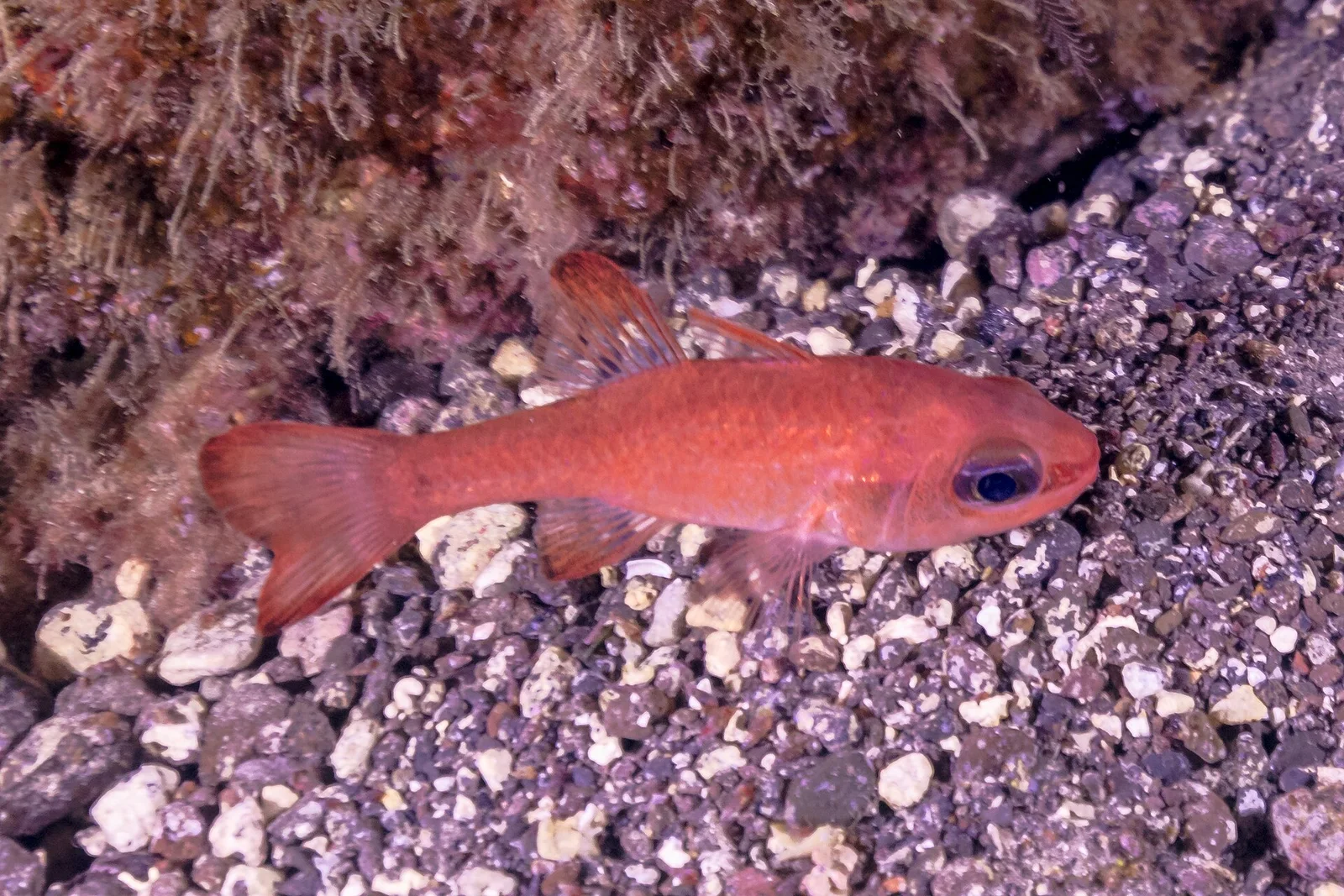
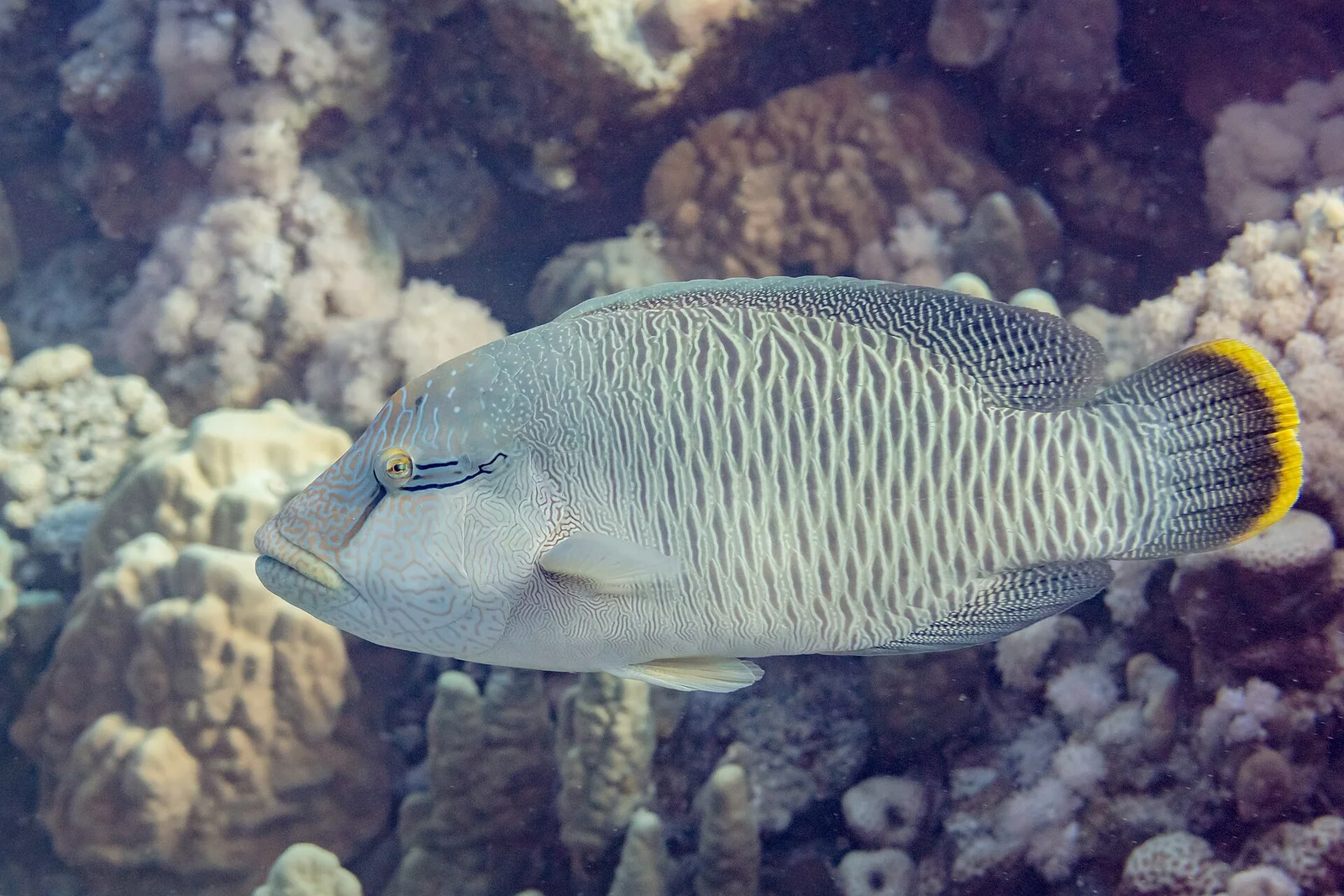
Blazing orange cushions of Astroides calycularis coral—a warm-water Alboran/southern Mediterranean specialty—share the tunnel walls with crimson cardinalfish, slipper lobsters, blennies, nudibranchs, and yellow and orange sponges.
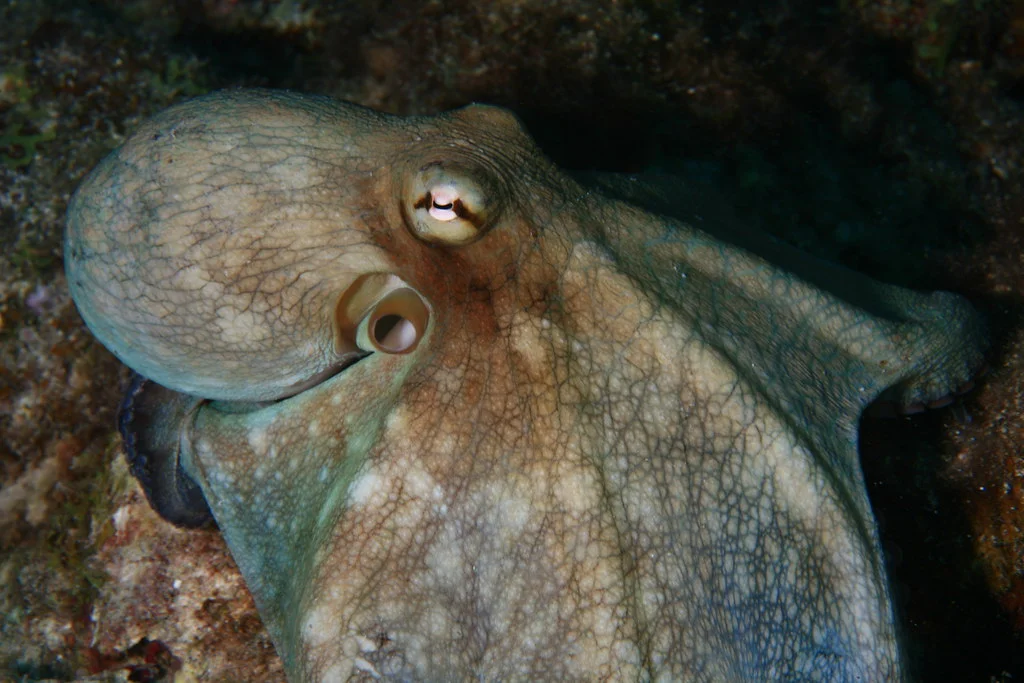
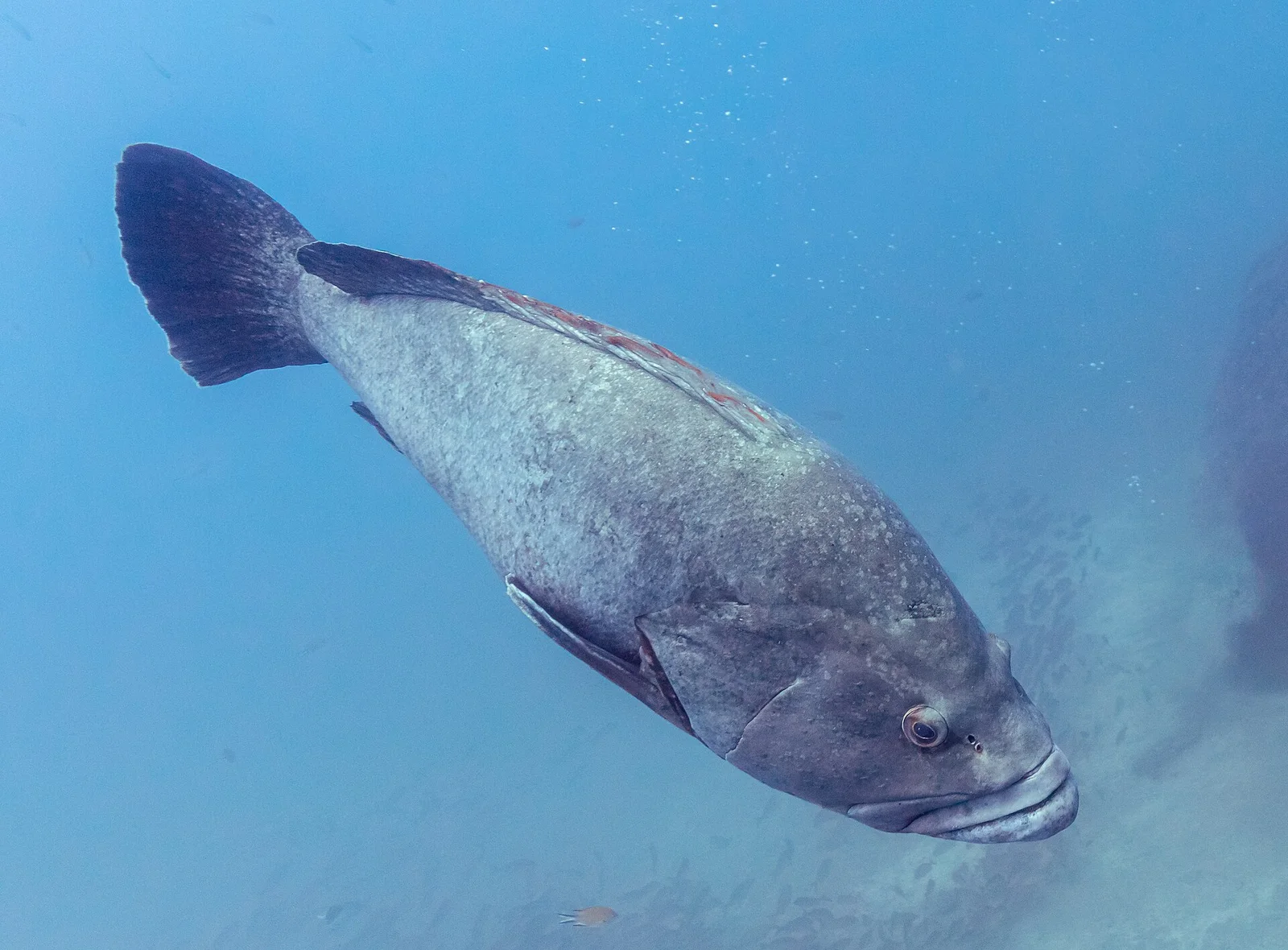
Outside among the volcanic boulder corridors and Posidonia meadows swim juvenile dusky groupers, ornate and peacock wrasses, salemas, two-banded seabream, and common octopuses.
1 / 2
Image contributors:laszlo-photo, Diego Delso + 2 more
Want to contribute photos or local dive knowledge? Learn how to contributeDive Sites Near El Túnel Naranja
View all dive sites in SpainDiscover more underwater gems in this area.
Max 13 m
1.6 km
beginnerCala Rosa
Anchor DiveBoat
Max 10 m
0.9 km
beginnerAgua Amarga Wreck (El Pecio de Agua Amarga)
BoatOcean
Max 12 m
5.9 km
intermediateCueva del Frío
BoatCanyon
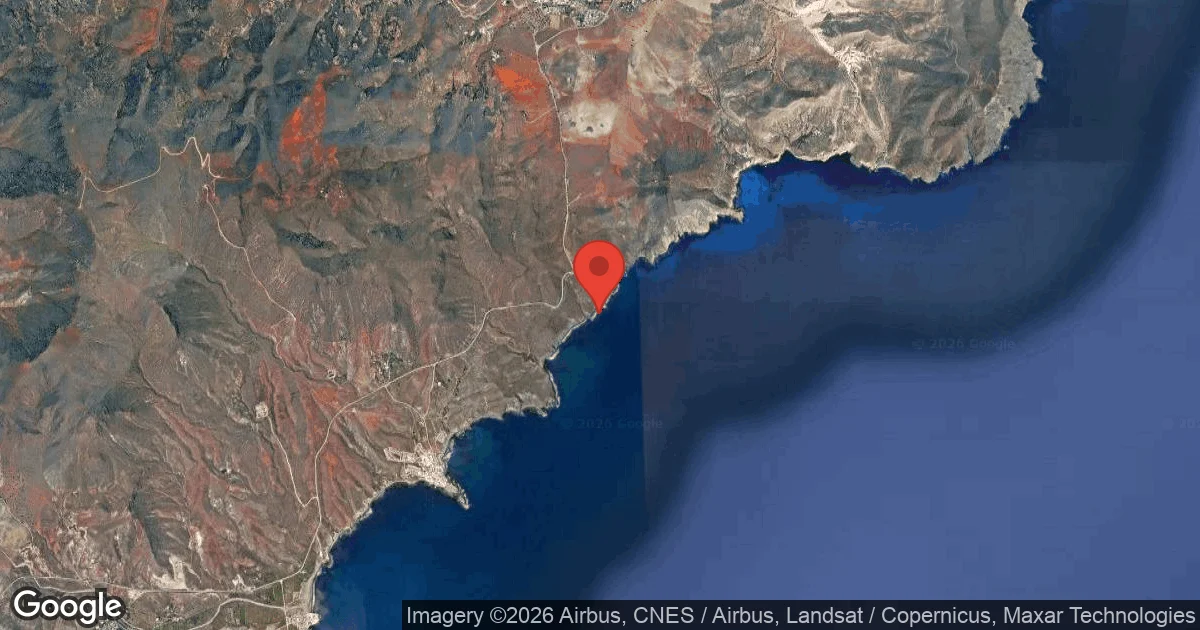
Max 14 m
14.7 km
beginnerLa Amatista
BoatCanyon
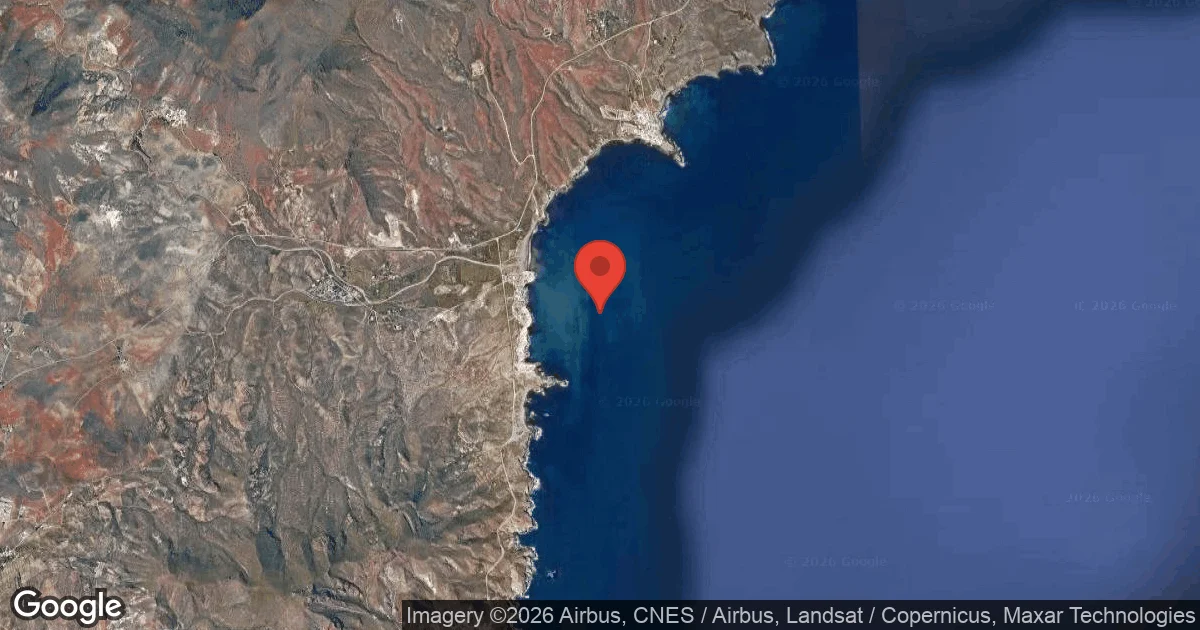
Max 16 m
17.7 km
beginnerEl Chalet del Francés (Cueva del Francés)
BoatCanyon
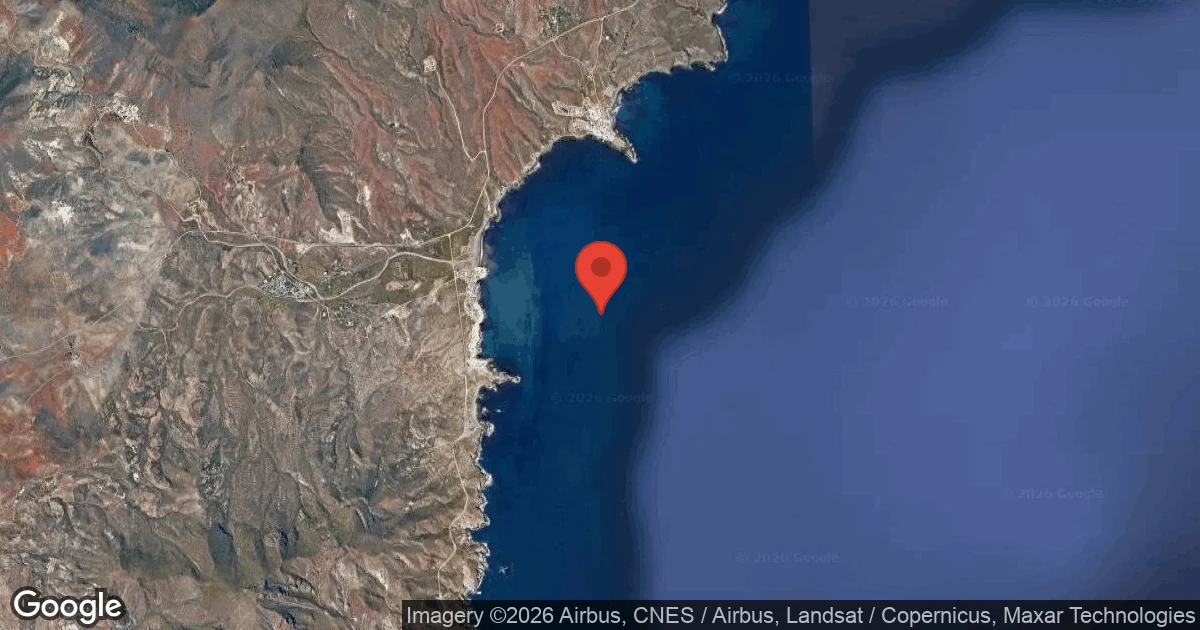
Max 14 m
17.6 km
beginnerLa Restinga de Las Anclas
ArchaeologicalBoat
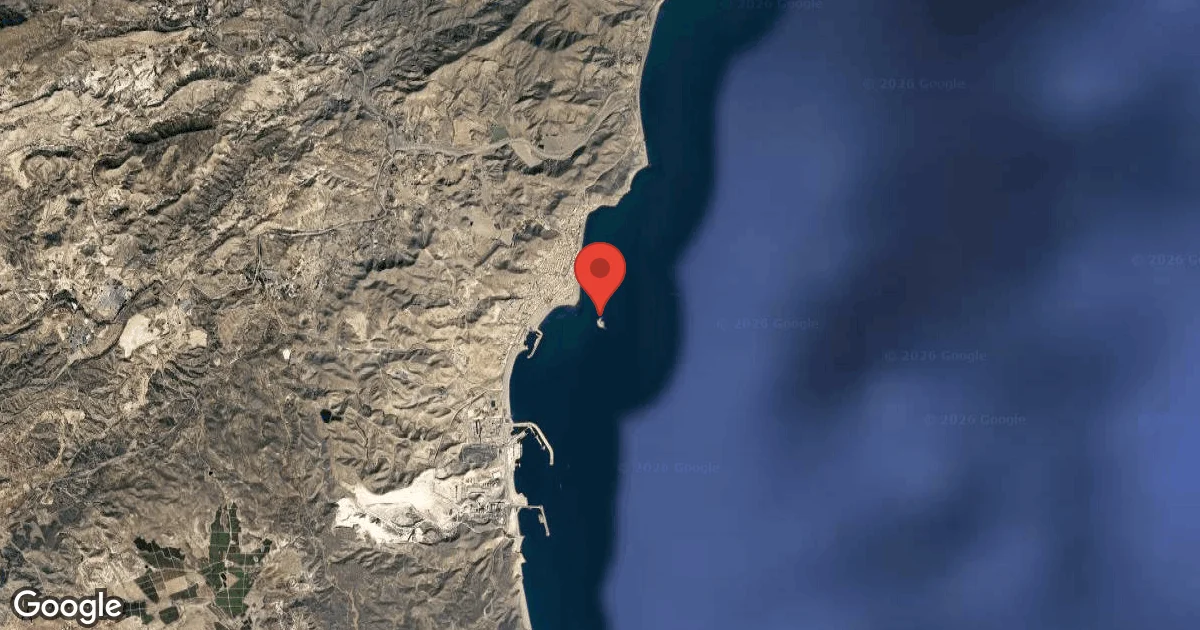
Max 12 m
8.4 km
Acuario I
ChannelReef
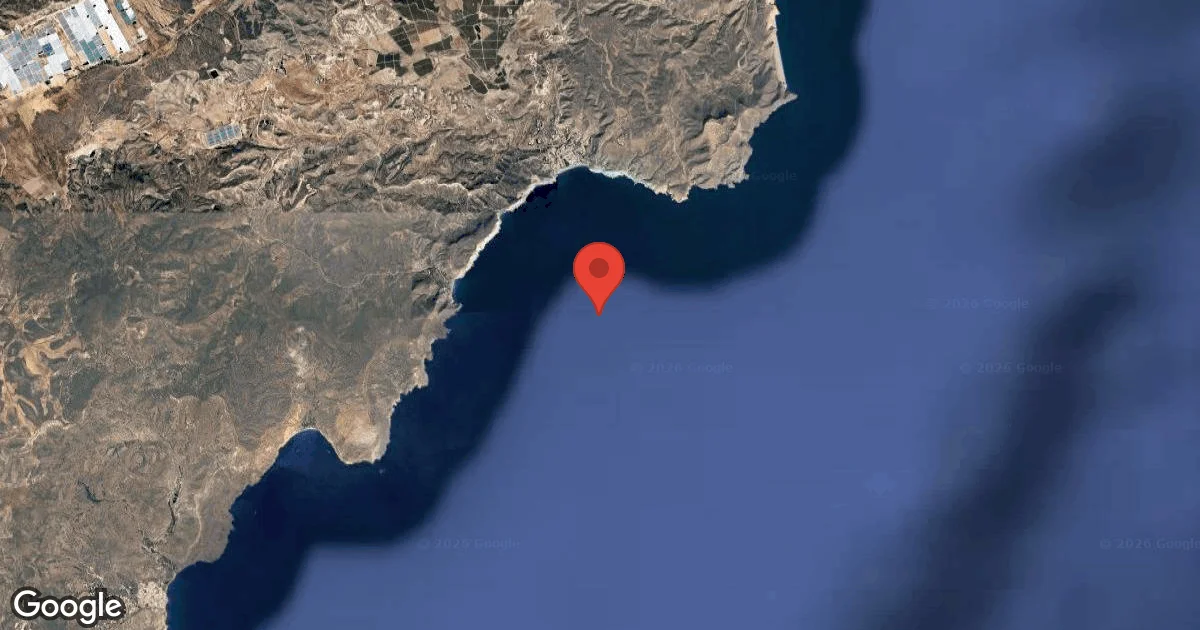
1.9 km
La Piedra de Blas
Reef
Max 13 m
1.6 km
beginnerCala Rosa
Anchor DiveBoat
Max 10 m
0.9 km
beginnerAgua Amarga Wreck (El Pecio de Agua Amarga)
BoatOcean
Max 12 m
5.9 km
intermediateCueva del Frío
BoatCanyon
Max 14 m
14.7 km
beginnerLa Amatista
BoatCanyon
Max 16 m
17.7 km
beginnerEl Chalet del Francés (Cueva del Francés)
BoatCanyon
Max 14 m
17.6 km
beginnerLa Restinga de Las Anclas
ArchaeologicalBoat
Max 12 m
8.4 km
Acuario I
ChannelReef
1.9 km
La Piedra de Blas
Reef
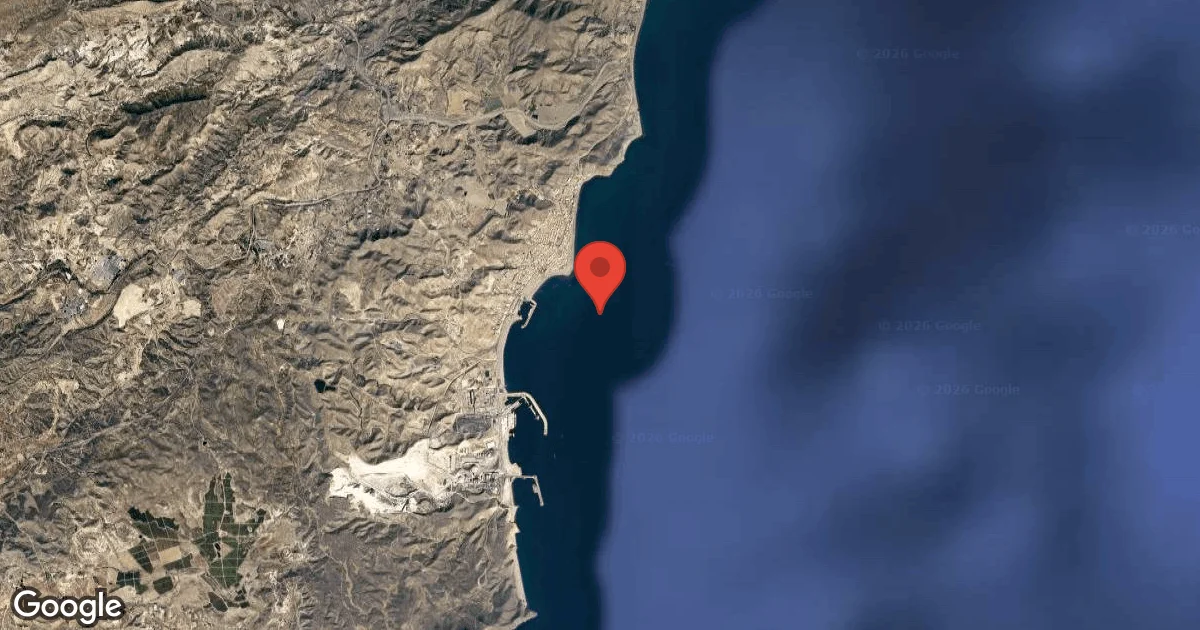
Max 27 m
8.1 km
El Motor
ReefWall
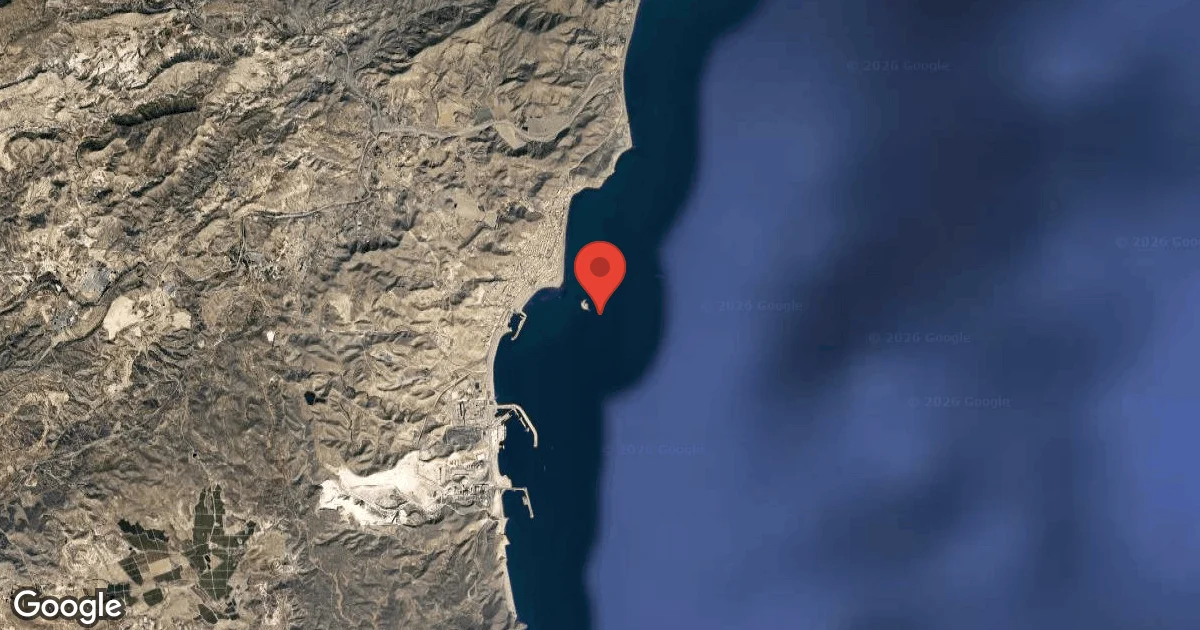
8.4 km
El Ala de la Avioneta
ReefWall
1 / 2
Dive Centers Near El Túnel Naranja
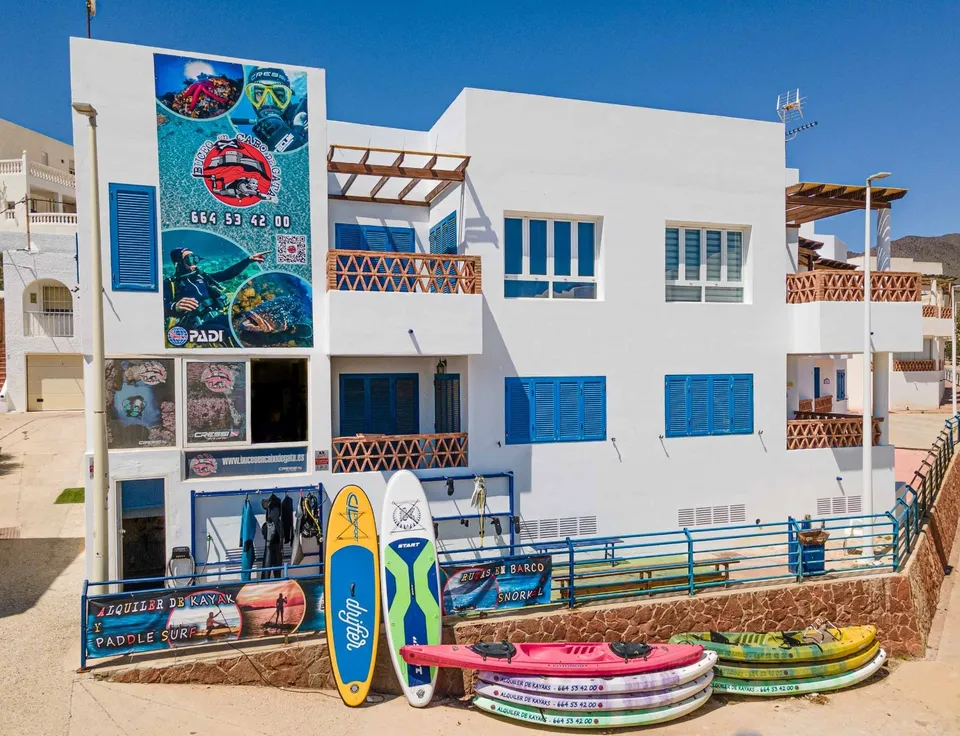
Working Hours
Sun09:00 - 14:00
Mon09:00 - 14:00 • 17:00 - 20:00
Tue09:00 - 14:00 • 17:00 - 20:00
Wed09:00 - 14:00 • 17:00 - 20:00
Thu09:00 - 14:00 • 17:00 - 20:00
Fri09:00 - 14:00 • 17:00 - 20:00
Sat09:00 - 14:00 • 17:00 - 20:00
Today: 09:00 - 14:00 • 17:00 - 20:00
Sun09:00 - 14:00
Mon09:00 - 14:00 • 17:00 - 20:00
Tue09:00 - 14:00 • 17:00 - 20:00
Wed09:00 - 14:00 • 17:00 - 20:00
Thu09:00 - 14:00 • 17:00 - 20:00
Fri09:00 - 14:00 • 17:00 - 20:00
Sat09:00 - 14:00 • 17:00 - 20:00
5| 1127 reviews
16.4 km
4.8| 354 reviews
24.1 km
4.8| 330 reviews
26.4 km
Tortuga Diving Vera-Playa
4.8(38)• 35.1 km
Nearest Airports
Nearest airports to help plan travel to this dive area.
Almería Airport LEI
39 km
Region of Murcia International Airport RMU
121 km
F.G.L. Airport Granada-Jaén Airport GRX
166 km
💵 Currency: EUR
Search Flights
Check available flights and routes on Expedia, using the nearby airports listed in this section.
Search Flights on ExpediaAffiliate link · Dive Navigator may earn a commission at no extra cost to you.
Frequently Asked Questions
How long and deep is El Túnel Naranja?
The volcanic cliff tunnel stretches approximately 50 meters (164 feet) in length and never exceeds 12 meters (39 feet) in depth, with ceiling openings reaching the surface.
What gives El Túnel Naranja its vivid orange color?
Dense colonies of protected Mediterranean orange coral (Astroides calycularis) and bright orange encrusting sponges blanket the shaded volcanic walls.
Is El Túnel Naranja suitable for Open Water divers?
Yes—its 12-meter maximum depth, spacious dimensions, and natural light inlets make it accessible to all certified divers on calm days.
Why must divers avoid touching the tunnel walls?
Astroides calycularis is a slow-growing, legally protected colonial coral whose fragile calcareous cups crush easily if grazed by tanks or fins.
Should divers breathe the air inside the small ceiling domes?
No—stagnant pocket air inside small sea-cliff domes can be low in oxygen, so divers admire the air-mirror reflections while breathing strictly from their regulators.
Which ports run dive boats to El Túnel Naranja?
Dive centers operating from Agua Amarga, Las Negras, and neighboring park launch points reach the cliff in a short coastal boat ride.
Trip Inquiry
Planning to dive El Túnel Naranja?
Tell us your dates and diving needs. We'll review your request and seek offers from relevant local dive centers.
Request Dive Offers Free request for offers • No booking obligation
El Túnel Naranja
Conditions are Excellent
9/10
Confidence: 8/10
Indicates meteorological model agreement and data availability.
Best Dive Window
07:00 - 14:00
Optimal conditions expected
06:12
18:45
H: 10:45
L: 16:20
Air / Sea Temp
15° / 20°
Wave Height
0.5 m
Wind Speed
27 km/h NNE
Rain Chance
0%
Current conditions near El Túnel Naranja show 15° air, 20° sea temperature, 0.5 m waves, and 27 km/h wind. Forecast data is refreshed regularly to ensure accuracy.
Radius: ~12km
Updated: Nov 22, 2026, 07:51 local timeMARINE: OPEN-METEOWEATHER: YR.NO


