Marine Life
What Divers Should Know About Posidonia Oceanica
Learn all about the Posidonia Oceanica, including dynamic specs, encounter highlights, habitats, and the best dive sites to find them.
Scientific Name
Posidonia oceanica
Size
0.3–1 m
Depth
0–45 m
Habitat
seagrass, sand
Conservation
Least concern (LC)
Danger Level
Harmless
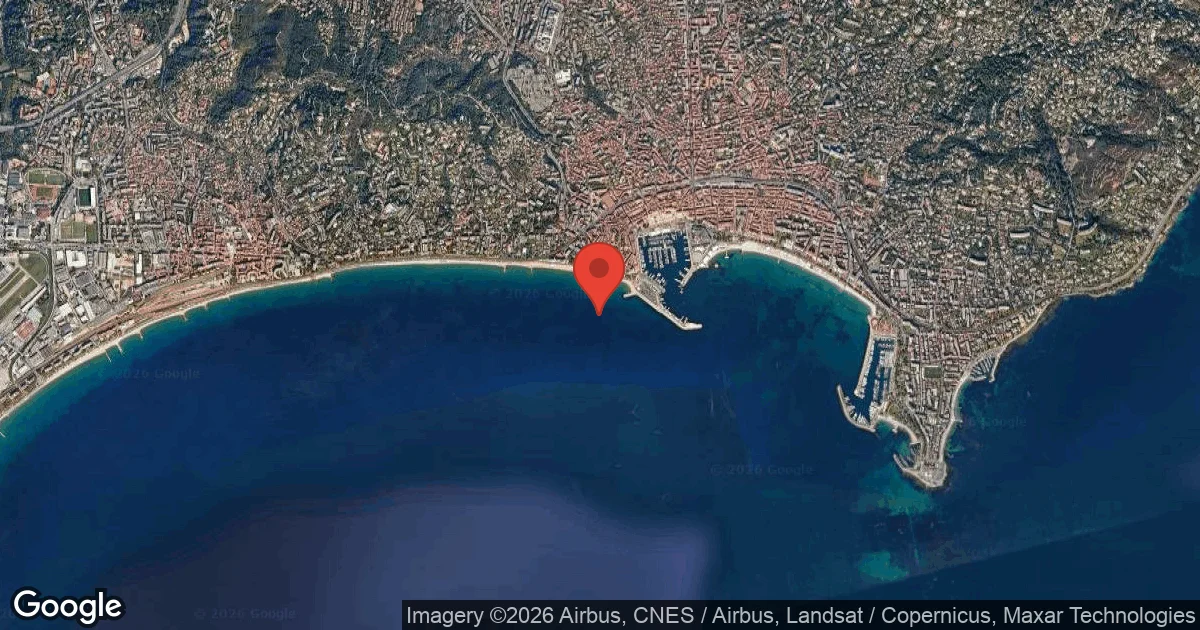
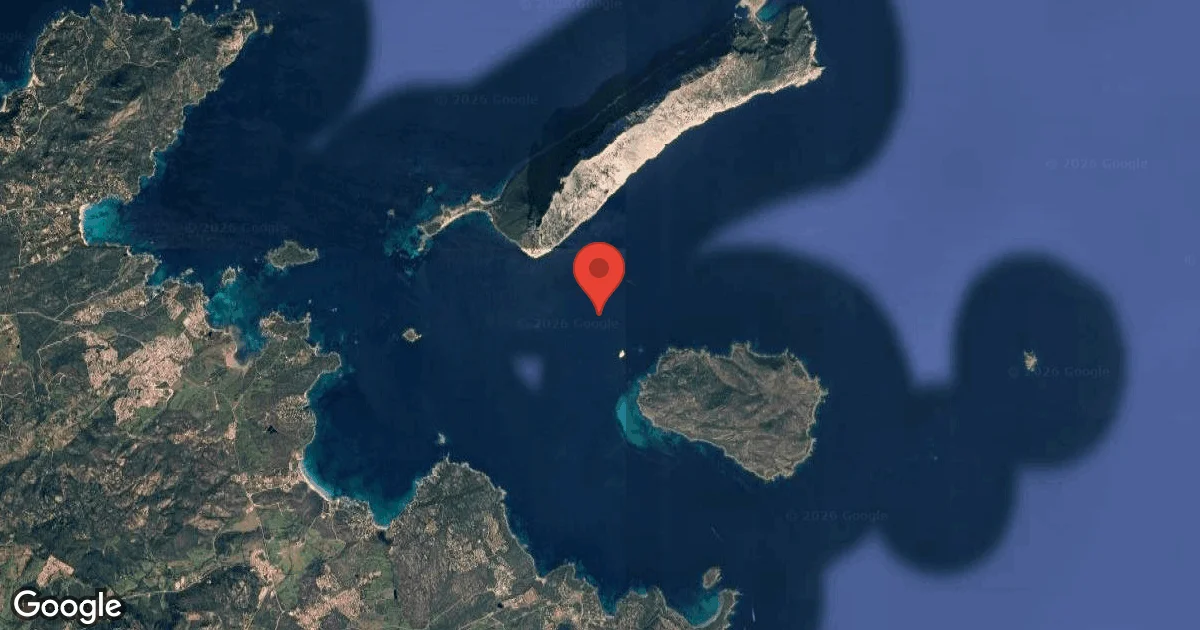
Where You Can See Posidonia Oceanica
This map highlights the main regions where divers may encounter Posidonia Oceanica or where the species is commonly associated with suitable marine habitats. Actual sightings depend on local dive sites, season, visibility, depth, and natural behaviour.
Atlantic
Mediterranean
Diver Notes
Encounter Highlights
Peaceful and curious, Posidonia Oceanica offer some of the most awe-inspiring encounters in the ocean.
Behavior
sessile, photosynthetic
Best Time
/
Best Conditions
/
What to Expect
/
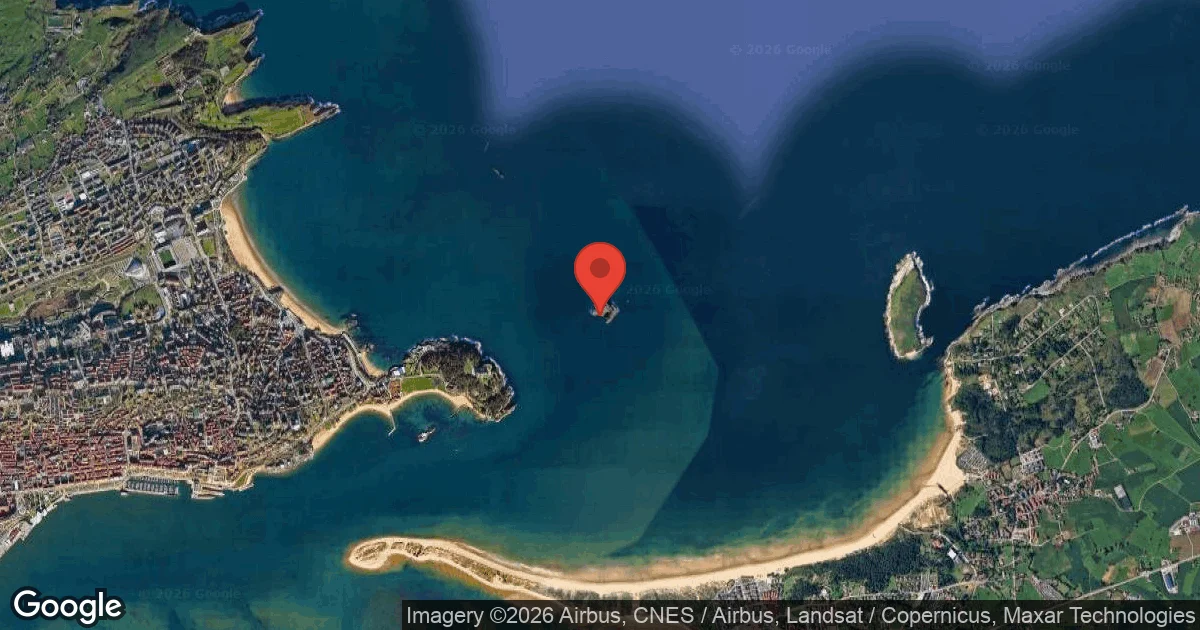
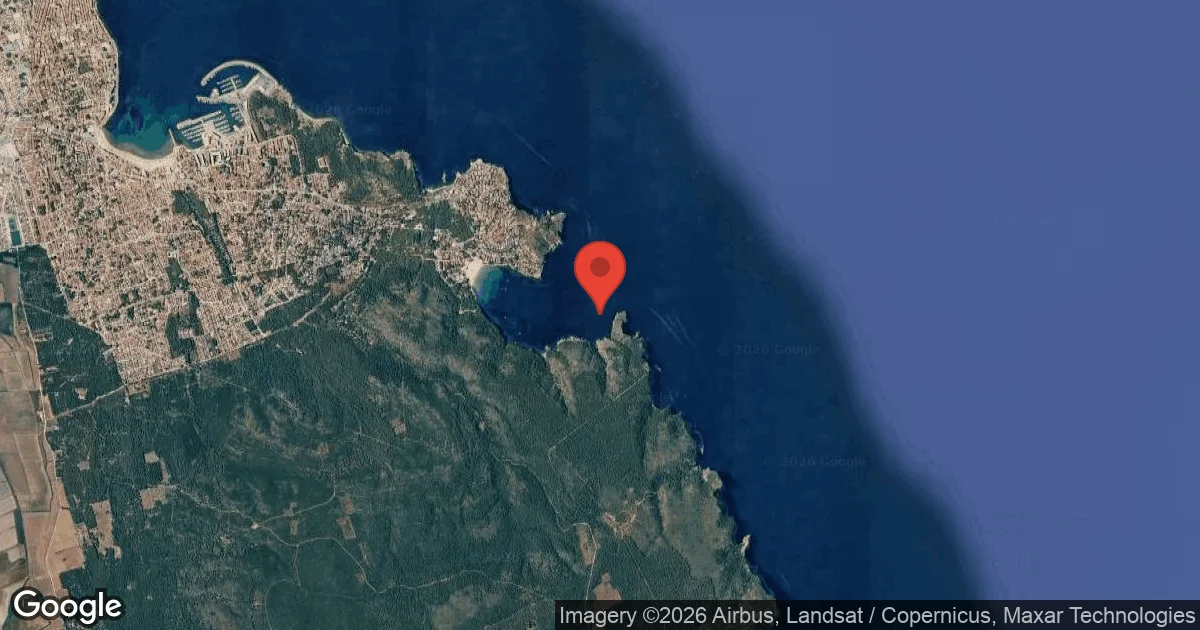
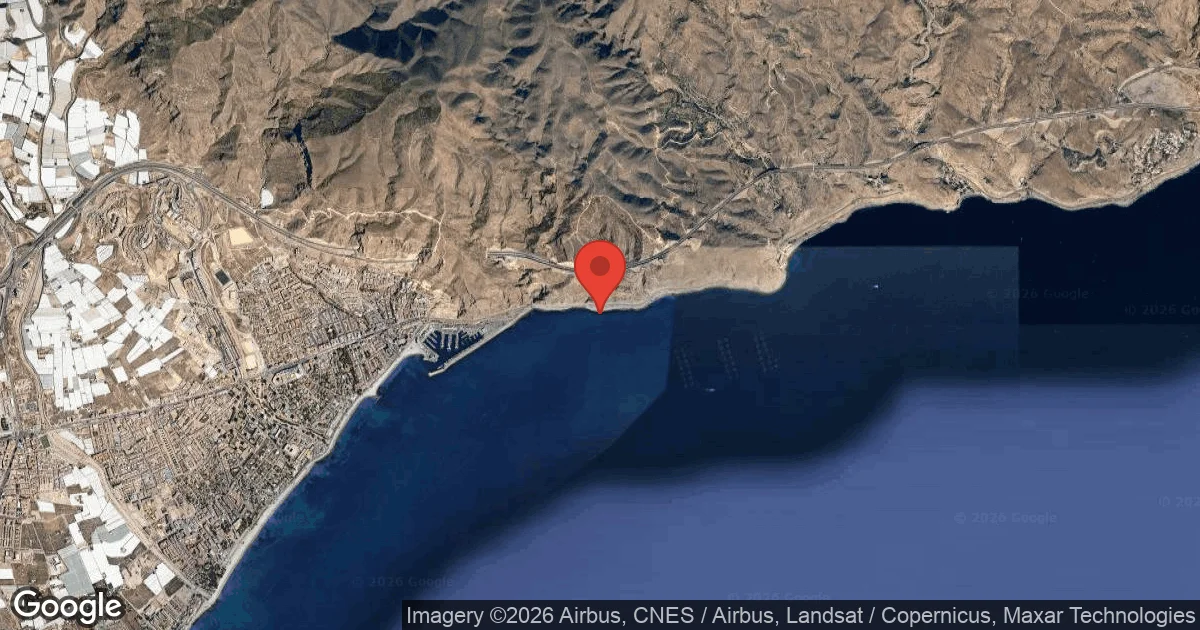
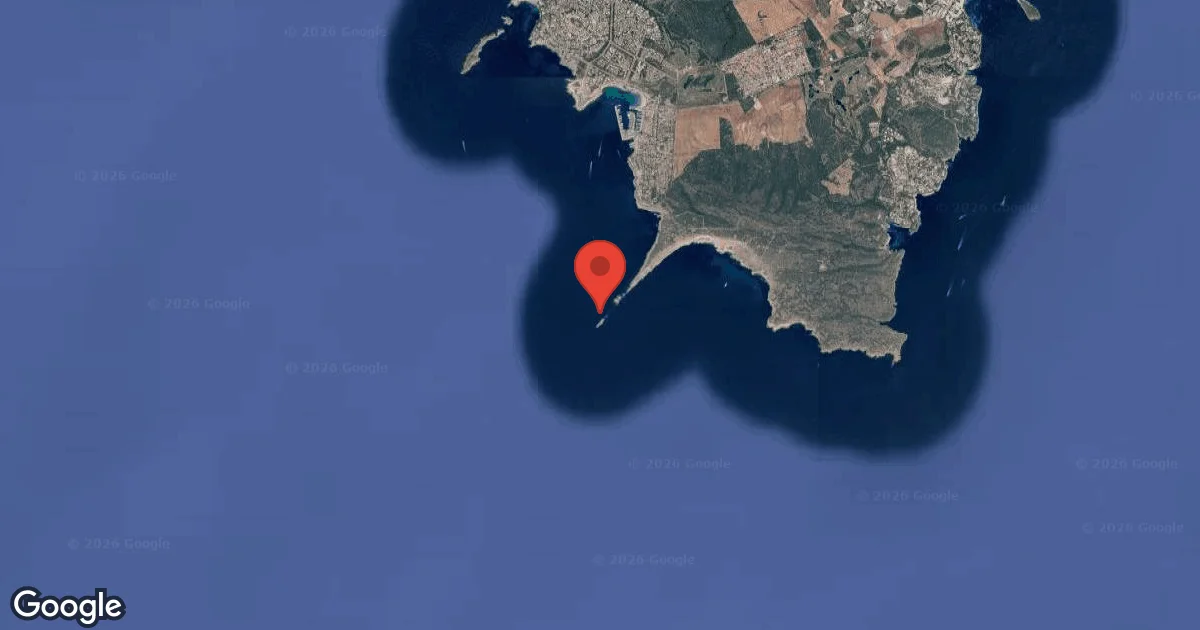
Dive Sites with Posidonia Oceanica
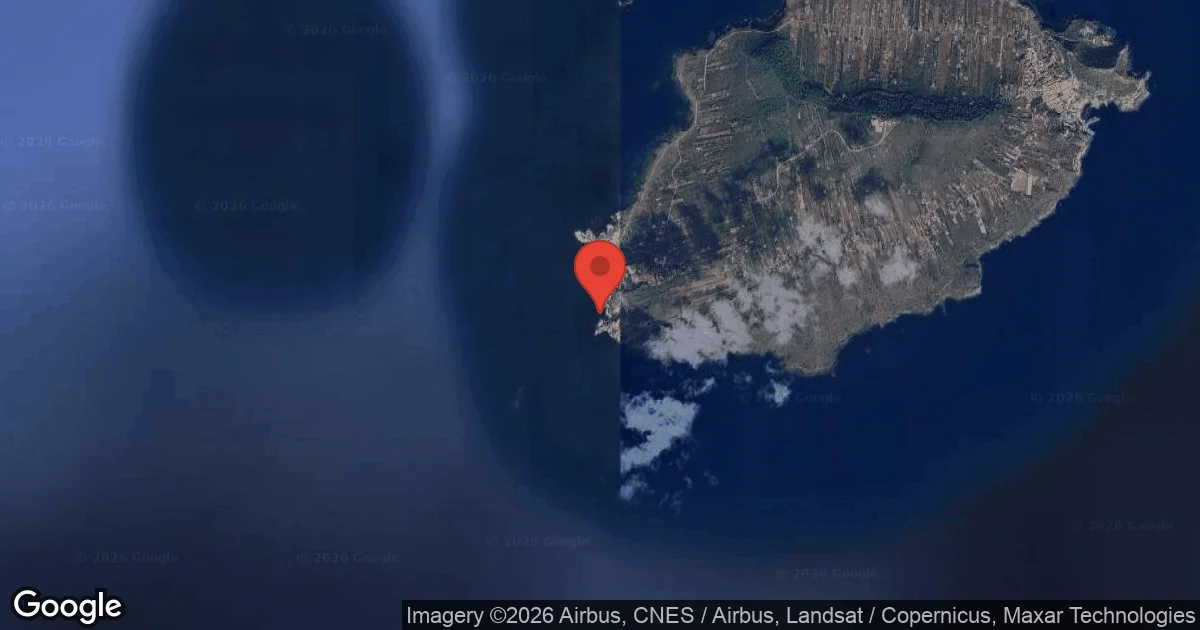
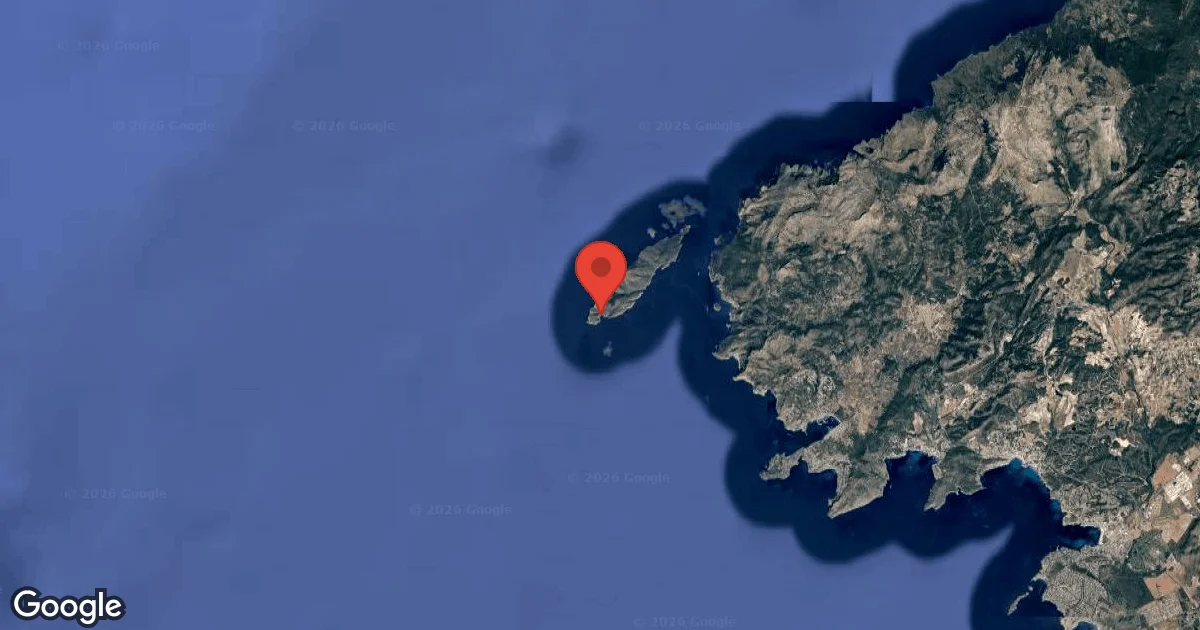
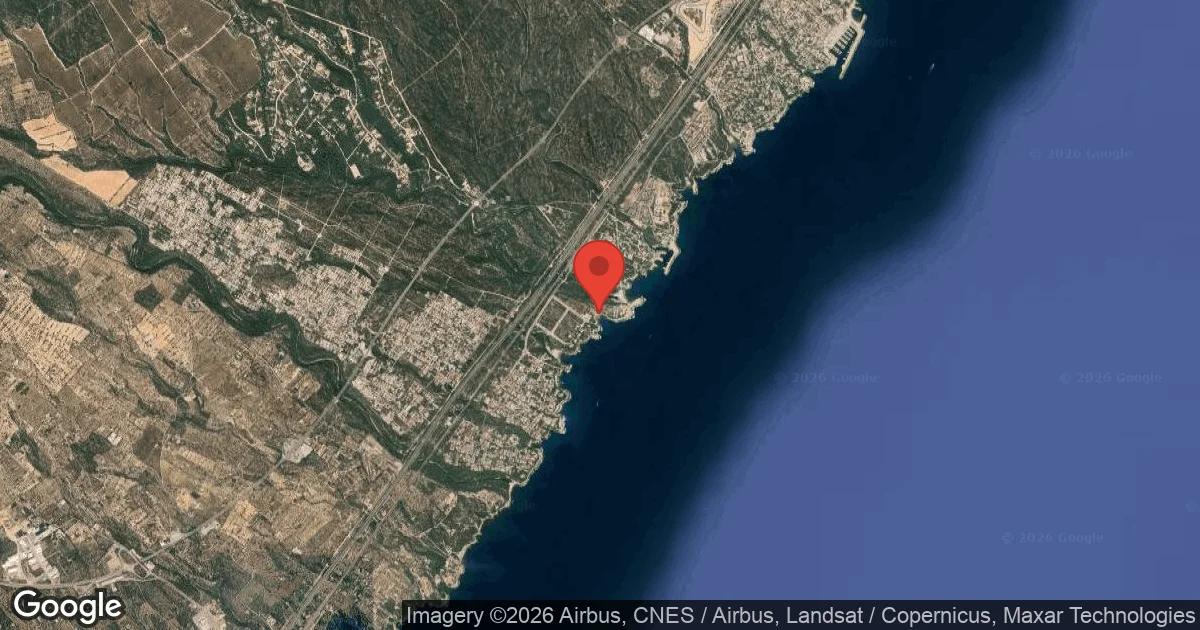
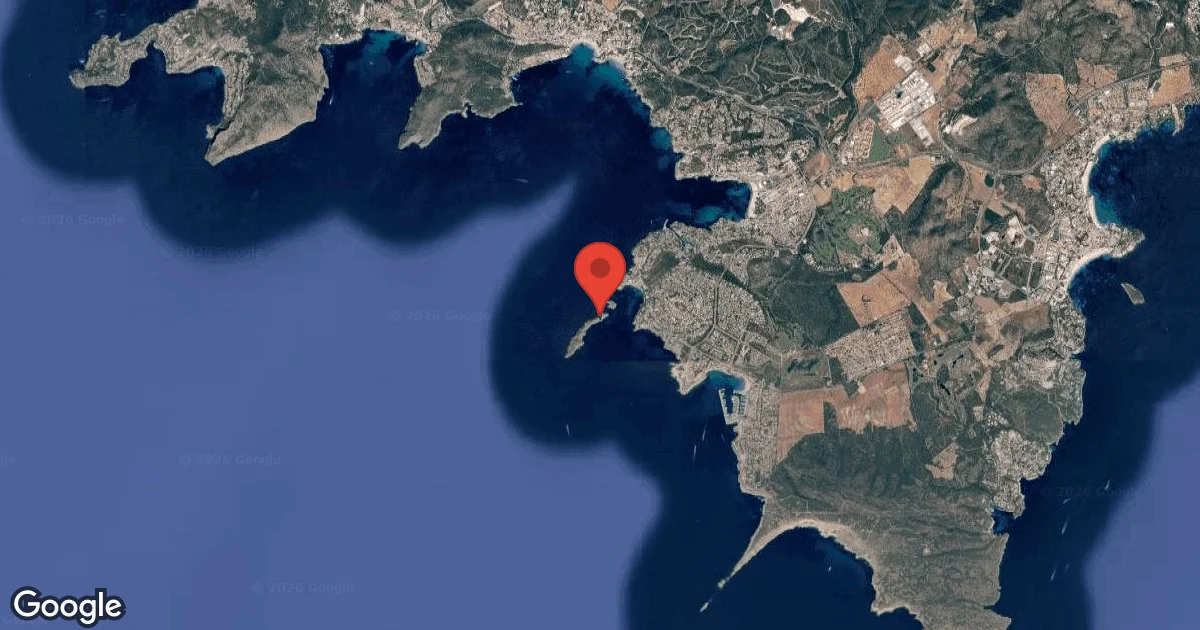
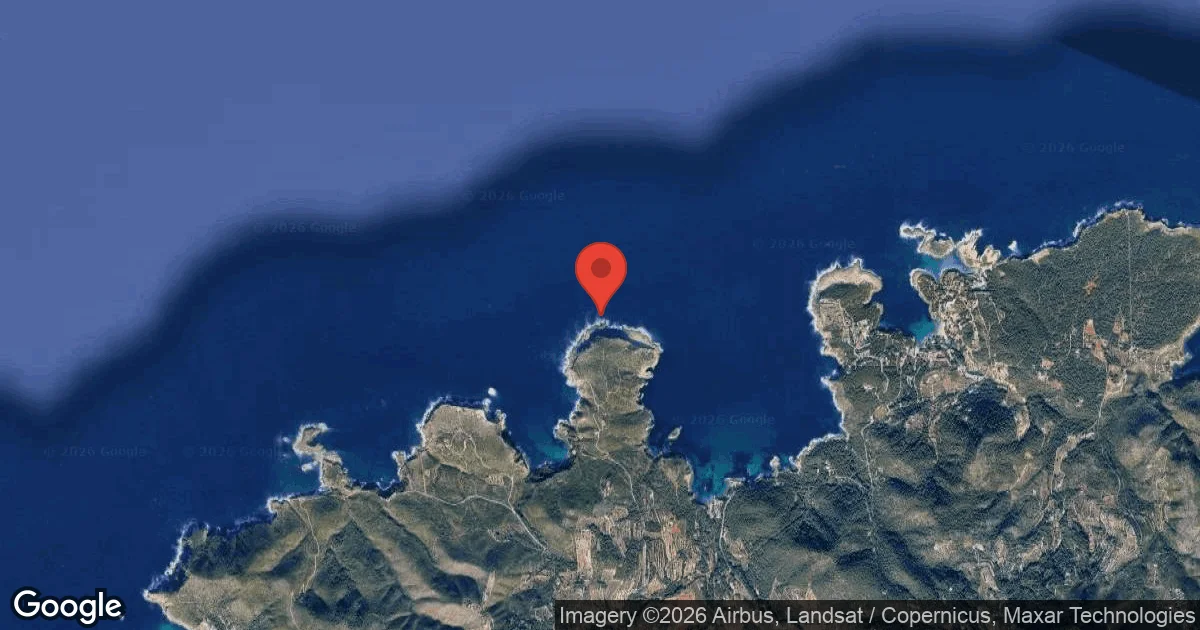
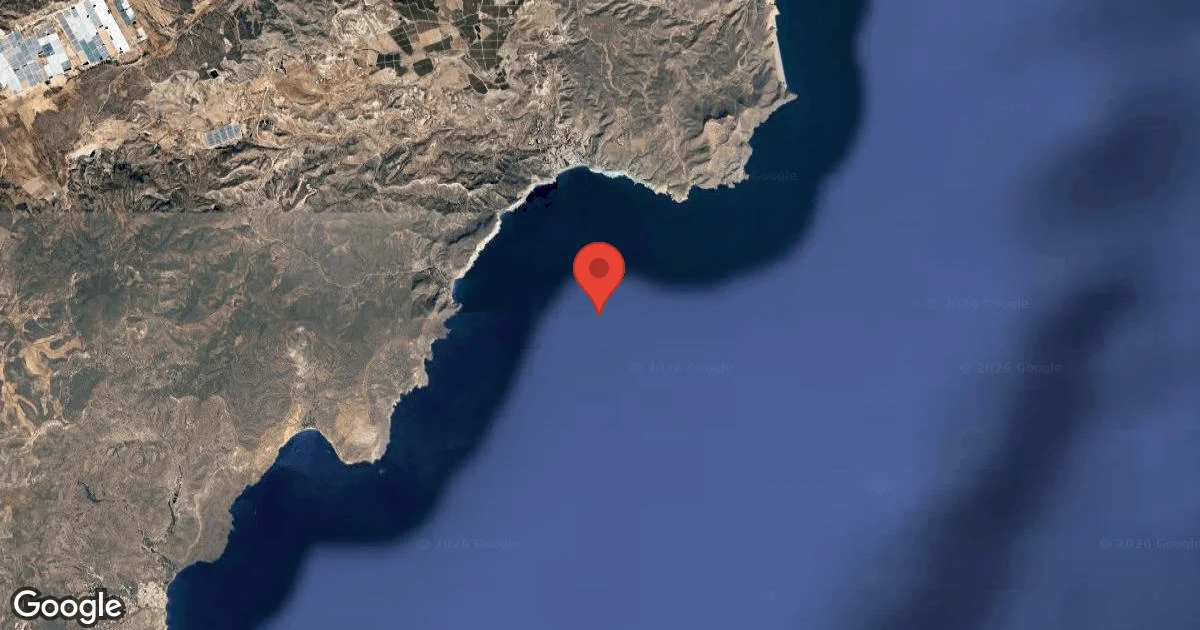
Discover 12 of 108 breathtaking locations where you can encounter this species.
Related Marine Life
Explore other incredible species you can encounter on your diving adventures.