
Diving at La Piedra de Blas (Spain)
Dropping into the blue at La piedra de Blas, divers immediately sense the unique isolation of a substantial rock formation emerging from a vast posidonia seagrass meadow. It feels like approaching a living island, its crags and crevices promising encounters with resident predators. The contrast between the open, undulating seagrass and the solid, life-encrusted rock creates a compelling underwater landscape, drawing the eye and inviting close exploration. It's an environment where the large, often elusive inhabitants make their home.
As evening covers La Piedra de Blas, the local air temperature is measured at 25°C. The current wave height at the surface is recorded at 0.8 m. These late-day readings characterize the surface conditions for the night.
Dive Site Location & Key Facts
Dive Site Overview
La piedra de Blas emerges as a significant underwater landmark for divers exploring the Almerían coast near Las Negras, Spain. This compelling site centers around a substantial submerged rock, extending down to a maximum depth of 24 m (79 ft).
It functions as an isolated, vibrant habitat, rising distinctly from the vast, undulating posidonia seagrass meadows that characterize the surrounding seabed. Its prominent geological presence has historically established it as a natural refuge, drawing and concentrating marine life that might otherwise be more dispersed across broader areas. For divers, this structure serves as a crucial point of interest, particularly for encountering the larger creatures that thrive within and around the expansive seagrass environment.
Exploring here feels like discovering an oasis; the rock acts as a consistent focal point amidst the more uniform seabed, offering a reliable destination for those seeking substantial interactions with the Mediterranean's deeper reef species. This spot has been a recorded dive site since at least 2019, underscoring its established value within the local diving community and its continued appeal.
Conditions are Moderate
High Wind Advisory (44km/h). Unsafe surface.
Current conditions near La Piedra de Blas show 25° air, 26° sea temperature, 1.4 m waves, and 44 km/h wind. Forecast data is refreshed regularly to ensure accuracy.
Best Time to Dive
Planning a dive at La piedra de Blas is generally most comfortable from late spring through early autumn, typically May to October, when air temperatures are at their warmest. During these months, surface conditions for gearing up and surface intervals are pleasant, with average air temperatures ranging from 20°C (68°F) in May to a peak of 28°C (82°F) in August. Rainfall is also minimal during this period, often below 1.5mm per month, ensuring clearer skies. While good diving conditions extend into November and December, with dive scores remaining favorable, air temperatures cool to around 17°C (63°F) and 13.5°C (56°F) respectively. March sometimes presents moderate dive conditions, possibly due to more variable weather, but generally, the site offers good diving opportunities for much of the year.
PEAK SEASON SCORE
Scores combine air & water temps, waves, wind & rainfall for overall conditions.
BEST MONTHS TO DIVE
Monthly records compiled from satellite and marine observation nodes over the last 3 years. Data provided by Open-Meteo and MET Norway.
Dive Experience & Conditions
A typical descent at La piedra de Blas brings divers towards a prominent rock structure that anchors itself in the seabed at approximately 24 meters. This submerged pinnacle rises through the water column, its base enveloped by extensive posidonia seagrass, which itself supports a rich ecosystem. As you approach the main formation, the underwater scenery shifts from the swaying seagrass to the rugged, vertical faces of the rock. Divers often navigate around the contours of the rock, exploring its many nooks and overhangs. The varied topography provides plenty of opportunities for observing marine life that uses the rock for shelter and hunting. It's a site that allows for exploration at different depths as you ascend along the rock's profile.
Dive Difficulty & Safety Guidelines
To ensure a safe and enjoyable dive at La piedra de Blas, divers should prioritize excellent buoyancy control, particularly when exploring the intricate rock formations and delicate posidonia meadows. Maintaining a respectful distance from the marine life, especially the larger resident predators like morays and groupers, is essential for both diver safety and ecosystem preservation. Always dive within your certification limits; a depth of 24 m (79 ft) requires comfort and experience at moderate depths.
Familiarize yourself with the local weather forecasts before planning your dive, as sea conditions can influence visibility and comfort. It's also prudent to dive with a local guide who understands the specific characteristics and potential currents of this Almerían site.
Recommended Equipment
- Dive Computer
This gear list is based on verified equipment signals for La Piedra de Blas, Spain. Always confirm final gear choices with your dive operator, guide, or liveaboard.
Recommended Dive Suit
With water temperatures around 26°C (79°F), many divers find a 2-3mm shorty or light wetsuit provides comfortable protection.
Local conditions can vary slightly across different parts of the same dive site.
Conditions are expected to stay fairly consistent in the days ahead.
Emergency & Medical Support
Essential information to help you plan your dive trip to La piedra de Blas.

Hyperbaric chambers are a critical part of dive safety infrastructure. Availability varies significantly by region, and not all dive areas have immediate access.
Before diving, it's recommended to:
- confirm nearest medical facilities
- check emergency procedures with local dive operators
- ensure dive insurance covers evacuation if required
Divers Alert Network
Diving emergency assistance available through DAN Europe.
+39 0642115685- 24/7 emergency hotline
- Diving medical assistance
- Evacuation coordination
Emergency contacts are provided for reference. Always verify local emergency services before diving.
Marine Life at La Piedra de Blas
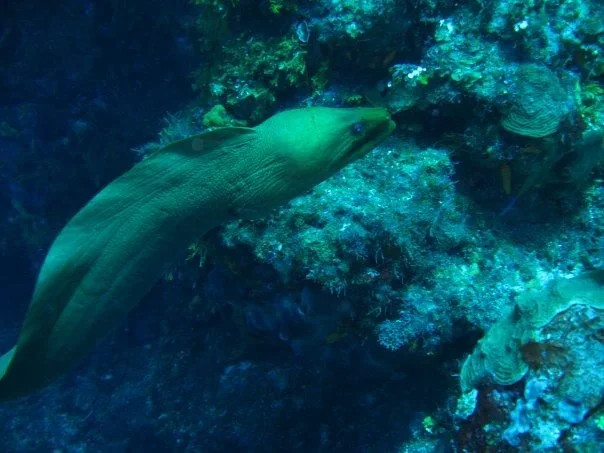
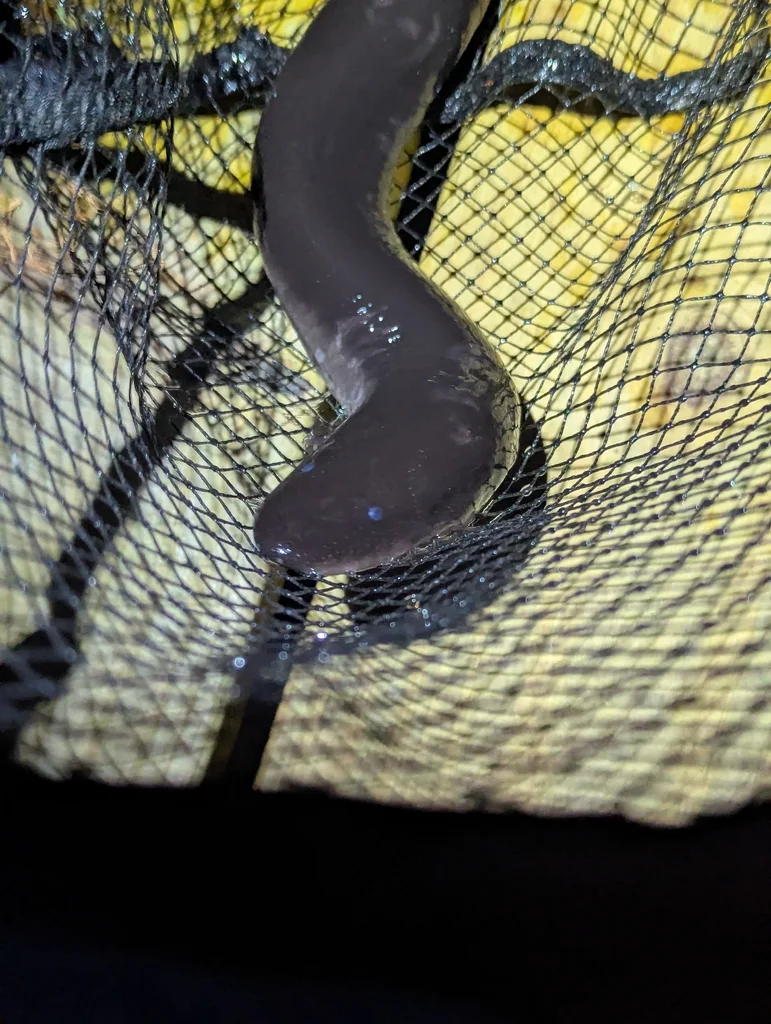
Upon nearing the rock at La piedra de Blas, what often first catches the eye are the substantial, lurking figures of predatory fish. The site is a known haven for a multitude of large moray eels and conger eels, often found tucked into the rock's numerous crevices and overhangs.
Large groupers and meagre also frequent these waters, using the rock as a prime hunting ground and shelter within the surrounding posidonia meadow. Occasionally, lucky divers might even encounter sunfish, which are known to visit the area, adding a truly memorable element to the underwater exploration as they come to investigate.

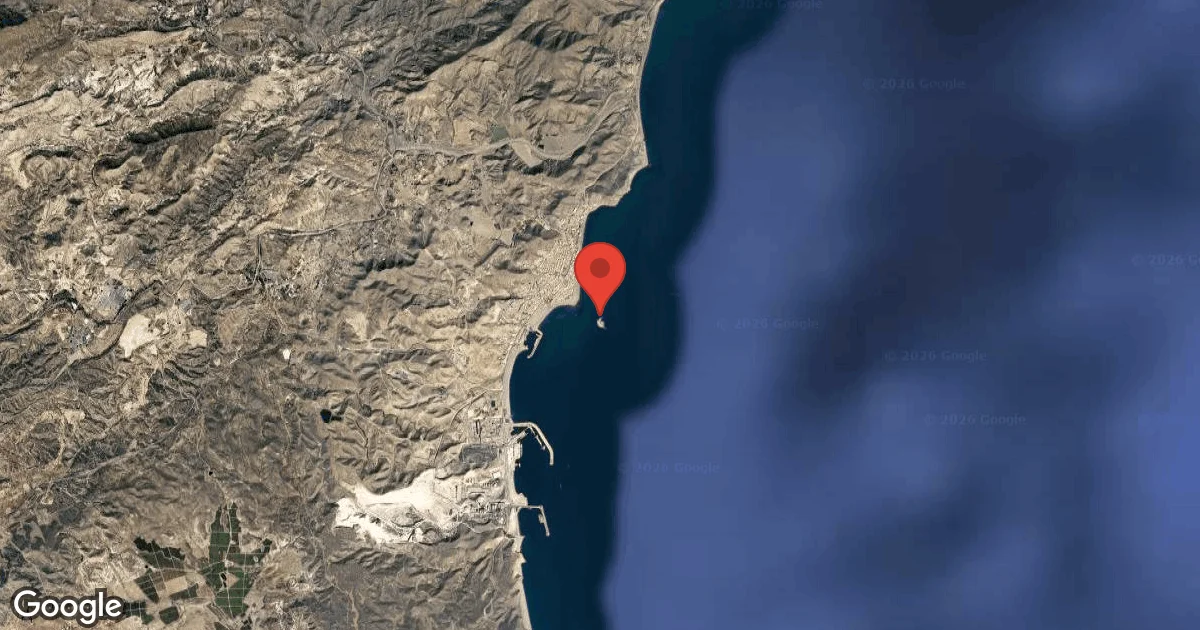
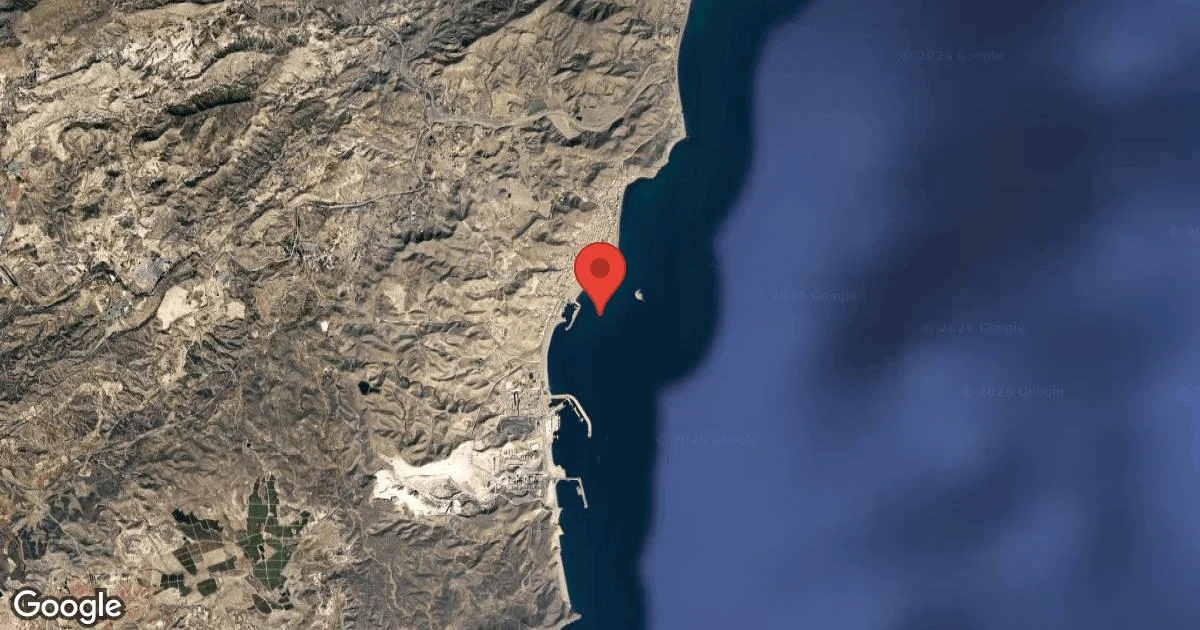
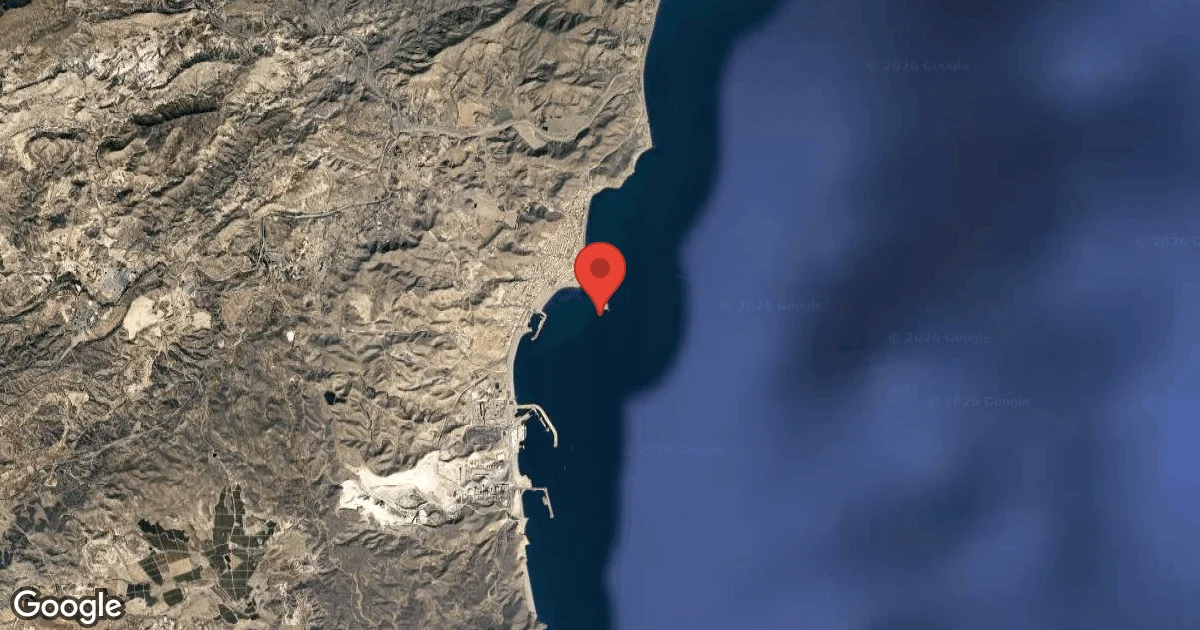
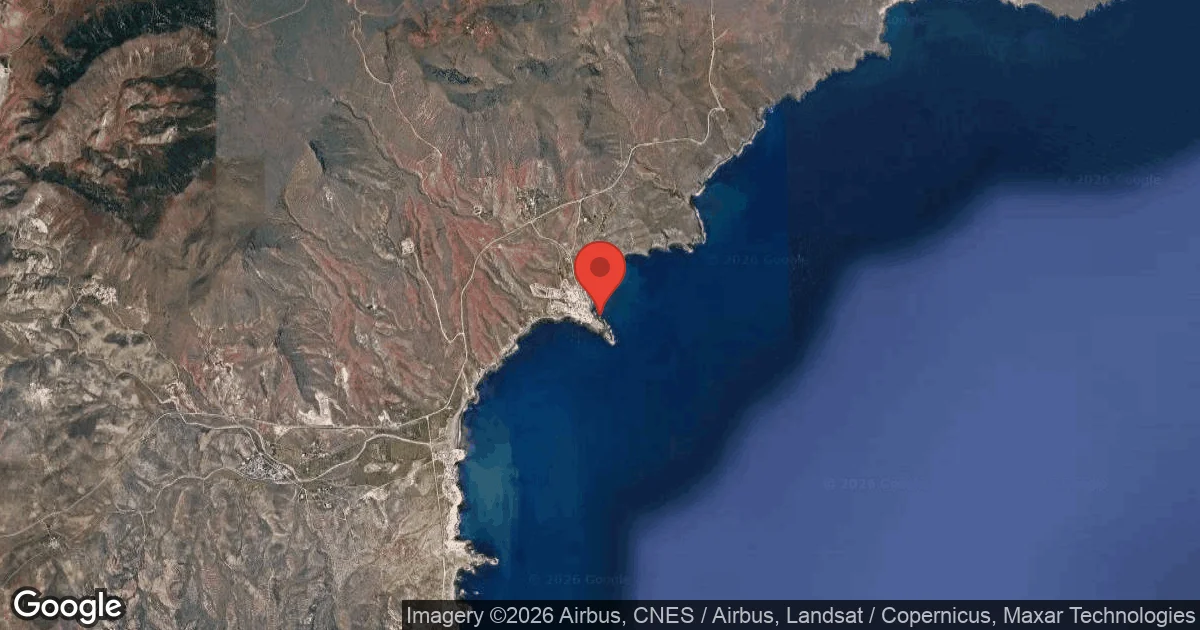
Dive Sites Near La Piedra de Blas
View all dive sites in SpainDiscover more underwater gems in this area.
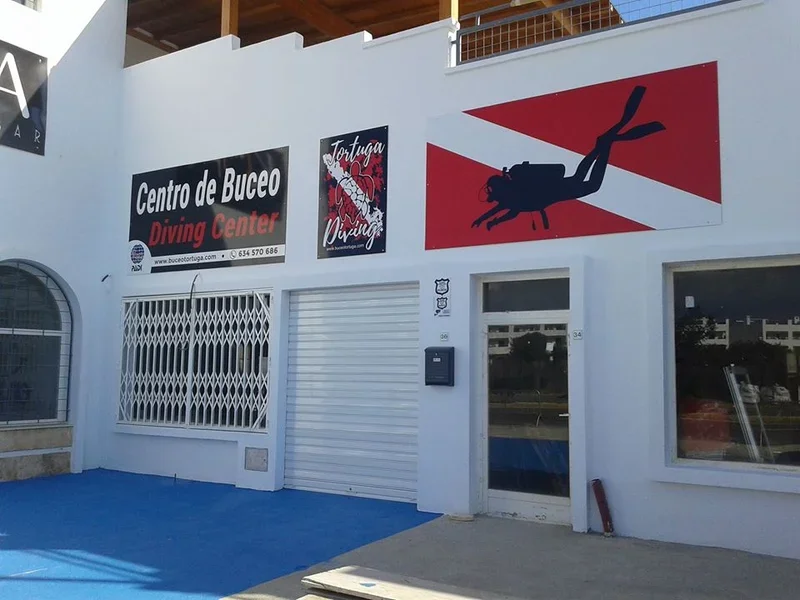
Dive Centers Near La Piedra de Blas
Today: 09:00 - 20:00
Nearest Airports
Nearest airports to help plan travel to this dive area.
Search Flights
Check available flights and routes on Expedia, using the nearby airports listed in this section.
Search Flights on ExpediaFrequently Asked Questions
What type of dive site is La piedra de Blas?
La piedra de Blas is primarily a reef dive, characterized by a substantial submerged rock formation. This rock serves as an island of habitat within a larger posidonia seagrass meadow, attracting a variety of marine life.
What is the maximum depth at La piedra de Blas?
The maximum reported depth for diving at La piedra de Blas is 24 meters (79 ft). Divers can explore the rock structure and its surrounding areas up to this depth.
What marine life can I expect to see at La piedra de Blas?
Divers often encounter a multitude of large moray eels, conger eels, groupers, and meagre seeking shelter and food around the rock. There's also the occasional possibility of spotting sunfish visiting the site.
What are the best months to dive La piedra de Blas?
The period from May to October generally offers the most comfortable diving conditions, with warm air temperatures peaking in summer. Dive scores are consistently good during these months, and rainfall is minimal.
Is La piedra de Blas suitable for all dive levels?
Given its maximum depth of 24 meters, La piedra de Blas is best suited for certified divers comfortable with moderate depths. Excellent buoyancy control is recommended for navigating the reef and protecting the marine environment.
Where is La piedra de Blas located?
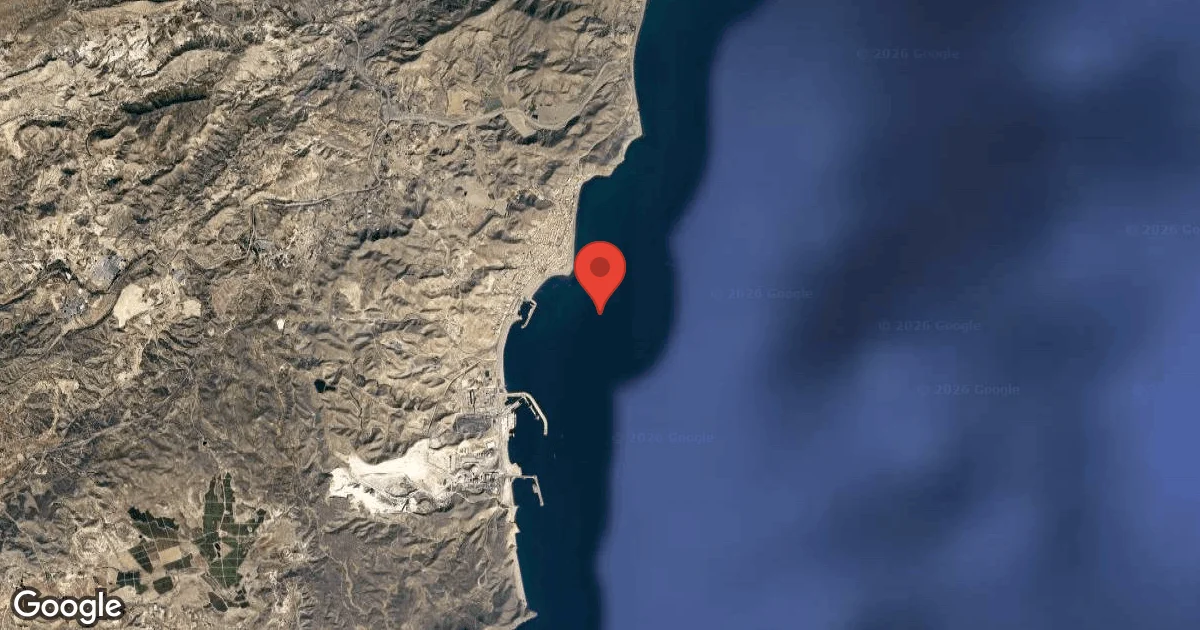
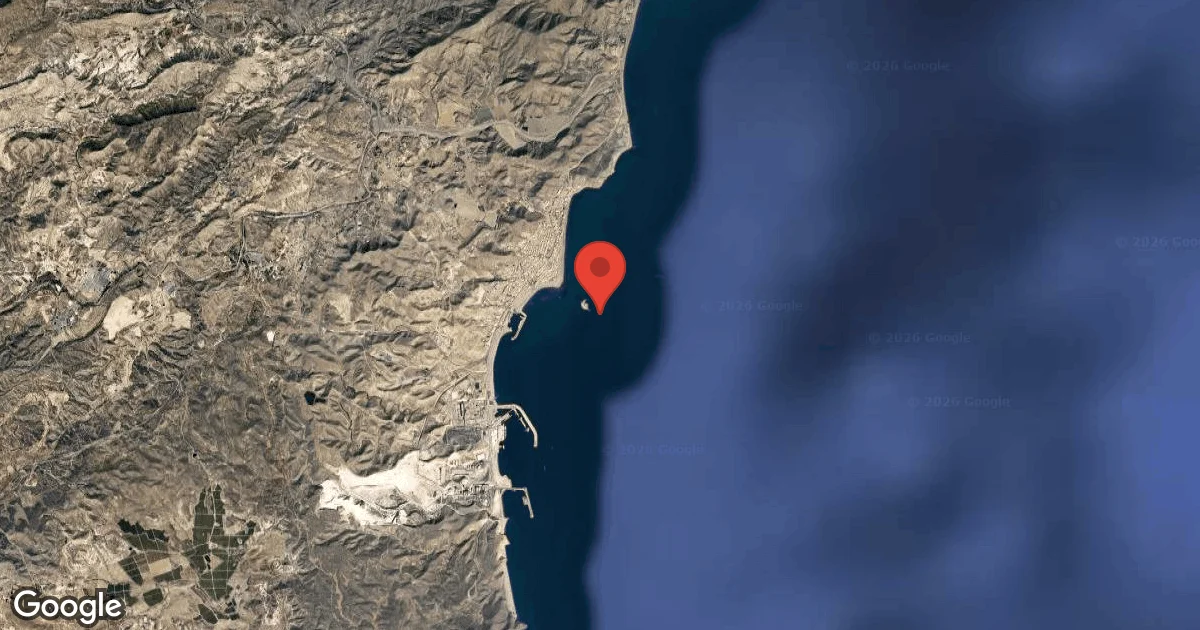
La piedra de Blas is located off the coast of Las Negras, in Almería, Spain. It's accessed by boat from local dive centers in the area.
Planning to dive La Piedra de Blas?
Send one inquiry and receive offers directly from the best verified local dive operators.
Conditions are Moderate
High Wind Advisory (44km/h). Unsafe surface.
Current conditions near La Piedra de Blas show 25° air, 26° sea temperature, 1.4 m waves, and 44 km/h wind. Forecast data is refreshed regularly to ensure accuracy.