
Diving at Faro de Pechiguera (Spain)
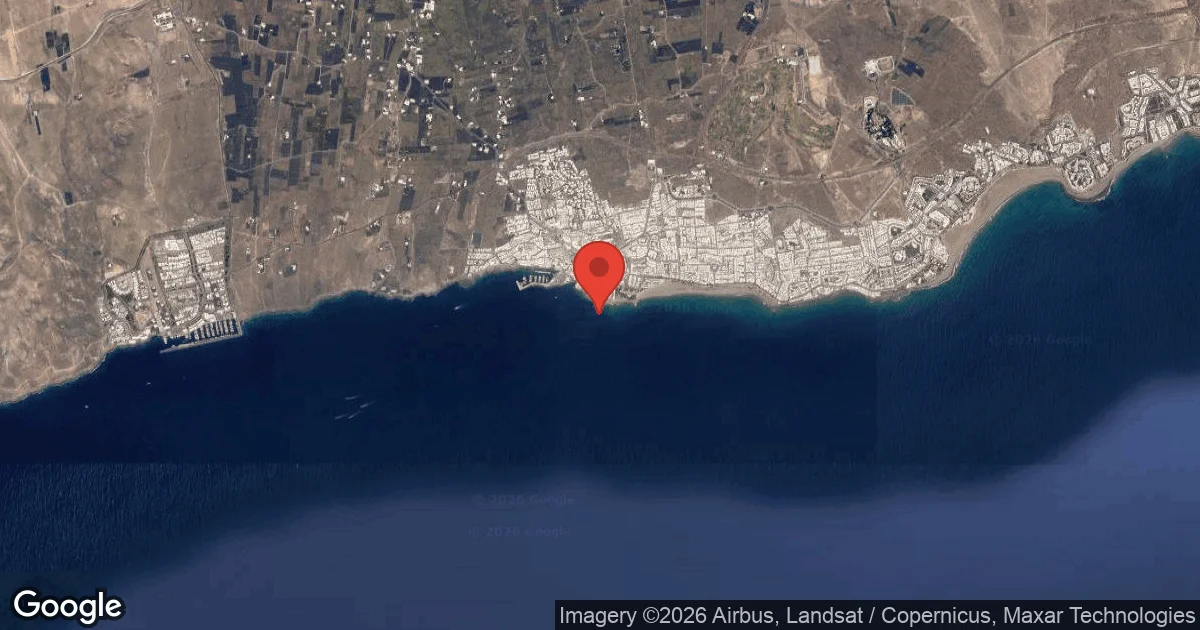
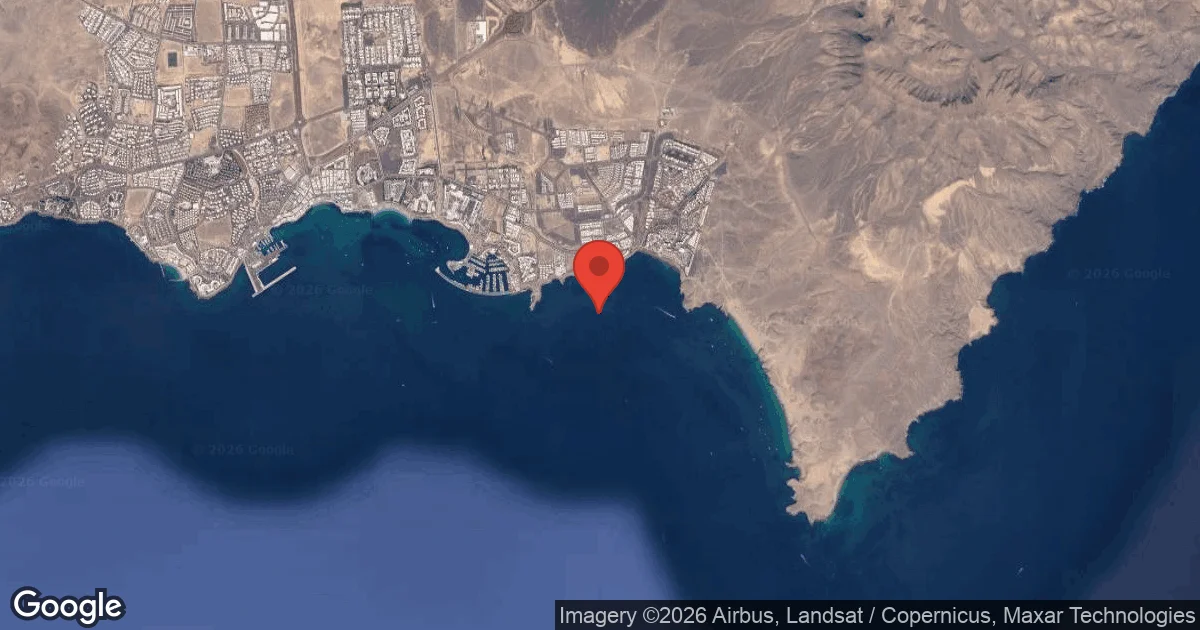
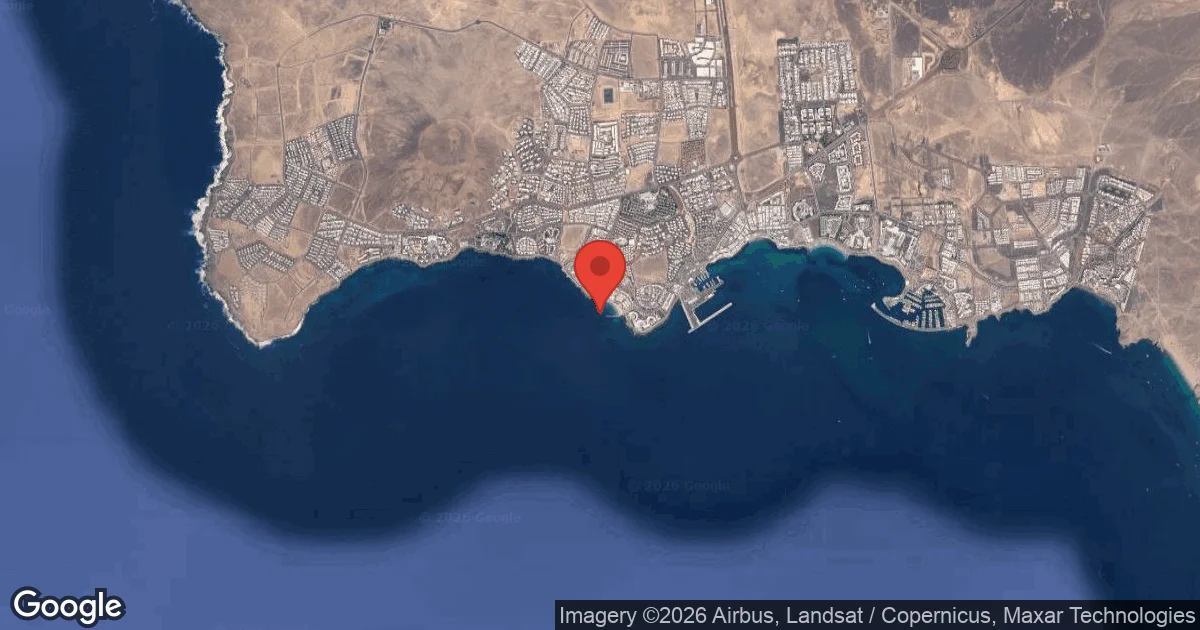
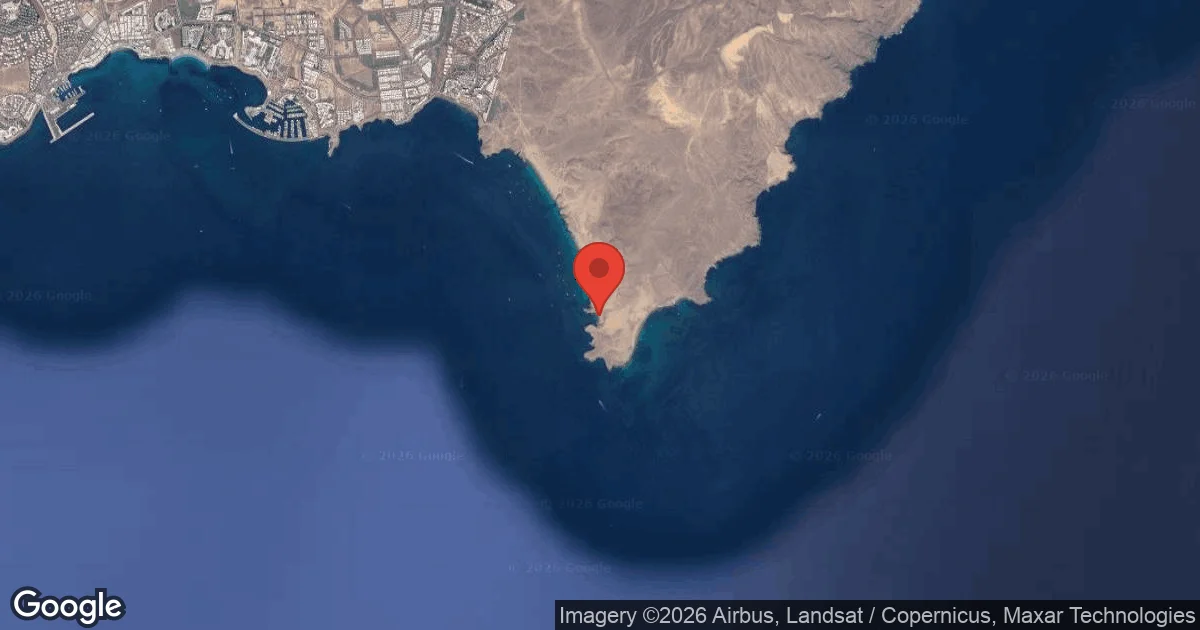
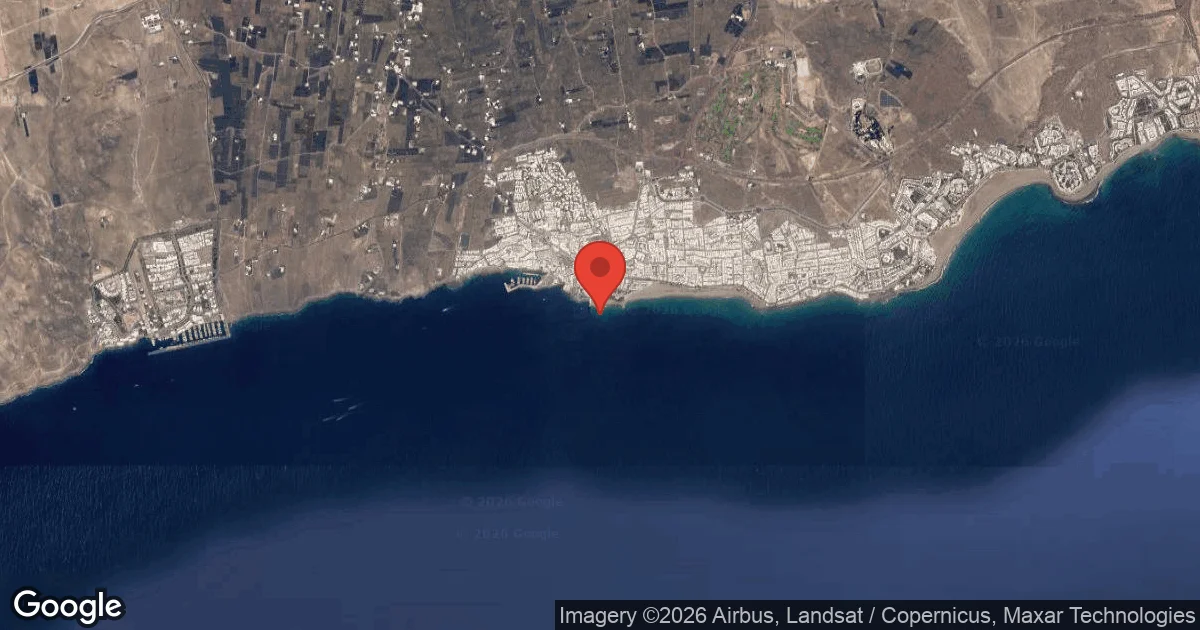
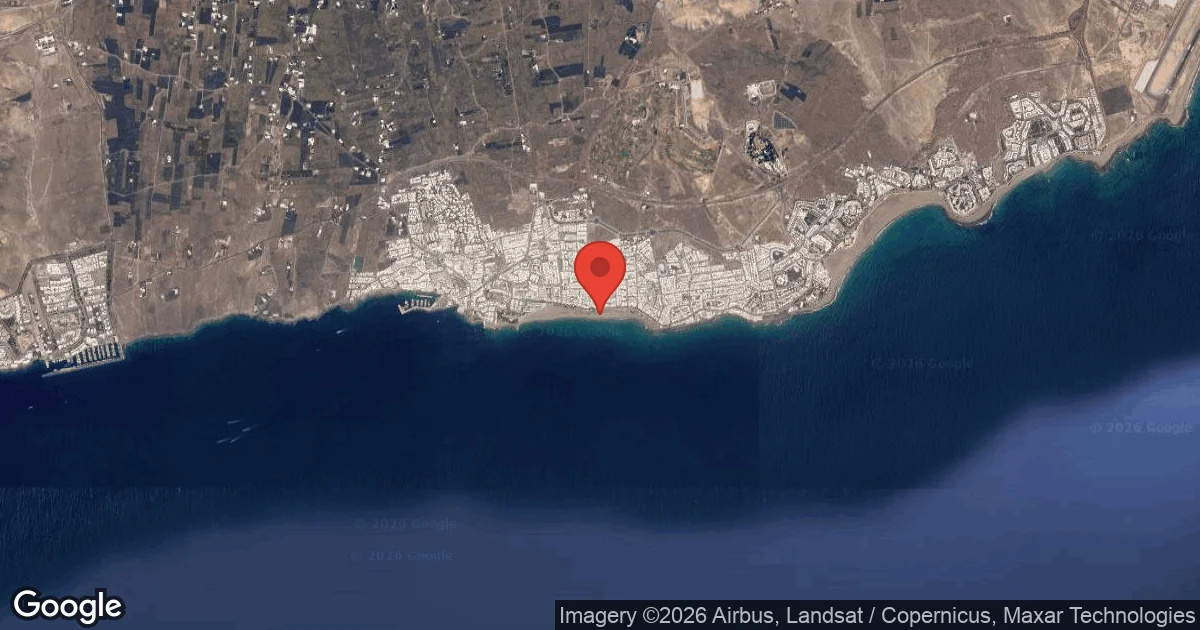
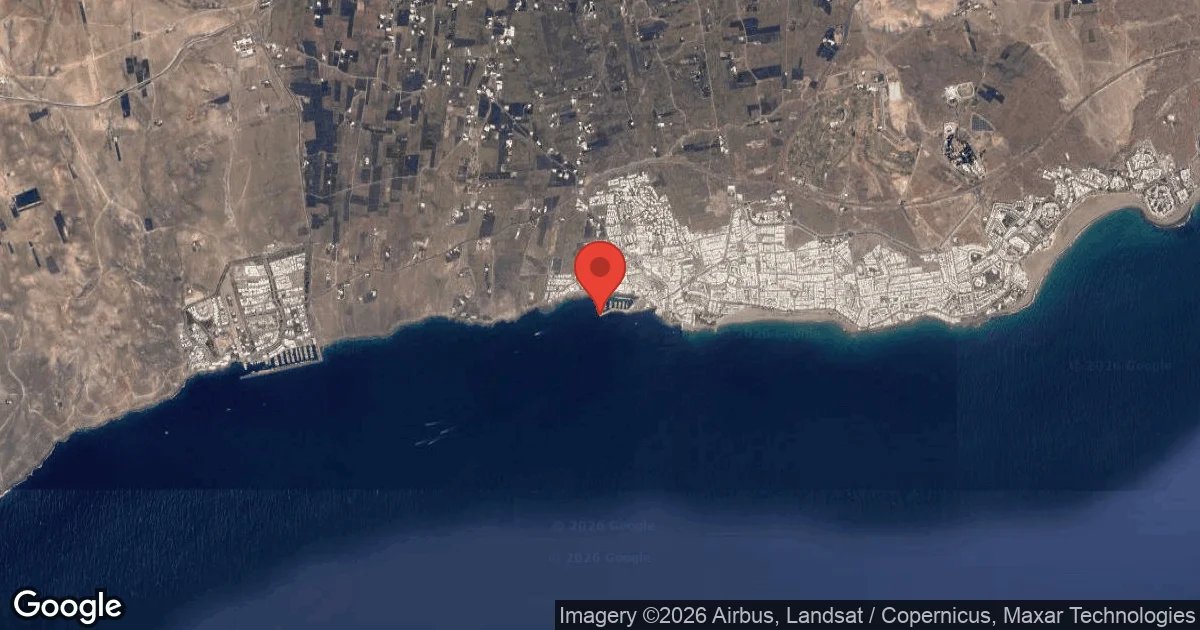
Standing at the western gateway of La Bocaina strait beneath Punta Pechiguera's twin lighthouses, Faro de Pechiguera is southern Lanzarote's ultimate blue-water adrenaline pinnacle. Rising like a submerged volcanic pyramid from 50 meters to a 20-meter summit, its black-coral slopes attract devil rays, amberjacks, tuna, and ghostly pelagic pyrosomes.
As evening covers Faro de Pechiguera, the local air temperature is measured at 23.5°C. The current wave height at the surface is recorded at 1.2 m. These late-day readings characterize the surface conditions for the night.
Dive Site Location & Key Facts
Dive Site Overview
At the southwestern corner of Lanzarote—where open Atlantic swells converge with the tidal jet between Lanzarote and Fuerteventura—the seabed drops past 50 meters before thrusting upward into a remarkably symmetrical volcanic rock pyramid peaking at 20 meters. With no coastal bay to buffer the flow, pure oceanic water bathes every face of the seamount.
Below 30 meters, bushy white-polyped colonies of Antipathella wollastoni black coral fan out into the current alongside sponges and deep overhangs, while clouds of anthias and bogues cling tightly to the 20-to-25-meter summit ridge.
Rated in Lanzarote's official dive guide for advanced and technical divers, hitting the pinnacle cleanly requires precise GPS drop timing, negative-entry descents, and live-boat blue-water drift pickups.
Conditions are Good
Optimal conditions expected
Current conditions near Faro de Pechiguera show 24° air, 23° sea temperature, 1.2 m waves, and 27 km/h wind. Forecast data is refreshed regularly to ensure accuracy.
Best Time to Dive
September through November offers the calmest surface conditions at Punta Pechiguera, warmest 22 to 24°C water, and peak migrations of devil rays (mantas), wahoo, and tuna through La Bocaina strait.
Regardless of month, dives are scheduled strictly around neap tides and slack-water windows when channel currents ease to manageable drift speeds.
PEAK SEASON SCORE
Scores combine air & water temps, waves, wind & rainfall for overall conditions.
BEST MONTHS TO DIVE
Monthly records compiled from satellite and marine observation nodes over the last 3 years. Data provided by Open-Meteo and MET Norway.
Dive Experience & Conditions
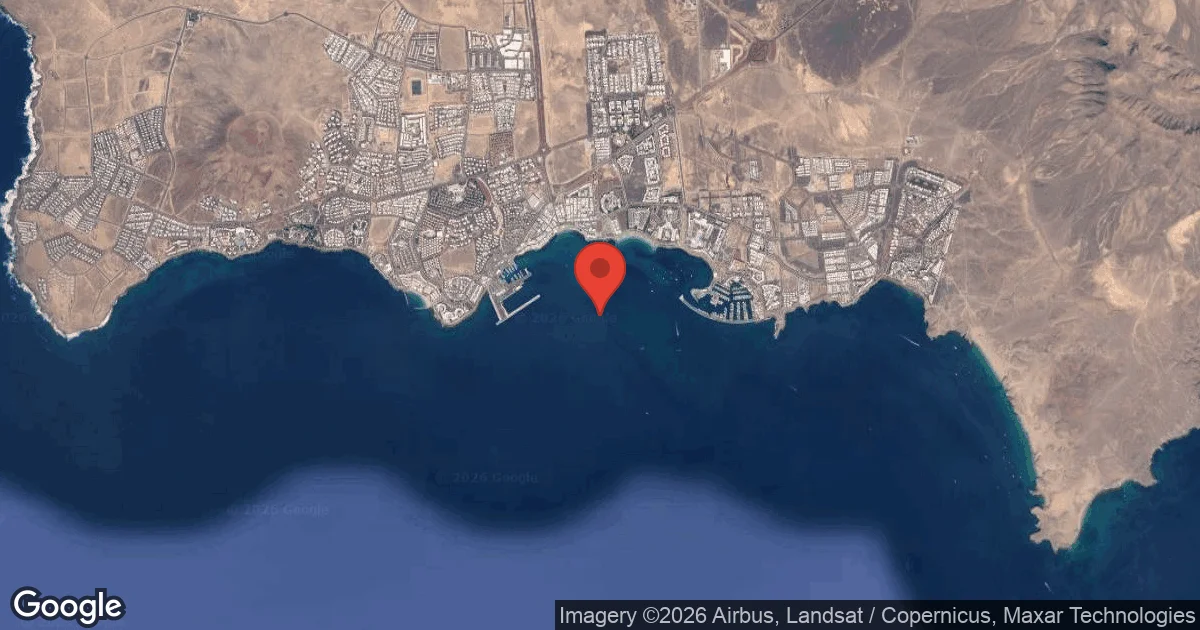
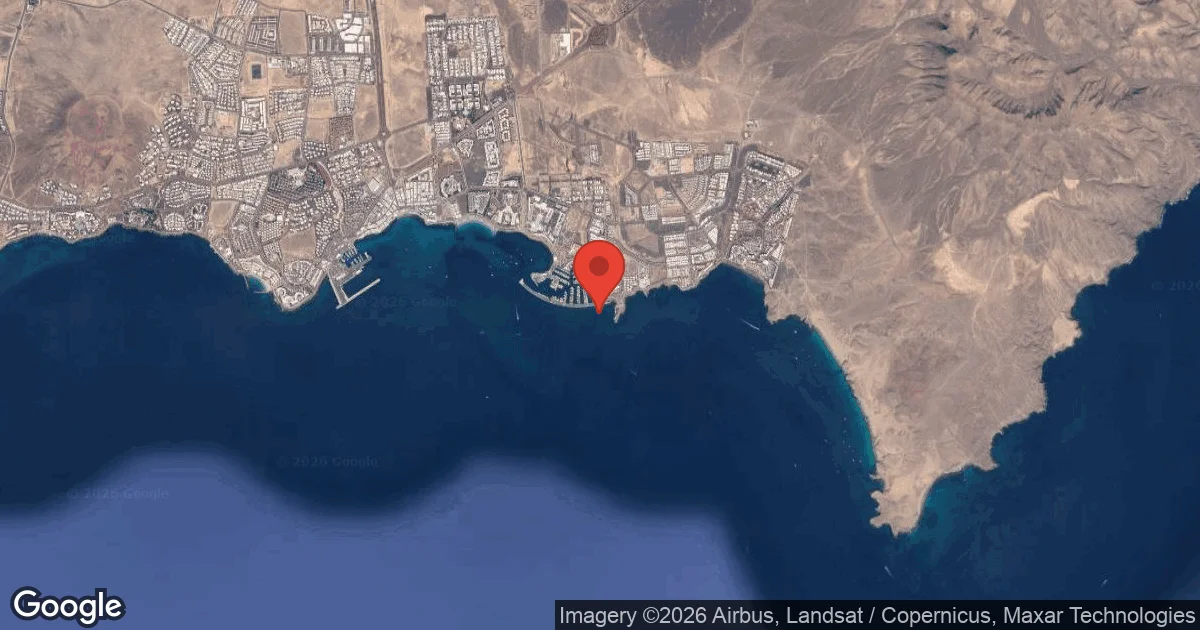
Reached by boat from Playa Blanca or Marina Rubicón, teams roll in simultaneously with deflated BCDs on the skipper's mark to drop straight onto the 20-meter summit before current sweeps them past the cone. Visibility frequently surpasses 25 to 35 meters in electric-blue oceanic water.
Divers work the leeward and up-current shoulders between 22 and 40 meters before ascending together in mid-water beneath a delayed surface marker buoy.
Dive Difficulty & Safety Guidelines
Never attempt Faro de Pechiguera without Deep Diver or technical experience, a personal reel-deployed surface marker buoy, and full comfort with negative entries and blue-water drift stops. If a team misses the 20-meter pinnacle on descent in strong current, abort together rather than fighting upstream at depth.
Select gas mixes carefully for your planned ceiling (air or EAN28 for 40 m; trimix below 40 m) and stay tightly grouped for live-boat recovery in the strait.
Recommended Equipment
Technical depth range. Advanced planning, gas management, and appropriate certification required.
Current and surface separation risk. Local briefing strongly recommended.
- Dive Computer
- DSMB
- Primary & Backup Lights
- Reel / Spool
This gear list is based on verified equipment signals for Faro de Pechiguera, Spain. Always confirm final gear choices with your dive operator, guide, or liveaboard.
Recommended Dive Suit
With water temperatures around 23°C (73°F), many divers find a 3-5mm wetsuit provides comfortable protection.
Local conditions can vary slightly across different parts of the same dive site.
Conditions are expected to stay fairly consistent in the days ahead.
Emergency & Medical Support
Essential information to help you plan your dive trip to Faro de Pechiguera.

Hyperbaric chambers are a critical part of dive safety infrastructure. Availability varies significantly by region, and not all dive areas have immediate access.
Before diving, it's recommended to:
- confirm nearest medical facilities
- check emergency procedures with local dive operators
- ensure dive insurance covers evacuation if required
Divers Alert Network
Diving emergency assistance available through DAN Europe.
+39 0642115685- 24/7 emergency hotline
- Diving medical assistance
- Evacuation coordination
Emergency contacts are provided for reference. Always verify local emergency services before diving.
Marine Life at Faro de Pechiguera
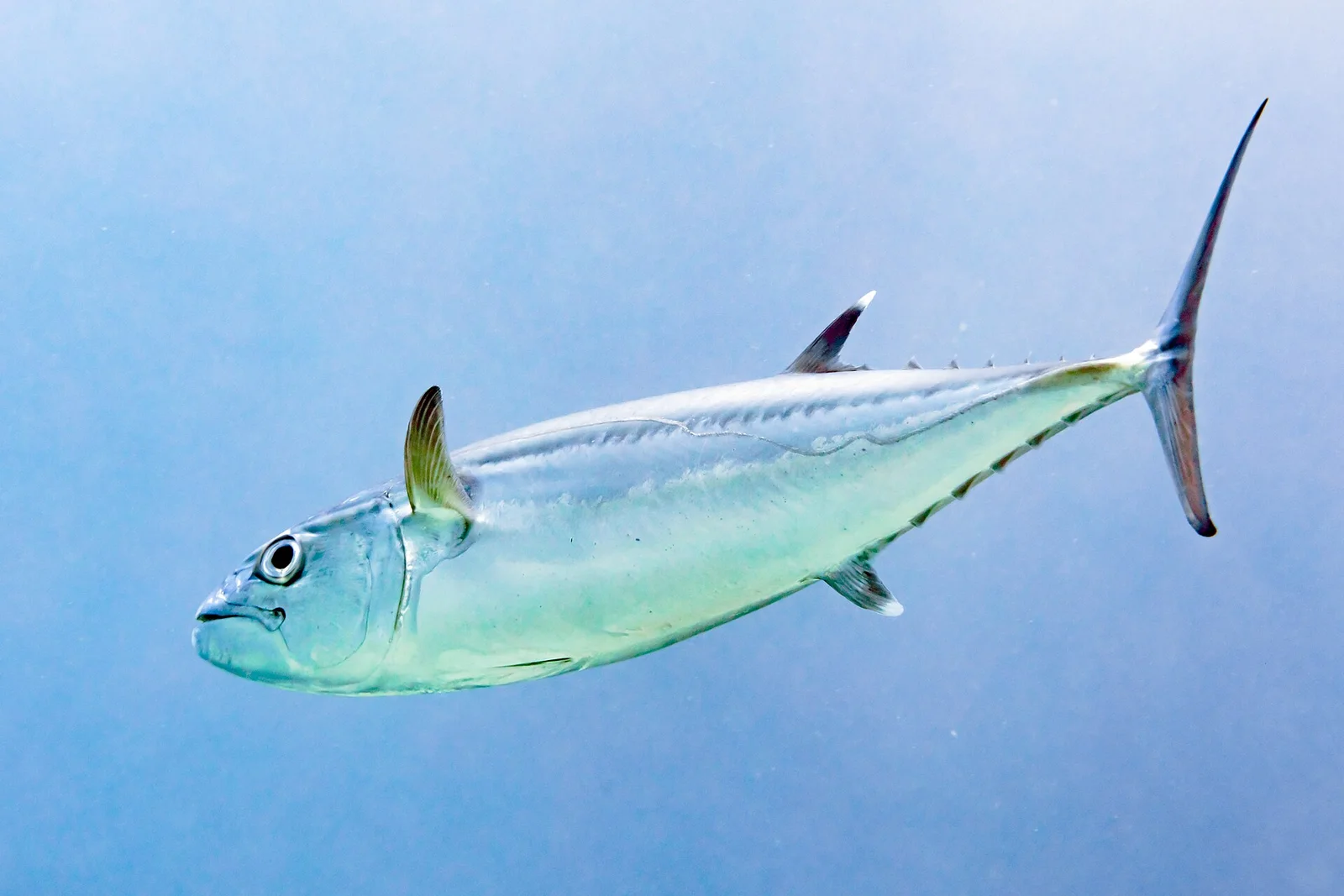
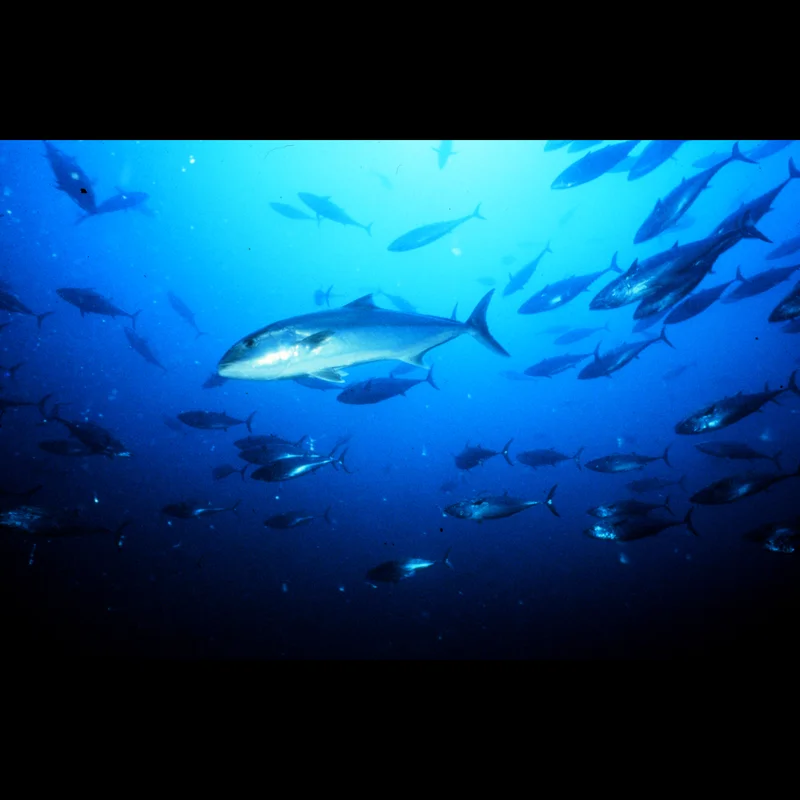
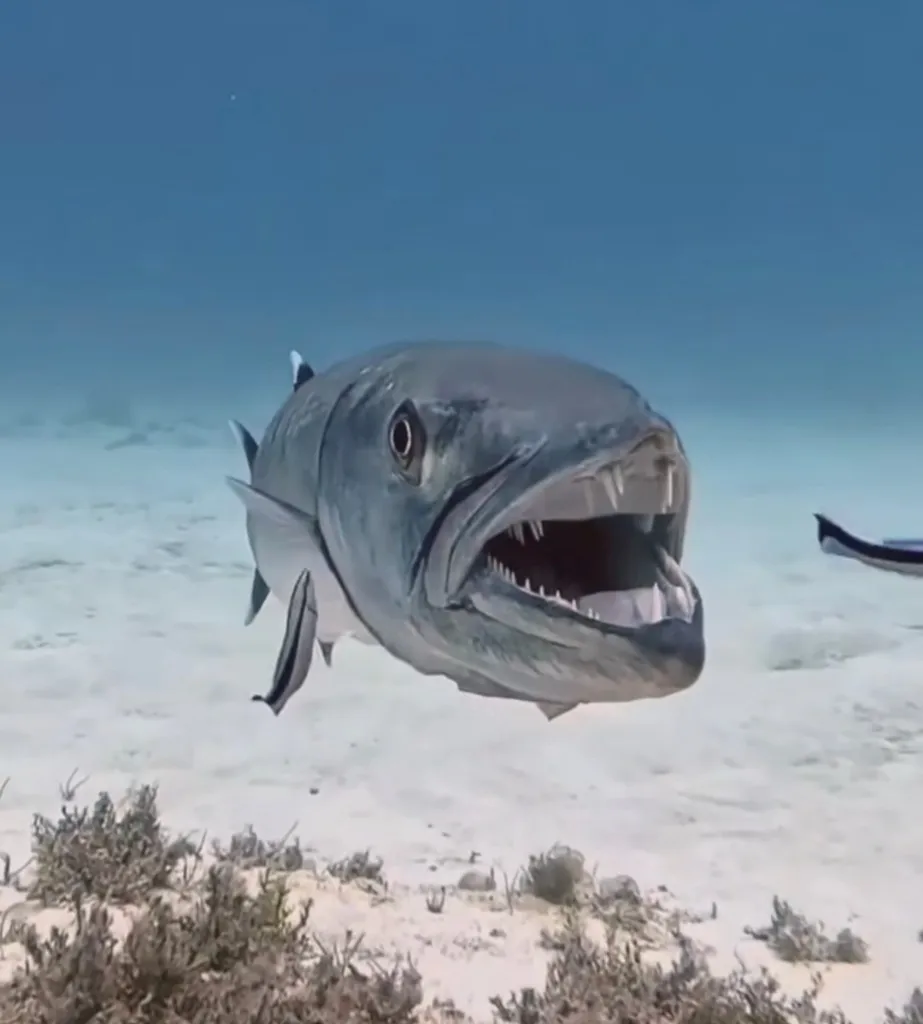
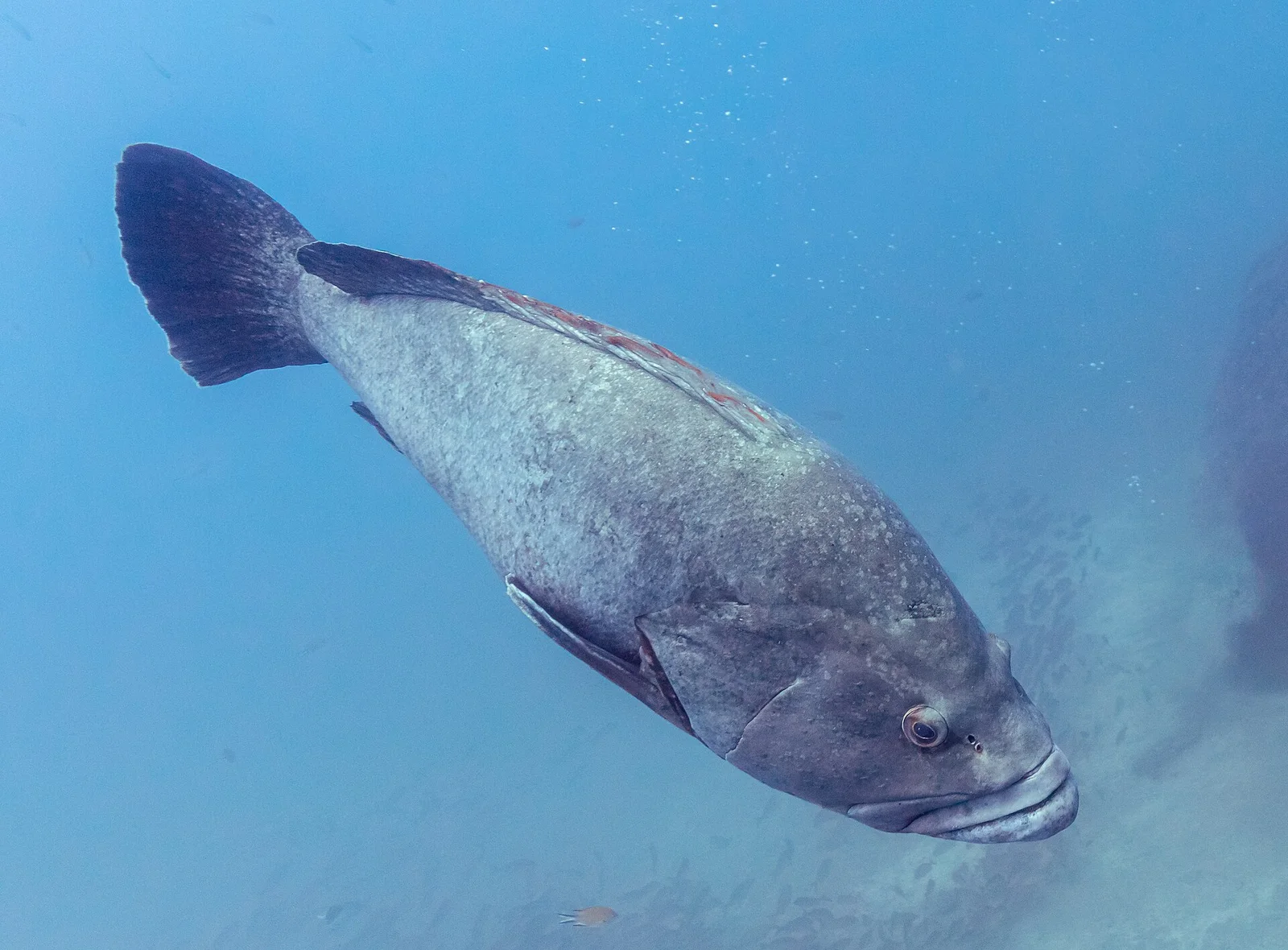
Big-water encounters define Faro de Pechiguera: swirling walls of yellowmouth barracuda, greater amberjacks, skipjack tuna, bonitos, and common dentex hunt around the 20-meter summit, joined in late summer and autumn by graceful spinetail devil rays.
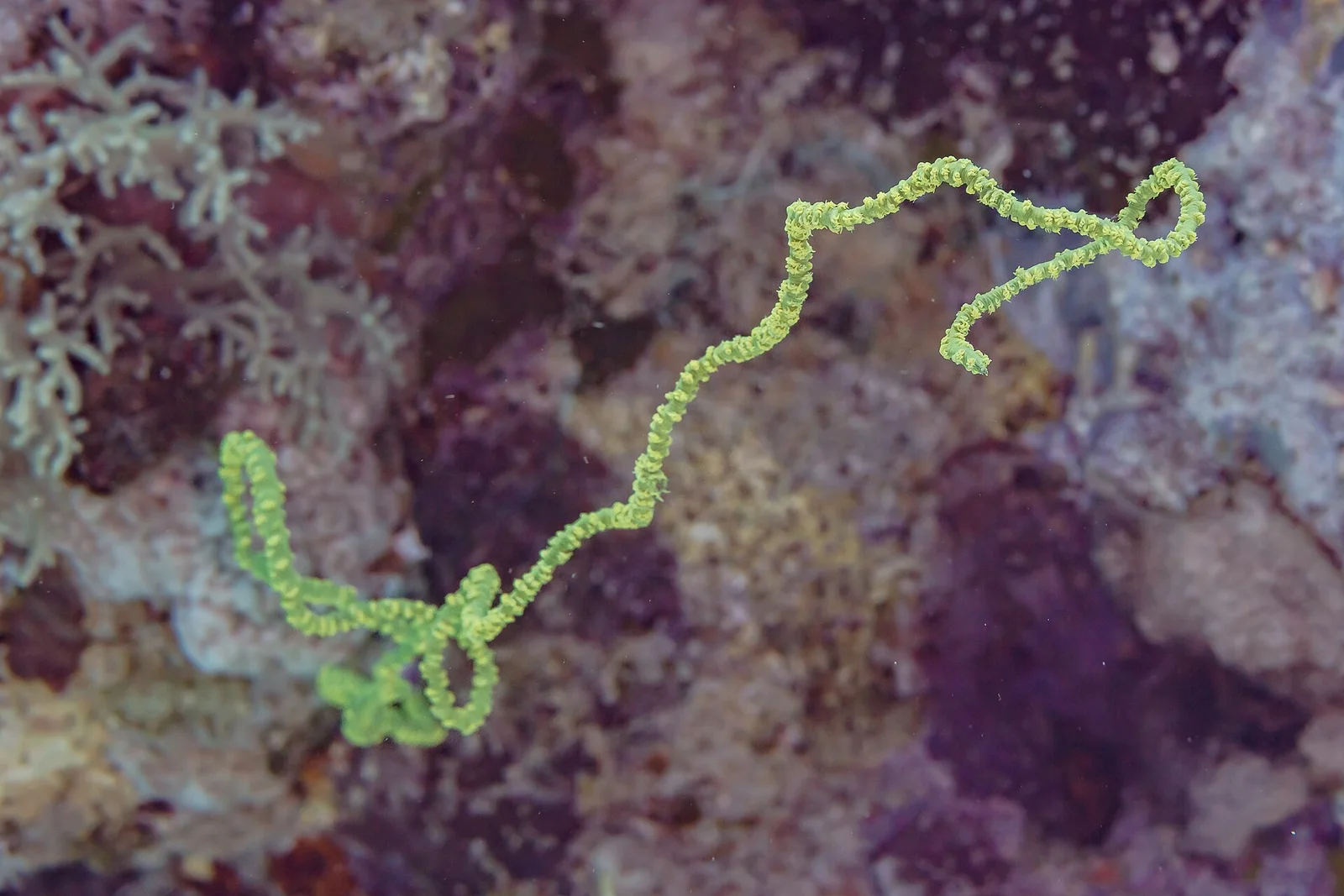
Along the 30-to-45-meter pyramid flanks thrive black coral trees, husky dusky and island groupers, and barred hogfish, while open-ocean currents frequently carry translucent, bioluminescent tubular colonies of Pyrosoma atlanticum drifting through mid-water.
Dive Sites Near Faro de Pechiguera
View all dive sites in SpainDiscover more underwater gems in this area.
Dive Centers Near Faro de Pechiguera
Today: 09:30 - 17:30
Nearest Airports
Nearest airports to help plan travel to this dive area.
Search Flights
Check available flights and routes on Expedia, using the nearby airports listed in this section.
Search Flights on ExpediaAffiliate link · Dive Navigator may earn a commission at no extra cost to you.
Frequently Asked Questions
Why is Faro de Pechiguera considered one of Lanzarote's most demanding dives?
It is an exposed offshore pinnacle in La Bocaina strait rising from 50 meters to 20 meters, subject to strong tidal currents that require negative entries and blue-water drift ascents.
What are the summit and base depths of the underwater pyramid?
The volcanic cone peaks near 20 meters (66 feet) and slopes steeply down to a surrounding seabed of 45 to 50 meters (148 to 164 feet).
What are the strange glowing tubes sometimes seen drifting past divers here?
They are pelagic pyrosomes (Pyrosoma atlanticum)—free-floating colonial tunicates swept in from the deep Atlantic by La Bocaina's oceanic currents.
When are devil rays most likely to be seen at Faro de Pechiguera?
Late summer and autumn (especially September through November) bring the highest frequency of devil rays and large pelagics cruising past the seamount.
What certification is required to dive Faro de Pechiguera?
Deep Diver specialty certification (minimum 60+ logged dives with strong drift experience) or technical training is required.
How do dive boats handle pickups at this site?
Dive boats operate live-tended on the surface, tracking the team's delayed surface marker buoy during blue-water safety stops across the strait.
Planning to dive Faro de Pechiguera?
Tell us your dates and diving needs. We'll review your request and seek offers from relevant local dive centers.
Request Dive OffersConditions are Good
Optimal conditions expected
Current conditions near Faro de Pechiguera show 24° air, 23° sea temperature, 1.2 m waves, and 27 km/h wind. Forecast data is refreshed regularly to ensure accuracy.