Loading...

Diving at Guimar (Spain)
Published
Last updated
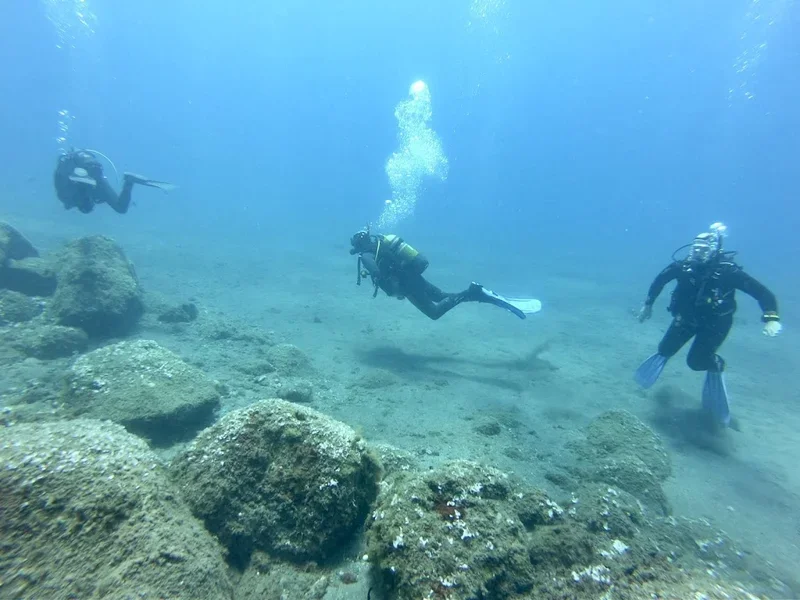
Extending underwater from the protected Malpaís de Güímar volcanic reserve on eastern Tenerife (Canary Islands, Spain), Güímar plunges divers into rugged submerged basalt badlands of solidified lava canyons, caves, arches, and black-sand channels from 10 to 32 meters (33 to 105 ft).
As evening covers Guimar, the local air temperature is measured at 24°C. The current wave height at the surface is recorded at 0.7 m. These late-day readings characterize the surface conditions for the night.
Dive Site Location & Key Facts
Max Depth32m / 105ft
Entry TypeBoat & Shore
Water Typesalt
Dive Types
Reef
Dive Site Overview
Along the municipality of Güímar on Tenerife's eastern shoreline lies the Reserva Natural Especial del Malpaís de Güímar, a dramatic coastal landscape of volcanic cones and recent basaltic lava flows. Where molten lava plunged into the Atlantic Ocean, rapid cooling sculpted labyrinthine underwater badlands.
Local dive sectors along the Güímar coast span both sheltered rocky-sandy shore entries—such as El Tablado and Los Barrancos at 10 to 17 meters (33 to 56 ft)—and deeper volcanic walls and caves around El Espigón de La Caleta averaging 20 meters (66 ft) and dropping to roughly 32 meters (105 ft).
Stark basalt relief, small lava caves, and clean Atlantic water make Güímar a standout geological dive whenever east-coast trade winds allow calm sea access.
Guimar
Conditions are Excellent
9/10
Confidence: 8/10
Indicates meteorological model agreement and data availability.
Best Dive Window
07:00 - 14:00
Optimal conditions expected
06:12
18:45
H: 10:45
L: 16:20
Air / Sea Temp
24° / 24°
Wave Height
0.7 m
Wind Speed
24 km/h N
Rain Chance
0%
Current conditions near Guimar show 24° air, 24° sea temperature, 0.7 m waves, and 24 km/h wind. Forecast data is refreshed regularly to ensure accuracy.
Radius: ~12km
Updated: Nov 23, 2026, 14:57 local timeMARINE: OPEN-METEOWEATHER: YR.NO
Best Time to Dive
Peak conditions for diving the Malpaís de Güímar coast arrive from September through November during Canarian 'calmas,' when northeast trade winds subside, Atlantic swells drop for safe coastal access, and water warms to 23–24°C (73–75°F).
PEAK SEASON SCORE
86/100
Very GoodScores combine air & water temps, waves, wind & rainfall for overall conditions.
BEST MONTHS TO DIVE
SEP
OCT
NOV
DIVE SCORE GUIDE (0–100)
Excellent (90–100)
Very Good (80–89)
Good (70–79)
Moderate (50–69)
Poor (30–49)
Not Recommended (0–29)
Monthly records compiled from satellite and marine observation nodes over the last 3 years. Data provided by Open-Meteo and MET Norway.
Dive Experience & Conditions
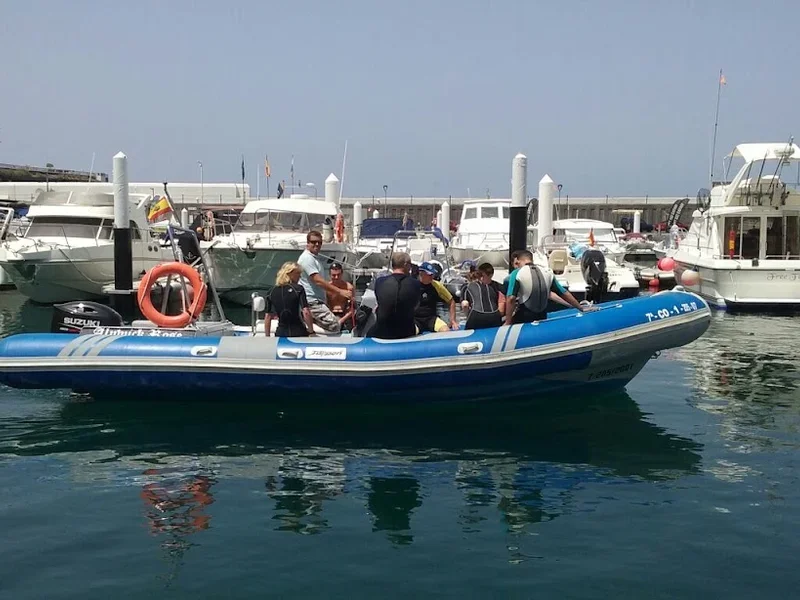
Depending on the chosen sector along the Güímar shoreline, dives are conducted either from rocky coastal entries or by local boat during calm weather windows. Visibility regularly reaches 15 to 30 meters (50 to 100 ft) against dark volcanic rock.
Because eastern Tenerife is exposed to northeast trade winds and Atlantic groundswells, diving here requires checking daily wind and swell forecasts. Sea temperatures range from 18°C (64°F) in late winter to 23–24°C (73–75°F) in early autumn.
Dive Difficulty & Safety Guidelines
Only dive Güímar's exposed volcanic coast during calm wind and swell windows confirmed by local Tenerife operators, wear hard-soled dive boots for shore sectors, and maintain clean trim inside lava overhangs.
Wait at least 18–24 hours after diving before driving up the Güímar–Arafo mountain roads into Tenerife's central highlands or Teide National Park (>300 m / 1,000 ft). Emergency number: 112.
Recommended Equipment
Deep dive hazard. Increased narcosis and gas consumption risk.
- Dive Computer
- DSMB
- Primary & Backup Lights
- Hard-soled Dive Boots
This gear list is based on verified equipment signals for Guimar, Spain. Always confirm final gear choices with your dive operator, guide, or liveaboard.
Recommended Dive Suit
Divers visiting Guimar today can expect water conditions around 24°C (74°F). Surface air temperatures are resting at 24°C (75°F).
3-5mm wetsuit generally offers enough warmth for most dives under these conditions.
Forecast trends indicate little change in overall diving conditions during the next few days.
Guimar conditions last reviewed: 14:57 local time (UTC-1), Nov 23, 2026
Emergency & Medical Support
Essential information to help you plan your dive trip to Guimar.

Hyperbaric chambers are a critical part of dive safety infrastructure. Availability varies significantly by region, and not all dive areas have immediate access.
Before diving, it's recommended to:
- confirm nearest medical facilities
- check emergency procedures with local dive operators
- ensure dive insurance covers evacuation if required
24/7 Available
Divers Alert Network
Diving emergency assistance available through DAN Europe.
+39 0642115685- 24/7 emergency hotline
- Diving medical assistance
- Evacuation coordination
Emergency contacts are provided for reference. Always verify local emergency services before diving.
Marine Life at Guimar
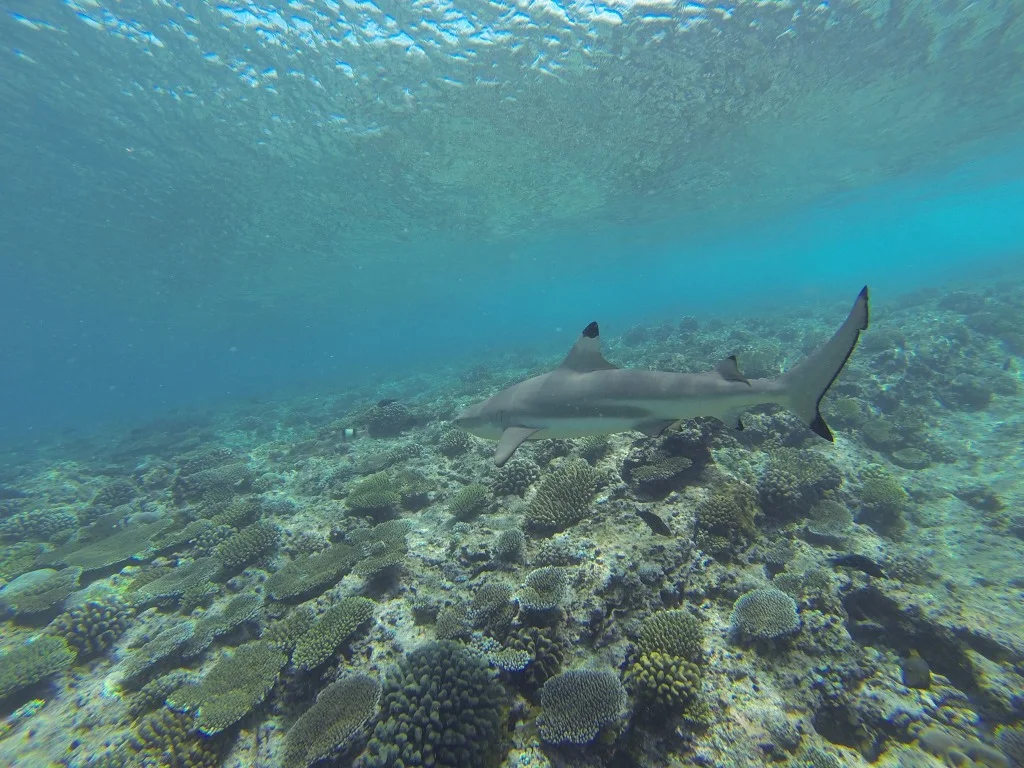
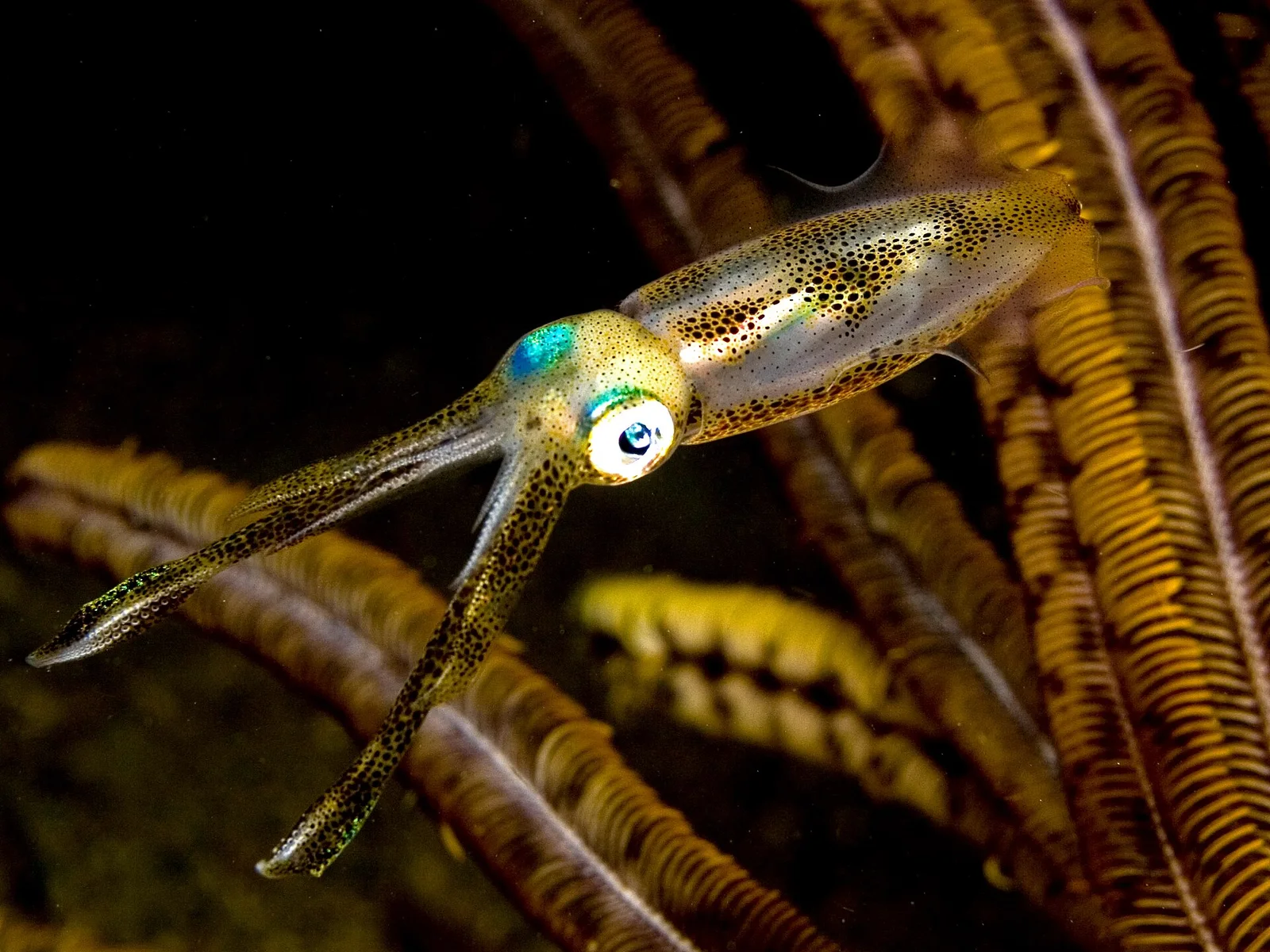
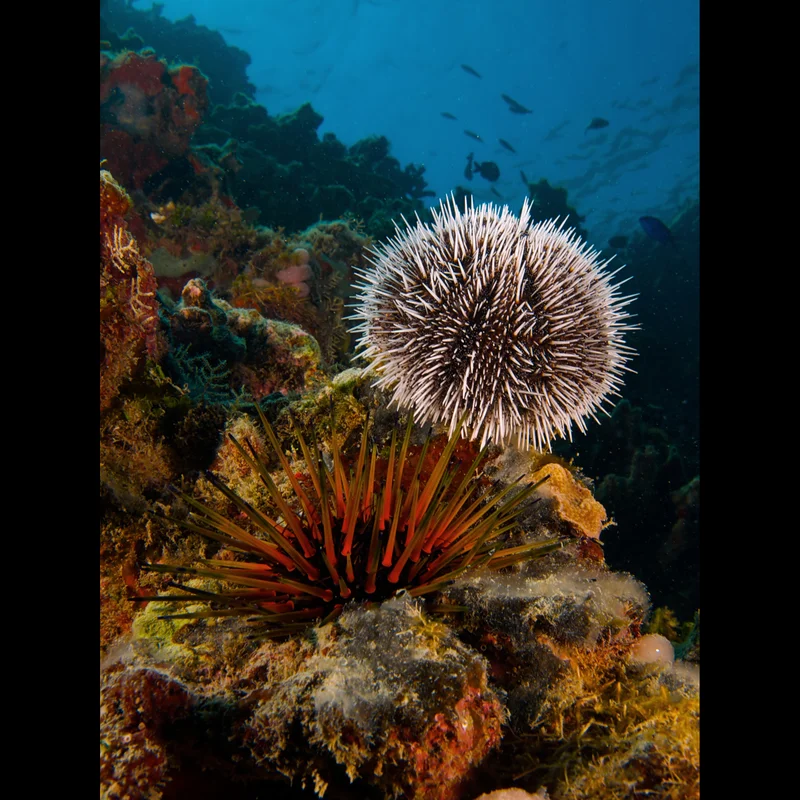
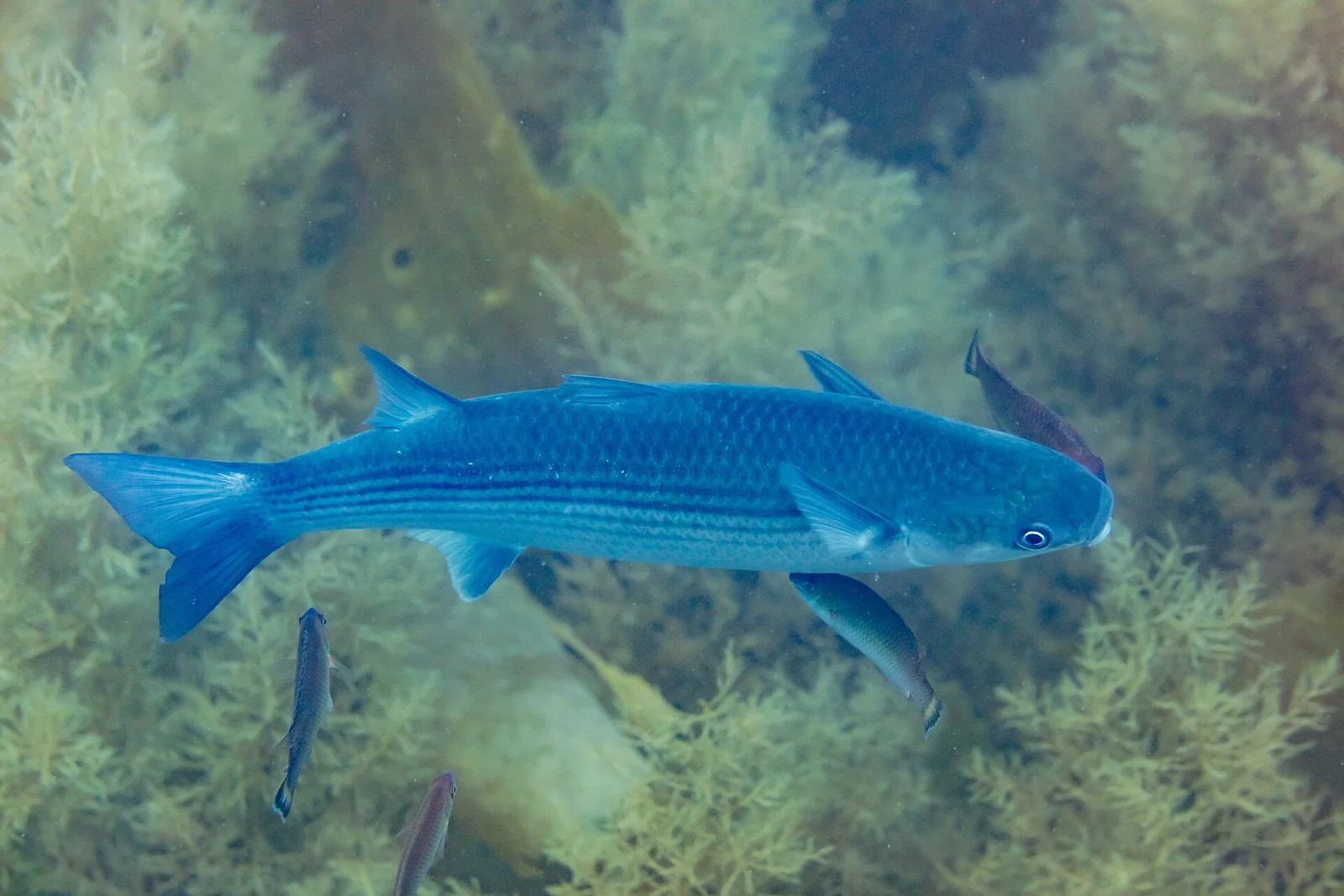
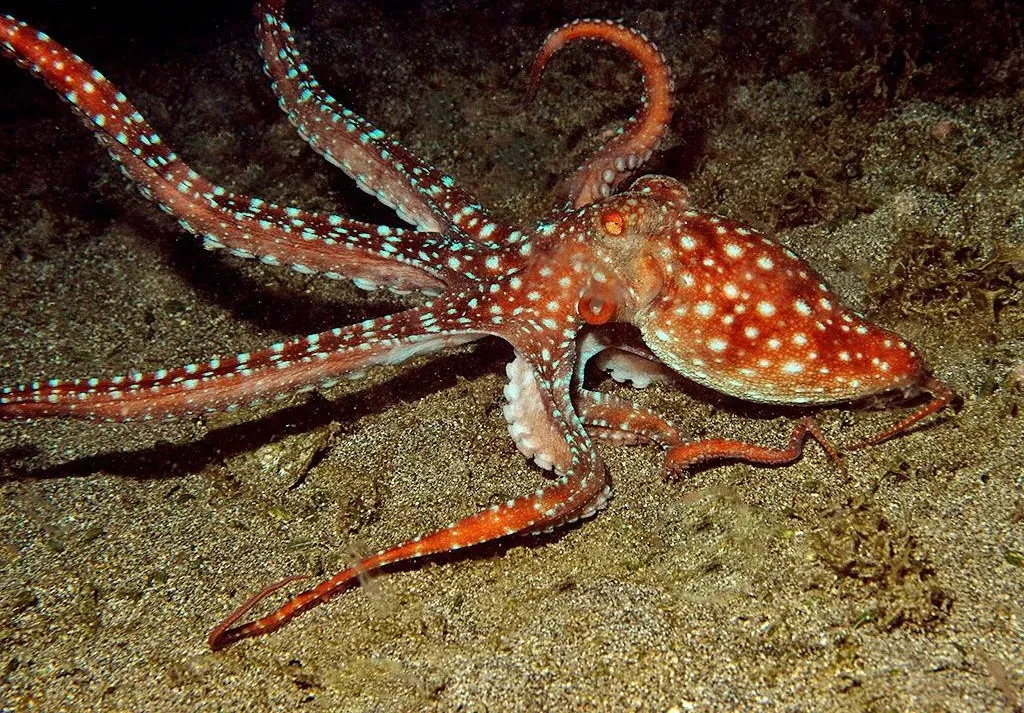
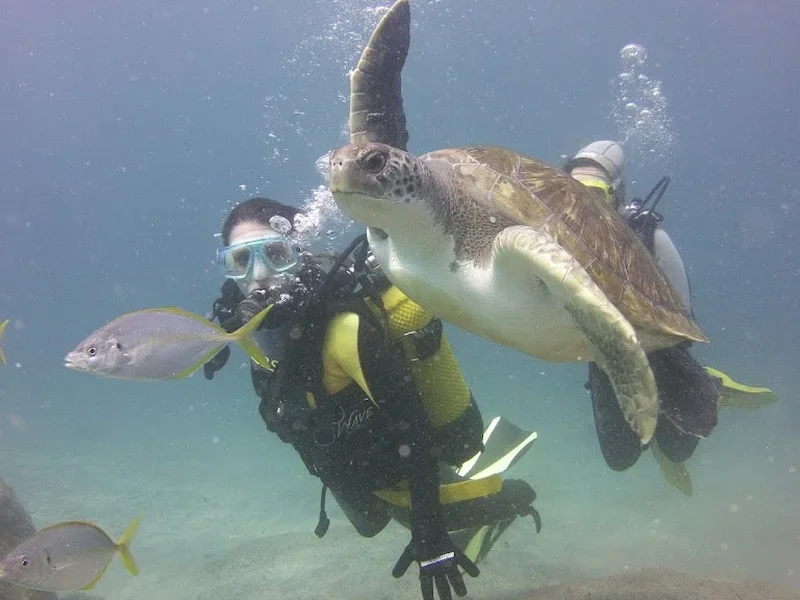
Basalt caves, overhangs, and lava fissures shelter brown, black, and tiger moray eels, octopuses, cuttlefish, arrow crabs, scorpionfish, and bright red and yellow encrusting sponges.
Along the outer volcanic ledges swim Atlantic parrotfish, trumpetfish, sea bream, mullet, and barracuda, while stingrays and angel sharks rest in black volcanic-sand pockets at the base of the reefs.
1 / 2
Image contributors:Nick Hobgood, Diego Delso
Want to contribute photos or local dive knowledge? Learn how to contributeDive Sites Near Guimar
View all dive sites in SpainDiscover more underwater gems in this area.
Dive Centers Near Guimar
Working Hours
Sun09:00 - 15:00
MonClosed
TueClosed
Wed09:00 - 17:00
Thu09:00 - 17:00
Fri09:00 - 17:00
Sat09:00 - 17:00
Today: Closed
Sun09:00 - 15:00
MonClosed
TueClosed
Wed09:00 - 17:00
Thu09:00 - 17:00
Fri09:00 - 17:00
Sat09:00 - 17:00
4.2| 140 reviews
25 km
5| 597 reviews
45.6 km
5| 359 reviews
45.8 km
Pama Diving
5(193)• 47.9 km
Ocean Trek - Tenerife
4.9(1451)• 45.3 km
Los Gigantes Diving Centre
4(134)• 48.9 km
Nearest Airports
Nearest airports to help plan travel to this dive area.
Tenerife Norte-Ciudad de La Laguna Airport TFN
20 km
Tenerife Sur Airport TFS
36 km
Gran Canaria Airport LPA
103 km
💵 Currency: EUR
Search Flights
Check available flights and routes on Expedia, using the nearby airports listed in this section.
Search Flights on ExpediaAffiliate link · Dive Navigator may earn a commission at no extra cost to you.
Frequently Asked Questions
Where is the Güímar dive site located?
It lies along the volcanic coastline of Güímar (bordering the Malpaís de Güímar nature reserve, including sectors like La Caleta, El Tablado, and Los Barrancos) on eastern Tenerife, Canary Islands, Spain.
What depths are dived along the Güímar badlands?
Coastal fringe routes such as El Tablado and Los Barrancos run around 10 to 17 meters (33 to 56 ft), while intermediate-to-advanced cave and wall sectors like El Espigón de La Caleta reach roughly 20 to 32 meters (66 to 105 ft).
What underwater topography characterizes Güímar?
Submerged basaltic badlands formed by cooled lava flows—featuring rugged volcanic reefs, small caves, drop-offs, and black-sand channels.
When is the best season to dive Güímar?
September through November offers the calmest trade-wind windows ('las calmas') and warmest 23–24°C (73–75°F) water on Tenerife's exposed east coast.
What marine life can divers expect?
Moray eels, octopuses, cuttlefish, scorpionfish, parrotfish, trumpetfish, sea bream, barracuda, and rays on dark volcanic sand.
Trip Inquiry
Planning to dive Guimar?
Tell us your dates and diving needs. We'll review your request and seek offers from relevant local dive centers.
Request Dive Offers Free request for offers • No booking obligation
Guimar
Conditions are Excellent
9/10
Confidence: 8/10
Indicates meteorological model agreement and data availability.
Best Dive Window
07:00 - 14:00
Optimal conditions expected
06:12
18:45
H: 10:45
L: 16:20
Air / Sea Temp
24° / 24°
Wave Height
0.7 m
Wind Speed
24 km/h N
Rain Chance
0%
Current conditions near Guimar show 24° air, 24° sea temperature, 0.7 m waves, and 24 km/h wind. Forecast data is refreshed regularly to ensure accuracy.
Radius: ~12km
Updated: Nov 23, 2026, 14:57 local timeMARINE: OPEN-METEOWEATHER: YR.NO


