Loading...

Diving at El Avion (Spain)
Published
Resting on volcanic sand at 33 to 40 meters (108 to 131 ft) off El Sauzal on the wild northern coast of Tenerife (Canary Islands, Spain), El Avión explores the historic 1966 wreck of a Spantax Douglas DC-3 propeller airliner whose wings, landing gear, tires, and twin radial engines remain clearly recognizable.
As evening covers El Avion, the local air temperature is measured at 21°C. The current wave height at the surface is recorded at 1.5 m. These late-day readings characterize the surface conditions for the night.
Dive Site Location & Key Facts
Max Depth40m / 131ft
Entry Typeboat
Water Typesalt
Dive Types
DeepWreck
Dive Site Overview
Known locally across Tenerife as El Avión or the DC-3 Plane Wreck, this storied deep site dates back to September 16, 1966, when a twin-engine Spantax Douglas DC-3 airliner took off from Tenerife's Los Rodeos Airport bound for La Palma. Suffering a critical engine failure shortly after takeoff, the pilot executed a textbook water ditching off El Sauzal—allowing every passenger and crew member to evacuate safely before the aircraft sank.
Today the wreck rests on a sandy seabed primarily around 33 meters (108 ft), with surrounding contours extending down to 40 meters (131 ft). Although decades of North Atlantic swells have settled the main passenger cabin into the sand, divers can inspect the wings, undercarriage landing gear with intact rubber tires, and both twin engines complete with their propeller blades.
Isolated on Tenerife's exposed northern Atlantic shelf, the DC-3 acts as a solitary artificial oasis drawing benthic rays, angel sharks, and schooling fish out of the surrounding sand plains.
El Avion
Conditions are Good
7/10
Confidence: 8/10
Indicates meteorological model agreement and data availability.
Best Dive Window
Optimal conditions expected
06:12
18:45
H: 10:45
L: 16:20
Air / Sea Temp
21° / 23°
Wave Height
1.5 m
Wind Speed
24 km/h NNE
Rain Chance
0%
Current conditions near El Avion show 21° air, 23° sea temperature, 1.5 m waves, and 24 km/h wind. Forecast data is refreshed regularly to ensure accuracy.
Radius: ~12km
Updated: Nov 23, 2026, 06:16 local timeMARINE: OPEN-METEOWEATHER: YR.NO
Best Time to Dive
Because northern Tenerife takes the brunt of winter North Atlantic swells, local dive centers run boat trips to the Spantax DC-3 primarily during the calm summer and early-autumn window from June through October—peaking in August, September, and October when seas flatten and water reaches 23–24°C (73–75°F).
PEAK SEASON SCORE
74/100
GoodScores combine air & water temps, waves, wind & rainfall for overall conditions.
BEST MONTHS TO DIVE
MAY
JUN
JUL
DIVE SCORE GUIDE (0–100)
Excellent (90–100)
Very Good (80–89)
Good (70–79)
Moderate (50–69)
Poor (30–49)
Not Recommended (0–29)
Monthly records compiled from satellite and marine observation nodes over the last 3 years. Data provided by Open-Meteo and MET Norway.
Dive Experience & Conditions
El Avión is strictly a boat dive operated during calm summer and early-autumn weather windows when North Atlantic groundswells subside off El Sauzal. Divers descend directly down a shotline to ~33 meters (108 ft) to maximize limited no-decompression bottom time on the aircraft.
Visibility in clear northern Atlantic water typically spans 15 to 25+ meters (50 to 82+ ft), allowing wide-angle views across the wingspan and twin engine nacelles. Water temperatures range from 18°C (64°F) in spring to 23–24°C (73–75°F) between August and October.
Dive Difficulty & Safety Guidelines
Sitting at 33–40 meters (108–131 ft) off an exposed Atlantic coast, El Avión is strictly an advanced dive: local operators typically require Advanced Open Water + PADI Deep Diver (or equivalent 40 m certification), proof of recent deep dives, nitrox within MOD limits, and a DSMB.
Monitor air supply and no-decompression limits closely at 33+ meters, avoid touching corroded aluminum edges around the engines and landing gear, and observe an 18–24 hour surface interval before driving up high-altitude roads toward Los Rodeos (>600 m) or Mount Teide (>2,000 m). Emergency number: 112.
Recommended Equipment
Deep dive hazard. Increased narcosis and gas consumption risk.
Overhead / entanglement risk. Wreck penetration requires proper training.
- Dive Computer
- DSMB
- Primary & Backup Lights
- Wreck Reel
- Cutting Tool
This gear list is based on verified equipment signals for El Avion, Spain. Always confirm final gear choices with your dive operator, guide, or liveaboard.
Recommended Dive Suit
With water temperatures around 23°C (74°F), many divers find a 3-5mm wetsuit provides comfortable protection.
Local conditions can vary slightly across different parts of the same dive site.
Conditions are expected to stay fairly consistent in the days ahead.
El Avion conditions last reviewed: 06:16 local time (UTC-1), Nov 23, 2026
Emergency & Medical Support
Essential information to help you plan your dive trip to El Avion.

Hyperbaric chambers are a critical part of dive safety infrastructure. Availability varies significantly by region, and not all dive areas have immediate access.
Before diving, it's recommended to:
- confirm nearest medical facilities
- check emergency procedures with local dive operators
- ensure dive insurance covers evacuation if required
24/7 Available
Divers Alert Network
Diving emergency assistance available through DAN Europe.
+39 0642115685- 24/7 emergency hotline
- Diving medical assistance
- Evacuation coordination
Emergency contacts are provided for reference. Always verify local emergency services before diving.
Marine Life at El Avion
While hard coral growth on the aluminum wings is sparse, the engine cowlings, wheel wells, and wing undersides shelter Atlantic moray eels, conger eels, octopuses, cuttlefish, and camouflaged scorpionfish.
Out on the surrounding 33–40 meter (108–131 ft) sandy plain, divers frequently spot common stingrays, butterfly rays, eagle rays, and critically endangered angel sharks resting in the sand, while schools of sea bream and amberjacks circle overhead.
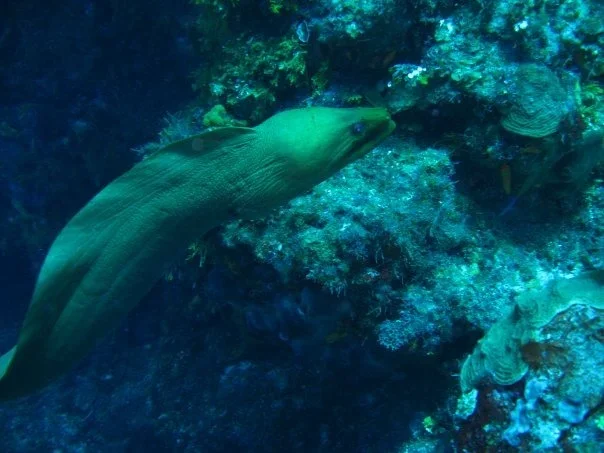
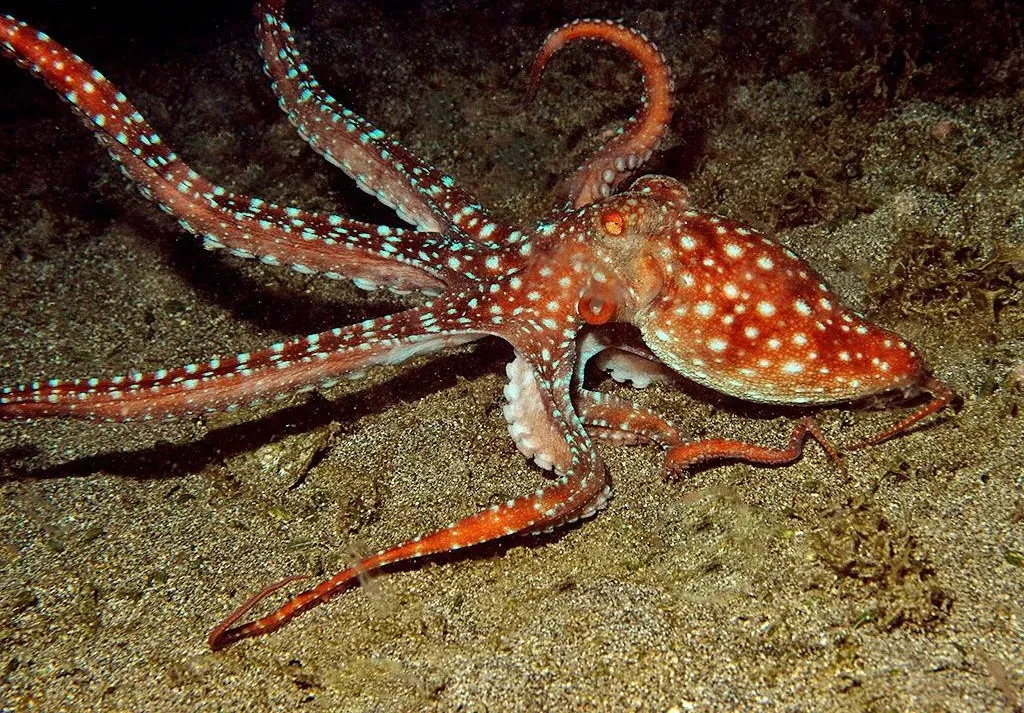
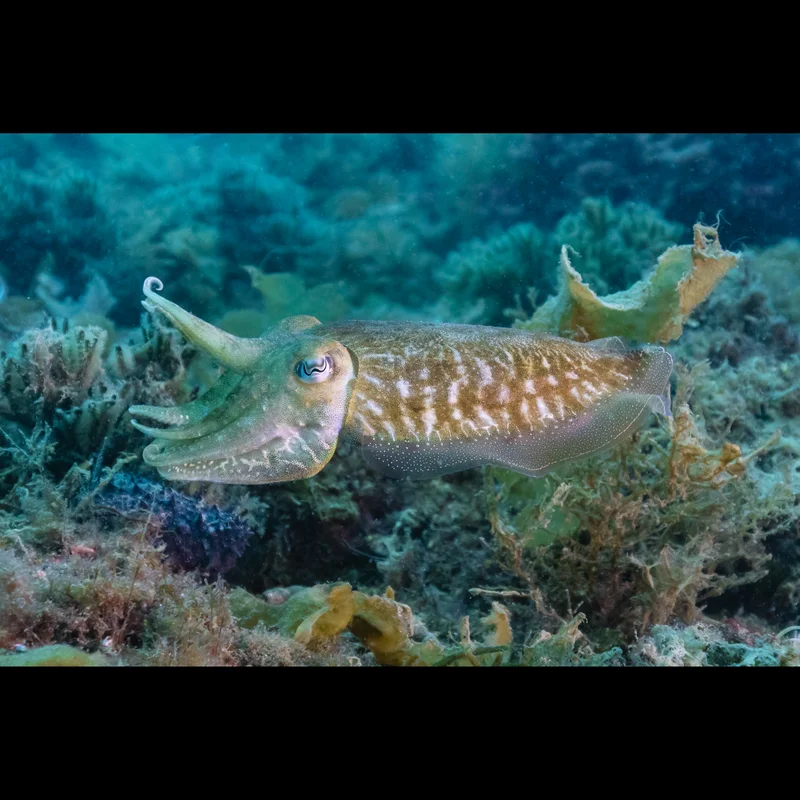
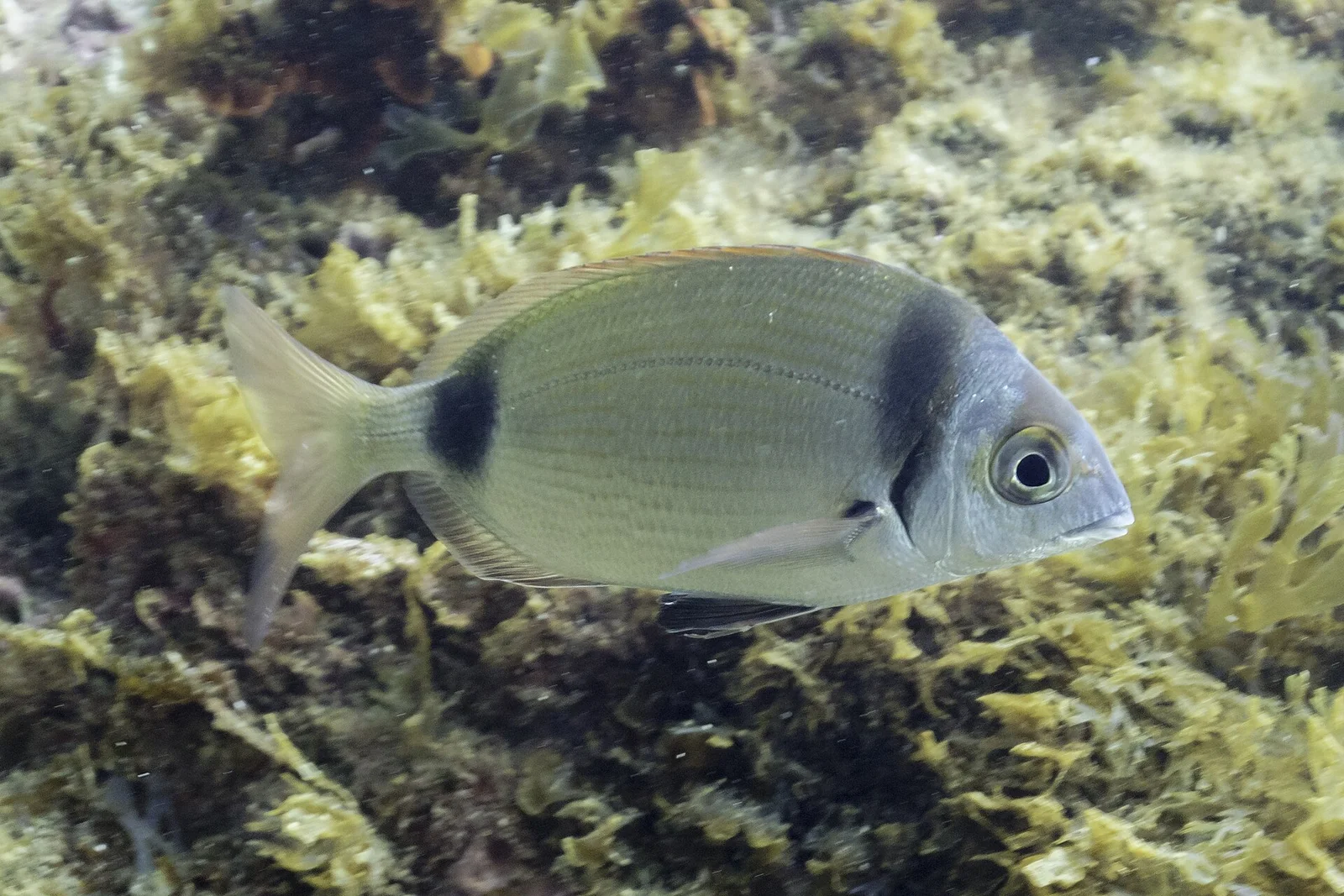
Image contributors:Diego Delso
Want to contribute photos or local dive knowledge? Learn how to contributeDive Sites Near El Avion
View all dive sites in SpainDiscover more underwater gems in this area.
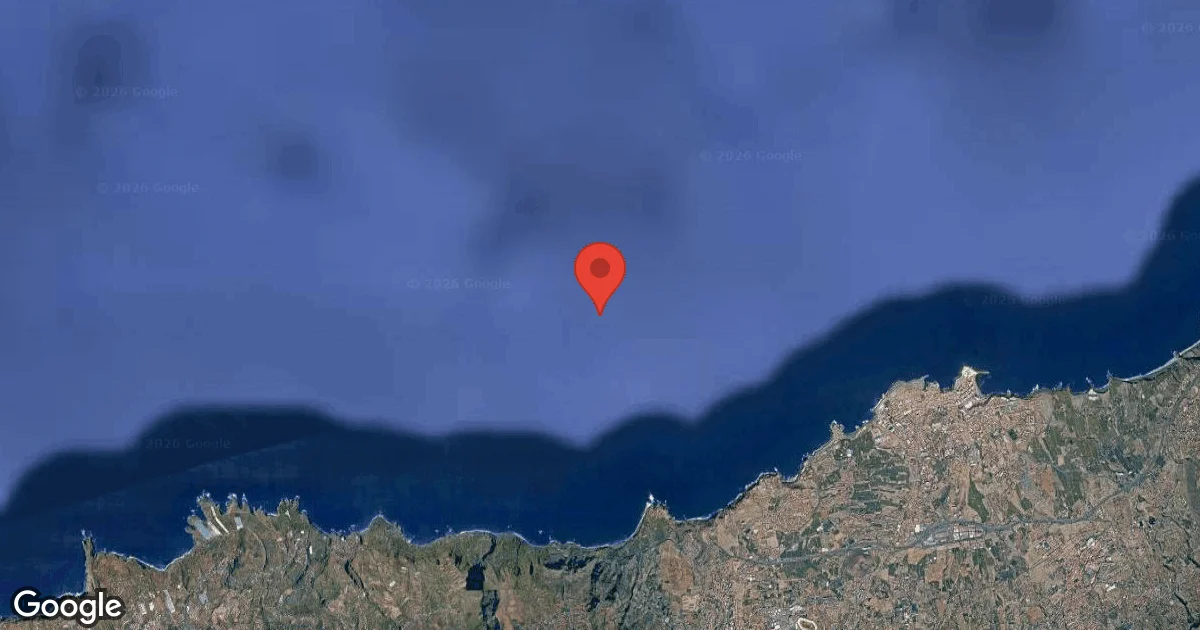
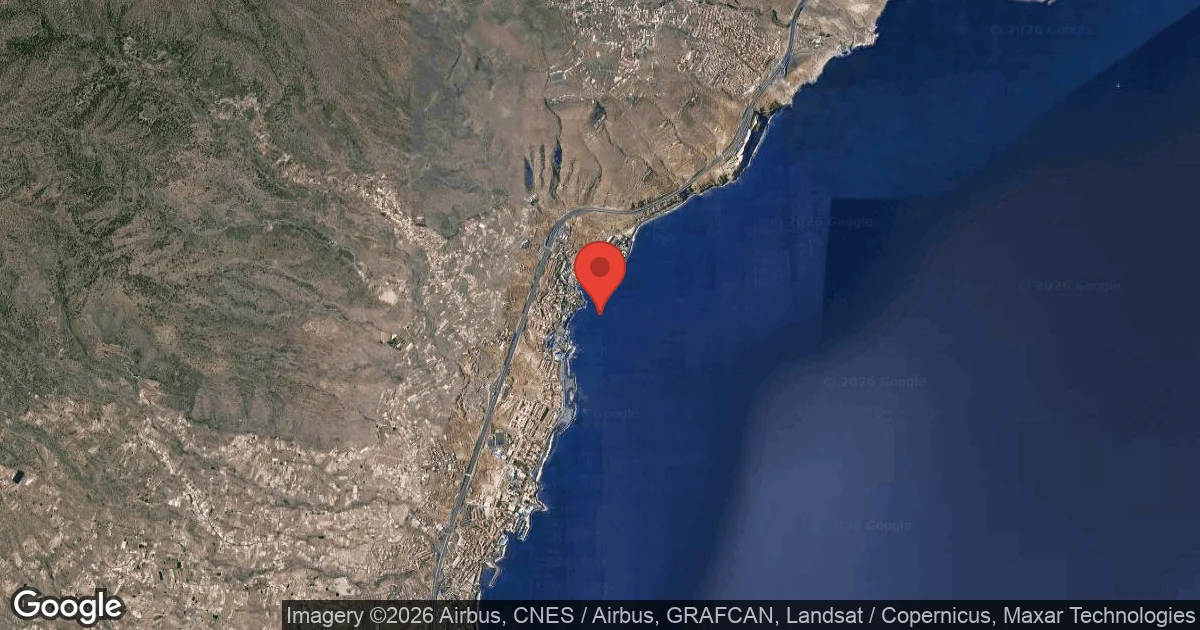
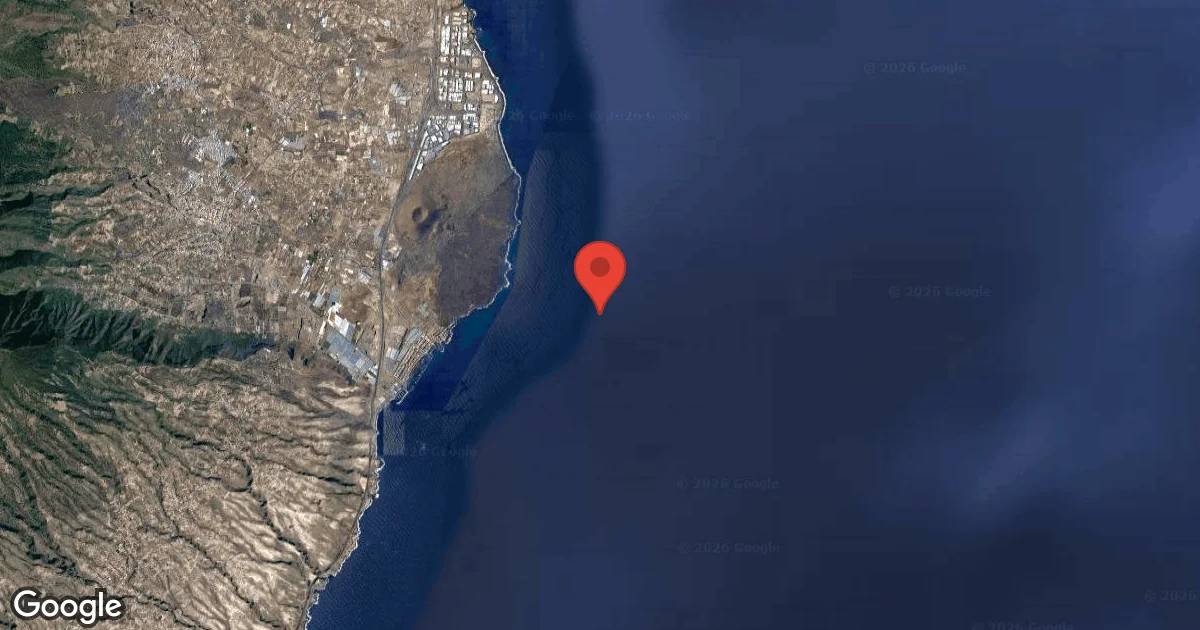
Dive Centers Near El Avion
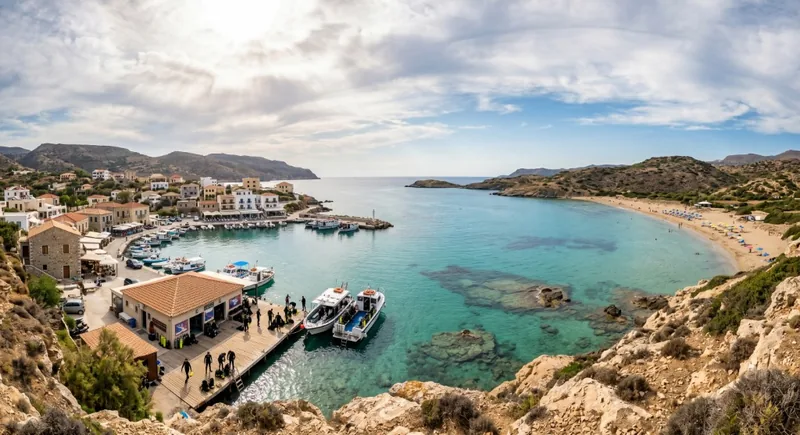
Working Hours
Sun09:00 - 15:00
MonClosed
TueClosed
Wed09:00 - 17:00
Thu09:00 - 17:00
Fri09:00 - 17:00
Sat09:00 - 17:00
Today: Closed
Sun09:00 - 15:00
MonClosed
TueClosed
Wed09:00 - 17:00
Thu09:00 - 17:00
Fri09:00 - 17:00
Sat09:00 - 17:00
4.2| 140 reviews
14.7 km
5| 193 reviews
49.1 km
4| 134 reviews
46.4 kmNearest Airports
Nearest airports to help plan travel to this dive area.
Tenerife Norte-Ciudad de La Laguna Airport TFN
11 km
Tenerife Sur Airport TFS
50 km
Gran Canaria Airport LPA
121 km
💵 Currency: EUR
Search Flights
Check available flights and routes on Expedia, using the nearby airports listed in this section.
Search Flights on ExpediaAffiliate link · Dive Navigator may earn a commission at no extra cost to you.
Frequently Asked Questions
What aircraft is the El Avión wreck in Tenerife?
It is a twin-engine Spantax Douglas DC-3 propeller airliner that ditched safely off El Sauzal on September 16, 1966 after engine trouble following takeoff from Los Rodeos Airport; all passengers and crew survived.
How deep is the DC-3 wreck at El Avión?
The aircraft rests on a sandy seabed around 33 meters (108 ft), with surrounding bottom contours reaching up to 40 meters (131 ft).
What parts of the plane are still visible underwater?
While the fuselage cabin has largely settled into the sand, divers can clearly see the wings, landing gear with tires still intact, and both engines with their propellers.
What certification is required to dive El Avión?
Boat operators require Advanced Open Water with Deep Diver certification (to 40 m / 131 ft) and logged deep-diving experience, operating trips mainly during calm summer and early-autumn seas.
What marine life is seen around the DC-3 wreck?
Stingrays, butterfly rays, and angel sharks on the surrounding sand plain, plus octopuses, cuttlefish, moray and conger eels, scorpionfish, and circling sea bream.
Trip Inquiry
Planning to dive El Avion?
Tell us your dates and diving needs. We'll review your request and seek offers from relevant local dive centers.
Request Dive Offers Free request for offers • No booking obligation
El Avion
Conditions are Good
7/10
Confidence: 8/10
Indicates meteorological model agreement and data availability.
Best Dive Window
Optimal conditions expected
06:12
18:45
H: 10:45
L: 16:20
Air / Sea Temp
21° / 23°
Wave Height
1.5 m
Wind Speed
24 km/h NNE
Rain Chance
0%
Current conditions near El Avion show 21° air, 23° sea temperature, 1.5 m waves, and 24 km/h wind. Forecast data is refreshed regularly to ensure accuracy.
Radius: ~12km
Updated: Nov 23, 2026, 06:16 local timeMARINE: OPEN-METEOWEATHER: YR.NO


