
Diving at La Burrera (Spain)
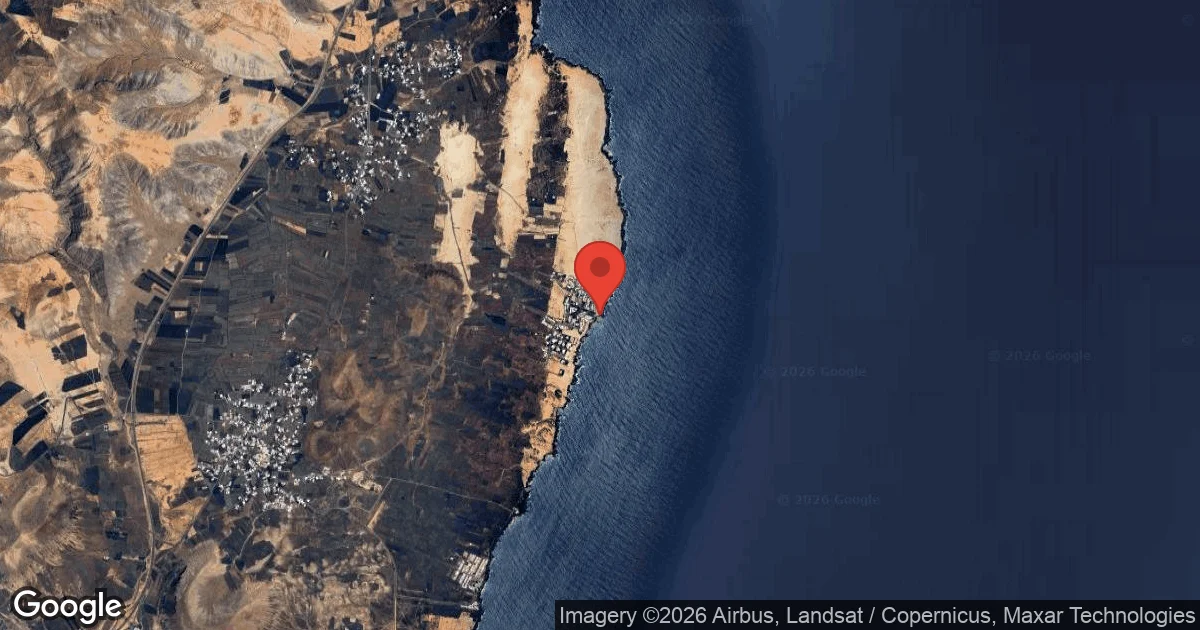
Guarded by the sheer volcanic cliffs of uninhabited Montaña Clara in Europe's largest marine reserve, La Burrera preserves an intact Macaronesian reef ecosystem rarely seen elsewhere in the Canary Islands. Lush algal forests drape basaltic columns and natural arches between 18 and 25 meters, swarming with island groupers, barred hogfish, and golden schools of African striped grunts.
Afternoon measurements for La Burrera show the air has reached 21.5°C. The recorded surface conditions at this location feature wave heights of 1.2 m. These metrics are updated to reflect the ongoing daily shifts.
Dive Site Location & Key Facts
Dive Site Overview
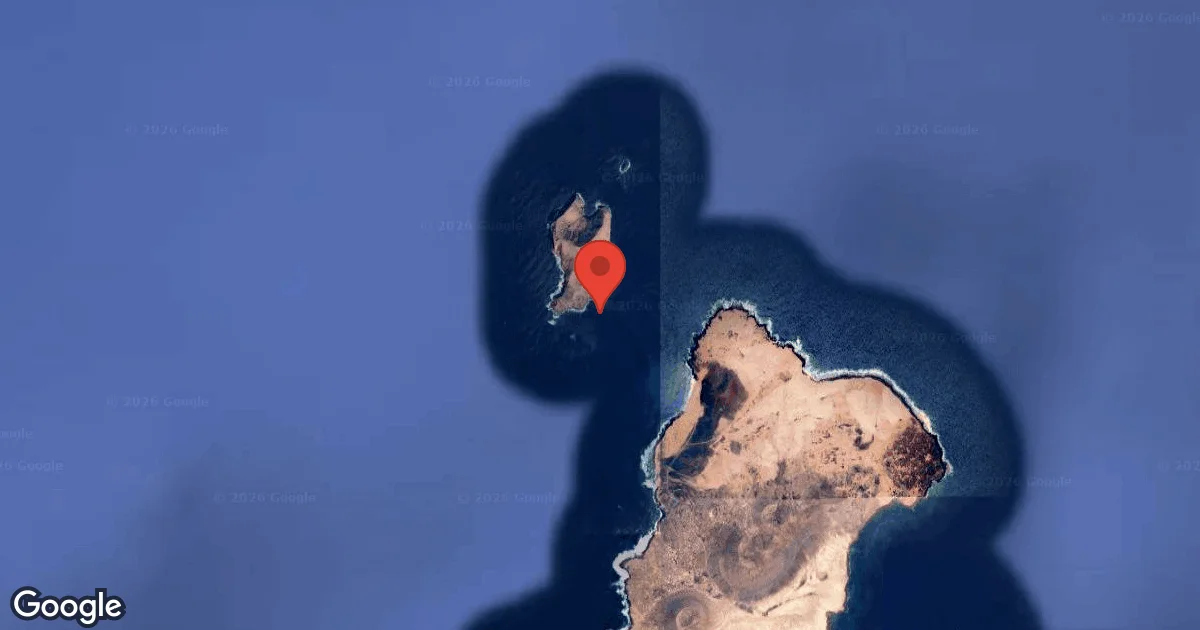
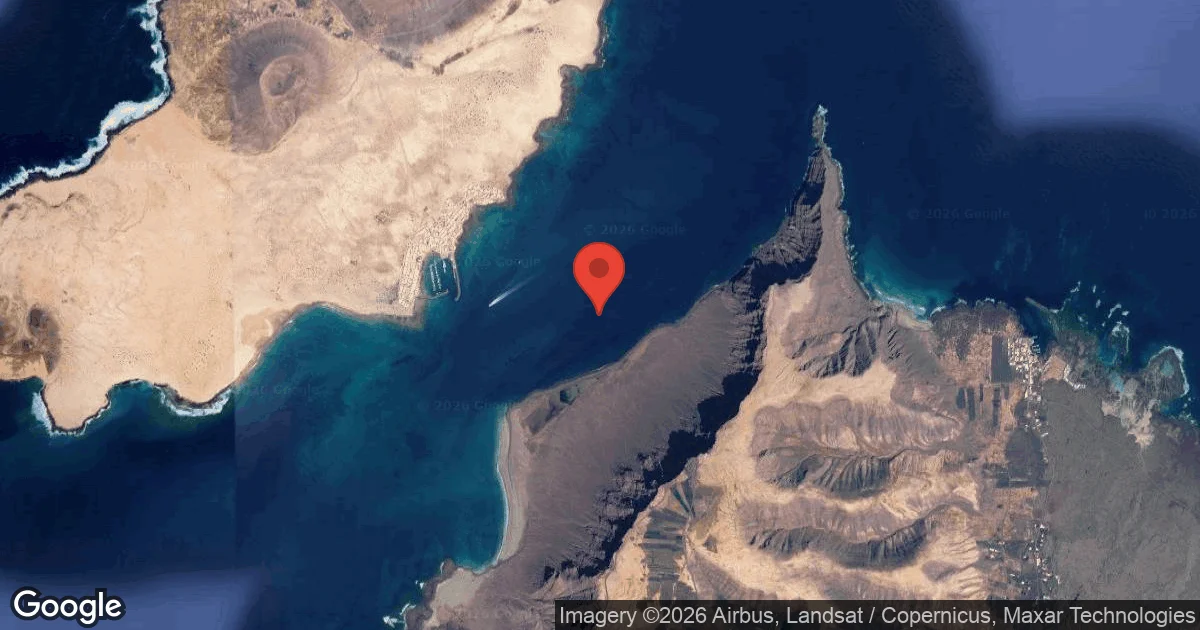
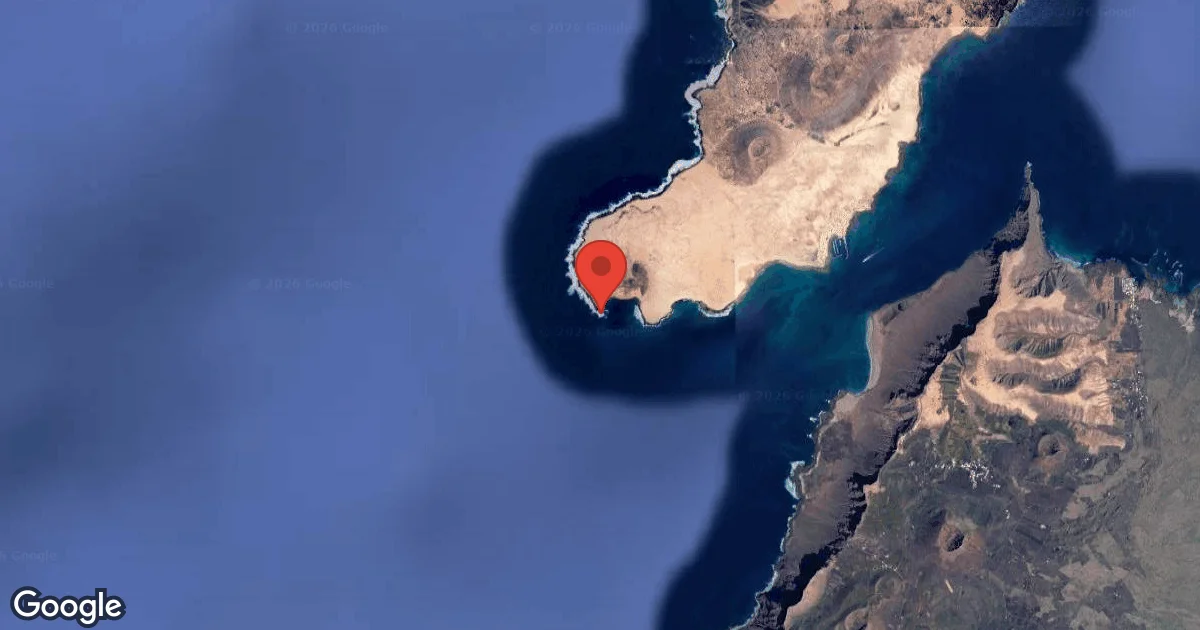
Reached by authorized dive boats running out of Caleta del Sebo on La Graciosa or Órzola on northern Lanzarote, La Burrera sits off the eastern-southeastern flank of Montaña Clara islet. Unlike many southern Canarian reefs where explosions of Diadema africana sea urchins have created pale rock barrens, strict reserve protection and healthy predator populations keep La Burrera carpeted in thick, swaying canopies of Cystoseira and Lobophora algae.
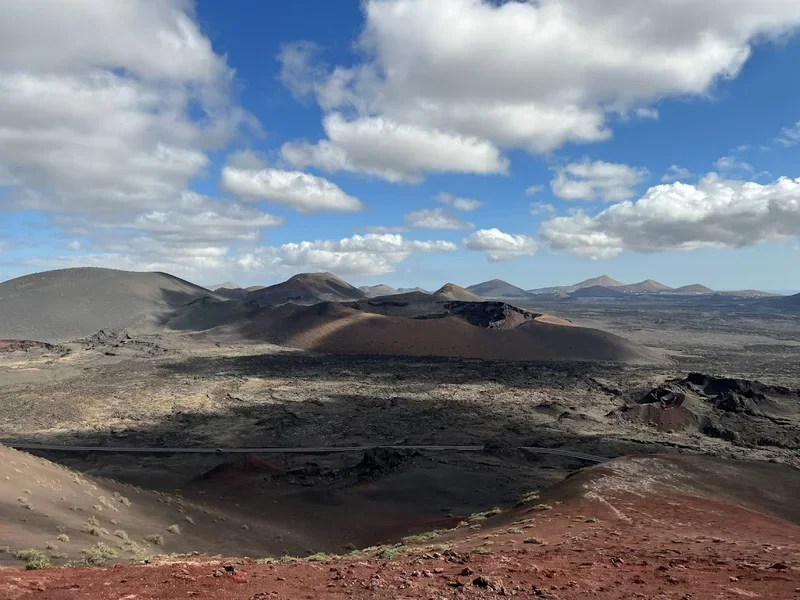
Sculpted by fierce winter Atlantic swells, the volcanic bedrock breaks into towering basalt pillars, undercut ledges, wide stone arches, and sand-dusted corridors between 18 and 25 meters. Sunlight filtering down through clear oceanic water turns the algal-draped arches into natural wide-angle amphitheaters.
Because Montaña Clara stands exposed to open North Atlantic swells and brisk tidal streams sweeping between the northern islets, every dive here carries a wild, expeditionary atmosphere.
Conditions are Good
Optimal conditions expected
Current conditions near La Burrera show 22° air, 23° sea temperature, 1.2 m waves, and 26 km/h wind. Forecast data is refreshed regularly to ensure accuracy.
Best Time to Dive
September through November—locally celebrated as Las Calmas—is the prime window for Chinijo expeditions, when trade winds ease, North Atlantic groundswells subside, and water temperatures peak around 21 to 23°C.
Outside autumn, trips run during calm high-pressure windows in late spring and summer, whereas winter swells frequently make crossing beyond La Graciosa impractical.
PEAK SEASON SCORE
Scores combine air & water temps, waves, wind & rainfall for overall conditions.
BEST MONTHS TO DIVE
Monthly records compiled from satellite and marine observation nodes over the last 3 years. Data provided by Open-Meteo and MET Norway.
Dive Experience & Conditions
Boats drop divers directly onto the 18-meter volcanic terrace or run live-boat drift pickups depending on tidal flow. Visibility routinely exceeds 20 to 30 meters thanks to clean oceanic circulation and minimal coastal runoff.
Cooler Northwest African upwelling keeps Chinijo waters roughly one degree fresher than southern Lanzarote, and moderate currents frequently sweep through the rock arches, concentrating planktivores and big predatory fish on the up-current faces.
Dive Difficulty & Safety Guidelines
Diving inside the Chinijo Archipelago Marine Reserve requires a valid Canary Islands fisheries diving permit, either arranged individually or through licensed local operators in Caleta del Sebo and Órzola, and anchoring on fragile benthic communities is prohibited.
Carry a personal surface marker buoy and spool on every dive for live-boat drift pickups, monitor air closely at 22 to 25 meters in cooler water, and maintain clean buoyancy through the algal-covered arches.
Recommended Equipment
Current and surface separation risk. Local briefing strongly recommended.
- Dive Computer
- DSMB
- Reel / Spool
This gear list is based on verified equipment signals for La Burrera, Spain. Always confirm final gear choices with your dive operator, guide, or liveaboard.
Recommended Dive Suit
For relaxed exploration dives, 3-5mm wetsuit generally provides adequate warmth. A hood or vest is suggested for sensitive divers due to surface winds. Surface intervals may feel cooler. For divers entering the water at La Burrera, temperatures are currently hovering around 23°C (73°F). Surface air temperatures are resting at 22°C (71°F).
Forecast trends indicate similar diving conditions over the next few days.
A diver's personal tolerance to cold water can play a large role in suit selection.
Emergency & Medical Support
Essential information to help you plan your dive trip to La Burrera.

Hyperbaric chambers are a critical part of dive safety infrastructure. Availability varies significantly by region, and not all dive areas have immediate access.
Before diving, it's recommended to:
- confirm nearest medical facilities
- check emergency procedures with local dive operators
- ensure dive insurance covers evacuation if required
Divers Alert Network
Diving emergency assistance available through DAN Europe.
+39 0642115685- 24/7 emergency hotline
- Diving medical assistance
- Evacuation coordination
Emergency contacts are provided for reference. Always verify local emergency services before diving.
Marine Life at La Burrera
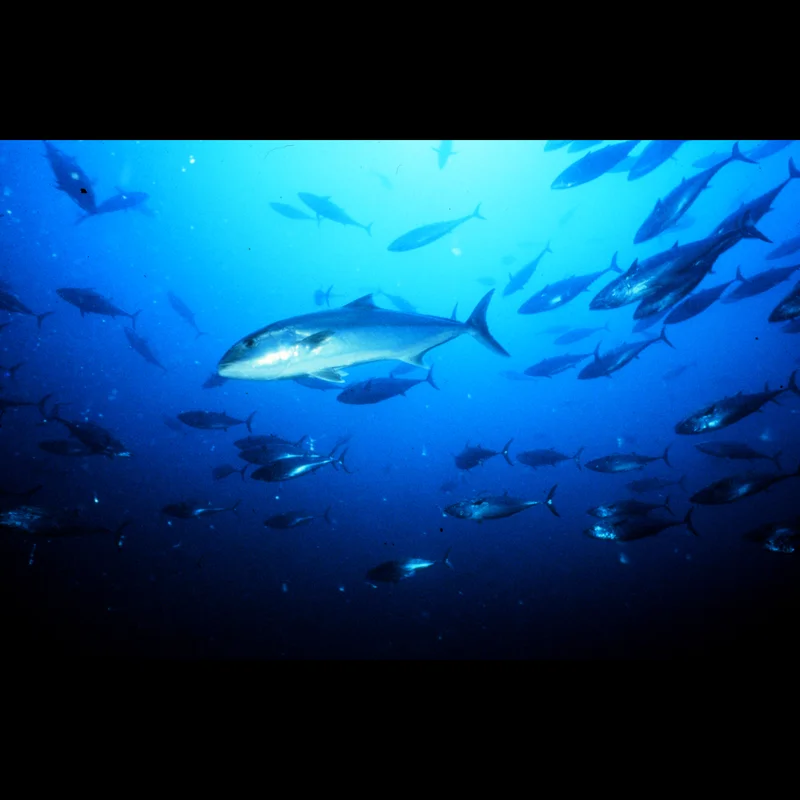
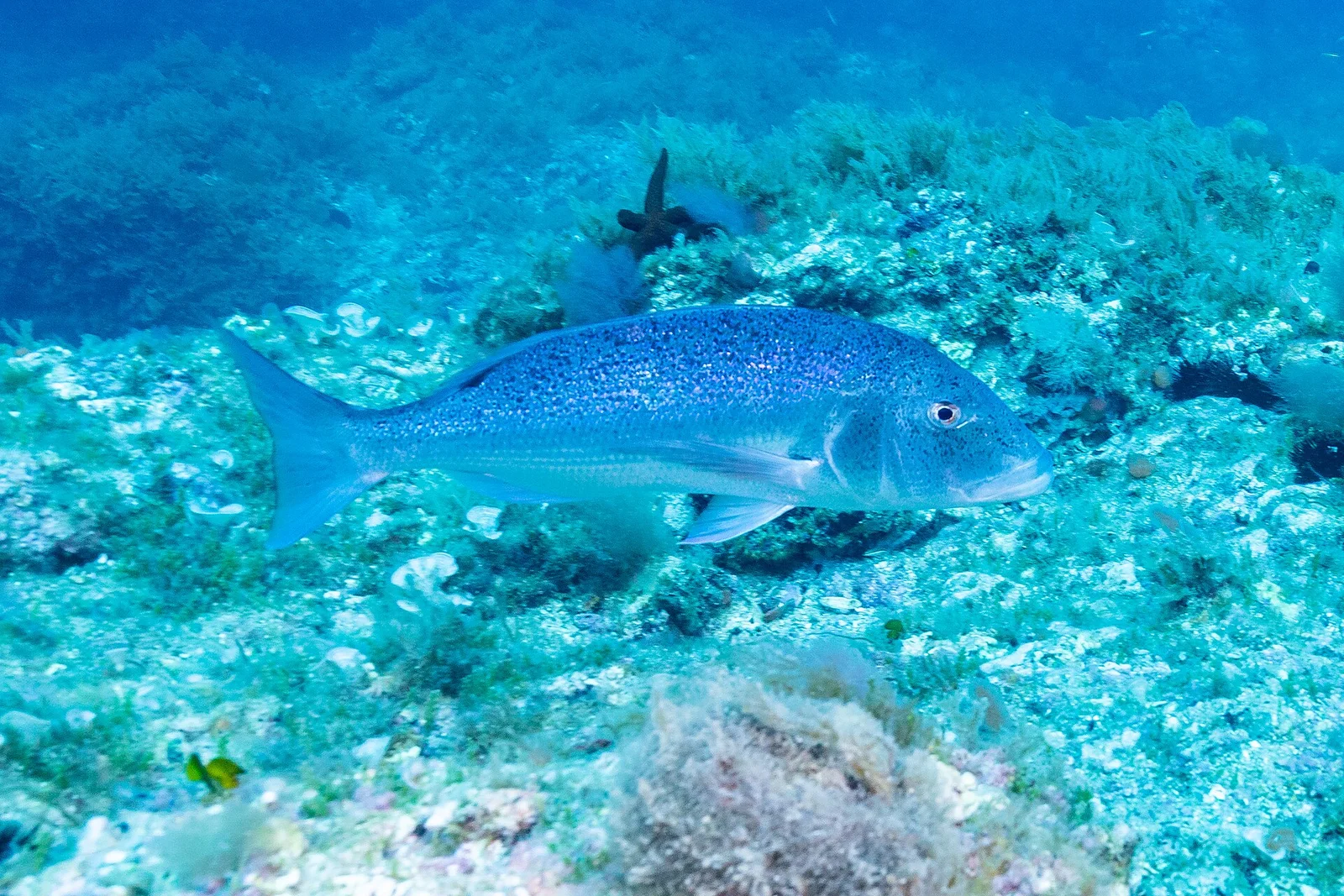
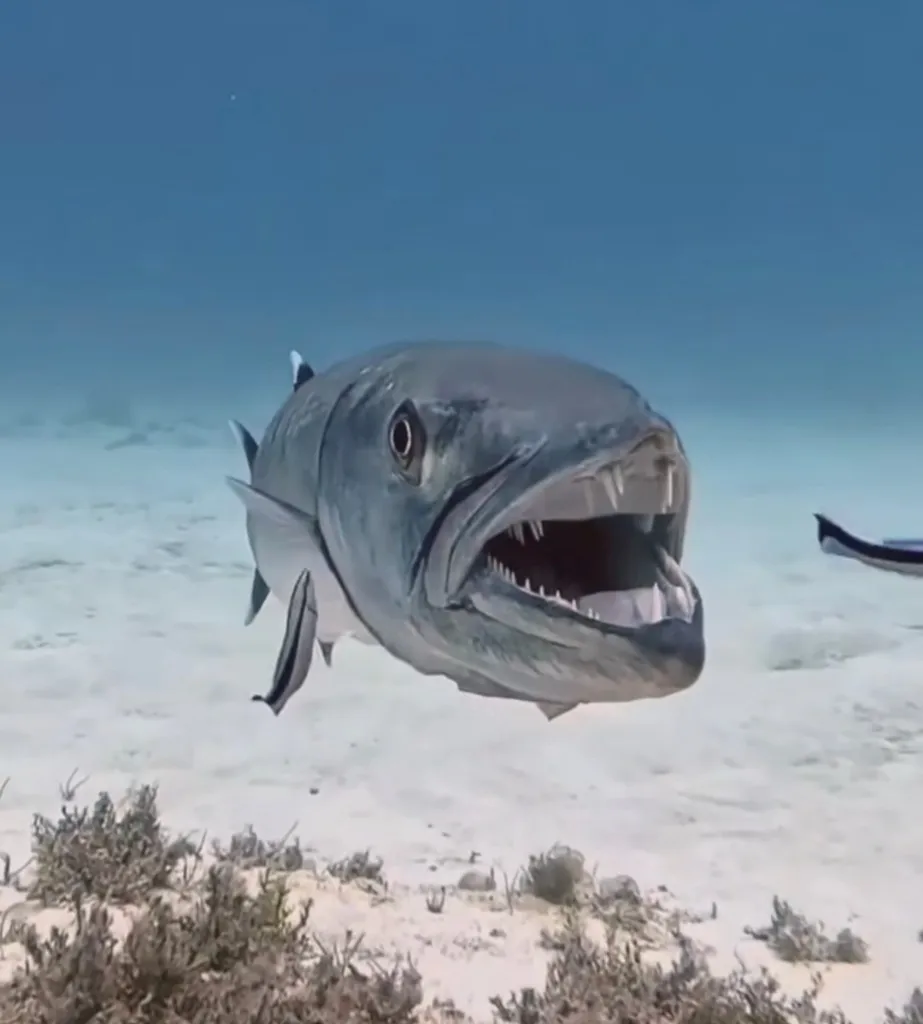
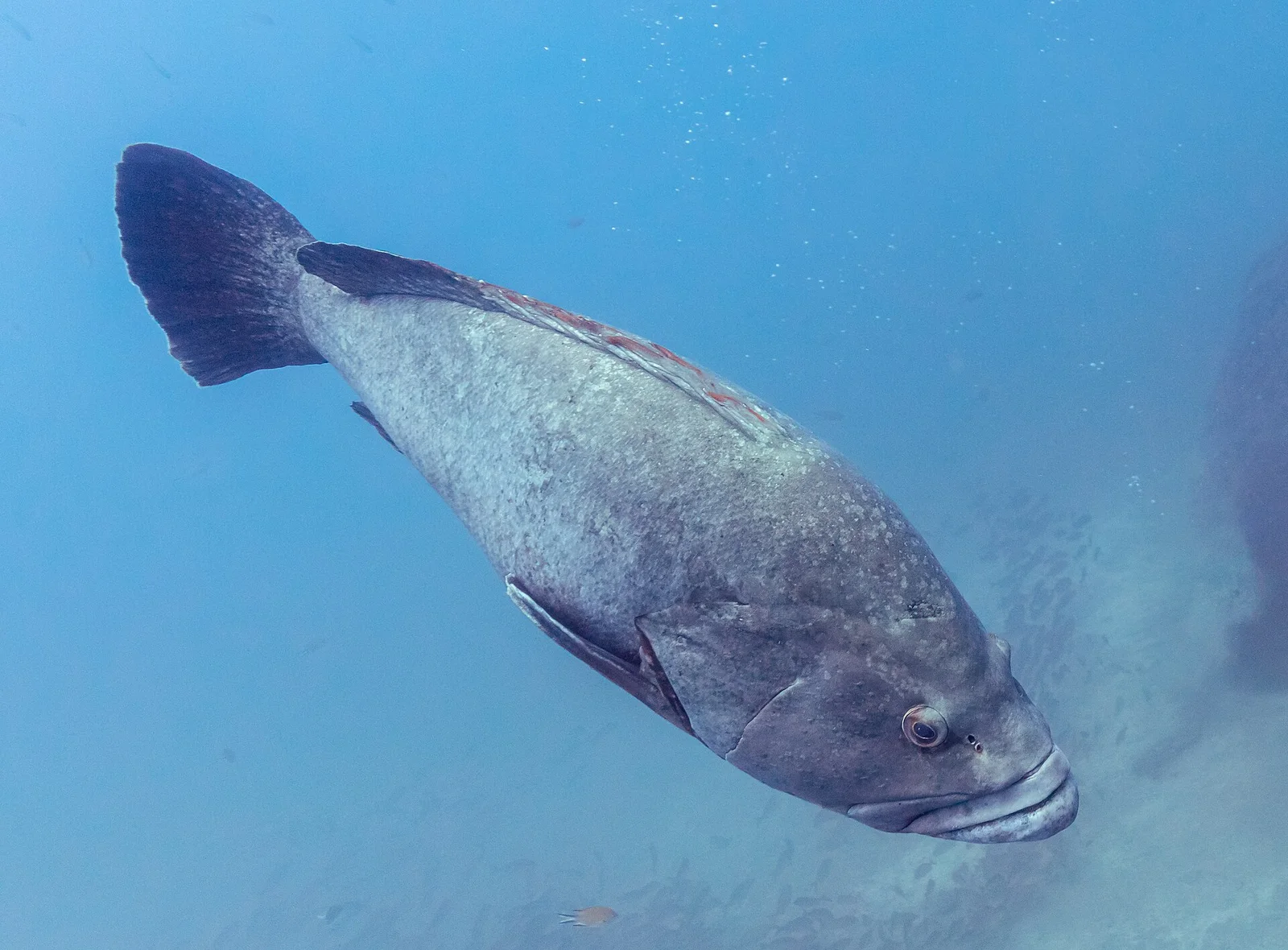
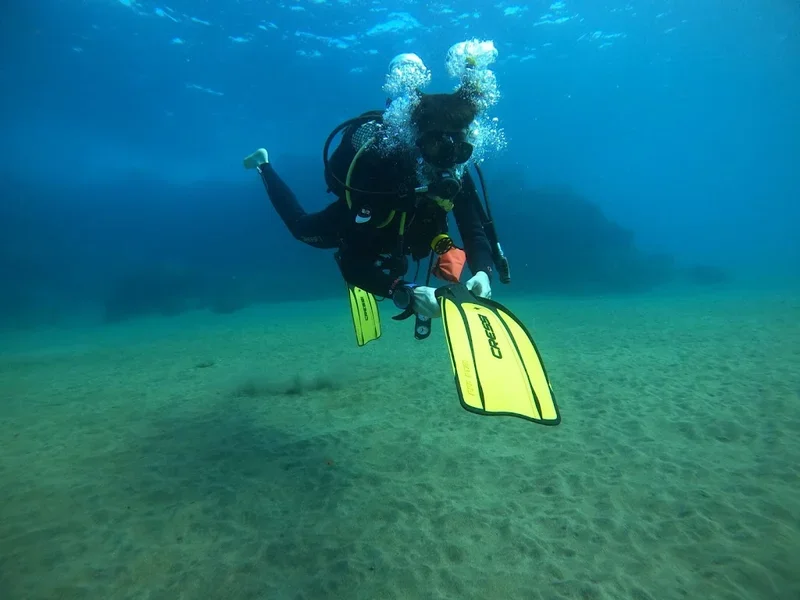
Predator density at La Burrera immediately sets it apart: hefty island groupers (abadejos), dusky groupers, and large barred hogfish (perros) approach divers inquisitively alongside hunting common dentex, amberjacks, and yellowmouth barracuda.
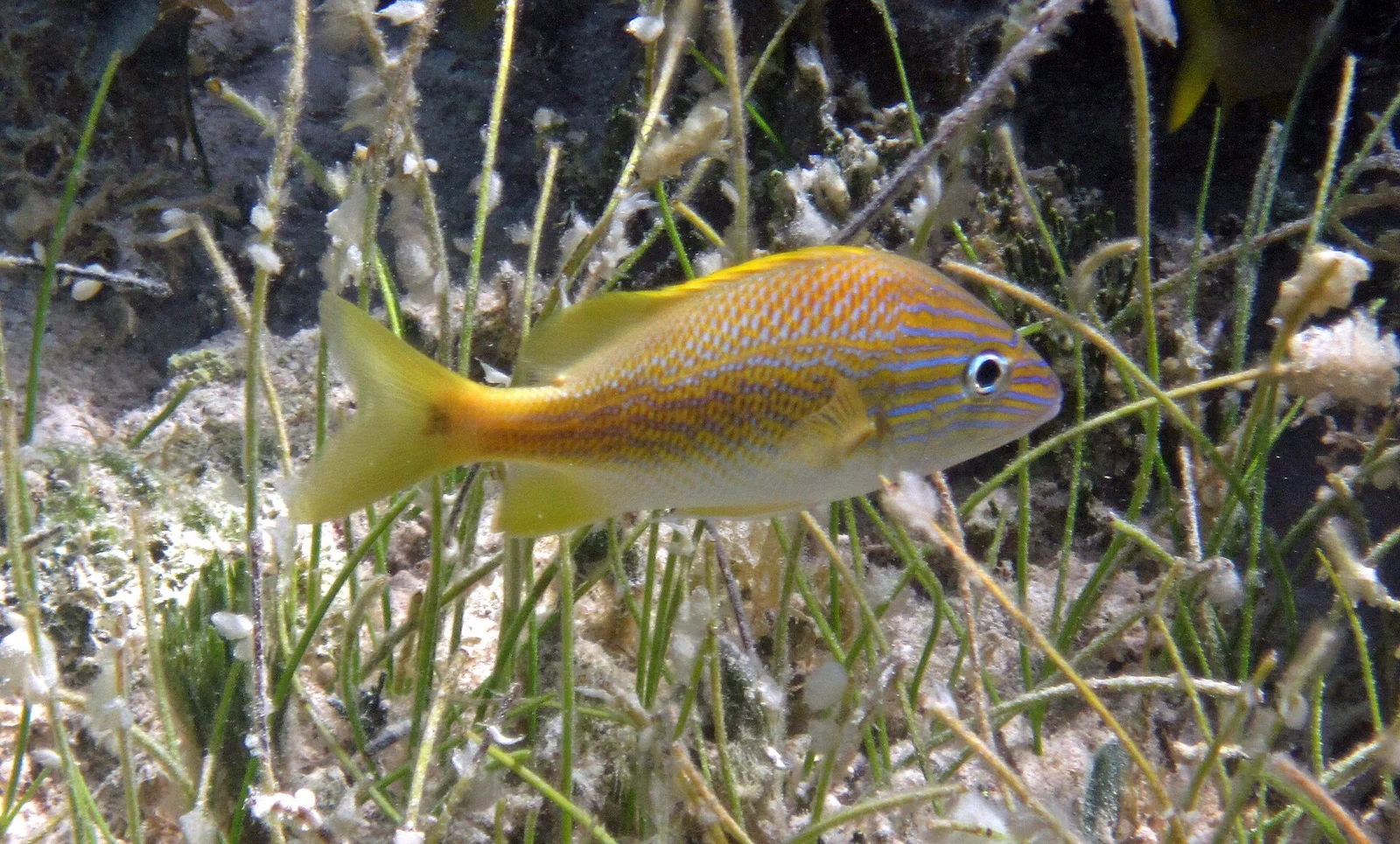
Beneath overhanging basalt arches gather compact, yellow-striped schools of African striped grunts (bocinegro)—a prized Chinijo specialty—joined by zebra seabream, red parrotfish, moray eels, and occasional eagle rays.
Dive Sites Near La Burrera
View all dive sites in SpainDiscover more underwater gems in this area.
Dive Centers Near La Burrera
Today: 09:30 - 17:30
Nearest Airports
Nearest airports to help plan travel to this dive area.
Search Flights
Check available flights and routes on Expedia, using the nearby airports listed in this section.
Search Flights on ExpediaAffiliate link · Dive Navigator may earn a commission at no extra cost to you.
Frequently Asked Questions
Do divers need a special permit to dive La Burrera?
Yes. La Burrera lies within the Chinijo Archipelago Marine Reserve around La Graciosa and the northern islets, requiring prior authorization from the Canary Islands Government or booking with an authorized local dive center.
Why does La Burrera look so different from reefs in southern Lanzarote?
Abundant predatory fish such as hogfish and groupers keep long-spined sea urchins under natural control, preserving lush brown and red algal forests across the volcanic arches.
What is the depth range at La Burrera?
Most of the reef terrace, arches, and rock columns lie between 18 and 25 meters (59 to 82 feet).
Which departure ports serve Montaña Clara dive sites?
Dive boats depart primarily from Caleta del Sebo on La Graciosa, with occasional longer RIB crossings from Órzola at the northern tip of Lanzarote.
When is the most reliable season for reaching La Burrera?
Late August through November brings light winds and low North Atlantic swells across the outer Chinijo islets.
What signature fish species should divers look for under the arches?
Schools of yellow-lined African striped grunts (Parapristipoma octolineatum), bold island groupers, and large barred hogfish are signature highlights.
Planning to dive La Burrera?
Tell us your dates and diving needs. We'll review your request and seek offers from relevant local dive centers.
Request Dive OffersConditions are Good
Optimal conditions expected
Current conditions near La Burrera show 22° air, 23° sea temperature, 1.2 m waves, and 26 km/h wind. Forecast data is refreshed regularly to ensure accuracy.