
Diving at Veril de Las Anclas (Spain)
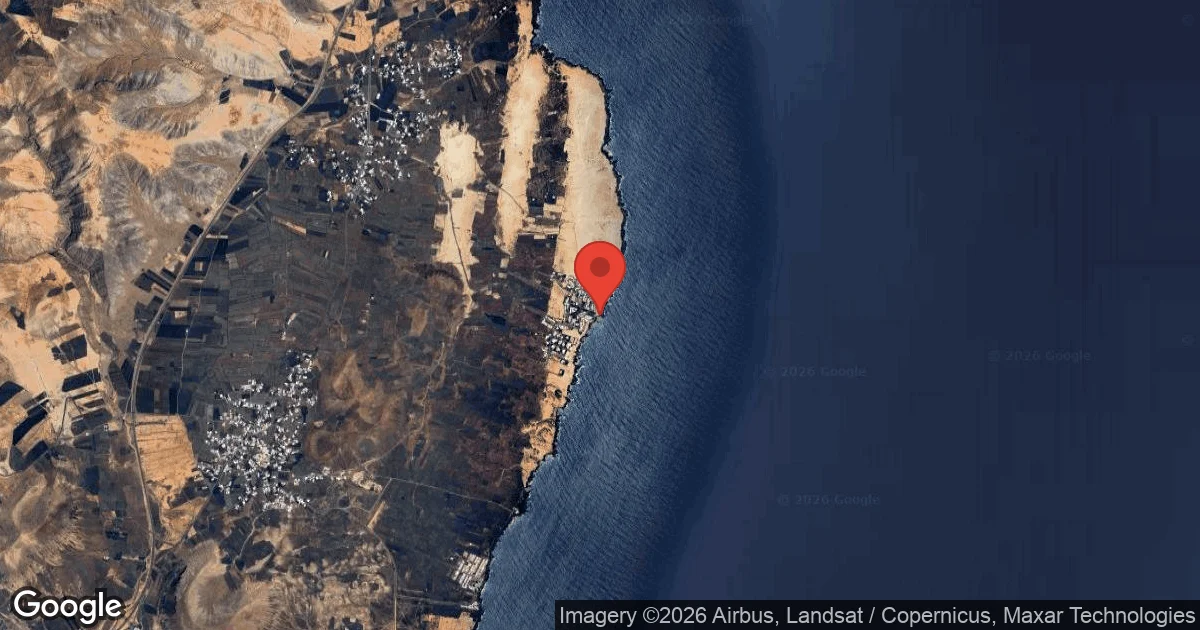
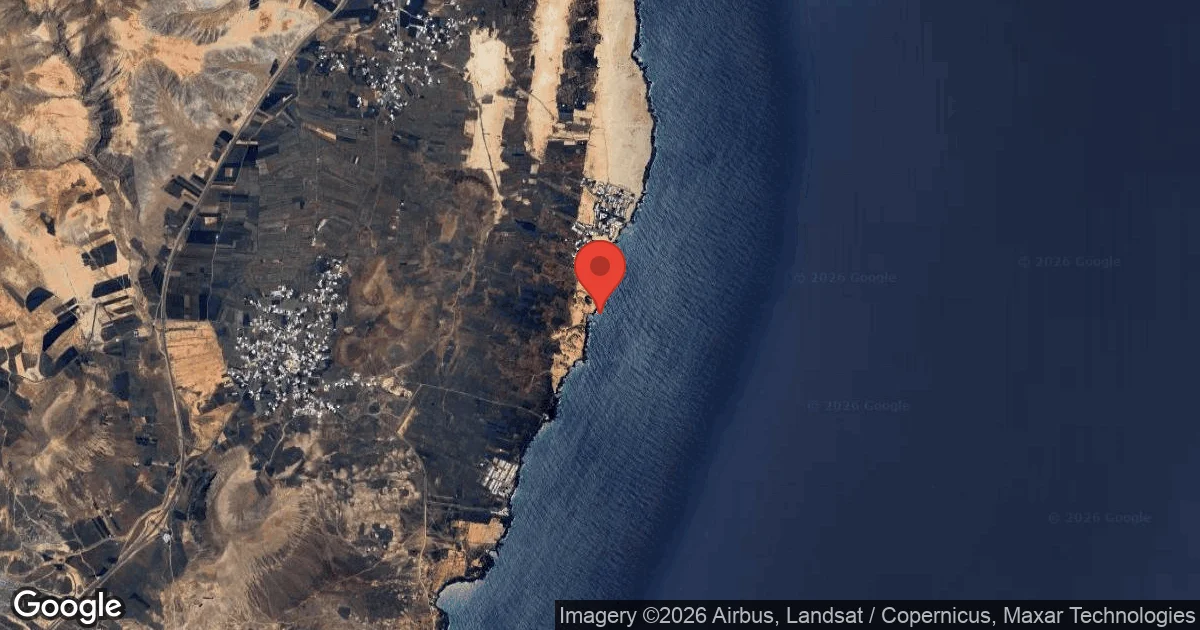
Spanning the turquoise El Río strait beneath Lanzarote's towering Famara cliffs, Veril de las Anclas is a living underwater museum in 15 to 21 meters of water. Centuries of European and Mediterranean vessels sheltering behind La Graciosa snagged their iron anchors along this sculpted volcanic ridge, now patrolled by white trevally, brown meagre, and groupers.
Afternoon measurements for Veril de Las Anclas show the air has reached 21.5°C. The recorded surface conditions at this location feature wave heights of 1.1 m. These metrics are updated to reflect the ongoing daily shifts.
Dive Site Location & Key Facts
Dive Site Overview
Between northern Lanzarote and La Graciosa runs El Río, a sheltered natural roadstead used by Roman traders, 14th-century Genoese navigators, Norman conquerors, and privateers. Stretching nearly a kilometer across the channel floor is the Veril de las Agujas rock bar, whose central segment—Veril de las Anclas—rises several meters off a luminous white seabed between 15 and 21 meters.
Encrusted into the volcanic ledge sit monumental forged iron anchors dating from the 14th through 18th centuries (historical amphorae recovered nearby also reside in Lanzarote's archaeological collections). Beneath the reef lip, marine erosion has carved continuous overhangs and the celebrated northern Cueva de los Jureles.
Look closely at the surrounding white floor as well: rather than ordinary sand, much of the channel bed consists of confites—living pink-and-white calcareous rhodolith nodules (maërl) rolled gently by tidal currents.
Conditions are Good
Optimal conditions expected
Current conditions near Veril de Las Anclas show 22° air, 23° sea temperature, 1.1 m waves, and 26 km/h wind. Forecast data is refreshed regularly to ensure accuracy.
Best Time to Dive
Protected from open-ocean northwest swells by the bulk of La Graciosa, El Río is far more weather-resilient than outer Montaña Clara, offering reliable diving from May through November with peak warmth (22°C) and clarity in September and October.
Daily tidal timing is critical: El Río flows northeast on a rising tide and southwest on a falling tide, so slack-water windows provide the most relaxed conditions for admiring the anchors.
PEAK SEASON SCORE
Scores combine air & water temps, waves, wind & rainfall for overall conditions.
BEST MONTHS TO DIVE
Monthly records compiled from satellite and marine observation nodes over the last 3 years. Data provided by Open-Meteo and MET Norway.
Dive Experience & Conditions
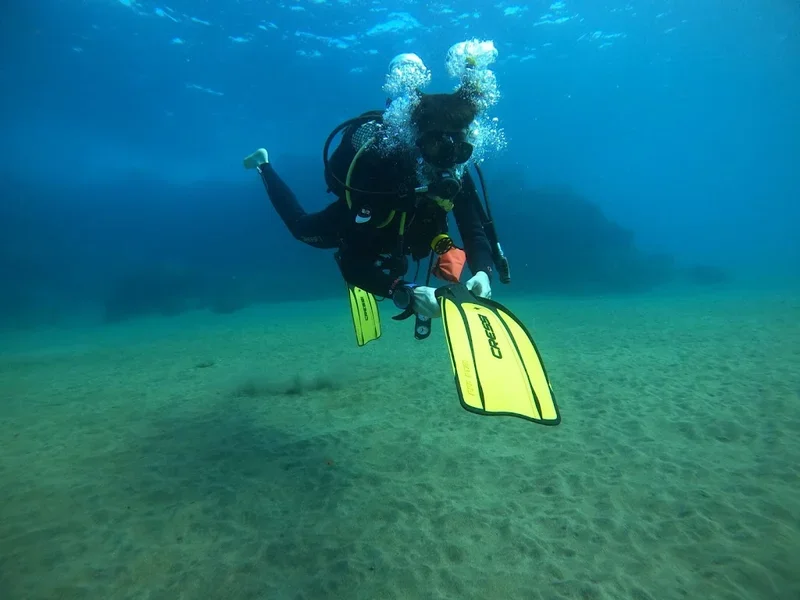
Just five to ten minutes by boat from Caleta del Sebo or Órzola, divers descend onto the 15-meter reef top and follow the undercut wall face at 18 to 21 meters. Visibility regularly reaches 20 to 28 meters over the bright rhodolith seabed.
At slack tide, Open Water divers can explore leisurely out-and-back; when tidal flow builds across the strait, guides run effortless one-way drifts along the anchor-studded ledge.
Dive Difficulty & Safety Guidelines
All anchors and ceramic remnants in El Río are legally protected underwater cultural heritage inside the Chinijo Archipelago Marine Reserve—photograph them without touching or propping camera rigs against encrusted iron.
Avoid dragging fins over the fragile rhodolith (maërl) nodules on the 21-meter seabed, and always ascend with a surface marker buoy while listening for inter-island ferries transiting between Órzola and Caleta del Sebo.
Recommended Equipment
Current and surface separation risk. Local briefing strongly recommended.
- Dive Computer
- DSMB
- Reel / Spool
This gear list is based on verified equipment signals for Veril de Las Anclas, Spain. Always confirm final gear choices with your dive operator, guide, or liveaboard.
Recommended Dive Suit
Recent conditions suggest the water at Veril de Las Anclas remains near 23°C (73°F), offering typical conditions for the area. Surface air temperatures are resting at 22°C (71°F).
The forecast outlook suggests that temperatures will stay close to current levels.
Divers who prefer moderate insulation typically choose 3-5mm wetsuit in similar environments. A hood or vest is suggested for sensitive divers due to surface winds. Surface intervals may feel cooler. Many experienced divers adjust their exposure protection depending on the type of dive planned.
Emergency & Medical Support
Essential information to help you plan your dive trip to Veril de las Anclas.

Hyperbaric chambers are a critical part of dive safety infrastructure. Availability varies significantly by region, and not all dive areas have immediate access.
Before diving, it's recommended to:
- confirm nearest medical facilities
- check emergency procedures with local dive operators
- ensure dive insurance covers evacuation if required
Divers Alert Network
Diving emergency assistance available through DAN Europe.
+39 0642115685- 24/7 emergency hotline
- Diving medical assistance
- Evacuation coordination
Emergency contacts are provided for reference. Always verify local emergency services before diving.
Marine Life at Veril de Las Anclas
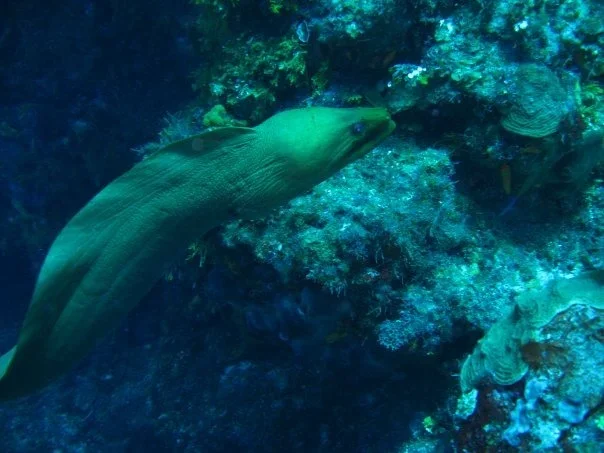
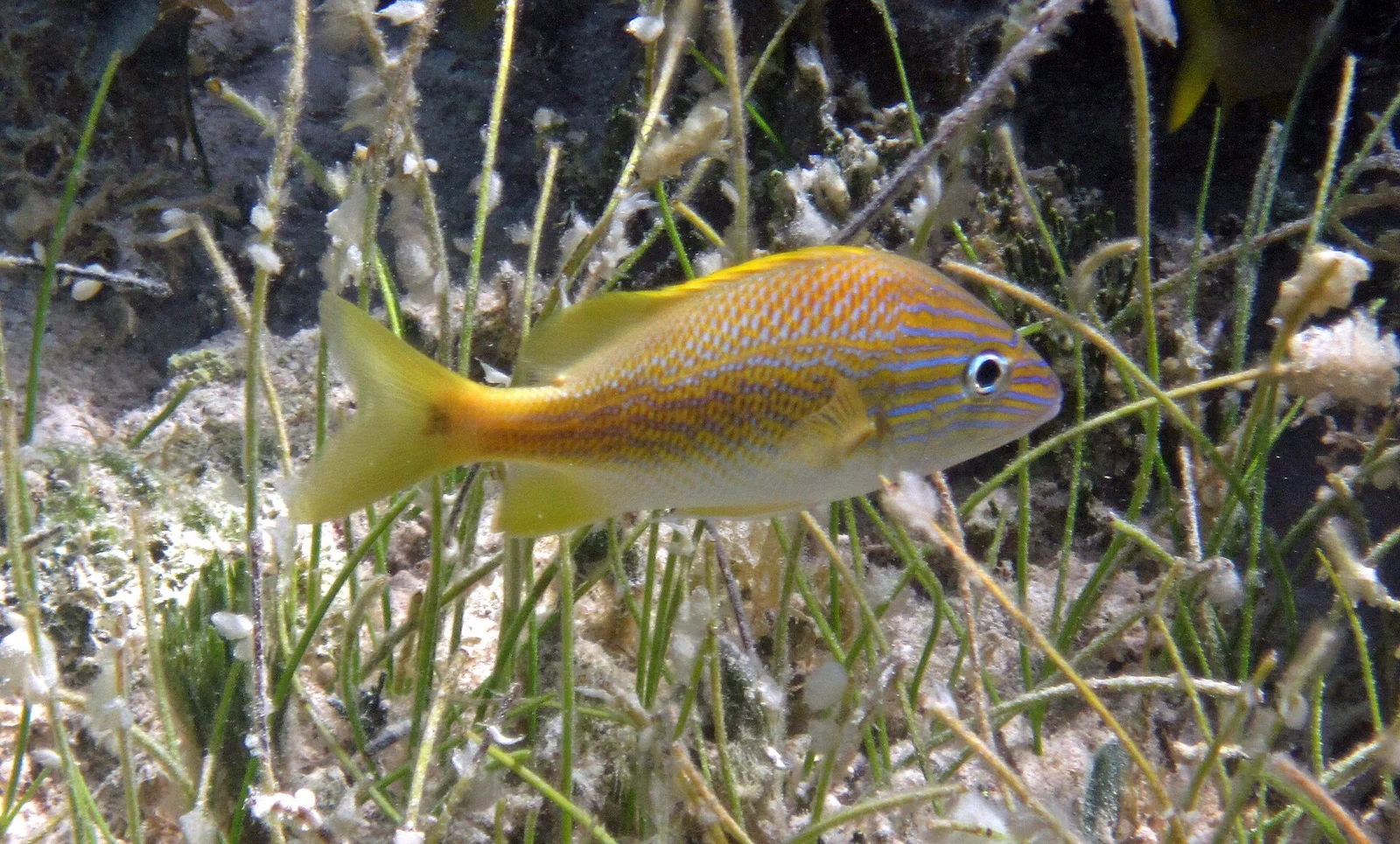
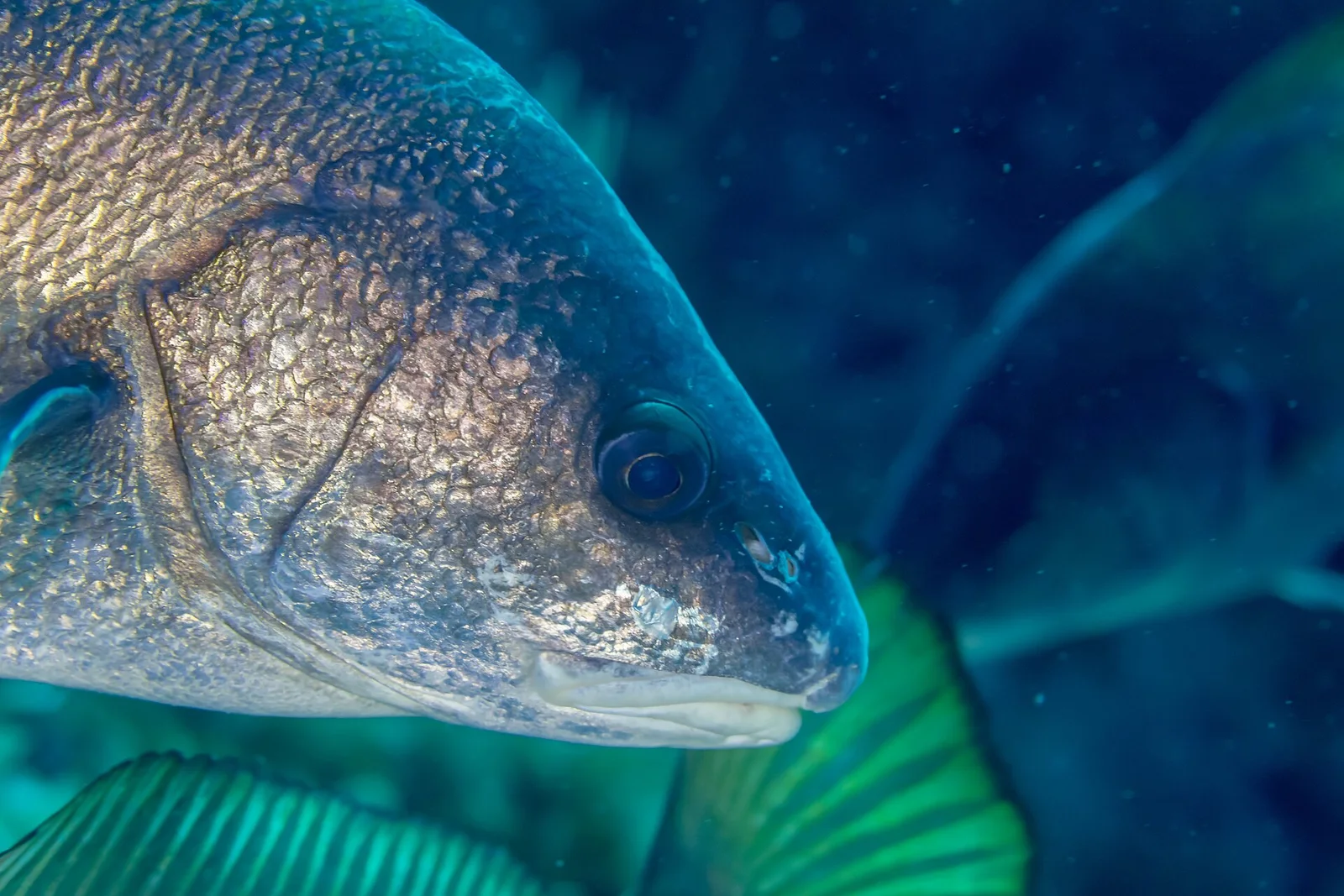
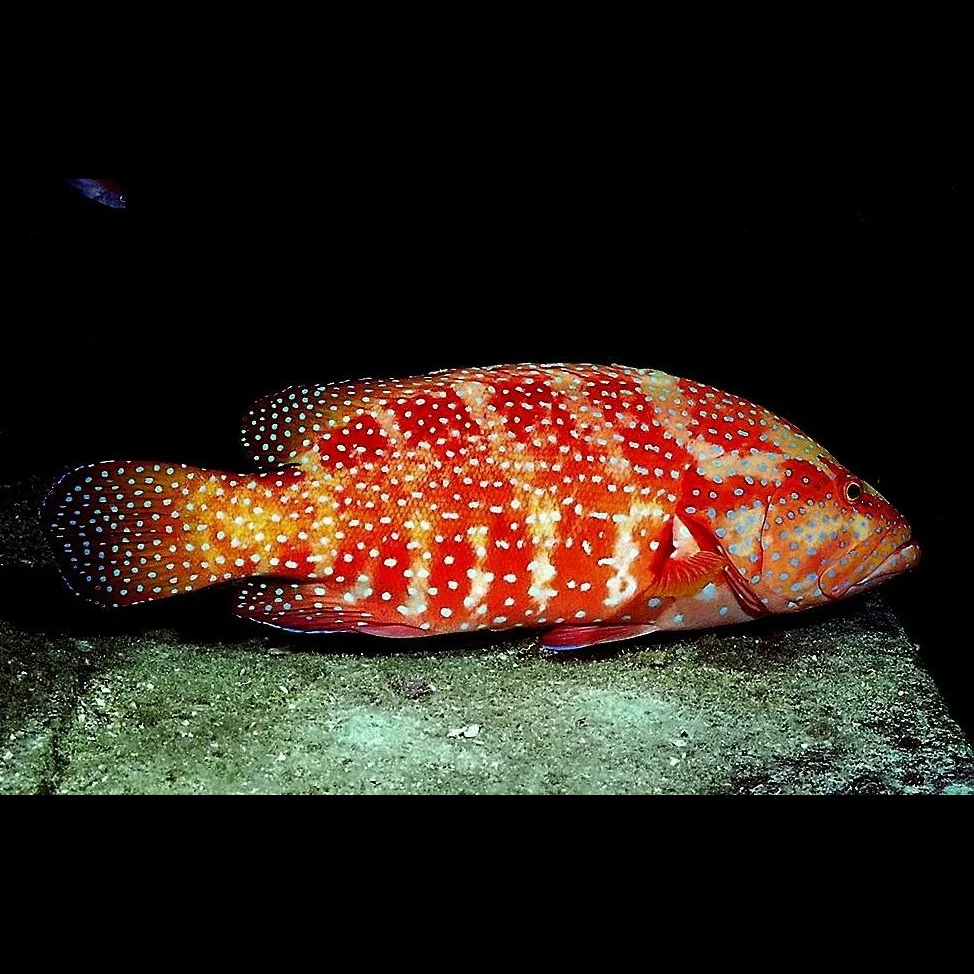
Inside the northern Cueva de los Jureles and neighboring overhangs gather tight schools of silver white trevally (jureles), bronze-sheened brown meagre (corvinas), glasseyes, and Canary slipper lobsters. Along the open ridge cruise island groupers, dusky groupers, barred hogfish, bastard grunts, and zebra seabream.
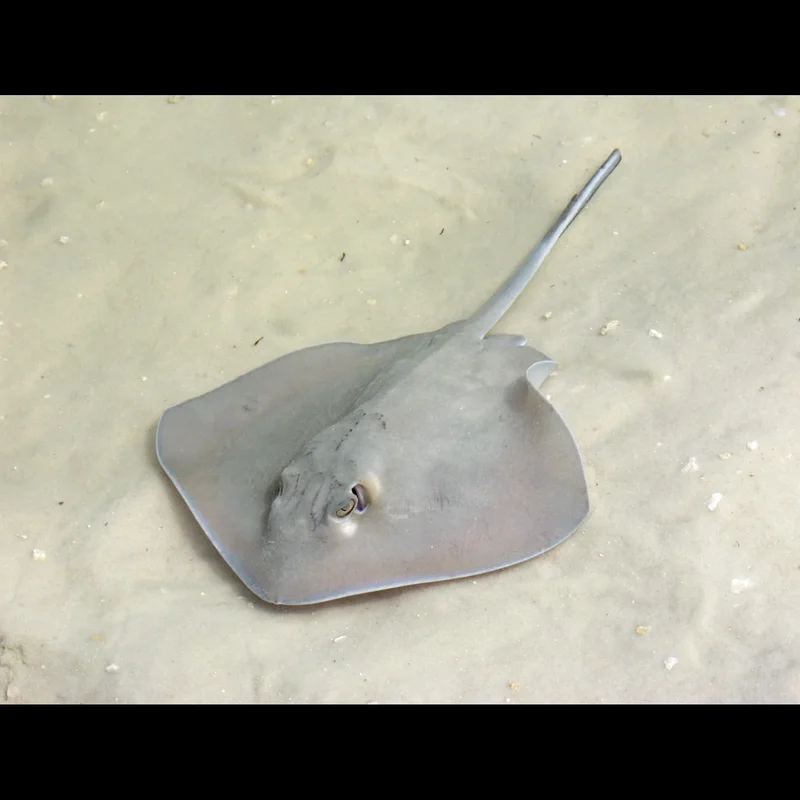
Out across the white rhodolith plain rest common stingrays, eagle rays, wide-eyed flounders, and seasonal angelsharks.
Dive Sites Near Veril de Las Anclas
View all dive sites in SpainDiscover more underwater gems in this area.
Dive Centers Near Veril de Las Anclas
Today: 09:30 - 17:30
Nearest Airports
Nearest airports to help plan travel to this dive area.
Search Flights
Check available flights and routes on Expedia, using the nearby airports listed in this section.
Search Flights on ExpediaAffiliate link · Dive Navigator may earn a commission at no extra cost to you.
Frequently Asked Questions
How old are the anchors at Veril de las Anclas?
Forged iron anchors wedged along the rocky bar span roughly the 14th to 18th centuries, left behind when sailing vessels anchored in the sheltered El Río roadstead.
What are the white 'confites' covering the seabed around the reef?
Confites are free-living calcareous red algae nodules (rhodoliths or maërl) rolled by El Río's tidal currents to form a bright, ecologically rich habitat.
Is Veril de las Anclas suitable for Open Water divers?
Yes—at 15 to 21 meters (49 to 69 feet) and sheltered inside El Río strait, it is accessible to Open Water divers when timed around slack tide.
How do tides affect currents in the El Río channel?
Currents flow northeast during rising tides and reverse toward the southwest during falling tides, making slack water ideal for stationary exploration.
Do divers need a Chinijo Marine Reserve permit here?
Yes. El Río falls within the La Graciosa and Northern Islets Marine Reserve, requiring prior diving authorization arranged individually or via licensed local dive centers.
What is Cueva de los Jureles?
A spacious cavern at the northern end of Veril de las Anclas famous for sheltering dense schools of white trevally (jureles) and brown meagre.
Planning to dive Veril de Las Anclas?
Tell us your dates and diving needs. We'll review your request and seek offers from relevant local dive centers.
Request Dive OffersConditions are Good
Optimal conditions expected
Current conditions near Veril de Las Anclas show 22° air, 23° sea temperature, 1.1 m waves, and 26 km/h wind. Forecast data is refreshed regularly to ensure accuracy.