Loading...

Diving at Los Amarillos (Los Burros) (Spain)
Published
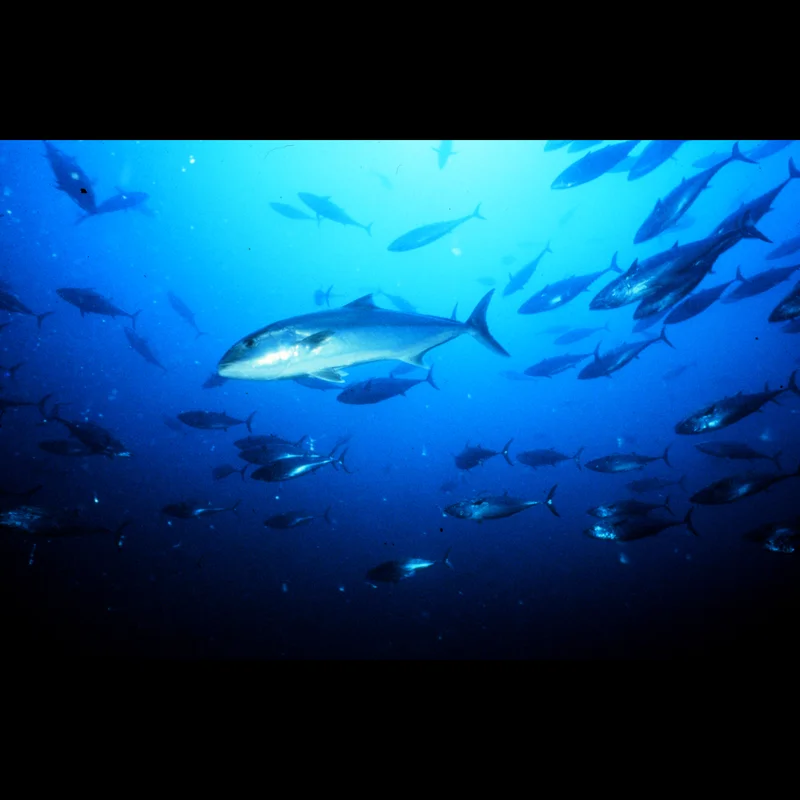
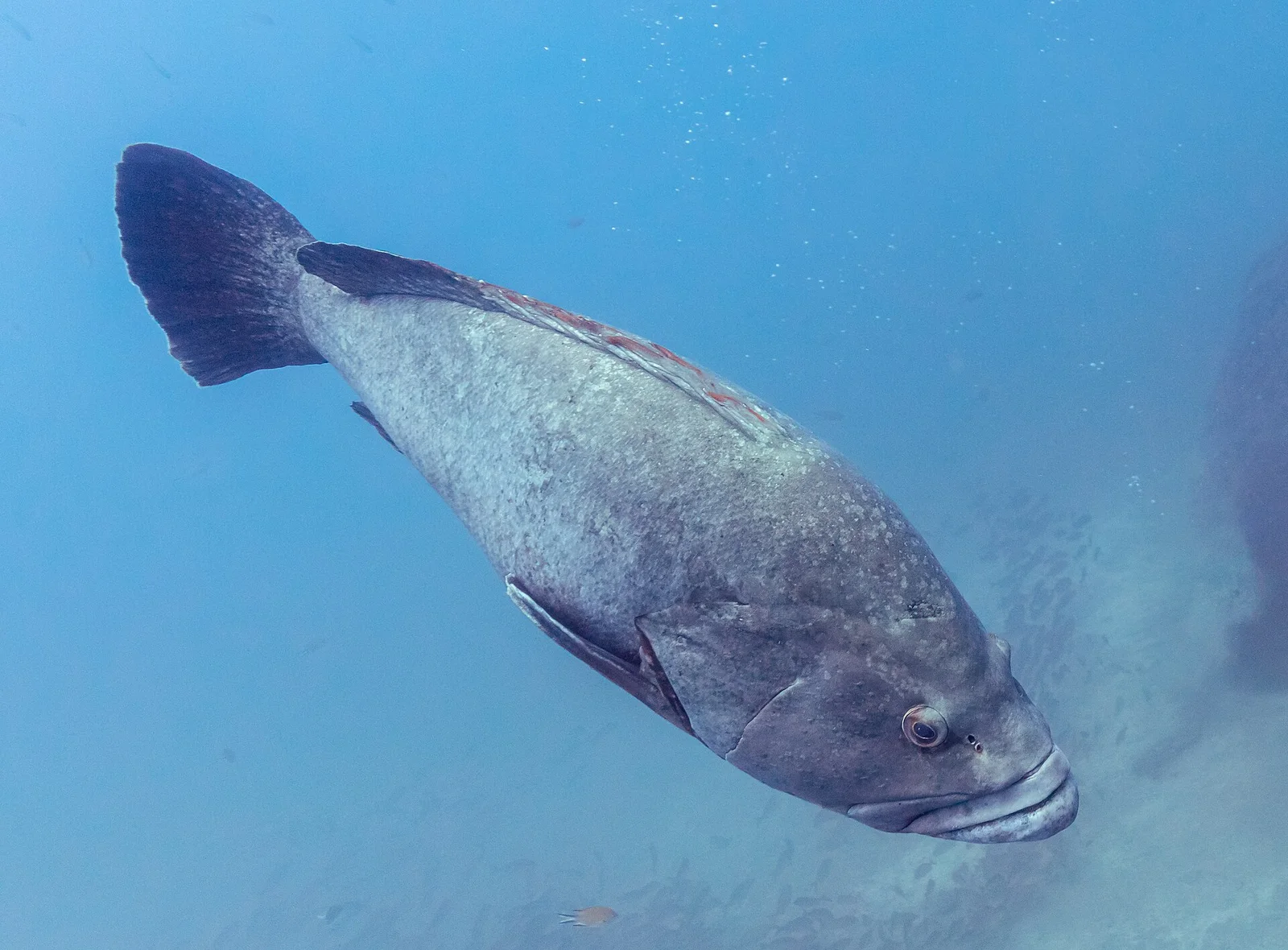
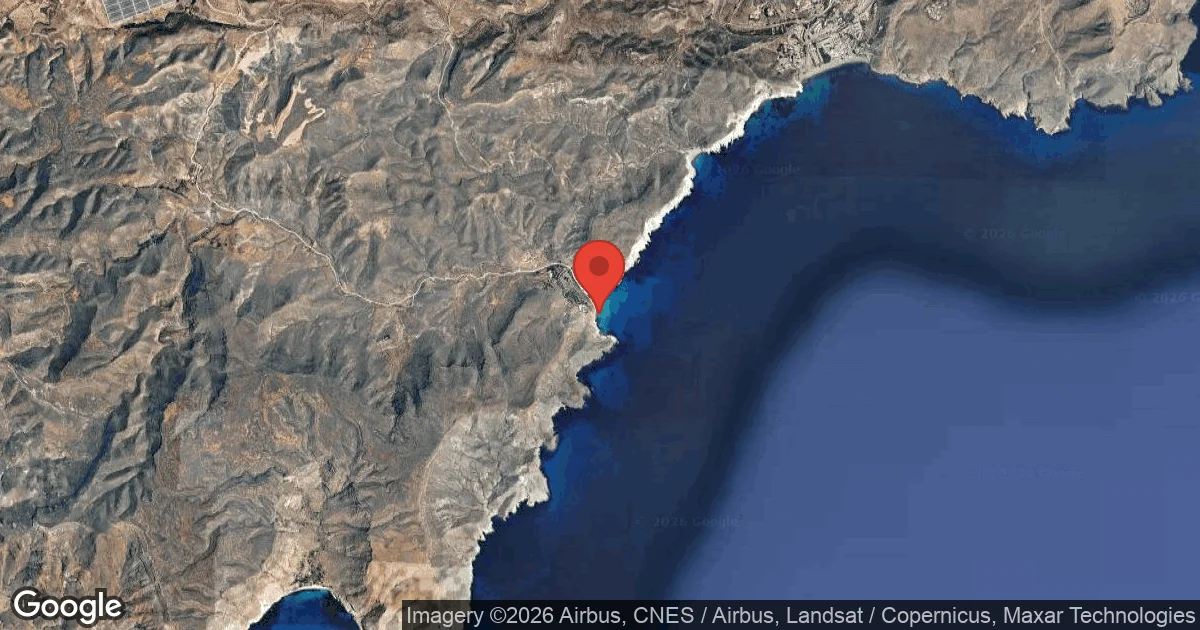
Isolated out on an open sand plain opposite Cabo de Gata's golden fossilized cliffs near San José, Los Amarillos—also known as Los Burros—acts like a natural magnet in the desert. Twin rocky reefs split by a 21-meter sand channel concentrate so many groupers, goldblotch groupers, amberjacks, and passing sunfish that divers compare it to dropping into an open-ocean aquarium.
As evening covers Los Amarillos (Los Burros), the local air temperature is measured at 16.5°C. The current wave height at the surface is recorded at 0.5 m. These late-day readings characterize the surface conditions for the night.
Dive Site Location & Key Facts
Site Characteristics
Max Depth21m / 69ft
Entry Typeboat
Water Typesalt
Dive Types
DriftReef
Dive Site Overview
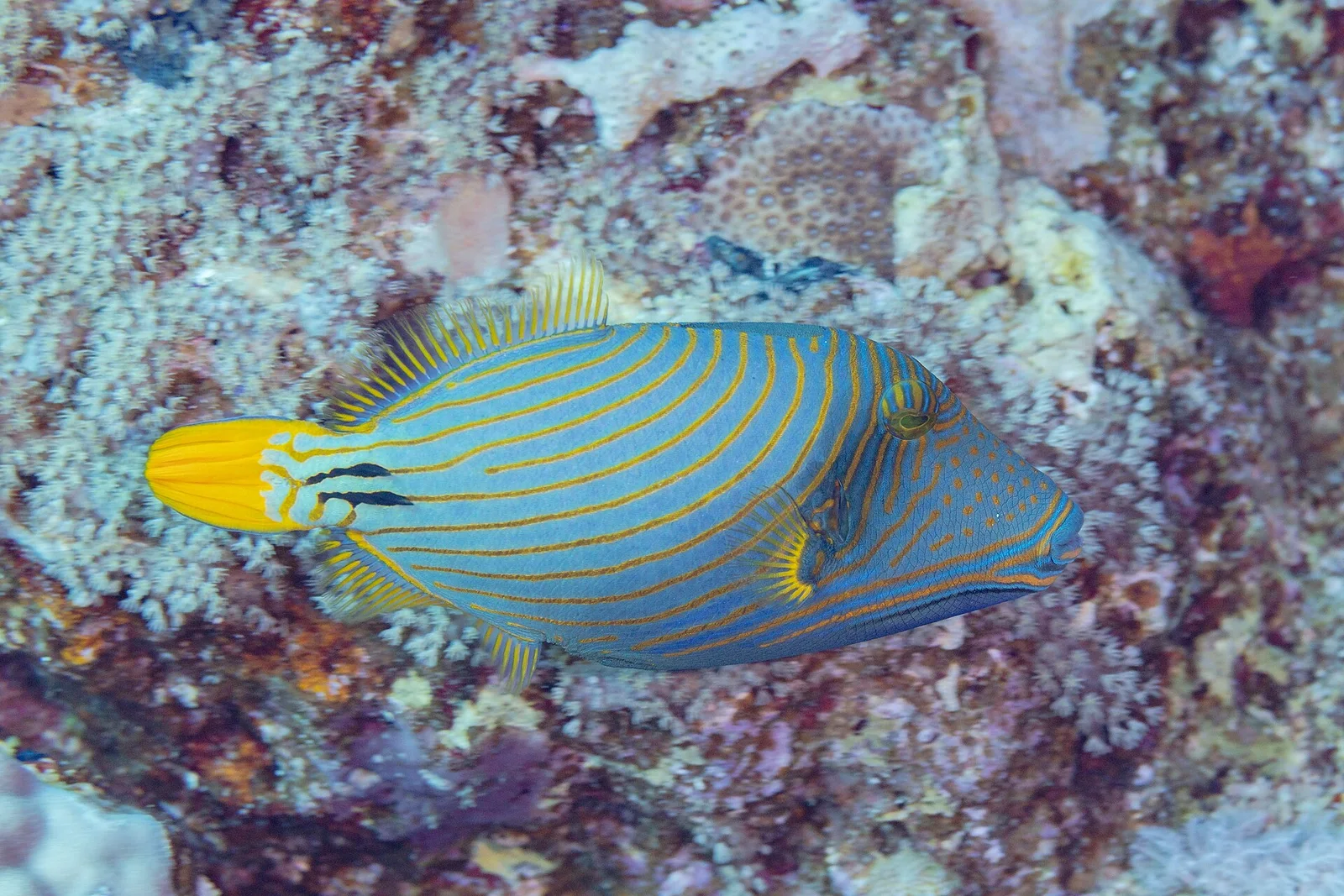
Featured as Site 2 in Níjar's official Natural Park dive guide, this offshore site carries two local names: Los Amarillos references the striking yellow calcareous sandstone cliffs visible onshore toward Loma Pelada, while Los Burros recalls the large numbers of grey triggerfish ('burros') that historically colonized these ledges. Underwater at 18 to 21 meters lie two low-relief volcanic rock formations separated by a clean sand corridor narrow enough to see from one reef across to the other.
Although the rock relief itself is modest compared with towering coastal walls, its isolation across open offshore sand forces every reef-seeking fish for hundreds of meters around to crowd into its crevices.
Because no fixed park buoy sits out here, skippers drop anchor carefully in the central sand passage so divers have a clear landmark for descent and ascent without touching rock.
Los Amarillos (Los Burros)
Conditions are Excellent
9/10
Confidence: 8/10
Indicates meteorological model agreement and data availability.
Best Dive Window
07:00 - 14:00
Optimal conditions expected
06:12
18:45
H: 10:45
L: 16:20
Air / Sea Temp
17° / 19°
Wave Height
0.5 m
Wind Speed
27 km/h NE
Rain Chance
0%
Current conditions near Los Amarillos (Los Burros) show 17° air, 19° sea temperature, 0.5 m waves, and 27 km/h wind. Forecast data is refreshed regularly to ensure accuracy.
Radius: ~12km
Updated: Nov 22, 2026, 22:44 local timeMARINE: OPEN-METEOWEATHER: YR.NO
Best Time to Dive
May through November offers warm, clear Mediterranean conditions out of San José marina, with water temperatures ranging from 18°C in May to 25°C in August and September.
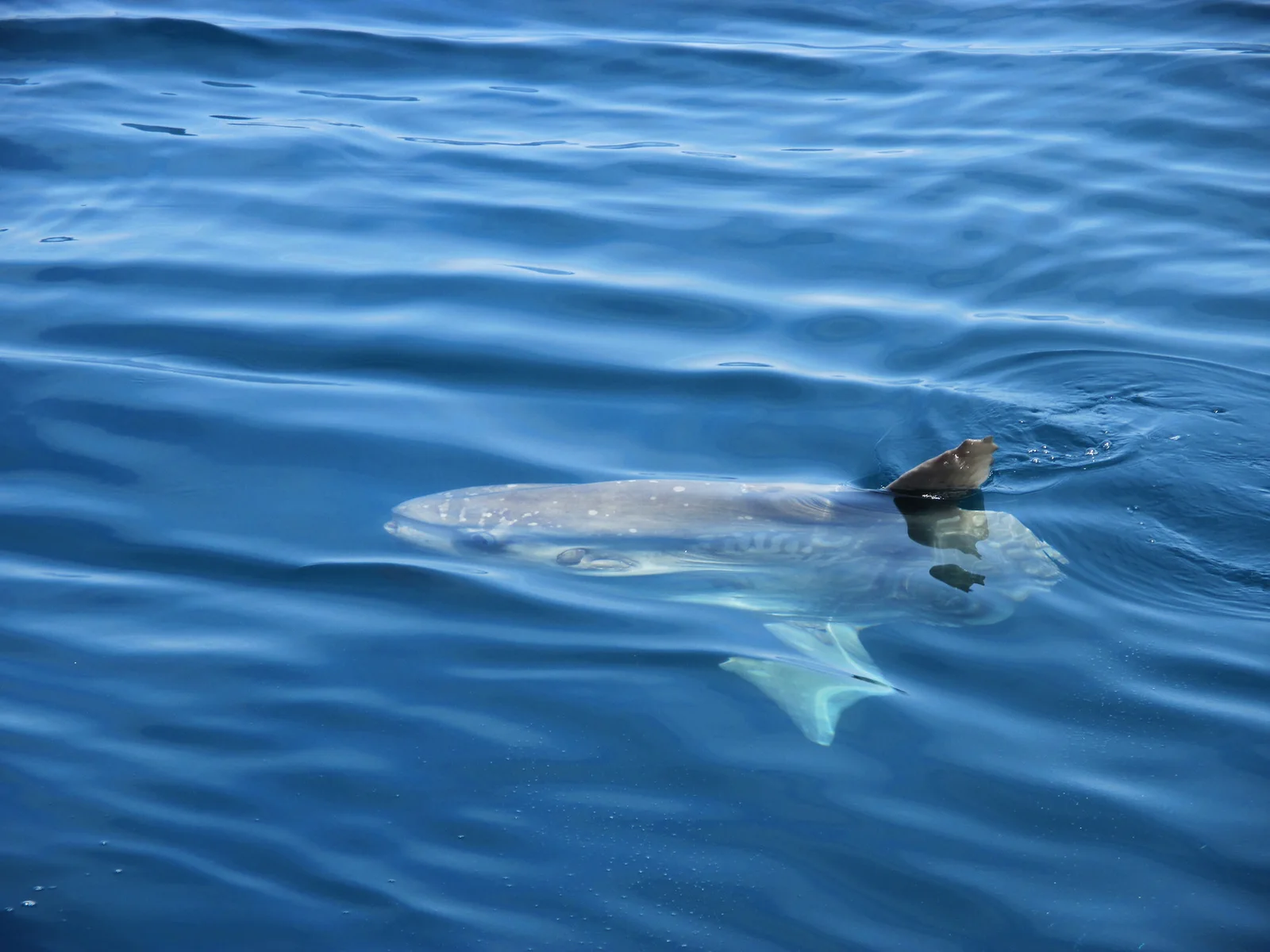
Spring and early summer heighten sightings of ocean sunfish (Mola mola) hovering in the blue above the reefs, while autumn brings peak amberjack and dentex hunting runs.
PEAK SEASON SCORE
83/100
Very GoodScores combine air & water temps, waves, wind & rainfall for overall conditions.
BEST MONTHS TO DIVE
JUL
AUG
SEP
DIVE SCORE GUIDE (0–100)
Excellent (90–100)
Very Good (80–89)
Good (70–79)
Moderate (50–69)
Poor (30–49)
Not Recommended (0–29)
Monthly records compiled from satellite and marine observation nodes over the last 3 years. Data provided by Open-Meteo and MET Norway.
Dive Experience & Conditions
A short boat run from San José brings teams over the 18-to-21-meter twin reefs. Visibility regularly reaches 18 to 25 meters, allowing effortless figure-eight loops around both rock formations via the central sandy channel.
Because the site sits well offshore with a flat ~20-meter square profile and occasional moderate current, Nitrox 32 and Advanced Open Water buoyancy skills shine here.
Dive Difficulty & Safety Guidelines
Ensure Cabo de Gata-Níjar Natural Park scuba authorization is arranged prior to diving, descend and ascend along the anchor line set in the central sand corridor, and carry a personal surface marker buoy with spool in case offshore current picks up.
Use Nitrox 32 to extend no-decompression bottom time comfortably on this flat 20-meter seabed.
Recommended Equipment
Current and surface separation risk. Local briefing strongly recommended.
- Dive Computer
- DSMB
- Reel / Spool
This gear list is based on verified equipment signals for Los Amarillos (Los Burros), Spain. Always confirm final gear choices with your dive operator, guide, or liveaboard.
Recommended Dive Suit
Forecast trends indicate similar diving conditions over the next few days.
Many experienced divers would consider 5mm wetsuit an appropriate choice here. A hood or vest is suggested for sensitive divers due to surface winds. A thermal robe or jacket is recommended between dives.
Recent environmental data from Los Amarillos (Los Burros) indicates water temperatures near 19°C (65°F). Surface air temperatures are resting at 17°C (62°F).
Los Amarillos (Los Burros) conditions last reviewed: 22:44 local time (UTC+0), Nov 22, 2026
Emergency & Medical Support
Essential information to help you plan your dive trip to Los Amarillos (Los Burros).

Hyperbaric chambers are a critical part of dive safety infrastructure. Availability varies significantly by region, and not all dive areas have immediate access.
Before diving, it's recommended to:
- confirm nearest medical facilities
- check emergency procedures with local dive operators
- ensure dive insurance covers evacuation if required
24/7 Available
Divers Alert Network
Diving emergency assistance available through DAN Europe.
+39 0642115685- 24/7 emergency hotline
- Diving medical assistance
- Evacuation coordination
Emergency contacts are provided for reference. Always verify local emergency services before diving.
Marine Life at Los Amarillos (Los Burros)
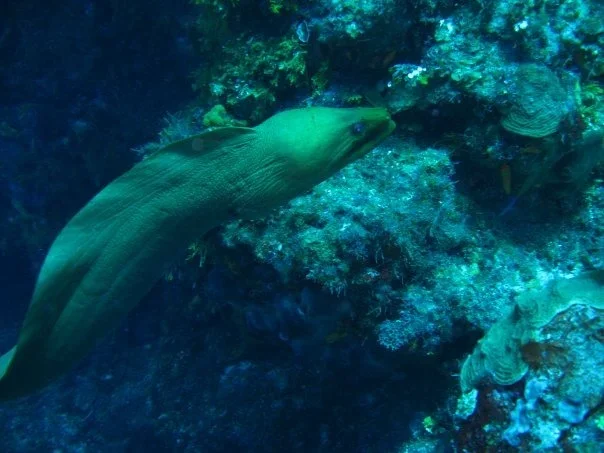
Crevices across both rocky formations overflow with dusky groupers (meros), sleek striped goldblotch groupers (abadejos), bronze schools of brown meagre (corvas), European sea bass, Mediterranean morays, congers, and grey triggerfish.
Scanning upward into the blue frequently rewards divers with cruising greater amberjacks (serviolas), yellowmouth barracuda, eagle rays on the sand, and charismatic ocean sunfish.
1 / 2
Image contributors:A. Hulbert, Sara Heintzelman / NOAA National Marine Sanctuaries + 1 more
Want to contribute photos or local dive knowledge? Learn how to contributeDive Sites Near Los Amarillos (Los Burros)
View all dive sites in SpainDiscover more underwater gems in this area.
Max 16 m
5 km
beginnerEl Chalet del Francés (Cueva del Francés)
BoatCanyon
Max 14 m
5.1 km
beginnerLa Restinga de Las Anclas
ArchaeologicalBoat
Max 32 m
7.3 km
advancedLa Piedra de Los Meros
ArchaeologicalBoat
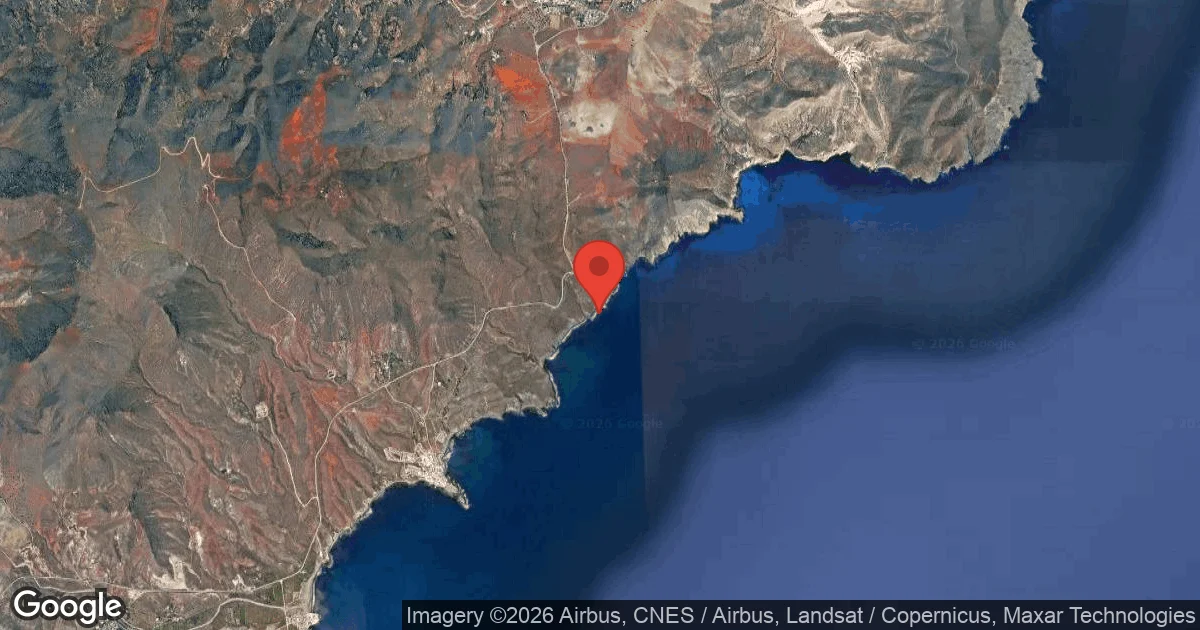
Max 14 m
8 km
beginnerLa Amatista
BoatCanyon
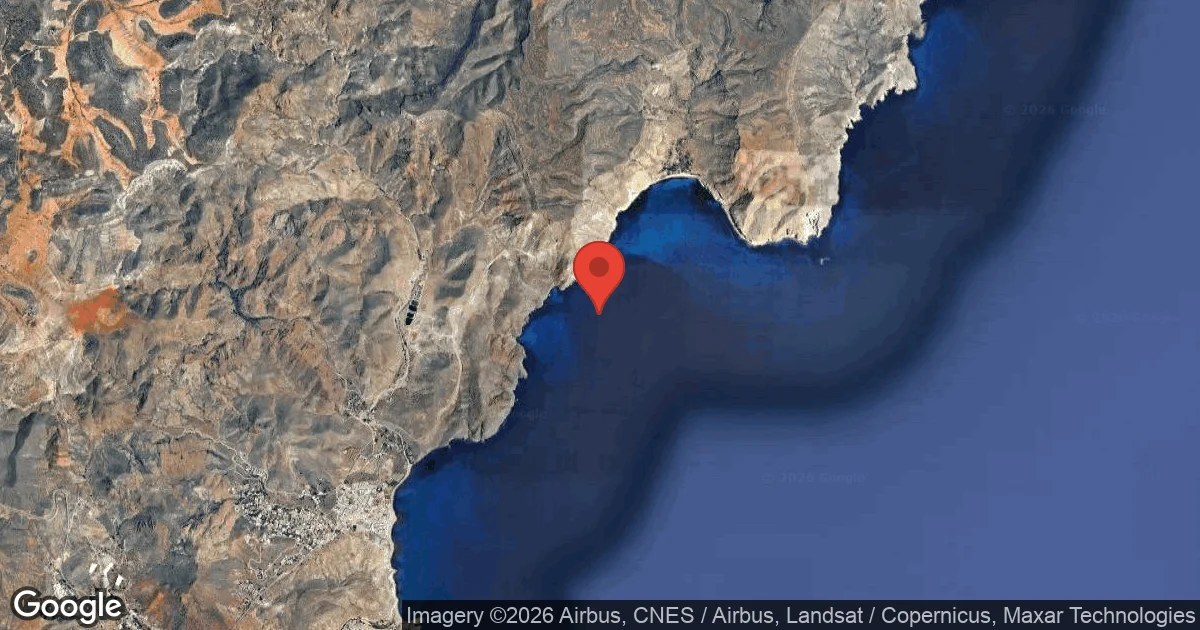
Max 12 m
16.9 km
intermediateCueva del Frío
BoatCanyon
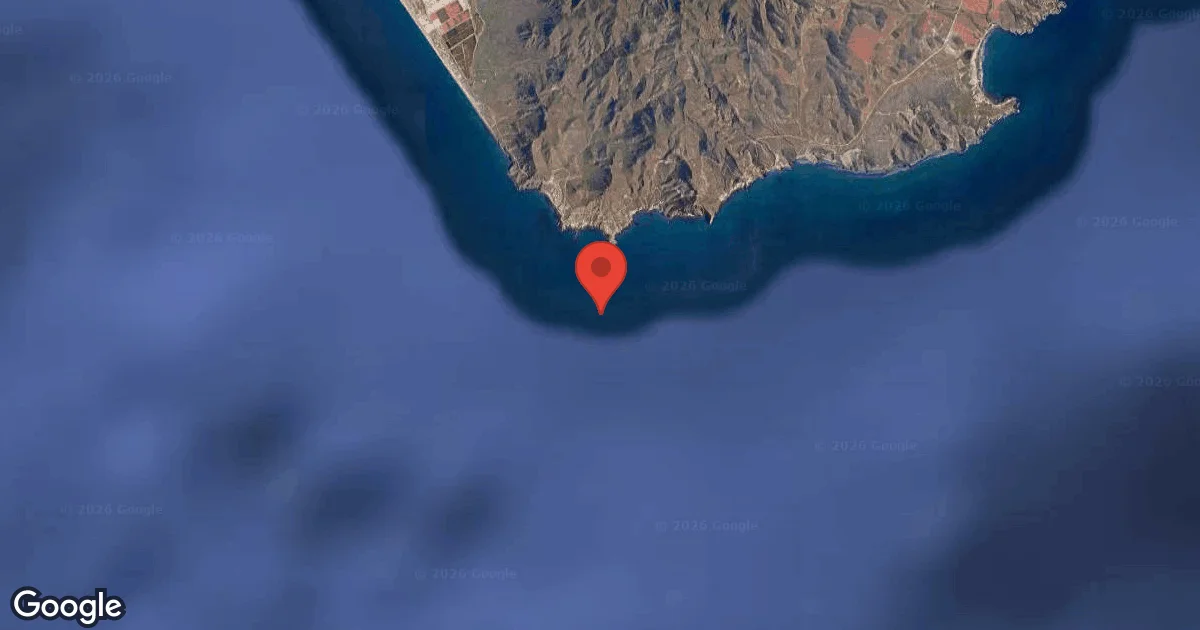
Max 42 m
10.8 km
advancedEl Vapor (SS Arna)
BoatDown Line
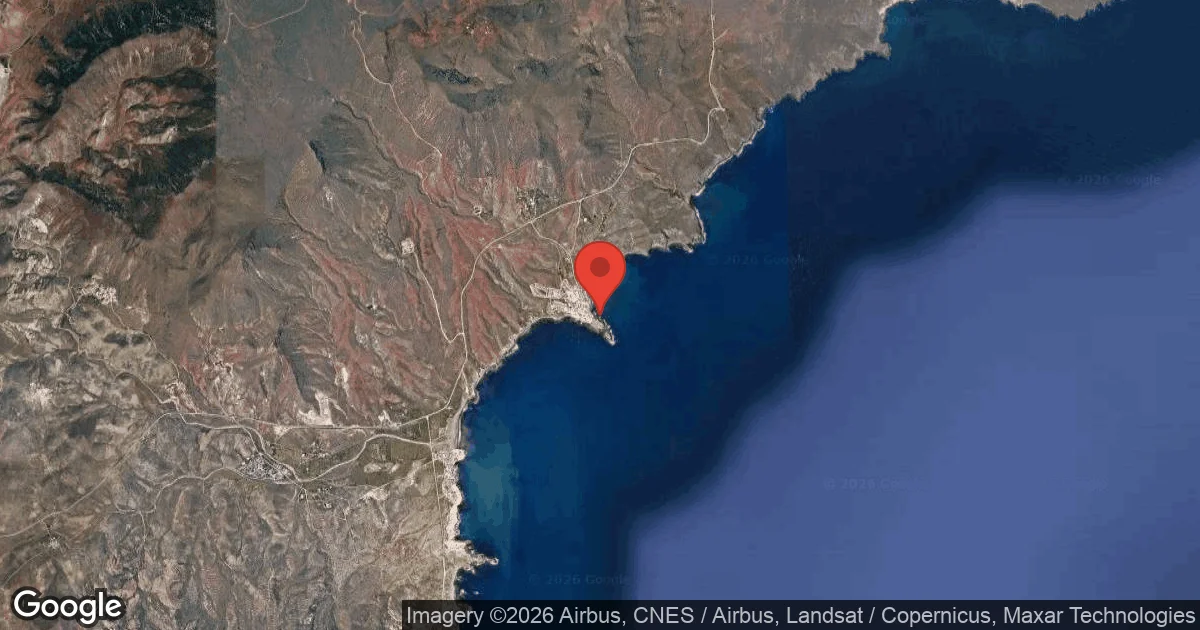
Max 14 m
6.4 km
La Ola
Beach
Max 13 m
21.1 km
beginnerCala Rosa
Anchor DiveBoat
Max 16 m
5 km
beginnerEl Chalet del Francés (Cueva del Francés)
BoatCanyon
Max 14 m
5.1 km
beginnerLa Restinga de Las Anclas
ArchaeologicalBoat
Max 32 m
7.3 km
advancedLa Piedra de Los Meros
ArchaeologicalBoat
Max 14 m
8 km
beginnerLa Amatista
BoatCanyon
Max 12 m
16.9 km
intermediateCueva del Frío
BoatCanyon
Max 42 m
10.8 km
advancedEl Vapor (SS Arna)
BoatDown Line
Max 14 m
6.4 km
La Ola
Beach
Max 13 m
21.1 km
beginnerCala Rosa
Anchor DiveBoat
Max 10 m
23.6 km
beginnerAgua Amarga Wreck (El Pecio de Agua Amarga)
BoatOcean
Max 12 m
22.7 km
beginnerEl Túnel Naranja
BoatCanyon
1 / 2
Dive Centers Near Los Amarillos (Los Burros)
Working Hours
Sun09:00 - 14:00
Mon09:00 - 14:00 • 17:00 - 20:00
Tue09:00 - 14:00 • 17:00 - 20:00
Wed09:00 - 14:00 • 17:00 - 20:00
Thu09:00 - 14:00 • 17:00 - 20:00
Fri09:00 - 14:00 • 17:00 - 20:00
Sat09:00 - 14:00 • 17:00 - 20:00
Today: 09:00 - 14:00 • 17:00 - 20:00
Sun09:00 - 14:00
Mon09:00 - 14:00 • 17:00 - 20:00
Tue09:00 - 14:00 • 17:00 - 20:00
Wed09:00 - 14:00 • 17:00 - 20:00
Thu09:00 - 14:00 • 17:00 - 20:00
Fri09:00 - 14:00 • 17:00 - 20:00
Sat09:00 - 14:00 • 17:00 - 20:00
5| 1127 reviews
6.4 km
4.8| 354 reviews
2.1 km
4.8| 330 reviews
48.8 kmNearest Airports
Nearest airports to help plan travel to this dive area.
Almería Airport LEI
27 km
Region of Murcia International Airport RMU
143 km
F.G.L. Airport Granada-Jaén Airport GRX
158 km
💵 Currency: EUR
Search Flights
Check available flights and routes on Expedia, using the nearby airports listed in this section.
Search Flights on ExpediaAffiliate link · Dive Navigator may earn a commission at no extra cost to you.
Frequently Asked Questions
Why does this site have two names—Los Amarillos and Los Burros?
Los Amarillos refers to the yellow fossilized cliff wall onshore near Loma Pelada, while Los Burros is the local fishermen's name for the grey triggerfish that traditionally inhabited these rocks.
Why is fish density so high on a relatively low-profile reef?
Because the twin rock formations sit isolated on a wide offshore sand plain away from the mainland cliffs, marine life from all around congregates here for shelter and feeding.
What is the depth range at Los Amarillos?
The dive maintains a flat profile between 18 and 21 meters (59 to 69 feet), making Nitrox 32 ideal for maximizing bottom time.
How do boats moor at Los Amarillos without damaging the reef?
There is no permanent buoy, so skippers drop anchor specifically in the bare sandy channel separating the two rock reefs.
Can ocean sunfish really be seen here?
Yes—keeping an eye on the open blue water above the twin reefs regularly turns up passing ocean sunfish (Mola mola), amberjacks, and barracuda.
Which port launches trips to Los Amarillos?
Dive centers based in San José marina and nearby Los Escullos / La Isleta del Moro run short boat trips to the site.
Trip Inquiry
Planning to dive Los Amarillos (Los Burros)?
Tell us your dates and diving needs. We'll review your request and seek offers from relevant local dive centers.
Request Dive Offers Free request for offers • No booking obligation
Los Amarillos (Los Burros)
Conditions are Excellent
9/10
Confidence: 8/10
Indicates meteorological model agreement and data availability.
Best Dive Window
07:00 - 14:00
Optimal conditions expected
06:12
18:45
H: 10:45
L: 16:20
Air / Sea Temp
17° / 19°
Wave Height
0.5 m
Wind Speed
27 km/h NE
Rain Chance
0%
Current conditions near Los Amarillos (Los Burros) show 17° air, 19° sea temperature, 0.5 m waves, and 27 km/h wind. Forecast data is refreshed regularly to ensure accuracy.
Radius: ~12km
Updated: Nov 22, 2026, 22:44 local timeMARINE: OPEN-METEOWEATHER: YR.NO


