
Diving at Palmanova Bay (Spain)
For divers seeking foundational training or a gentle reintroduction to the underwater world, Palmanova Bay stands out. It's an accessible shore dive, ideal for beginners and those undergoing certification courses. This calm bay provides a controlled environment, crucial for learning and skill development, ensuring a comfortable experience for all participants. Its shallow, protected nature makes it a prime location for building confidence underwater.
As evening covers Palmanova Bay, the local air temperature is measured at 20°C. The current wave height at the surface is recorded at 0.3 m. These late-day readings characterize the surface conditions for the night.
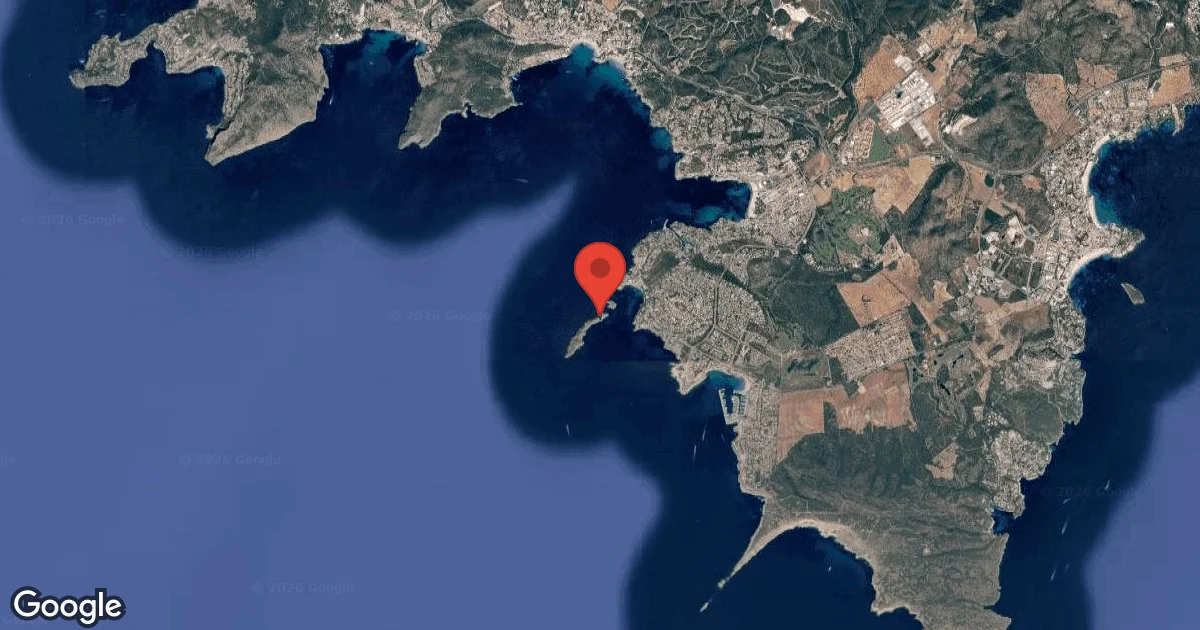
Dive Site Location & Key Facts
Dive Site Overview
Palmanova Bay has long served as a crucial entry point for divers in Mallorca, particularly for those beginning their underwater journey. This site's established role as a primary training ground is evident in its design, purpose-built for learning.
Situated directly in front of local dive schools, the bay offers gentle, shallow conditions perfect for confined water training for Open Water Diver courses and Discover Scuba Diving experiences. Extensive sandy bottom areas provide additional protection and simplify skill practice, minimizing disturbance to delicate ecosystems while maximizing diver comfort. With a maximum depth of 5 meters (16 feet), the bay ensures a manageable and confidence-building environment.
It's not uncommon to see multiple groups practicing essential skills, highlighting its significance within the local dive community as an exceptional beach entry training area.
Conditions are Good
Optimal conditions expected
Current conditions near Palmanova Bay show 20° air, 27° sea temperature, 0.4 m waves, and 31 km/h wind. Forecast data is refreshed regularly to ensure accuracy.
Best Time to Dive
Summer months, particularly from June through September, represent the most favorable period for diving in Palmanova Bay. During this time, air temperatures typically range between 24-27°C (75-81°F), paired with minimal rainfall, often less than 1 mm (0.04 inches) per month. These conditions contribute to calm seas and an enjoyable overall experience. Spring (April-May) and early autumn (October) also provide excellent opportunities, with air temperatures still comfortably mild, ranging from 16-21°C (61-70°F), and relatively low wave heights, usually below 1 meter (3.3 feet). While the bay remains divable year-round, winter months see cooler air temperatures of 13-14°C (55-57°F) and slightly higher, though still manageable, wave activity. Prioritizing warmer, drier periods ensures maximum comfort both in and out of the water.
PEAK SEASON SCORE
Scores combine air & water temps, waves, wind & rainfall for overall conditions.
BEST MONTHS TO DIVE
Monthly records compiled from satellite and marine observation nodes over the last 3 years. Data provided by Open-Meteo and MET Norway.
Dive Experience & Conditions
Sliding into the shallow waters of Palmanova Bay, divers immediately notice the gentle, sheltered conditions. The bay’s extensive sandy bottom offers a soft landing, an ideal feature for practicing buoyancy and basic skills without concerns about delicate marine ecosystems. Throughout the dive, a consistent maximum depth of 5 meters (16 feet) provides a reassuring sense of control, especially for new divers. Water movement is generally minimal within this protected area, allowing for calm descents and ascents. Exploring the shallower sections, divers often feel the warmth of the sun penetrating through the water column. It's an environment designed to build confidence, where the feeling of breath control and movement underwater can be truly absorbed.
Dive Difficulty & Safety Guidelines
For any activity in Palmanova Bay, particularly during training sessions, deploying a surface buoy is highly recommended to enhance visibility for surface vessels and support staff. This simple measure significantly improves overall safety. Given the site's primary use for introductory and confined water training, divers should always operate under the direct supervision of a certified instructor or dive professional.
Adhering to established dive center protocols for buddy checks and equipment preparation remains crucial here. The shallow depth of the bay minimizes inherent risks, yet maintaining situational awareness, especially with other learners, is a key expert tip for a smooth experience.
Recommended Equipment
- Dive Computer
- Hard-soled Dive Boots
This gear list is based on verified equipment signals for Palmanova Bay, Spain. Always confirm final gear choices with your dive operator, guide, or liveaboard.
Recommended Dive Suit
With water temperatures around 27°C (80°F), many divers find a 2-3mm shorty or light wetsuit provides comfortable protection.
Local dive briefings can provide the most accurate guidance.
Surface conditions are expected to warm up slightly in the coming days. A warming trend is expected over the next few days.
Emergency & Medical Support
Essential information to help you plan your dive trip to Palmanova Bay.

Hyperbaric chambers are a critical part of dive safety infrastructure. Availability varies significantly by region, and not all dive areas have immediate access.
Before diving, it's recommended to:
- confirm nearest medical facilities
- check emergency procedures with local dive operators
- ensure dive insurance covers evacuation if required
Divers Alert Network
Diving emergency assistance available through DAN Europe.
+39 0642115685- 24/7 emergency hotline
- Diving medical assistance
- Evacuation coordination
Emergency contacts are provided for reference. Always verify local emergency services before diving.
Closest Listed Hyperbaric Chambers
Showing listed hyperbaric chamber facilities within 200 km of this dive site.
Distances are approximate straight-line distances and may not reflect emergency travel time.
Underwater and Hyperbaric Medicine
Palma de Mallorca, Spain•Approx. 10 km straight-line
Underwater and Hyperbaric Medicine
Information is provided for reference and planning purposes only. Dive Navigator does not verify operational status, staffing, availability, or quality of care at listed facilities. In an emergency, contact local emergency services, DAN, your dive operator, or the chamber directly. Do not travel to a facility without calling ahead.
Marine Life at Palmanova Bay
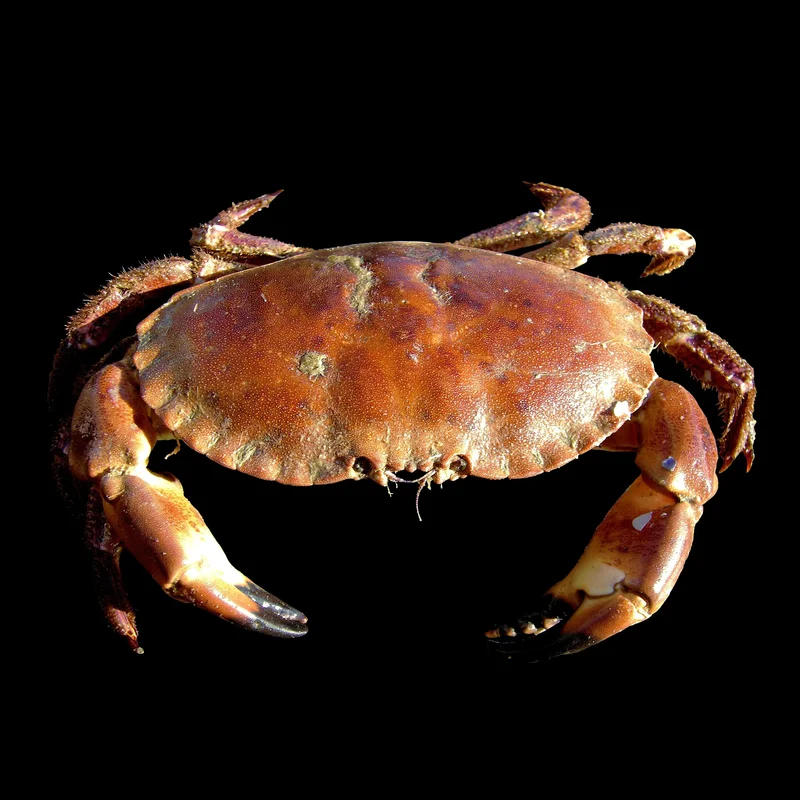
While Palmanova Bay functions primarily as a training ground, its sandy bottom and shallow depths host resilient smaller marine life. Divers might observe small crabs scuttling across the sand or various juvenile fish sheltering amongst scattered rocks and seagrass patches.
Patience often reveals bottom-dwelling creatures well-adapted to this coastal habitat. The focus here leans more towards developing diving skills in a controlled setting rather than encountering large pelagics, providing a subtle backdrop of Mediterranean life for new underwater explorers.
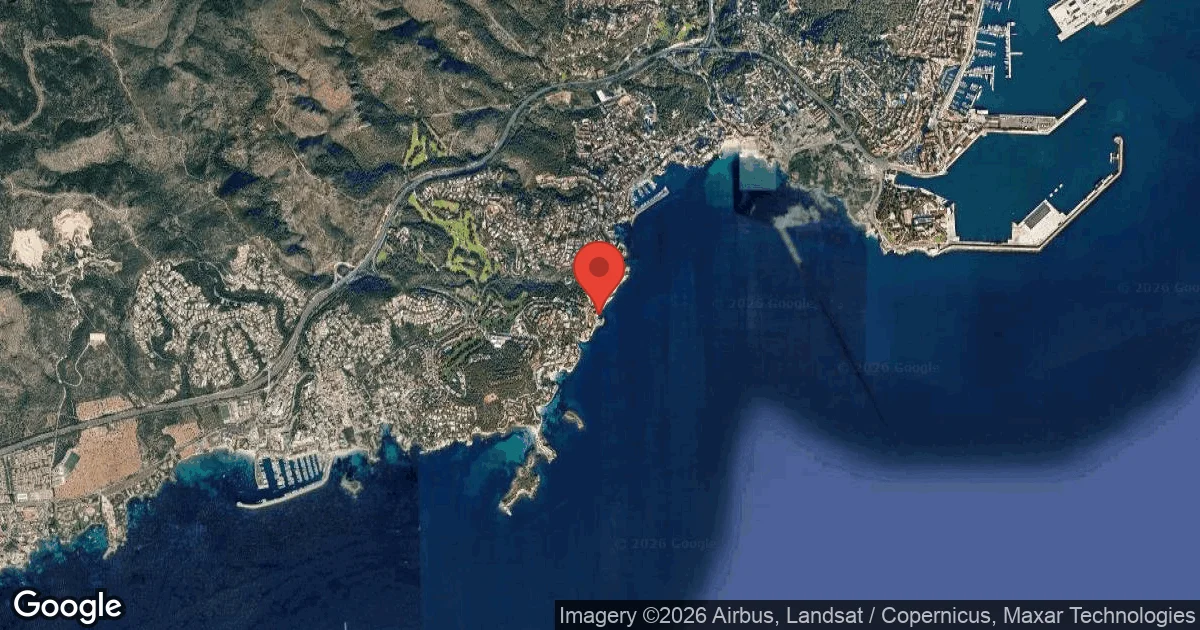
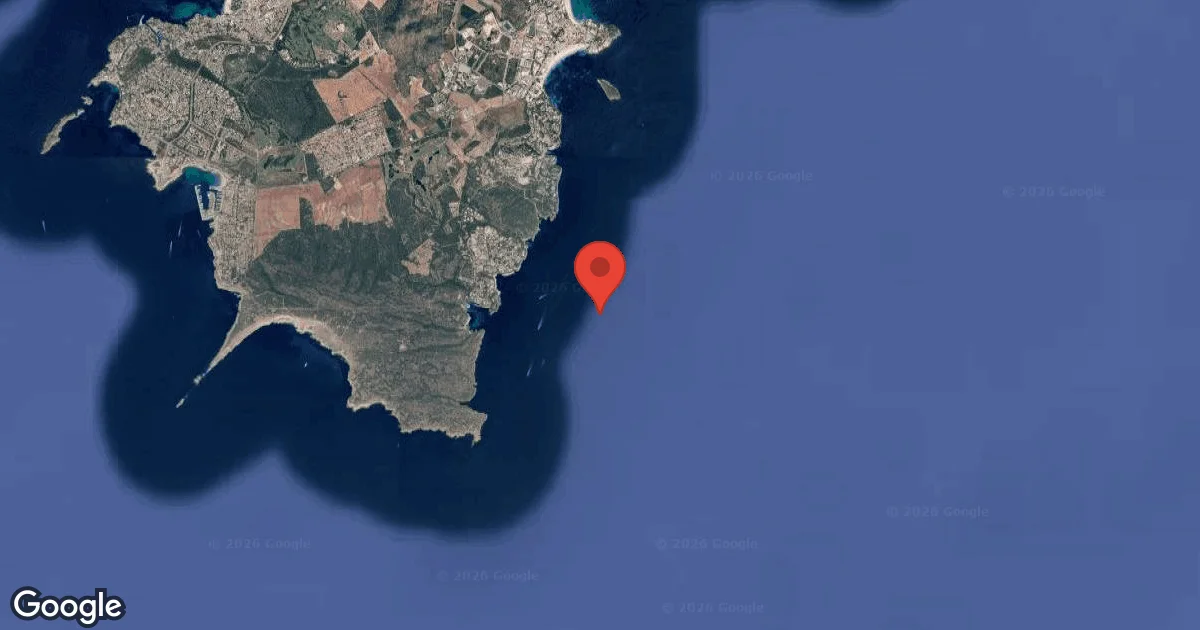
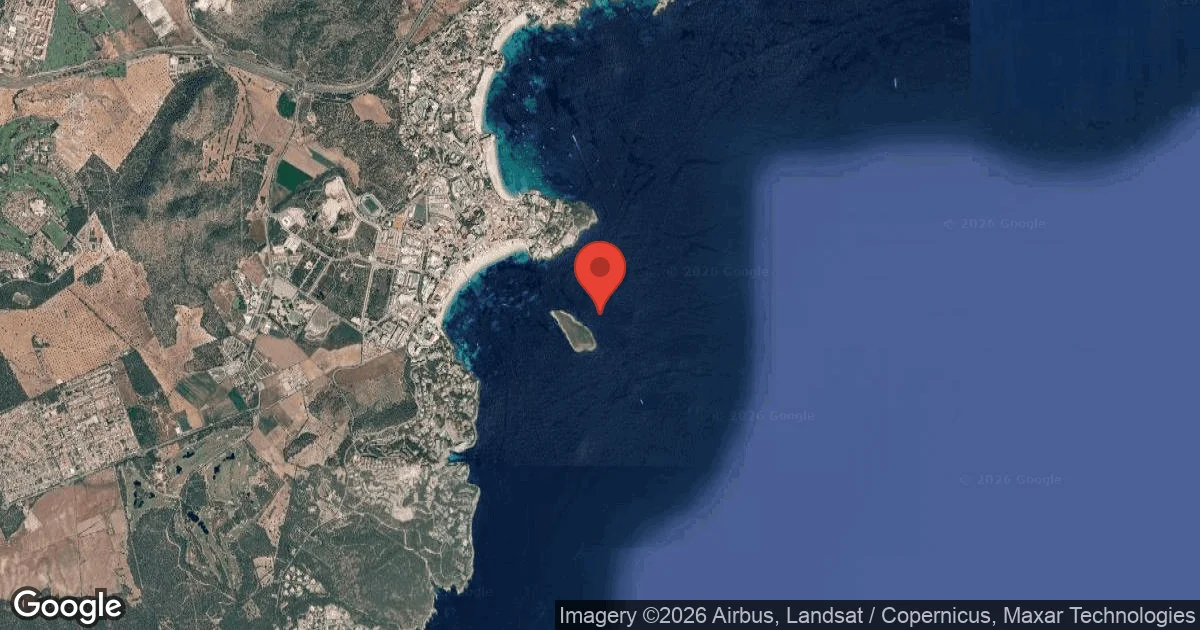
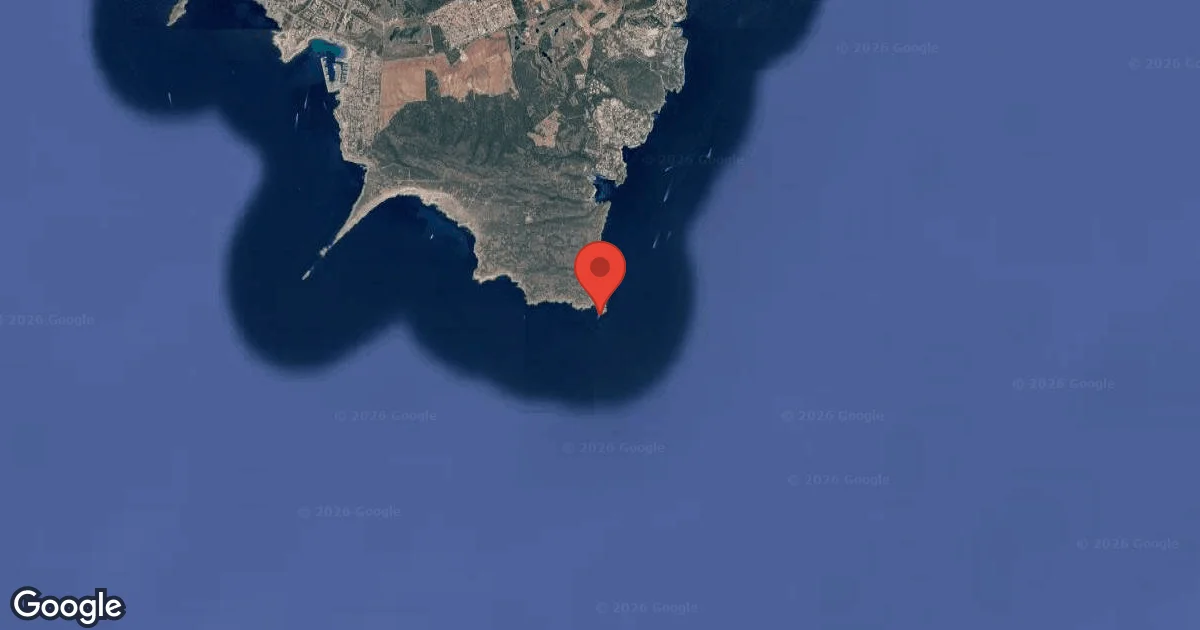
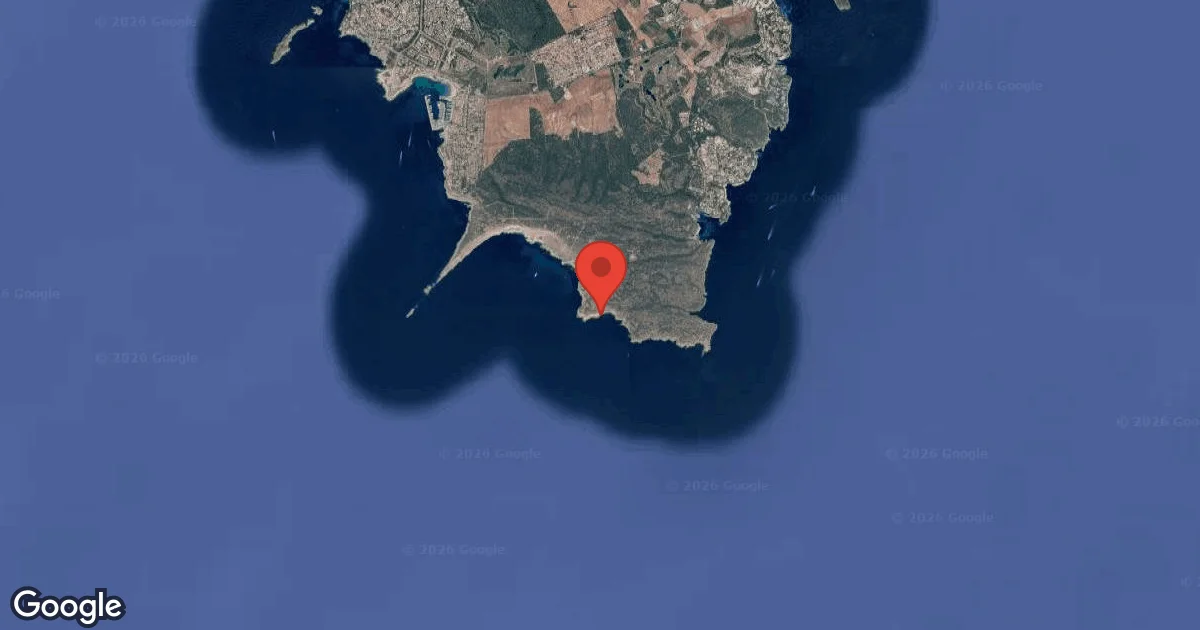
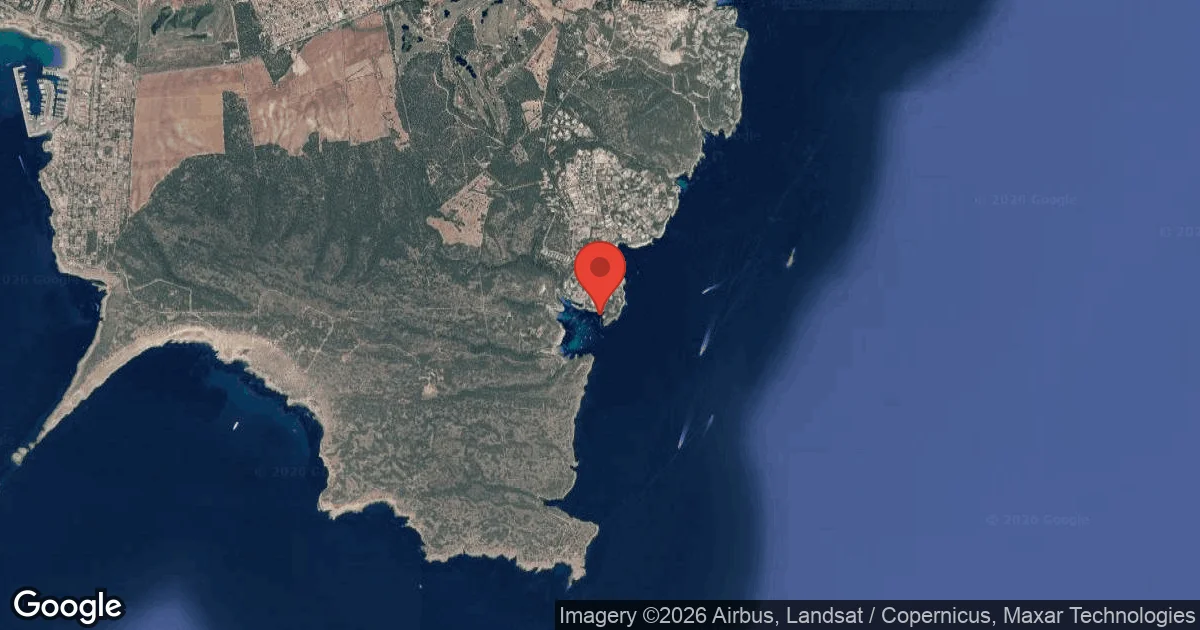
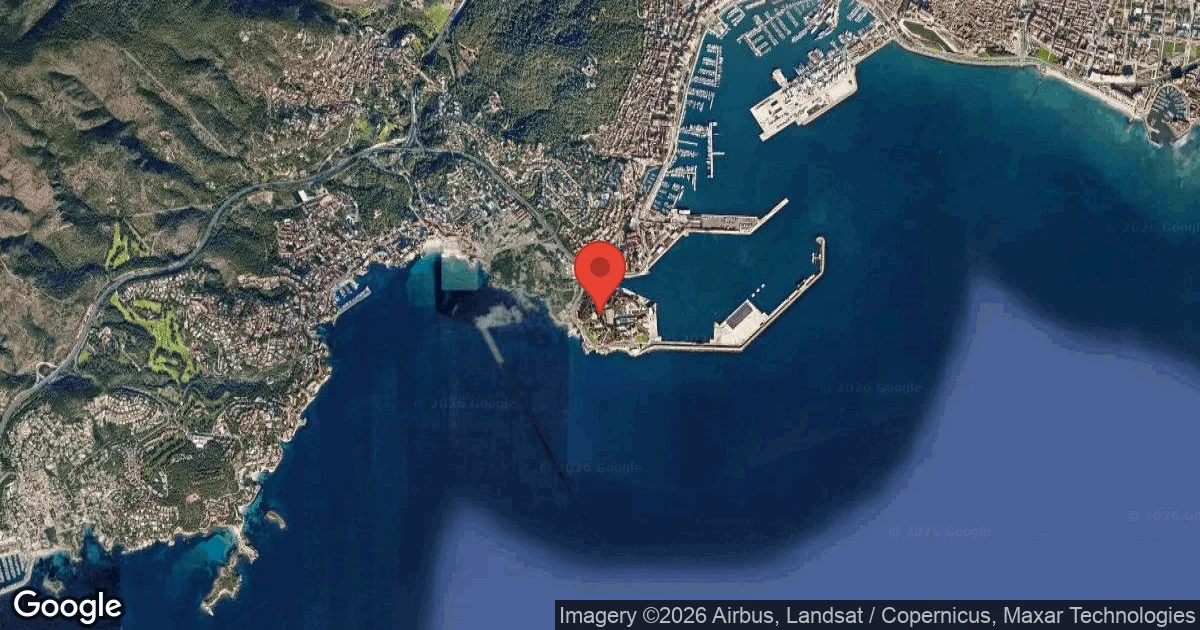
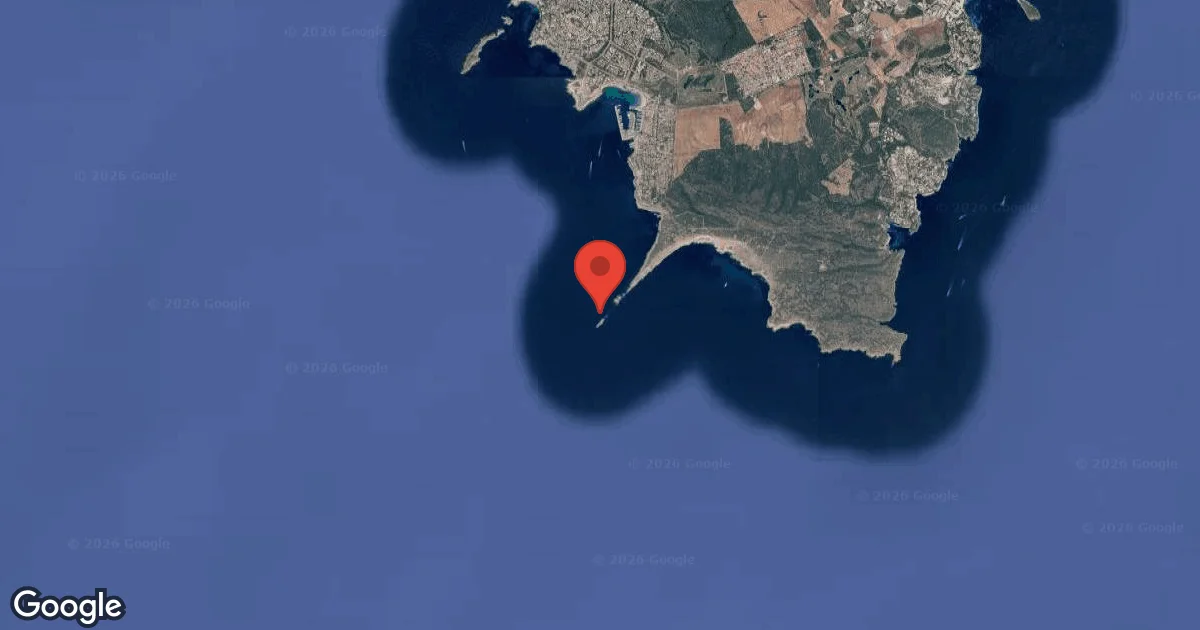
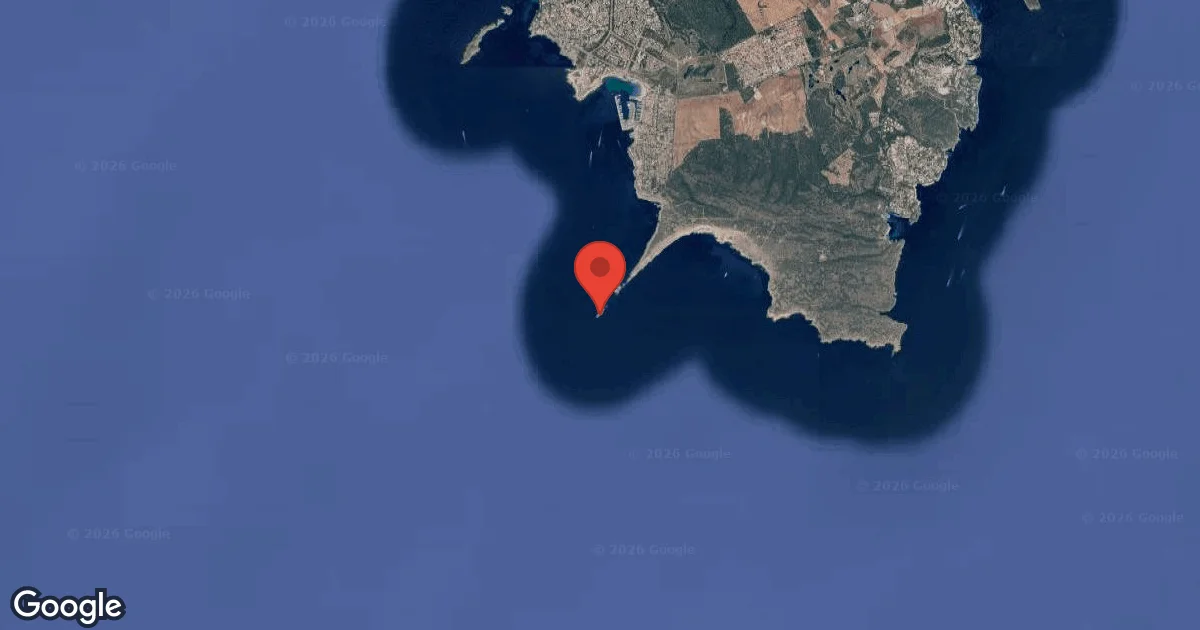
Dive Sites Near Palmanova Bay
View all dive sites in SpainDiscover more underwater gems in this area.
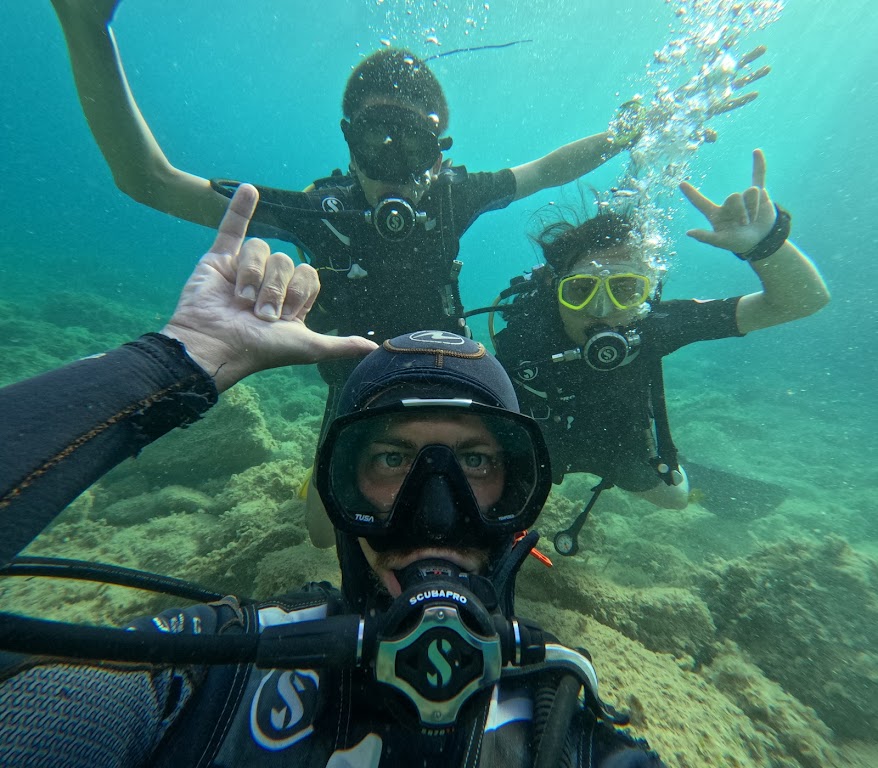
Dive Centers Near Palmanova Bay
Today: 09:00 - 18:00

Nearest Airports
Nearest airports to help plan travel to this dive area.
Search Flights
Check available flights and routes on Expedia, using the nearby airports listed in this section.
Search Flights on ExpediaFrequently Asked Questions
What is the maximum depth at Palmanova Bay?
The maximum depth for diving in Palmanova Bay is typically 5 meters (16 feet). Such a shallow profile makes it perfectly suited for beginner training and refreshers, ensuring a safe and controlled environment for all divers.
Is Palmanova Bay suitable for beginner divers?
Yes, Palmanova Bay is exceptionally well-suited for beginners. Its calm, shallow waters and sandy bottom are ideal for Discover Scuba Diving experiences and confined water training for Open Water Diver courses. The protected nature of the bay fosters a comfortable learning environment.
What kind of training can be conducted at this dive site?
Palmanova Bay is excellent for a range of training activities, including Discover Scuba Diving, confined water sessions for Open Water Diver courses, and Scuba Refresher programs. The sandy bottom provides an optimal area for practicing fundamental skills.
What are the typical water conditions in the bay?
The bay generally offers calm and sheltered water conditions, with minimal wave action, especially during peak seasons. Water temperature varies seasonally, but summer months provide the warmest and most comfortable diving experiences. Visibility is usually good within the shallow depths.
Is a surface buoy necessary when diving in Palmanova Bay?
Yes, a surface buoy is recommended for safety reasons, particularly during training or when diving from shore. It enhances diver visibility to surface vessels and any accompanying support staff.
What is the best time of year to dive at Palmanova Bay?
The best time to dive is during the summer months from June to September, when air temperatures are highest and rainfall is minimal. Spring and early autumn also offer pleasant conditions for diving.
Planning to dive Palmanova Bay?
Send one inquiry and receive offers directly from the best verified local dive operators.
Conditions are Good
Optimal conditions expected
Current conditions near Palmanova Bay show 20° air, 27° sea temperature, 0.4 m waves, and 31 km/h wind. Forecast data is refreshed regularly to ensure accuracy.