
Diving at Palma Cavern (Spain)
Palma Cavern challenges advanced divers seeking their first taste of cave diving in a controlled environment. This site provides an accessible, yet engaging, setting to develop overhead navigation skills. Its structure, illuminated by natural light, offers a visually stimulating experience without the complexities of deep penetration. The cavern entry serves as an introduction to overhead environments, preparing divers for further exploration within Mallorca's diverse underwater landscapes.
Evening condition tracking at Palma Cavern features an air temperature of 27°C. We have recorded wave heights measuring 0.5 m during this period. These figures outline the environmental parameters currently present.
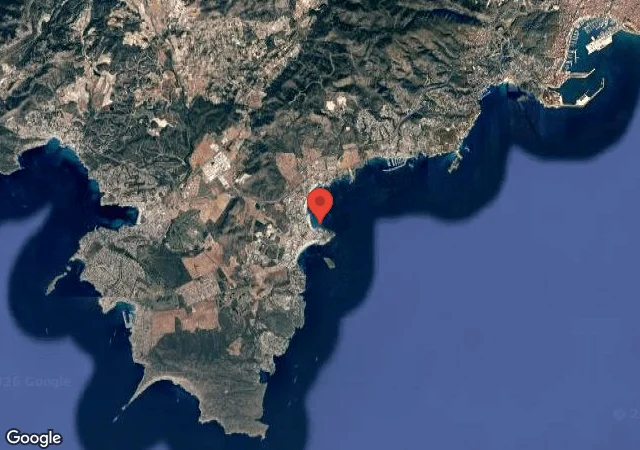
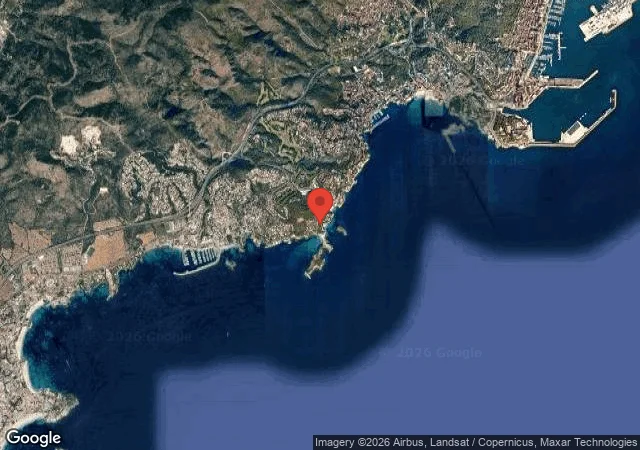
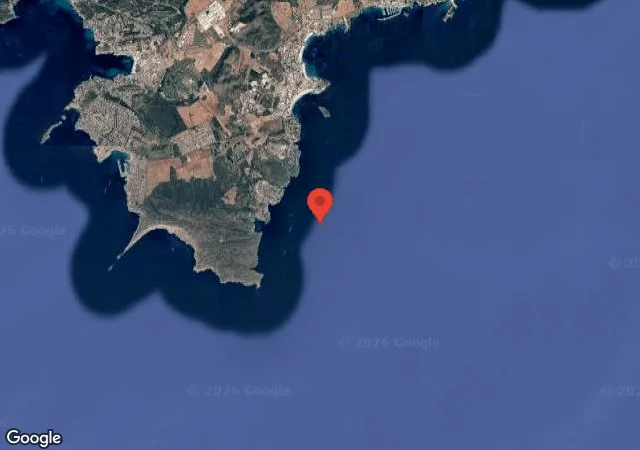
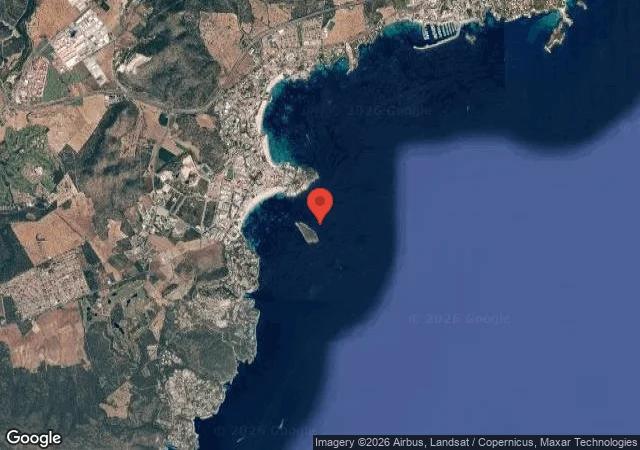
Dive Site Location & Key Facts
Dive Site Overview
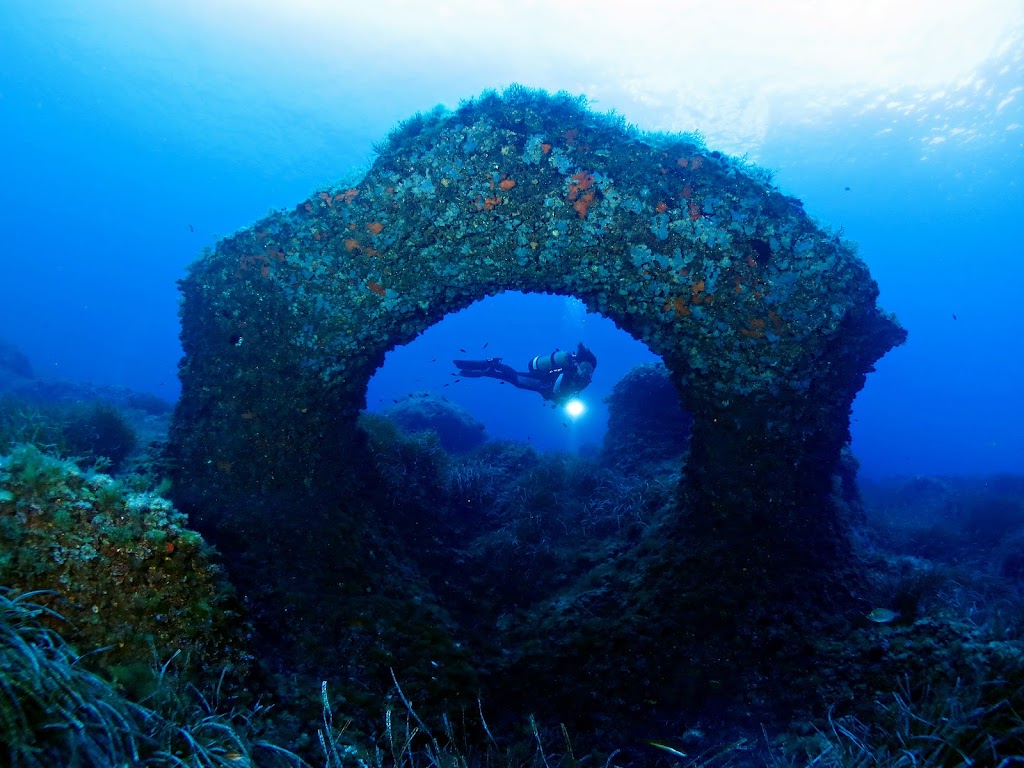
Diving into Palma Cavern introduces a captivating overhead environment where natural daylight filters through the water. Tailored for advanced divers, the site offers initial cave diving experience within a controlled setting.
An entrance is found around 8 m (26 ft), leading to a maximum depth of approximately 16 m (52 ft). Intricate rock formations create an engaging underwater landscape, providing a 'visual treat' from the consistent incoming daylight. Consistent daylight entry prevents the interior from becoming pitch black, maintaining good visibility and easing the transition into overhead environments.
Divers can access the site via both boat and shore, making it versatile. Navigating spacious sections is common during the dive, observing the intricate interplay of light and shadow on the cave walls and ceiling.
Exploration within the structure feels extensive while remaining within sight of the open water zone, making it an excellent step for skill progression. It acts as an approachable gateway to understanding Mallorca's unique subaquatic geological features, combining elements of both open water and cavern exploration without requiring deep penetration.
Conditions are Good
07:00 - 14:00
Optimal conditions expected
Current conditions near Palma Cavern show 27° air, 30° sea temperature, 0.5 m waves, and 22 km/h wind. Forecast data is refreshed regularly to ensure accuracy.
Best Time to Dive
The diving conditions at Palma Cavern fluctuate seasonally, offering different experiences throughout the year. While diving is possible year-round, the most comfortable conditions typically occur during the warmer months, roughly from May to October. During this period, average air temperatures range from 19°C (66°F) in May to a peak of 27.5°C (82°F) in July, gradually decreasing to 20.5°C (69°F) by October. Water temperatures, though not consistently reported for this specific site, generally align with regional tendencies of 19°C (66°F) in winter and around 24°C (75°F) in summer. Rainfall is minimal during summer, with July averaging only 0.5 mm, whereas winter months see slightly higher, but still moderate, precipitation like 1.8 mm in January. For those seeking calmer surface conditions, summer also typically presents lower wave heights and lighter winds. Conversely, the cooler months provide a different ambiance within the cavern, with air temperatures in January and February averaging around 12-13°C (54-55°F) and slightly higher wave activity.
PEAK SEASON SCORE
Scores combine air & water temps, waves, wind & rainfall for overall conditions.
BEST MONTHS TO DIVE
Monthly records compiled from satellite and marine observation nodes over the last 3 years. Data provided by Open-Meteo and MET Norway.
Dive Experience & Conditions
Within Palma Cavern, divers encounter a spacious overhead environment consistently connected to natural light. Specifically suited for advanced divers, it's a place to accrue initial cave diving experiences. An entry point is accessible at approximately 8 m (26 ft) below the surface, leading into passages that descend to a maximum depth of about 16 meters. Daylight streaming from the entrance ensures a visually stimulating experience inside, reducing the feeling of confinement some associate with enclosed spaces. Conditions within the cavern are generally stable, but divers must remain mindful of their buoyancy control. Varied rock formations define the terrain, requiring careful navigation. Maintaining good trim is crucial to avoid disturbing any potential silt, though explicit reports for this specific cavern are limited. Overall, the dive offers a taste of cave diving fundamentals in a relatively benign setting.
Dive Difficulty & Safety Guidelines
Approaching Palma Cavern requires adherence to standard safety protocols for overhead environments, even with its accessible nature. This site is recommended for advanced divers who have received specific training for cavern or cave diving; it's not suitable for those prone to claustrophobia. While the site is generally considered safe, proper planning is essential, as is diving with appropriate certifications and equipment.
Always dive within the limits of your training and never exceed the maximum depth of 16 m (52 ft) or attempt to penetrate beyond the visible daylight zone without specialized training. It's crucial to follow a dive guide or local dive operator's instructions, especially concerning any dynamic conditions.
The cavern presents no inherent difficulties beyond those typical of an overhead environment where buoyancy and navigation must be diligently managed. Maintain spatial awareness to avoid contact with rock formations.
Recommended Equipment
Overhead environment. Do not enter beyond training and gas planning limits.
- Dive Computer
- Primary & Backup Lights
- Reel / Spool
- Cutting Tool
This gear list is based on verified equipment signals for Palma Cavern, Spain. Always confirm final gear choices with your dive operator, guide, or liveaboard.
Recommended Dive Suit
The latest conditions reported around Palma Cavern place the water temperature close to 30°C (86°F). Surface air temperatures are resting at 27°C (80°F).
Many divers choose dive skin or rash guard when diving in similar conditions.
Surface conditions are expected to warm up slightly in the coming days. A warming trend is expected over the next few days.
Emergency & Medical Support
Essential information to help you plan your dive trip to Palma Cavern.

Hyperbaric chambers are a critical part of dive safety infrastructure. Availability varies significantly by region, and not all dive areas have immediate access.
Before diving, it's recommended to:
- confirm nearest medical facilities
- check emergency procedures with local dive operators
- ensure dive insurance covers evacuation if required
Divers Alert Network
Diving emergency assistance available through DAN Europe.
+39 0642115685- 24/7 emergency hotline
- Diving medical assistance
- Evacuation coordination
Emergency contacts are provided for reference. Always verify local emergency services before diving.
Closest Listed Hyperbaric Chambers
Showing listed hyperbaric chamber facilities within 200 km of this dive site.
Distances are approximate straight-line distances and may not reflect emergency travel time.
Underwater and Hyperbaric Medicine
Palma de Mallorca, Spain•Approx. 3 km straight-line
Underwater and Hyperbaric Medicine
Information is provided for reference and planning purposes only. Dive Navigator does not verify operational status, staffing, availability, or quality of care at listed facilities. In an emergency, contact local emergency services, DAN, your dive operator, or the chamber directly. Do not travel to a facility without calling ahead.
Marine Life at Palma Cavern
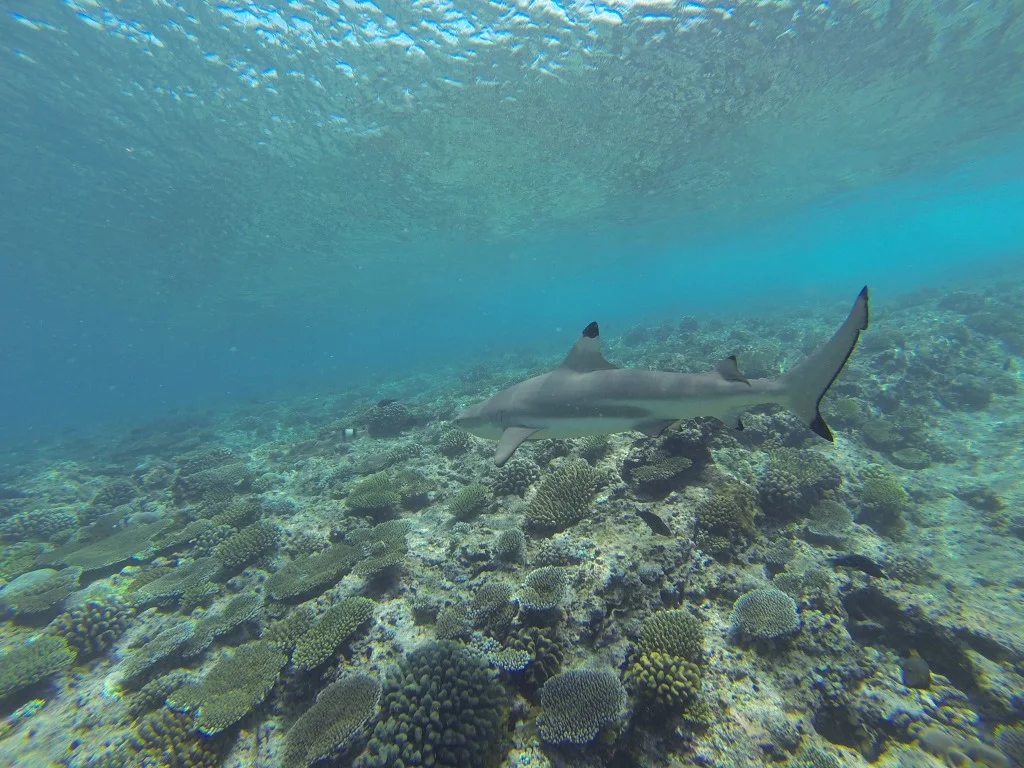
Within the rock formations of Palma Cavern, divers may encounter typical Mediterranean cave inhabitants. While large pelagics are more often seen in the surrounding open waters, the cavern itself can host smaller, cryptic species adapted to its unique conditions.
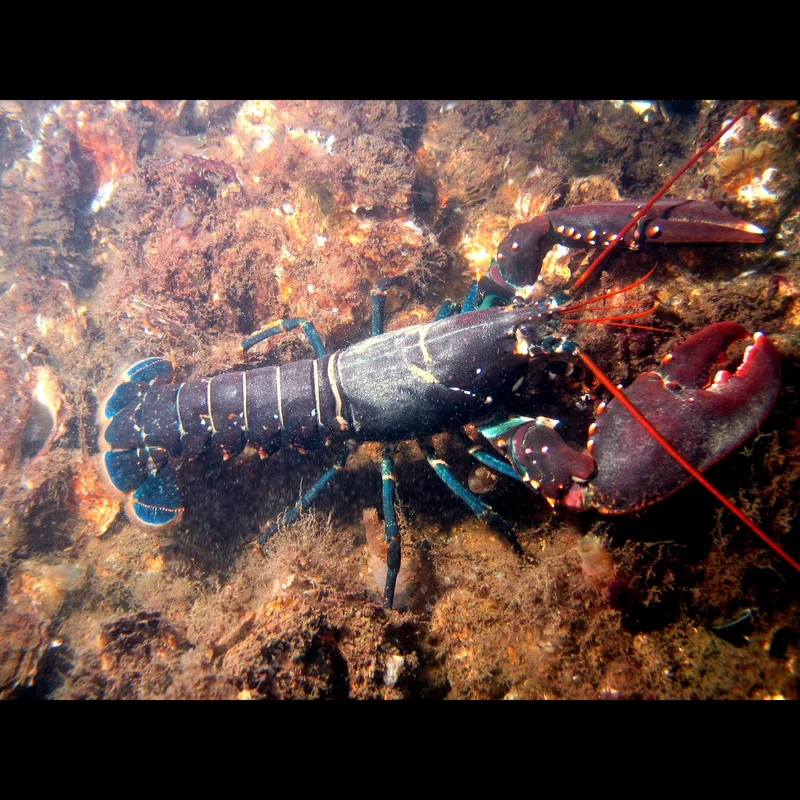
Look for octopi, lobsters, and various shrimp species tucked into crevices and under ledges. Wrasses are also common, often seen darting amongst the rocks near the entrance.
In the areas leading up to and immediately outside the cavern, shoals of sea bream and zebra fish often congregate, adding to the vibrancy of the surrounding reef ecosystem. Angel sharks, dolphins, and pilot whales have been observed in the broader regional waters, though they are not typical sightings inside the cavern itself.

Dive Sites Near Palma Cavern
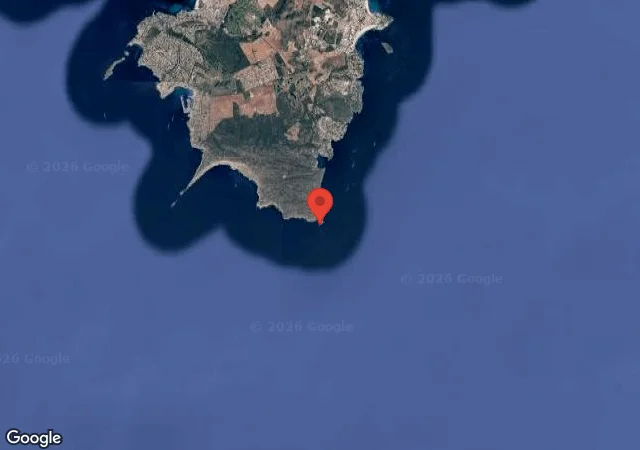
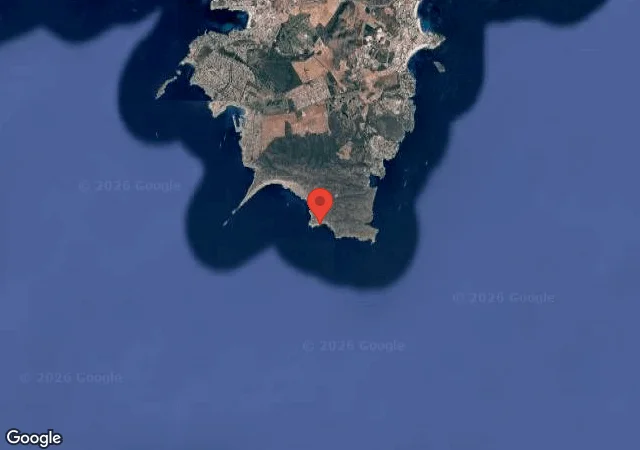
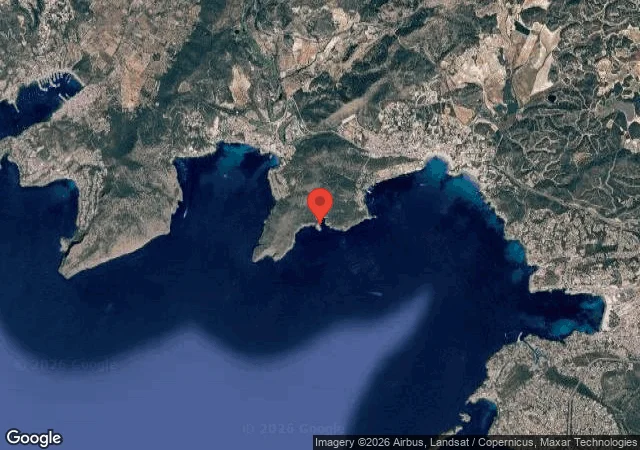
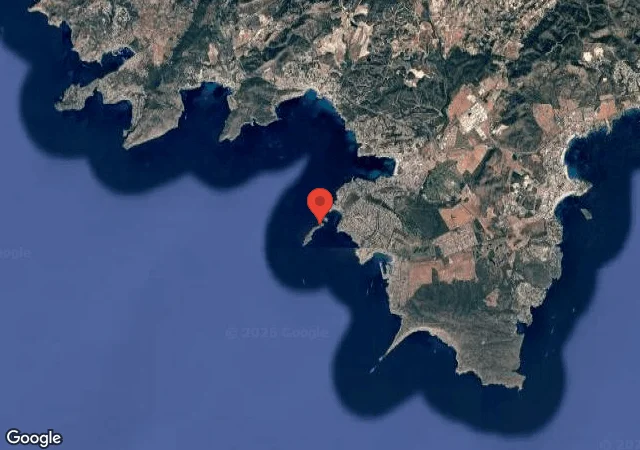
View all dive sites in SpainDiscover more underwater gems in this area.
Dive Centers Near Palma Cavern
Today: 09:00 - 18:00

Nearest Airports
Nearest airports to help plan travel to this dive area.
Search Flights
Check available flights and routes on Expedia, using the nearby airports listed in this section.
Search Flights on ExpediaFrequently Asked Questions
Is Palma Cavern suitable for beginner divers?
No, Palma Cavern is recommended for advanced divers. Its overhead environment requires specific skills in buoyancy control and navigation. It's an ideal site for those seeking their first experiences in cave diving with appropriate training.
What is the maximum depth and entry point for Palma Cavern?
The cavern's entry point is situated around 8 meters below the surface. Divers can explore down to a maximum recreational depth of around 16 m within the illuminated sections.
Does natural light penetrate Palma Cavern?
Yes, daylight consistently filters into Palma Cavern, preventing it from becoming completely dark. This natural illumination contributes to the 'visual treat' described by divers, making the experience more comfortable than fully enclosed caves.
What kind of marine life can be observed at Palma Cavern?
Within the cavern, you might spot octopi, lobsters, and various shrimp species sheltering in crevices. Near the entrance and in the surrounding waters, shoals of sea bream and wrasses are commonly encountered, enhancing the dive's biodiversity.
How can divers access Palma Cavern?
Palma Cavern is accessible via both boat and shore entries. Local dive operators typically arrange boat trips to the site, offering convenient access for divers.
What specific training or certifications are advised for diving Palma Cavern?
An advanced diver certification is considered a prerequisite for Palma Cavern. Ideally, divers should also possess training specific to cavern or introductory cave diving to safely navigate its overhead environment, staying within recreational depth limits.
What are the typical water temperatures experienced when diving here?
Water temperatures vary seasonally, with averages around 19°C (66°F) during the winter months. In summer, conditions are warmer, with water temperatures typically rising to about 24°C (75°F), offering a more comfortable dive experience.
Planning to dive Palma Cavern?
Send one inquiry and receive offers directly from the best verified local dive operators.
Conditions are Good
07:00 - 14:00
Optimal conditions expected
Current conditions near Palma Cavern show 27° air, 30° sea temperature, 0.5 m waves, and 22 km/h wind. Forecast data is refreshed regularly to ensure accuracy.