
Diving at Piedras Rotas (Spain)
Piedras Rotas is defined by the striking topography created by ancient rock collapses, forming a distinctive underwater landscape. This site features intricate passages, arches, and a pair of submerged rock formations often referred to as the 'Twin Towers.' Descending into this fractured environment, divers navigate between large stones, discovering an engaging, natural maze that reveals a vibrant ecosystem at relatively shallow depths.
As evening covers Piedras Rotas, the local air temperature is measured at 20°C. The current wave height at the surface is recorded at 0.7 m. These late-day readings characterize the surface conditions for the night.
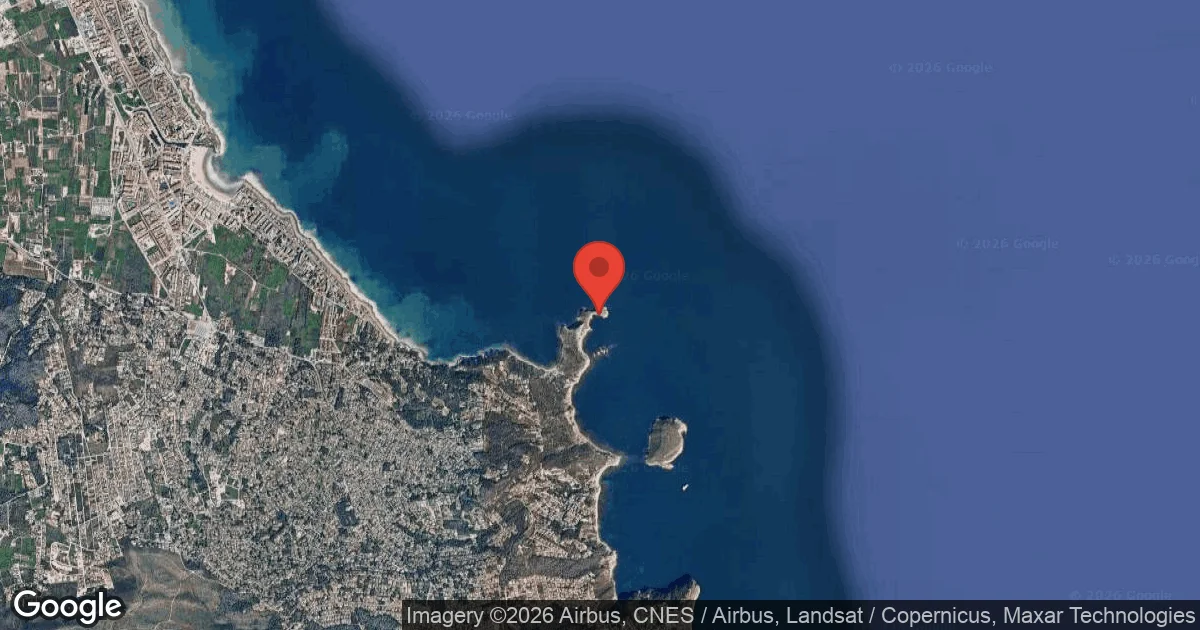
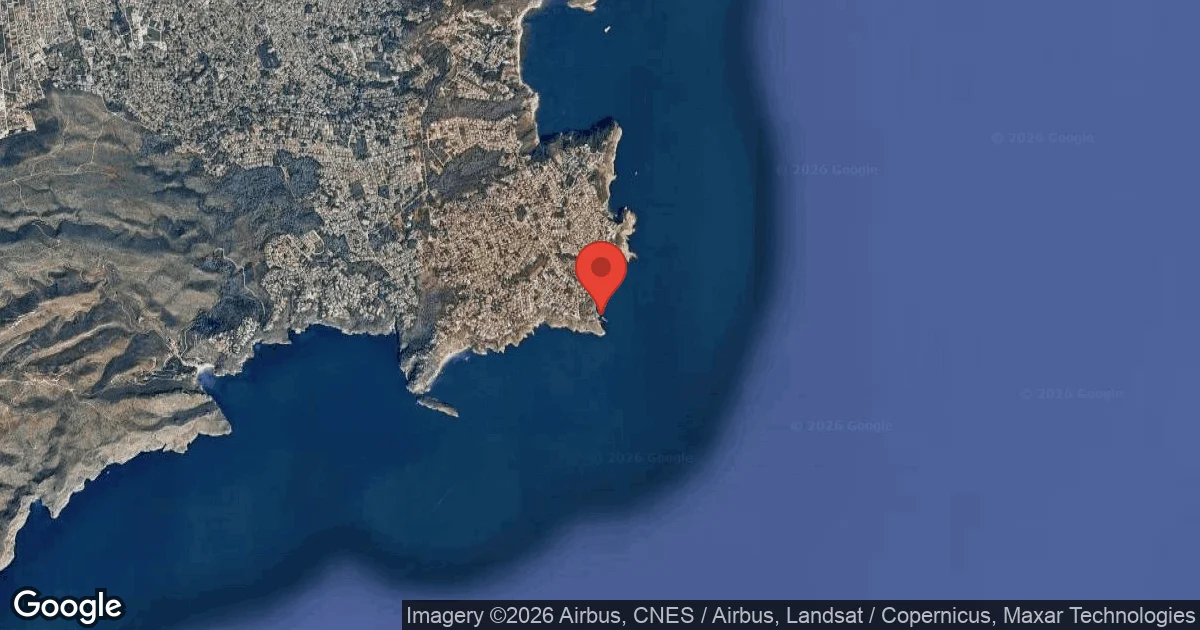
Dive Site Location & Key Facts
Dive Site Overview
Exploring Piedras Rotas presents a truly distinctive dive experience, shaped by the geological whims of its rock formations. Divers encounter a network of unexpected passages and pathways carved between massive stones, each turn potentially revealing new life.
The site is characterized by two prominent submerged rock towers, resembling 'twin towers,' which rise between 7 m / 23 ft and 15 m / 49 ft, creating a memorable visual landmark. Above one of these towers, a natural tunnel provides an engaging swim-through opportunity, adding an extra dimension to the dive. Reaching a maximum depth of 21 m / 68 ft, much of the vibrant marine activity here occurs at shallower levels, making it a very rewarding site.
Its relatively low difficulty also makes it well-suited for new divers developing their skills and offers continued enjoyment for experienced enthusiasts of coastal exploration. Access to this fascinating underwater realm is typically by boat.
Conditions are Good
Optimal conditions expected
Current conditions near Piedras Rotas show 20° air, 26° sea temperature, 0.7 m waves, and 23 km/h wind. Forecast data is refreshed regularly to ensure accuracy.
Best Time to Dive
Optimizing visibility for your dive at Piedras Rotas is often best achieved during the summer and early autumn months. Air temperatures are pleasantly warm during this period, averaging 24.5-27.5°C / 76-82°F from June to August, extending comfortably into September at 24°C / 75°F. Rainfall is minimal, with June, July, and August typically seeing less than 1 mm, which generally contributes to clearer water conditions. While specific water temperature data isn't consistently reported, the warm air temperatures suggest a favorable environment for diving without significant thermal shock. Later autumn and winter months, though still rated 'Good' for diving, see air temperatures drop to 13-17°C / 55-63°F and marginally increased rainfall, which could affect overall water clarity and comfort, though wave heights generally remain manageable.
PEAK SEASON SCORE
Scores combine air & water temps, waves, wind & rainfall for overall conditions.
BEST MONTHS TO DIVE
Monthly records compiled from satellite and marine observation nodes over the last 3 years. Data provided by Open-Meteo and MET Norway.
Dive Experience & Conditions
Current dynamics at Piedras Rotas are not consistently reported as challenging, aligning with its reputation as a low-difficulty dive, often described as calm and suitable for first-time scuba experiences. The sheltered nature of its rock formations likely offers some protection from stronger flows, making it an excellent location for skill development and relaxed exploration. Divers typically enter the water via boat, allowing for optimal positioning within the site's unique geological features. The site's accessible depths allow for extended bottom times at the shallower rock formations, where much of the site's life thrives, without demanding advanced dive planning for decompression. The overall conditions here support a focus on buoyancy control and observation.
Dive Difficulty & Safety Guidelines
While Piedras Rotas is characterized by its low difficulty, approaching it with standard safety protocols is always essential. Divers should maintain awareness of their surroundings, particularly when navigating the rock passages and the tunnel feature, ensuring adequate buoyancy control to avoid contact with the environment. Employing a dive computer is crucial for monitoring bottom time and depth, especially when exploring various levels of the 'Twin Towers' formations.
As boat entry is standard, divers must follow all briefings and procedures related to boat diving. Carrying a surface marker buoy (SMB) is a prudent measure for signaling the boat upon ascent, particularly in areas with varied topography.
Recommended Equipment
- Dive Computer
- DSMB
This gear list is based on verified equipment signals for Piedras Rotas, Spain. Always confirm final gear choices with your dive operator, guide, or liveaboard.
Recommended Dive Suit
Subtle variations in currents or depth can sometimes influence perceived water temperature.
3mm wetsuit tends to perform well in water temperatures like those currently observed here. Surface intervals may feel cooler. Environmental models indicate a modest warming trend ahead. A warming trend is expected over the next few days.
Divers heading to Piedras Rotas today should expect water temperatures around 26°C (78°F). Surface air temperatures are resting at 20°C (68°F).
Due to technical issues with our weather providers, live updates are temporarily delayed. The data above reflects the conditions at the time of the last successful fetch.
Emergency & Medical Support
Essential information to help you plan your dive trip to PIEDRAS ROTAS.

Hyperbaric chambers are a critical part of dive safety infrastructure. Availability varies significantly by region, and not all dive areas have immediate access.
Before diving, it's recommended to:
- confirm nearest medical facilities
- check emergency procedures with local dive operators
- ensure dive insurance covers evacuation if required
Divers Alert Network
Diving emergency assistance available through DAN Europe.
+39 0642115685- 24/7 emergency hotline
- Diving medical assistance
- Evacuation coordination
Emergency contacts are provided for reference. Always verify local emergency services before diving.
Closest Listed Hyperbaric Chambers
Showing listed hyperbaric chamber facilities within 200 km of this dive site.
Distances are approximate straight-line distances and may not reflect emergency travel time.
Unidad Hiperbarica Hospital de Castellon UTH-HGUCS
24/7 ListedICU CapableCastellon, Spain•Approx. 140 km straight-line
Unidad Hiperbarica Hospital de Castellon UTH-HGUCS
24/7 ListedICU CapableInformation is provided for reference and planning purposes only. Dive Navigator does not verify operational status, staffing, availability, or quality of care at listed facilities. In an emergency, contact local emergency services, DAN, your dive operator, or the chamber directly. Do not travel to a facility without calling ahead.
Marine Life at Piedras Rotas
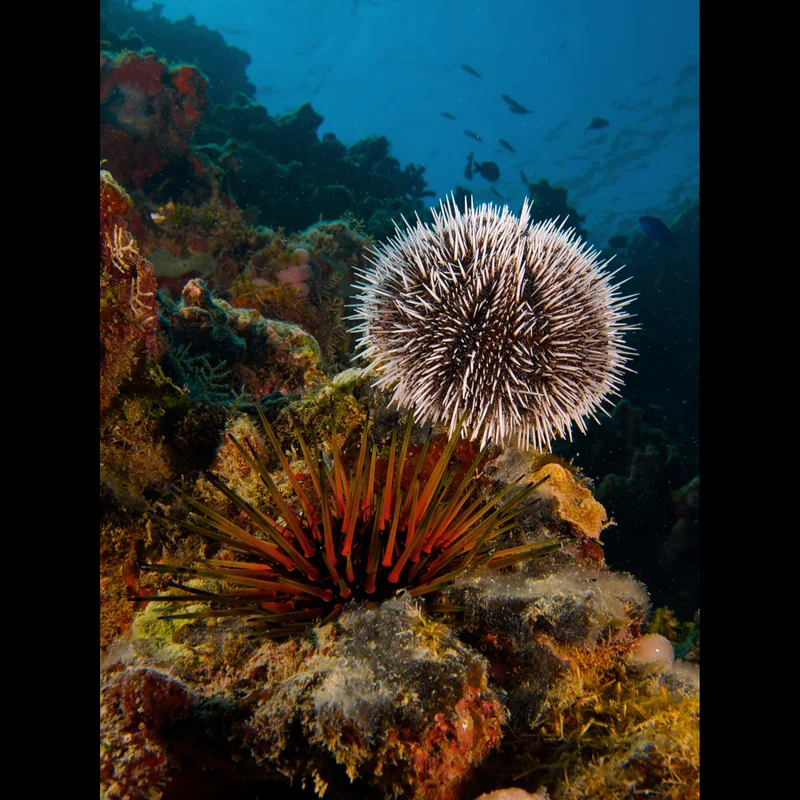
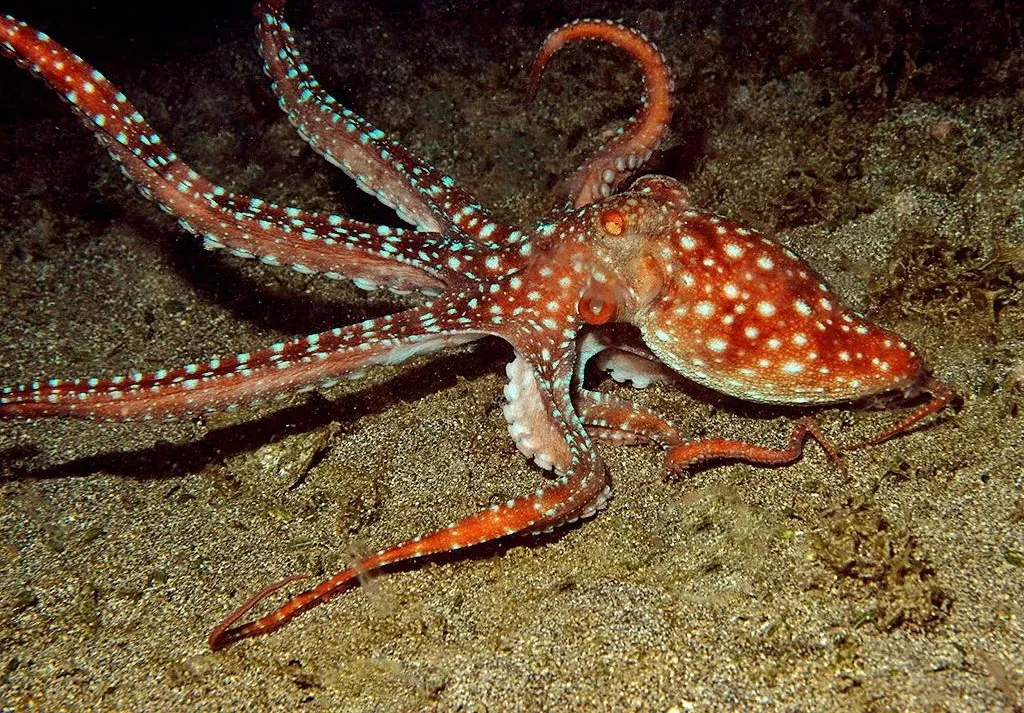
The immediate impression at Piedras Rotas is the abundant life clinging to and moving within the rock formations. Divers often first notice a great quantity of octopuses, masterfully camouflaged among the stones, alongside numerous starfish and sea urchins.
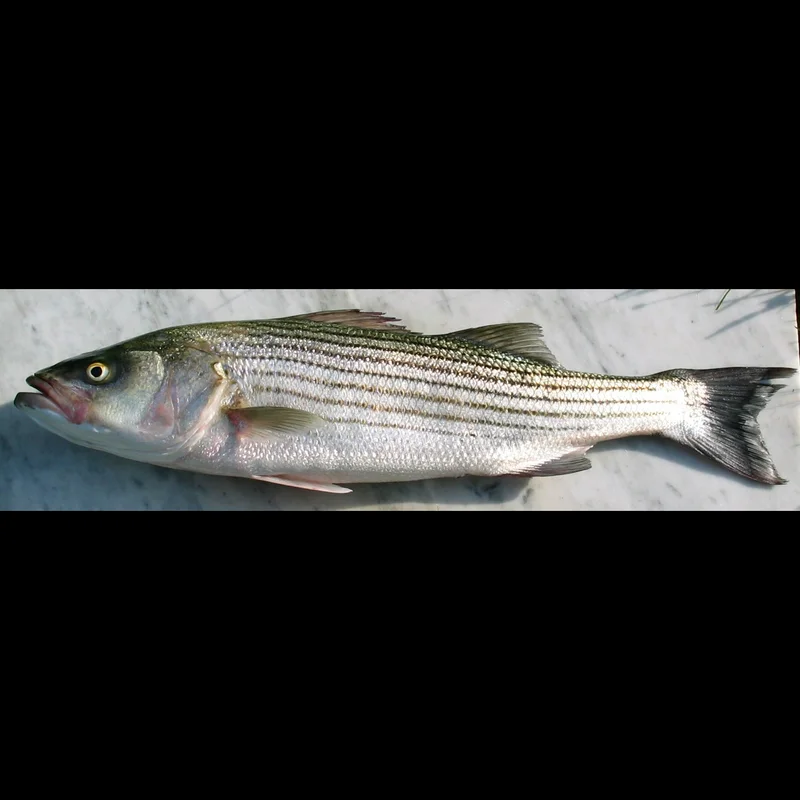
These creatures populate the unexpected passages and shallower areas, creating rich photographic opportunities. Beyond the static inhabitants, common sightings also include schooling sea bream and individual sea bass navigating the rocky terrain, making the site feel lively at various depths.

Dive Sites Near Piedras Rotas
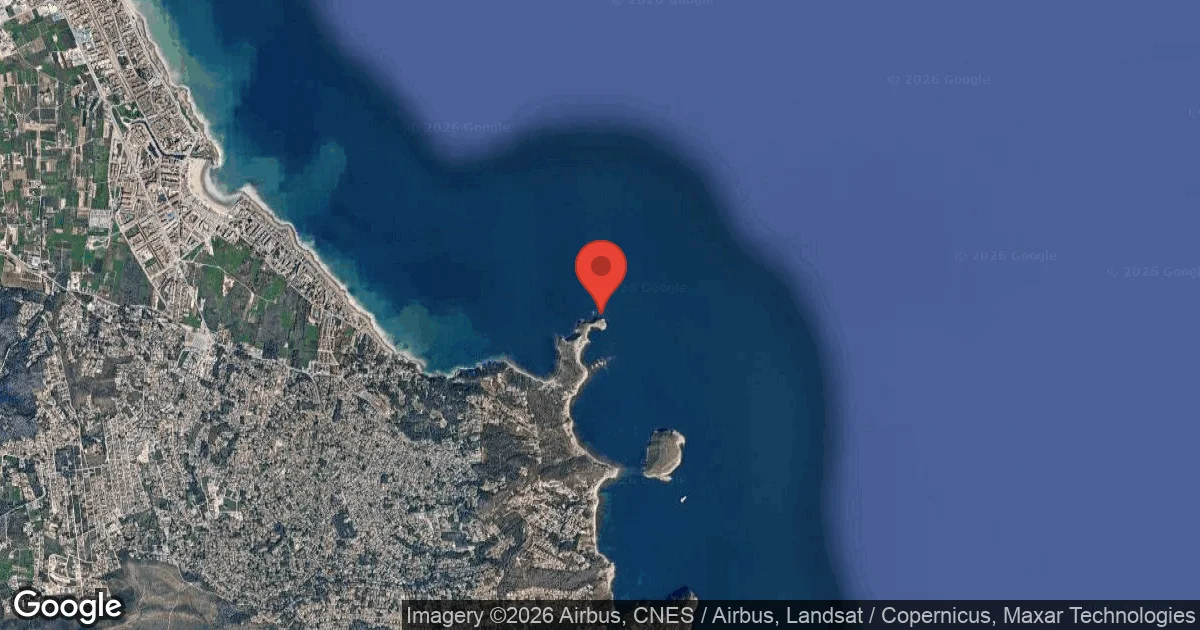
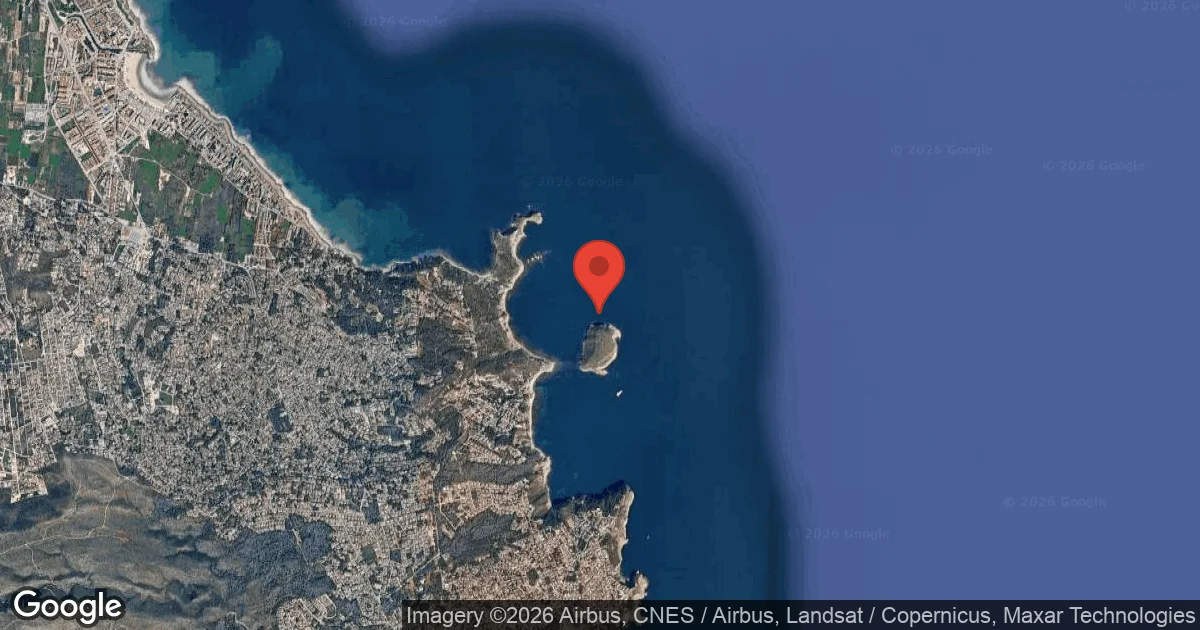
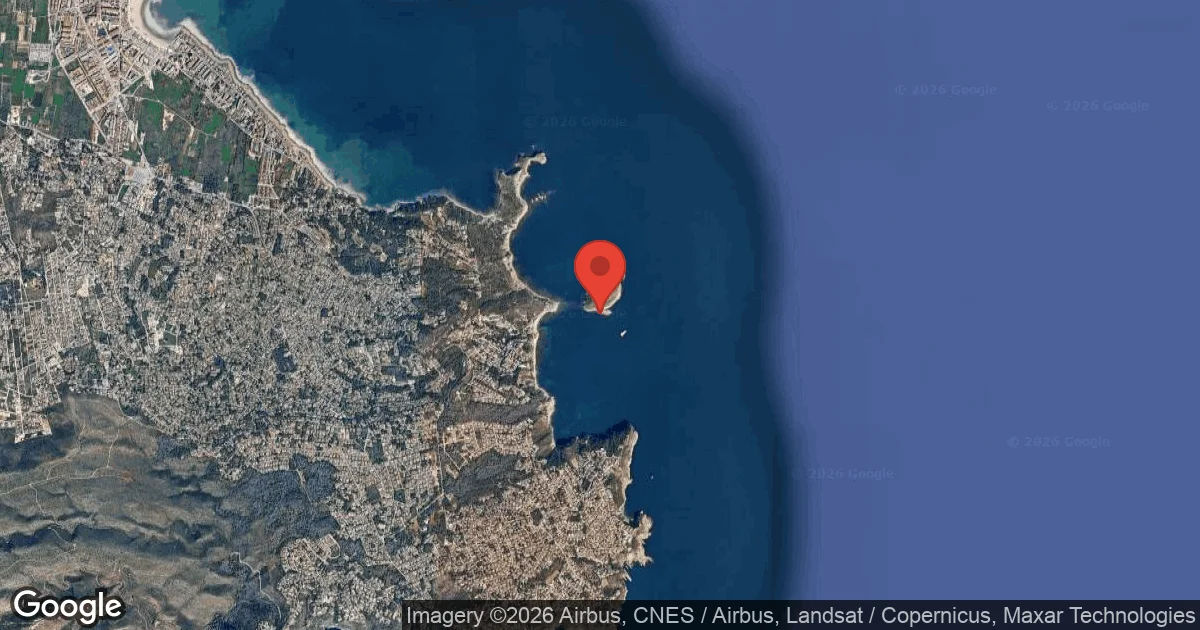
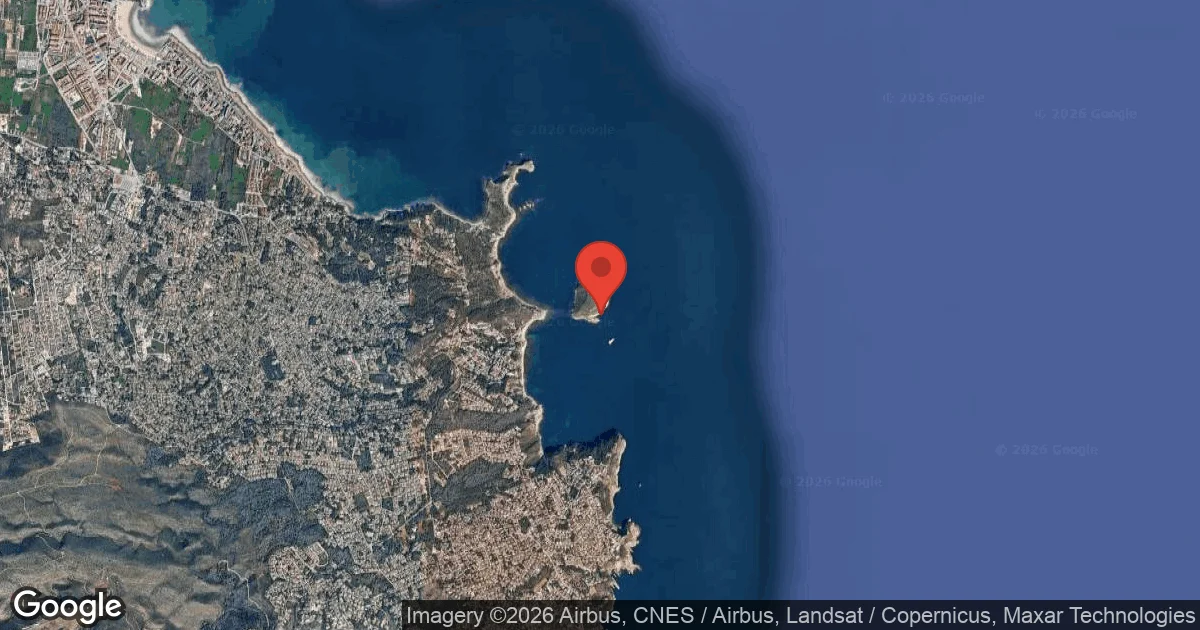
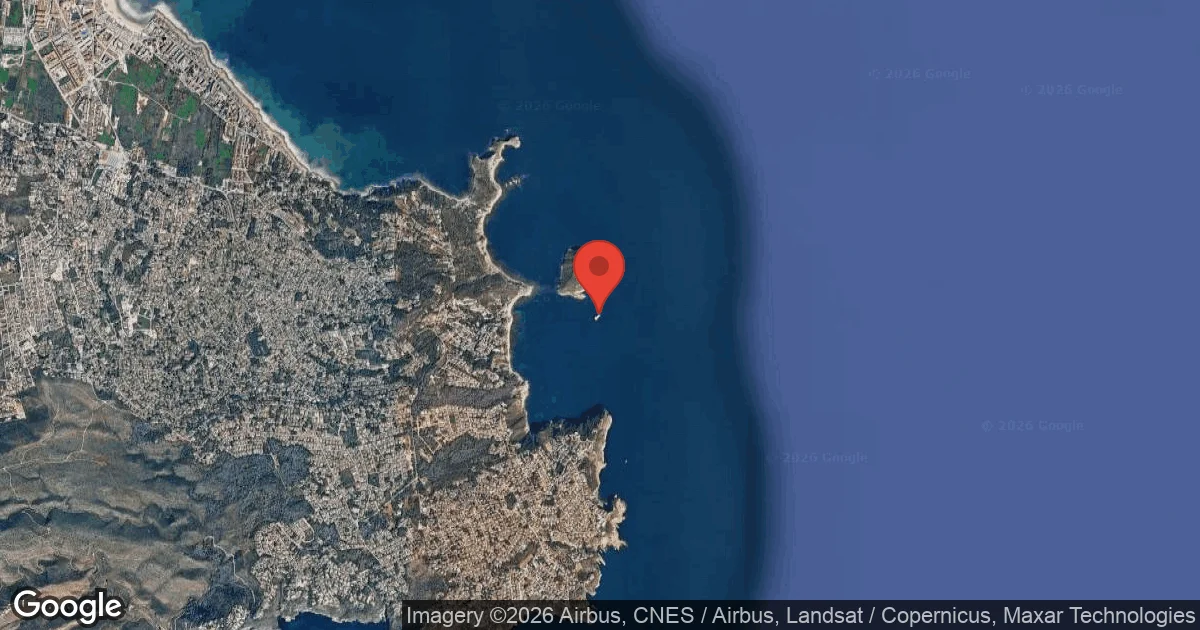
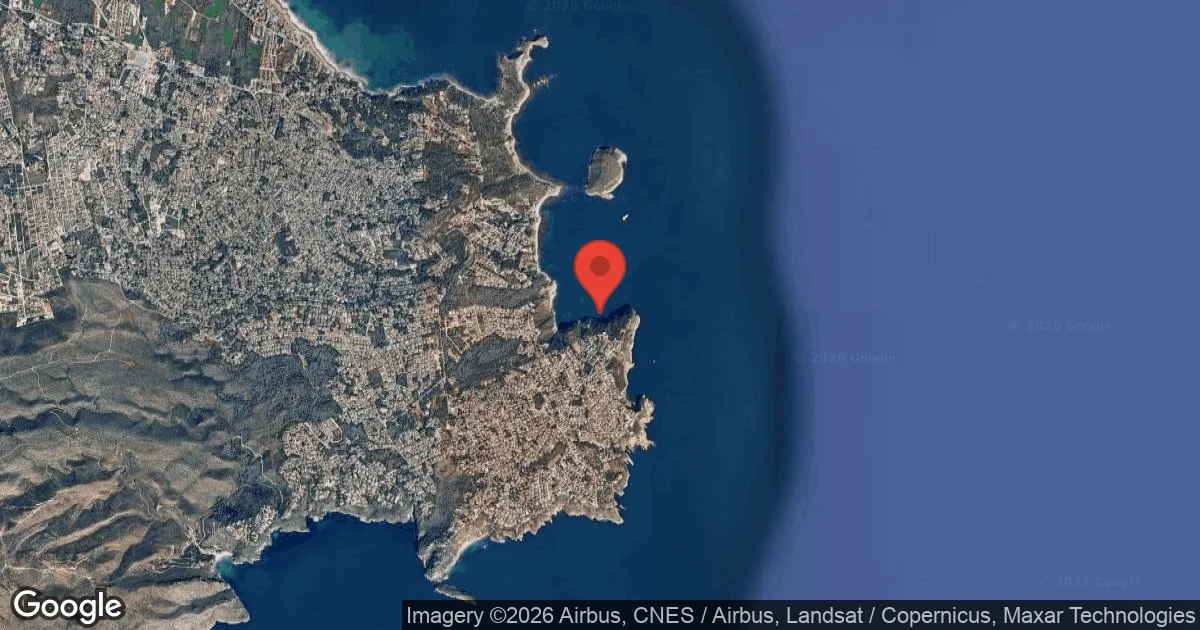
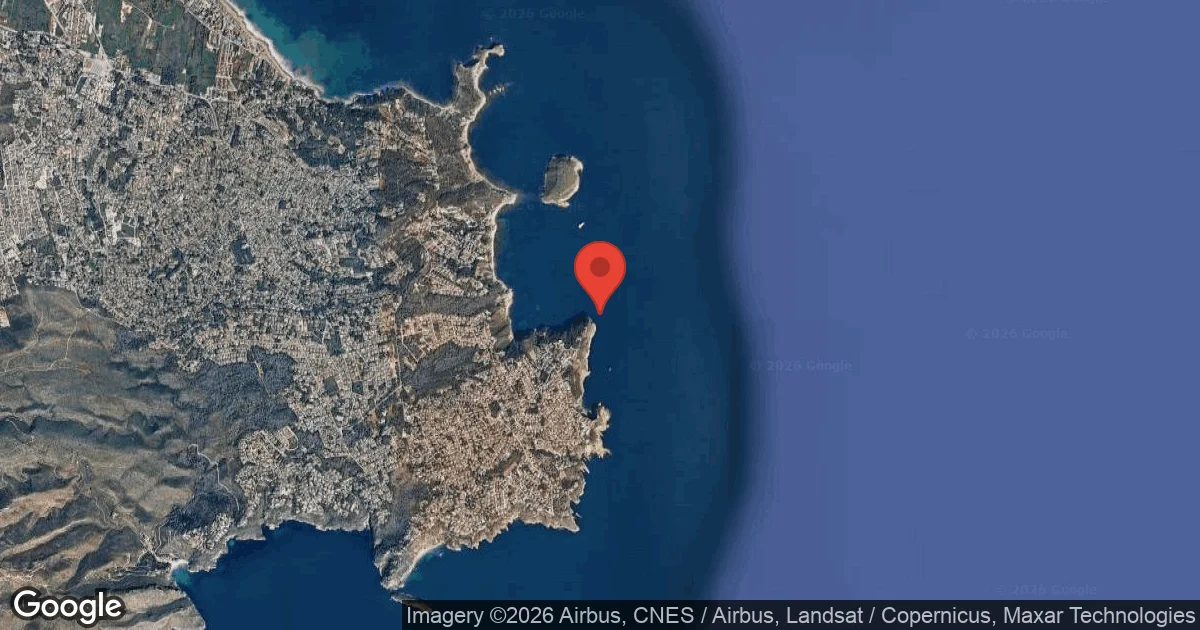
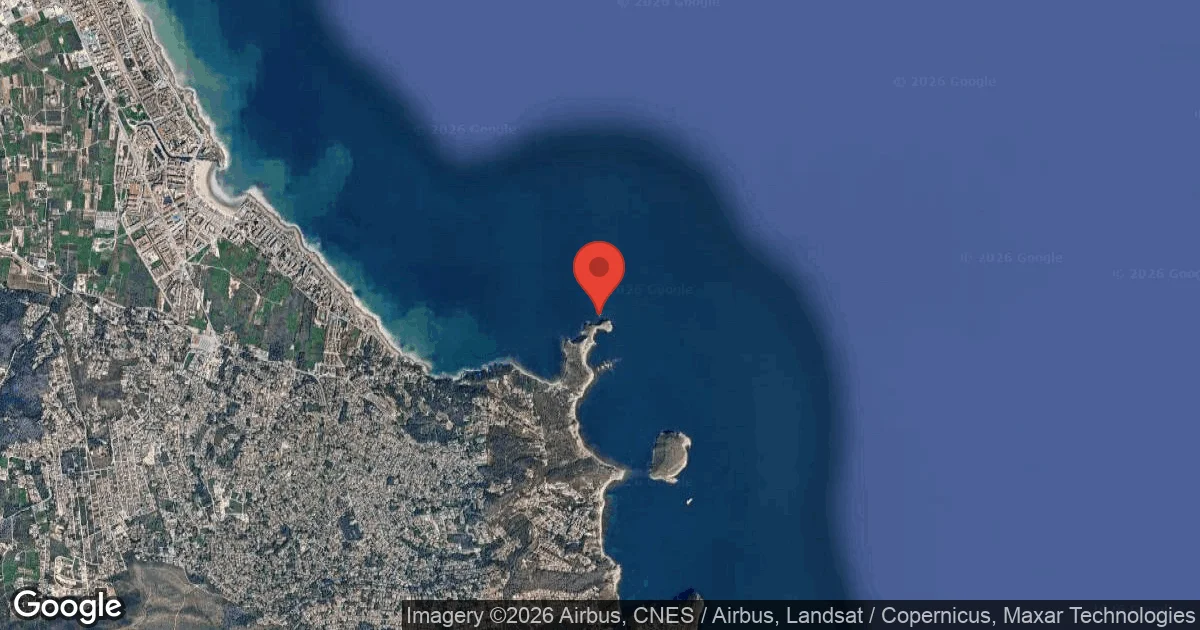
View all dive sites in SpainDiscover more underwater gems in this area.
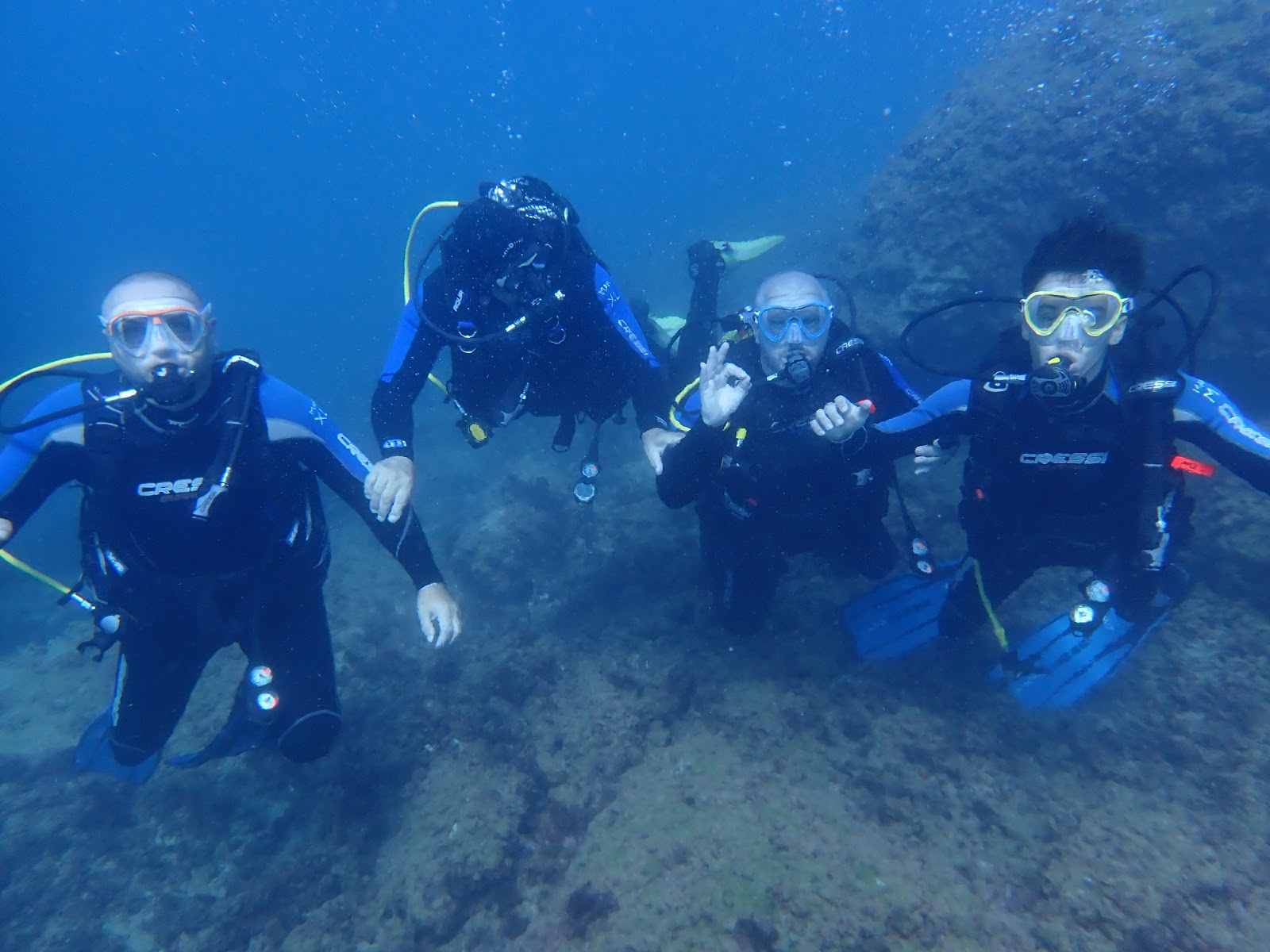
Dive Centers Near Piedras Rotas



Nearest Airports
Nearest airports to help plan travel to this dive area.
Search Flights
Check available flights and routes on Expedia, using the nearby airports listed in this section.
Search Flights on ExpediaFrequently Asked Questions
What is the maximum depth at Piedras Rotas?
Divers exploring Piedras Rotas can reach a maximum depth of 21 meters (approximately 68 feet). However, much of the site's marine life and interesting geological features can be found at more accessible levels.
What kind of dive experience can I expect at Piedras Rotas?
You can expect a unique exploration dive through natural rock formations, including passages, 'twin towers,' and a tunnel. It's often described as a very simple yet rewarding immersion, suitable for various skill levels.
Is Piedras Rotas suitable for beginner divers?
Yes, Piedras Rotas is considered a low-difficulty dive and is well-suited for new divers. Its calm conditions and engaging features make it a good learning dive for developing skills.
What specific underwater features does Piedras Rotas offer?
The site features a landscape formed by rock collapses, creating numerous paths and passages between large stones. It also has two submerged formations known as the 'Twin Towers' and a tunnel through one of these structures.
What marine life is commonly seen here?
Divers frequently encounter a great quantity of octopuses, starfish, and sea urchins, particularly within the rock structures. Sea bream and sea bass are also typical sightings in this vibrant environment.
What is the entry method for this dive site?
Access to Piedras Rotas is typically by boat. This allows for convenient positioning at the site to begin your exploration of its unique underwater topography.
When is the best time of year to dive Piedras Rotas?
The period from June through September generally offers the most favorable conditions for diving, with warm air temperatures and minimal rainfall. This typically results in better water clarity and a more comfortable diving experience.
Planning to dive Piedras Rotas?
Send one inquiry and receive offers directly from the best verified local dive operators.
Conditions are Good
Optimal conditions expected
Current conditions near Piedras Rotas show 20° air, 26° sea temperature, 0.7 m waves, and 23 km/h wind. Forecast data is refreshed regularly to ensure accuracy.