
Diving at Termas (Spain)
Diving around Termas, nestled within Gran Canaria, Spain, presents a fascinating contrast between accessible underwater charm and the allure of more challenging deep expeditions. This destination caters to a broad spectrum of certified divers, promising captivating explorations. From tranquil shore entries to demanding wreck sites, the experiences here balance scenic beauty with opportunities for advanced skill application.
As evening covers Termas, the local air temperature is measured at 19.5°C. The current wave height at the surface is recorded at 0.6 m. These late-day readings characterize the surface conditions for the night.
Dive Site Location & Key Facts
Dive Site Overview
The underwater landscape near Termas, Gran Canaria, reveals a diverse topography shaped by both natural volcanic formations and intriguing wreck sites. Divers can explore serene natural reefs, often starting from convenient shore entries like Playa Tufia.
This particular site transitions from a sheltered bay with sandy bottom areas into vibrant reef sections, suitable for all certification levels. Further afield, advanced opportunities await at deeper locations. For instance, the Arona wreck, demanding a deep specialty, descends to maximum depths around 40 m (130 ft), offering exploration of its substantial structure.
Navigating these deeper wrecks requires precise buoyancy and an understanding of potential overhead environments. El Cabron Marine Reserve also stands out as a focal point, indicating protected zones where the patterns of marine life and the natural reef structures are preserved.
While the density of marine life can vary, the area offers consistent opportunities for observation. Other natural sites, such as those near Pasito Blanco, feature varied rock formations and occasional canyons or swim-throughs, all within recreational depth ranges.
These areas typically present calmer conditions, making them ideal for less experienced divers or those preferring a relaxed exploration. Collectively, the dive sites around Termas provide a full spectrum of experiences, ranging from tranquil, shallower explorations over varied terrain to more technically demanding descents into significant underwater structures.
Conditions are Good
Optimal conditions expected
Current conditions near Termas show 19° air, 25° sea temperature, 0.8 m waves, and 22 km/h wind. Forecast data is refreshed regularly to ensure accuracy.
Best Time to Dive
Planning a dive trip to Termas, Gran Canaria, is feasible throughout the year, with consistently good dive scores reported across all months. Air temperatures are pleasantly warm during the summer, reaching highs of around 27.5°C (82°F) in August, creating ideal conditions both in and out of the water. Conversely, winter months, such as January, see air temperatures average 12.5°C (54°F), offering a cooler but still comfortable climate. Rain is minimal year-round, with the highest average in March at 2.56mm, ensuring clear skies for most of your visit. Average wave heights tend to be lower during summer, approximately 0.7 m (2.3 ft) in June, while winter months like January can see slightly larger waves around 1.1 m (3.6 ft). For the calmest surface conditions, targeting late spring through early autumn is often advisable.
PEAK SEASON SCORE
Scores combine air & water temps, waves, wind & rainfall for overall conditions.
BEST MONTHS TO DIVE
Monthly records compiled from satellite and marine observation nodes over the last 3 years. Data provided by Open-Meteo and MET Norway.
Dive Experience & Conditions
Current dynamics around Termas and its nearby dive sites can vary, influencing the overall dive experience. While specific data on currents is not consistently reported for every site, local conditions can range from gentle movements, especially in sheltered bays like Playa Tufia, to more pronounced flows in exposed areas or deeper sections. Visibility tends to be good, allowing clear views of the diverse underwater structures. Average wave heights on the surface fluctuate throughout the year, with calmer conditions, around 0.7 m (2.3 ft), typically observed in summer months, potentially easing boat entries. Specific water temperatures for Termas are not consistently reported in available data, but divers often find the waters comfortable, particularly during peak season. Always consult with local dive centers for real-time conditions before planning your dive.
Dive Difficulty & Safety Guidelines
Diving in the Termas area requires adherence to standard safety practices, especially given the range of dive environments. While no specific hazards are reported in the database, some sites, particularly wreck dives like the Arona wreck, necessitate advanced experience and specialized training, such as a deep specialty certification.
Passages within these wrecks are generally described as adequately sized, reducing risk for trained divers. Always dive within your certification limits and current experience level.
It's crucial to obtain thorough briefings from local dive operators, who can provide up-to-date information on site-specific conditions, potential currents, and appropriate entry/exit procedures. Maintaining proper buoyancy control is always essential, especially around delicate reef structures and within overhead environments.
Recommended Equipment
Overhead environment. Do not enter beyond training and gas planning limits.
- Dive Computer
- DSMB
- Primary & Backup Lights
- Reel / Spool
- Cutting Tool
This gear list is based on verified equipment signals for Termas, Spain. Always confirm final gear choices with your dive operator, guide, or liveaboard.
Recommended Dive Suit
3mm wetsuit is often considered an appropriate level of exposure protection for conditions like these. A hood or vest is suggested for sensitive divers due to surface winds. Surface intervals may feel cooler.
Divers entering the water at Termas today can expect temperatures near 25°C (78°F) beneath the surface. Surface air temperatures are resting at 19°C (67°F).
Environmental models indicate a modest warming trend ahead. A warming trend is expected over the next few days.
Due to technical issues with our weather providers, live updates are temporarily delayed. The data above reflects the conditions at the time of the last successful fetch.
Emergency & Medical Support
Essential information to help you plan your dive trip to TERMAS.

Hyperbaric chambers are a critical part of dive safety infrastructure. Availability varies significantly by region, and not all dive areas have immediate access.
Before diving, it's recommended to:
- confirm nearest medical facilities
- check emergency procedures with local dive operators
- ensure dive insurance covers evacuation if required
Divers Alert Network
Diving emergency assistance available through DAN Europe.
+39 0642115685- 24/7 emergency hotline
- Diving medical assistance
- Evacuation coordination
Emergency contacts are provided for reference. Always verify local emergency services before diving.
Closest Listed Hyperbaric Chambers
Showing listed hyperbaric chamber facilities within 200 km of this dive site.
Distances are approximate straight-line distances and may not reflect emergency travel time.
Unidad Hiperbarica Hospital de Castellon UTH-HGUCS
24/7 ListedICU CapableCastellon, Spain•Approx. 141 km straight-line
Unidad Hiperbarica Hospital de Castellon UTH-HGUCS
24/7 ListedICU CapableInformation is provided for reference and planning purposes only. Dive Navigator does not verify operational status, staffing, availability, or quality of care at listed facilities. In an emergency, contact local emergency services, DAN, your dive operator, or the chamber directly. Do not travel to a facility without calling ahead.
Marine Life at Termas
The marine ecosystems around Termas and the wider Gran Canaria region provide opportunities to observe a variety of underwater inhabitants. At sites designated as marine reserves, such as El Cabron, divers may encounter a diversity of species, even if the overall density might not always meet high expectations.
While specific species are not frequently reported, typical Atlantic reef fish, crustaceans, and cephalopods are commonly found. Exploring the natural reefs offers glimpses into the local benthic communities, where smaller, intricate life forms thrive among the rocky crevices.
Wreck sites also attract marine life, serving as artificial reefs that provide shelter and hunting grounds for various fish.
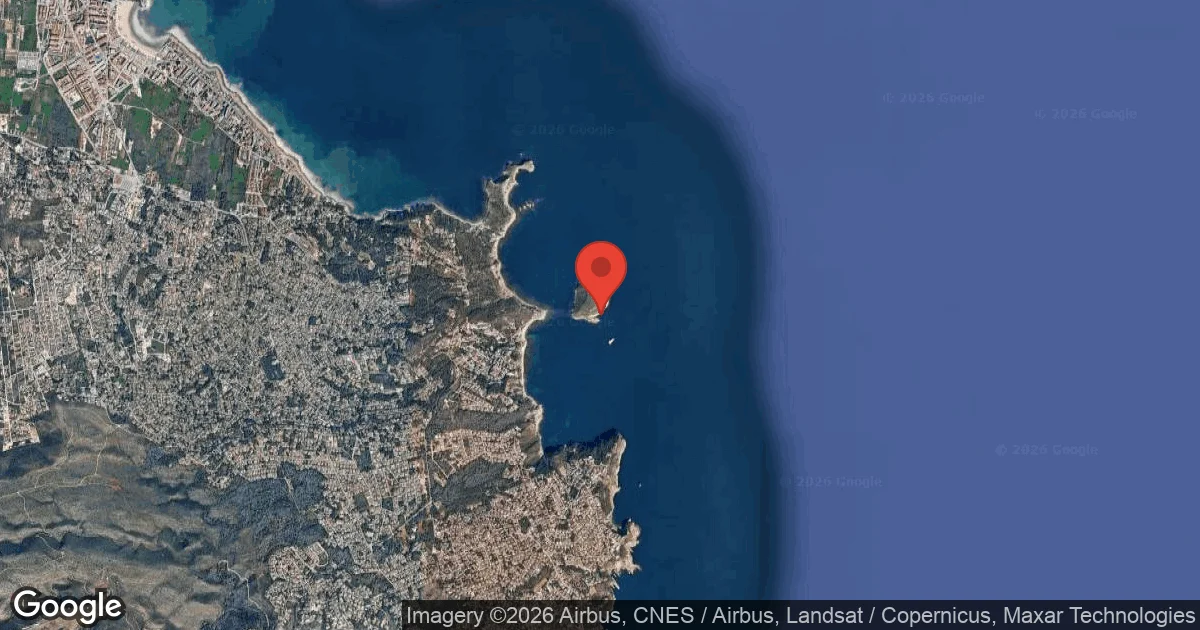
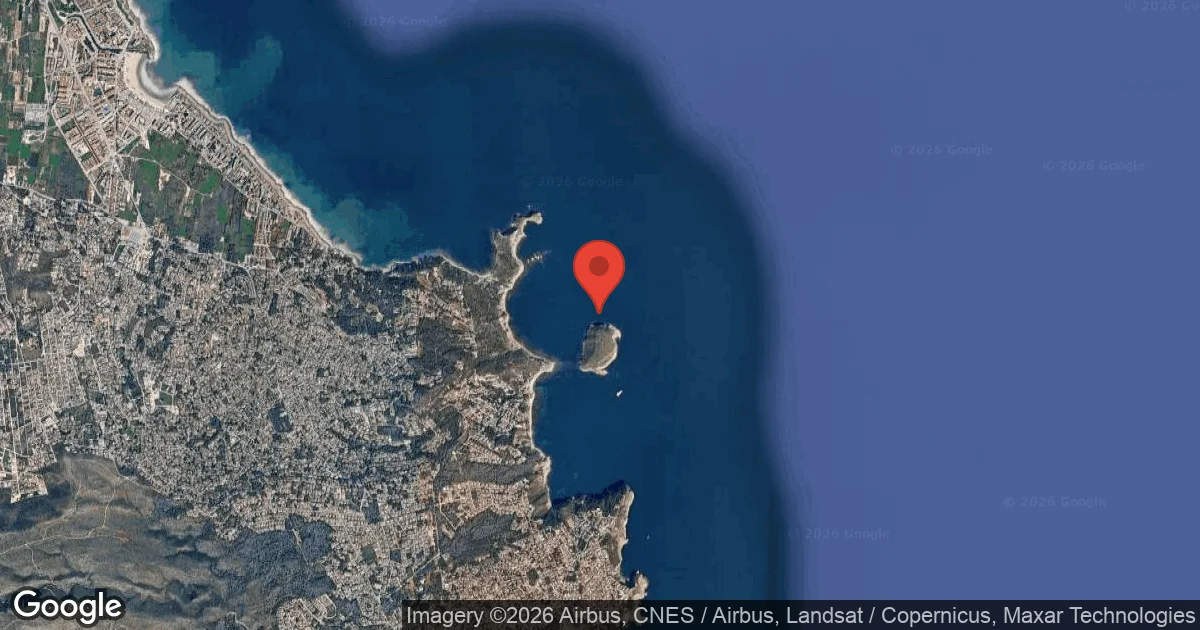
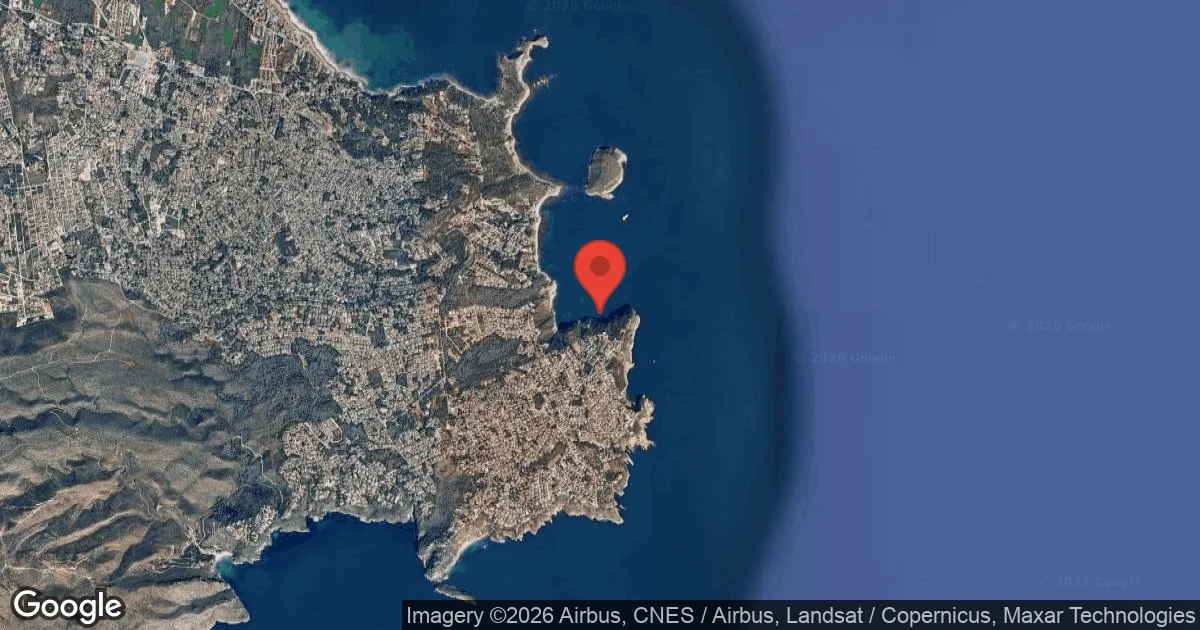
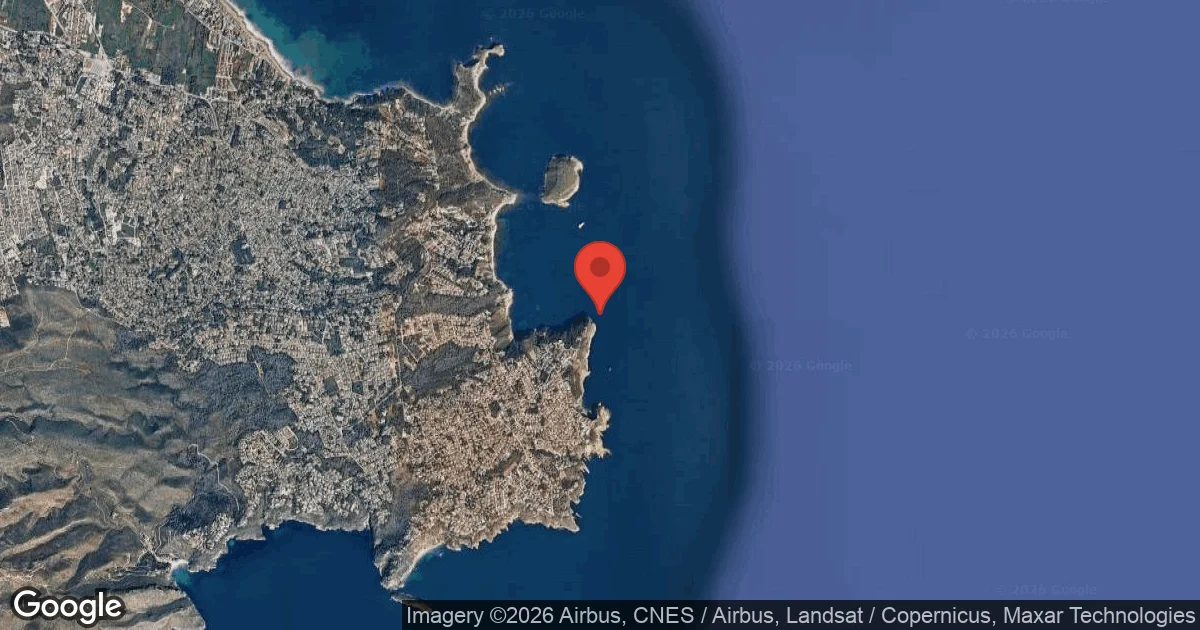
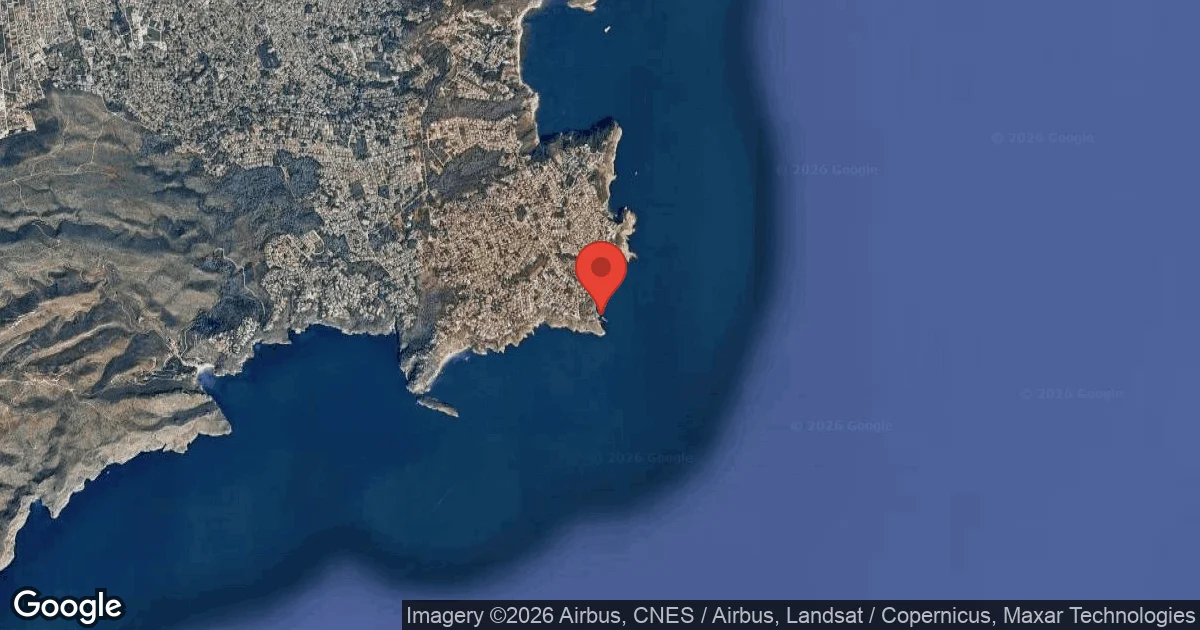
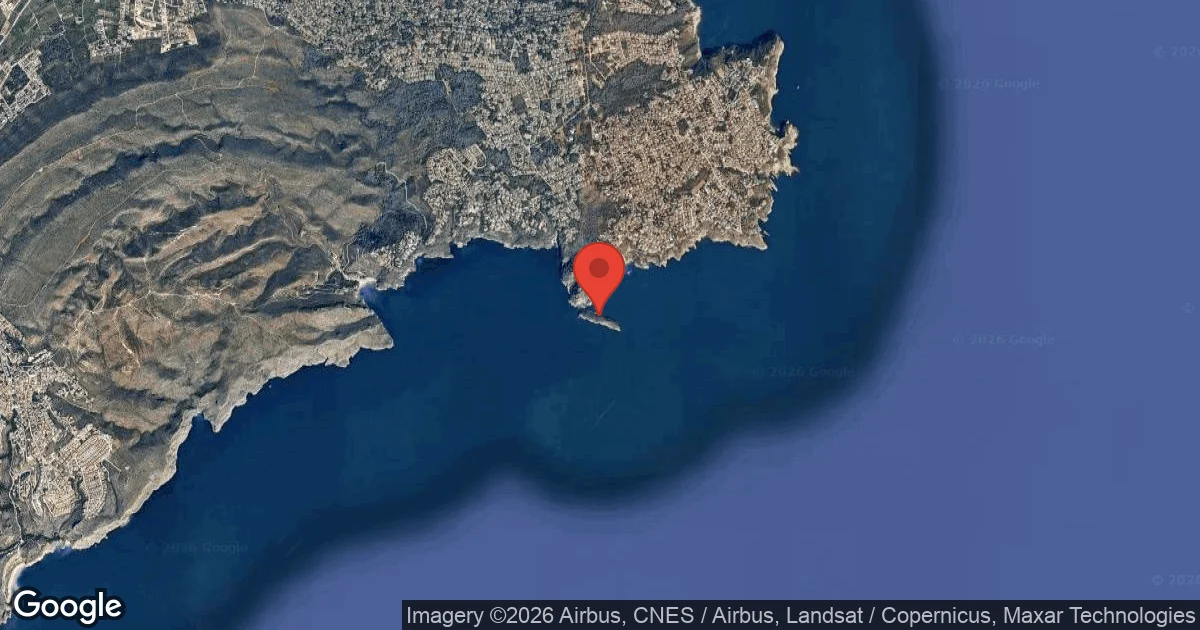
Dive Sites Near Termas
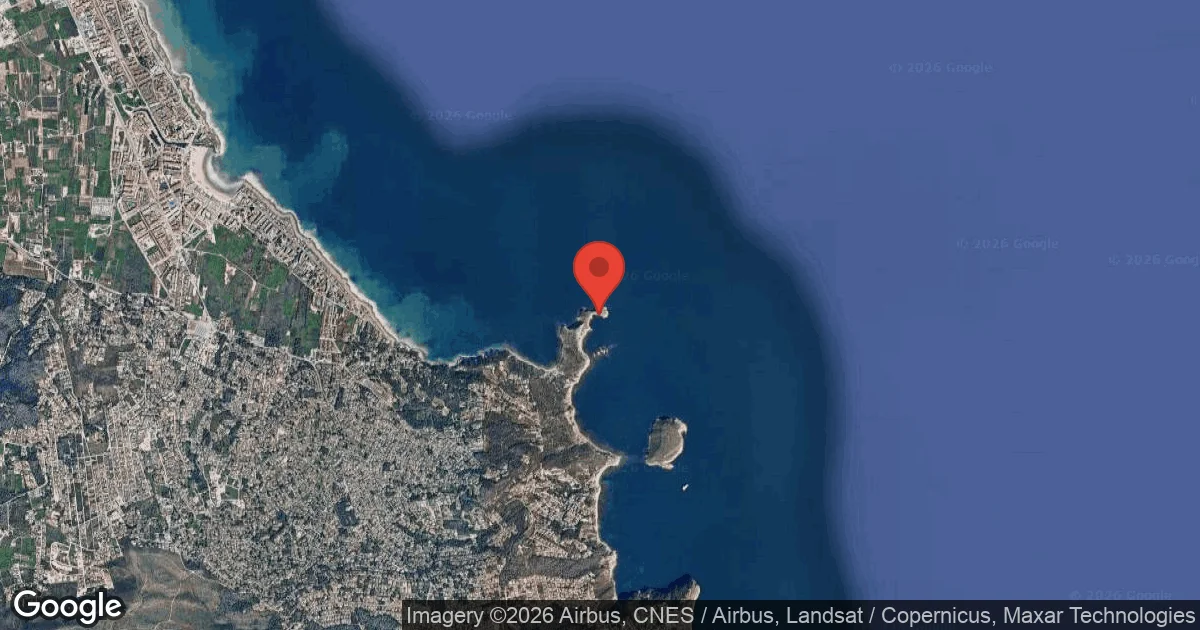
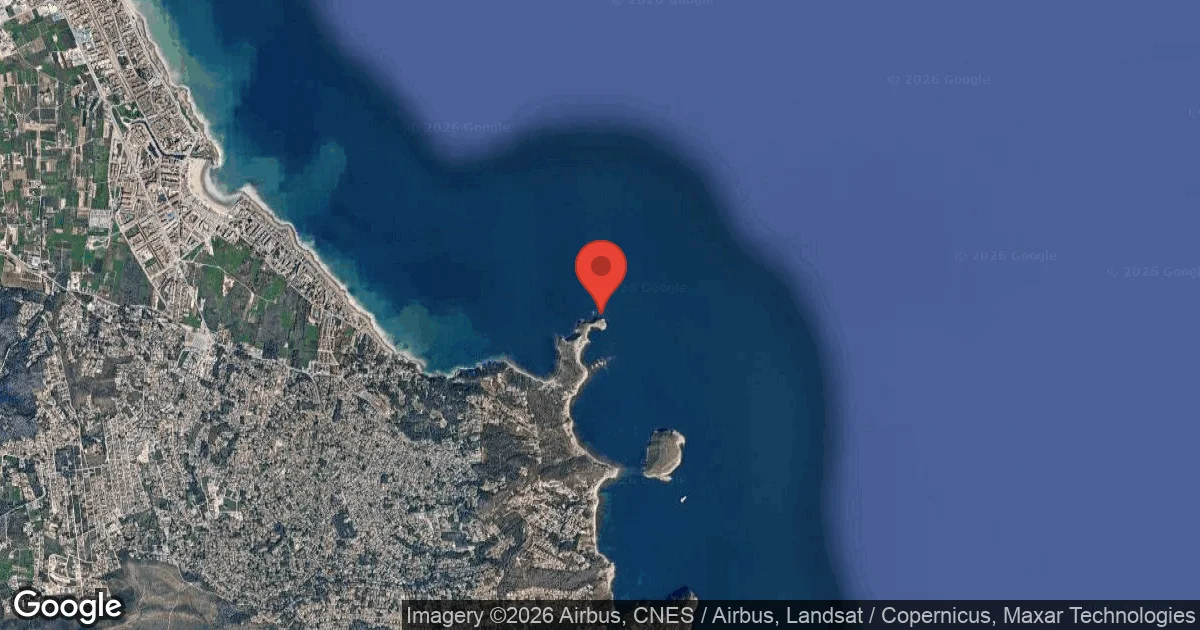
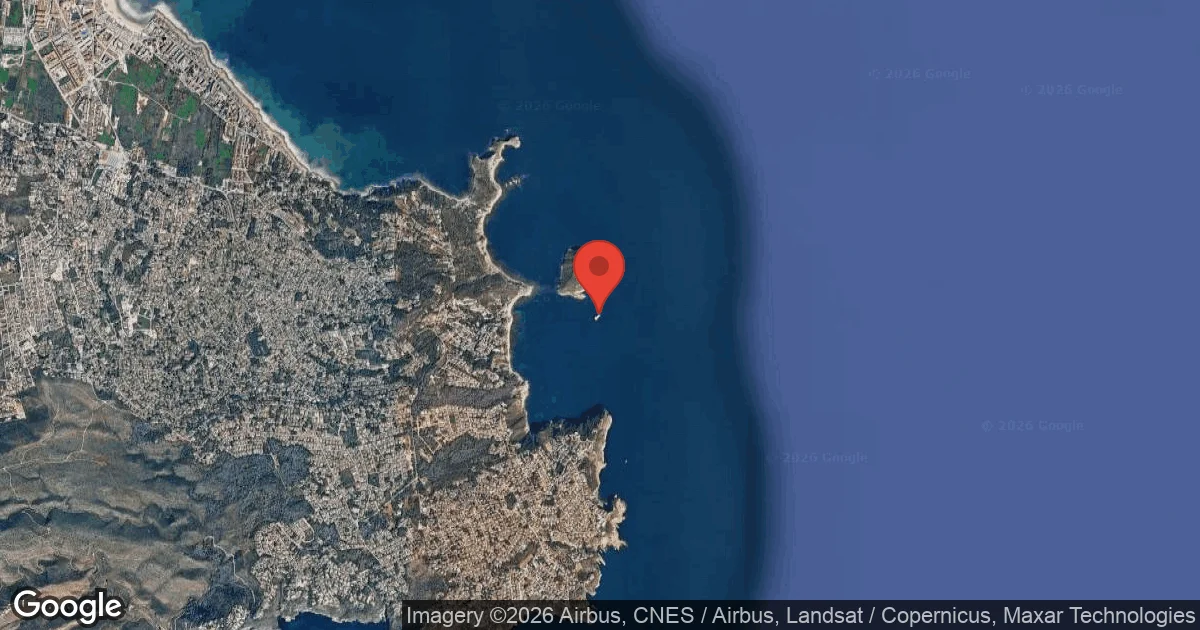
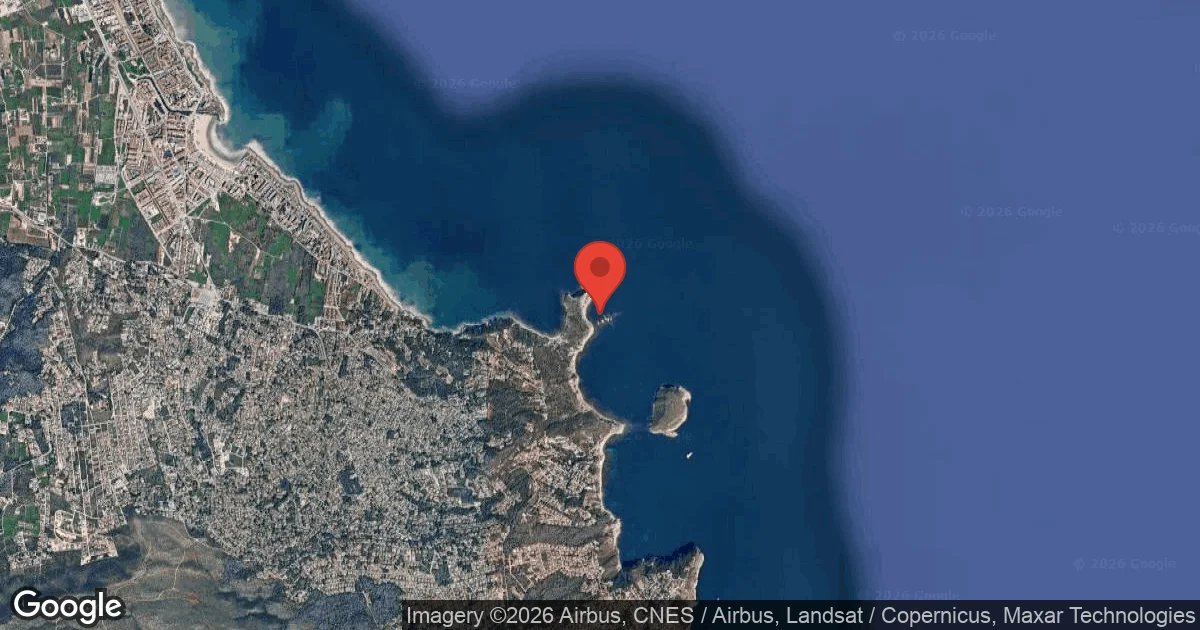
View all dive sites in SpainDiscover more underwater gems in this area.
Dive Centers Near Termas
Nearest Airports
Nearest airports to help plan travel to this dive area.
Search Flights
Check available flights and routes on Expedia, using the nearby airports listed in this section.
Search Flights on ExpediaFrequently Asked Questions
What types of diving are available near Termas?
The area offers diverse diving experiences, including charming shore dives at natural reefs like Playa Tufia and more demanding wreck dives such as the Arona and Cermona 2 wrecks. You'll find options suitable for various skill levels.
When is the best time to dive in Termas, Gran Canaria?
Diving is rated 'Good' year-round. For the warmest air temperatures, peaking around 27.5°C (82°F) in August, and generally calmer waves, late spring through early autumn is often preferred. Winter months offer cooler air but still good diving conditions.
Are there any marine reserves in the area?
Yes, the El Cabron Marine Reserve is a notable site in Gran Canaria. It's an area where protected ecosystems aim to foster marine biodiversity, offering opportunities to observe local marine life.
What are the typical water depths for dives?
Dive depths vary significantly. Reef dives typically remain within recreational depth ranges, while certain wreck dives require advanced training due to their deeper locations. Always check site-specific depths with local operators.
What is the visibility generally like?
Visibility in the diving areas around Termas tends to be good, offering clear views of the underwater topography, marine life, and wreck structures. Optimal visibility can vary with local conditions and weather patterns.
Do I need specialized training for any dives?
Some advanced dives, particularly the deeper wreck sites, may require specific certifications like a deep specialty. It's essential to ensure your training and experience match the demands of the chosen dive site.
Planning to dive Termas?
Send one inquiry and receive offers directly from the best verified local dive operators.
Conditions are Good
Optimal conditions expected
Current conditions near Termas show 19° air, 25° sea temperature, 0.8 m waves, and 22 km/h wind. Forecast data is refreshed regularly to ensure accuracy.