
Diving at Neuseeland, Buochs/Beckenried (Switzerland)
Approaching a freshwater environment like Neuseeland, Buochs/Beckenried, divers must prioritize cold-water preparedness, as thermal challenges can significantly impact comfort and safety. This site, with a maximum depth of 15 m (49 ft), generally presents a welcoming shore entry, making it accessible for various skill levels. Despite its recreational depth range, proper thermal protection remains a constant consideration for any dive into Lucerne's cooler waters. Planning for reduced visibility, a common characteristic of freshwater diving, is also prudent.
Recent updates for Neuseeland, Buochs/Beckenried show an air temperature measuring 16°C. Overall water conditions reflect the typical seasonal state for Switzerland. Please exercise standard safety precautions before entering the water.
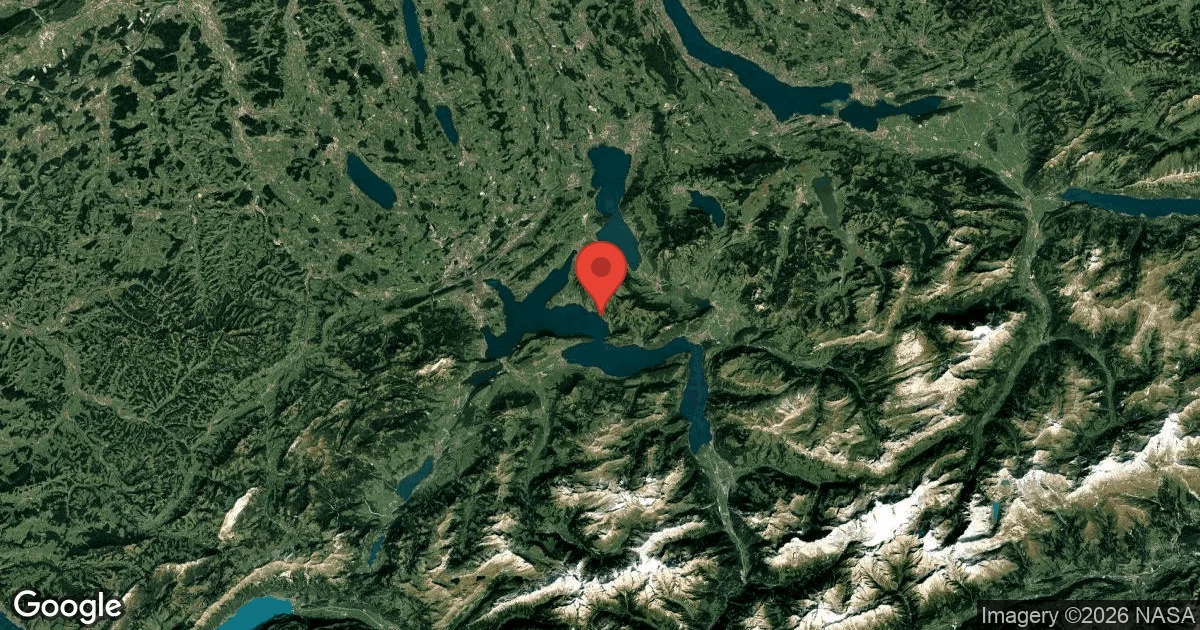
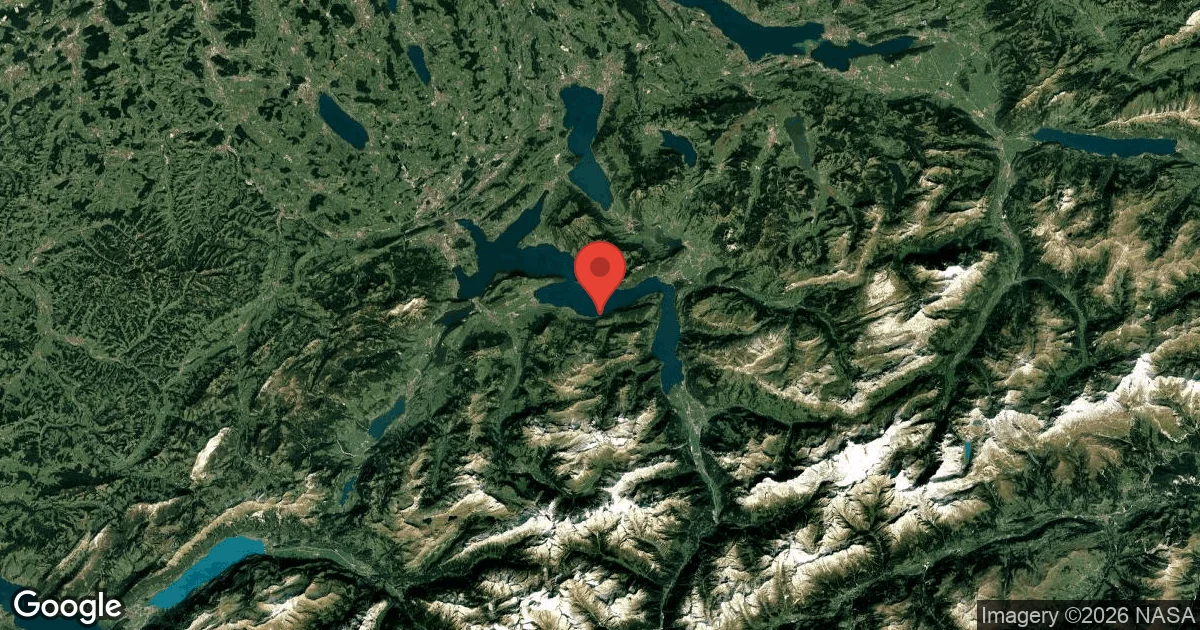
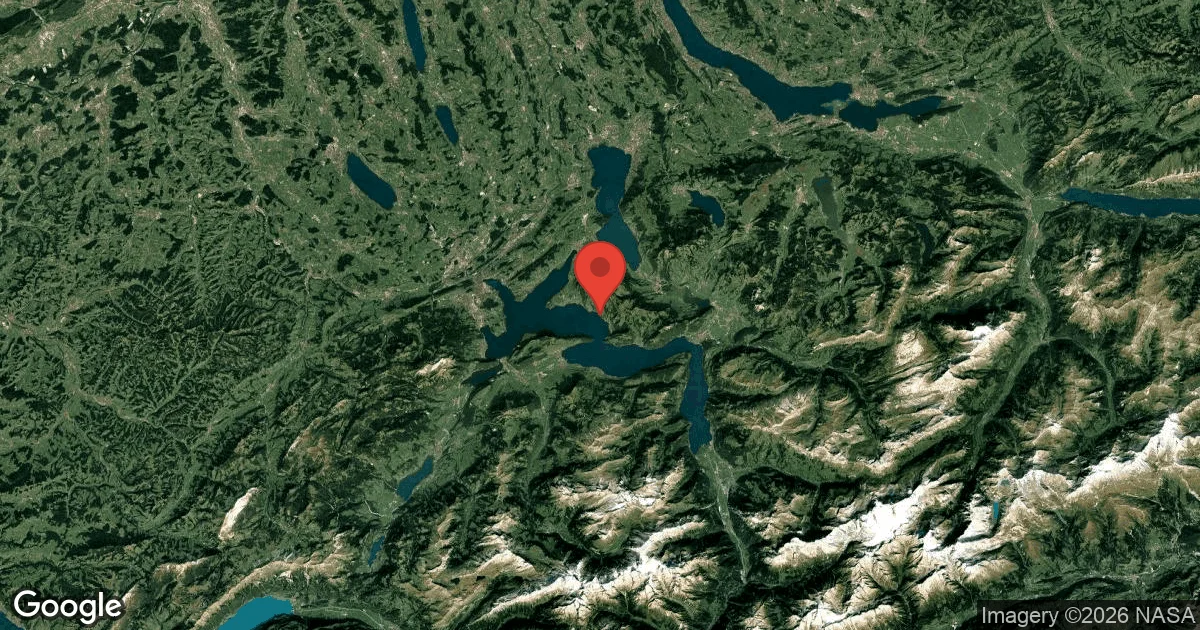
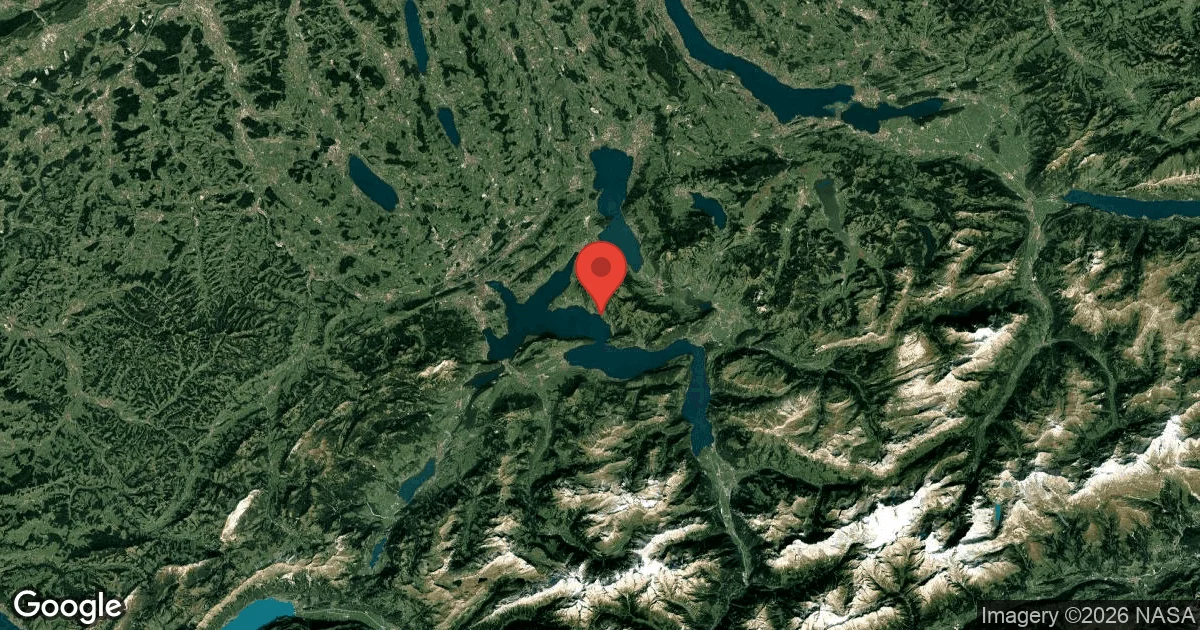
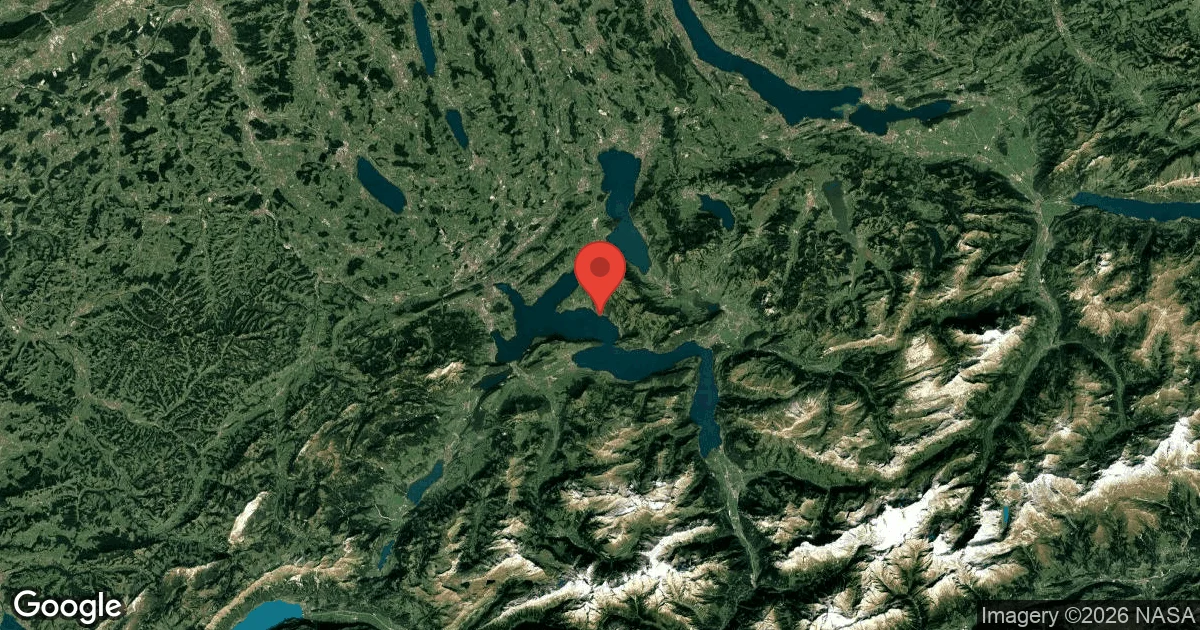
Dive Site Location & Key Facts
Dive Site Overview
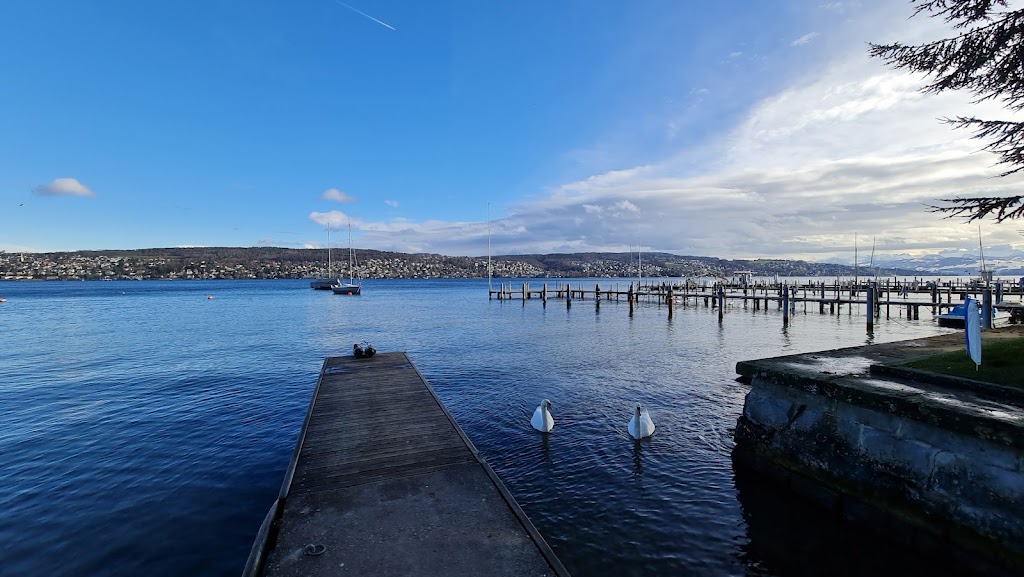
Historically, this specific area within Lucerne, known as Neuseeland in Buochs/Beckenried, has served as a popular local recreational destination, particularly noted for its lido facilities. Divers find a convenient entry point from the shore, allowing for a gentle descent into this freshwater environment.
While one area offers a maximum training depth of around 8 meters, the site extends deeper, reaching a maximum of 15 m (49 ft) further out. This accessible depth profile makes it a highly suitable location for diver training, including PADI Open Water Diver and Scuba Refresher courses. Navigating the sloping bottom, divers gradually move from shallower, sunlit sections to deeper, dimmer environments.
Its freshwater nature provides a different experience compared to marine sites, characterized by distinct visibility patterns and aquatic flora. The expansive lawn near the entry point provides ample space for gear setup and post-dive debriefing.
Conditions are Excellent
07:00 - 14:00
Optimal conditions expected
Current conditions near Neuseeland, Buochs/Beckenried show 16° air, --° sea temperature, N/A waves, and 6 km/h wind. Forecast data is refreshed regularly to ensure accuracy.
Best Time to Dive
Planning a dive at Neuseeland is generally favorable from late spring through early autumn, when surface conditions are most comfortable for divers. June, July, and August offer the warmest average air temperatures, ranging from 19.5°C (67°F) to 21.5°C (71°F), enhancing the overall pre- and post-dive experience. While rainfall is present throughout the year, with July showing the highest average at 9.37 mm, precipitation tends to be manageable. The dive scores remain consistently good to excellent across most months, suggesting reliable diving conditions. March and December also show excellent dive scores, despite significantly cooler air temperatures, around 8°C (46°F) and 5.5°C (42°F) respectively, indicating that serious cold-water enthusiasts may find these periods rewarding. Divers should consider that visibility in these freshwater environments often benefits from calmer periods, less runoff, and cooler water columns.
PEAK SEASON SCORE
Scores combine air & water temps, waves, wind & rainfall for overall conditions.
BEST MONTHS TO DIVE
Monthly records compiled from satellite and marine observation nodes over the last 3 years. Data provided by Open-Meteo and MET Norway.
Dive Experience & Conditions
Navigating the freshwater environment of Neuseeland, divers will encounter conditions typical of a Swiss freshwater body. Water temperature is not consistently reported, but often involves significant thermoclines, with surface layers potentially warmer during summer months and much colder at depth. Visibility in this environment can vary; it might be clear on calmer days but can be reduced by suspended particulates or seasonal algae blooms. Typically, access from the gently sloped shoreline transitions into a gently sloping bottom composed of sand and fine sediment. Reaching the maximum depth of 15 m (49 ft) requires careful attention to buoyancy as the light diminishes. Current dynamics are generally minimal, allowing for relaxed exploration. This makes the site particularly suitable for focused training dives where environmental challenges are predictable rather than extreme.
Dive Difficulty & Safety Guidelines
Diving at Buochs/Beckenried demands adherence to standard safe diving practices and an awareness of freshwater specific considerations. All divers should maintain appropriate certifications for their planned depth and activities; Open Water Diver certification is a baseline for exploring the recreational depth range. Due to the lack of consistent water temperature data and the certainty of cold water conditions, divers must ensure adequate thermal protection.
A dive computer is essential for monitoring depth and bottom time, especially when navigating varying depths. Using a dive flag is crucial for surface visibility, given that this is a public recreational body of water.
Always dive with a buddy, and conduct thorough pre-dive checks. No specific hazards are consistently reported for this site, but general freshwater diving risks such as entanglement in fishing lines or unexpected changes in visibility should always be anticipated and managed.
Recommended Equipment
- Dive Computer
- Hard-soled Dive Boots
This gear list is based on verified equipment signals for Neuseeland, Buochs/Beckenried, Switzerland. Always confirm final gear choices with your dive operator, guide, or liveaboard.
Recommended Dive Suit
Forecast confidence is somewhat lower, with potential for varied conditions ahead. A warming trend is expected over the next few days.
Based on regional estimates and current weather, the likely required exposure protection is a 5mm or thicker wetsuit. Note that local currents and upwellings can alter this. A thermal robe or jacket is recommended between dives.
Because recent water temperature readings are not available for Neuseeland, Buochs/Beckenried, the guidance below is based mainly on current air conditions and seasonal expectations. Current surface air temperatures are roughly 16°C (61°F).
Due to technical issues with our weather providers, live updates are temporarily delayed. The data above reflects the conditions at the time of the last successful fetch.
Emergency & Medical Support
Essential information to help you plan your dive trip to Neuseeland, Buochs/Beckenried.

Hyperbaric chambers are a critical part of dive safety infrastructure. Availability varies significantly by region, and not all dive areas have immediate access.
Before diving, it's recommended to:
- confirm nearest medical facilities
- check emergency procedures with local dive operators
- ensure dive insurance covers evacuation if required
Divers Alert Network
Diving emergency assistance available through DAN Europe.
+39 0642115685- 24/7 emergency hotline
- Diving medical assistance
- Evacuation coordination
Emergency contacts are provided for reference. Always verify local emergency services before diving.
Closest Listed Hyperbaric Chambers
Showing listed hyperbaric chamber facilities within 200 km of this dive site.
Distances are approximate straight-line distances and may not reflect emergency travel time.
Centre Hyperbare de Bâle
Basel, Switzerland•Approx. 93 km straight-line
Centre Hyperbare de Bâle
Information is provided for reference and planning purposes only. Dive Navigator does not verify operational status, staffing, availability, or quality of care at listed facilities. In an emergency, contact local emergency services, DAN, your dive operator, or the chamber directly. Do not travel to a facility without calling ahead.
Hospitasuisse SA
24/7 ListedBioggio - Lugano, Switzerland•Approx. 112 km straight-line
Hospitasuisse SA
24/7 ListedInformation is provided for reference and planning purposes only. Dive Navigator does not verify operational status, staffing, availability, or quality of care at listed facilities. In an emergency, contact local emergency services, DAN, your dive operator, or the chamber directly. Do not travel to a facility without calling ahead.
Unité de Medecine Subaquatique et Hyperbare des HUG
24/7 ListedICU CapableGeneva 14, Switzerland•Approx. 196 km straight-line
Unité de Medecine Subaquatique et Hyperbare des HUG
24/7 ListedICU CapableInformation is provided for reference and planning purposes only. Dive Navigator does not verify operational status, staffing, availability, or quality of care at listed facilities. In an emergency, contact local emergency services, DAN, your dive operator, or the chamber directly. Do not travel to a facility without calling ahead.
Marine Life at Neuseeland, Buochs/Beckenried
Neuseeland's underwater landscape presents a distinctly freshwater ecosystem, offering observations that differ significantly from marine environments. Specific marine life highlights aren't consistently reported in available data, yet divers often encounter various freshwater fish species and aquatic vegetation common to Central European aquatic systems.
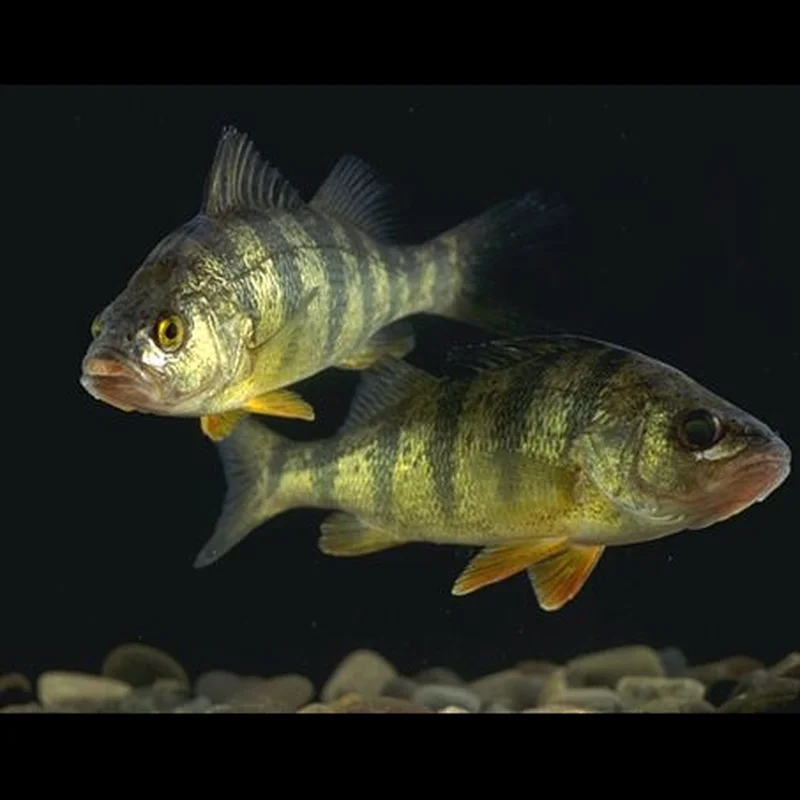
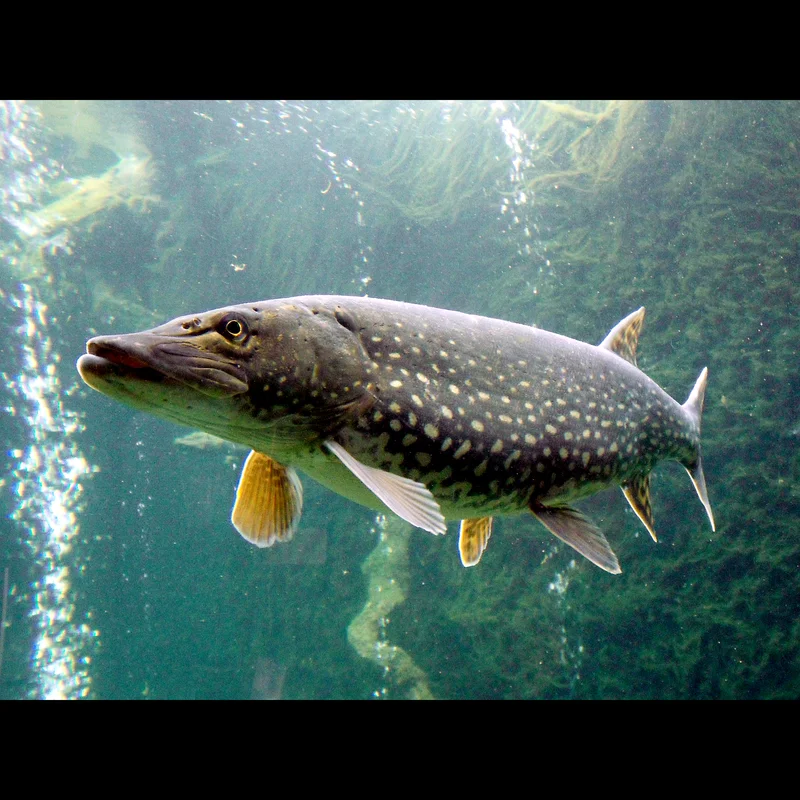
A sandy bottom frequently hosts smaller invertebrates; one might spot perch or pike depending on the season and depth. Exploring the shallower sections near the shore transitions into deeper zones, where reduced light penetration affects the types of flora and fauna present. Such an environment allows for focused observation of unique freshwater adaptations and behaviors.
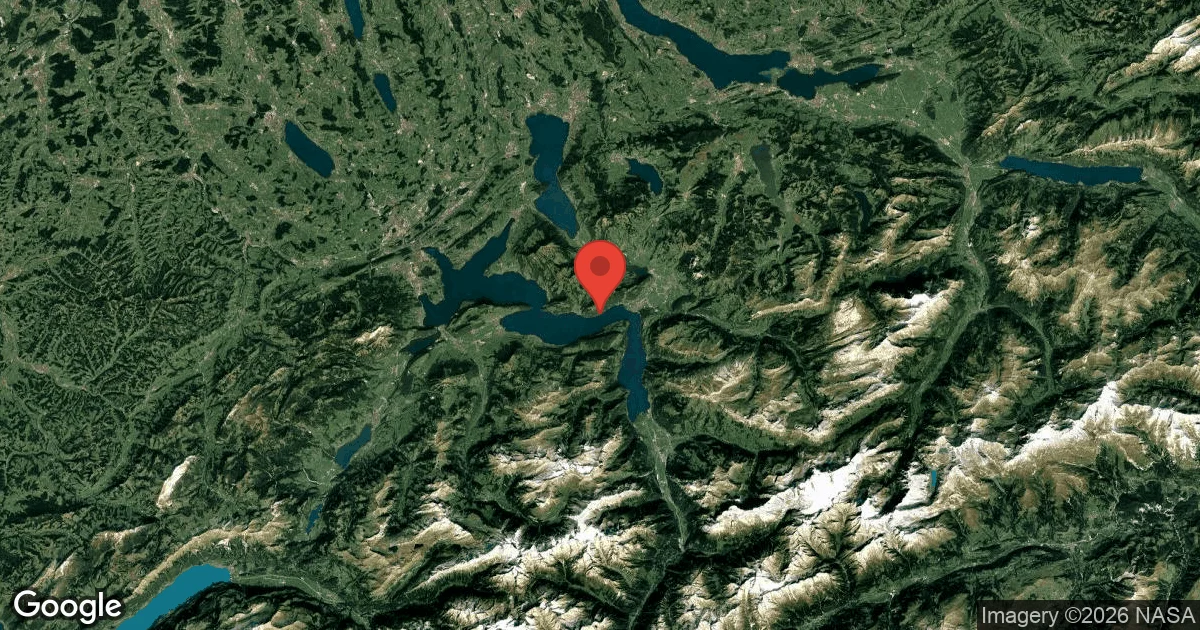
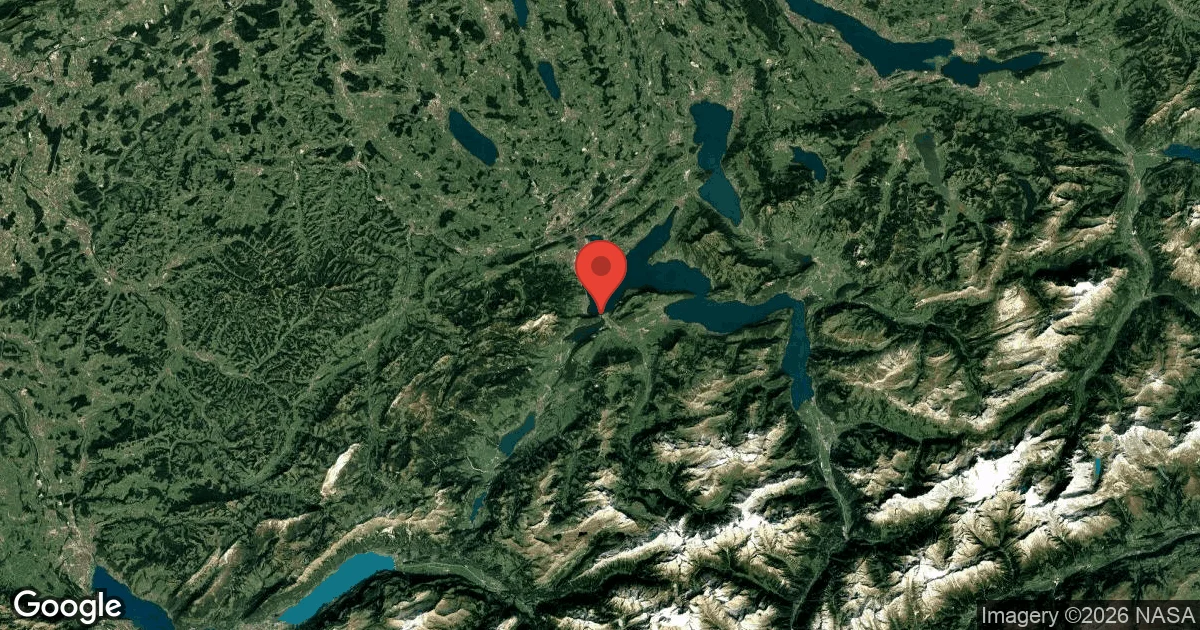
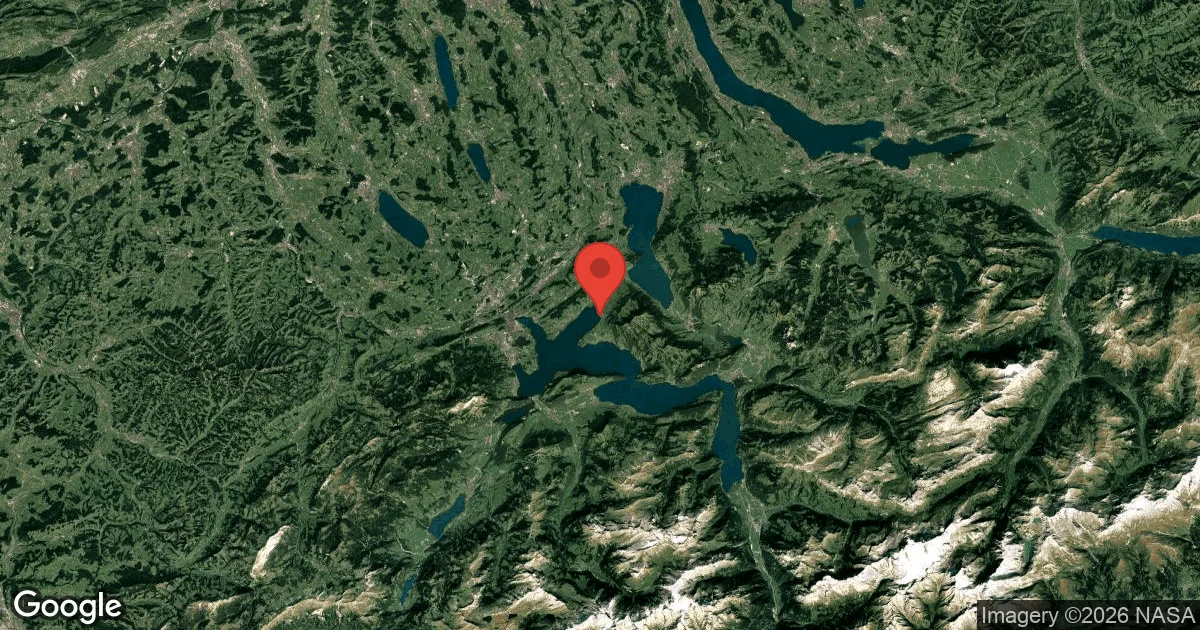
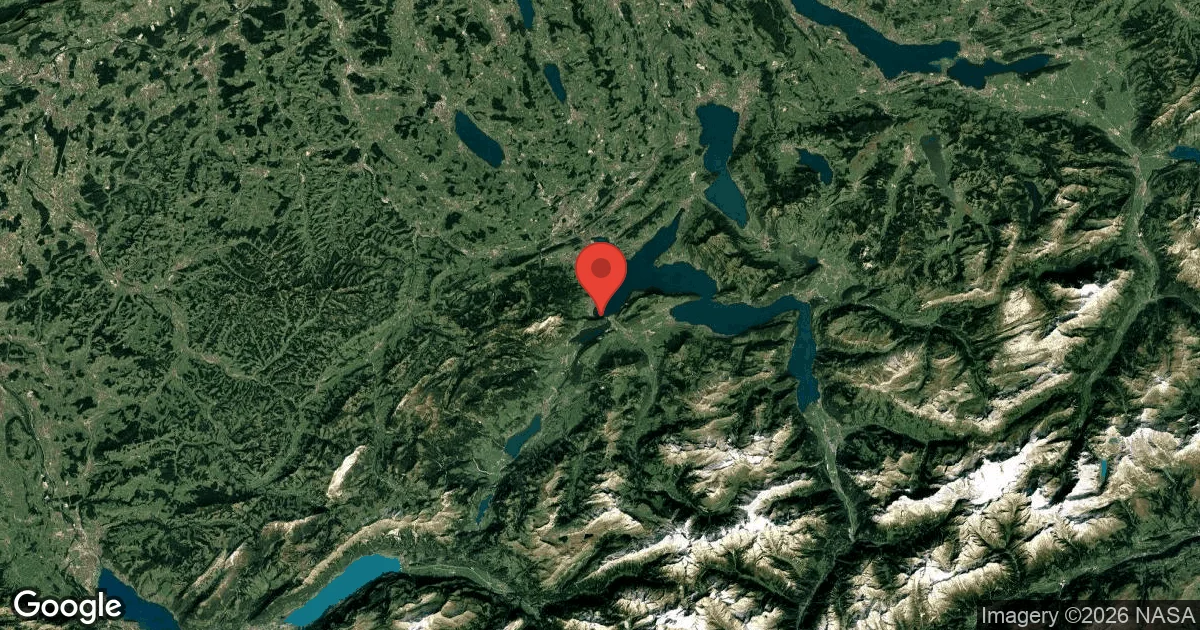
Dive Sites Near Neuseeland, Buochs/Beckenried
View all dive sites in SwitzerlandDiscover more underwater gems in this area.
Dive Centers Near Neuseeland, Buochs/Beckenried
Today: Closed
Nearest Airports
Nearest airports to help plan travel to this dive area.
Search Flights
Check available flights and routes on Expedia, using the nearby airports listed in this section.
Search Flights on ExpediaFrequently Asked Questions
What is the maximum diving depth at Neuseeland, Buochs/Beckenried?
The maximum depth available at this dive site is 15 m (49 ft). There are also shallower sections around 8 meters, which are well-suited for training purposes.
Is Neuseeland suitable for beginner divers?
Yes, this site is well-suited for beginner divers and training. Its accessible shore entry and manageable maximum depth make it ideal for courses like the PADI Open Water Diver and Scuba Refresher programs.
What kind of entry and exit can divers expect?
A comfortable shore entry is directly from a gentle slope. The expansive lawn adjacent to the water provides ample space for gearing up before and after the dive.
What are the typical water temperatures at the dive site?
Specific water temperatures are not consistently reported for this site. However, as a freshwater environment, divers should anticipate cold-water conditions, with thermoclines being common. Adequate thermal protection, such as a drysuit or a thick wetsuit, is essential year-round.
Are there facilities available near the dive site?
The dive site is part of the Buochs-Ennetbürgen lido, which offers various amenities. Facilities often include paid parking spaces, public transport access, and potentially food and beverage options during the lido's operational season. It operates as a public recreational area.
What kind of visibility can be expected?
Visibility in the body of water can vary depending on conditions like recent rainfall or seasonal factors. It can be clear on calm days but might be reduced by suspended particulates or algal blooms, which is typical for freshwater settings.
Planning to dive Neuseeland, Buochs/Beckenried?
Send one inquiry and receive offers directly from the best verified local dive operators.
Conditions are Excellent
07:00 - 14:00
Optimal conditions expected
Current conditions near Neuseeland, Buochs/Beckenried show 16° air, --° sea temperature, N/A waves, and 6 km/h wind. Forecast data is refreshed regularly to ensure accuracy.