
Diving at Lopper I Hergiswil (Switzerland)
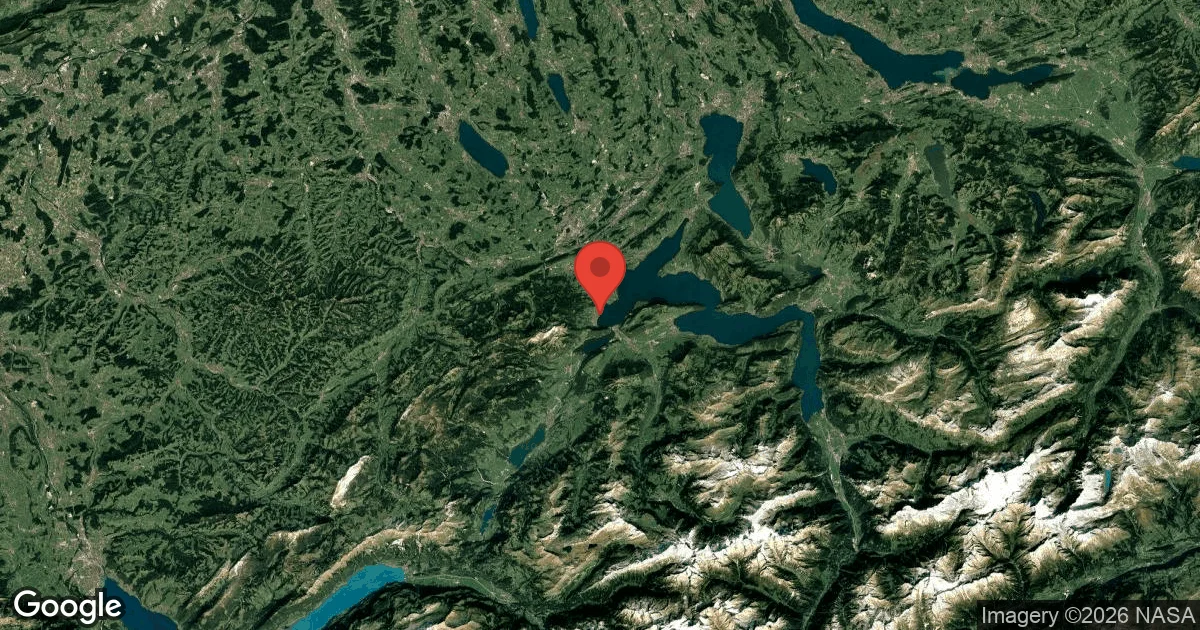
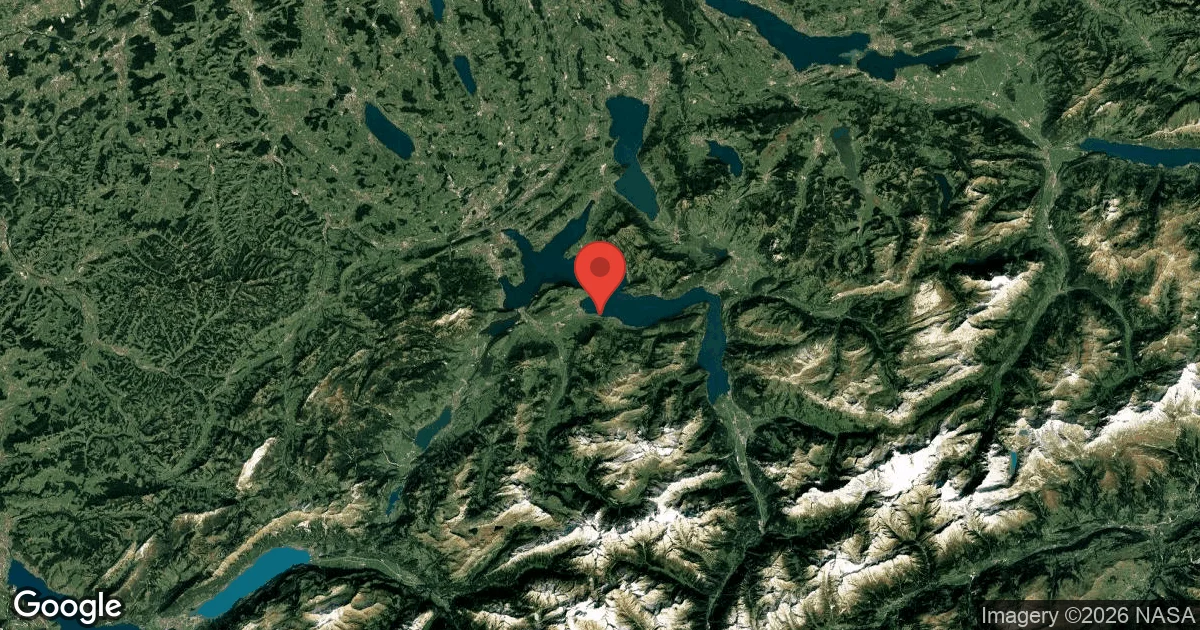
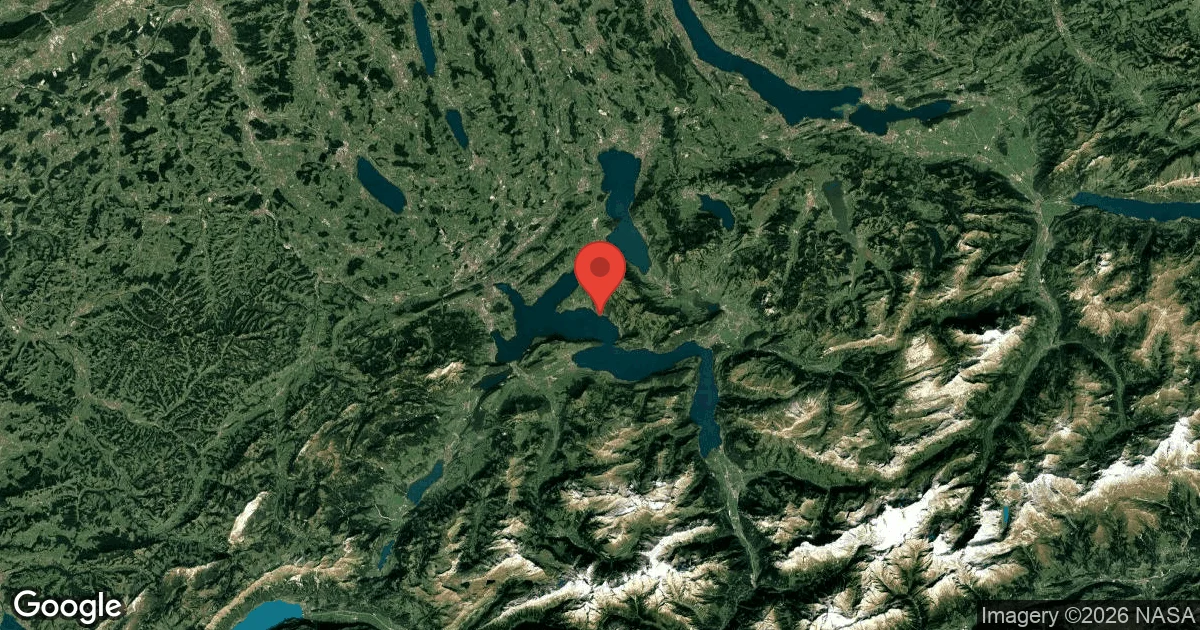
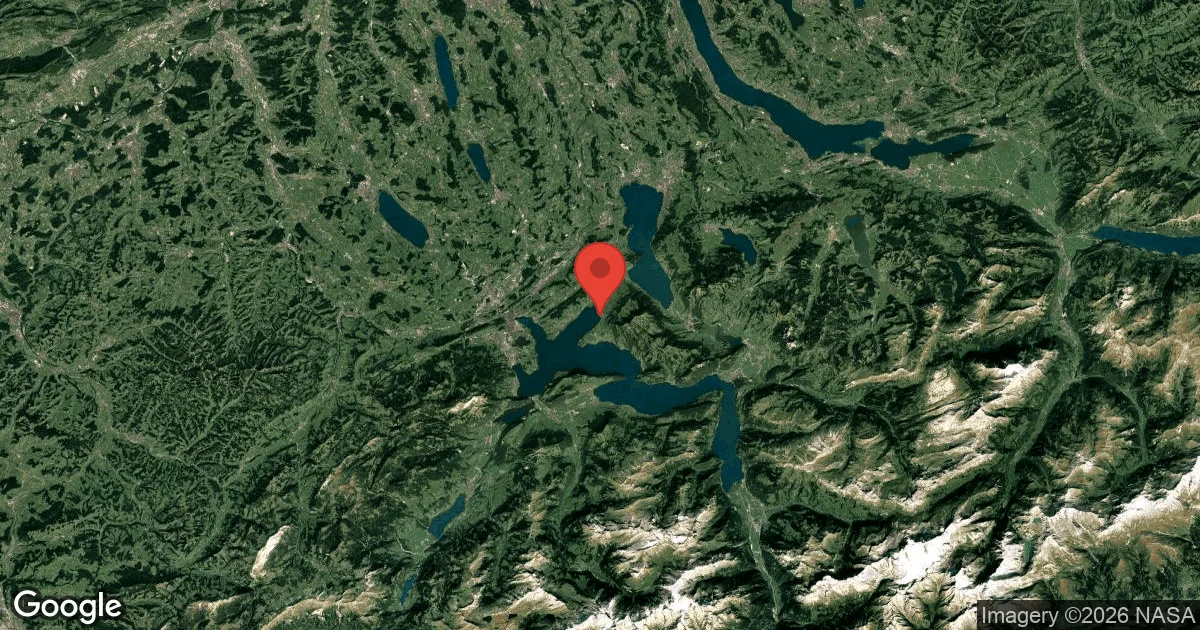
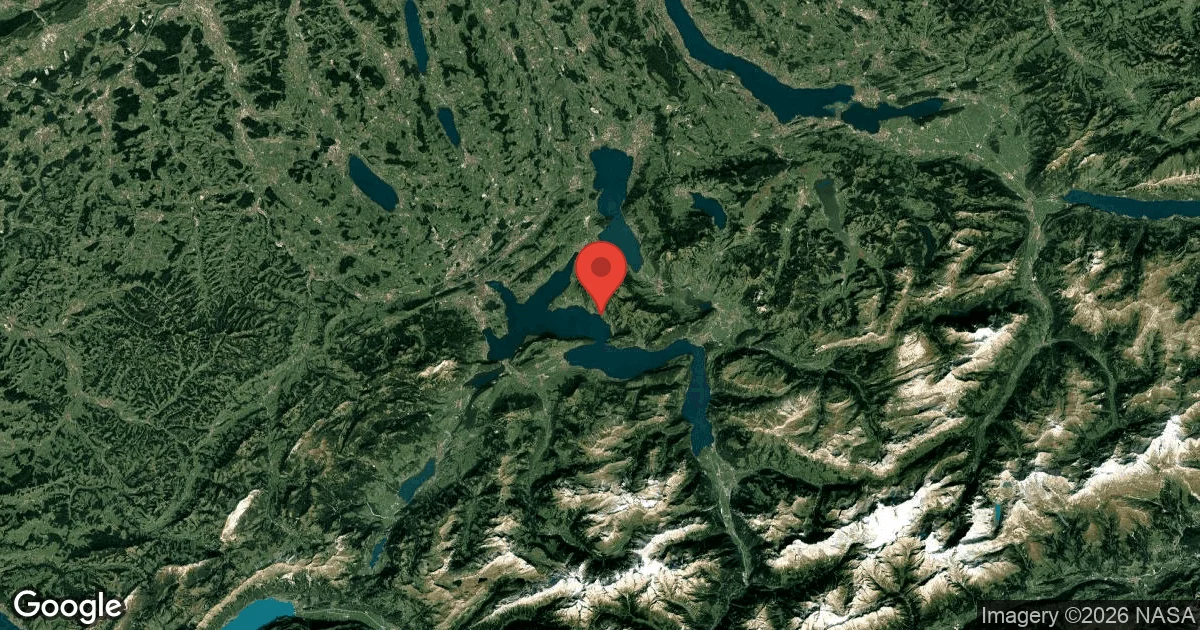
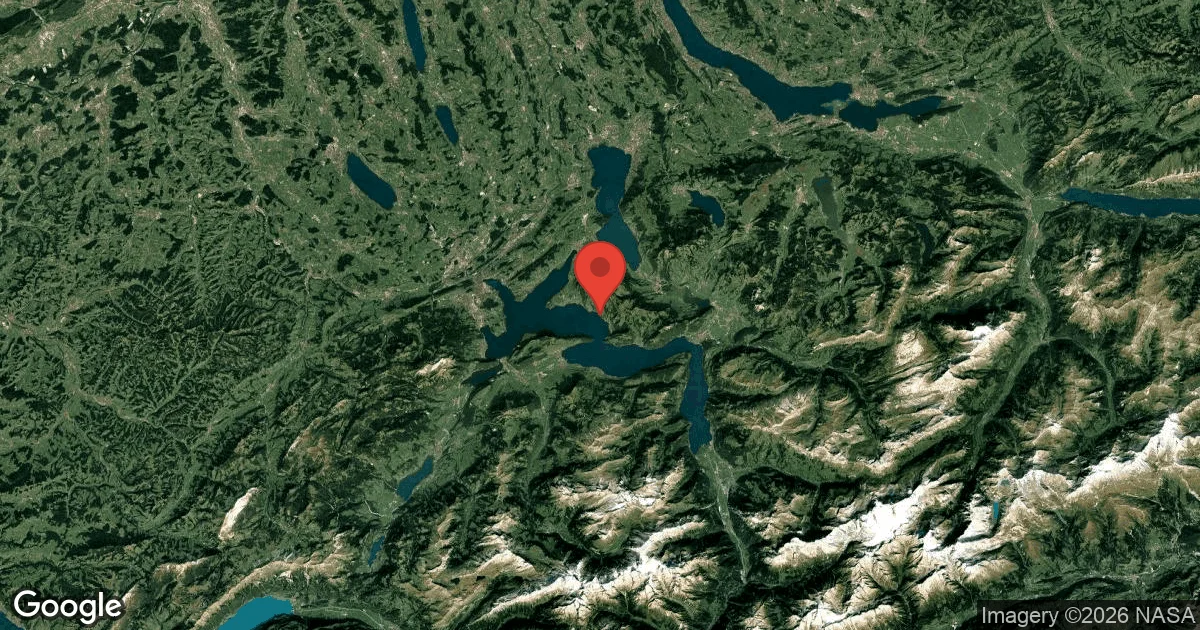
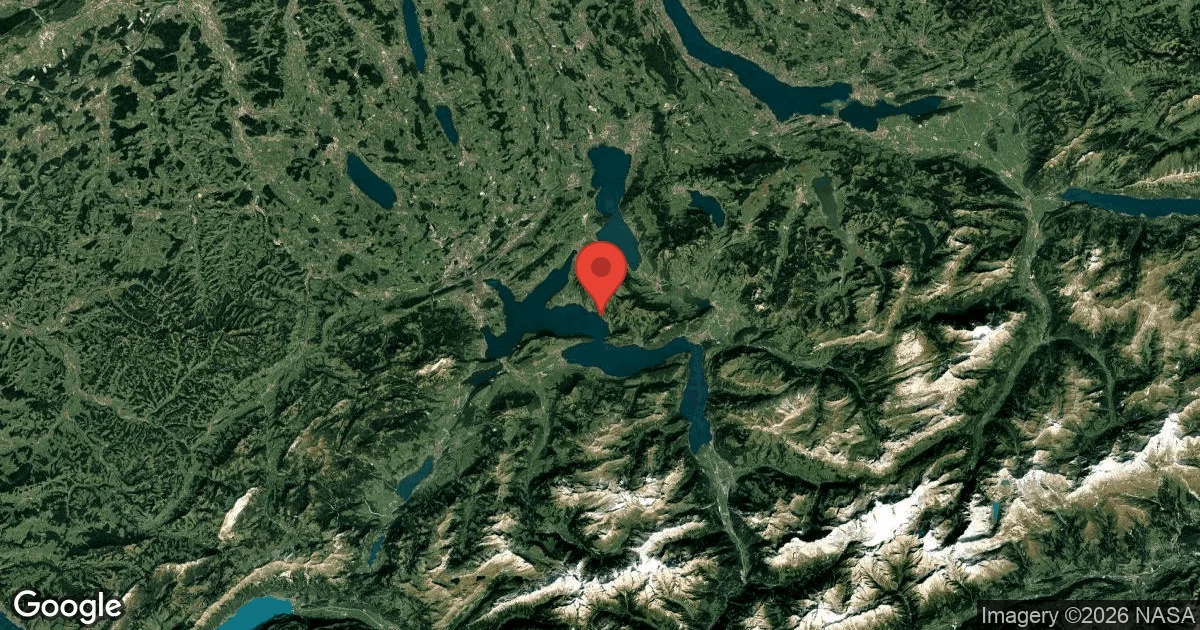
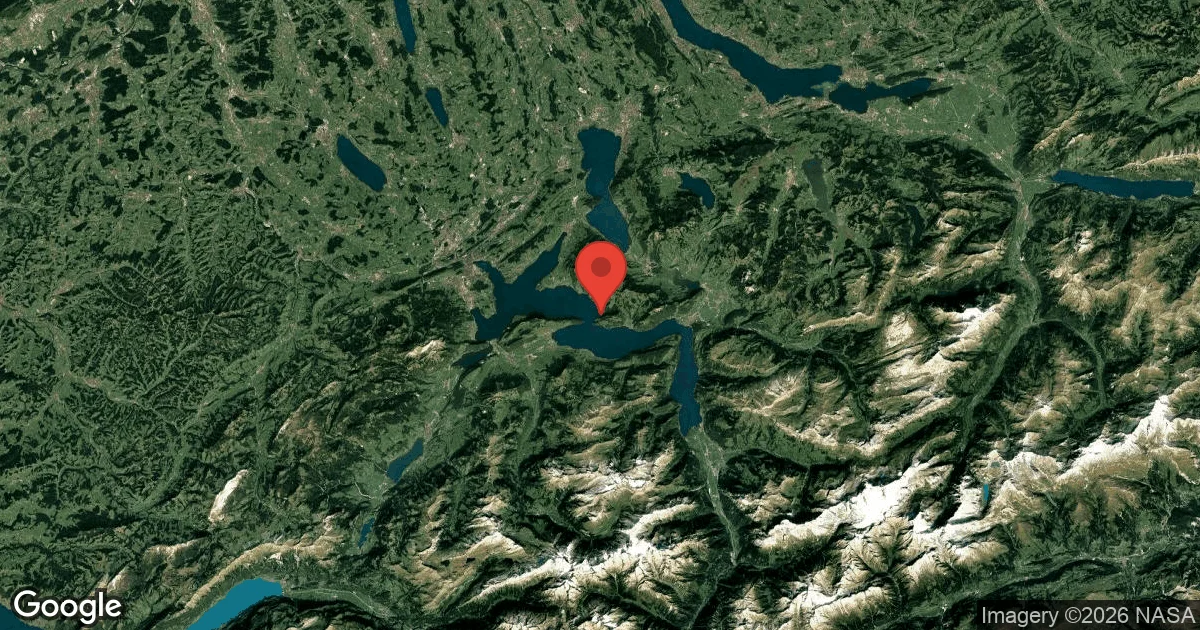
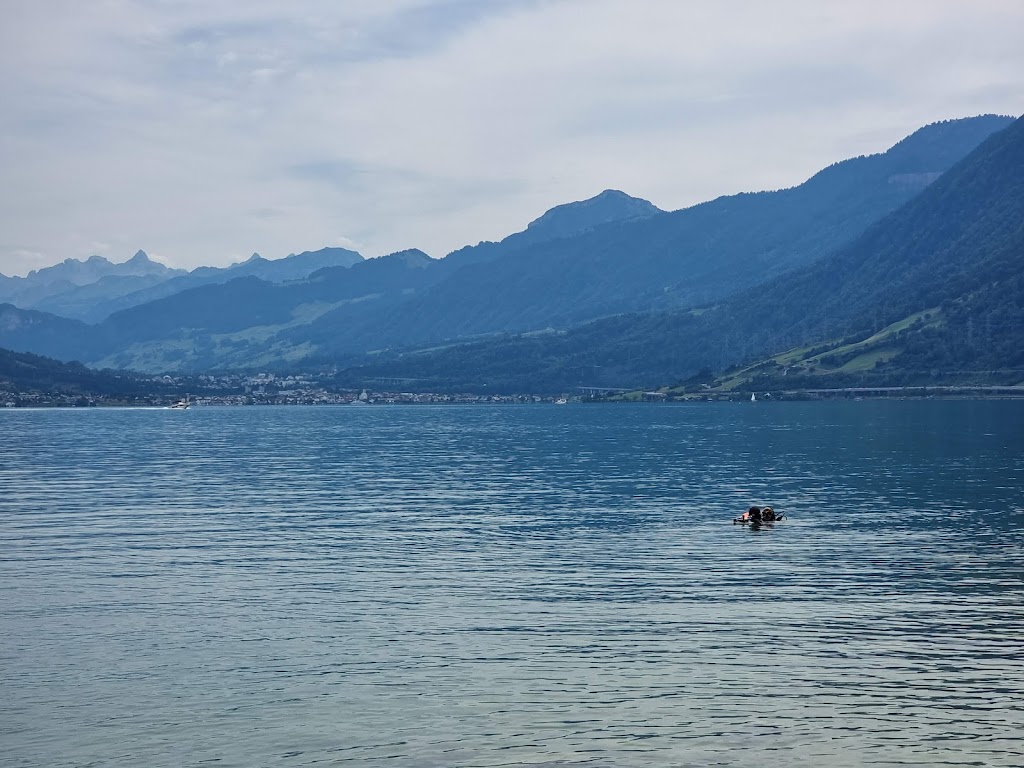
Lopper I Hergiswil presents an intermediate challenge for divers, best suited for those with previous lake diving experience. Situated in Lake Lucerne, the freshwater site extends to 30 m (100 ft) and requires careful planning for its variable visibility and cold water. This structured dive offers rewards for prepared individuals.
The latest environmental reading at Lopper I Hergiswil indicates an air temperature of 16°C. The regional climate in Switzerland is aligning with expected historical averages. Prepare your gear according to these specific local conditions.
Dive Site Location & Key Facts
Dive Site Overview
Exploring Lopper I Hergiswil reveals a structured freshwater diving experience within Lake Lucerne. With natural contours, the site provides an engaging environment where divers typically spend around 40 minutes exploring.
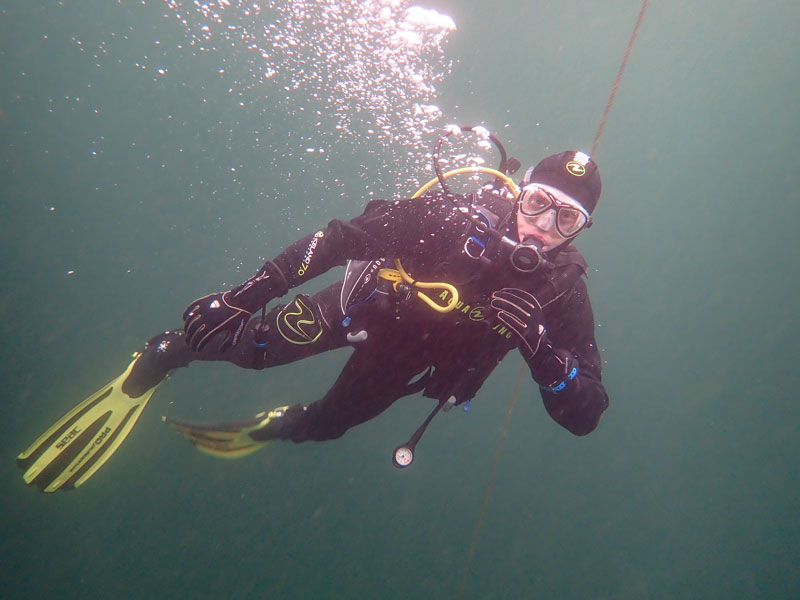
From a shore entry, divers use stairs to access the water, then follow a robust guide chain descending to approximately 10 m (33 ft). This chain proves invaluable for orientation, particularly during the ascent or in conditions of reduced visibility. Underwater, exploration to the left reveals extensive rock formations and scree slopes.
Geological features dominate depths between 10-20 m (33-66 ft), creating a rugged and varied landscape. Impressive formations include ledges and crevices, providing shelter for various freshwater species.
Bottom composition transitions from solid rock to areas of gravel and patches of submerged vegetation. A serene freshwater environment provides distinct light penetration and thermal profiles, setting it apart from typical marine sites.
Its unique geological shaping creates specific microhabitats, distinguishing it from saltwater dive experiences. Understanding these characteristics allows for a more attuned appreciation of the unique inland European aquatic ecosystems present here.
Conditions are Excellent
07:00 - 14:00
Optimal conditions expected
Current conditions near Lopper I Hergiswil show 16° air, --° sea temperature, N/A waves, and 9 km/h wind. Forecast data is refreshed regularly to ensure accuracy.
Best Time to Dive
Underwater temperatures at Lopper I Hergiswil show significant seasonal variation, dictating dive comfort and gear choices. During summer months, water temperatures range from 18-24°C (64-75°F), while winter diving sees colder temperatures of 4-8°C (39-46°F). Surface air temperatures during the recommended summer diving period (June to September) average around 19.5°C (67°F) in June, peaking at 21°C (70°F) in August. Rainfall during these months, while present, averages around 5-8 mm, which is manageable. For those preferring warmer conditions, the months of June through September are cited as optimal for dive comfort and potentially higher visibility. However, internal dive scores indicate 'Excellent' conditions in January, February, March, October, and December, suggesting good visibility and calm water despite colder air temperatures typically ranging from 3-8°C (37-46°F) and 13°C (55°F) in October. These colder months can provide some of the clearest freshwater visibility, making year-round diving plausible for prepared individuals.
PEAK SEASON SCORE
Scores combine air & water temps, waves, wind & rainfall for overall conditions.
BEST MONTHS TO DIVE
Monthly records compiled from satellite and marine observation nodes over the last 3 years. Data provided by Open-Meteo and MET Norway.
Dive Experience & Conditions
Impressive rock formations characterize the underwater landscape at Lopper I Hergiswil, shaping a distinct freshwater environment. Visibility here can fluctuate, typically spanning 5-15 m (16-49 ft), gradually revealing these features. Divers often feel a mild current, rarely strong enough to pose a significant challenge, contributing to a gentle flow. No surge is reported, which helps maintain stable conditions throughout most dives. Bottom structure feels solid under fin kicks, comprising a dynamic mix of solid rock, fine gravel, and patches of submerged vegetation. Moving deeper, particularly within the mid-depth range, these intricate formations loom, creating a rugged and engaging environment to explore. Such geological features foster diverse habitats, enhancing the freshwater experience. Cooler temperatures can be expected in deeper sections, a common characteristic of lake diving. Overall, the impression is peaceful exploration within a structured, yet natural, aquatic setting, offering subtle shifts in scenery and life as depth changes.
Dive Difficulty & Safety Guidelines
Given the site's intermediate difficulty, divers should possess adequate experience, particularly with freshwater lake conditions. While no strong currents or surge are reported, prudent planning includes monitoring local weather for changes in surface conditions. Entry is via shore using stairs, making equipment handling important.
A guide chain extends from the entry to around 10 m (33 ft), assisting with orientation and egress, especially useful in variable visibility. Maintaining awareness of depth and bottom time is crucial, particularly when exploring deeper sections towards the 30 m (100 ft) maximum depth.
There are no permits required for diving Lopper I Hergiswil, simplifying logistics, but personal responsibility for safe diving practices remains paramount.
Recommended Equipment
- Dive Computer
This gear list is based on verified equipment signals for Lopper I Hergiswil, Switzerland. Always confirm final gear choices with your dive operator, guide, or liveaboard.
Recommended Dive Suit
Because recent water temperature readings are not available for Lopper I Hergiswil, the guidance below is based mainly on current air conditions and seasonal expectations. Current surface air temperatures are roughly 16°C (61°F).
Longer-range forecasts show some uncertainty in upcoming temperature trends. A warming trend is expected over the next few days.
Based on regional estimates and current weather, the likely required exposure protection is a 5mm or thicker wetsuit. Note that local currents and upwellings can alter this. A thermal robe or jacket is recommended between dives. Many experienced divers adjust their exposure protection depending on the type of dive planned. Surface intervals may feel noticeably cooler once you exit the water.
Emergency & Medical Support
Essential information to help you plan your dive trip to Lopper I Hergiswil.

Hyperbaric chambers are a critical part of dive safety infrastructure. Availability varies significantly by region, and not all dive areas have immediate access.
Before diving, it's recommended to:
- confirm nearest medical facilities
- check emergency procedures with local dive operators
- ensure dive insurance covers evacuation if required
Divers Alert Network
Diving emergency assistance available through DAN Europe.
+39 0642115685- 24/7 emergency hotline
- Diving medical assistance
- Evacuation coordination
Emergency contacts are provided for reference. Always verify local emergency services before diving.
Closest Listed Hyperbaric Chambers
Showing listed hyperbaric chamber facilities within 200 km of this dive site.
Distances are approximate straight-line distances and may not reflect emergency travel time.
Centre Hyperbare de Bâle
Basel, Switzerland•Approx. 87 km straight-line
Centre Hyperbare de Bâle
Information is provided for reference and planning purposes only. Dive Navigator does not verify operational status, staffing, availability, or quality of care at listed facilities. In an emergency, contact local emergency services, DAN, your dive operator, or the chamber directly. Do not travel to a facility without calling ahead.
Hospitasuisse SA
24/7 ListedBioggio - Lugano, Switzerland•Approx. 116 km straight-line
Hospitasuisse SA
24/7 ListedInformation is provided for reference and planning purposes only. Dive Navigator does not verify operational status, staffing, availability, or quality of care at listed facilities. In an emergency, contact local emergency services, DAN, your dive operator, or the chamber directly. Do not travel to a facility without calling ahead.
Unité de Medecine Subaquatique et Hyperbare des HUG
24/7 ListedICU CapableGeneva 14, Switzerland•Approx. 188 km straight-line
Unité de Medecine Subaquatique et Hyperbare des HUG
24/7 ListedICU CapableInformation is provided for reference and planning purposes only. Dive Navigator does not verify operational status, staffing, availability, or quality of care at listed facilities. In an emergency, contact local emergency services, DAN, your dive operator, or the chamber directly. Do not travel to a facility without calling ahead.
Marine Life at Lopper I Hergiswil
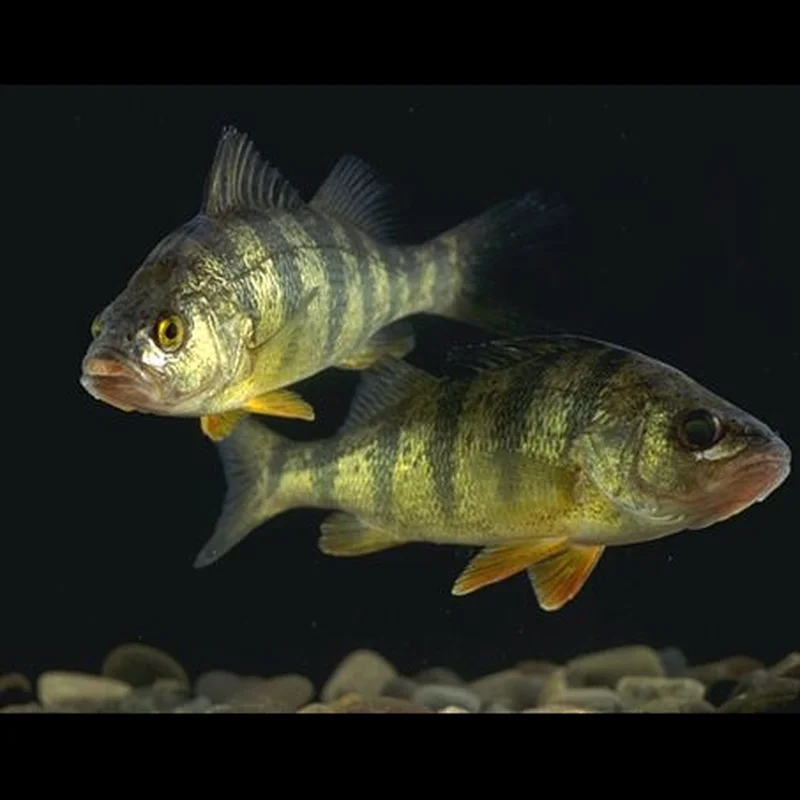
Freshwater inhabitants find ample shelter within Lopper I Hergiswil's underwater landscape. Among the rock formations and along the gravelly bottom, divers commonly encounter schools of Eglis (perch).
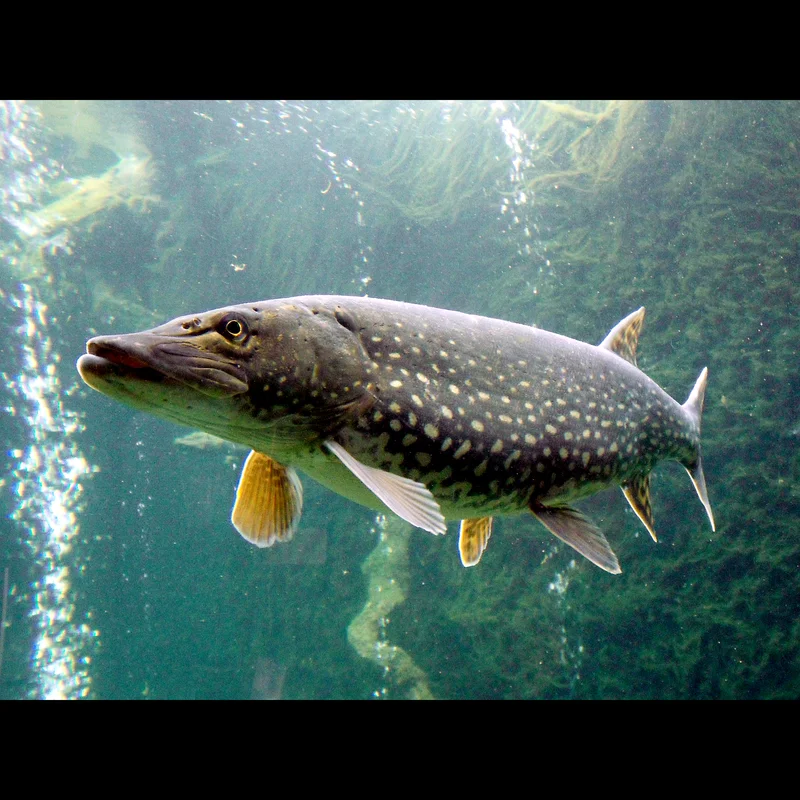
Numerous perch, in turn, often attract larger predatory fish; Pike (Hechte) are regularly observed. Eels (Aale) and Burbot (Trüschen) are also periodic residents, particularly in the shallower, vegetated areas.
This interplay between fish and the site's unique geological features creates a dynamic, albeit subtle, display of aquatic life within Lake Lucerne's ecosystem.

Dive Sites Near Lopper I Hergiswil
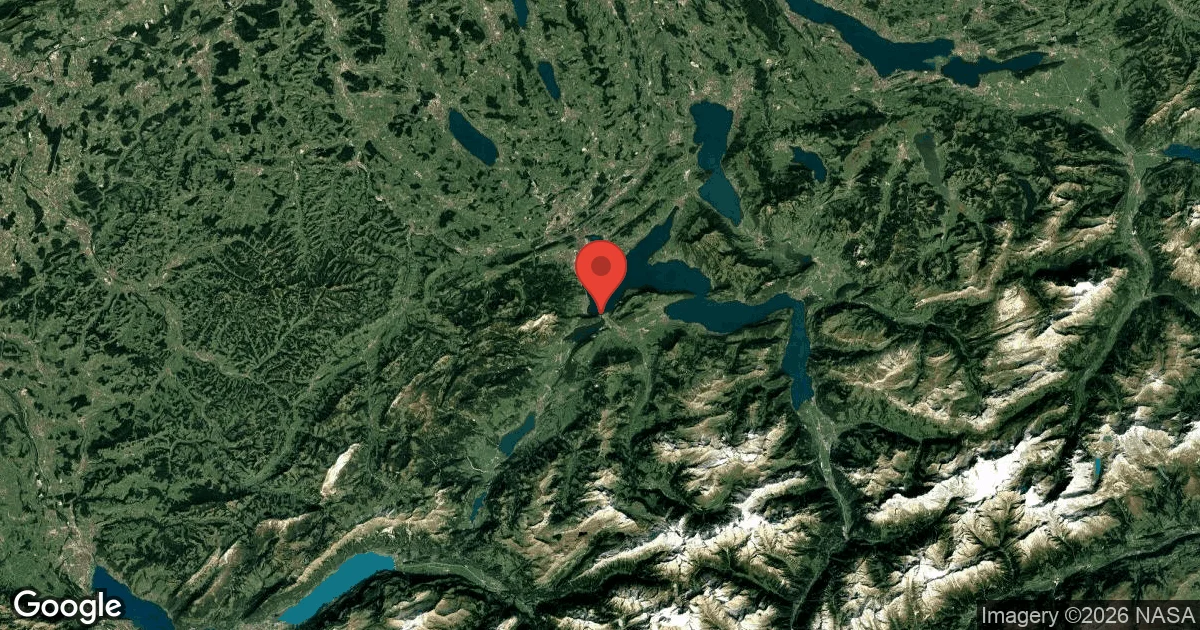
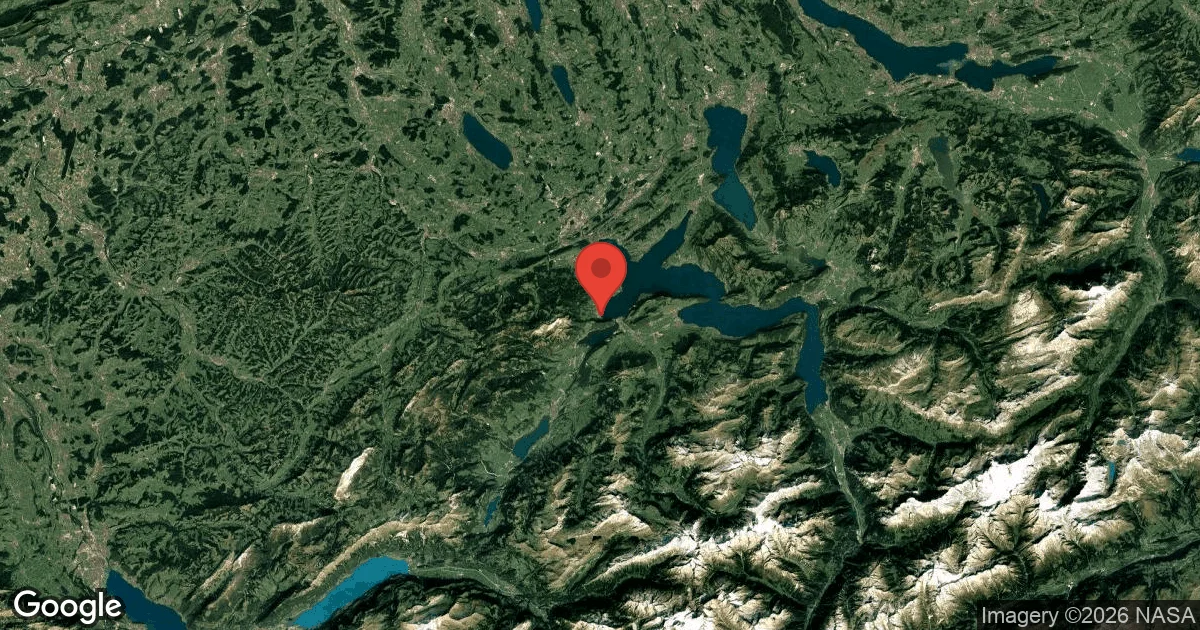
View all dive sites in SwitzerlandDiscover more underwater gems in this area.
Dive Centers Near Lopper I Hergiswil
Today: 09:00 - 16:00
Nearest Airports
Nearest airports to help plan travel to this dive area.
Search Flights
Check available flights and routes on Expedia, using the nearby airports listed in this section.
Search Flights on ExpediaFrequently Asked Questions
What is the maximum depth at Lopper I Hergiswil?
Maximum dive depth at Lopper I Hergiswil is 30 m (100 ft). Divers should plan profiles accordingly, staying within certification limits.
What is the typical water temperature?
Water temperatures vary significantly by season. Summer temperatures range from 18-24°C (64-75°F), while winter temperatures are much colder, typically 4-8°C (39-46°F).
What marine life can I expect to see?
Divers frequently observe Eglis (perch), and may also encounter Pike (Hechte), Eels (Aale), and Burbot (Trüschen). Rock formations and vegetation at the site provide habitat for these freshwater species.
Is Lopper I Hergiswil suitable for beginner divers?
Lopper I Hergiswil is classified as having intermediate difficulty. Some prior diving experience, especially in lake environments, is recommended for safe and enjoyable exploration.
Are permits required to dive here?
No permits are required for diving at Lopper I Hergiswil, simplifying the logistics for individual divers.
What are the entry conditions like?
Entry to the site is from the shore via a set of stairs. A guide chain extends into the water to assist divers with orientation and exiting the site.
When is the best time to dive Lopper I Hergiswil?
For warmer conditions, June through September are popular. However, colder months like January, February, March, October, and December often offer excellent visibility despite lower air and water temperatures.
Planning to dive Lopper I Hergiswil?
Send one inquiry and receive offers directly from the best verified local dive operators.
Conditions are Excellent
07:00 - 14:00
Optimal conditions expected
Current conditions near Lopper I Hergiswil show 16° air, --° sea temperature, N/A waves, and 9 km/h wind. Forecast data is refreshed regularly to ensure accuracy.