
Diving at Seebad (Gummiberg) Vitznau (Switzerland)
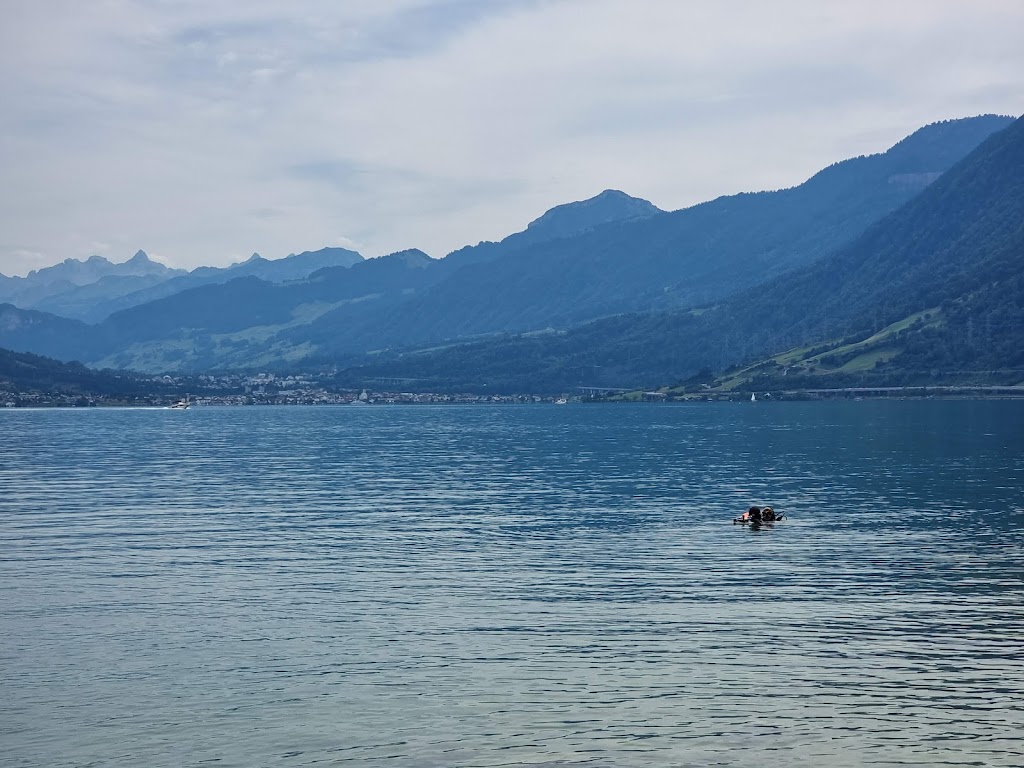
Descending into Lake Lucerne at Seebad (Gummiberg) Vitznau offers a distinct freshwater dive experience. The journey begins with accessible shore entry, leading into submerged terrain that reveals itself gradually. Divers here appreciate the tranquil environment and the anticipation of spotting indigenous freshwater species. It's a site that rewards observant exploration rather than vast open vistas. Preparations are key for an enjoyable descent into its cool, clear waters, providing a memorable immersion for certified divers.
Recent updates for Seebad (Gummiberg) Vitznau show an air temperature measuring 17.5°C. Overall water conditions reflect the typical seasonal state for Switzerland. Please exercise standard safety precautions before entering the water.
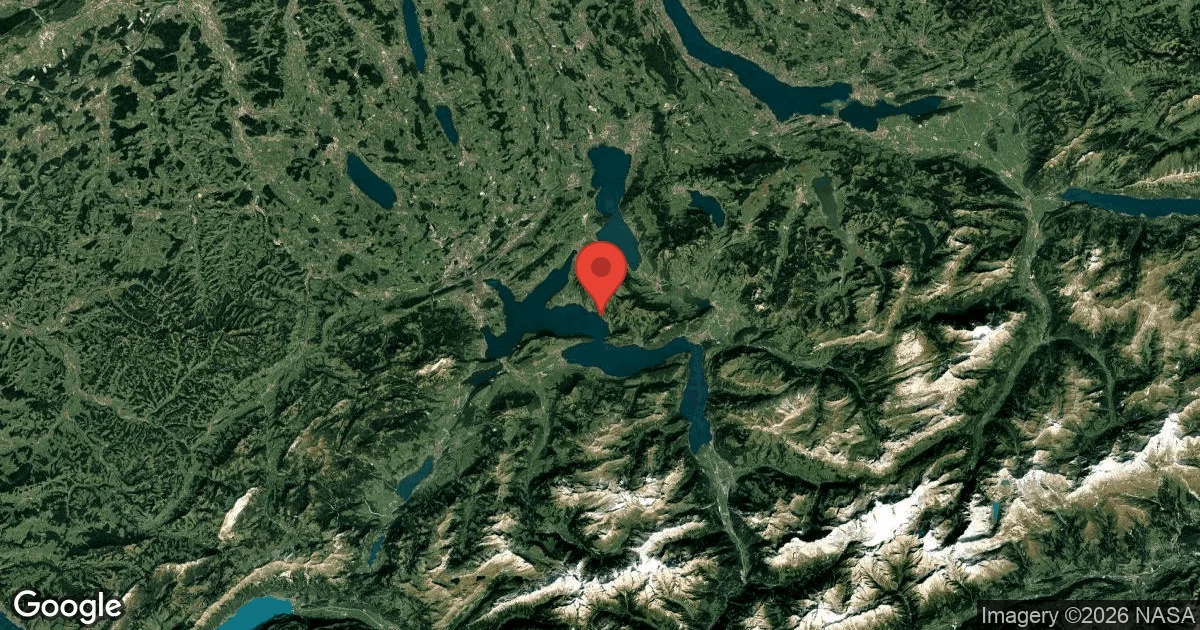
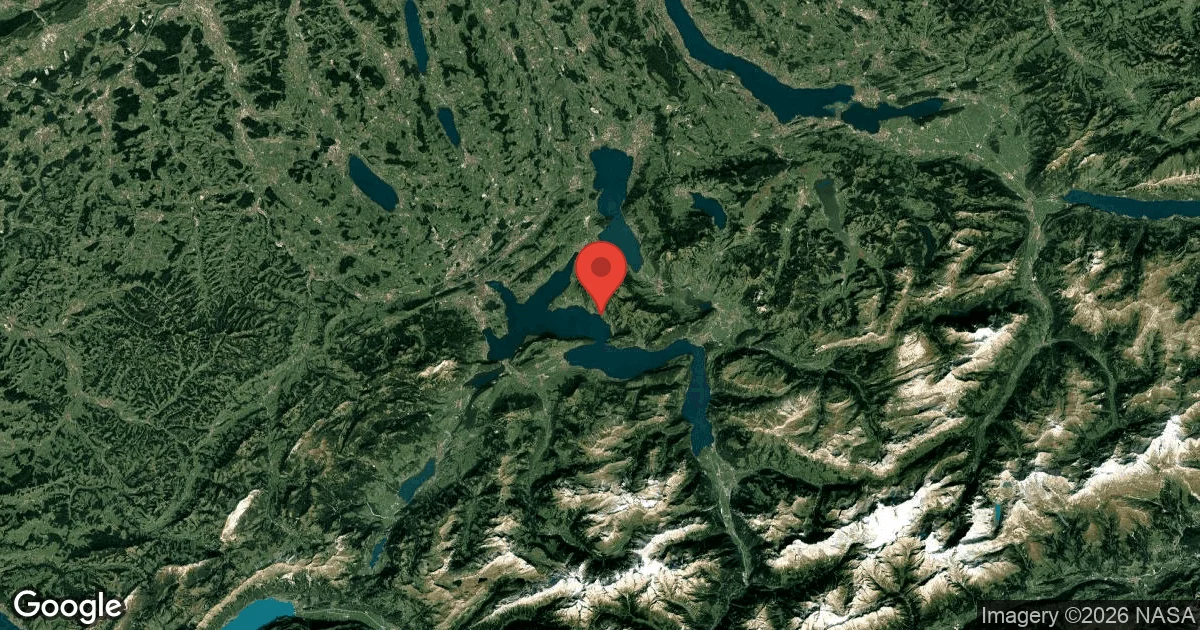
Dive Site Location & Key Facts
Dive Site Overview
The topography of Seebad (Gummiberg) Vitznau unfolds beneath the surface with a sloping profile characteristic of many Swiss lake dives. Entry is typically from the shore, transitioning into a gentle decline.
Along the 'Gummiberg' a narrow path provides access, leading to the water's edge. As divers progress, the lakebed gradually descends, presenting various bottom compositions. Visibility here varies, but often allows for good appreciation of the underwater landscape.
While not featuring dramatic walls, the site does offer interesting nooks and features that provide cover for aquatic life. This location, part of Lake Lucerne, is known for its deep, clear waters when conditions align.
Divers exploring deeper sections should be mindful of ambient light reduction. Being a lake dive, it provides ample room for exploration and skill development.
It's an ideal location for those seeking a peaceful immersion away from strong currents. Expect to navigate a gradual slope that may lead to deeper areas, depending on your dive plan and certification level.
Conditions are Excellent
07:00 - 14:00
Optimal conditions expected
Current conditions near Seebad (Gummiberg) Vitznau show 17° air, --° sea temperature, N/A waves, and 8 km/h wind. Forecast data is refreshed regularly to ensure accuracy.
Best Time to Dive
Optimizing your dive at Seebad (Gummiberg) Vitznau often revolves around visibility, which can be influenced by seasonal changes and recent weather. The dive scores indicate consistently favorable conditions for much of the year, with many months rated 'Good' or 'Excellent'. For comfortable surface intervals, the warmer air temperatures from June to August, averaging between 19.5-21.5°C (67-71°F), are most appealing. However, these months also see higher average rainfall, up to 9.37 mm in July, which might temporarily affect surface conditions or turbidity. Conversely, cooler months like January and February, with air temperatures around 4-6°C (39-43°F), present a different experience. Rainfall is typically lower during these colder periods, often around 4.02 mm, potentially contributing to clearer water. Many divers prefer spring and autumn for stable conditions and fewer surface crowds, even if air temperatures are milder, ranging from 8-17.5°C (46-64°F). Ultimately, planning your visit with an eye on the forecast will help maximize your chances for optimal clarity.
PEAK SEASON SCORE
Scores combine air & water temps, waves, wind & rainfall for overall conditions.
BEST MONTHS TO DIVE
Monthly records compiled from satellite and marine observation nodes over the last 3 years. Data provided by Open-Meteo and MET Norway.
Dive Experience & Conditions
Your descent into Lake Lucerne at Seebad (Gummiberg) Vitznau typically begins with a gradual entry from the shore. As you go deeper, expect water temperatures to drop, a common characteristic of lake diving. Thermoclines are present and can be quite distinct, especially during warmer months, creating layers of varying temperatures. Surface conditions are usually calm, given the sheltered nature of the lake, but wind speeds average between 6.4-7.6 km/h (4-5 mph) and could create minor ripples. Visibility can range significantly; it's generally good but may be reduced by natural sediment or seasonal algae blooms. The absence of strong currents makes this an approachable site for various skill levels. Navigating the underwater slope requires good buoyancy control to avoid disturbing the bottom. Be prepared for the colder water as you explore, and always monitor your depth and no-decompression limits.
Dive Difficulty & Safety Guidelines
While Seebad (Gummiberg) Vitznau does not present specific hazards beyond general lake diving considerations, cold water is a primary factor. Always plan your dive with appropriate thermal protection to manage colder temperatures, particularly in deeper areas or during colder seasons. Limited visibility is a possibility, so maintaining close contact with your buddy and using dive lights are prudent practices.
A narrow path along the 'Gummiberg' leads to the entry, requiring careful transport of gear. Paid parking is available, but ensure your vehicle isn't obstructing access points or local traffic.
Familiarize yourself with local regulations regarding boat traffic, though it's not consistently reported as a major issue directly at the entry point. Divers should exercise caution during road crossings to the entry area if applicable. As with any freshwater environment, respecting the local ecosystem is paramount.
Recommended Equipment
- Dive Computer
This gear list is based on verified equipment signals for Seebad (Gummiberg) Vitznau, Switzerland. Always confirm final gear choices with your dive operator, guide, or liveaboard.
Recommended Dive Suit
Because recent water temperature readings are not available for Seebad (Gummiberg) Vitznau, the guidance below is based mainly on current air conditions and seasonal expectations. Current surface air temperatures are roughly 17°C (63°F).
Longer-range forecasts show some uncertainty in upcoming temperature trends. A warming trend is expected over the next few days.
Based on regional estimates and current weather, the likely required exposure protection is a 5mm or thicker wetsuit. Note that local currents and upwellings can alter this. Some divers naturally tolerate cooler water better than others. Surface intervals may feel noticeably cooler once you exit the water.
Emergency & Medical Support
Essential information to help you plan your dive trip to Seebad (Gummiberg) Vitznau.

Hyperbaric chambers are a critical part of dive safety infrastructure. Availability varies significantly by region, and not all dive areas have immediate access.
Before diving, it's recommended to:
- confirm nearest medical facilities
- check emergency procedures with local dive operators
- ensure dive insurance covers evacuation if required
Divers Alert Network
Diving emergency assistance available through DAN Europe.
+39 0642115685- 24/7 emergency hotline
- Diving medical assistance
- Evacuation coordination
Emergency contacts are provided for reference. Always verify local emergency services before diving.
Closest Listed Hyperbaric Chambers
Showing listed hyperbaric chamber facilities within 200 km of this dive site.
Distances are approximate straight-line distances and may not reflect emergency travel time.
Centre Hyperbare de Bâle
Basel, Switzerland•Approx. 93 km straight-line
Centre Hyperbare de Bâle
Information is provided for reference and planning purposes only. Dive Navigator does not verify operational status, staffing, availability, or quality of care at listed facilities. In an emergency, contact local emergency services, DAN, your dive operator, or the chamber directly. Do not travel to a facility without calling ahead.
Hospitasuisse SA
24/7 ListedBioggio - Lugano, Switzerland•Approx. 114 km straight-line
Hospitasuisse SA
24/7 ListedInformation is provided for reference and planning purposes only. Dive Navigator does not verify operational status, staffing, availability, or quality of care at listed facilities. In an emergency, contact local emergency services, DAN, your dive operator, or the chamber directly. Do not travel to a facility without calling ahead.
Marine Life at Seebad (Gummiberg) Vitznau
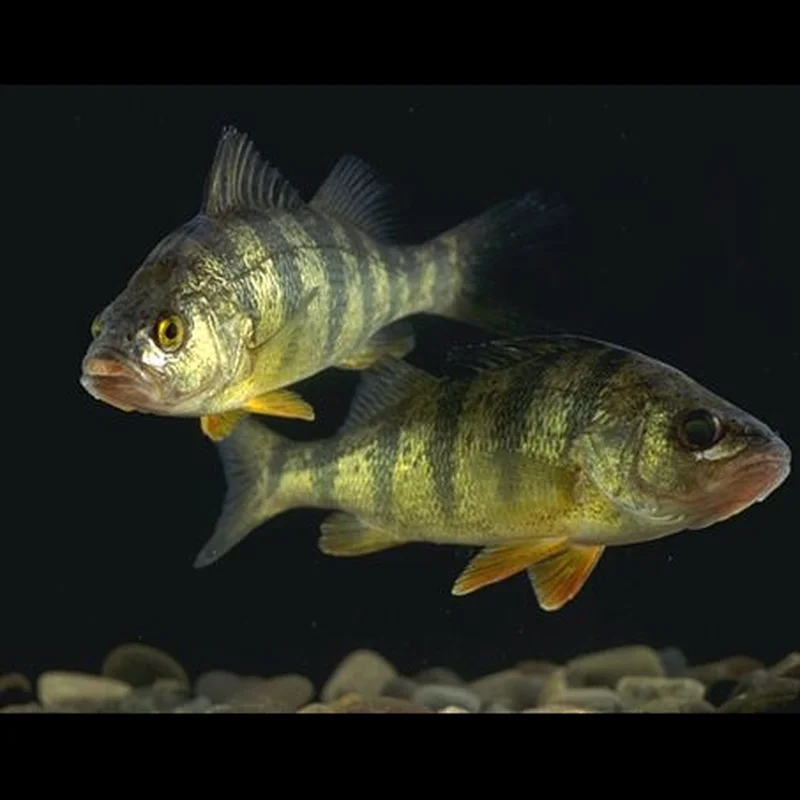
Exploring Seebad (Gummiberg) Vitznau offers opportunities to observe a variety of freshwater fish that call Lake Lucerne home. With some luck, divers might encounter Egli, commonly known as perch, often seen schooling or near submerged structures.
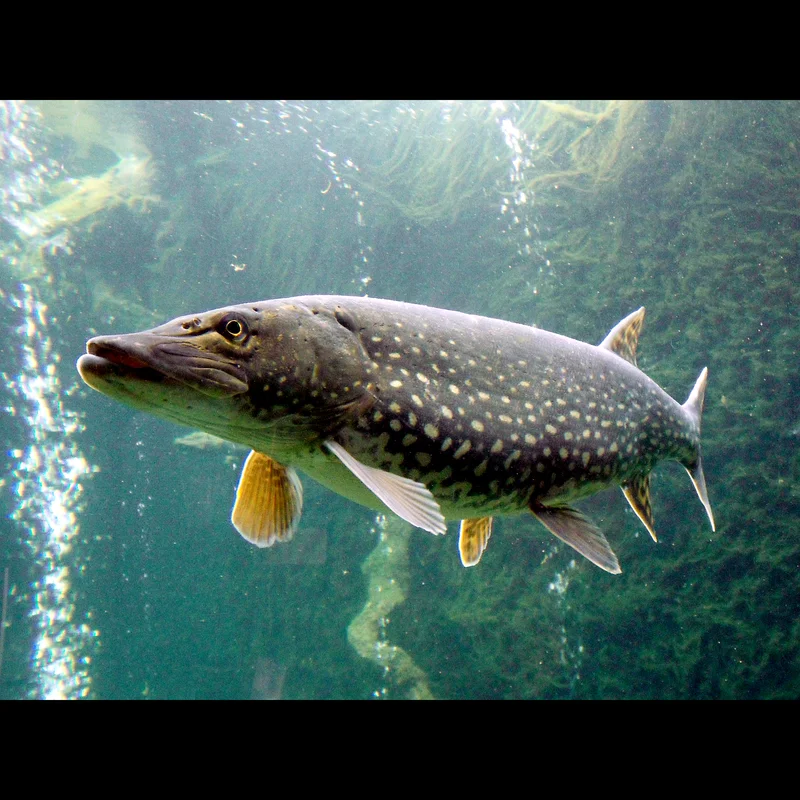
Pike (Hechte) are also a possibility, known for their predatory nature and camouflaged presence. For those with a keen eye, the elusive Trüschen, or burbot, could make an appearance, particularly in cooler, deeper waters.
Wildlife sightings depend on the season and prevailing conditions, adding an element of surprise to each dive. These encounters provide a glimpse into the unique biodiversity of this alpine lake environment.

Dive Sites Near Seebad (Gummiberg) Vitznau
View all dive sites in SwitzerlandDiscover more underwater gems in this area.
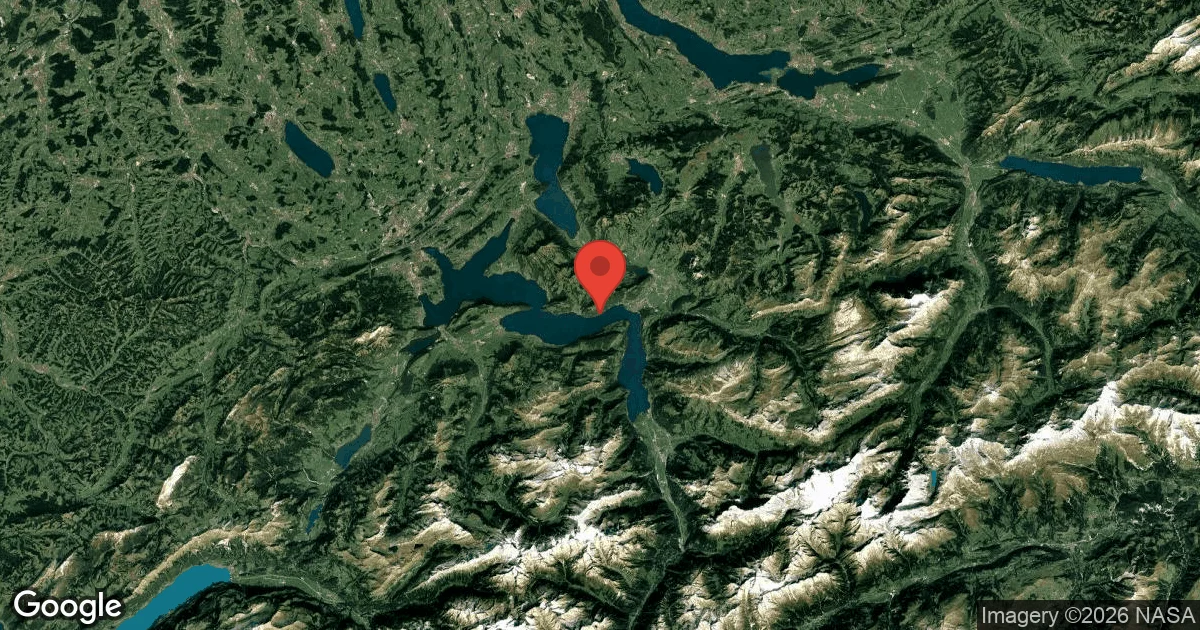
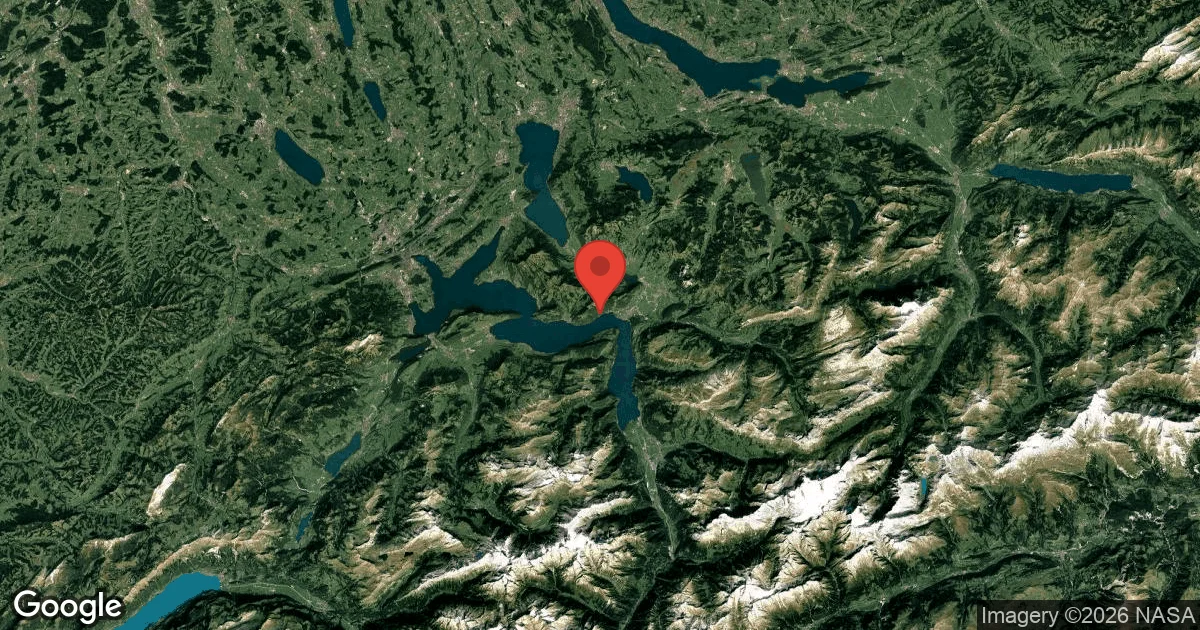
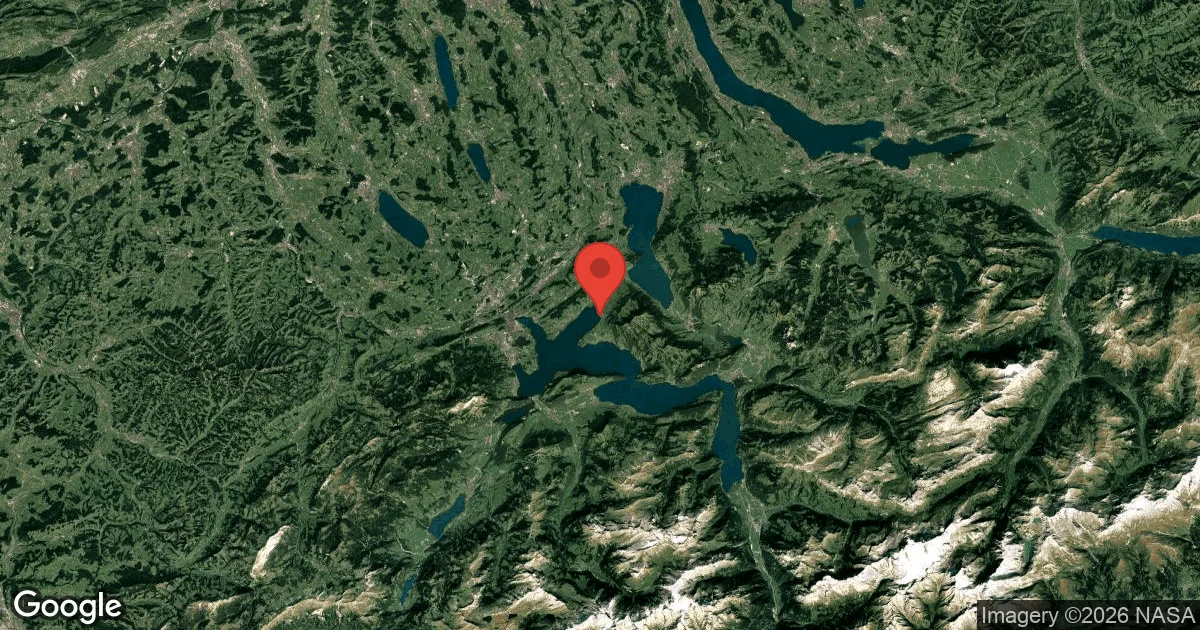
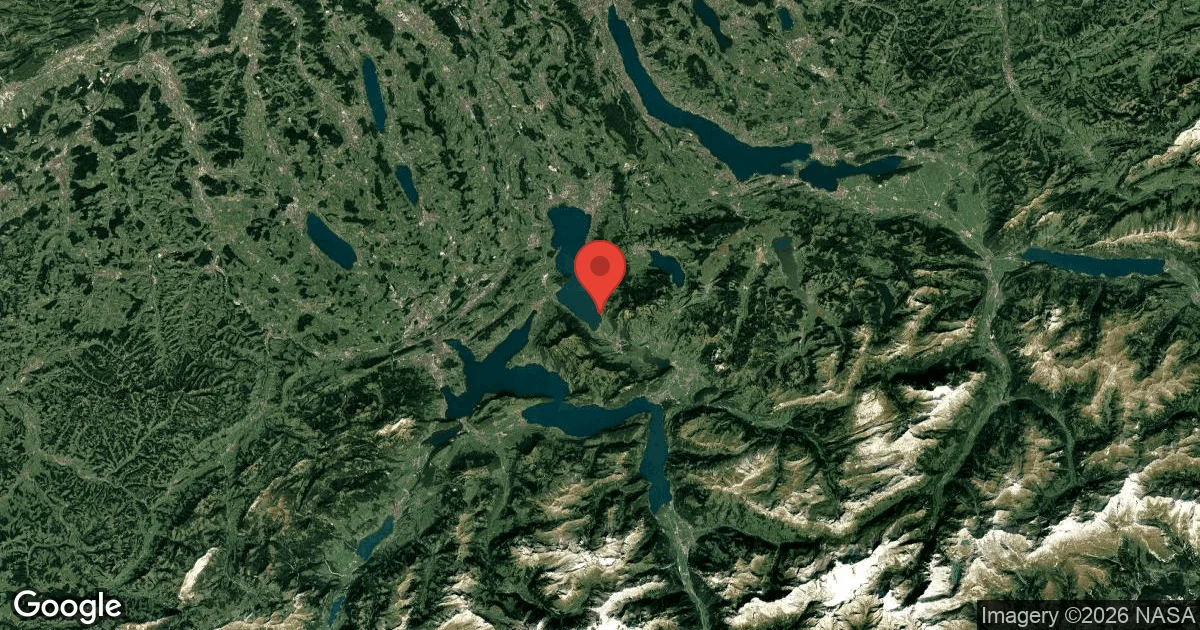
Dive Centers Near Seebad (Gummiberg) Vitznau
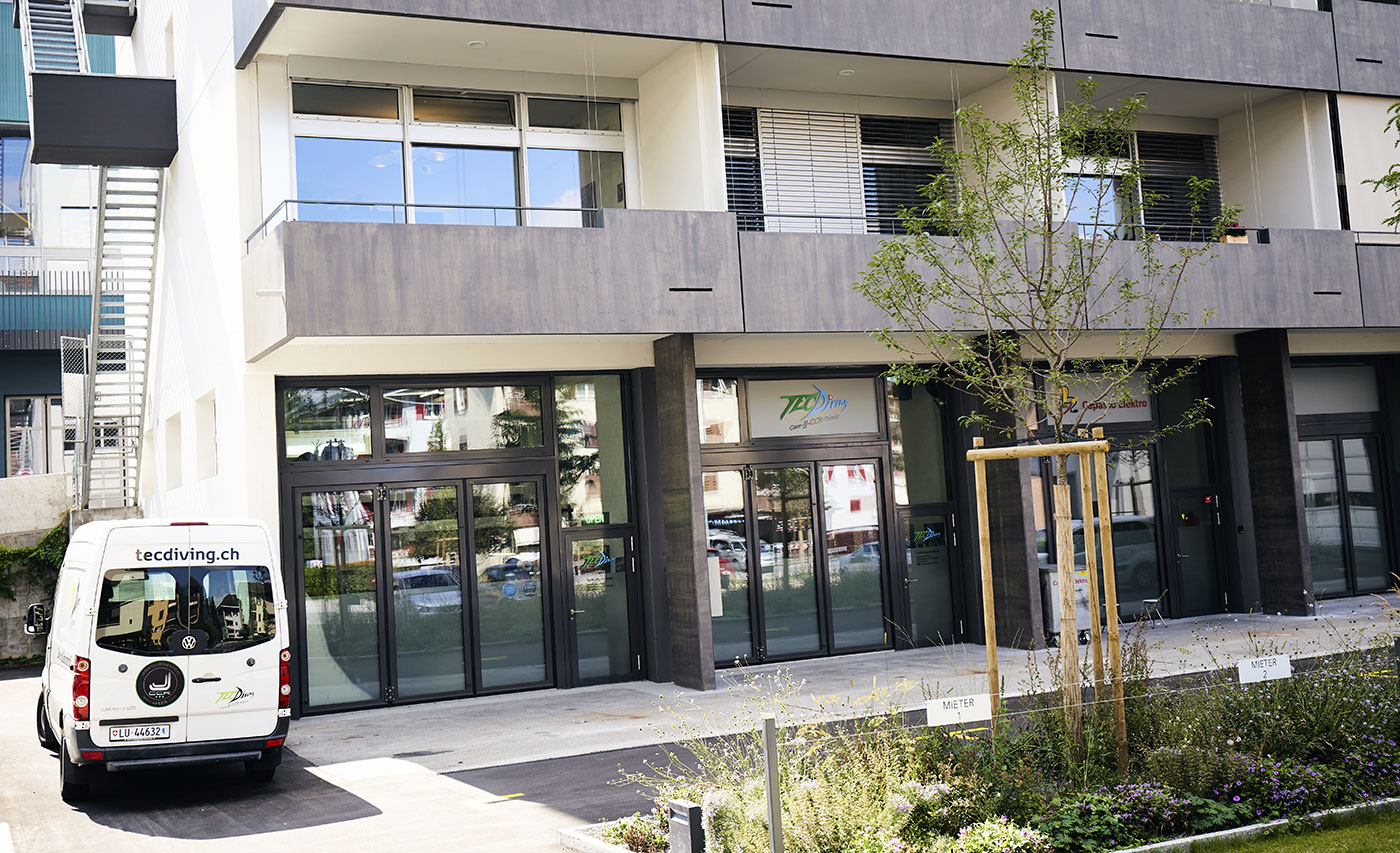
Today: Open 24 hours
Nearest Airports
Nearest airports to help plan travel to this dive area.
Search Flights
Check available flights and routes on Expedia, using the nearby airports listed in this section.
Search Flights on ExpediaFrequently Asked Questions
How do I get to the dive site?
The dive site is accessible via a narrow path along the 'Gummiberg'. You'll find paid parking available, from which the path leads directly to the entry point.
What fish species can I observe while diving?
With a bit of luck, you can observe freshwater fish such as Egli (perch), pike, and burbot. These species are native to Lake Lucerne and can be found throughout the dive site.
What are the typical water temperatures?
Water temperatures in Lake Lucerne vary significantly with depth and season. Expect colder conditions below the thermocline, especially outside of peak summer months. Proper thermal protection is always recommended.
How is the visibility at Seebad (Gummiberg) Vitznau?
Visibility is generally good in Lake Lucerne, but it can fluctuate. Factors like recent rainfall, seasonal plankton blooms, or stirred-up sediment can temporarily affect clarity.
What is the maximum depth available at this dive site?
The site features a gradual slope characteristic of lake diving. While specific maximum depths for this site are not consistently reported, divers can explore to recreational limits based on their certification, mindful of colder deeper water.
Are there any strong currents?
Typically, strong currents are not a concern at Seebad (Gummiberg) Vitznau. Lake dives generally offer calm conditions, making it suitable for relaxed exploration.
When is the best time of year to dive here?
The site offers enjoyable diving year-round, with good to excellent dive scores for most months. Many divers favor spring and autumn for clearer water and fewer surface crowds, although summer provides warmer air temperatures.
Planning to dive Seebad (Gummiberg) Vitznau?
Send one inquiry and receive offers directly from the best verified local dive operators.
Conditions are Excellent
07:00 - 14:00
Optimal conditions expected
Current conditions near Seebad (Gummiberg) Vitznau show 17° air, --° sea temperature, N/A waves, and 8 km/h wind. Forecast data is refreshed regularly to ensure accuracy.