
Diving at Koh Ha Lagoon (Thailand)
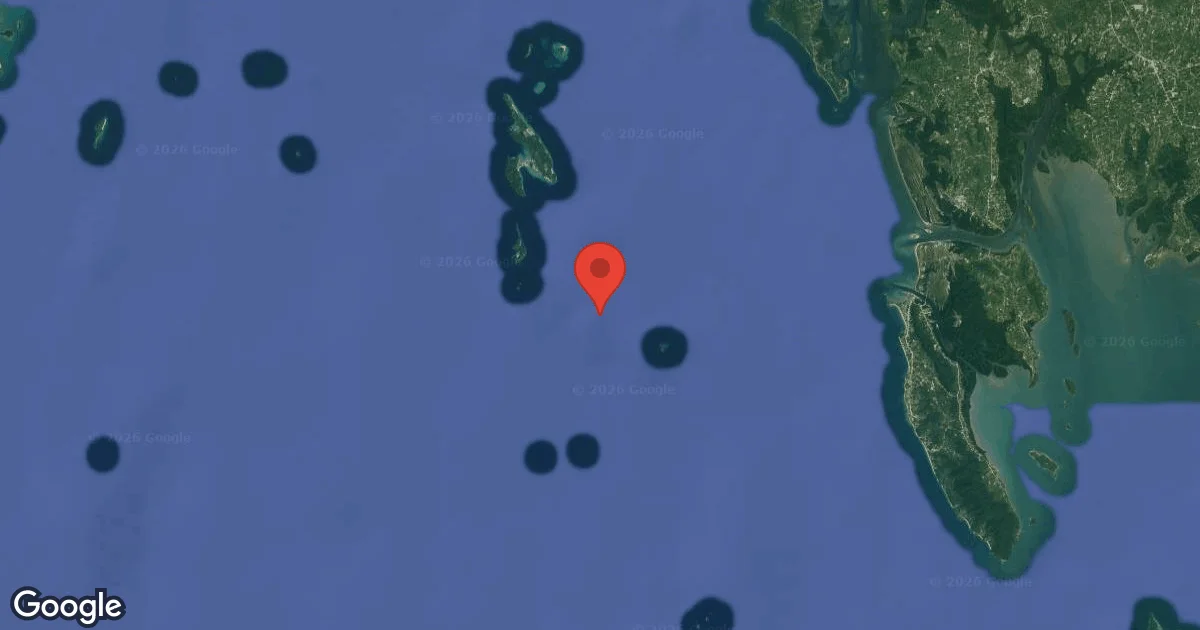
Diving at Koh Ha Lagoon presents a dynamic environment, particularly appealing to those seeking varied underwater experiences within a sheltered setting. This site, centrally positioned among three of the Koh Haa islands, acts as a natural sanctuary. While its inner waters remain shallow, the surrounding slopes and rock formations introduce deeper zones. Currents here are typically mild to medium, creating predictable conditions for exploration. It's a location that adapts well to various skill levels, from new divers practicing skills to snorkelers and macro enthusiasts.
As evening covers Koh Ha Lagoon, the local air temperature is measured at 27°C. The current wave height at the surface is recorded at 1.4 m. These late-day readings characterize the surface conditions for the night.
Dive Site Location & Key Facts
Dive Site Overview
Providing both a safe training ground and a vibrant ecological hub, Koh Ha Lagoon serves as a central point among three distinct Koh Haa islands. Its sheltered interior offers pristine coral reefs and tranquil, turquoise waters, creating a consistently inviting dive environment.
Divers of all levels find an ideal setting here; beginners can practice skills within its clear, calm shallows, while experienced individuals can explore the gentle slopes outwards from the central basin. Excellent visibility, often ranging from 10 to 30 meters, greatly enhances observation of the delicate ecosystem. This clarity allows for detailed appreciation of the varied marine life inhabiting the extensive sandy bottoms and the thriving coral reef structures.
Expansive fine white sand areas within the lagoon also make for perfect safety stops, offering a comfortable and visually appealing end to a dive. Beyond its appeal for divers, many recognize the lagoon as a premier snorkeling location, especially within its shallower, sunlit reef areas.
A unique blend of these expansive sandy stretches and deeper, life-dotted rock formations creates diverse exploration opportunities without excessive depths, making every visit rewarding.
Conditions are Moderate
Optimal conditions expected
Current conditions near Koh Ha Lagoon show 27° air, 30° sea temperature, 1.5 m waves, and 26 km/h wind. Forecast data is refreshed regularly to ensure accuracy.
Best Time to Dive
For an optimal dive experience at Koh Ha Lagoon, planning your visit between November and April is typically recommended. During these months, conditions are generally at their most favorable, with March often receiving an 'Excellent' dive score. The air temperature throughout this period consistently ranges from approximately 27.5-29°C (82-84°F), making surface intervals comfortable. Rainfall is notably lower during these months, especially from January to April, with monthly averages often less than 5 mm. Wave heights tend to be reduced as well, contributing to calmer surface conditions and smoother boat rides. While external data on water temperature for the lagoon specifically is not consistently reported, regional patterns suggest warm, inviting waters year-round. Whale sharks are also more commonly spotted during this high season. Conversely, the monsoon season from June to September sees higher rainfall and increased wave activity, reflected in moderate dive scores, which may impact overall dive enjoyment and accessibility.
PEAK SEASON SCORE
Scores combine air & water temps, waves, wind & rainfall for overall conditions.
BEST MONTHS TO DIVE
Monthly records compiled from satellite and marine observation nodes over the last 3 years. Data provided by Open-Meteo and MET Norway.
Dive Experience & Conditions
Entering Koh Ha Lagoon, divers will immediately appreciate the typically low currents, making this a relaxed and approachable site for all skill levels. The lagoon itself is predominantly shallow, with depths reaching about 5 m (16 ft), characterized by expansive sandy bottoms and vibrant coral reefs. As one ventures towards the edges of the lagoon and between the islands, the topography transitions to gentle slopes dotted with rock formations, gradually leading to deeper sections. Visibility within the lagoon is often stunning, consistently reported between 10-30 m (33-100 ft), allowing for clear views of both macro life and larger schools of fish. Water temperatures are generally warm, creating comfortable conditions for extended dives. This environment provides an ideal setting for beginner training, underwater photography, and leisurely exploration of a thriving marine ecosystem, including the chance to observe unique macro species and juvenile marine life sheltering in the shallows.
Dive Difficulty & Safety Guidelines
To ensure a safe and enjoyable dive at Koh Ha Lagoon, divers should always monitor their buoyancy, particularly in the shallow coral reef areas. While currents are generally low, understanding the local conditions for any mild to medium flows at the lagoon's edges is advisable, especially when exploring deeper sections beyond the immediate protected area. Maintaining a safe distance from marine life, including the resident Hawksbill turtles and garden eels, helps preserve the delicate ecosystem.
Given the popularity of this site for both diving and snorkeling, awareness of other water users is crucial, particularly near the surface and during ascents/descents. Always dive within your certification limits; although suitable for all levels, respecting maximum recreational depth guidelines ensures a comfortable and secure experience.
Recommended Equipment
- Dive Computer
- DSMB
This gear list is based on verified equipment signals for Koh Ha Lagoon, Thailand. Always confirm final gear choices with your dive operator, guide, or liveaboard.
Recommended Dive Suit
Dive skin or rash guard is frequently recommended by dive operators for conditions like these. A hood or vest is suggested for sensitive divers due to surface winds. Those diving at Koh Ha Lagoon today will likely encounter water temperatures in the region of 30°C (86°F). Surface air temperatures are resting at 27°C (81°F).
Forecast conditions over the next few days suggest temperatures will remain relatively stable.
Even small thermoclines can occasionally cause noticeable changes in water temperature.
Emergency & Medical Support
Essential information to help you plan your dive trip to Koh Ha Lagoon.

Hyperbaric chambers are a critical part of dive safety infrastructure. Availability varies significantly by region, and not all dive areas have immediate access.
Before diving, it's recommended to:
- confirm nearest medical facilities
- check emergency procedures with local dive operators
- ensure dive insurance covers evacuation if required
Divers Alert Network
Diving emergency assistance available through DAN World.
+1-919-684-9111- 24/7 emergency hotline
- Diving medical assistance
- Evacuation coordination
Emergency contacts are provided for reference. Always verify local emergency services before diving.
Marine Life at Koh Ha Lagoon
The underwater landscape of Koh Ha Lagoon supports a diverse range of marine inhabitants, from the macro-sized to larger pelagics. Within the sheltered sandy bottom and coral reef areas, divers often encounter garden eels, blue-dotted rays, and various nudibranchs.
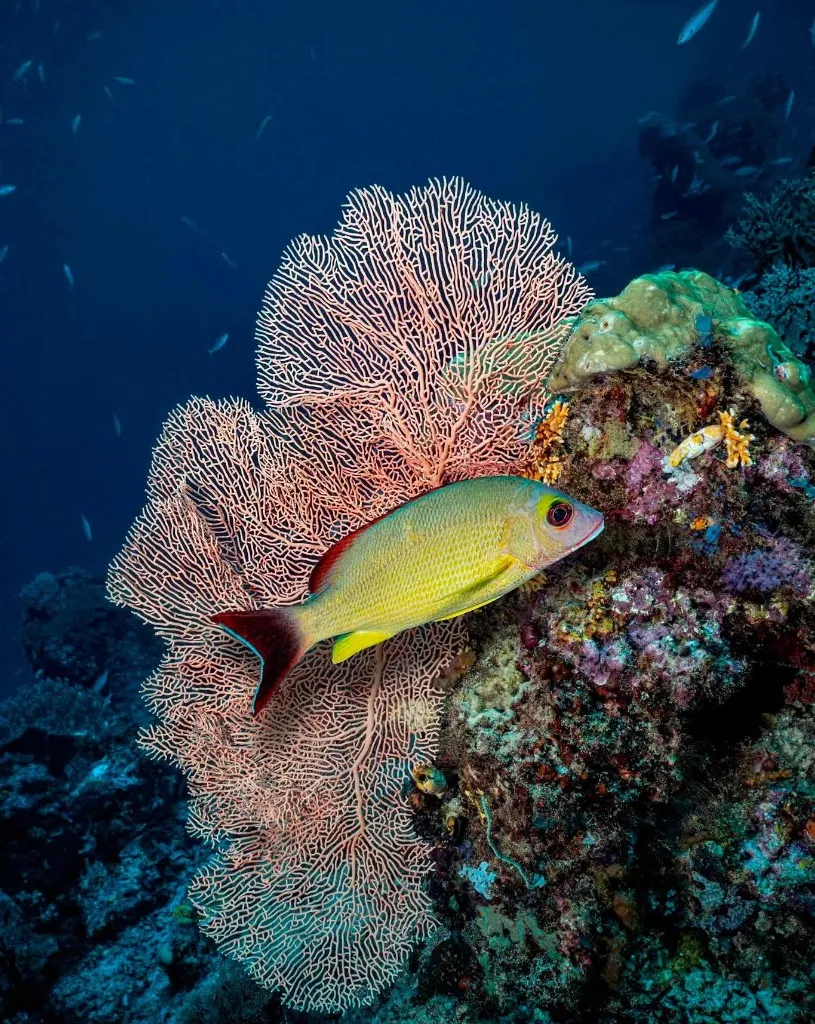
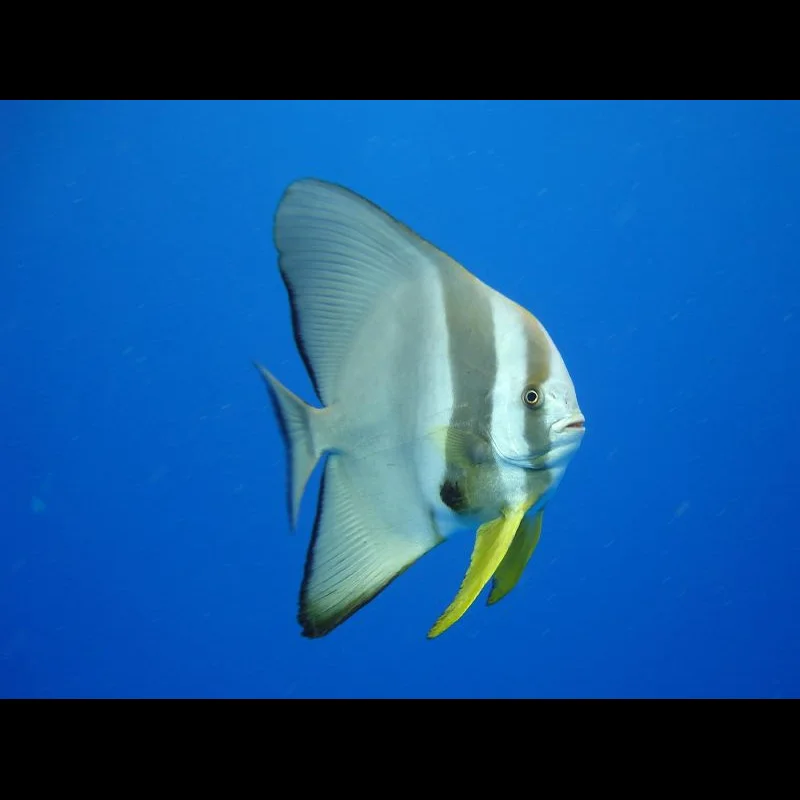
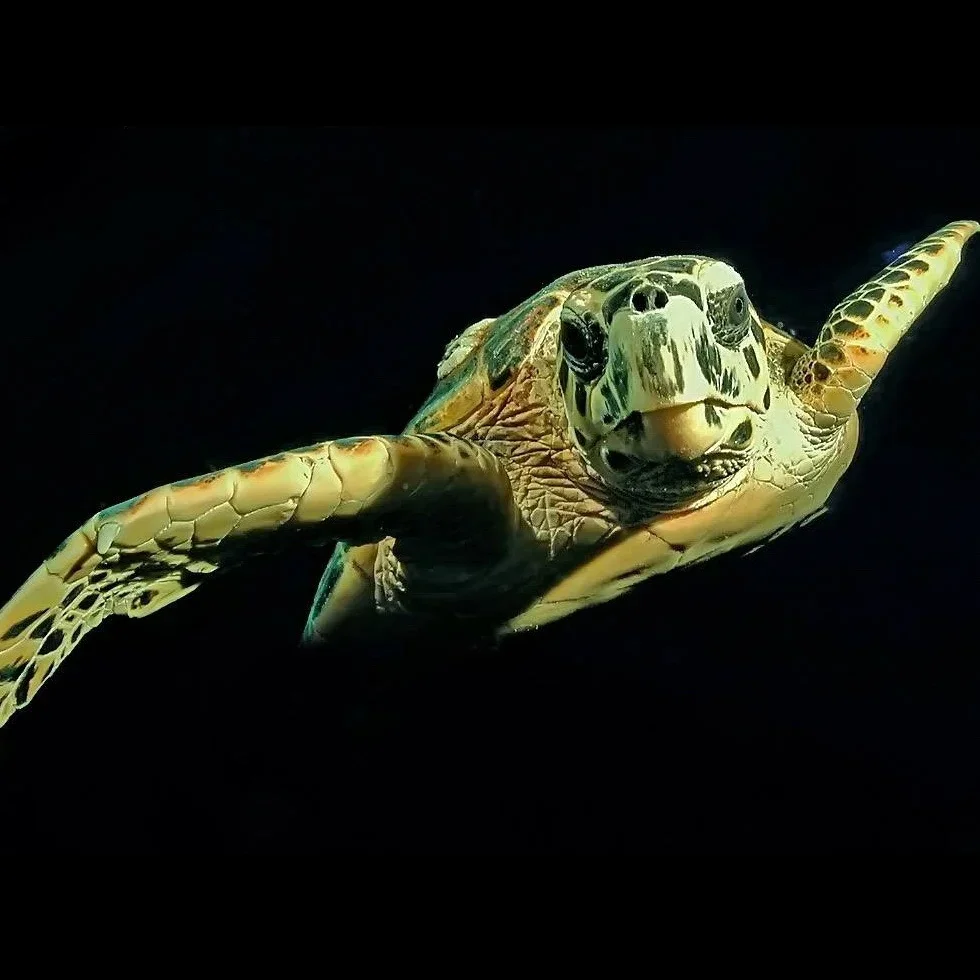
Hawksbill turtles are common residents, gracefully navigating the coral formations. Schools of barracudas, snapper, fusiliers, and batfish frequently patrol the transition zones where the lagoon slopes meet rock formations.
While less frequent, lucky divers may spot a guitar shark on the sandy flats. During the high season, from November to April, the chances of seeing a whale shark are higher, a truly memorable experience alongside blacktip sharks and large groupers reported in the wider Koh Haa area.

Dive Sites Near Koh Ha Lagoon
View all dive sites in ThailandDiscover more underwater gems in this area.
Dive Centers Near Koh Ha Lagoon

Today: 10:00 - 18:00
Nearest Airports
Nearest airports to help plan travel to this dive area.
Search Flights
Check available flights and routes on Expedia, using the nearby airports listed in this section.
Search Flights on ExpediaFrequently Asked Questions
What is the typical depth at Koh Ha Lagoon?
Within the inner lagoon, depths are quite shallow, reaching about 5 m (16 ft). Gentle slopes between the islands allow for exploration into deeper sections around the perimeter.
Is Koh Ha Lagoon suitable for beginner divers?
Yes, it's considered suitable for all diving levels, from beginner to pro. Low currents and shallow, clear waters create an ideal spot for training and practicing skills.
What is the visibility like at Koh Ha Lagoon?
Visibility at the lagoon is often excellent, typically ranging between 10-30 m (33-100 ft). Such clarity allows for clear views of the abundant marine life and coral reefs.
Can snorkelers enjoy Koh Ha Lagoon?
Absolutely. Koh Ha Lagoon is noted as one of Thailand's best snorkeling spots due to its crystal-clear waters and pristine shallow coral reefs, especially within the inner lagoon.
What marine life can be expected at the lagoon?
Common sightings include garden eels, Hawksbill turtles, blue-dotted rays, and various nudibranchs. Larger schools of barracudas, snapper, and batfish are often seen on the outer slopes, with whale sharks possible during high season.
Are there strong currents at Koh Ha Lagoon?
Generally, the lagoon experiences low currents, contributing to a relaxed dive experience. Some mild to medium currents may be encountered at the edges of the lagoon or in deeper, more exposed sections.
When is the best time to spot whale sharks at Koh Ha Lagoon?
Whale sharks are more commonly seen throughout the high season, which runs from November to April. These months offer the best chances for encountering these magnificent creatures.
Planning to dive Koh Ha Lagoon?
Send one inquiry and receive offers directly from the best verified local dive operators.
Conditions are Moderate
Optimal conditions expected
Current conditions near Koh Ha Lagoon show 27° air, 30° sea temperature, 1.5 m waves, and 26 km/h wind. Forecast data is refreshed regularly to ensure accuracy.