
Diving at Hin Bida Reef (Thailand)
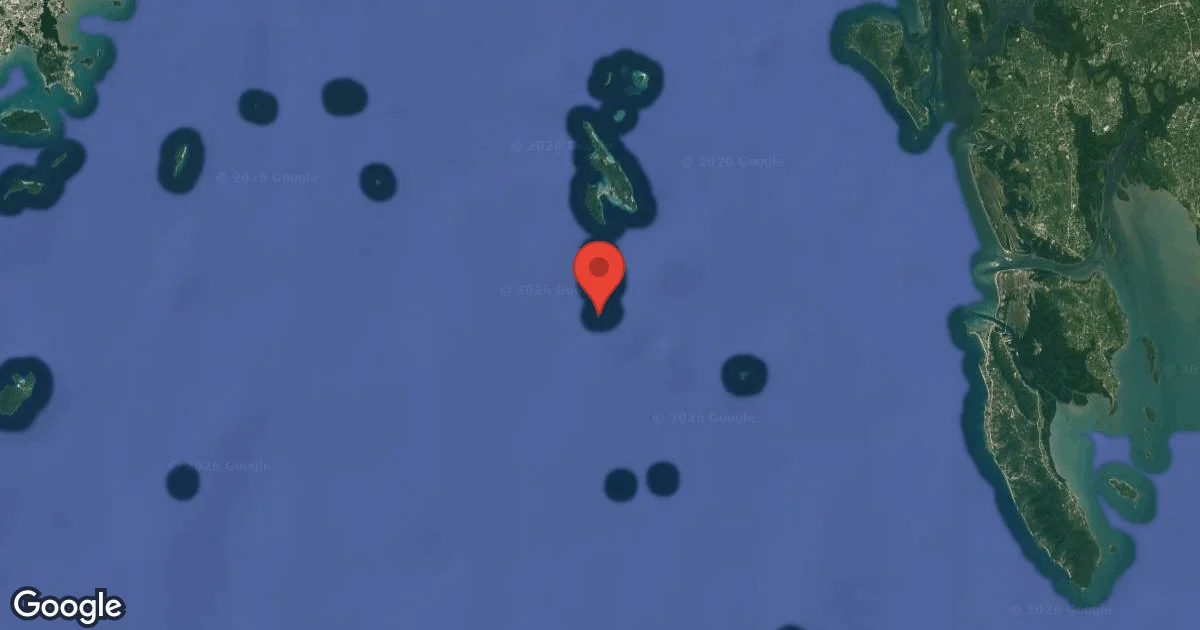
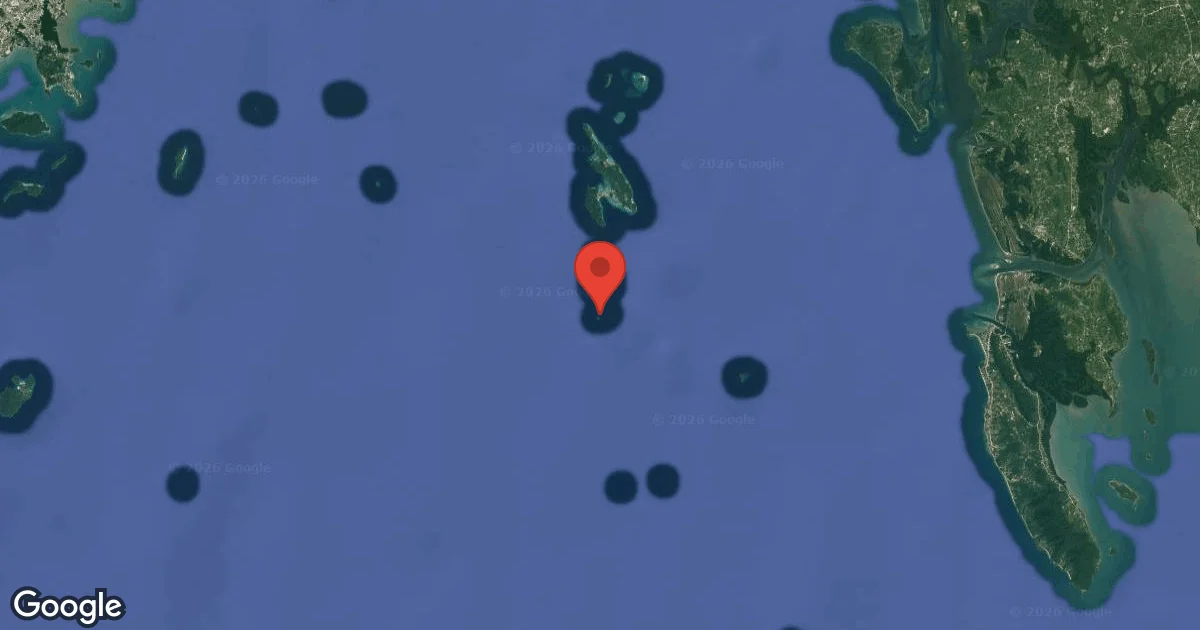
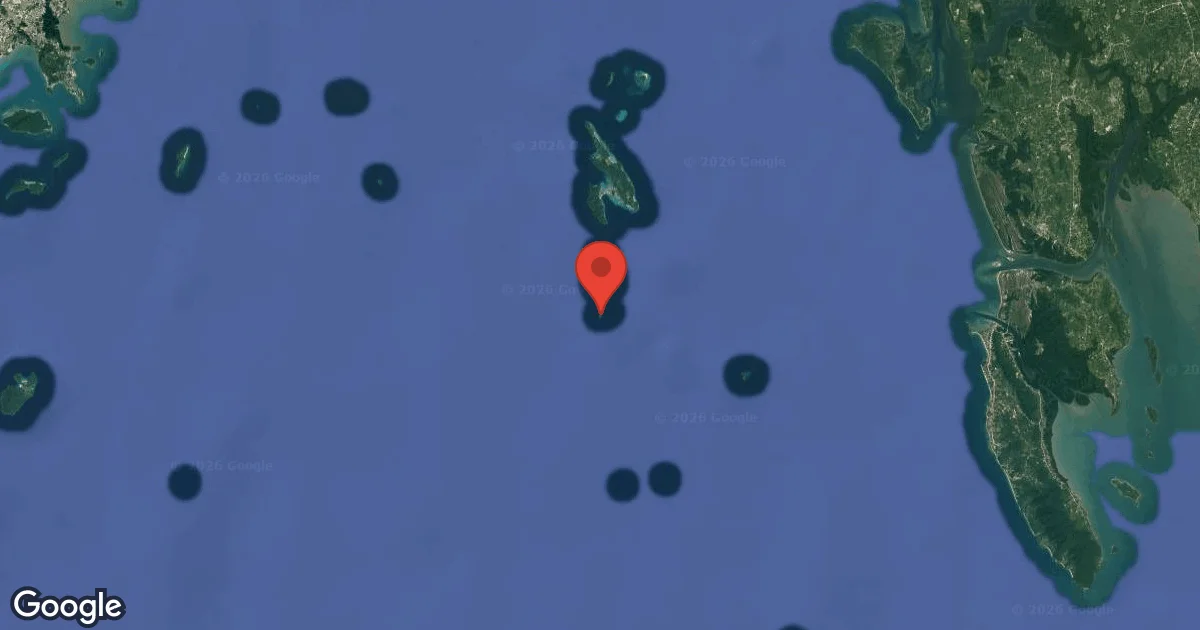
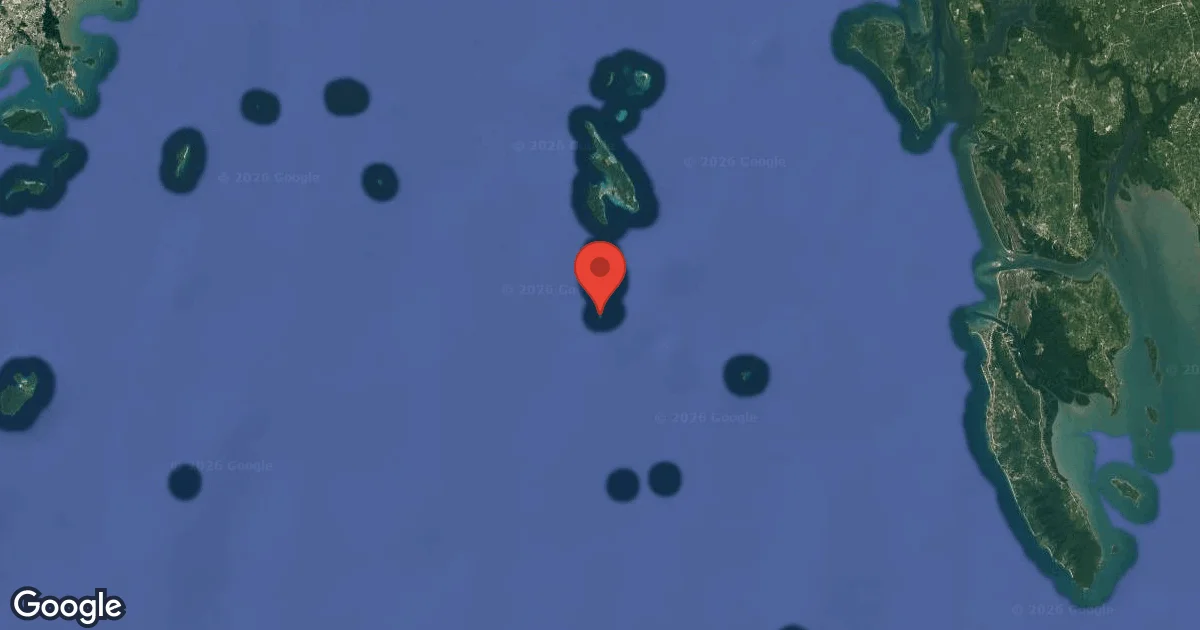
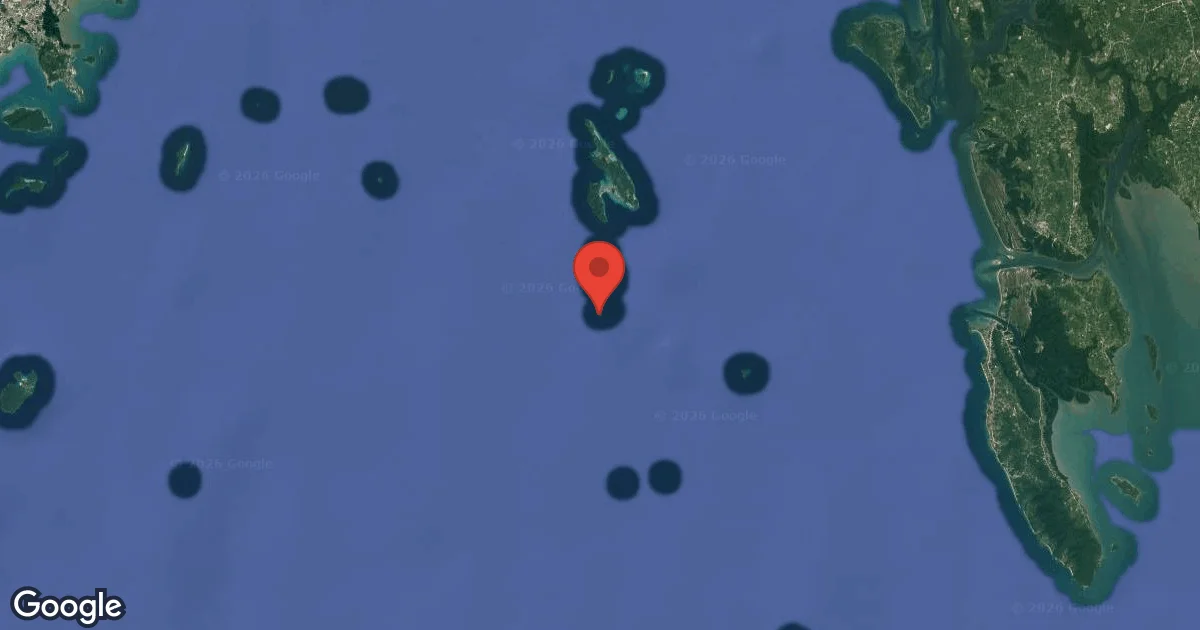
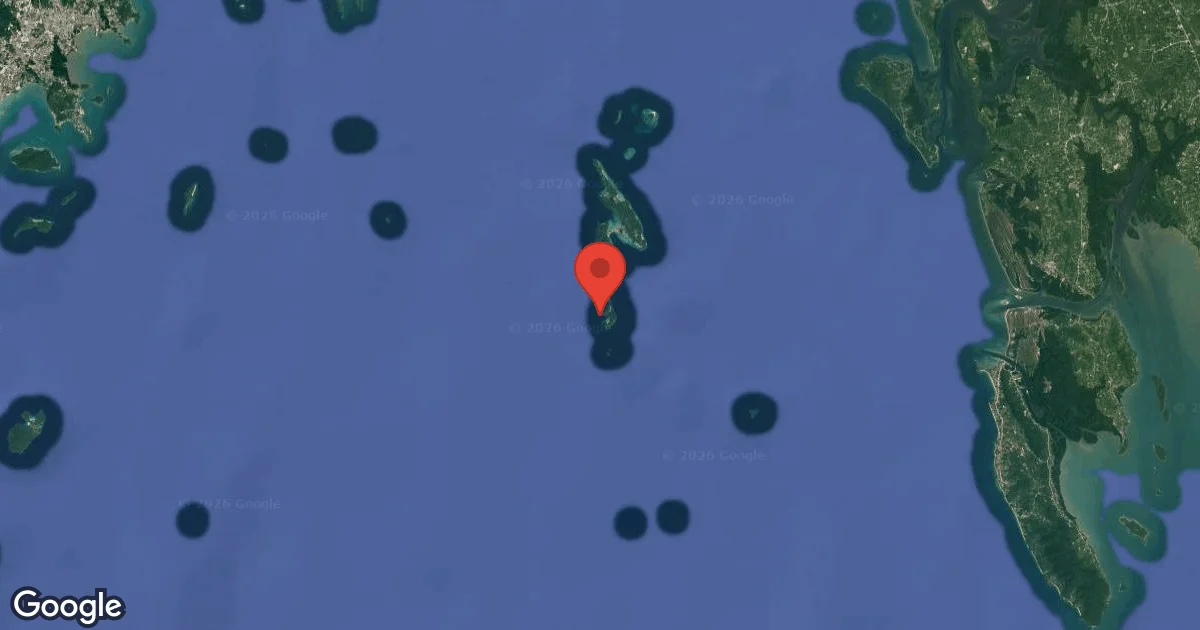
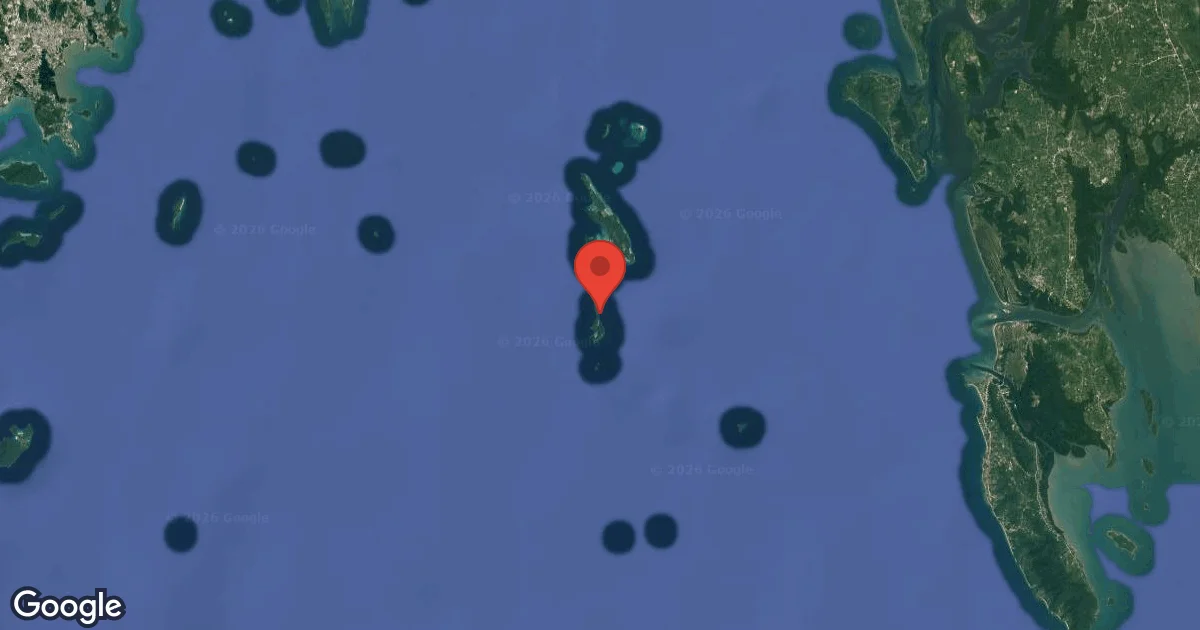
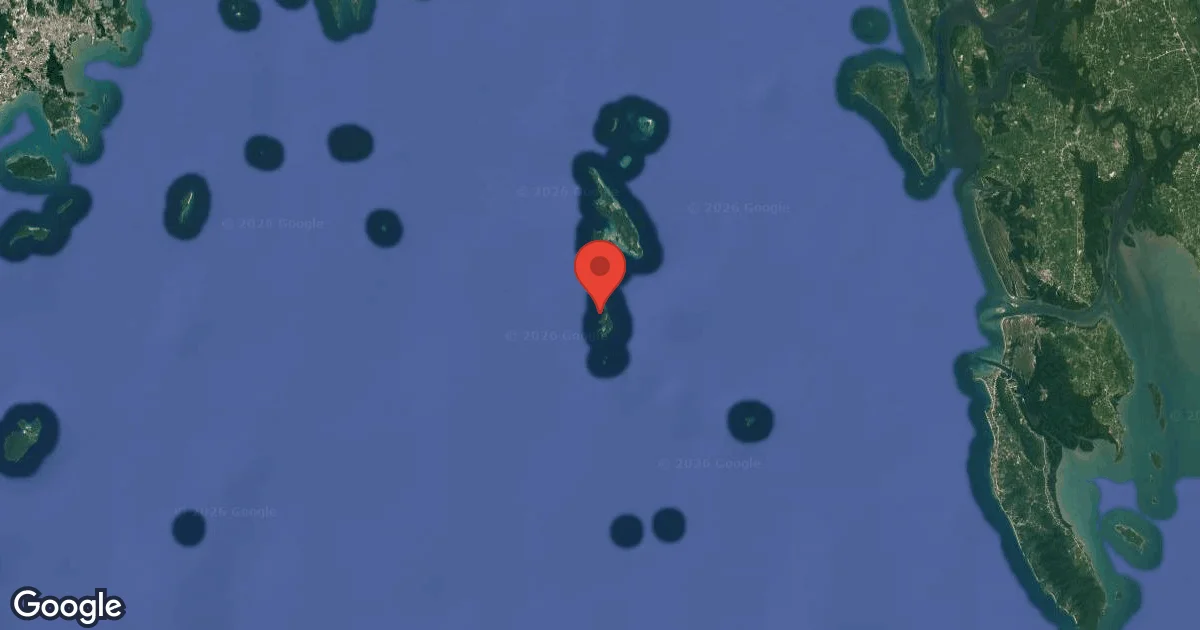
Hin Bida Reef, a submerged pinnacle, presents a compelling dive route between the Bida Islands and Koh Lanta. Its unusual 'duck foot' shape, with distinct fingers extending southwest, creates a dynamic underwater topography for exploration. Divers often plan visits here as a third dive, making the most of its shallower profile and reliable marine life encounters.
Tonight's objective overview for Hin Bida Reef shows an air temperature of 28°C. The measured surface conditions include wave heights around 0.9 m. This environmental data is logged for the close of the day.
Dive Site Location & Key Facts
Dive Site Overview
Hin Bida offers a distinctive dive experience within Thailand's Andaman Sea, primarily recognized for its consistent leopard shark sightings. This submerged coral reef, located east of Koh Bida Nai, consists mainly of large hard corals, presenting a unique landscape compared to other sites in the Phi Phi Islands region.
At low tide, some of its uppermost rocks may break the surface; at high tide it remains fully submerged. A rounded main body forms the reef, with three pronounced finger-like protrusions stretching towards the southern and southwestern directions. These fingers are separated by sand patches, which are often where divers observe leopard sharks resting.
Generally, depths extend to around 22 m (72 ft), though significant exploration takes place in shallower areas, often around 14 meters. Its accessibility makes it a suitable location for a range of dive experiences, from beginners to intermediate divers, allowing ample bottom time to appreciate the vibrant reef structure and its inhabitants.
Conditions are Moderate
Optimal conditions expected
Current conditions near Hin Bida Reef show 28° air, 30° sea temperature, 1.0 m waves, and 29 km/h wind. Forecast data is refreshed regularly to ensure accuracy.
Best Time to Dive
Planning a dive at Hin Bida can be rewarding throughout the year, as the site remains open for diving year-round. For an excellent experience, consider visiting during March or December, which typically receive the highest dive scores. During these months, rain levels are notably low, averaging around 1.48 mm in March and 2.30 mm in December. The air temperature remains pleasantly warm, with averages of 28.5°C (83°F) in March and 27.5°C (82°F) in December. While other months also offer good diving conditions, with dive scores generally between 7 and 8, the period from January to April tends to have some of the calmest wave conditions, with wave heights often below 0.6 m (2.0 ft). Rainfall increases from May to November, peaking around September, so divers during this period might encounter more variable surface conditions.
PEAK SEASON SCORE
Scores combine air & water temps, waves, wind & rainfall for overall conditions.
BEST MONTHS TO DIVE
Monthly records compiled from satellite and marine observation nodes over the last 3 years. Data provided by Open-Meteo and MET Norway.
Dive Experience & Conditions
Descending upon Hin Bida, divers encounter a submerged reef extending to its maximum recreational depth. Visibility at the site varies, typically ranging from 5-20 m (16-66 ft), providing clear views of the extensive hard coral formations. Currents here are generally mild to moderate, allowing for comfortable navigation around the reef's distinct 'fingers' on the southern side. These coral-rich protrusions create interesting swim-throughs and sheltered areas. The reef itself is surrounded by a flat sandy bottom, rarely dropping beyond common recreational limits, making it an excellent location for extended bottom times. Water temperatures are consistently warm; regional averages suggest a comfortable range for diving, though specific data for Hin Bida aren't always consistently reported.
Dive Difficulty & Safety Guidelines
Approaching Hin Bida requires awareness of its remote, open-sea position. While suitable for beginner to intermediate divers, maintaining situational awareness, especially regarding moderate currents, is always prudent.
The reef's shallowest peaks can break the surface at low tide, necessitating careful boat handling by dive operators. As with all dive sites, monitoring air consumption and no-decompression limits is essential, particularly given the opportunity for longer dives in its shallower areas.
Dive guides are crucial for locating the best spots for marine life viewing, such as the sand patches where leopard sharks often rest. This practice helps minimize environmental impact and ensures diver safety.
Recommended Equipment
- Dive Computer
This gear list is based on verified equipment signals for Hin Bida Reef, Thailand. Always confirm final gear choices with your dive operator, guide, or liveaboard.
Recommended Dive Suit
Environmental conditions are expected to remain consistent in the short-term outlook.
Even in warm destinations, extended dives can gradually draw heat away from the body. Stronger winds may also make surface intervals feel cooler than usual.
Exposure protection such as dive skin or rash guard is commonly used when diving in waters of this temperature. Consider warmer surface protection (like a boat coat) due to brisk winds. Divers preparing to enter the water at Hin Bida Reef will likely find temperatures around 30°C (86°F) today. Surface air temperatures are resting at 28°C (83°F).
Emergency & Medical Support
Essential information to help you plan your dive trip to Hin Bida Reef.

Hyperbaric chambers are a critical part of dive safety infrastructure. Availability varies significantly by region, and not all dive areas have immediate access.
Before diving, it's recommended to:
- confirm nearest medical facilities
- check emergency procedures with local dive operators
- ensure dive insurance covers evacuation if required
Divers Alert Network
Diving emergency assistance available through DAN World.
+1-919-684-9111- 24/7 emergency hotline
- Diving medical assistance
- Evacuation coordination
Emergency contacts are provided for reference. Always verify local emergency services before diving.
Marine Life at Hin Bida Reef
The underwater landscape of Hin Bida is a thriving ecosystem, most notably serving as a frequent home for leopard sharks. These sharks are often spotted resting calmly on the sandy patches found within the reef's shallower sections or along its fringes.
Divers might encounter several of them during a single dive. Beyond these iconic residents, the reef hosts a rich variety of smaller marine creatures.
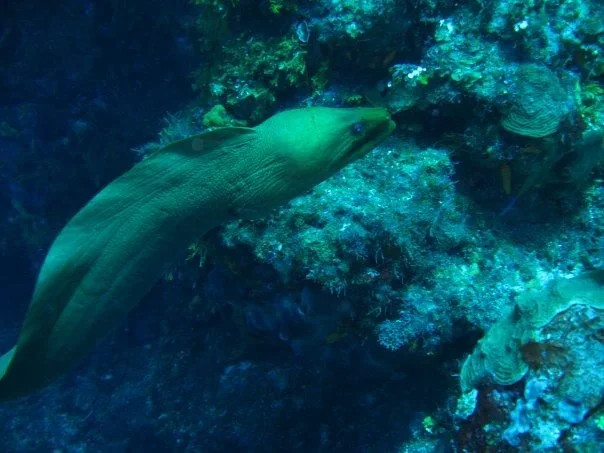
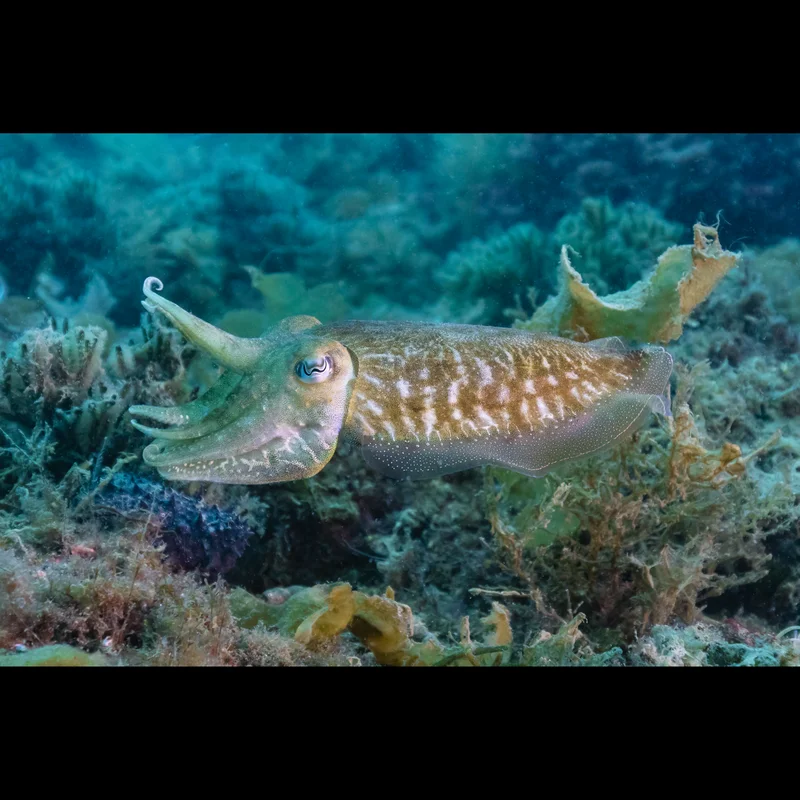
Keep an eye out for cleverly camouflaged stonefish and the distinctly patterned pharaoh cuttlefish, often displaying vivid blue and white colors. Zebra morays are also a possibility, though spotting them can sometimes require a keen eye.

Dive Sites Near Hin Bida Reef
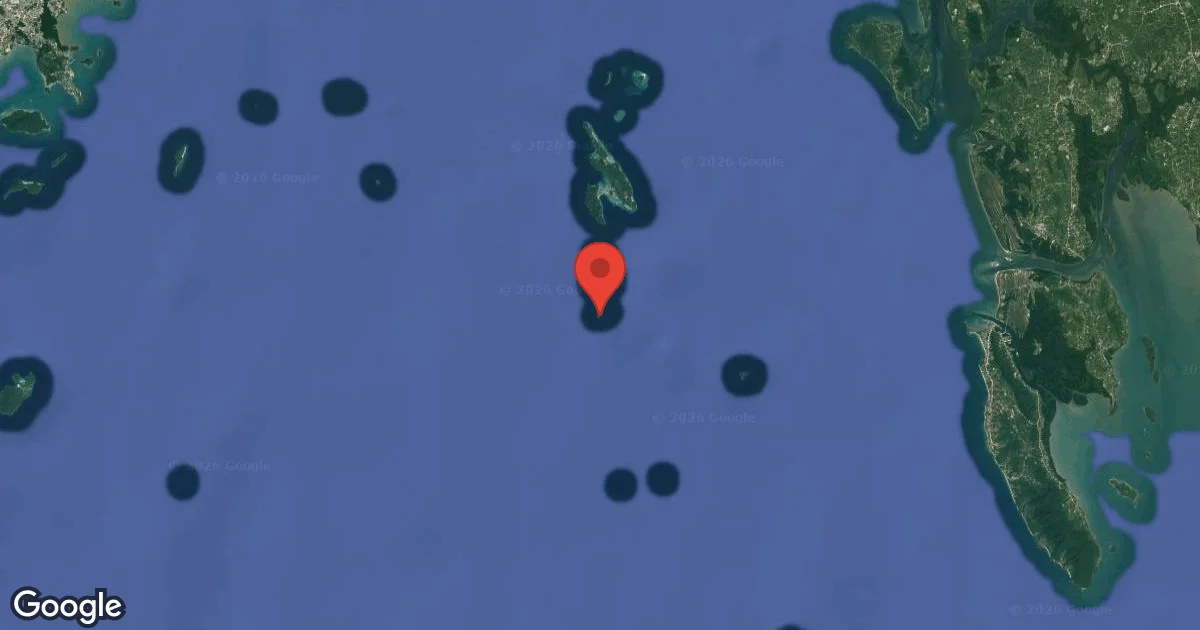
View all dive sites in ThailandDiscover more underwater gems in this area.
Dive Centers Near Hin Bida Reef
Today: 08:00 - 21:00



Nearest Airports
Nearest airports to help plan travel to this dive area.
Search Flights
Check available flights and routes on Expedia, using the nearby airports listed in this section.
Search Flights on ExpediaFrequently Asked Questions
What is the typical depth range at Hin Bida?
Hin Bida generally ranges from the surface (at low tide) down to a maximum depth of 22 m (72 ft). Many vibrant sections and shark sightings occur in shallower areas, often around 14 meters.
Is Hin Bida suitable for beginner divers?
Yes, Hin Bida is considered suitable for beginner to intermediate divers. Its relatively shallow profile and generally mild to moderate currents make it an accessible site for those with less experience, provided they dive with a certified guide.
What marine life can I expect to see?
Leopard sharks are a primary attraction, often found resting on the sandy bottom. You may also spot stonefish, pharaoh cuttlefish with distinctive patterns, and occasionally zebra morays. The reef supports a diverse array of fish life.
How clear is the water at Hin Bida?
Visibility at Hin Bida typically ranges from 5 to 20 meters. Conditions can vary based on weather and plankton levels, but good visibility is common.
Can I visit Hin Bida year-round?
Yes, Hin Bida is one of the few dive sites in the region that remains open all year. However, conditions, particularly rainfall and wave height, can vary seasonally, with March and December offering excellent dive scores.
What is the reef structure like?
Hin Bida is a submerged reef, or pinnacle, with a rounded main body and three finger-like protrusions to the south. It's largely composed of hard corals and is surrounded by a flat sandy bottom.
Planning to dive Hin Bida Reef?
Send one inquiry and receive offers directly from the best verified local dive operators.
Conditions are Moderate
Optimal conditions expected
Current conditions near Hin Bida Reef show 28° air, 30° sea temperature, 1.0 m waves, and 29 km/h wind. Forecast data is refreshed regularly to ensure accuracy.