
Diving at Tanote Bay (Thailand)
Divers seeking an approachable and relaxing underwater experience will find Tanote Bay on Koh Tao an excellent choice. Its accessible shore diving makes it ideal for those undergoing initial dive training or divers keen to refine their skills. Both novice and experienced enthusiasts can appreciate the site's calm demeanor and inviting depths, ensuring a comfortable entry into the island's vibrant marine world. This bay provides a straightforward and enjoyable setting for underwater exploration.
Tonight's objective overview for Tanote Bay shows an air temperature of 28°C. The measured surface conditions include wave heights around 0.5 m. This environmental data is logged for the close of the day.
Dive Site Location & Key Facts
Dive Site Overview
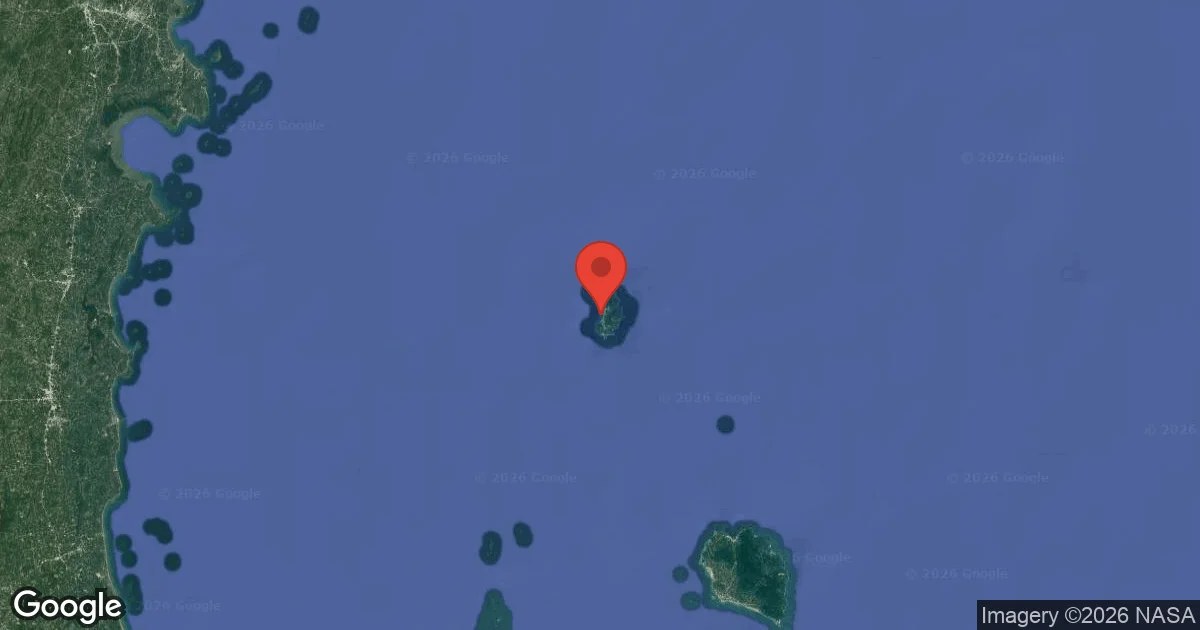
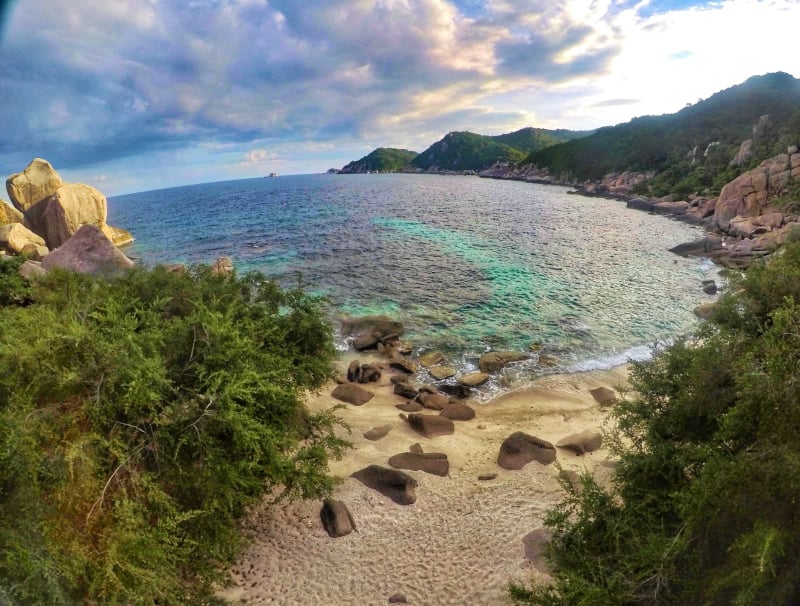
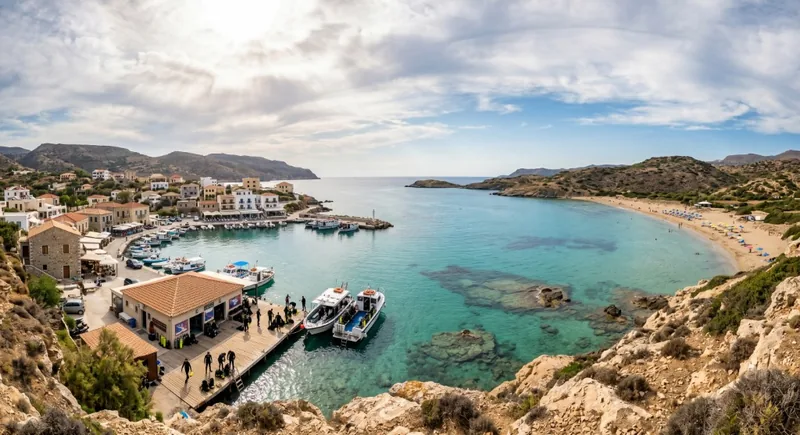
Tanote Bay, positioned one kilometer south of Laem Thian, occupies a naturally sheltered area, establishing itself as a convenient and rewarding dive site. A gentle reef slope defines the main topography, gradually descending to a maximum depth of 18 m (59 ft) and accommodating a wide range of diver certifications.
Throughout the site, divers encounter healthy coral formations supporting diverse marine life, providing abundant opportunities for detailed observation and exploration. Moving further southeast from a distinctive cluster of rock formations, a local wreck adds an intriguing dimension to the experience. This sunken catamaran rests on a sandy bottom, attracting a different set of creatures and offering unique photographic subjects.
Proximity to shore makes the bay particularly appealing for flexible dive planning, eliminating reliance on boat schedules.
Additionally, the clear waters and strong macro potential mean it's a favored spot for underwater photography, where tiny pipefish to cleaner shrimp become focal points. Its ease of access, paired with varied underwater topography including the wreck, solidifies Tanote Bay as a well-rounded destination for those exploring Koh Tao's underwater realm.
Conditions are Good
Optimal conditions expected
Current conditions near Tanote Bay show 28° air, 30° sea temperature, 0.5 m waves, and 23 km/h wind. Forecast data is refreshed regularly to ensure accuracy.
Best Time to Dive
Tanote Bay remains a viable dive destination throughout the year, but conditions generally favor the spring months for optimal experience. March and April consistently offer excellent dive scores, characterized by notably calm seas with average wave heights around 0.3 to 0.5 m (1.0 to 1.6 ft). During this period, rainfall is minimal, typically ranging from 0.99 to 1.64 mm (0.04 to 0.06 inches) per month. Air temperatures are also pleasantly warm, averaging between 28.5°C and 29.5°C (85°F)and 84.9°F), contributing to comfortable surface intervals. While the bay is protected and accessible year-round, these specific months present the most stable and enjoyable diving conditions.
PEAK SEASON SCORE
Scores combine air & water temps, waves, wind & rainfall for overall conditions.
BEST MONTHS TO DIVE
Monthly records compiled from satellite and marine observation nodes over the last 3 years. Data provided by Open-Meteo and MET Norway.
Dive Experience & Conditions
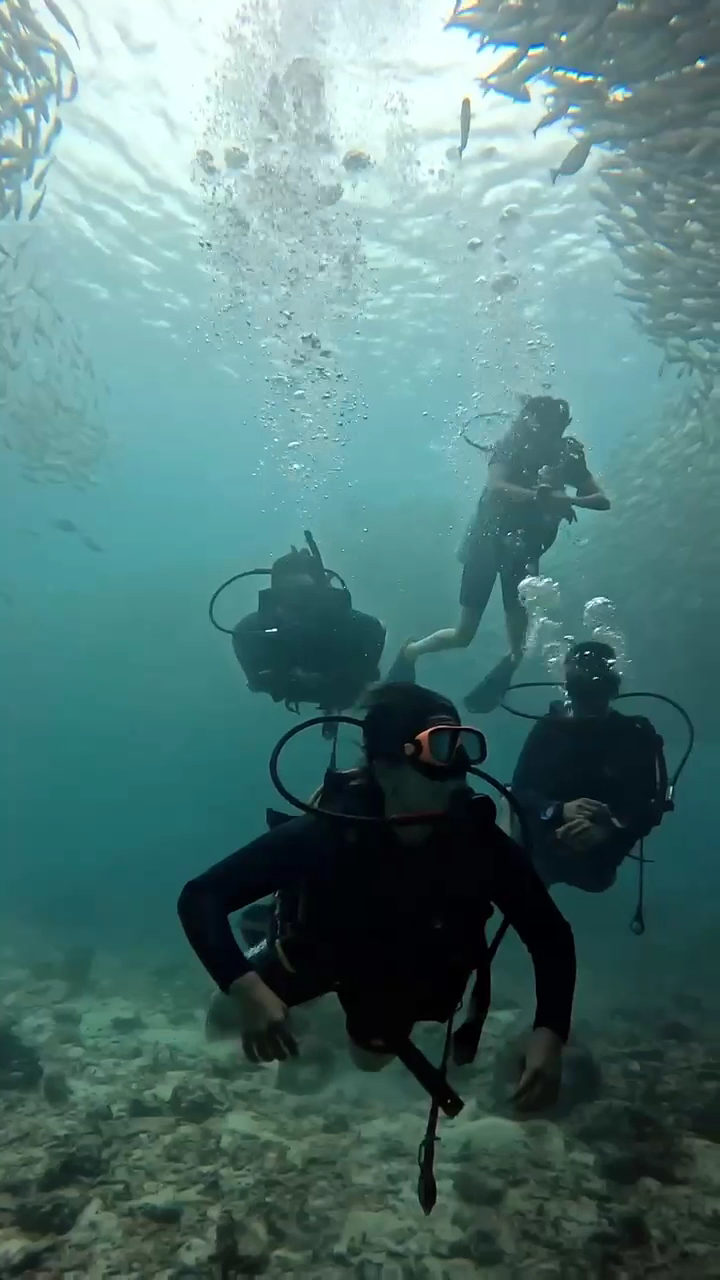
Currents within Tanote Bay are typically light to non-existent, providing a very relaxed diving environment. Divers can expect outstanding visibility, frequently exceeding 20 m (65 ft), which enhances the experience of exploring the reef. The site's gentle slope descends to a recreational maximum depth, with the general diving depth ranging from 10 m to 25 m (33 ft to 82 ft). Such serene conditions make it an ideal location for skill development and underwater photography. Despite the absence of specific water temperature data, the tropical climate ensures comfortably warm waters, allowing for extended bottom times without thermal discomfort. Shore entry and exit are straightforward, adding to the site's overall accessibility and ease.
Dive Difficulty & Safety Guidelines
Approaching Tanote Bay requires standard recreational diving practices, though its protected nature simplifies some considerations. Always dive within your certification limits and consider engaging with local dive instructors, especially if unfamiliar with the site; they are well-versed in showcasing its features safely. Maintaining neutral buoyancy helps protect the healthy reef and its delicate coral structures.
Divers should also practice responsible interaction with marine life, observing without contact. Given its status as a popular training ground, being aware of other divers and their activities is always a good practice.
No specific hazards are consistently reported for this site, underscoring its reputation as a generally safe and enjoyable location.
Recommended Equipment
- Dive Computer
- DSMB
This gear list is based on verified equipment signals for Tanote Bay, Thailand. Always confirm final gear choices with your dive operator, guide, or liveaboard.
Recommended Dive Suit
In these water temperatures, dive skin or rash guard is a common choice for recreational diving. Consider warmer surface protection (like a boat coat) due to brisk winds. Longer dive profiles can make thermal protection more important than short exploratory dives.
Conditions at Tanote Bay currently place the water temperature near 30°C (85°F). Surface air temperatures are resting at 28°C (83°F).
Forecast models indicate that diving conditions should remain largely unchanged.
Emergency & Medical Support
Essential information to help you plan your dive trip to Tanote Bay.

Hyperbaric chambers are a critical part of dive safety infrastructure. Availability varies significantly by region, and not all dive areas have immediate access.
Before diving, it's recommended to:
- confirm nearest medical facilities
- check emergency procedures with local dive operators
- ensure dive insurance covers evacuation if required
Divers Alert Network
Diving emergency assistance available through DAN World.
+1-919-684-9111- 24/7 emergency hotline
- Diving medical assistance
- Evacuation coordination
Emergency contacts are provided for reference. Always verify local emergency services before diving.
Marine Life at Tanote Bay
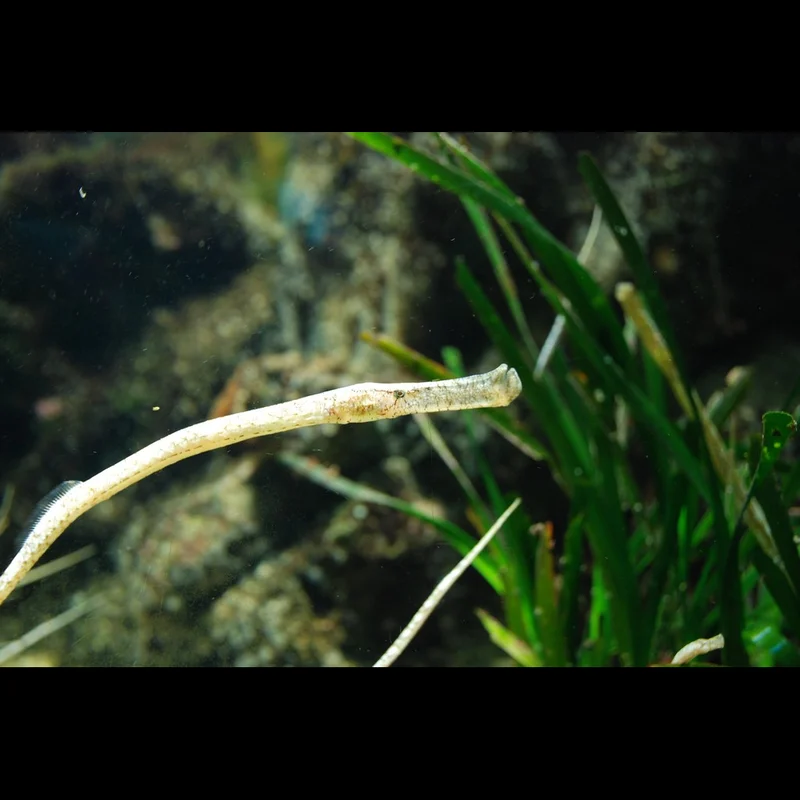
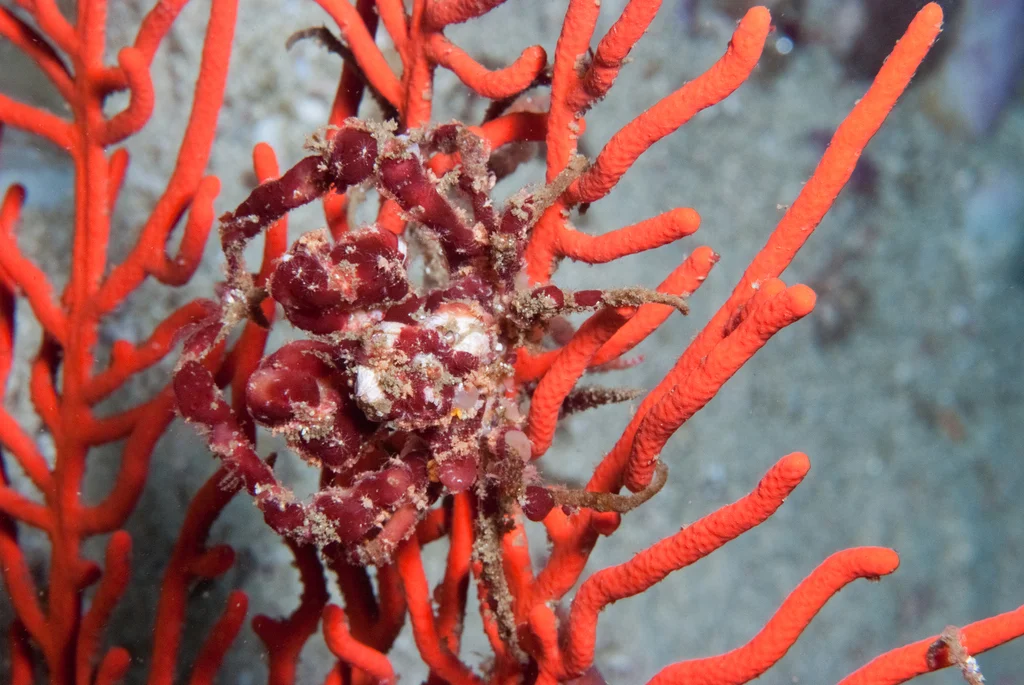
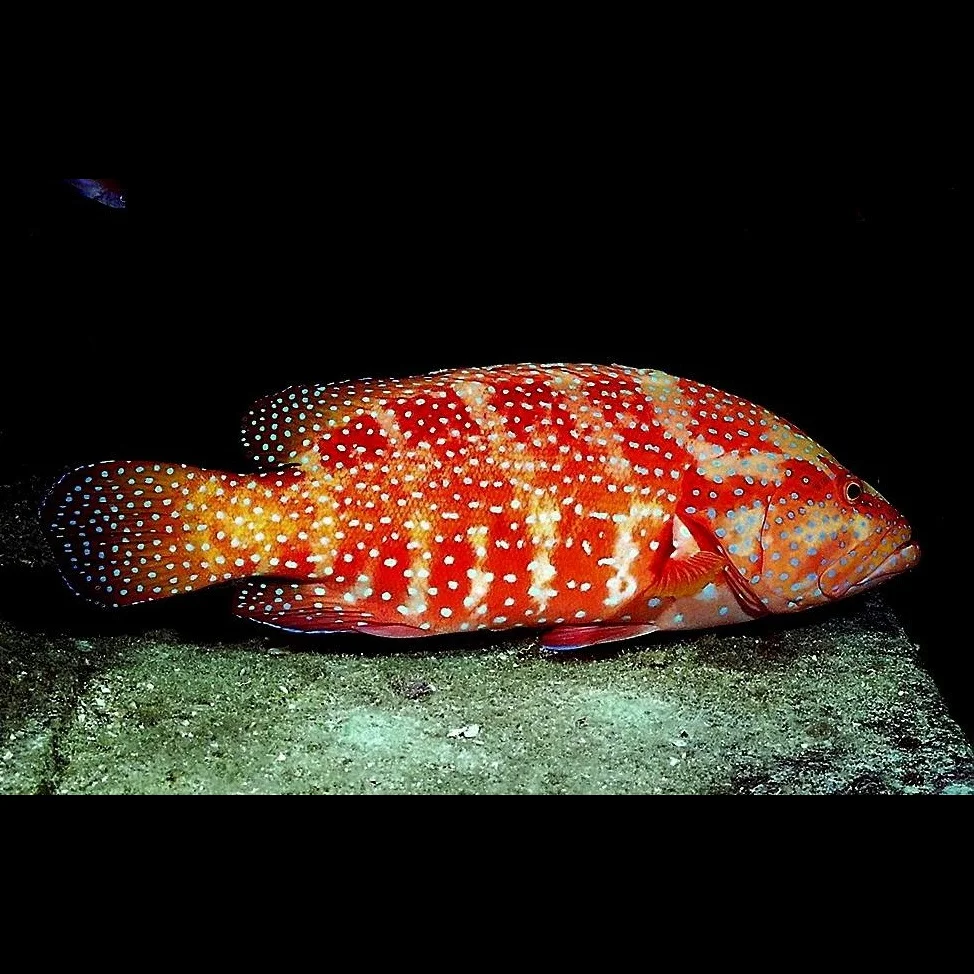
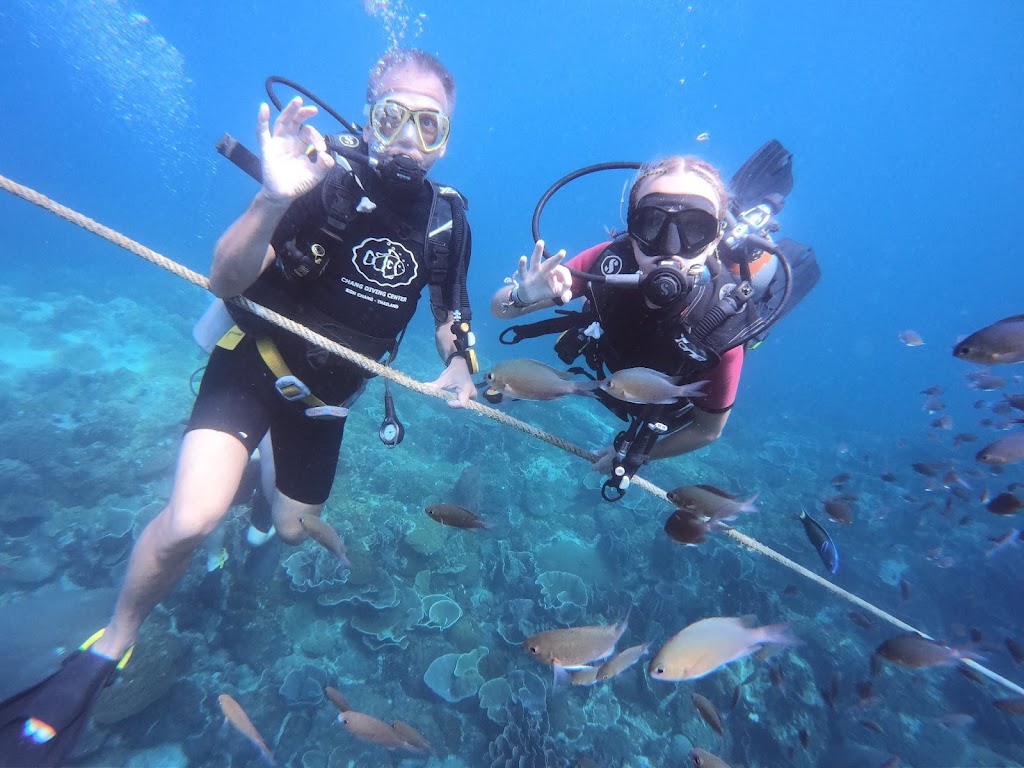
The vibrant reef at Tanote Bay hosts an interesting array of marine creatures. Divers frequently encounter Angel Fish, Butterfly Fish, and various Reef Fish navigating the coral formations.
Bottom dwellers like Blue Spotted Rays and Groupers are often observed, alongside occasional Turtles. For those with a keen eye for macro life, the site is a rewarding area to search for Pipefish, Cleaner Shrimp, and Spider Crabs.
Patient observers might even spot a Jenkins Whipray resting on the sandy bottom beneath the sunken catamaran, adding to the diversity of this lively ecosystem.

Dive Sites Near Tanote Bay
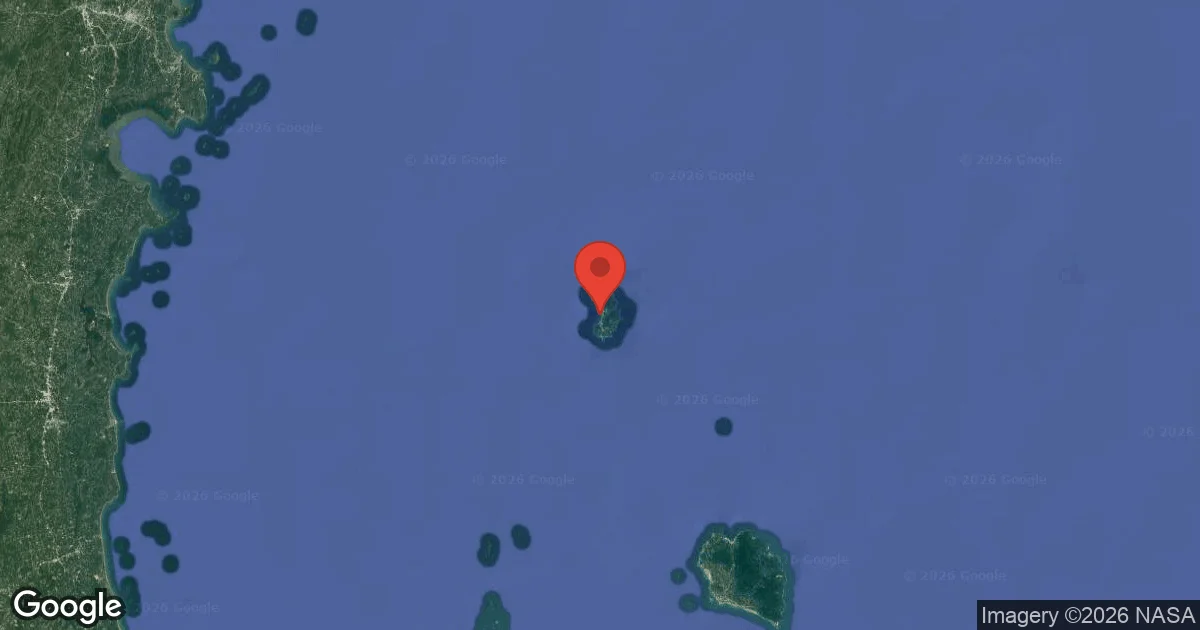
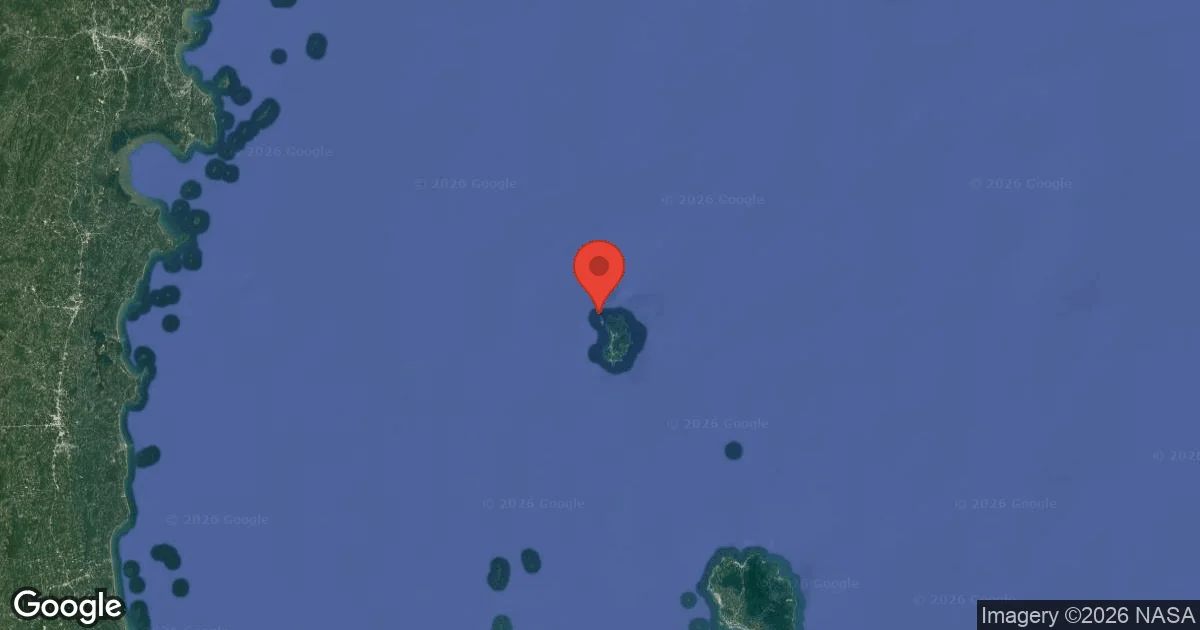
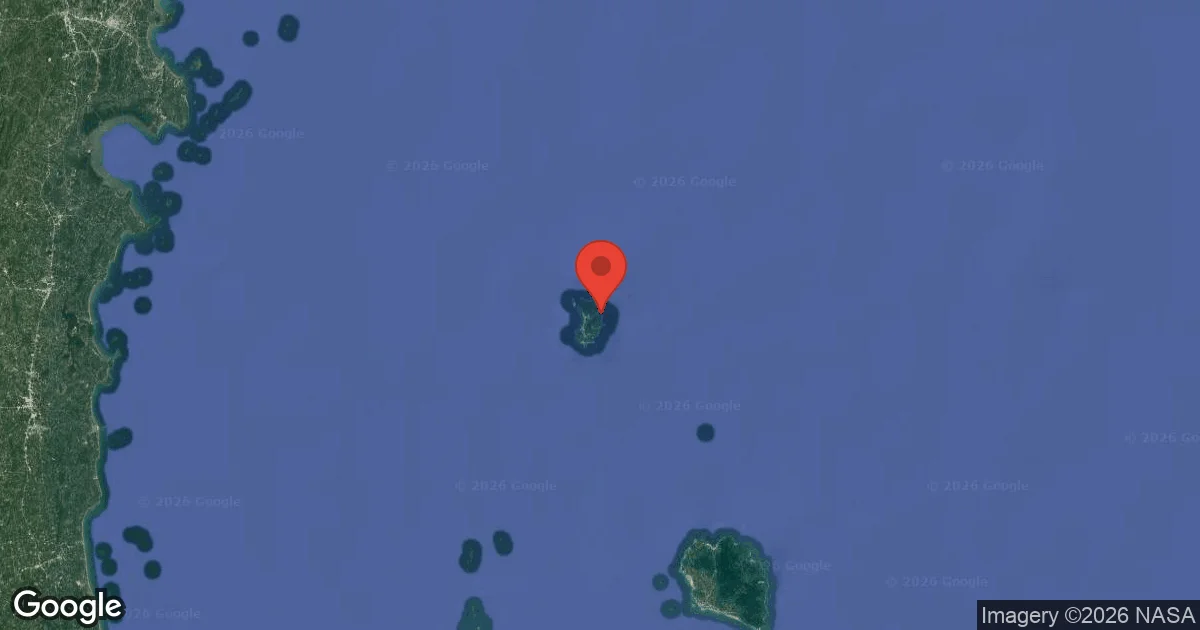
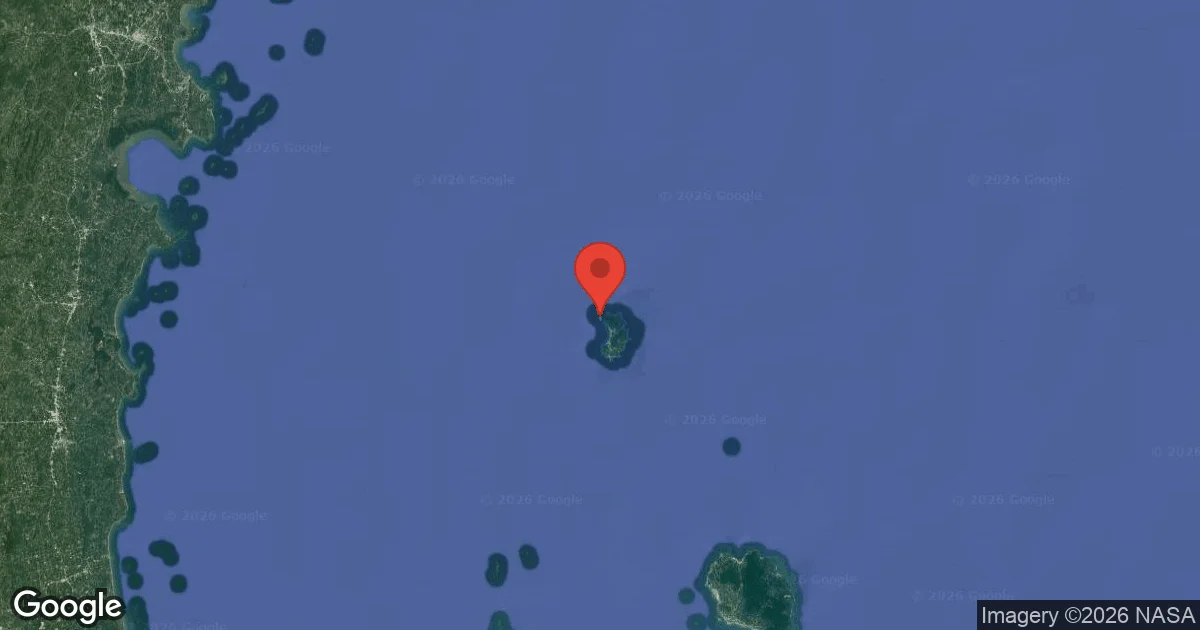
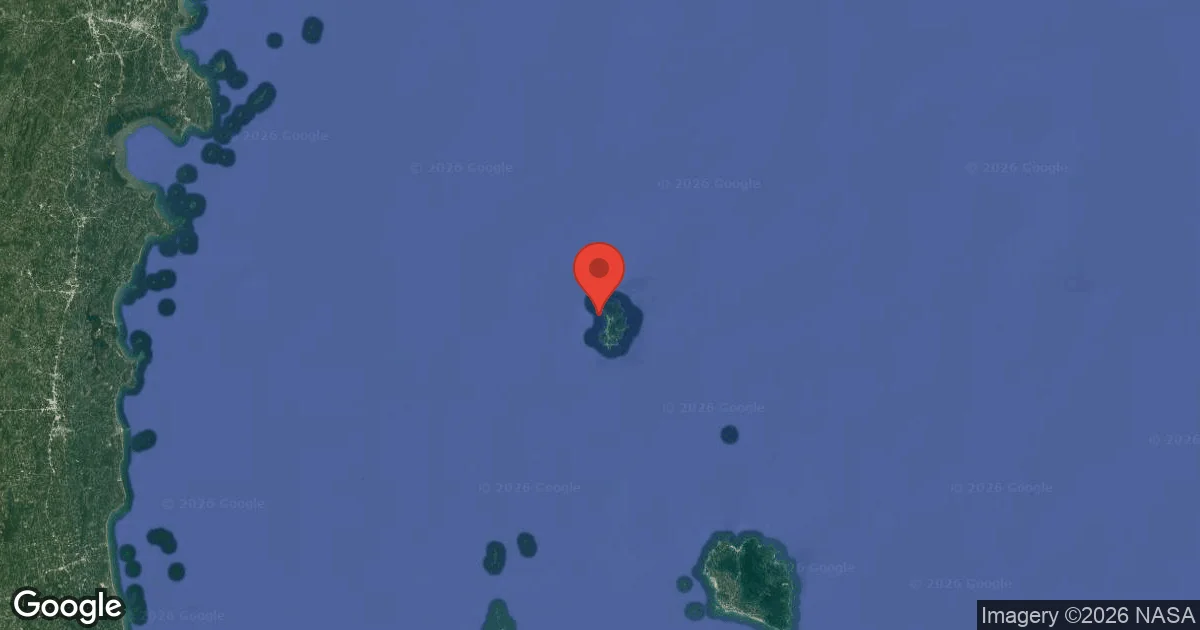
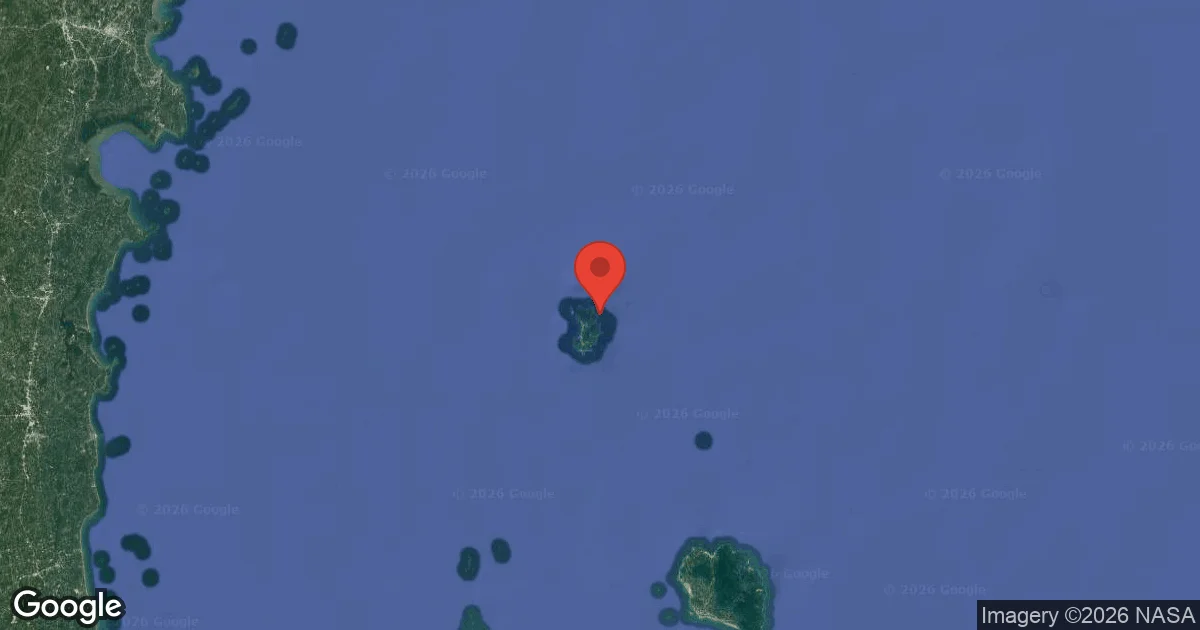
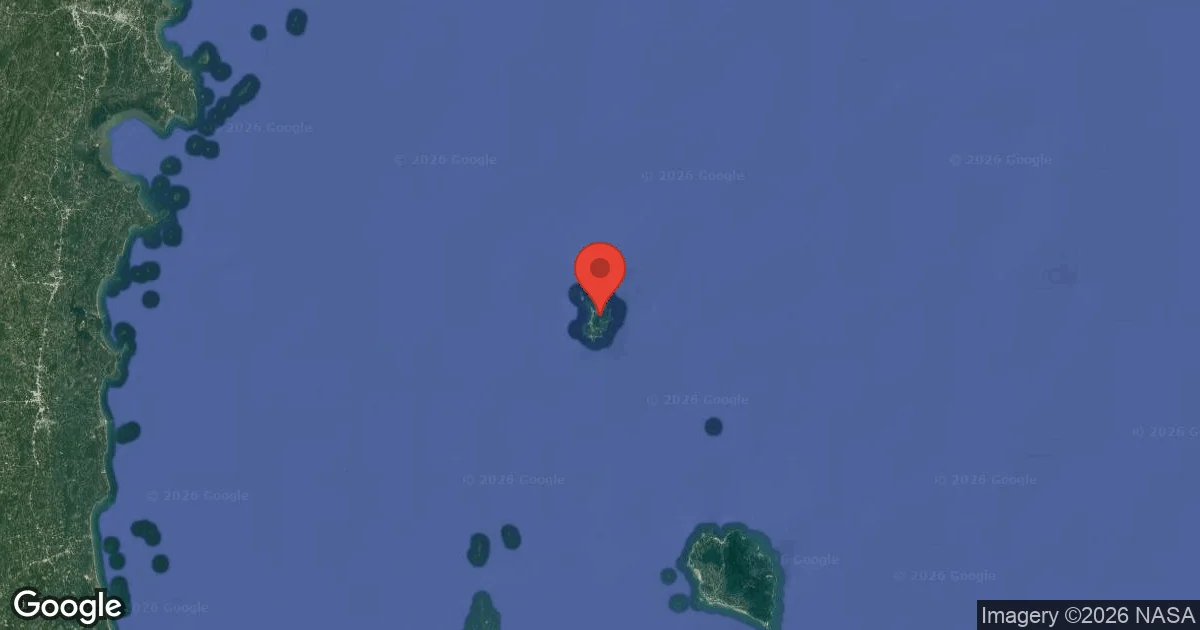
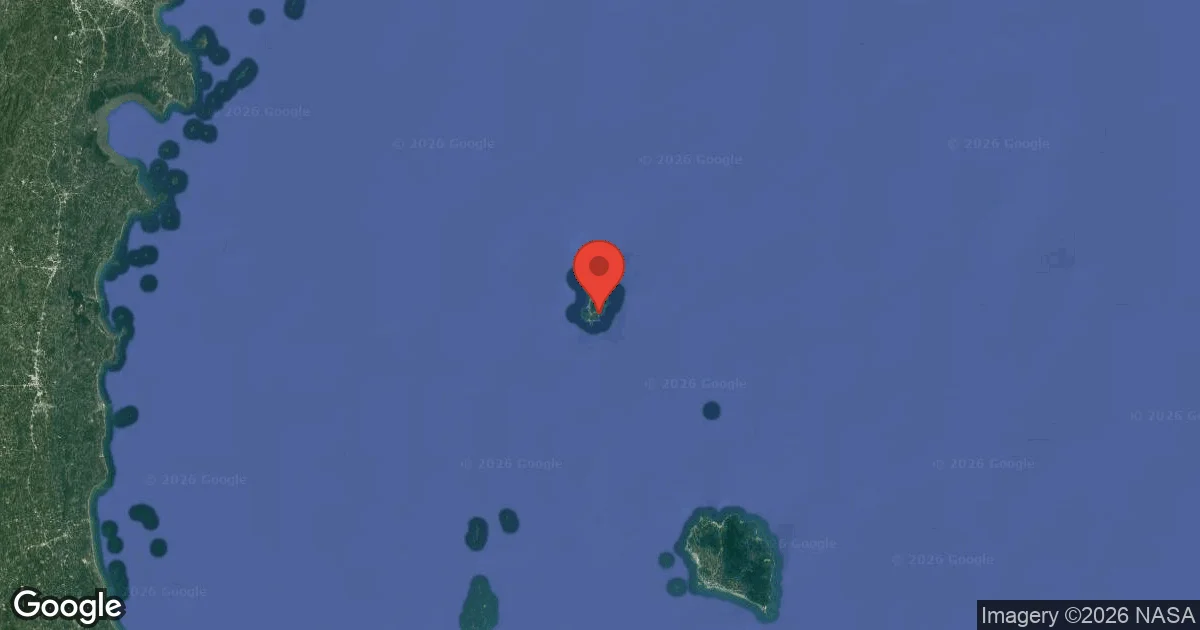
View all dive sites in ThailandDiscover more underwater gems in this area.
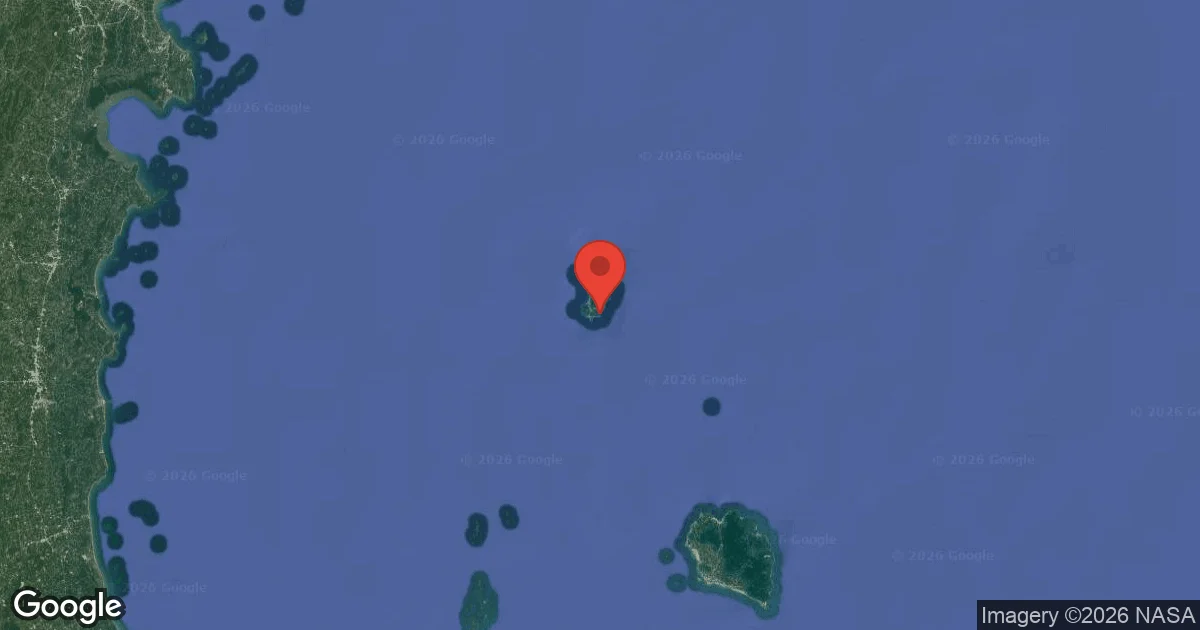
Dive Centers Near Tanote Bay
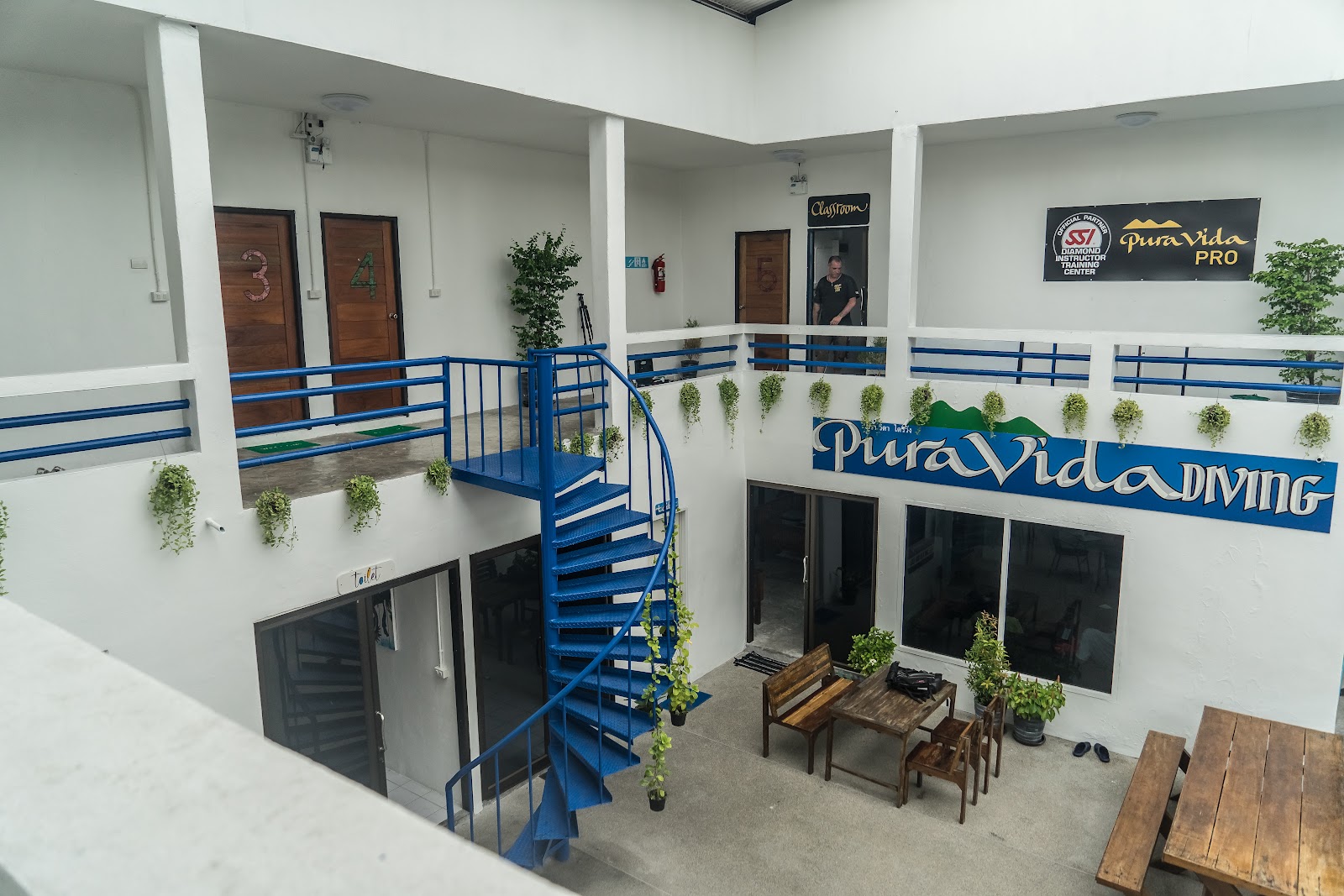
Today: 09:00 - 19:00

Nearest Airports
Nearest airports to help plan travel to this dive area.
Search Flights
Check available flights and routes on Expedia, using the nearby airports listed in this section.
Search Flights on ExpediaFrequently Asked Questions
What is the typical depth range for diving at Tanote Bay?
Tanote Bay features a gentle slope, with typical diving depths ranging from 10 m to 25 m (33 ft to 82 ft). The local wreck, a sunken catamaran, is found closer to the site's maximum depth.
Are there strong currents at Tanote Bay?
No, Tanote Bay is known for its light to non-existent currents, making it an easy and relaxing dive site. This sheltered characteristic contributes to excellent visibility and comfortable diving conditions.
Is Tanote Bay suitable for beginner divers?
Absolutely. Tanote Bay's gentle slope, minimal currents, and clear visibility make it an ideal location for dive training and for beginners to gain confidence. Shore access also provides a hassle-free entry point.
What kind of marine life can be seen at Tanote Bay?
The bay is home to a diverse ecosystem, including Angel Fish, Butterfly Fish, Groupers, and Blue Spotted Rays. Macro enthusiasts can look for Pipefish, Cleaner Shrimp, and Spider Crabs, and lucky divers might spot a Jenkins Whipray or a Turtle.
Can I dive Tanote Bay year-round?
Yes, diving at Tanote Bay is possible throughout the year. However, the months of March and April often present the best conditions, with calm seas, minimal rain, and excellent dive scores.
Is Tanote Bay accessible for shore diving?
Yes, Tanote Bay is one of Koh Tao's prime shore diving locations. This direct access from the beach offers great flexibility for timing dives and provides a convenient experience without needing a boat.
Planning to dive Tanote Bay?
Send one inquiry and receive offers directly from the best verified local dive operators.
Conditions are Good
Optimal conditions expected
Current conditions near Tanote Bay show 28° air, 30° sea temperature, 0.5 m waves, and 23 km/h wind. Forecast data is refreshed regularly to ensure accuracy.