
Diving at Hin Wong Bay (Thailand)
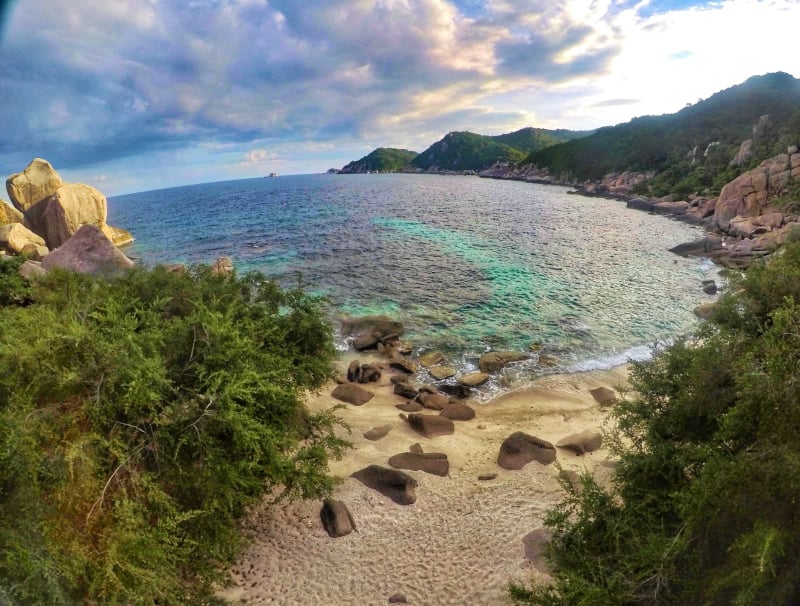
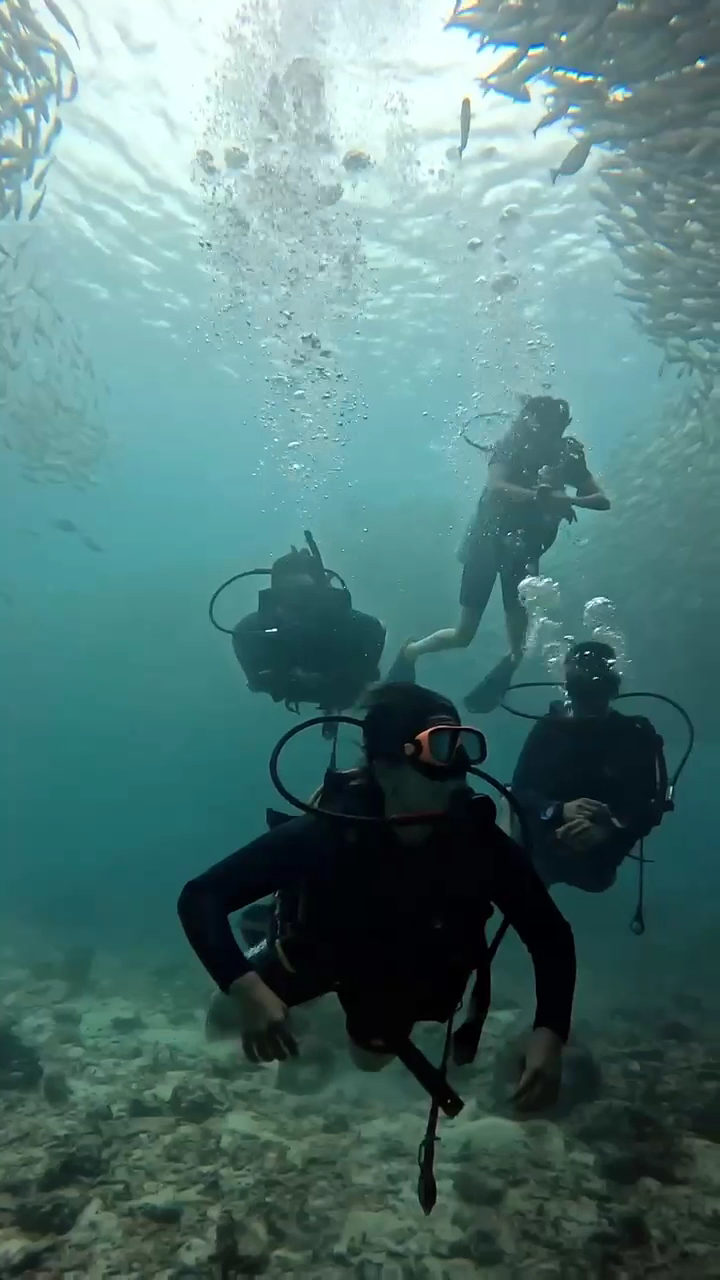
A large horseshoe-shaped reef environment, Hin Wong Bay unfolds on Koh Tao's northeast coast. Reaching a maximum depth of 20 meters / 65 feet, it welcomes a spectrum of certified divers. The bay's protected configuration naturally mitigates strong currents, fostering stable conditions for varied underwater activities. Underwater, granite boulders integrate with coral, forming a complex, biodiverse substrate. Access is mainly by boat, with some shore entry options also available locally.
Tonight's objective overview for Hin Wong Bay shows an air temperature of 27.5°C. The measured surface conditions include wave heights around 0.4 m. This environmental data is logged for the close of the day.
Dive Site Location & Key Facts
Dive Site Overview
Divers consistently favor Hin Wong Bay for its naturally sheltered waters on Koh Tao's northeastern side. Historically, calm conditions and significant marine biodiversity established it as a cornerstone for dive training, frequently hosting open-water certification dives.
This protected configuration minimizes exposure to stronger currents, fostering conditions ideal for extended, relaxed underwater exploration, often lasting 50-60 minutes per dive. Clear water, frequently exceeding 15 meters / 50 feet visibility, has attracted both new and experienced divers for decades, providing ample time to observe extensive coral formations and abundant tropical fish.
Hin Wong maintains a peaceful ambiance, setting it apart from some busier Koh Tao sites. Its geological structure is characterized by large granite boulders that seamlessly merge into vibrant coral landscapes.
This unique substrate historically creates numerous intricate micro-habitats, supporting a diverse array of species and offering endless opportunities for observation. The interaction between these ancient rock formations and thriving reef ecosystems provides a visually complex and biologically rich environment.
Consistent conditions, especially during optimal seasons, reinforce its role as a reliable, tranquil diving experience, suitable for various skill levels seeking unhurried exploration.
Conditions are Good
Optimal conditions expected
Current conditions near Hin Wong Bay show 28° air, 30° sea temperature, N/A waves, and 23 km/h wind. Forecast data is refreshed regularly to ensure accuracy.
Best Time to Dive
March and April offer the most serene experiences at Hin Wong Bay, with conditions consistently earning an 'Excellent' dive score. During peak months, air temperatures are comfortably warm, averaging around 28.5-29.5°C (83-85°F), and rainfall is minimal, typically between 1.0-1.6 mm. Expect calmest waters and clearest visibility then, enhancing underwater tranquility. While afternoon dives remain enjoyable, winds often pick up, potentially introducing slight surface movement. Morning excursions between 7 AM and 10 AM are highly recommended for the calmest conditions. Beyond the prime season, January, February, May, and October also present 'Good' diving opportunities. January and February offer pleasant air temperatures of 27-27.5°C (81-82°F) with low rainfall. October, despite a slight increase in average rainfall to around 9.1 mm, can still deliver rewarding dives. Always checking local weather forecasts before booking helps ensure the smoothest possible dive.
PEAK SEASON SCORE
Scores combine air & water temps, waves, wind & rainfall for overall conditions.
BEST MONTHS TO DIVE
Monthly records compiled from satellite and marine observation nodes over the last 3 years. Data provided by Open-Meteo and MET Norway.
Dive Experience & Conditions
Expect exceptionally calm, protected waters at Hin Wong Bay. Fewer strong currents than many other sites make it ideal for relaxed exploration and diver training. Visibility consistently reaches over 15 meters / 50 feet, allowing easy observation of intricate reef structures and marine life. Water temperatures are generally warm, reflecting the tropical climate, though not consistently reported. Surface conditions typically prove calmest during early mornings, with minimal chop; most operators schedule dives between 7 AM and 10 AM. Afternoon dives remain pleasant, though minor surface movement can occur if winds pick up. Gentle water column dynamics contribute to longer bottom times, with many divers comfortably spending 50-60 minutes exploring. Stable conditions establish it as a prime location for buoyancy control practice and slow-paced observation.
Dive Difficulty & Safety Guidelines
Maintaining excellent buoyancy control is paramount when exploring Hin Wong Bay's delicate coral reefs. Poor buoyancy can easily damage the fragile coral formations and disturb marine life, so take a few minutes at the beginning of your dive to fine-tune your weighting and practice hovering. Many divers find that a slightly underweighted setup assists in achieving neutral buoyancy more quickly in these calm waters.
Given the abundance of macro life and intricate reef pockets, a slower, deliberate pace enhances observation and conserves air, extending your dive time. Always follow local dive guidelines, especially concerning underwater photography, as new Thailand regulations may apply.
Diving with experienced local guides is also highly recommended; they possess unparalleled knowledge of the bay's terrain and can lead you to prime spots for marine encounters, while also ensuring safety.
Recommended Equipment
- Dive Computer
- DSMB
This gear list is based on verified equipment signals for Hin Wong Bay, Thailand. Always confirm final gear choices with your dive operator, guide, or liveaboard.
Recommended Dive Suit
According to recent observations, water temperatures near Hin Wong Bay are approximately 30°C (85°F). Surface air temperatures are resting at 28°C (82°F).
The forecast outlook suggests that temperatures will stay close to current levels.
Divers who prefer moderate insulation typically choose dive skin or rash guard in similar environments. A hood or vest is suggested for sensitive divers due to surface winds. Many experienced divers adjust their exposure protection depending on the type of dive planned.
Emergency & Medical Support
Essential information to help you plan your dive trip to Hin Wong Bay.

Hyperbaric chambers are a critical part of dive safety infrastructure. Availability varies significantly by region, and not all dive areas have immediate access.
Before diving, it's recommended to:
- confirm nearest medical facilities
- check emergency procedures with local dive operators
- ensure dive insurance covers evacuation if required
Divers Alert Network
Diving emergency assistance available through DAN World.
+1-919-684-9111- 24/7 emergency hotline
- Diving medical assistance
- Evacuation coordination
Emergency contacts are provided for reference. Always verify local emergency services before diving.
Marine Life at Hin Wong Bay
A rich tapestry of marine life makes every dive at Hin Wong Bay a discovery. Green sea turtles frequently visit, often grazing on seagrass beds.
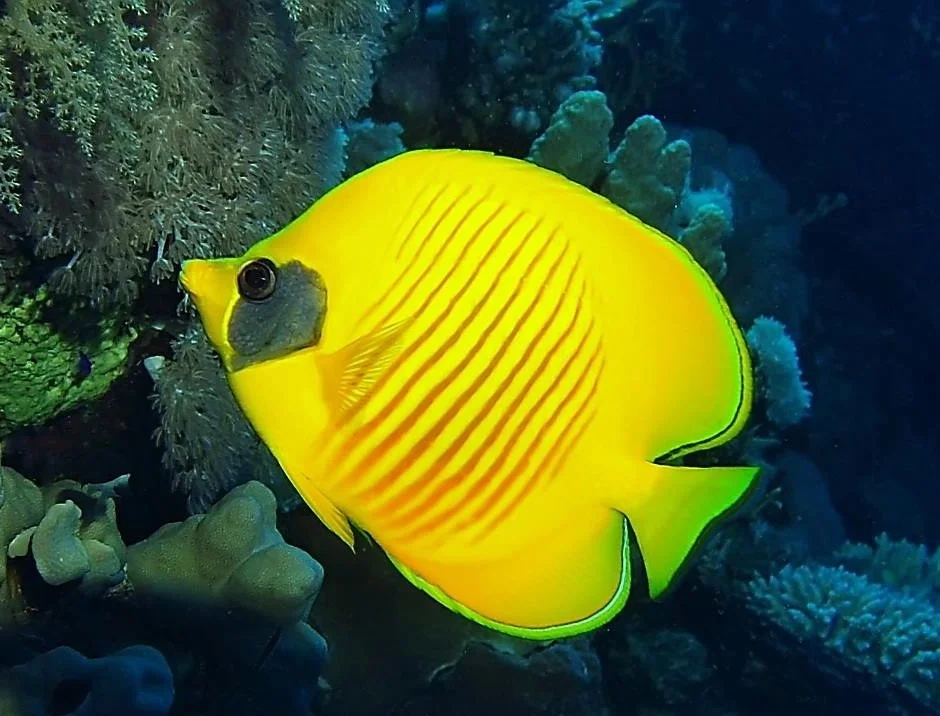
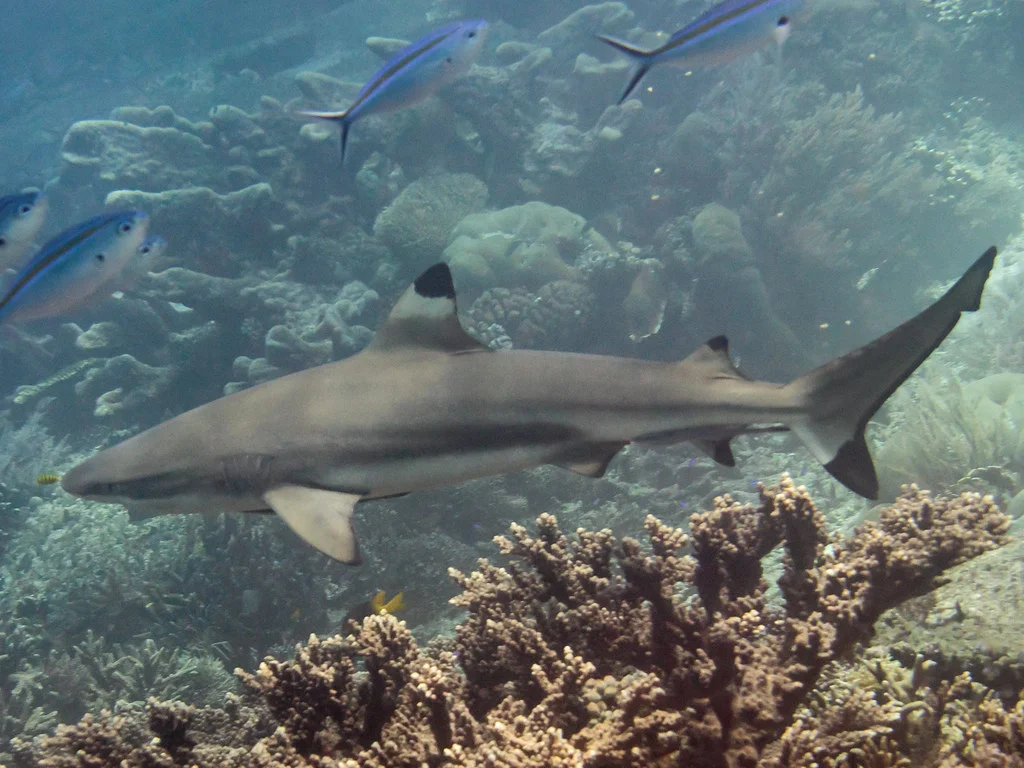
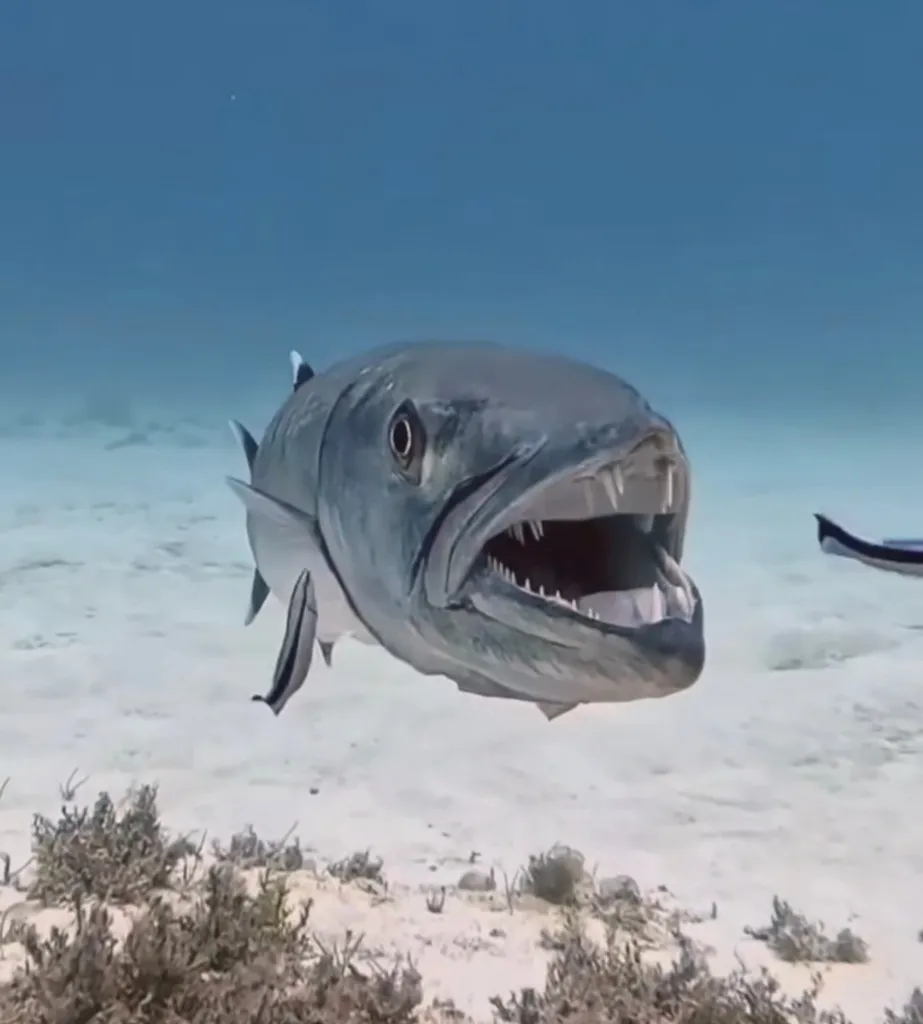
Divers regularly encounter blacktip reef sharks, especially during certain times, patrolling deeper sections. Vibrant schools of tropical fish thrive here, including yellowtail barracuda, bluefin trevally, butterflyfish, fusiliers, rabbitfish, parrotfish, and sergeant majors.
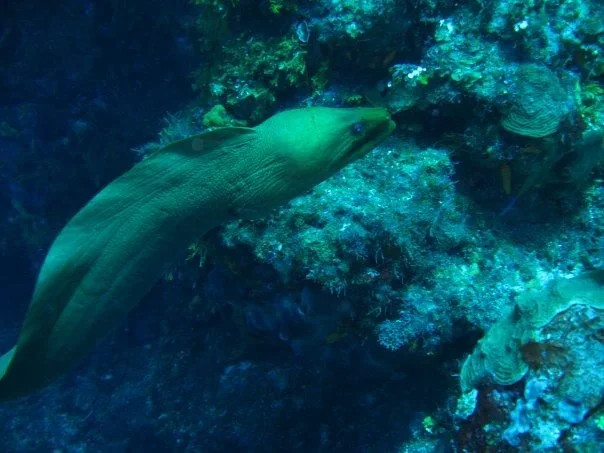
Attentive divers will also uncover smaller creatures such as nudibranchs, various shrimp species, and moray eels tucked into intricate granite and coral formations. With over 200 reported fish species, biodiversity ensures a captivating underwater experience.

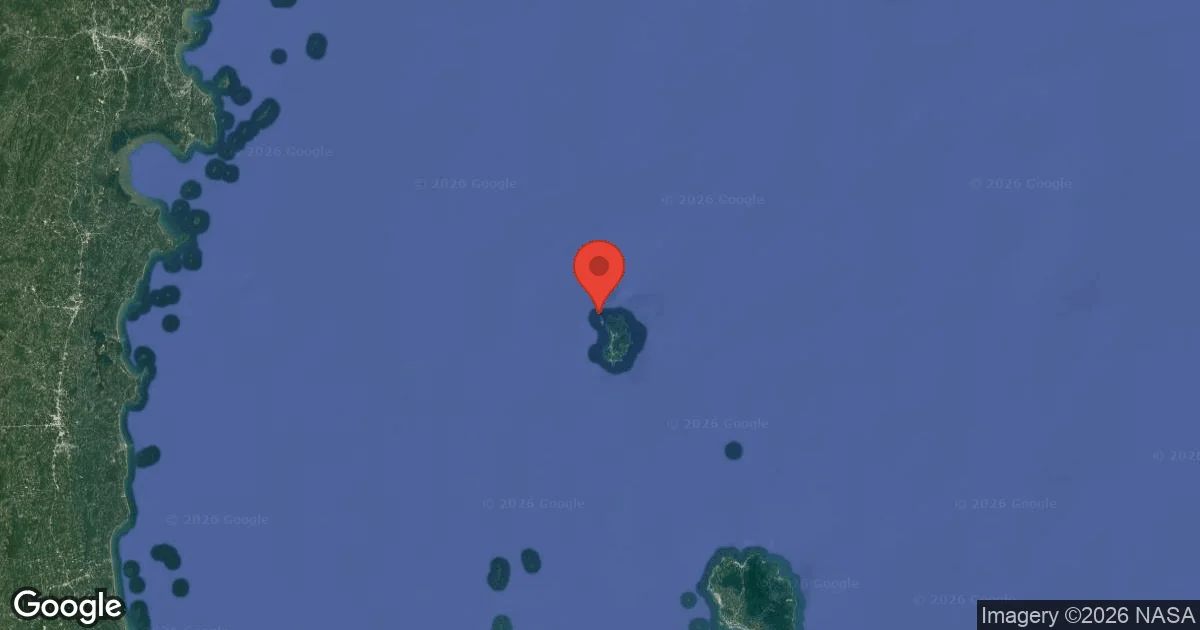
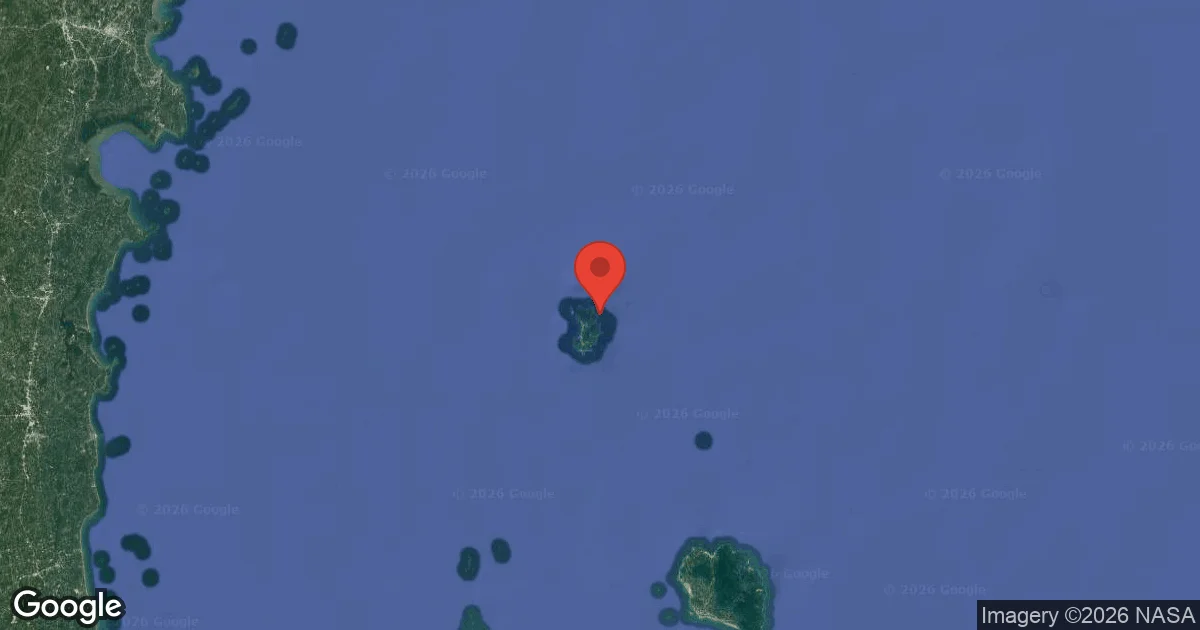
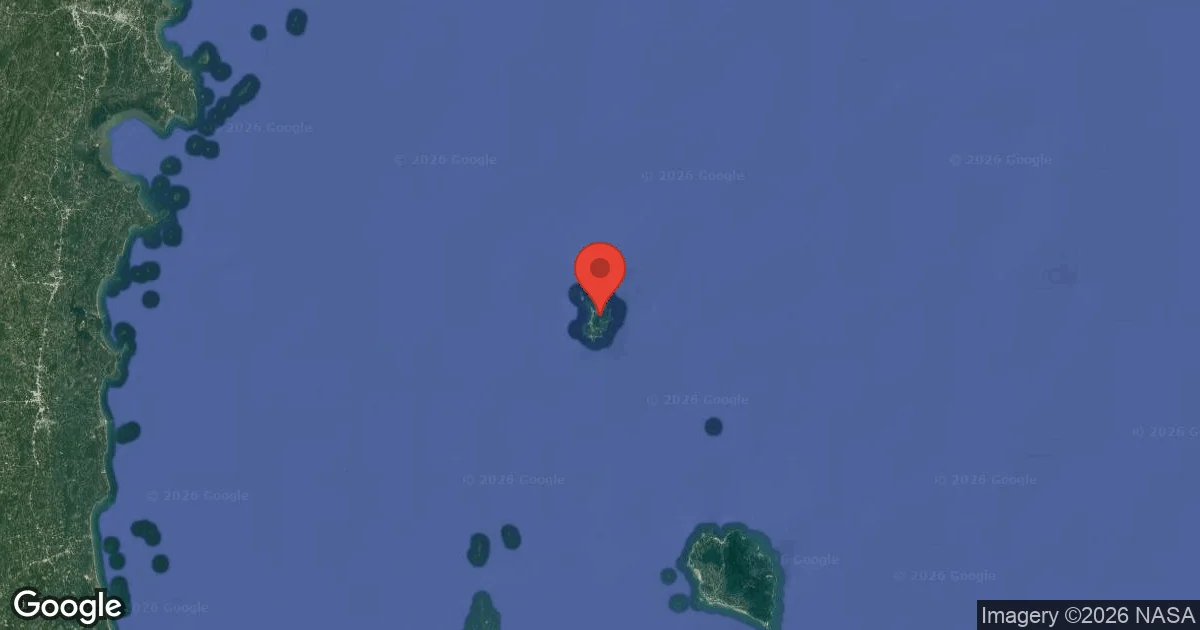
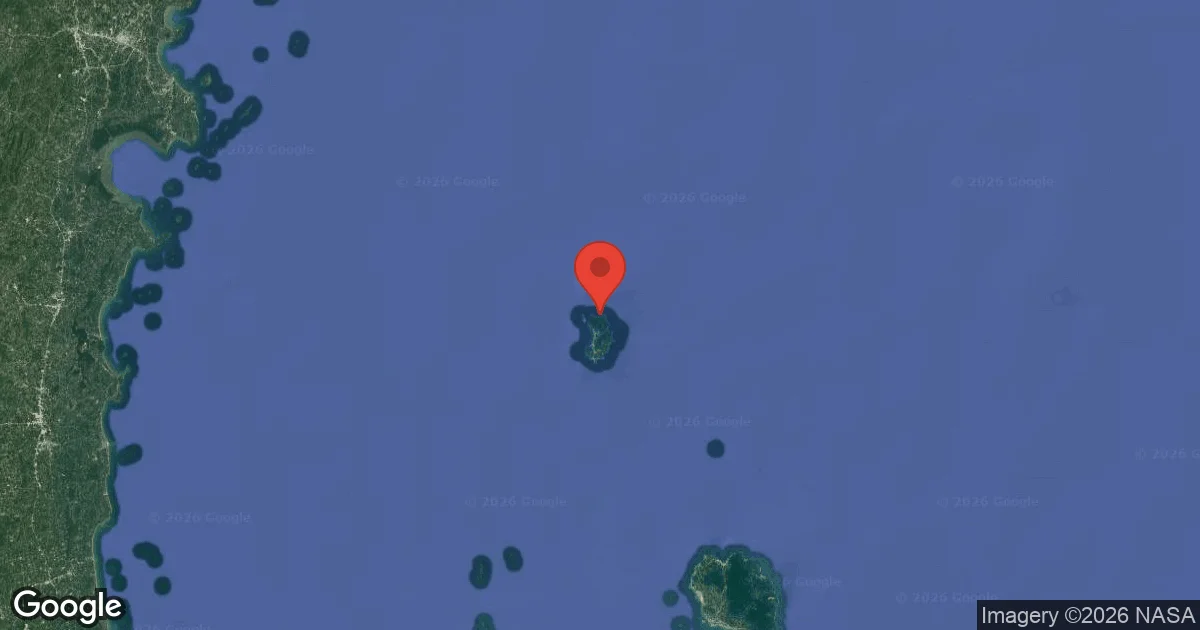
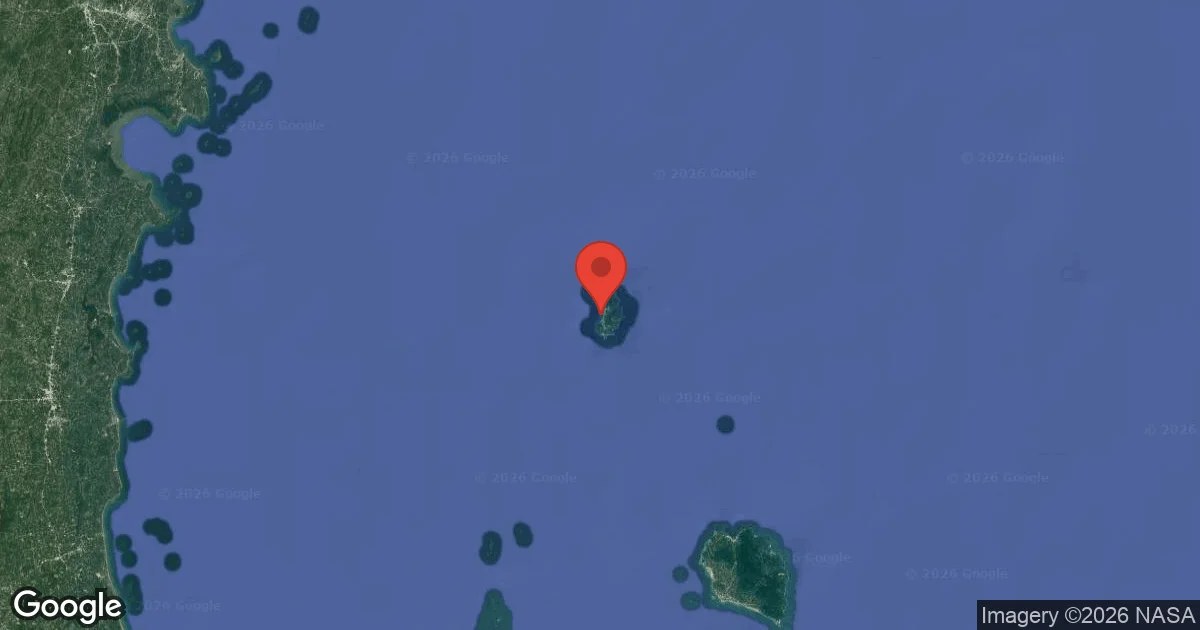
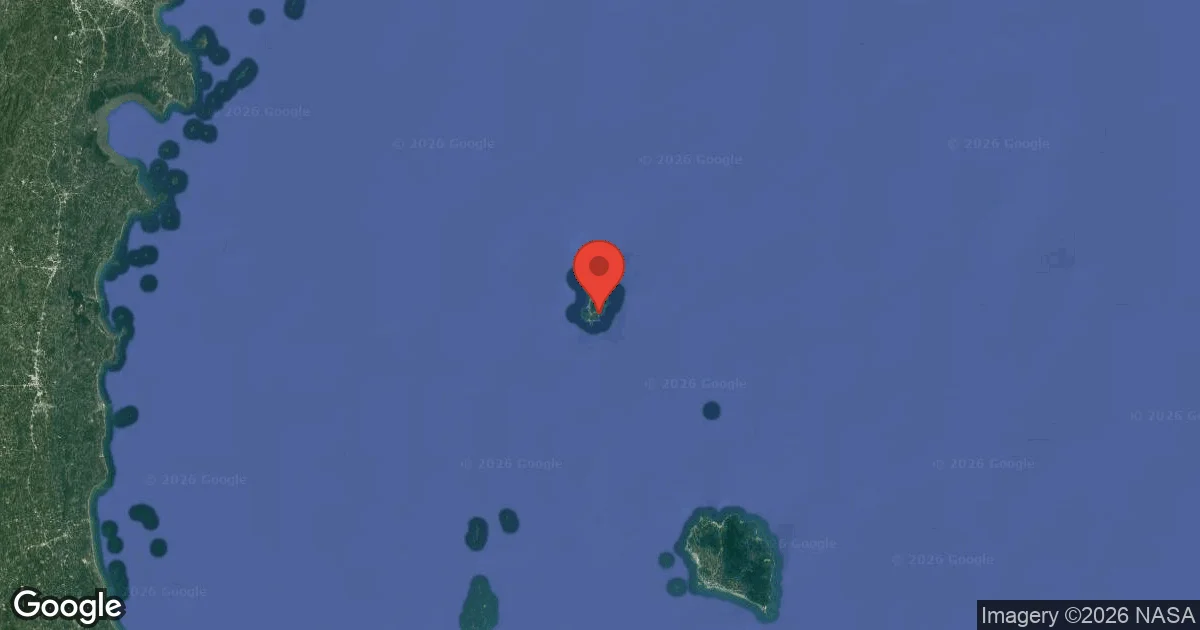
Dive Sites Near Hin Wong Bay
View all dive sites in ThailandDiscover more underwater gems in this area.
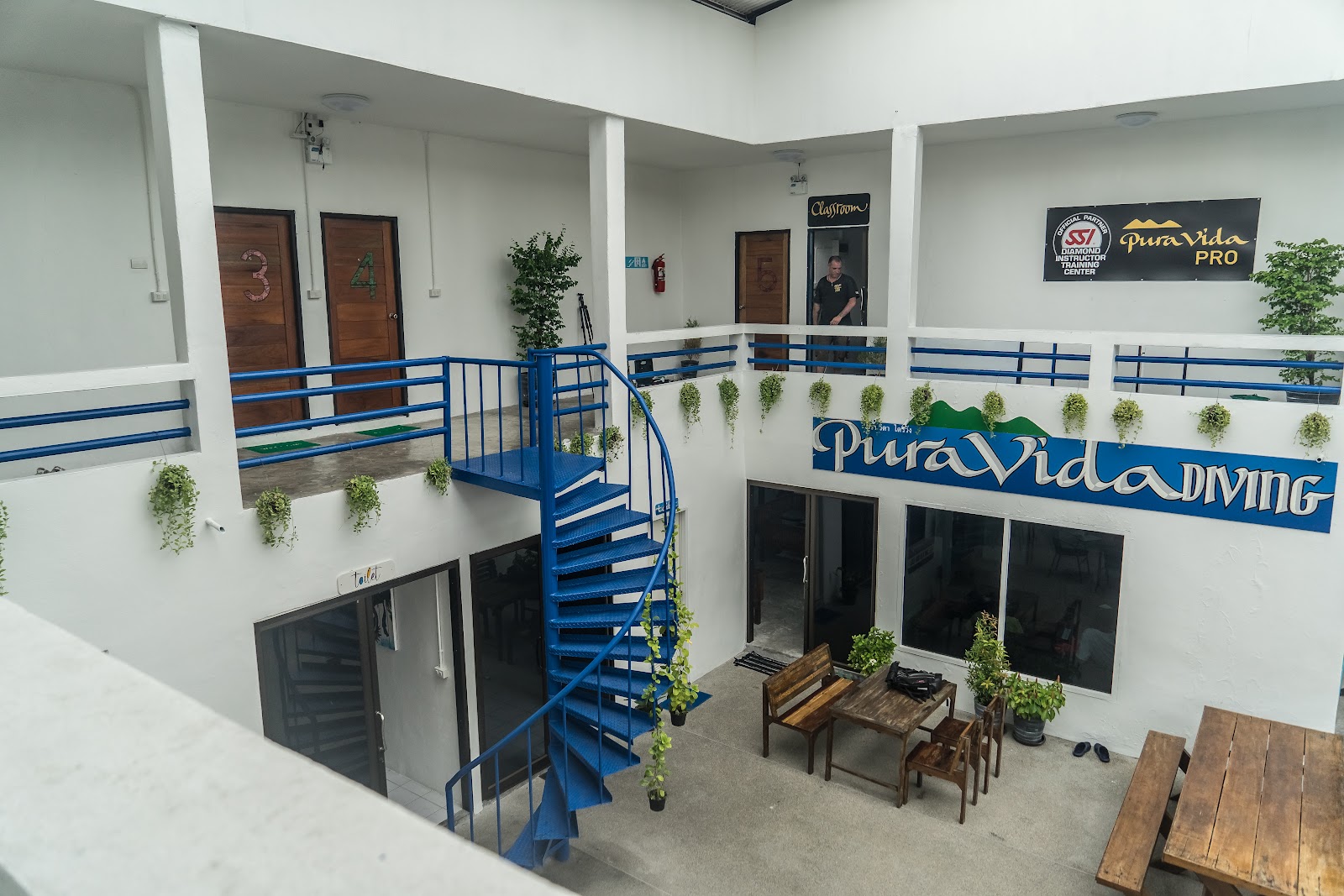
Dive Centers Near Hin Wong Bay
Today: 09:00 - 19:00


Nearest Airports
Nearest airports to help plan travel to this dive area.
Search Flights
Check available flights and routes on Expedia, using the nearby airports listed in this section.
Search Flights on ExpediaFrequently Asked Questions
What is the typical maximum depth at Hin Wong Bay?
Recreational diving at Hin Wong Bay reaches approximately 20 meters or 65 feet. Its depth range accommodates divers across various certification levels.
How good is the underwater visibility at this dive site?
Visibility at Hin Wong Bay is consistently good, often exceeding 15 meters or 50 feet. Clear conditions make it excellent for spotting diverse marine life and appreciating coral formations.
Are there strong currents to contend with in Hin Wong Bay?
No, Hin Wong Bay's sheltered location means it experiences significantly fewer strong currents than many other dive sites. Such conditions make it ideal for relaxed diving and training.
Is Hin Wong Bay a suitable dive site for beginner divers?
Absolutely. Its gentle conditions, calm waters, and protected environment make it a top choice for beginners and those undergoing open-water certification dives. It enables comfortable learning and exploration.
What kind of marine life can divers expect to encounter?
Divers frequently spot green sea turtles and blacktip reef sharks in deeper sections. The bay abounds with schools of tropical fish like barracuda, trevally, parrotfish, and various macro life such as nudibranchs and shrimp hidden among corals.
When is the best time of day to dive at Hin Wong Bay?
Early mornings, typically between 7 AM and 10 AM, are considered the optimal time for diving. Water is usually at its calmest, with minimal surface chop, providing the most serene underwater experience.
What specific training can enhance a dive at Hin Wong Bay?
While PADI Open Water Diver certification is sufficient, a PADI Advanced Open Water Diver course can enhance exploration. An AWARE Shark Conservation Diver course could also be relevant given regular reef shark sightings.
Planning to dive Hin Wong Bay?
Send one inquiry and receive offers directly from the best verified local dive operators.
Conditions are Good
Optimal conditions expected
Current conditions near Hin Wong Bay show 28° air, 30° sea temperature, N/A waves, and 23 km/h wind. Forecast data is refreshed regularly to ensure accuracy.