
Diving at Junkyard Reef (Thailand)
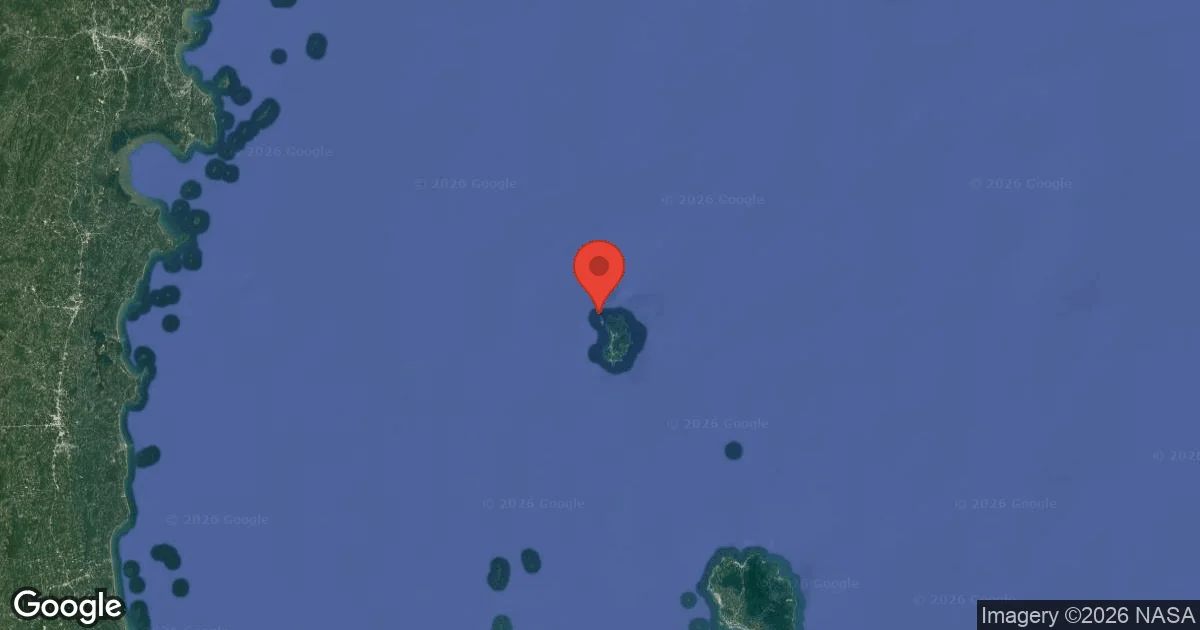
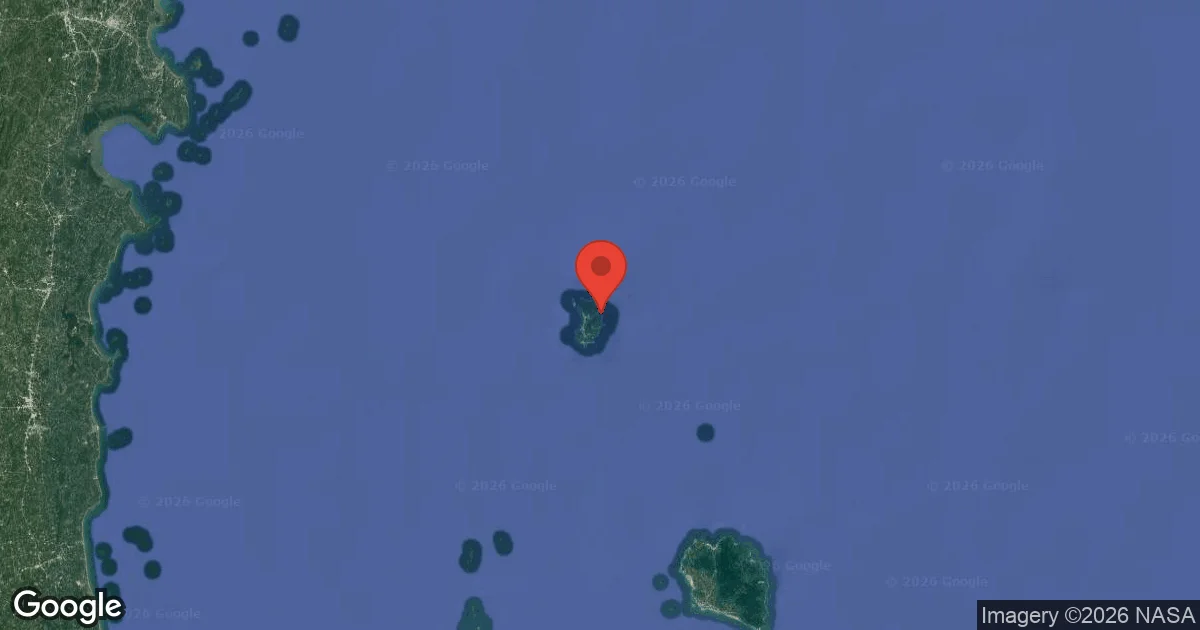
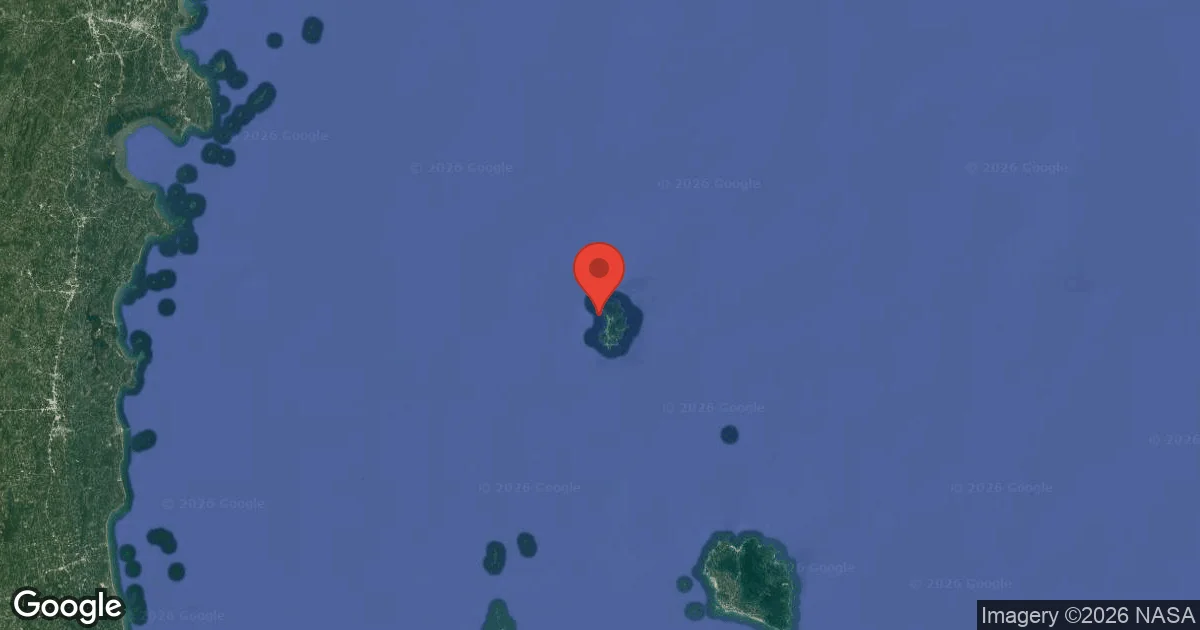
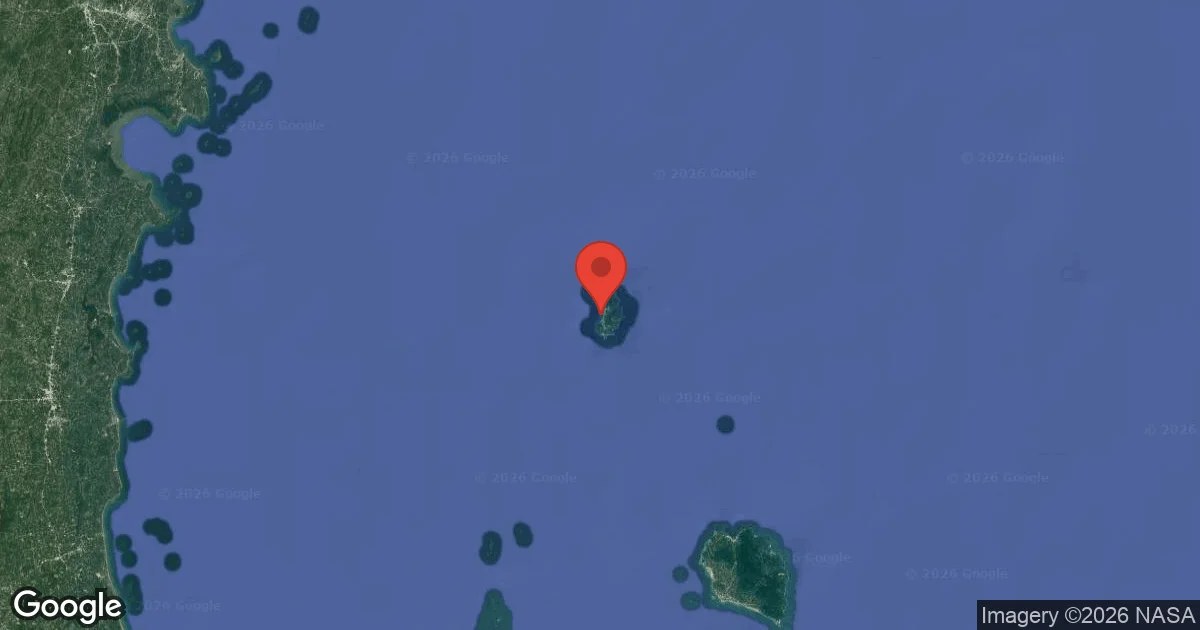
Junkyard Reef is an artificial dive site off Koh Tao's southeastern shoreline, strategically constructed from repurposed materials. Its design prioritizes marine conservation and biodiversity, serving as an evolving underwater art installation. The site accommodates various skill levels, with shallower sections for Open Water divers reaching 8-14 m / 26-46 ft. Deeper, more intricate structures extending to 15-20 m / 49-66 ft are recommended for Advanced certified divers.
Tonight's objective overview for Junkyard Reef shows an air temperature of 27.5°C. The measured surface conditions include wave heights around 0.3 m. This environmental data is logged for the close of the day.
Dive Site Location & Key Facts
Dive Site Overview
Serving as both a thriving ecosystem and an educational underwater classroom, Junkyard Reef embodies an innovative approach to marine conservation on Koh Tao. Initiated as a creative solution to alleviate pressure on delicate natural coral formations, this site has evolved into a vibrant habitat, actively supporting a diverse array of marine life.
Complex structures, crafted from repurposed human-made materials, provide essential stable surfaces for coral growth and offer sheltered spaces for numerous species. Divers across all experience levels discover significant value here; it's an exceptional location for refining buoyancy control, engaging in conservation-focused education, and understanding the profound benefits of artificial reefs. Continuous maintenance efforts, including dedicated coral propagation and regular clean-ups by local conservation partners, ensure the site's ongoing development and ecological success.
Junkyard Reef powerfully demonstrates how eco-conscious diving can directly contribute to ocean health, presenting an engaging and perpetually changing environment for underwater exploration. Its dynamic nature means each visit might unveil new aspects of its evolving ecosystem.
Conditions are Good
Optimal conditions expected
Current conditions near Junkyard Reef show 28° air, 30° sea temperature, 0.6 m waves, and 28 km/h wind. Forecast data is refreshed regularly to ensure accuracy.
Best Time to Dive
Optimal diving conditions at Junkyard Reef typically align with the drier months, presenting smoother seas and high visibility. March and April stand out with excellent dive scores, thanks to air temperatures around 28-29°C / 82-84°F and minimal rainfall, generally under 2 mm. The period from January through May consistently offers good to excellent diving, characterized by lower wave heights and lighter winds. While water temperatures aren't consistently reported, they typically remain warm throughout the year, usually ranging between 27-30°C / 81-86°F. The rainy season, particularly October and November, sees increased rainfall, up to 9 mm, which might affect surface conditions but still offers good diving opportunities.
PEAK SEASON SCORE
Scores combine air & water temps, waves, wind & rainfall for overall conditions.
BEST MONTHS TO DIVE
Monthly records compiled from satellite and marine observation nodes over the last 3 years. Data provided by Open-Meteo and MET Norway.
Dive Experience & Conditions
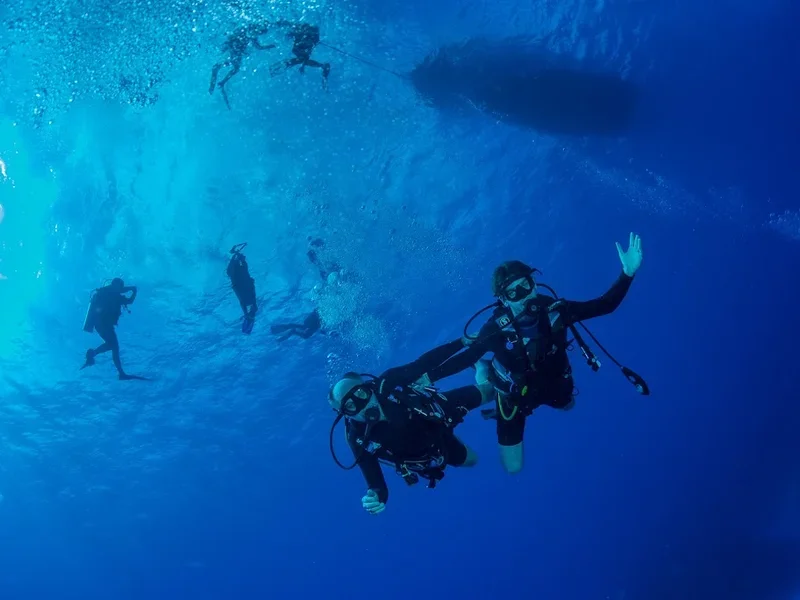
Navigating Junkyard Reef uncovers a thoughtfully designed underwater landscape, catering to both educational pursuits and recreational exploration. Shallower sections, accessible from around 8 to 14 meters, prove ideal for Open Water training dives and refining buoyancy control amidst its intricate installations. Exploring these areas offers ample opportunity to interact with budding coral growth and observe initial colonization efforts. Progressing deeper reveals main structures positioned from 15 to 20 meters, offering a more challenging experience suited for advanced divers. Here, intricate pathways wind through larger formations, inviting closer inspection. Conditions influence visibility, which varies; nevertheless, the intricate arrangement of repurposed materials forms countless nooks and crannies awaiting discovery. Significant currents aren't consistently reported as typical, yet divers should prepare for moderate water movement, particularly when exploring the deeper areas or during tidal shifts. Expect a calm, engaging dive environment, ripe for detailed observation.
Dive Difficulty & Safety Guidelines
Engaging with Junkyard Reef demands suitable certification and a strong commitment to conservation ethics. Shallower areas are accessible for Open Water certified divers, yet exploring deeper main structures benefits significantly from Advanced Open Water training, given their layout and depth. Prior to entry, divers attend environmental briefings, which underscore conservation efforts and responsible interaction with this artificial reef.
Operations often prioritize small group sizes, aiming to minimize ecological impact and foster respect for the developing marine ecosystem. Ongoing site maintenance, including coral transplanting and scheduled reef clean-ups, is a continuous process; therefore, divers must remain mindful of active conservation work and strictly avoid disturbing any structures or marine life during their visit. Adherence to these guidelines ensures both diver safety and the reef's long-term health.
Recommended Equipment
- Dive Computer
- DSMB
This gear list is based on verified equipment signals for Junkyard Reef, Thailand. Always confirm final gear choices with your dive operator, guide, or liveaboard.
Recommended Dive Suit
Short-term weather patterns suggest stable conditions for divers visiting the area.
Some divers prefer slightly warmer exposure protection simply for additional comfort.
Dive skin or rash guard usually works well for maintaining comfort during standard dive profiles in these conditions. A hood or vest is suggested for sensitive divers due to surface winds. Divers preparing to enter the water at Junkyard Reef will likely find temperatures around 30°C (85°F) today. Surface air temperatures are resting at 28°C (82°F).
Due to technical issues with our weather providers, live updates are temporarily delayed. The data above reflects the conditions at the time of the last successful fetch.
Emergency & Medical Support
Essential information to help you plan your dive trip to Junkyard Reef.

Hyperbaric chambers are a critical part of dive safety infrastructure. Availability varies significantly by region, and not all dive areas have immediate access.
Before diving, it's recommended to:
- confirm nearest medical facilities
- check emergency procedures with local dive operators
- ensure dive insurance covers evacuation if required
Divers Alert Network
Diving emergency assistance available through DAN World.
+1-919-684-9111- 24/7 emergency hotline
- Diving medical assistance
- Evacuation coordination
Emergency contacts are provided for reference. Always verify local emergency services before diving.
Marine Life at Junkyard Reef
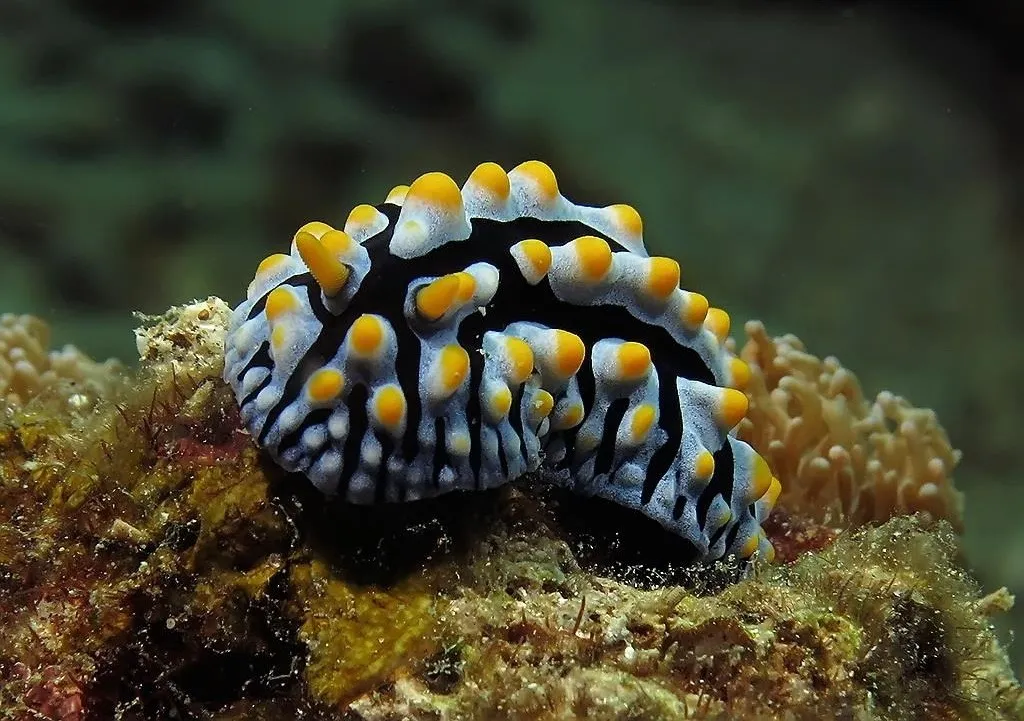
When you descend upon Junkyard Reef, the immediate impression is often its rich macro life, thriving amidst the repurposed structures. These complex habitats have transformed into coral-covered mini reefs, attracting a diverse array of small fish, invertebrates, and interesting critters.
Divers frequently spot nudibranchs, various shrimp species, and juvenile reef fish seeking shelter. The site's continuous evolution means that each dive may reveal new inhabitants, showcasing the dynamic nature of this artificial ecosystem.

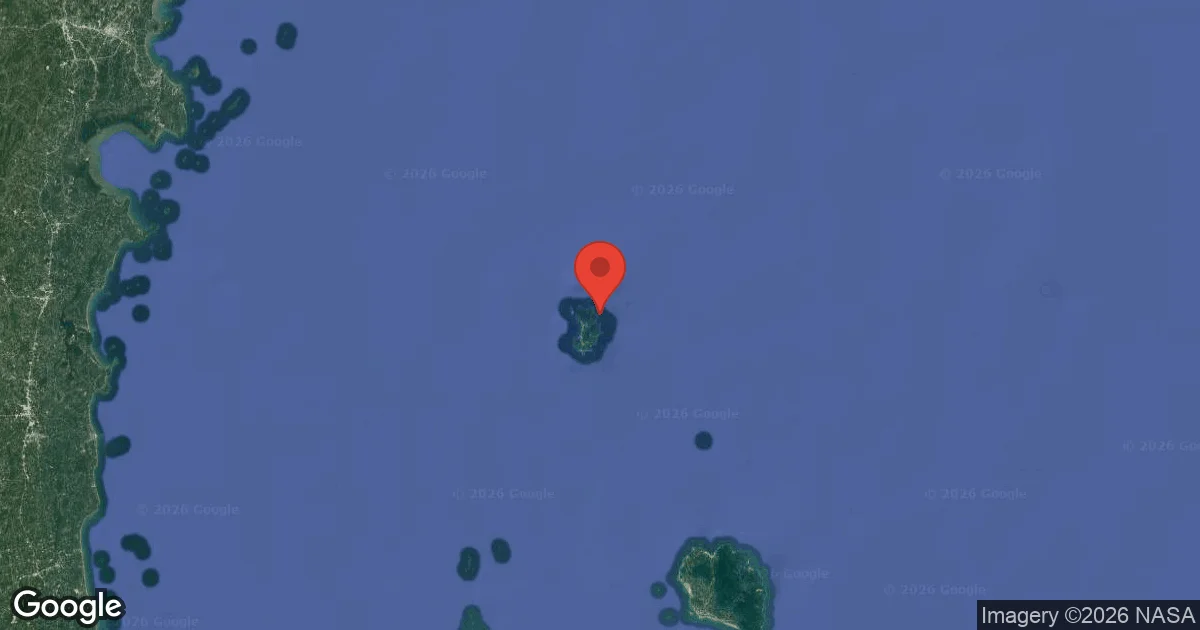
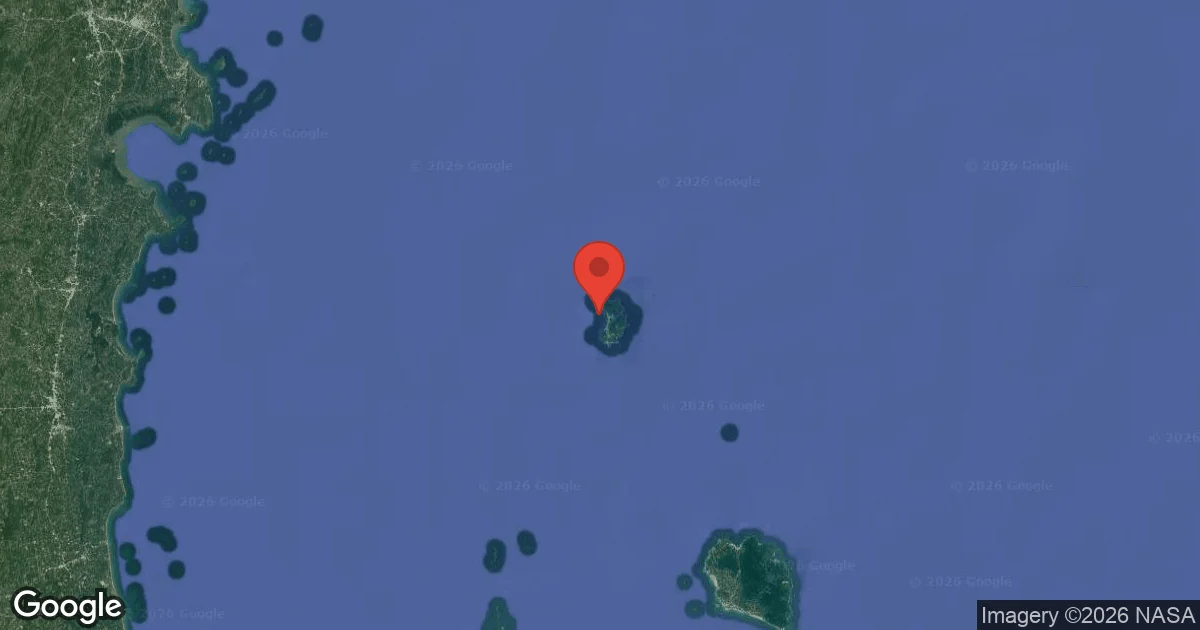
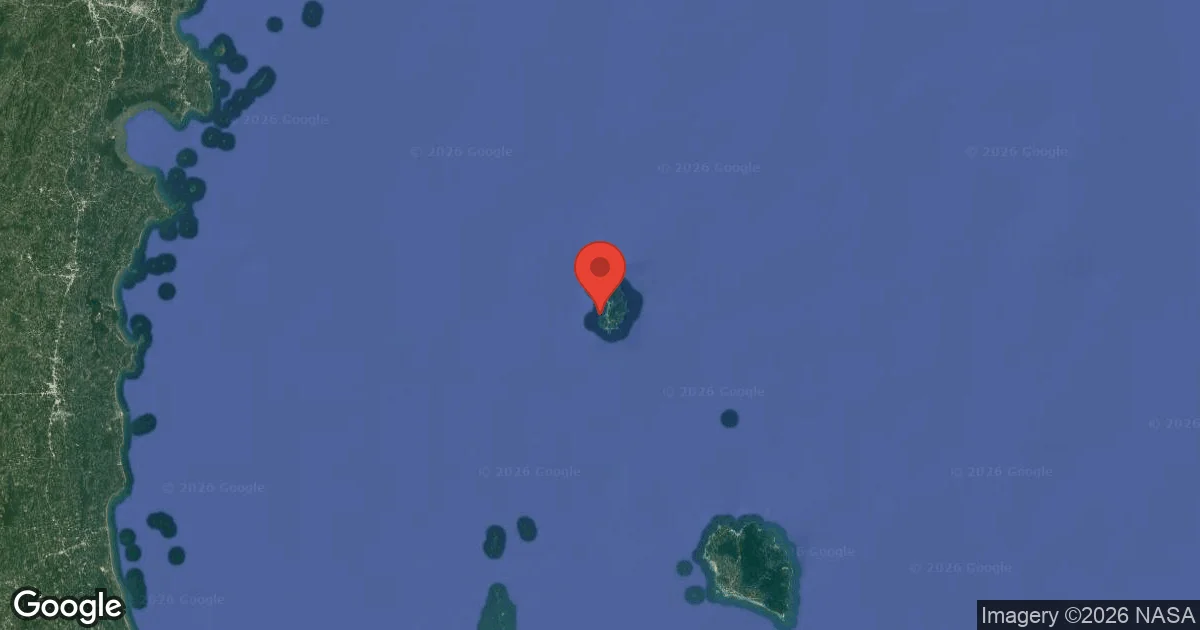
Dive Sites Near Junkyard Reef
View all dive sites in ThailandDiscover more underwater gems in this area.
Dive Centers Near Junkyard Reef
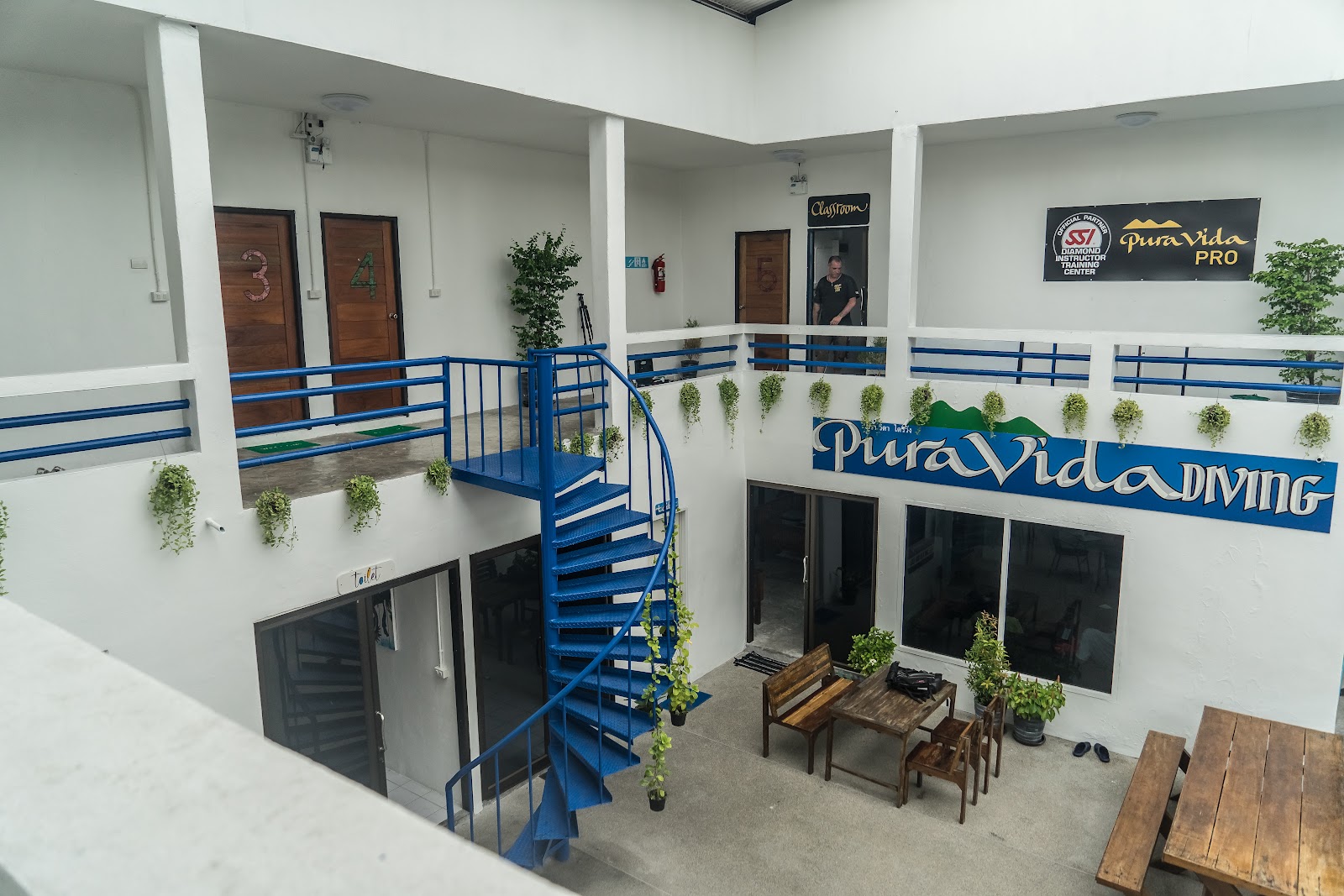
Today: 09:00 - 19:00
Nearest Airports
Nearest airports to help plan travel to this dive area.
Search Flights
Check available flights and routes on Expedia, using the nearby airports listed in this section.
Search Flights on ExpediaFrequently Asked Questions
What is the primary purpose of Junkyard Reef?
Junkyard Reef was created as a conservation initiative to reduce pressure on Koh Tao's natural reefs. It serves as a purpose-built habitat to support marine life and boost biodiversity, while also providing a unique dive experience and educational platform for divers.
What certification level is required to dive Junkyard Reef?
Open Water certification is the minimum requirement for the shallower areas of Junkyard Reef. For exploring the main structures and deeper sections, typically extending beyond 15 meters, Advanced Open Water training is recommended.
How long does it take for artificial reefs to attract marine life?
Initial colonization by algae and small organisms can begin within weeks of installation. Significant coral attachment and growth usually start within 6-18 months, with a full ecosystem developing diverse fish populations and mature coral coverage typically taking 3-7 years.
Is Junkyard Reef safe for the marine environment?
When designed and constructed with suitable materials and scientific precision, artificial reefs like Junkyard are highly beneficial for marine life. They provide vital habitats, nurseries, and feeding grounds, contributing positively to local ocean health and biodiversity.
What kind of marine life can I expect to see at Junkyard Reef?
Junkyard Reef is particularly known for its macro life. Divers can expect to encounter a variety of small fish, invertebrates such as nudibranchs and shrimp, and other interesting critters that seek refuge and food within its complex structures and growing corals.
Who maintains the Junkyard Artificial Reef?
The Junkyard Artificial Reef benefits from ongoing care and collaboration between organizations like Crystal Dive and The Coral Tribe. Their efforts include regular maintenance dives, coral propagation, reef clean-ups, and monitoring marine life populations.
Planning to dive Junkyard Reef?
Send one inquiry and receive offers directly from the best verified local dive operators.
Conditions are Good
Optimal conditions expected
Current conditions near Junkyard Reef show 28° air, 30° sea temperature, 0.6 m waves, and 28 km/h wind. Forecast data is refreshed regularly to ensure accuracy.