
Diving at Japanese Gardens (Thailand)
Beneath the calm waters of Koh Nang Yuan, Japanese Gardens unfolds as a vibrant underwater landscape. This site's meticulously arranged hard coral formations truly resemble a tranquil zen garden, offering a visually structured and serene diving environment. Its sheltered bay and shallow depths create an accessible and aesthetically pleasing introduction to Thailand's reef systems. Discover sprawling coral heads reaching towards the surface.
Evening condition tracking at Japanese Gardens features an air temperature of 28°C. We have recorded wave heights measuring 0.3 m during this period. These figures outline the environmental parameters currently present.
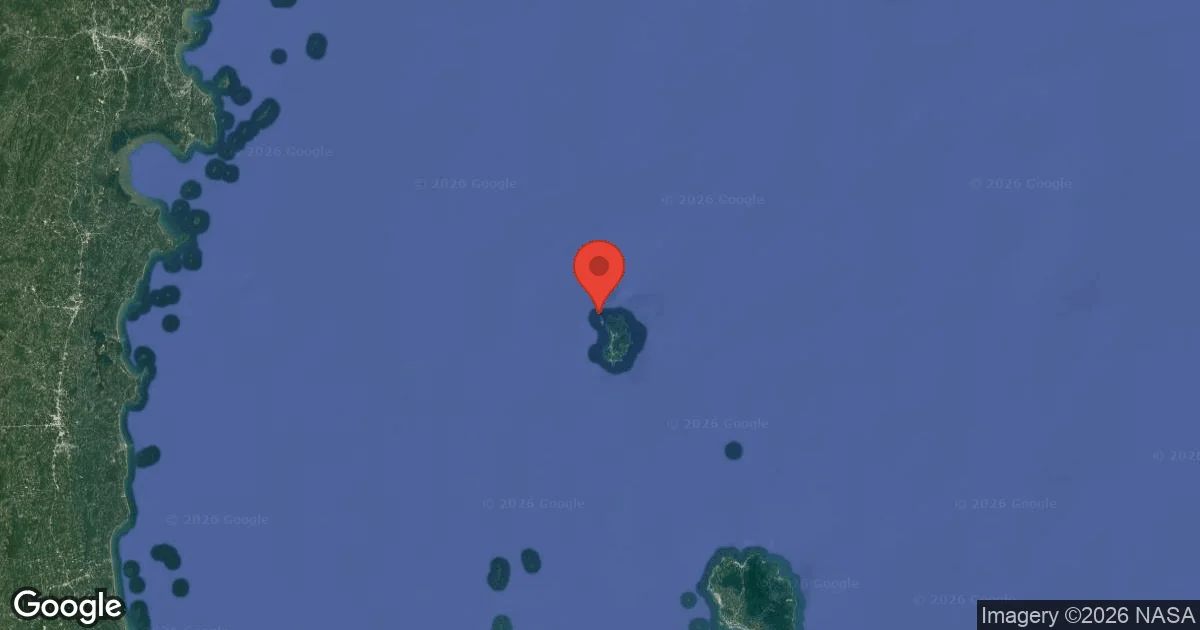
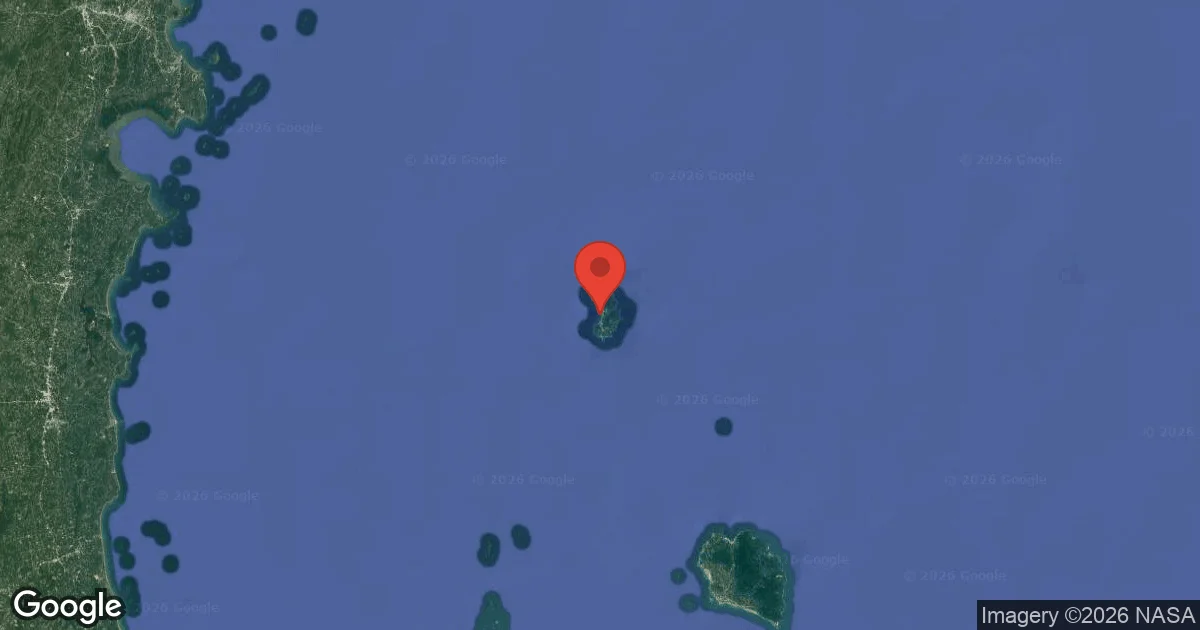
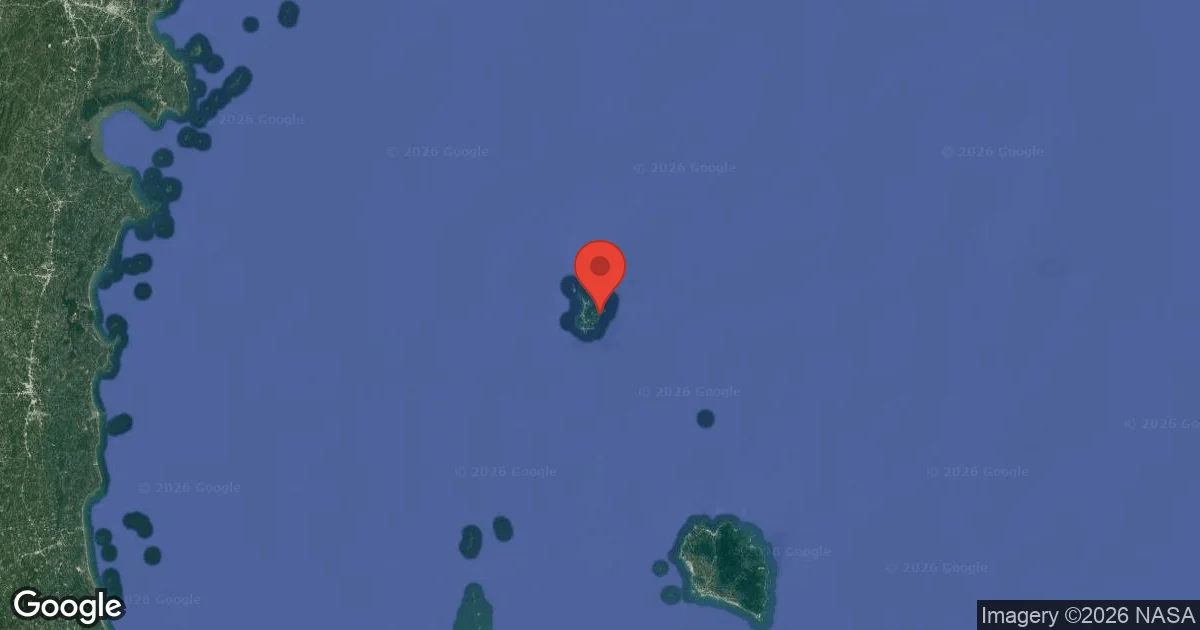
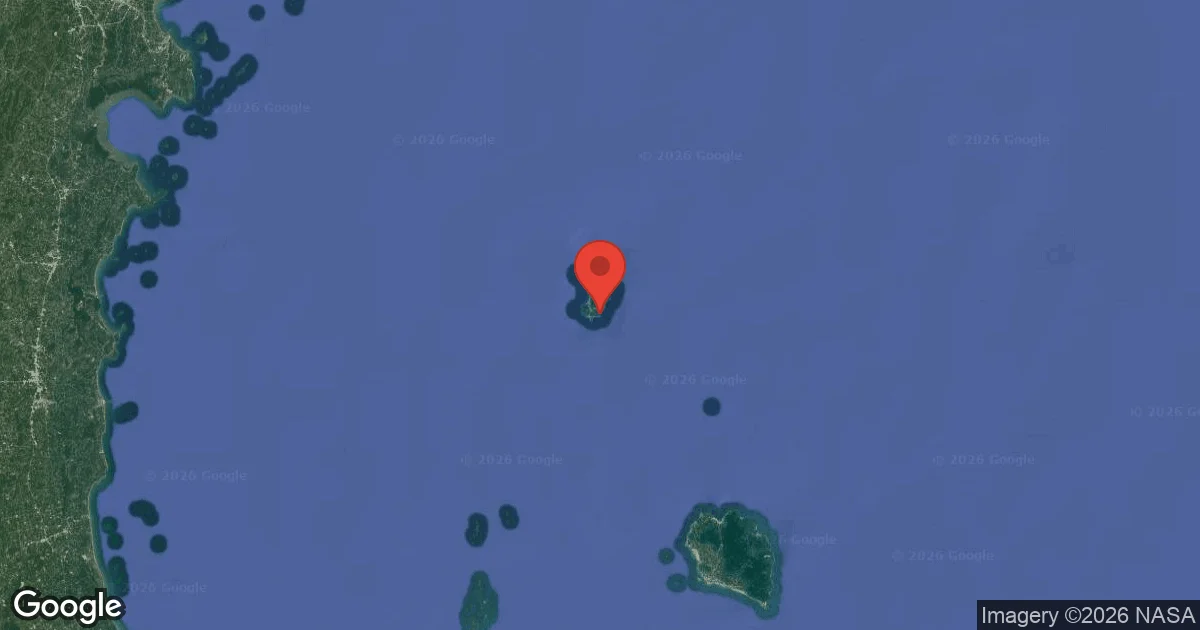
Dive Site Location & Key Facts
Dive Site Overview
Divers arriving at Japanese Gardens quickly understand its name, discovering an expansive reef across a sheltered bay. Separated by the sandbar connecting Koh Nangyuan's peaks and found directly opposite Twins, this site features a diverse coral ecosystem.
The reef extends from paddling depth down to a maximum of 20 m (65 ft), though most activity centers around an average depth of 10 m. Divers often explore towering Compact Coral and Lobed Pore Coral structures, some reaching up to 5 meters in height. Fields of Lettuce, Staghorn, Mushroom, and Slipper Corals intersperse these larger formations, contributing to the site's rich benthic habitat.
Calm conditions generally prevail, making it suitable for both scuba diving and snorkeling. Its accessible nature and varied coral life draw many to its underwater scenery.
Conditions are Good
Optimal conditions expected
Current conditions near Japanese Gardens show 28° air, 30° sea temperature, 0.6 m waves, and 28 km/h wind. Forecast data is refreshed regularly to ensure accuracy.
Best Time to Dive
Visibility often dictates the quality of a dive, and Japanese Gardens typically provides a clear experience, with reported visibility ranging from 2-18 m (6-60 ft). The site is accessible year-round, but specific months tend to offer the most favorable conditions. For instance, March and April frequently register excellent dive scores, with March averaging an air temperature of 28.5°C (83°F) and April slightly warmer at 29.5°C (85°F). Rainfall during these peak months is minimal, with March seeing about 0.9 mm and April around 1.5 mm. Water temperatures consistently stay warm, ranging from 28-30°C (82-86°F) throughout the year. Wave heights are generally lower during these peak months, contributing to calm conditions ideal for exploring the reef.
PEAK SEASON SCORE
Scores combine air & water temps, waves, wind & rainfall for overall conditions.
BEST MONTHS TO DIVE
Monthly records compiled from satellite and marine observation nodes over the last 3 years. Data provided by Open-Meteo and MET Norway.
Dive Experience & Conditions
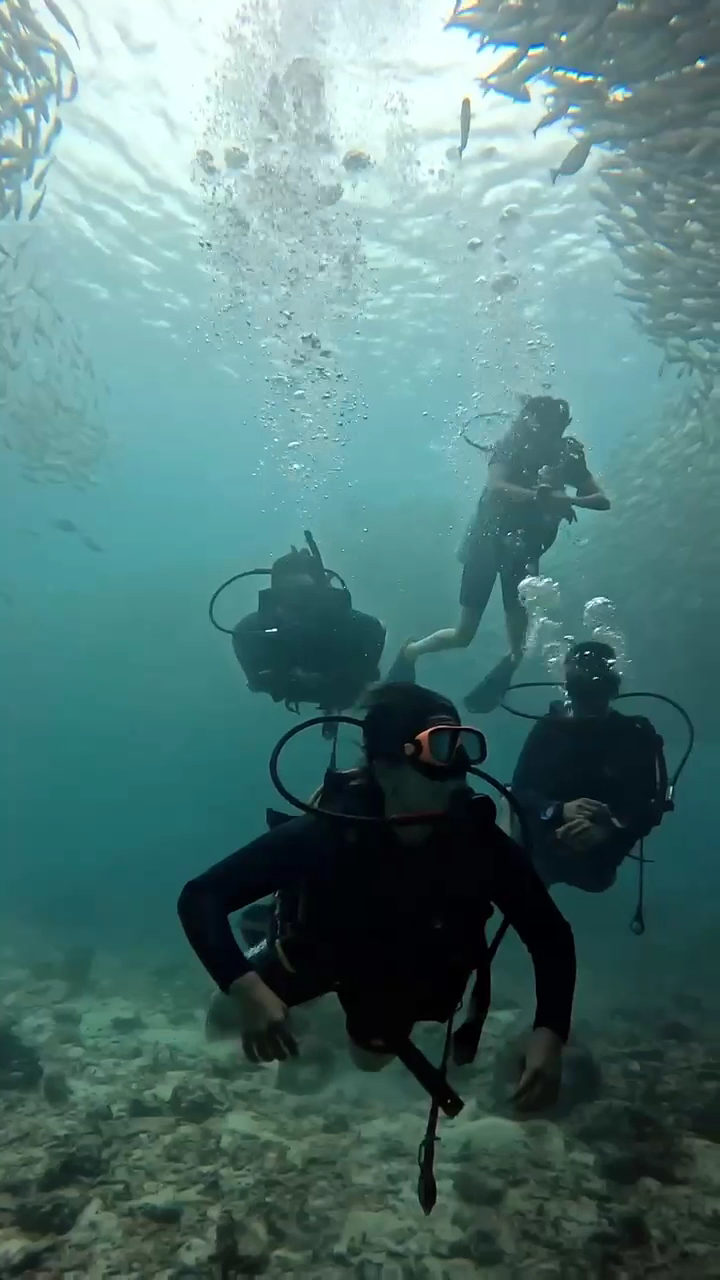
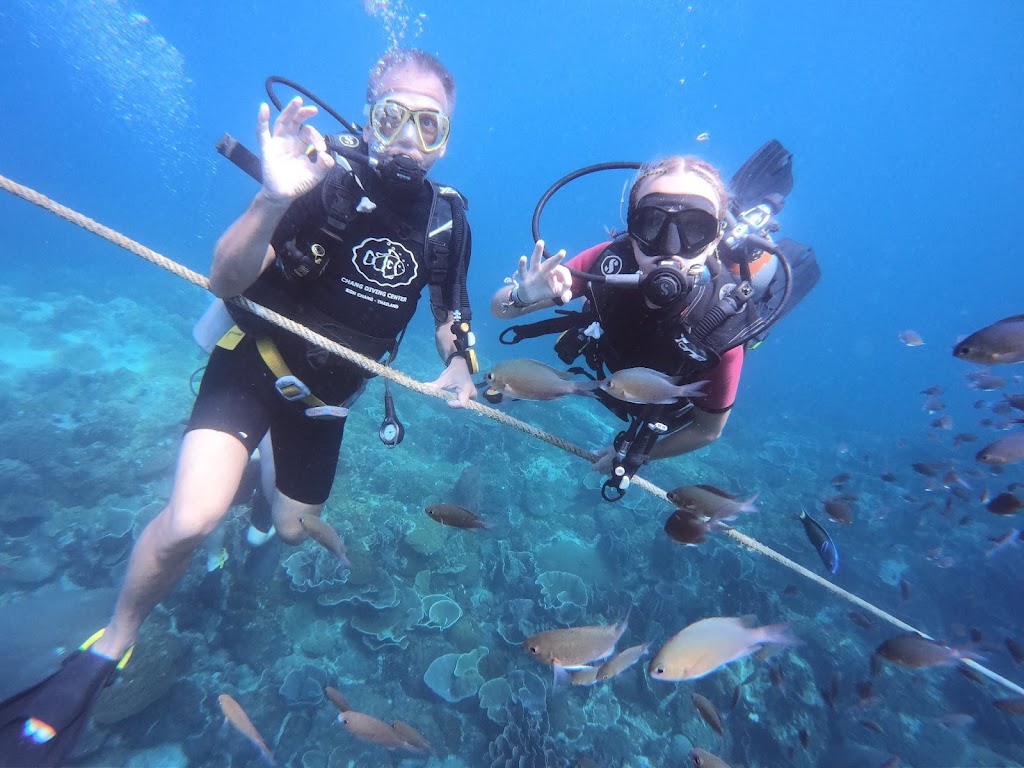
Entering the water at Japanese Gardens, divers appreciate the protected conditions that characterize this site. Access is available via both boat and shore, making it versatile for different operators and diver preferences. Its shallow, sheltered bay provides an ideal environment for beginners, with average depths around 10 m (33 ft); deeper sections extend to about 20 m. Water temperatures consistently remain warm, typically between 28-30°C (82-86°F). Visibility, while variable, is often excellent. Divers should expect gentle currents, particularly in the shallower sections, allowing for relaxed navigation of the extensive hard coral gardens. The site's calm nature supports a comfortable and engaging underwater experience for all skill levels.
Dive Difficulty & Safety Guidelines
Approaching Japanese Gardens demands mindful buoyancy control, especially across its shallower coral formations. While generally a calm site suitable for beginners, awareness of surroundings helps protect the delicate hard corals. Maintain a safe distance from the reef to prevent accidental contact, preserving both the ecosystem and your gear.
Always dive within your certification limits and stay with your buddy. Surface conditions are typically mild, however, monitoring weather forecasts ensures optimal dive planning.
A local dive professional can provide up-to-date information on any specific site conditions or temporary considerations. Remember, good dive practices contribute to a safe and enjoyable experience for everyone.
Recommended Equipment
- Dive Computer
- DSMB
This gear list is based on verified equipment signals for Japanese Gardens, Thailand. Always confirm final gear choices with your dive operator, guide, or liveaboard.
Recommended Dive Suit
For many recreational divers, dive skin or rash guard provides a practical level of insulation in these conditions. Consider warmer surface protection (like a boat coat) due to brisk winds. Divers who tend to get cold easily may prefer slightly thicker exposure protection.
At the moment, divers exploring Japanese Gardens will likely experience water temperatures near 30°C (86°F). Surface air temperatures are resting at 28°C (83°F).
The next few days appear likely to bring similar environmental conditions.
Due to technical issues with our weather providers, live updates are temporarily delayed. The data above reflects the conditions at the time of the last successful fetch.
Emergency & Medical Support
Essential information to help you plan your dive trip to Japanese Gardens.

Hyperbaric chambers are a critical part of dive safety infrastructure. Availability varies significantly by region, and not all dive areas have immediate access.
Before diving, it's recommended to:
- confirm nearest medical facilities
- check emergency procedures with local dive operators
- ensure dive insurance covers evacuation if required
Divers Alert Network
Diving emergency assistance available through DAN World.
+1-919-684-9111- 24/7 emergency hotline
- Diving medical assistance
- Evacuation coordination
Emergency contacts are provided for reference. Always verify local emergency services before diving.
Marine Life at Japanese Gardens
Among the detailed hard coral structures, keen observers quickly spot smaller, colorful residents. Living within the Lobed Pore Coral, divers can find vibrant Christmas Tree Worms, their feathery crowns adding bursts of color to the reef.
Boring Clams are also commonly sighted here, nestled among the coral. While Japanese Gardens is primarily celebrated for its diverse coral formations, these smaller invertebrates provide intricate details for macro enthusiasts.
Slow, deliberate movements often reveal these creatures, which blend seamlessly into their elaborate coral homes. The site's generally calm water allows for extended observations of these fascinating inhabitants.

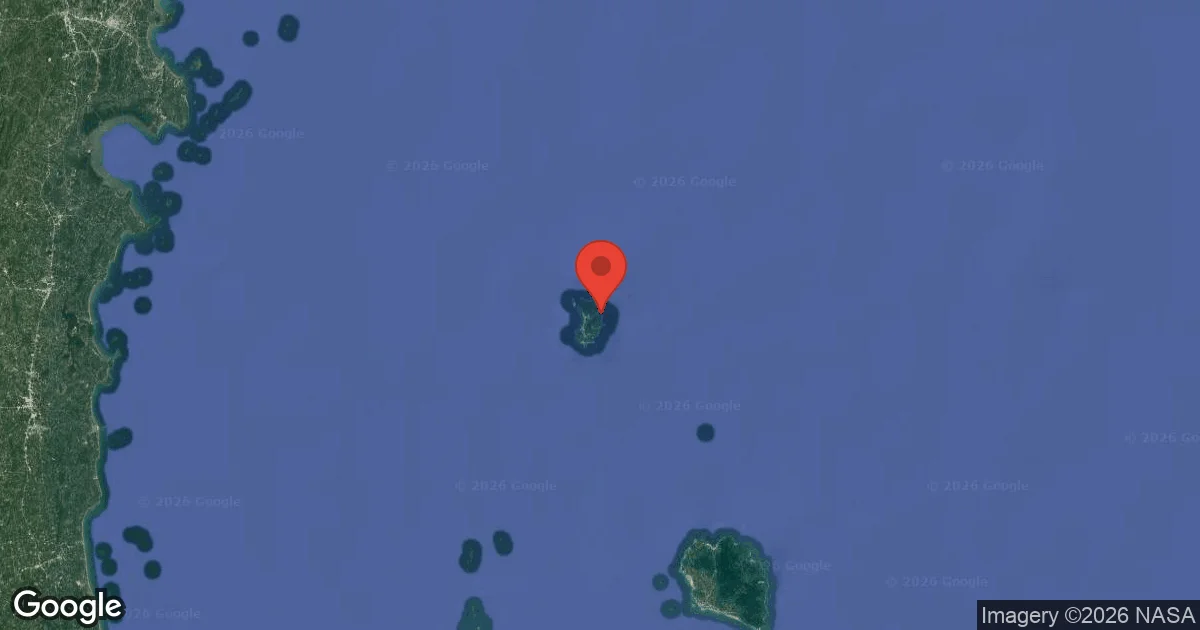
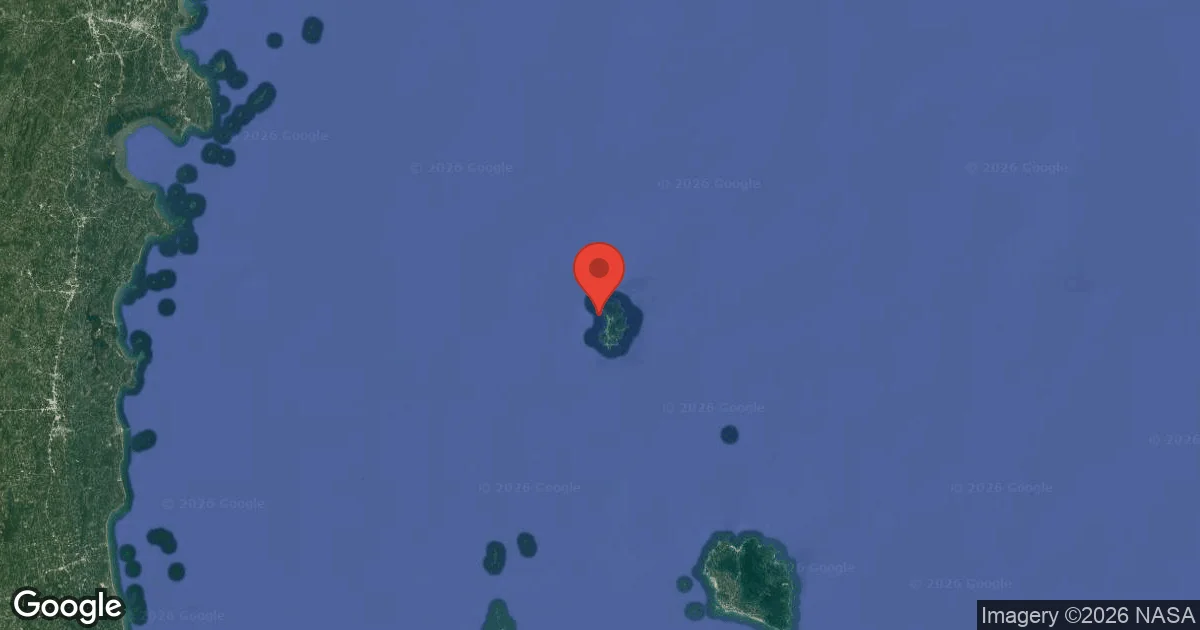
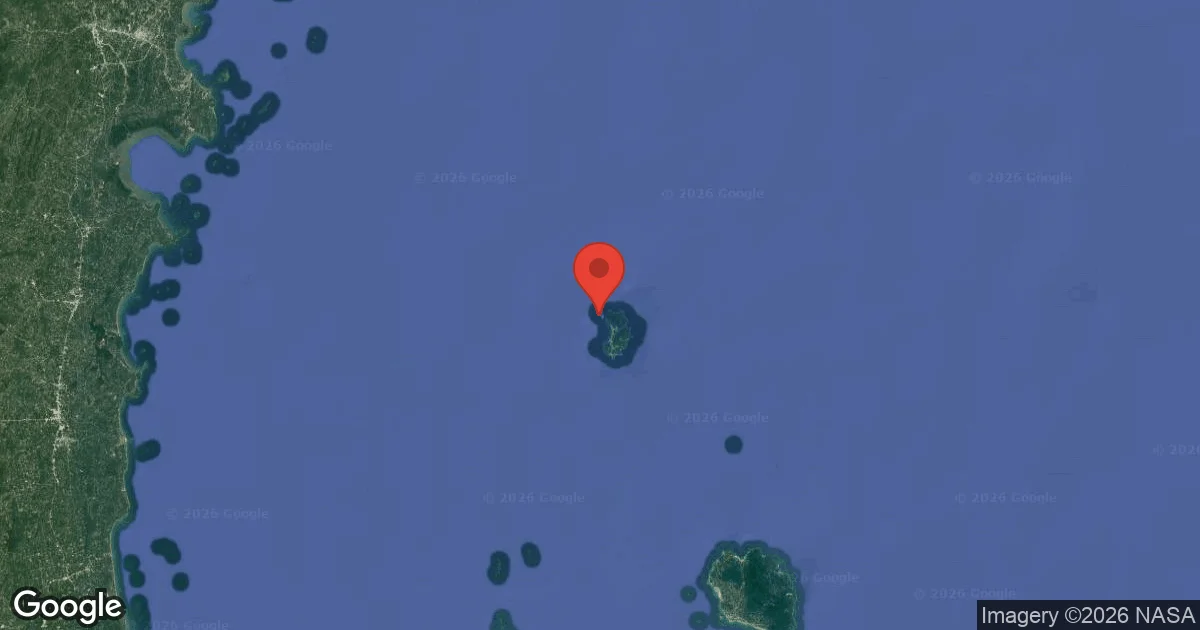
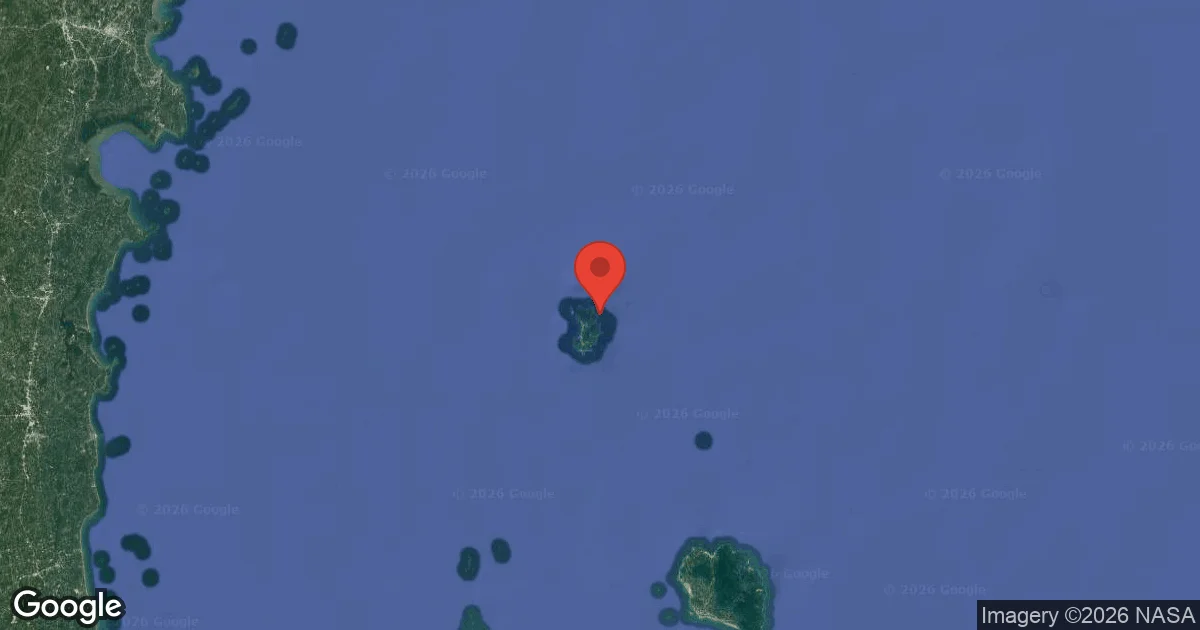
Dive Sites Near Japanese Gardens
View all dive sites in ThailandDiscover more underwater gems in this area.
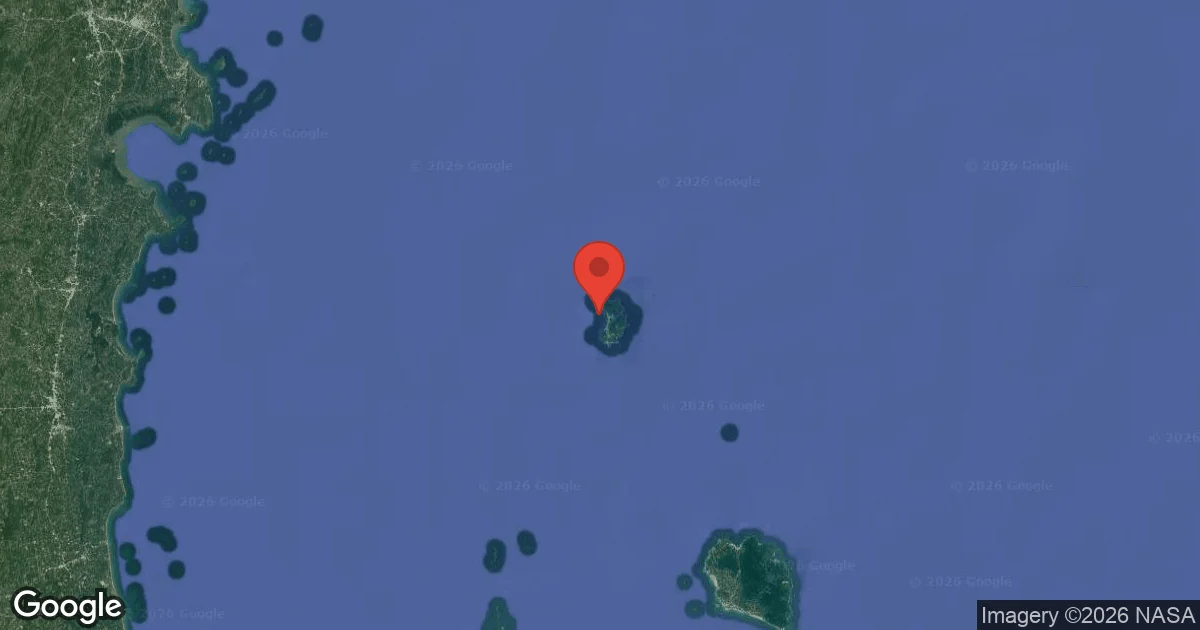
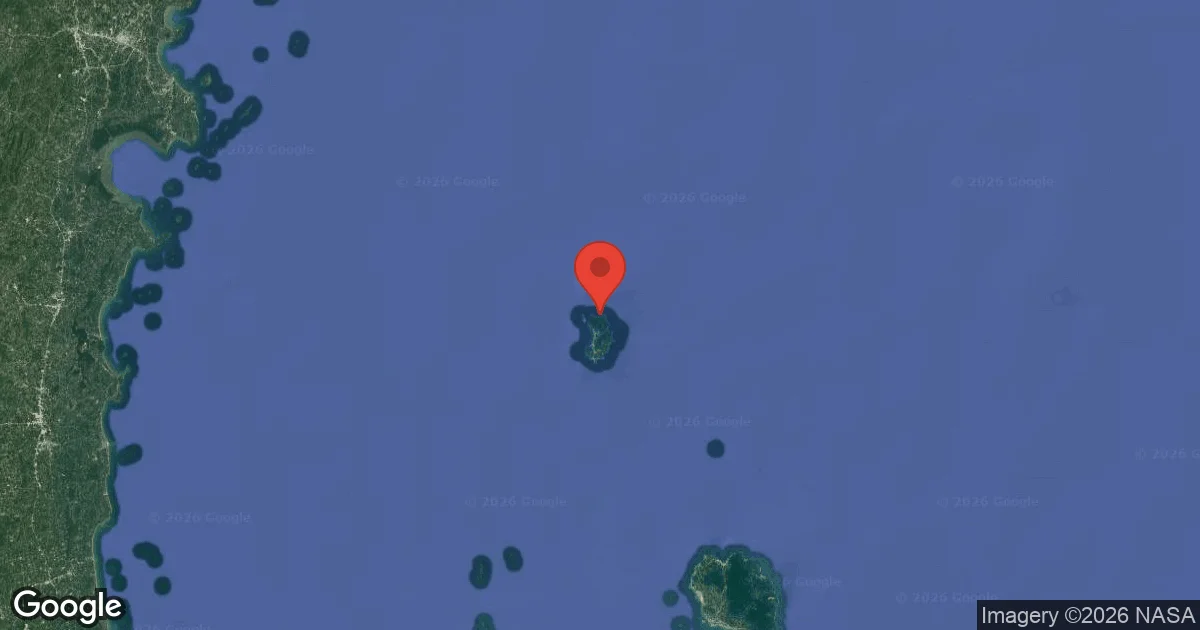
Dive Centers Near Japanese Gardens
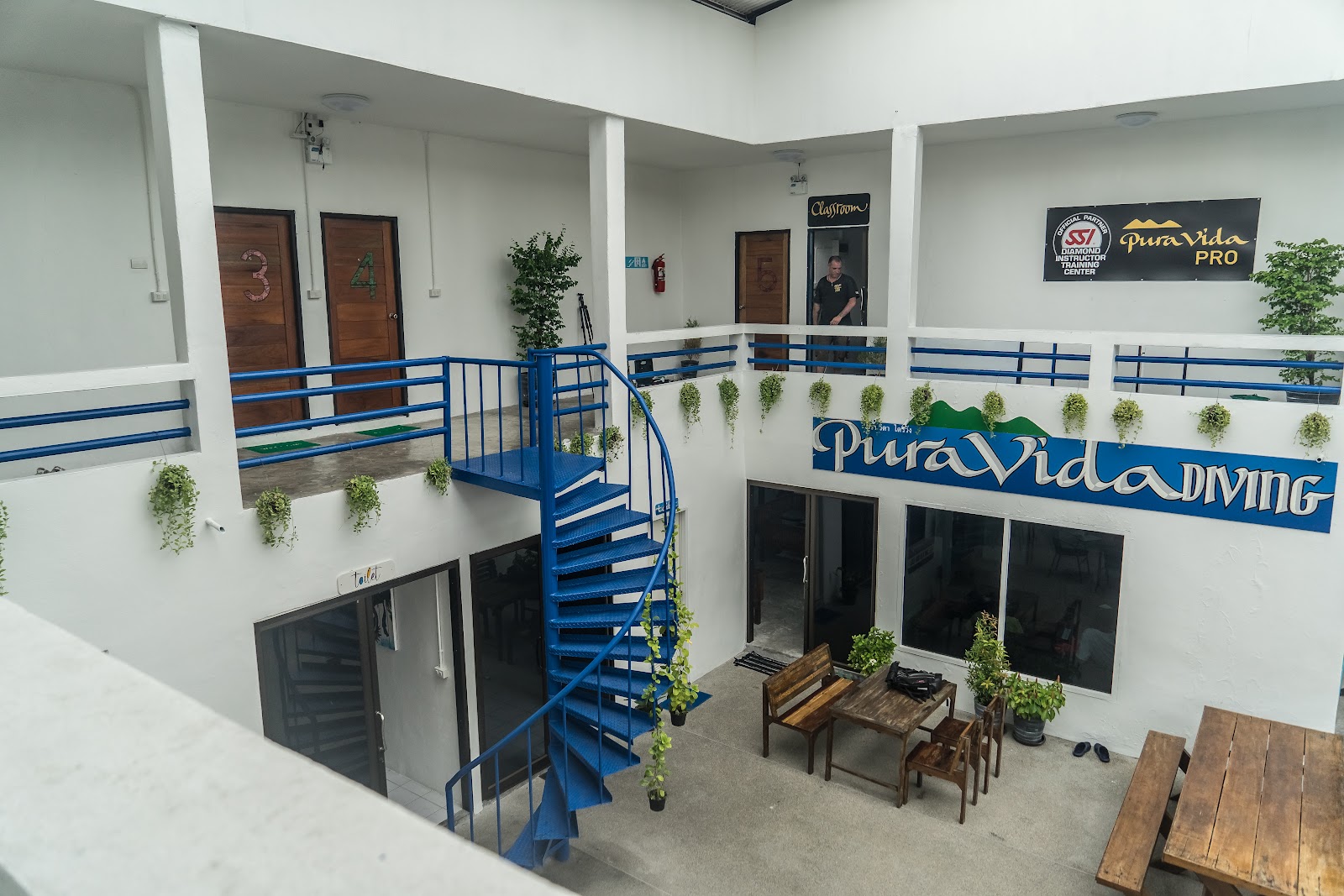
Today: 09:00 - 19:00
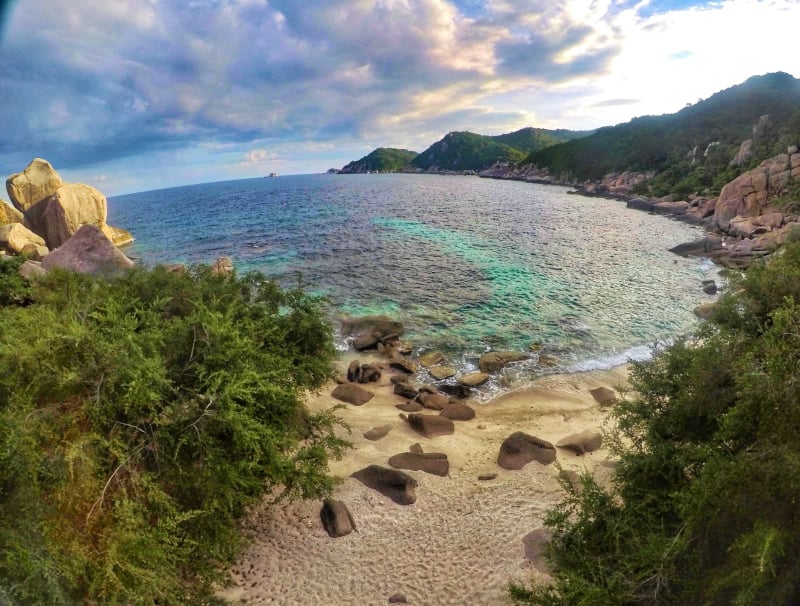

Nearest Airports
Nearest airports to help plan travel to this dive area.
Search Flights
Check available flights and routes on Expedia, using the nearby airports listed in this section.
Search Flights on ExpediaFrequently Asked Questions
Is Japanese Gardens suitable for new divers or snorkelers?
Absolutely. Its protected bay, coupled with generally calm conditions and shallower sections, makes it highly suitable for those new to diving. Snorkelers also find plenty to explore among the vibrant coral formations near the surface.
What marine life can I typically observe at Japanese Gardens?
While primarily known for its extensive hard coral gardens, the site hosts a variety of smaller invertebrates. Keep an eye out for colorful Christmas Tree Worms and various Boring Clams found among the corals. Fish life is present, but the focus here is often on the intricate benthic details.
What are the typical water conditions, such as temperature and visibility?
Water temperatures are consistently warm, usually between 28-30°C (82-86°F) year-round. Visibility can vary, with reports ranging from 2 to 18 m, but often provides clear views of the reef.
How can divers access Japanese Gardens?
Divers can access the site from both boat and shore, offering flexibility for different dive operations. Many dive schools depart from nearby Koh Tao, making the short boat trip to Koh Nang Yuan.
When is the best time of year to dive Japanese Gardens?
The site is accessible year-round. However, March and April frequently offer optimal diving conditions, often featuring excellent visibility and minimal rainfall.
Are there strong currents to be aware of?
Generally, currents at Japanese Gardens are gentle, especially within its sheltered bay and shallower areas. This contributes to a relaxed diving experience, suitable for all skill levels.
What is the maximum depth found at Japanese Gardens?
The reef system extends into recreational diving depths, with the maximum depth reaching around 20 meters. Much of the site's activity, however, is concentrated in shallower sections.
Planning to dive Japanese Gardens?
Send one inquiry and receive offers directly from the best verified local dive operators.
Conditions are Good
Optimal conditions expected
Current conditions near Japanese Gardens show 28° air, 30° sea temperature, 0.6 m waves, and 28 km/h wind. Forecast data is refreshed regularly to ensure accuracy.