
Diving at Chesil Beach (United Kingdom)
Chesil Beach diving focuses on exploring a diverse ecosystem nestled within its shallow, accessible shorelines. Divers frequently encounter a range of British marine life, including various fish, crustaceans, and cephalopods. This site provides an intimate look at coastal underwater habitats, often revealing sponges, lobsters, and even the occasional lumpsucker. It's an environment rich in discovery for those willing to brave the conditions.
Evening condition tracking at Chesil Beach features an air temperature of 17.5°C. We have recorded wave heights measuring 1.6 m during this period. These figures outline the environmental parameters currently present.
Dive Site Location & Key Facts
Dive Site Overview
For divers venturing into the English Channel, Chesil Beach presents a distinctive shallow shore dive, often serving as an introductory point to colder water experiences. One may initially question the conditions, as noted by divers on their first open water dives here.
This vast shingle barrier, a geological marvel formed by Ice Age sediments, requires a specific approach; access involves navigating the pebble beach, which can prove tiring when laden with gear. Under the surface, the site conceals broken wreckage, providing structure for marine inhabitants. Depths generally remain within recreational limits, making it suitable for divers comfortable with shore entries.
While the wider Southern North Sea region can be prone to heavy sediment loads and variable visibility, Chesil Beach on a calm day can offer surprising encounters with species like cuttlefish, wrasse, and thornback rays, all within its unique underwater environment. The geological structure continues below the waterline, influencing the substrate and the types of life encountered.
Expect to explore a landscape shaped by ancient forces, offering a different character compared to more volcanic coastal areas.
Conditions are Moderate
High Wind Advisory (44km/h). Unsafe surface.
Current conditions near Chesil Beach show 18° air, 17° sea temperature, 1.7 m waves, and 44 km/h wind. Forecast data is refreshed regularly to ensure accuracy.
Best Time to Dive
Water temperature is not consistently reported for Chesil Beach, but colder conditions are typical for UK waters. Diving here is generally more favorable from late spring through early autumn, corresponding with improved overall dive scores. Months like May and June show a ‘Good’ dive score, supported by air temperatures averaging around 13.5°C (56°F) and 16.5°C (62°F) respectively, alongside lower wave heights averaging 0.9 m (3.0 ft) to 1.0 m (3.3 ft). Rainfall is also notably lower during this period, with averages around 2.2 mm (0.09 in) in May and 1.4 mm (0.06 in) in June, reducing freshwater runoff that can impact local visibility. Wind speeds also tend to be lower, contributing to calmer surface conditions. Conversely, winter months, particularly December through February, are rated 'Poor' due to higher wave heights exceeding 2 m (6.5 ft) and stronger winds, despite generally lower rainfall. Planning dives during periods of settled weather and minimal swell offers the best chance for clearer conditions.
PEAK SEASON SCORE
Scores combine air & water temps, waves, wind & rainfall for overall conditions.
BEST MONTHS TO DIVE
Monthly records compiled from satellite and marine observation nodes over the last 3 years. Data provided by Open-Meteo and MET Norway.
Dive Experience & Conditions
Entering the water at Chesil Beach offers a distinct sensory experience, beginning with the challenge of traversing its shingle bank. Once submerged, the environment shifts to a dynamic, shallow shore dive. Conditions can vary, reflecting typical English Channel influences, including potential sediment loads that affect visibility. On a calmer day, however, divers might find surprisingly clear pockets and abundant life. Broken wreckage often litters the seabed, creating small havens for marine activity. Depths are generally within recreational limits, allowing for extended bottom times to explore the nooks and crannies. This dive often feels like a sustained search, as one methodically scans for the array of local species. Current can be a factor, particularly depending on tidal movements, requiring careful planning and awareness. A sense of rugged natural beauty, coupled with the satisfaction of discovering robust, cold-water marine life, defines the experience here.
Dive Difficulty & Safety Guidelines
The primary challenge at Chesil Beach is managing the shore entry and exit across the extensive pebble bank. Divers must be prepared for potentially difficult footing with heavy gear, particularly as the gradient can be steep near the waterline. Current can vary and should be assessed before and during the dive, as strong tidal flows are characteristic of the wider English Channel.
Always plan your dive according to the prevailing conditions and your experience level. Visibility, while often good, can drop due to surge or sediment, so maintaining buddy contact is crucial.
As with any shore dive, being aware of surface conditions and having a clear emergency ascent plan are fundamental. There are no consistently reported specific hazards beyond those typical of a UK shore dive, but preparedness for variable conditions is paramount.
Recommended Equipment
- Dive Computer
This gear list is based on verified equipment signals for Chesil Beach, United Kingdom. Always confirm final gear choices with your dive operator, guide, or liveaboard.
Recommended Dive Suit
The latest conditions reported around Chesil Beach place the water temperature close to 17°C (63°F). Surface air temperatures are resting at 18°C (64°F).
For the majority of recreational dives here, 5-7mm wetsuit should provide suitable protection. Strong winds are present; please take strong precautions against rapid cooling during surface intervals.
Weather models currently point toward consistent diving conditions over the next several days.
Emergency & Medical Support
Essential information to help you plan your dive trip to Chesil Beach.

Hyperbaric chambers are a critical part of dive safety infrastructure. Availability varies significantly by region, and not all dive areas have immediate access.
Before diving, it's recommended to:
- confirm nearest medical facilities
- check emergency procedures with local dive operators
- ensure dive insurance covers evacuation if required
Divers Alert Network
Diving emergency assistance available through DAN Europe.
+39 0642115685- 24/7 emergency hotline
- Diving medical assistance
- Evacuation coordination
Emergency contacts are provided for reference. Always verify local emergency services before diving.
Closest Listed Hyperbaric Chambers
Showing listed hyperbaric chamber facilities within 200 km of this dive site.
Distances are approximate straight-line distances and may not reflect emergency travel time.
DDRC Healthcare
24/7 ListedICU CapablePlymouth, United Kingdom•Approx. 119 km straight-line
DDRC Healthcare
24/7 ListedICU CapableInformation is provided for reference and planning purposes only. Dive Navigator does not verify operational status, staffing, availability, or quality of care at listed facilities. In an emergency, contact local emergency services, DAN, your dive operator, or the chamber directly. Do not travel to a facility without calling ahead.
Hyperbaric Medicine Unit, St Richard’s Hospital
24/7 ListedChichester, United Kingdom•Approx. 123 km straight-line
Hyperbaric Medicine Unit, St Richard’s Hospital
24/7 ListedInformation is provided for reference and planning purposes only. Dive Navigator does not verify operational status, staffing, availability, or quality of care at listed facilities. In an emergency, contact local emergency services, DAN, your dive operator, or the chamber directly. Do not travel to a facility without calling ahead.
Marine Life at Chesil Beach
The underwater landscape at Chesil Beach, shaped by its unique geology, supports a robust community of cold-water marine species. Sponges colonize available hard surfaces, providing micro-habitats for smaller invertebrates.
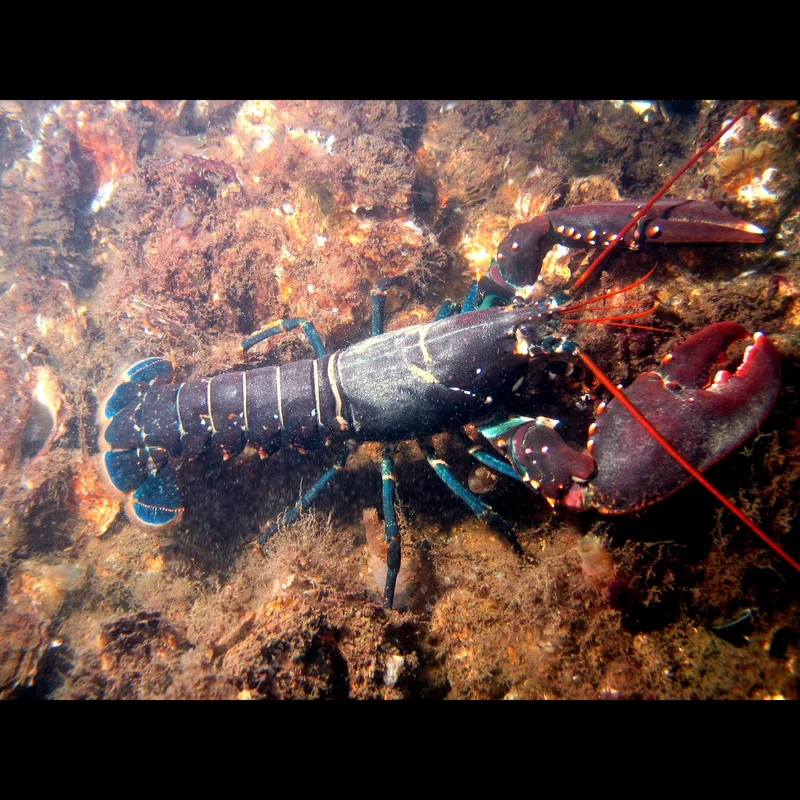
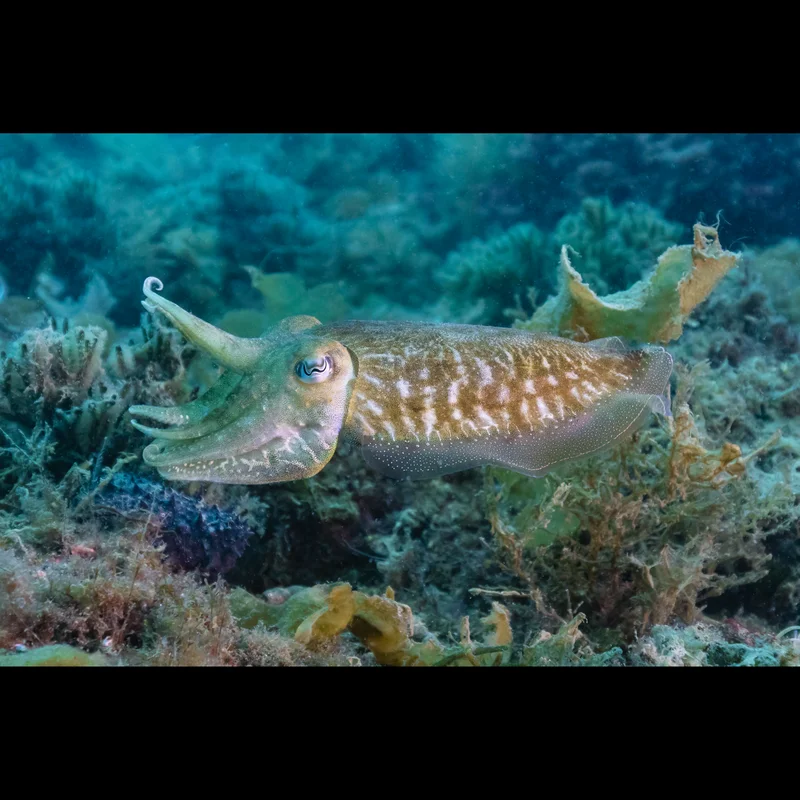
Divers frequently observe lobsters tucked into crevices, alongside a variety of wrasse navigating the rocky structures. Other notable sightings include cuttlefish, blending seamlessly into the varied seabed, and thornback rays, often found resting on sandy patches.
Even less common but equally engaging creatures like lumpsuckers have been reported in these waters. Exploring the broken wreckage adds another dimension, acting as artificial reefs that attract a concentration of fish and crustaceans, contributing to a surprisingly rich ecosystem.

Dive Sites Near Chesil Beach
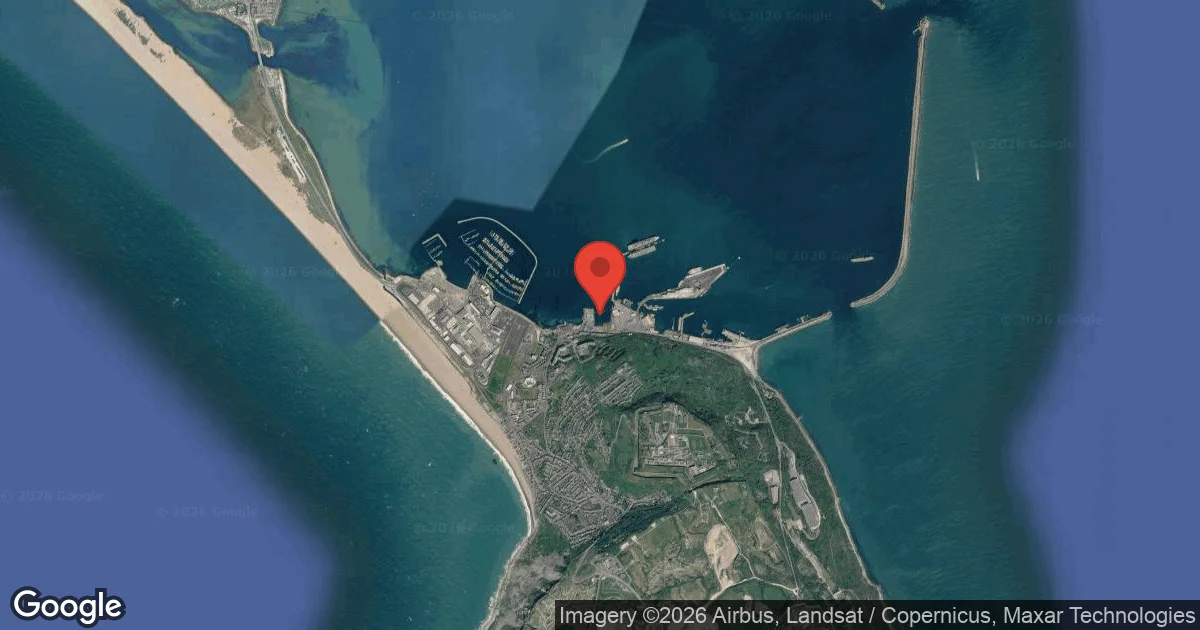
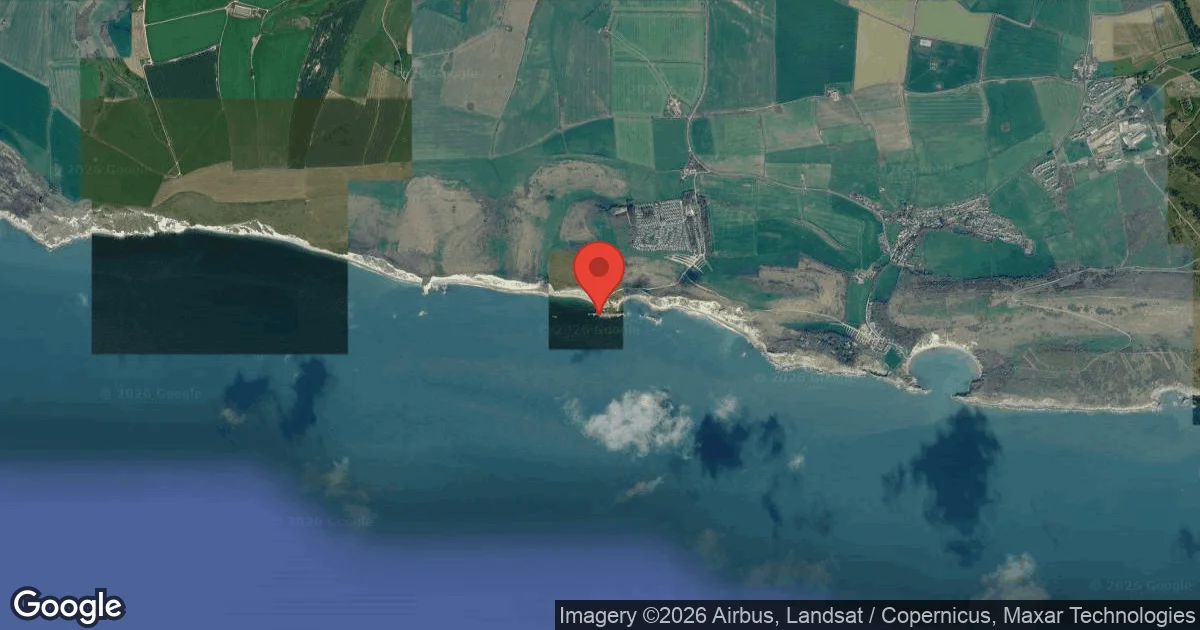
View all dive sites in United KingdomDiscover more underwater gems in this area.
Dive Centers Near Chesil Beach
Today: 09:00 - 17:00
Nearest Airports
Nearest airports to help plan travel to this dive area.
Search Flights
Check available flights and routes on Expedia, using the nearby airports listed in this section.
Search Flights on ExpediaFrequently Asked Questions
What types of diving are available at Chesil Beach?
Chesil Beach is primarily known for its shallow shore diving. Divers typically enter from the beach and explore the nearshore environment, making it an accessible site for many.
What marine life can I expect to see?
Divers often encounter a variety of British marine life. Common sightings include cuttlefish, wrasse, and thornback rays. Sponges, lobsters, and even occasional lumpsuckers are also found here.
Is Chesil Beach suitable for beginners?
While it's a shallow shore dive, the entry and exit across the pebble beach can be physically demanding, especially with full dive gear. Divers comfortable with shore entries will find it more approachable.
What are the typical water conditions?
Water conditions can be variable, reflecting typical English Channel characteristics. Visibility fluctuates with sediment loads and surge, while water temperatures are generally cold, consistent with UK diving.
Are there any currents to be aware of?
Yes, tidal currents can be a factor at Chesil Beach and in the wider English Channel. It's crucial to assess prevailing currents before and during your dive and plan accordingly.
How do I access the dive site?
Access to the dive site involves traversing the extensive pebble beach. This shingle bank can be challenging to walk across, especially when carrying heavy diving equipment.
What is the typical depth at Chesil Beach?
Depths at Chesil Beach are generally within recreational limits, characteristic of a shallow shore dive. This allows for ample bottom time to explore the underwater features and marine life.
Planning to dive Chesil Beach?
Send one inquiry and receive offers directly from the best verified local dive operators.
Conditions are Moderate
High Wind Advisory (44km/h). Unsafe surface.
Current conditions near Chesil Beach show 18° air, 17° sea temperature, 1.7 m waves, and 44 km/h wind. Forecast data is refreshed regularly to ensure accuracy.