
Diving at Portland (United Kingdom)
Portland, United Kingdom, serves as a gateway to a remarkably diverse underwater landscape, defined by its extensive collection of shipwrecks and natural reef systems. Depths here are accessible from recreational limits to advanced technical ranges, appealing to a broad spectrum of certified divers. While specific water temperature data is not consistently reported, divers should anticipate cooler waters characteristic of the North Atlantic, influencing gear choices and dive planning.
Tonight's objective overview for Portland shows an air temperature of 15.5°C. The measured surface conditions include wave heights around 0.9 m. This environmental data is logged for the close of the day.
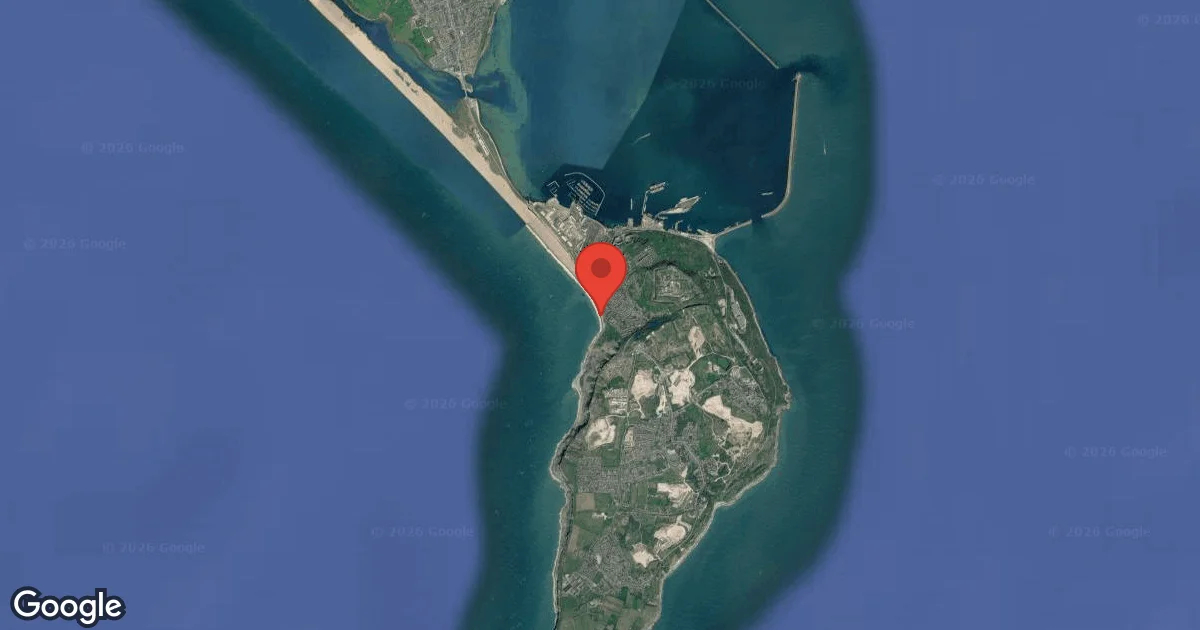
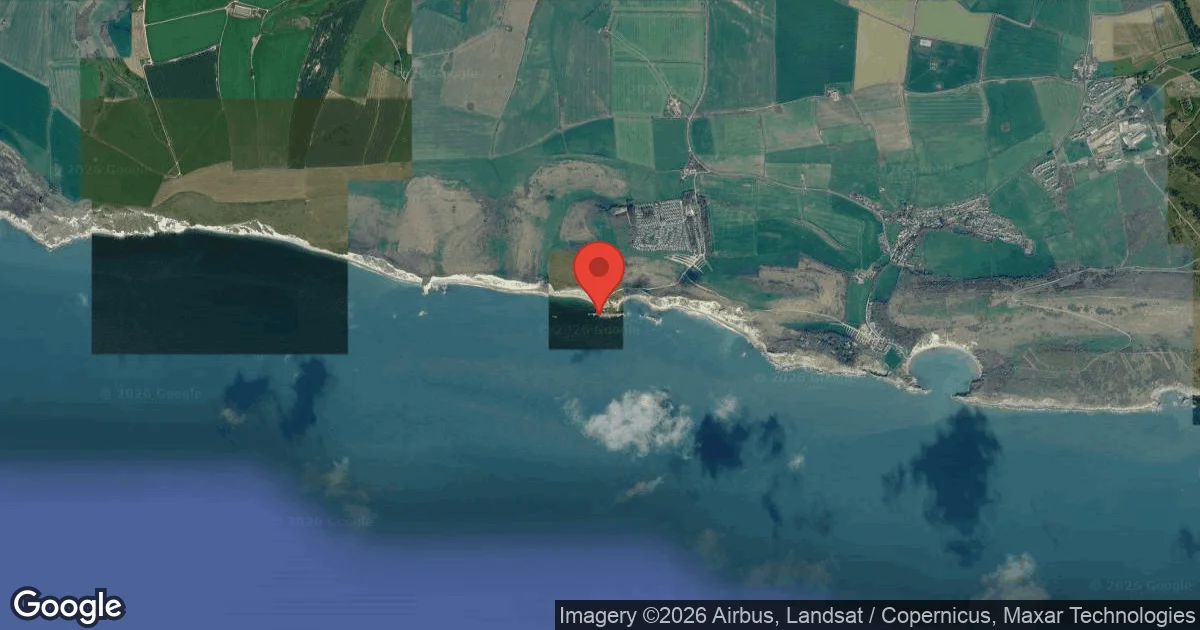
Dive Site Location & Key Facts
Dive Site Overview
Wreck diving around Portland offers a tangible connection to maritime history, unveiling a significant collection of shipwrecks that chronicle centuries of activity. Enthusiasts will find vessels from old sailing ships to relics of both World Wars.
Sites like Alex Van Opstal and Elena R typically lie around 28 m (92 ft), with Lulworth Banks found in shallower sections. For more experienced technical divers, deeper wrecks such as Salsette descend to 44 m (144 ft), while U 322, Ice Prince, or Meknes reach maximum depths of 60 meters (197 ft), providing challenging explorations.
Good drift dives are also possible along coastal sections and banks. Such opportunities complement numerous natural reef structures, creating a diverse underwater landscape.
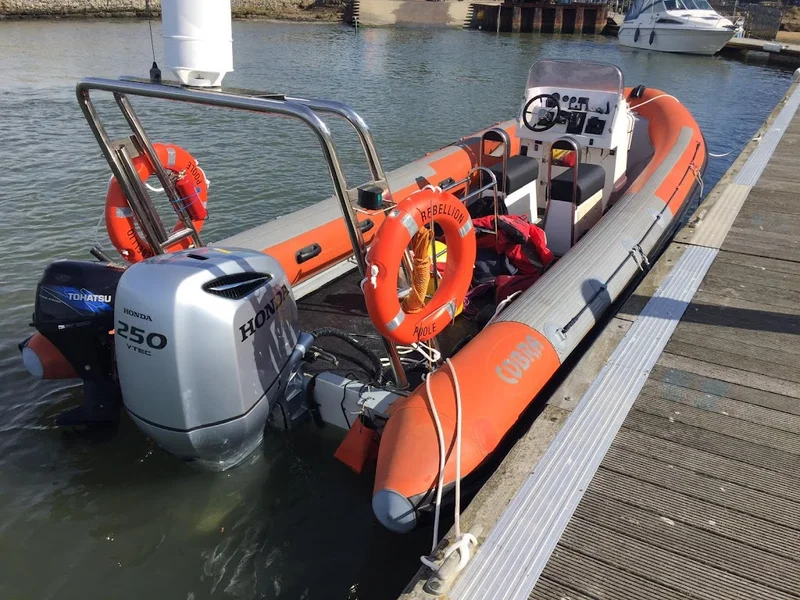
Licensed charter dive boats, well-established, operate from Portland Marina and Castletown, simplifying access to varied sites. As of 2023, leisure diving within Portland harbour limits incurs no charge, making it an accessible option for independent recreational divers.
Conditions are Moderate
High Wind Advisory (42km/h). Unsafe surface.
Current conditions near Portland show 16° air, 18° sea temperature, 1.7 m waves, and 42 km/h wind. Forecast data is refreshed regularly to ensure accuracy.
Best Time to Dive
From April to August, diving conditions are generally best, with dive scores consistently good (7-8). During these months, air temperatures are milder, ranging from approximately 10°C (50°F) in April to a peak of 17.5°C (64°F) in August. Rainfall is also notably lower, averaging around 2.6 mm in April and just 1.4 mm in June, which typically contributes to better surface conditions. Wave heights tend to be calmer in the spring and summer, particularly in May and June, averaging under 1 meter (3.3 ft). Winds are also less intense during this period, with speeds decreasing from around 25 km/h (15.5 mph) in March to their lowest average of 20.7 km/h (12.8 mph) in May. While specific water temperatures are not consistently reported, the generally milder surface conditions and reduced precipitation from April to August make for a more comfortable and predictable diving experience.
PEAK SEASON SCORE
Scores combine air & water temps, waves, wind & rainfall for overall conditions.
BEST MONTHS TO DIVE
Monthly records compiled from satellite and marine observation nodes over the last 3 years. Data provided by Open-Meteo and MET Norway.
Dive Experience & Conditions
Descending into Portland's waters presents a varied underwater experience, shaped by the blend of wreck and natural sites. Visibility here is a dynamic element, shifting based on local tidal flows and biological activity; clear days offer expansive views of the ship structures and reef formations. Cooler water temperatures, typical of UK diving, demand appropriate thermal protection, yet they contribute to the robust environment supporting local marine life. Divers explore an array of sites ranging from accessible recreational depths to more demanding technical dives well below 30 m (100 ft). Drift diving along banks and coastal sections offers a sense of effortless movement over the seafloor. Many dive charters are available, catering to club bookings and individual divers. Regardless of the chosen site, a sense of discovery permeates each dive, whether it's navigating the intricacies of a historical wreck or observing the life on a natural reef.
Dive Difficulty & Safety Guidelines
For all leisure and sport diving in Portland, the Harbour Authority strongly recommends membership in a recognized diving organization. Such affiliations include the British Sub-Aqua Club, the Sub-Aqua Association, or a Professional Association of Diving Instructors (PADI) registered diving school, among other competent organizations.
Adhering to these affiliations ensures divers operate within established safety frameworks and benefit from current best practices. Individuals or groups undertaking guided diving or teaching activities within Portland Harbour must obtain a specific Portland Harbour Dive Permit.
Managing dive operations and ensuring compliance with local regulations is aided by this permit system. Always choose a commercially coded dive vessel and a qualified skipper for your excursions; such a choice provides an essential layer of safety and professional oversight.
While specific hazards are not listed, practicing sound dive planning, being aware of tidal movements, and maintaining appropriate training for the planned depths are essential safety considerations for UK diving.
Recommended Equipment
Overhead / entanglement risk. Wreck penetration requires proper training.
Current and surface separation risk. Local briefing strongly recommended.
- Dive Computer
- DSMB
- Primary & Backup Lights
- Wreck Reel
- Reel / Spool
- Cutting Tool
This gear list is based on verified equipment signals for Portland, United Kingdom. Always confirm final gear choices with your dive operator, guide, or liveaboard.
Recommended Dive Suit
Forecast trends indicate little change in overall diving conditions during the next few days.
Two divers in the same water temperature may experience very different comfort levels. Stronger winds may also make surface intervals feel cooler than usual. Surface intervals may feel noticeably cooler once you exit the water.
Many divers find that 5-7mm wetsuit offers the right level of insulation for conditions like these. Consider warmer surface protection (like a boat coat) due to brisk winds. A thermal robe or jacket is recommended between dives. Divers preparing to enter the water at Portland will likely find temperatures around 18°C (64°F) today. Surface air temperatures are resting at 16°C (60°F).
Emergency & Medical Support
Essential information to help you plan your dive trip to portland.

Hyperbaric chambers are a critical part of dive safety infrastructure. Availability varies significantly by region, and not all dive areas have immediate access.
Before diving, it's recommended to:
- confirm nearest medical facilities
- check emergency procedures with local dive operators
- ensure dive insurance covers evacuation if required
Divers Alert Network
Diving emergency assistance available through DAN Europe.
+39 0642115685- 24/7 emergency hotline
- Diving medical assistance
- Evacuation coordination
Emergency contacts are provided for reference. Always verify local emergency services before diving.
Closest Listed Hyperbaric Chambers
Showing listed hyperbaric chamber facilities within 200 km of this dive site.
Distances are approximate straight-line distances and may not reflect emergency travel time.
DDRC Healthcare
24/7 ListedICU CapablePlymouth, United Kingdom•Approx. 120 km straight-line
DDRC Healthcare
24/7 ListedICU CapableInformation is provided for reference and planning purposes only. Dive Navigator does not verify operational status, staffing, availability, or quality of care at listed facilities. In an emergency, contact local emergency services, DAN, your dive operator, or the chamber directly. Do not travel to a facility without calling ahead.
Hyperbaric Medicine Unit, St Richard’s Hospital
24/7 ListedChichester, United Kingdom•Approx. 122 km straight-line
Hyperbaric Medicine Unit, St Richard’s Hospital
24/7 ListedInformation is provided for reference and planning purposes only. Dive Navigator does not verify operational status, staffing, availability, or quality of care at listed facilities. In an emergency, contact local emergency services, DAN, your dive operator, or the chamber directly. Do not travel to a facility without calling ahead.
Marine Life at Portland
Exploring the diverse habitats around Portland, divers encounter a range of temperate marine life. Numerous historic shipwrecks act as artificial reefs, attracting various species seeking shelter and foraging opportunities.
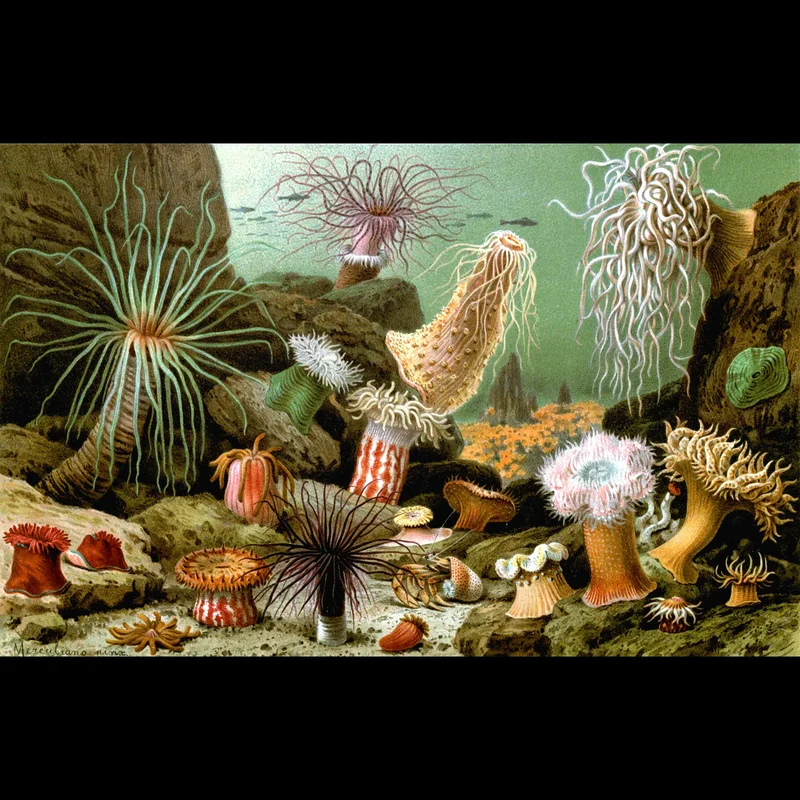
Expect to see colorful anemones, soft corals, and sponges encrusting the wreck structures, creating vibrant underwater gardens. Reef formations and drift dive areas also contribute to the local biodiversity.
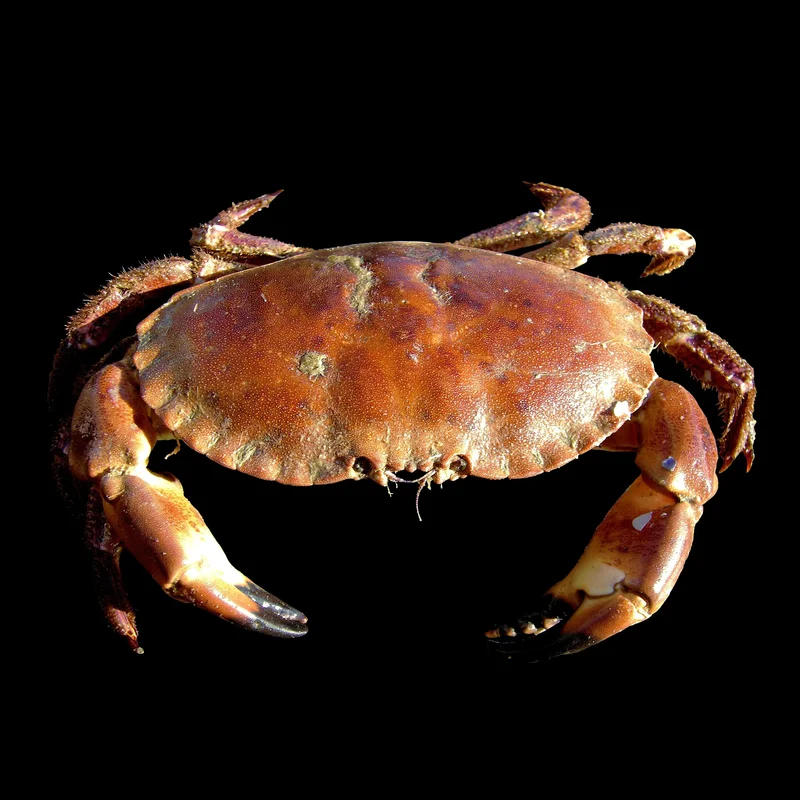
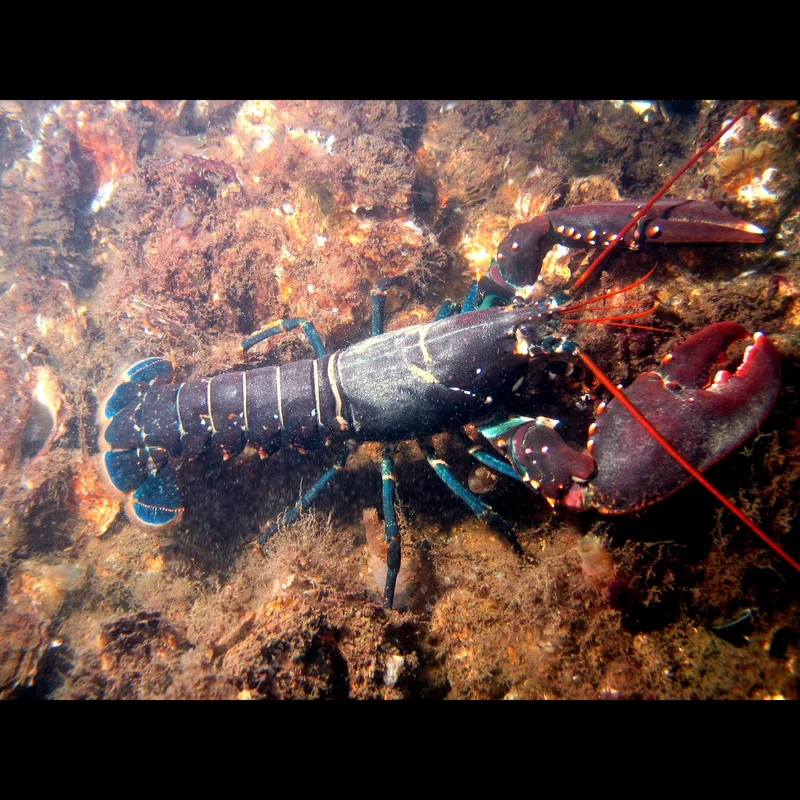
Crabs, lobsters, and different species of fish commonly inhabit these environments. Although specific marine life data is limited, the general description of "a variety of different habitats from reefs to an abundance of historic shipwrecks" suggests a rich ecosystem typical of the Dorset coastline, where keen observers can spot everything from smaller invertebrates to larger resident fish.

Dive Sites Near Portland
View all dive sites in United KingdomDiscover more underwater gems in this area.
Dive Centers Near Portland
Today: 09:00 - 17:00
Nearest Airports
Nearest airports to help plan travel to this dive area.
Search Flights
Check available flights and routes on Expedia, using the nearby airports listed in this section.
Search Flights on ExpediaFrequently Asked Questions
Is a permit required for diving in Portland Harbour?
For leisure and sport diving, no permit is required within Portland Harbour limits as of 2023. However, if you are teaching or undertaking guided diving, a Portland Harbour Dive Permit is necessary.
What types of dive sites can be found near Portland?
Portland and the surrounding Dorset coastline offer a wide choice of dive sites. These include numerous historic shipwrecks suitable for all experience levels, from beginner to technical divers, alongside natural reefs and opportunities for drift diving.
What is the recommended experience level for diving in Portland?
The dive sites cater to a broad range of experience levels. There are wrecks and other sites suitable for beginners, while deeper wrecks like the Salsette or Meknes provide challenges for experienced technical divers.
How do I choose a dive charter boat in Portland?
When selecting a dive vessel, it is strongly advised to choose one that is commercially coded and ensure the skipper is qualified. Several well-established licensed charter services operate from Portland Marina and Castletown.
What marine life can I expect to see?
The reefs and extensive wreck sites provide habitat for various marine species. You can typically expect to observe anemones, soft corals, crabs, lobsters, and a range of local fish species, all adapting to the temperate waters.
What are the best months for diving conditions?
The period from April to August generally offers the best diving conditions, with milder air temperatures, less rain, and calmer seas. Dive scores are consistently higher during these months, making for a more comfortable experience.
Planning to dive Portland?
Send one inquiry and receive offers directly from the best verified local dive operators.
Conditions are Moderate
High Wind Advisory (42km/h). Unsafe surface.
Current conditions near Portland show 16° air, 18° sea temperature, 1.7 m waves, and 42 km/h wind. Forecast data is refreshed regularly to ensure accuracy.