
Diving at Durdle Door (United Kingdom)
Durdle Door's iconic limestone arch presents a distinct underwater challenge and reward for certified divers. Its submerged base allows for an experience of a significant geological landmark from a unique perspective. Maneuvering access and navigating variable conditions become part of the experience, leading to discoveries within the arch’s foundational structure. Divers find its geology a central draw.
As evening covers Durdle Door, the local air temperature is measured at 17.5°C. The current wave height at the surface is recorded at 1.2 m. These late-day readings characterize the surface conditions for the night.
Dive Site Location & Key Facts
Dive Site Overview
Submerged conditions at Durdle Door reveal a world primarily shaped by its unique geology, extending beneath the iconic limestone arch. While the arch itself rises 61 meters (200 ft) high and spans 30 meters (100 ft) wide above the waterline, its underwater foundations create a captivating dive site.
Within the immediate bay area, divers typically explore depths of 6-7 meters (20-23 ft). Moving outward from the arch's immediate shelter, the seabed deepens to approximately 14 meters (46 ft). Robust rocky formations define the topography, interspersed with intricate gullies offering shelter and routes for exploration.
Frequently, dense kelp drapes these structures, forming a dynamic environment that moves with the subtle currents. Reports indicate a smaller, often-overlooked cavern exists on the Man O War side, adding an intriguing element for extended exploration.
Access is feasible by boat or shore entry. Nevertheless, the steep, lengthy walk to and from the car park with full gear often makes boat-based diving a more practical and less strenuous choice. Variable conditions mean each dive can unveil a different facet of this geological wonder.
Conditions are Moderate
High Wind Advisory (43km/h). Unsafe surface.
Current conditions near Durdle Door show 17° air, 17° sea temperature, 1.4 m waves, and 43 km/h wind. Forecast data is refreshed regularly to ensure accuracy.
Best Time to Dive
Planning a dive at Durdle Door hinges on favorable surface conditions for optimal visibility, which can vary significantly. Optimal dive conditions, indicated by 'Good' scores, generally occur from April through August. During this period, average air temperatures range from 10°C (50°F) in April to a peak of 17.5°C (64°F) in August. Rainfall is typically lower, averaging 1.1 to 3.9 mm (0.04-0.15 in) per month. Wave heights also trend lower, generally between 0.7 meters (2.3 ft) and 0.9 meters (3.0 ft), fostering calmer waters. Even within these months, local reports suggest visibility can be limited to half a meter under certain conditions. Water temperature isn't consistently reported but remains generally cool, necessitating appropriate thermal protection for longer dives. Stronger winds and higher wave heights, particularly from September to March, can further diminish underwater clarity and complicate boat access.
PEAK SEASON SCORE
Scores combine air & water temps, waves, wind & rainfall for overall conditions.
BEST MONTHS TO DIVE
Monthly records compiled from satellite and marine observation nodes over the last 3 years. Data provided by Open-Meteo and MET Norway.
Dive Experience & Conditions
Upon entering the water at Durdle Door, divers descend into a dynamic environment primarily defined by its rocky seabed. Expect to encounter numerous rocks and pronounced gullies that form interesting swim-throughs and sheltered areas, inviting closer inspection. Dense kelp forests frequently carpet these underwater structures, their fronds swaying with currents and providing a rich, textured landscape that shifts with every surge. As you navigate towards and beneath the arch, light shifts dramatically, highlighting the immense scale of this natural formation from an impressive underwater perspective. Water clarity varies depending on recent weather patterns, tidal movements, and local currents. A notable feature includes a small, hidden cavern reportedly on the Man O War side, offering a brief exploratory detour for those locating it. Depths outside the immediate bay can reach 14 meters (46 ft), providing a different range of exploration compared to the shallower arch area.
Dive Difficulty & Safety Guidelines
Diving Durdle Door demands particular attention to safety protocols, especially given the site’s variable conditions. All divers must be adequately qualified and experienced for the intended dive depth and be deemed dive fit according to industry standards. Carrying a Surface Marker Buoy (SMB/DSMB) is mandatory for every diver, ensuring surface visibility to boat traffic.
Given the potential for variable visibility and tidal movements in the area, maintaining good buoyancy control and navigation skills is crucial. Shore entry presents a physical challenge due to the steep path from the car park; considering boat charters is often advisable to conserve energy and streamline equipment handling. Divers under 18 years must always be accompanied by an adult.
Recommended Equipment
Overhead environment. Do not enter beyond training and gas planning limits.
- Dive Computer
- Primary & Backup Lights
- Reel / Spool
- Cutting Tool
This gear list is based on verified equipment signals for Durdle Door, United Kingdom. Always confirm final gear choices with your dive operator, guide, or liveaboard.
Recommended Dive Suit
Divers planning relaxed exploration may appreciate the warmth of 5-7mm wetsuit. Strong winds are present; please take strong precautions against rapid cooling during surface intervals. Divers often notice that perceived temperature can feel cooler during deeper or longer dives.
The waters surrounding Durdle Door are currently maintaining temperatures close to 17°C (62°F). Surface air temperatures are resting at 17°C (63°F).
Temperatures look set to gradually increase over the next several days. A warming trend is expected over the next few days.
Emergency & Medical Support
Essential information to help you plan your dive trip to Durdle Door.

Hyperbaric chambers are a critical part of dive safety infrastructure. Availability varies significantly by region, and not all dive areas have immediate access.
Before diving, it's recommended to:
- confirm nearest medical facilities
- check emergency procedures with local dive operators
- ensure dive insurance covers evacuation if required
Divers Alert Network
Diving emergency assistance available through DAN Europe.
+39 0642115685- 24/7 emergency hotline
- Diving medical assistance
- Evacuation coordination
Emergency contacts are provided for reference. Always verify local emergency services before diving.
Closest Listed Hyperbaric Chambers
Showing listed hyperbaric chamber facilities within 200 km of this dive site.
Distances are approximate straight-line distances and may not reflect emergency travel time.
Hyperbaric Medicine Unit, St Richard’s Hospital
24/7 ListedChichester, United Kingdom•Approx. 109 km straight-line
Hyperbaric Medicine Unit, St Richard’s Hospital
24/7 ListedInformation is provided for reference and planning purposes only. Dive Navigator does not verify operational status, staffing, availability, or quality of care at listed facilities. In an emergency, contact local emergency services, DAN, your dive operator, or the chamber directly. Do not travel to a facility without calling ahead.
DDRC Healthcare
24/7 ListedICU CapablePlymouth, United Kingdom•Approx. 132 km straight-line
DDRC Healthcare
24/7 ListedICU CapableInformation is provided for reference and planning purposes only. Dive Navigator does not verify operational status, staffing, availability, or quality of care at listed facilities. In an emergency, contact local emergency services, DAN, your dive operator, or the chamber directly. Do not travel to a facility without calling ahead.
London Hyperbaric Medicine
Leytonstone, London, United Kingdom•Approx. 192 km straight-line
London Hyperbaric Medicine
Information is provided for reference and planning purposes only. Dive Navigator does not verify operational status, staffing, availability, or quality of care at listed facilities. In an emergency, contact local emergency services, DAN, your dive operator, or the chamber directly. Do not travel to a facility without calling ahead.
Marine Life at Durdle Door
Durdle Door's underwater architecture offers a complex habitat for local marine life, integrating well with its observed rock and kelp features. Extensive kelp forests create a supportive environment for various smaller crustaceans and fish species, which seek shelter and foraging grounds.
Within the cracks and crevices of the limestone formations, divers might observe blennies, gobies, and other rock-dwelling creatures. While common sightings in the general area can include larger pelagic species, conditions at the immediate dive site often lend themselves to appreciating the more resident benthic life thriving amidst the rocky reefs and kelp beds.

Dive Sites Near Durdle Door
View all dive sites in United KingdomDiscover more underwater gems in this area.
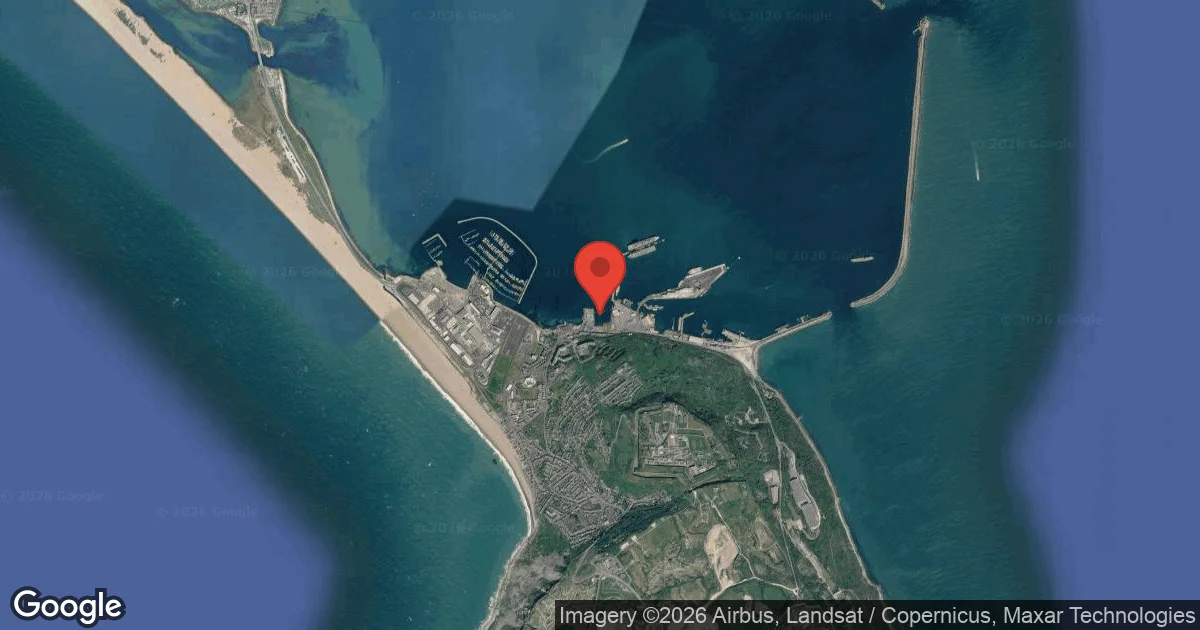
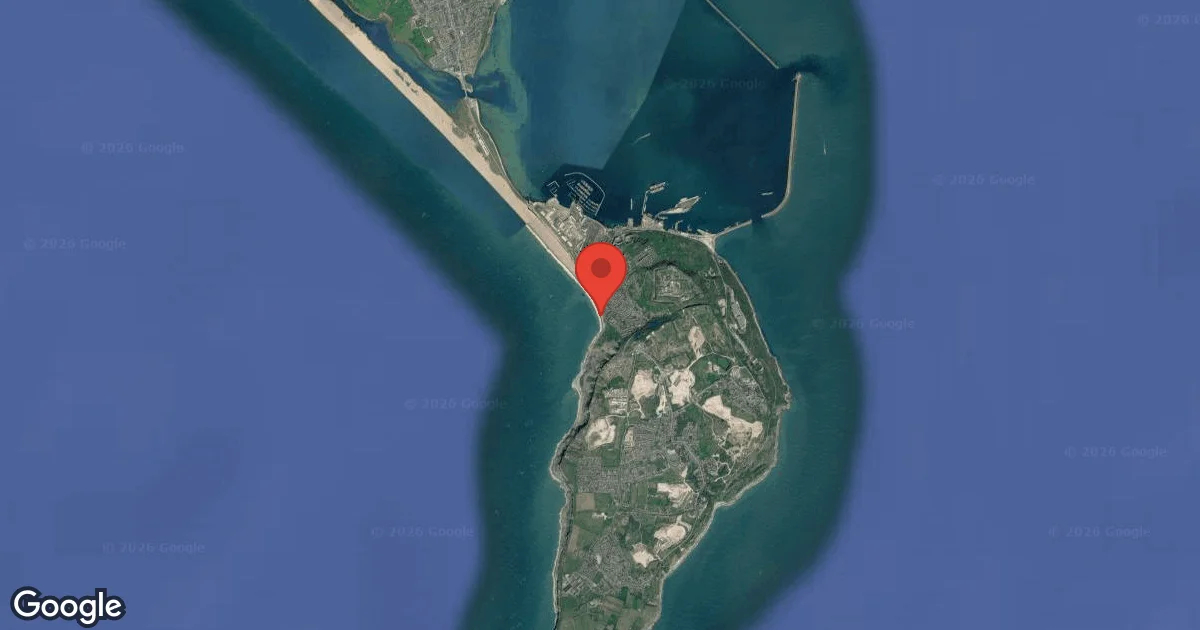
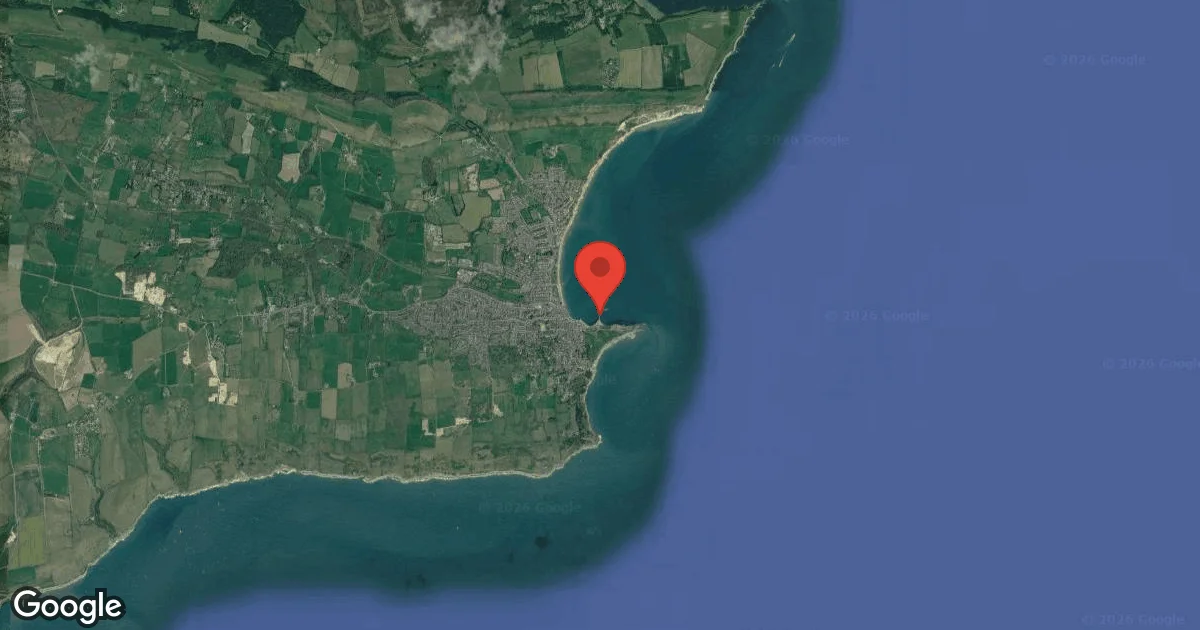
Dive Centers Near Durdle Door
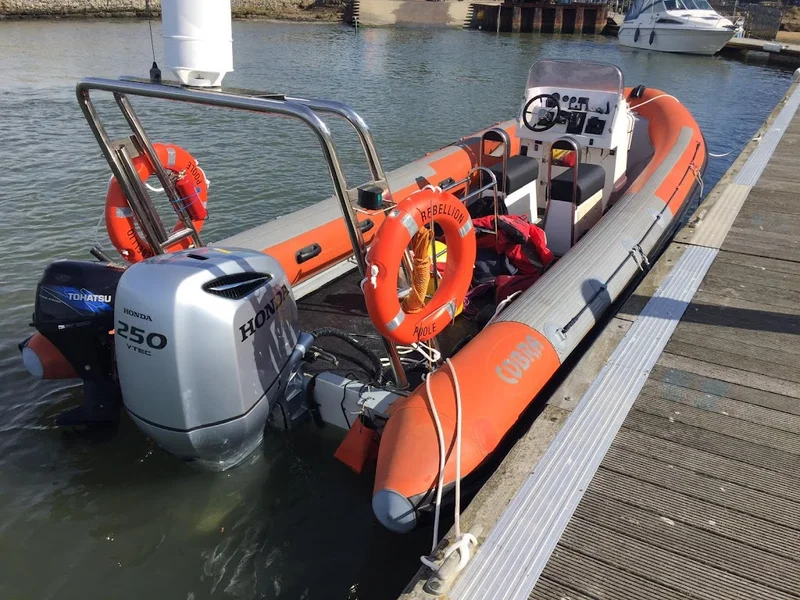
Today: 09:00 - 17:00
Nearest Airports
Nearest airports to help plan travel to this dive area.
Search Flights
Check available flights and routes on Expedia, using the nearby airports listed in this section.
Search Flights on ExpediaFrequently Asked Questions
What are the typical depths at Durdle Door?
Depths range from 6-7 meters (20-23 ft) in the bay area immediately around the arch. Venturing further out, divers can reach depths of approximately 14 meters (46 ft).
Is shore diving possible at Durdle Door?
Yes, shore diving is possible, but it involves a lengthy and steep walk from the car park with all dive gear. Many divers find boat access to be a more convenient and less strenuous option.
What are the best months for diving at Durdle Door?
The months from April to August generally offer the best diving conditions, with higher air temperatures, less rain, and lower wave heights. However, visibility can still vary significantly.
What kind of underwater formations can be expected?
The site features prominent rocky formations, gullies, and dense kelp forests. There is also a small, hidden cavern reported on the Man O War side that can be explored.
Are there any specific safety requirements for diving here?
Yes, all divers must carry a Surface Marker Buoy (SMB/DSMB) for surface visibility. Being dive fit, qualified for the depth, and having good buoyancy control are also essential due to variable conditions.
What type of marine life is commonly seen?
The kelp and rocky structures provide habitat for various smaller fish and crustaceans. While larger marine life has been reported in the broader area, the dive focuses on the resident benthic species within the reef environment.
Planning to dive Durdle Door?
Send one inquiry and receive offers directly from the best verified local dive operators.
Conditions are Moderate
High Wind Advisory (43km/h). Unsafe surface.
Current conditions near Durdle Door show 17° air, 17° sea temperature, 1.4 m waves, and 43 km/h wind. Forecast data is refreshed regularly to ensure accuracy.