
Diving at Wemyss Bay - SS Kintyre (United Kingdom)
SS Kintyre wreck at Wemyss Bay presents a technically demanding dive, exploring an archaeological site suited for experienced divers. Lying largely intact, the steamer rests with its bow at approximately 30 m (100 ft). Its stern descends significantly deeper, to 50 m (164 ft). Given the depth and potential for strong currents, advanced dive planning is essential, particularly regarding decompression and gas management.
As evening covers Wemyss Bay - SS Kintyre, the local air temperature is measured at 12°C. The current wave height at the surface is recorded at 0.6 m. These late-day readings characterize the surface conditions for the night.
Dive Site Location & Key Facts
Dive Site Overview
Wemyss Bay offers a compelling two-part dive, starting with an intriguing outfall pipe that leads to the historic SS Kintyre wreck. Divers typically initiate descent to the pipe at 8-10 m (26-33 ft).
This first section provides an abundance of life, often a focus for those not solely seeking the wreck. To access SS Kintyre, divers follow the right side of the pipe, eventually encountering an attached rope at around 30 m (100 ft). A guide rope leads to the wreck's bow, which rests at 32 m (105 ft).
SS Kintyre, a steamer that sank in 1907 after a collision with SS Maori, remains largely intact over a century later. Its bow faces the shore, a result of the captain's attempt to steer towards land after impact.
Wreck depth progressively increases, with the stern lying at approximately 50 m. Considering site characteristics, divers planning to explore the entire wreck, especially towards the stern, must factor in significant decompression and gas use.
Visibility in the area has been reported at a decent 6-8 m (20-26 ft). Reaching this shore-accessible site, roughly 310 m (1017 ft) from the entry point, demands careful planning for both underwater navigation and surface return.
Conditions are Moderate
High Wind Advisory (44km/h). Unsafe surface.
Current conditions near Wemyss Bay - SS Kintyre show 12° air, 15° sea temperature, 0.8 m waves, and 44 km/h wind. Forecast data is refreshed regularly to ensure accuracy.
Best Time to Dive
Optimal diving conditions at Wemyss Bay are frequently observed from April through September, with May often rated as excellent. During these months, average air temperatures typically range from 8.5°C (47°F) in April to a peak of 15°C (59°F), creating a more comfortable surface experience. Rainfall is generally lower from May to July, averaging around 3.2-4.7 mm, compared to heavier averages of 6.0-8.1 mm in late autumn and winter. Wave heights are also typically lower during spring and summer, which can ease shore entries. Regardless of season, timing a dive just before slack water is critical to mitigate strong currents. Local reports indicate that mid-tide can offer straightforward entry and exit points, but divers must exercise caution; down currents have been experienced and warrant aborting a dive if detected. Persistent winds, particularly during winter with average speeds up to 25.5 km/h (15.8 mph), can significantly impact surface conditions and overall dive comfort.
PEAK SEASON SCORE
Scores combine air & water temps, waves, wind & rainfall for overall conditions.
BEST MONTHS TO DIVE
Monthly records compiled from satellite and marine observation nodes over the last 3 years. Data provided by Open-Meteo and MET Norway.
Dive Experience & Conditions
Accessing SS Kintyre primarily involves a shore entry, followed by a swim of approximately 310 m (1017 ft) to reach initial dive features. Divers usually fin out to where the reef meets the sand, then descend to locate a distinctive sewage pipe at 8-10 m (26-33 ft). Visibility often ranges from a decent 6 to 8 m (20-26 ft), which aids navigation in deep water. Progression continues by following the pipe's right side to a connecting rope, which then leads to the wreck's bow. Both an older 12mm orange rope and a newer 5mm blue nylon rope are present; a blue rope typically suspends about 2 m (6.5 ft) above the seabed. Divers must be vigilant for strong down currents, which can occur without warning; if encountered, aborting the dive is a necessary safety measure. Given the substantial swim back to shore, especially if surfaced, reliable surface cover is highly recommended.
Dive Difficulty & Safety Guidelines
Diving SS Kintyre demands an experienced master diver skill set, particularly due to the depths involved and challenging currents. Crucially, divers must conduct thorough current checks before committing to a dive; if strong down currents are present, or encountered during descent, immediately aborting the dive is paramount for safety.
Advanced dive planning, including meticulous gas management using the "thirds rule" (1/3 in, 2/3 out for return and deco), is essential, especially considering the wreck's stern lies at 50 m. A substantial distance of 310 m (1017 ft) from shore means any unplanned surface swim back could be arduous, potentially leading to significant drift.
Therefore, reliable surface cover is not just recommended but critical to ensure diver recovery. Awareness of potential difficult entry and exit conditions, especially with waves, also contributes to a safer dive.
Recommended Equipment
Technical depth range. Advanced planning, gas management, and appropriate certification required.
Overhead / entanglement risk. Wreck penetration requires proper training.
- Dive Computer
- DSMB
- Primary & Backup Lights
- Wreck Reel
- Cutting Tool
This gear list is based on verified equipment signals for Wemyss Bay - SS Kintyre, United Kingdom. Always confirm final gear choices with your dive operator, guide, or liveaboard.
Recommended Dive Suit
Repeated dives during the same day can gradually reduce overall body warmth.
Divers exploring Wemyss Bay - SS Kintyre today will likely encounter water temperatures close to 15°C (59°F). Surface air temperatures are resting at 12°C (53°F). Divers spending extended time underwater often rely on 7mm wetsuit or semidry for balanced warmth and flexibility. Consider warmer surface protection (like a boat coat) due to brisk winds. Strong cold advisory: dress warmly immediately after exiting the water.
A warming trend is expected over the next few days. A warming trend is expected over the next few days.
Due to technical issues with our weather providers, live updates are temporarily delayed. The data above reflects the conditions at the time of the last successful fetch.
Emergency & Medical Support
Essential information to help you plan your dive trip to Wemyss Bay - SS Kintyre.

Hyperbaric chambers are a critical part of dive safety infrastructure. Availability varies significantly by region, and not all dive areas have immediate access.
Before diving, it's recommended to:
- confirm nearest medical facilities
- check emergency procedures with local dive operators
- ensure dive insurance covers evacuation if required
Divers Alert Network
Diving emergency assistance available through DAN Europe.
+39 0642115685- 24/7 emergency hotline
- Diving medical assistance
- Evacuation coordination
Emergency contacts are provided for reference. Always verify local emergency services before diving.
Closest Listed Hyperbaric Chambers
Showing listed hyperbaric chamber facilities within 200 km of this dive site.
Distances are approximate straight-line distances and may not reflect emergency travel time.
West Scotland Centre for Diving and Hyperbaric Medicine
Oban, Argyll, United Kingdom•Approx. 71 km straight-line
West Scotland Centre for Diving and Hyperbaric Medicine
Information is provided for reference and planning purposes only. Dive Navigator does not verify operational status, staffing, availability, or quality of care at listed facilities. In an emergency, contact local emergency services, DAN, your dive operator, or the chamber directly. Do not travel to a facility without calling ahead.
Marine Life at Wemyss Bay - SS Kintyre
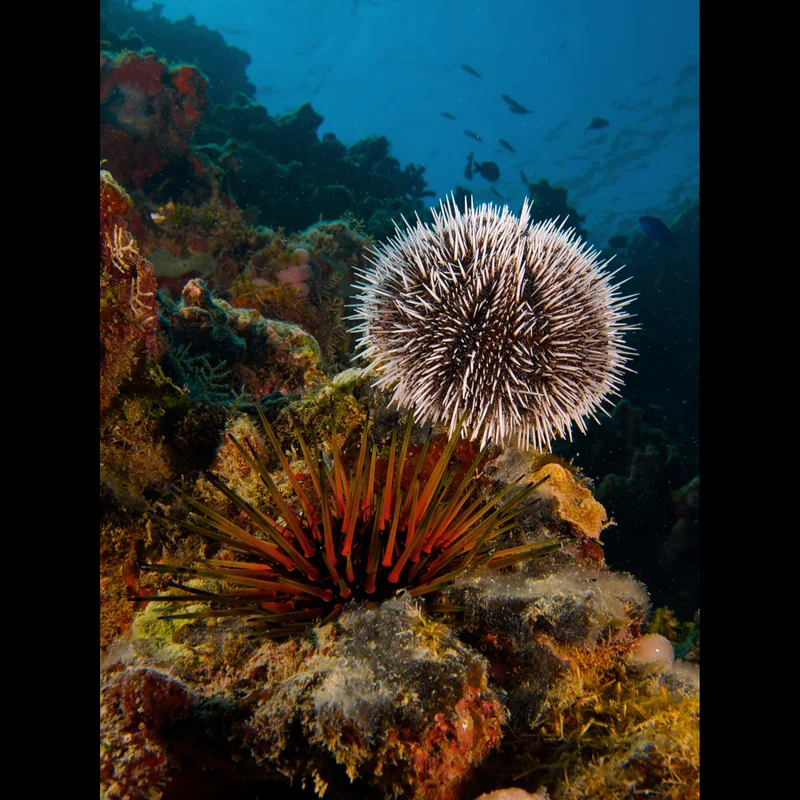
Upon descending, divers often first notice rich marine life blanketing an outfall pipe, particularly plumose anemones and various sea urchins. Moving towards SS Kintyre wreck, its hull is extensively covered with plumose anemones and dead man's fingers, creating a vibrant, textured environment.
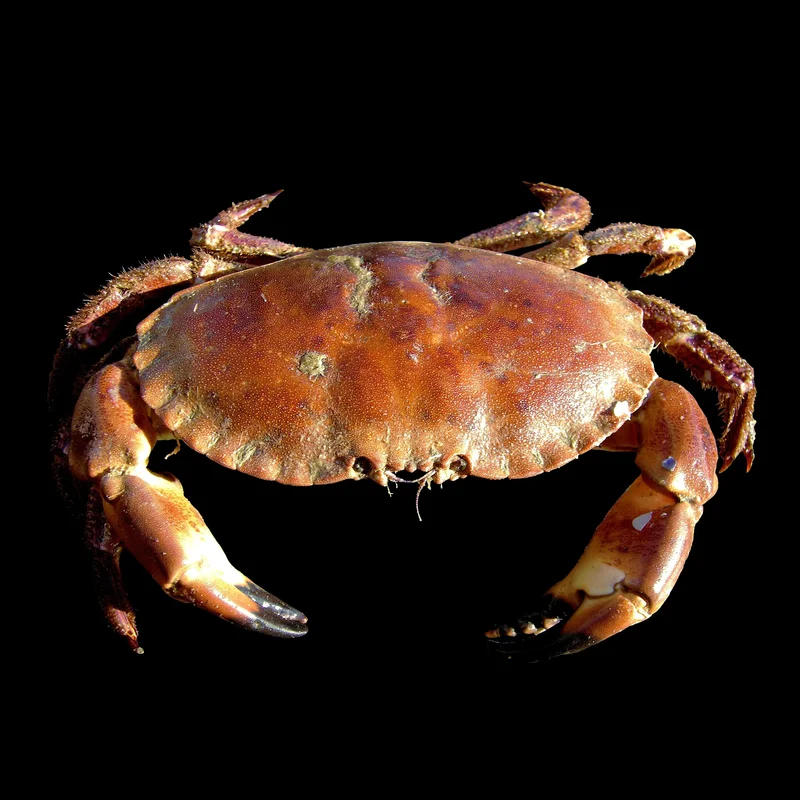
Wreck structures serve as a haven for larger fish, with sightings of substantial pollack and wrasse. Divers have also observed an array of crustaceans, including edible and velvet swimming crabs, alongside long-clawed squat lobsters.
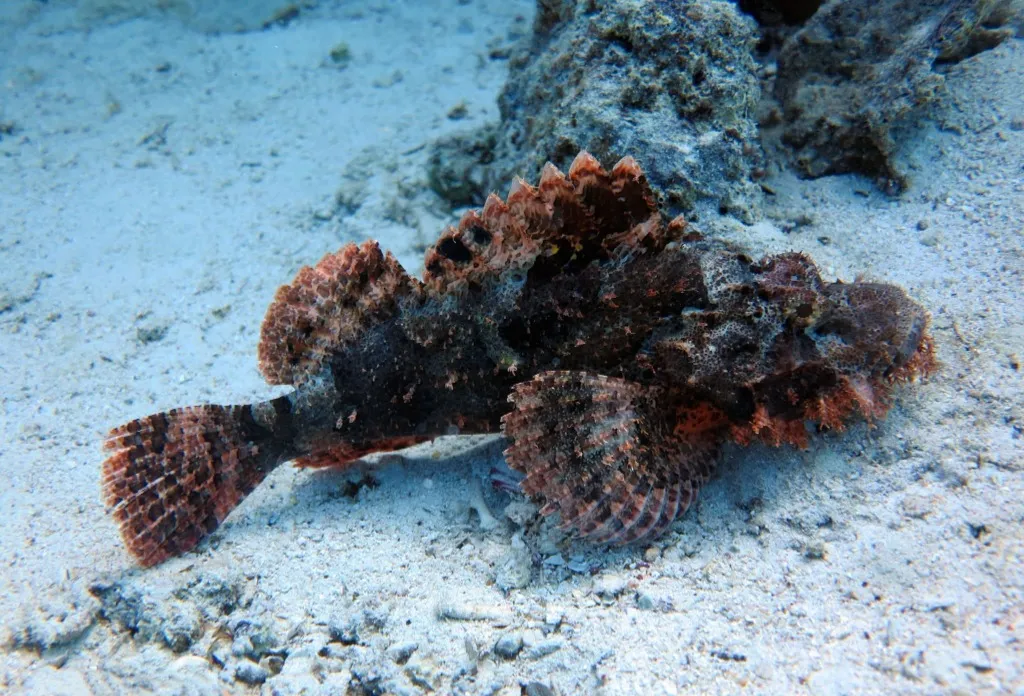
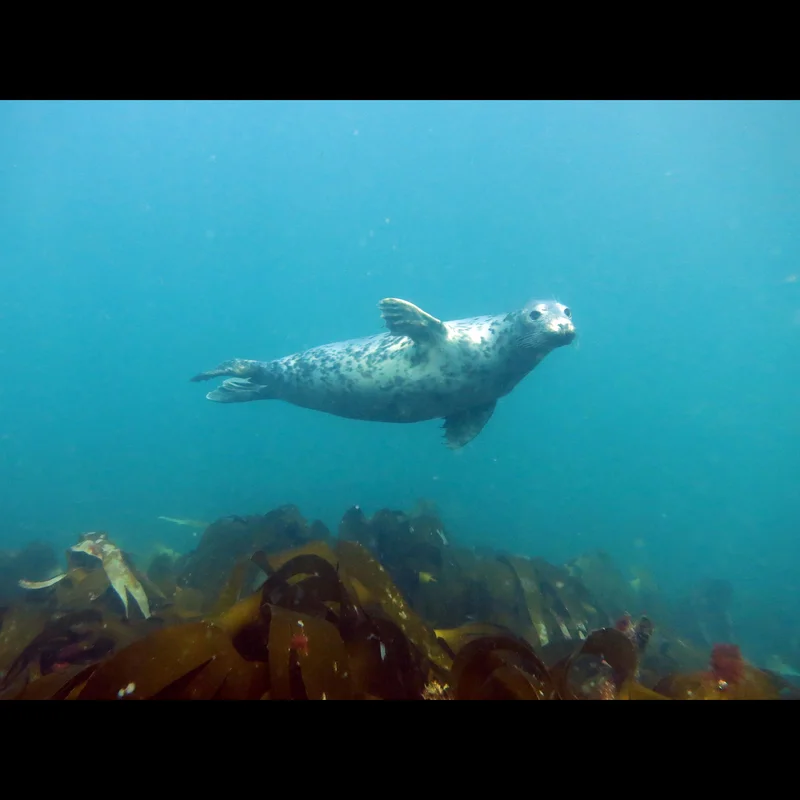
Occasional sightings of unusually large scorpionfish on deck add to the diverse ecosystem. Shoals of herring have been reported, creating impressive underwater spectacles, and seals are sometimes seen near the entry point.

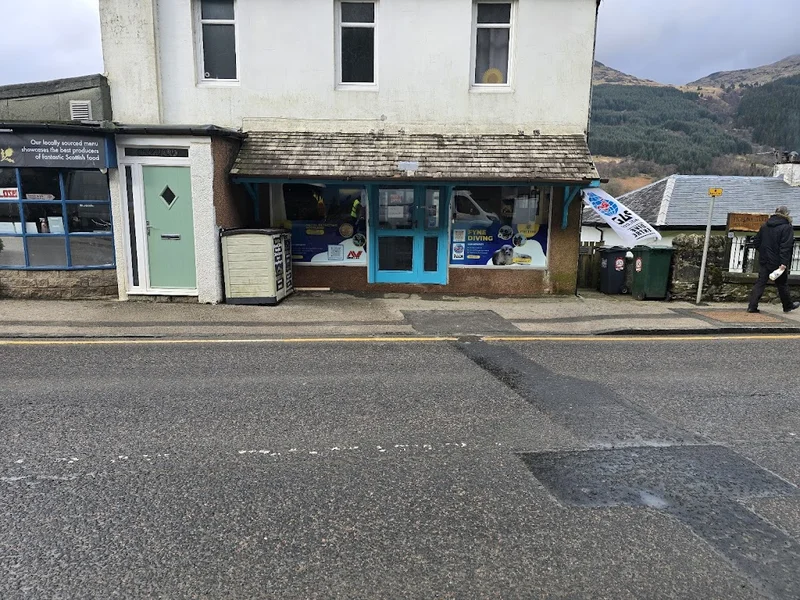
Dive Centers Near Wemyss Bay - SS Kintyre
Nearest Airports
Nearest airports to help plan travel to this dive area.
Search Flights
Check available flights and routes on Expedia, using the nearby airports listed in this section.
Search Flights on ExpediaFrequently Asked Questions
What is the recommended experience level for diving the SS Kintyre?
Wemyss Bay is best suited for experienced master divers. Significant depths and potential for strong down currents require advanced skill and careful planning.
What are the main features of the dive site?
This site offers two primary dives: an outfall pipe rich in marine life and the historic SS Kintyre wreck itself. A pipe serves as a guide to the deeper wreck.
How do currents affect diving at Wemyss Bay?
Currents can be strong, with reports of powerful down currents. It's crucial to dive just before slack water and to abort the dive if any significant downward flow is encountered.
What kind of marine life can be seen at Wemyss Bay?
Site features abundant plumose anemones and dead man's fingers covering structures. Divers commonly encounter pollack, wrasse, various crabs, squat lobsters, and occasionally scorpionfish or large schools of herring.
What are the typical depths encountered during the dive?
Initial outfall pipe is found at 8-10 m (26-33 ft), leading to the wreck's bow at 32 m (105 ft). SS Kintyre's stern descends significantly deeper, reaching approximately 50 m.
Is shore entry feasible for this dive, and what are the considerations?
Yes, shore entry is possible and often straightforward at mid-tide. However, it involves a substantial swim of about 310 m (1017 ft) to the dive site, so surface cover is essential for safety.
What time of year offers the best diving conditions?
Period from April to September generally provides the best conditions, with May often rated as excellent. Air temperatures are milder, and rainfall and wave heights are typically lower, improving comfort and access.
Planning to dive Wemyss Bay - SS Kintyre?
Send one inquiry and receive offers directly from the best verified local dive operators.
Conditions are Moderate
High Wind Advisory (44km/h). Unsafe surface.
Current conditions near Wemyss Bay - SS Kintyre show 12° air, 15° sea temperature, 0.8 m waves, and 44 km/h wind. Forecast data is refreshed regularly to ensure accuracy.