
Diving at Wide Water Beach (United Kingdom)
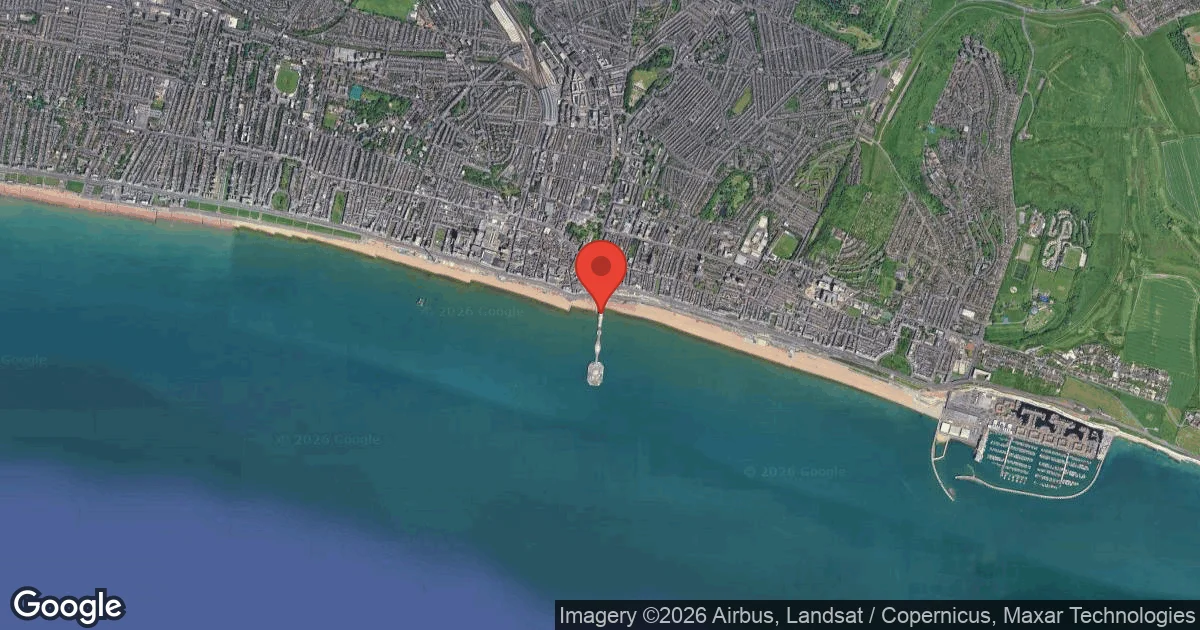
Accessing Wide Water Beach begins as a straightforward shore dive directly from Brighton's coastline. Divers enter the water from the beach, and depending on prevailing conditions, a surface swim might be necessary before descending. This site reaches a maximum depth of approximately 10 m / 33 ft, starting over sandy stretches before transitioning to more diverse underwater structures. It's an accessible entry point for exploring the local marine environment.
Tonight's objective overview for Wide Water Beach shows an air temperature of 18°C. The measured surface conditions include wave heights around 1 m. This environmental data is logged for the close of the day.
Dive Site Location & Key Facts
Dive Site Overview
Wide Water Beach in Brighton presents a shore dive experience often described as both demanding and highly gratifying for certified divers. This site offers an engaging underwater environment, frequently challenging skills due to consistent tidal movements and variable visibility.
Divers typically begin with a surface swim from the beach, crossing initial sandy stretches before descending into the shallower waters. Navigating beyond the expansive sandy seabed leads to a series of small, diverse reefs awaiting exploration. These submerged structures act as crucial habitats, supporting a rich array of local species and promising regular sightings for those who adapt to the prevailing conditions.
Maximum depths here are generally limited to around 10 m / 33 ft. The varied topography, with its mix of reef walls and sandy gullies, ensures that exploration remains consistently engaging, highlighting the dynamic and often unpredictable character of UK coastal diving.
Each visit offers a distinct experience, as successful dives depend on careful planning and proficiency in managing changeable currents and visibility.
Conditions are Poor
High Wind Advisory (50km/h). Unsafe surface.
Current conditions near Wide Water Beach show 18° air, 19° sea temperature, 1.7 m waves, and 50 km/h wind. Forecast data is refreshed regularly to ensure accuracy.
Best Time to Dive
Planning a dive at Wide Water Beach is best approached by considering the seasonal climate trends for optimal enjoyment. The months from May through August generally present the most favorable conditions, with average dive scores rated as 'Good'. During this peak period, air temperatures are most comfortable, averaging 13-18°C / 55-64°F, and rainfall tends to be lower, typically less than 2 mm / 0.1 inches in May, June, and August. Wave heights are also typically lower during these months, often below 1 meter, which contributes to more manageable entry and surface conditions. March and April also offer 'Good' dive scores, with slightly cooler air temperatures but still relatively low rainfall and wave activity, making them viable alternatives, particularly from March when rainfall drops to about 2.5 mm / 0.1 inches.
PEAK SEASON SCORE
Scores combine air & water temps, waves, wind & rainfall for overall conditions.
BEST MONTHS TO DIVE
Monthly records compiled from satellite and marine observation nodes over the last 3 years. Data provided by Open-Meteo and MET Norway.
Dive Experience & Conditions
Beginning the dive at Wide Water Beach often involves a surface swim from the beach over sandy expanses. Once submerged, divers navigate through these sandy areas before reaching a series of inviting small reefs. The maximum depth encountered here is typically around 10 m / 33 ft. Conditions at this site can be challenging, primarily due to dynamic tidal currents and visibility that varies considerably. This variability means divers must be prepared for different underwater environments, from clear moments to periods of reduced visibility, necessitating good buoyancy control and navigation skills in a relatively shallow setting.
Dive Difficulty & Safety Guidelines
Diving at Wide Water Beach demands a considered approach due to its dynamic nature. Tides and visibility are the primary factors influencing diver safety and experience, often presenting challenging conditions. Divers should possess sound navigation skills and strong buoyancy control to manage the currents that can be present.
It's crucial to consult local tide tables and current reports before planning any dive here, and always dive with a buddy. Given the variable visibility, maintaining close contact with your dive partner is essential.
This isn't a site for complacency; understanding and respecting the prevailing conditions are key to a safe dive.
Recommended Equipment
- Dive Computer
This gear list is based on verified equipment signals for Wide Water Beach, United Kingdom. Always confirm final gear choices with your dive operator, guide, or liveaboard.
Recommended Dive Suit
In conditions like these, many divers prefer diving with 5mm wetsuit. Consider warmer surface protection (like a boat coat) due to brisk winds. Surface intervals may feel cooler.
Current readings at Wide Water Beach show water temperatures near 19°C (66°F). Surface air temperatures are resting at 18°C (64°F).
Environmental conditions appear stable for the near future.
Emergency & Medical Support
Essential information to help you plan your dive trip to Wide Water Beach.

Hyperbaric chambers are a critical part of dive safety infrastructure. Availability varies significantly by region, and not all dive areas have immediate access.
Before diving, it's recommended to:
- confirm nearest medical facilities
- check emergency procedures with local dive operators
- ensure dive insurance covers evacuation if required
Divers Alert Network
Diving emergency assistance available through DAN Europe.
+39 0642115685- 24/7 emergency hotline
- Diving medical assistance
- Evacuation coordination
Emergency contacts are provided for reference. Always verify local emergency services before diving.
Closest Listed Hyperbaric Chambers
Showing listed hyperbaric chamber facilities within 200 km of this dive site.
Distances are approximate straight-line distances and may not reflect emergency travel time.
Hyperbaric Medicine Unit, St Richard’s Hospital
24/7 ListedChichester, United Kingdom•Approx. 33 km straight-line
Hyperbaric Medicine Unit, St Richard’s Hospital
24/7 ListedInformation is provided for reference and planning purposes only. Dive Navigator does not verify operational status, staffing, availability, or quality of care at listed facilities. In an emergency, contact local emergency services, DAN, your dive operator, or the chamber directly. Do not travel to a facility without calling ahead.
London Hyperbaric Medicine
Leytonstone, London, United Kingdom•Approx. 86 km straight-line
London Hyperbaric Medicine
Information is provided for reference and planning purposes only. Dive Navigator does not verify operational status, staffing, availability, or quality of care at listed facilities. In an emergency, contact local emergency services, DAN, your dive operator, or the chamber directly. Do not travel to a facility without calling ahead.
Midlands Diving Chamber
Rugby, United Kingdom•Approx. 184 km straight-line
Midlands Diving Chamber
Information is provided for reference and planning purposes only. Dive Navigator does not verify operational status, staffing, availability, or quality of care at listed facilities. In an emergency, contact local emergency services, DAN, your dive operator, or the chamber directly. Do not travel to a facility without calling ahead.
Marine Life at Wide Water Beach
The underwater landscape at Wide Water Beach features engaging rocky reefs interspersed with sandy patches. These reefs serve as critical habitats for a variety of marine life.
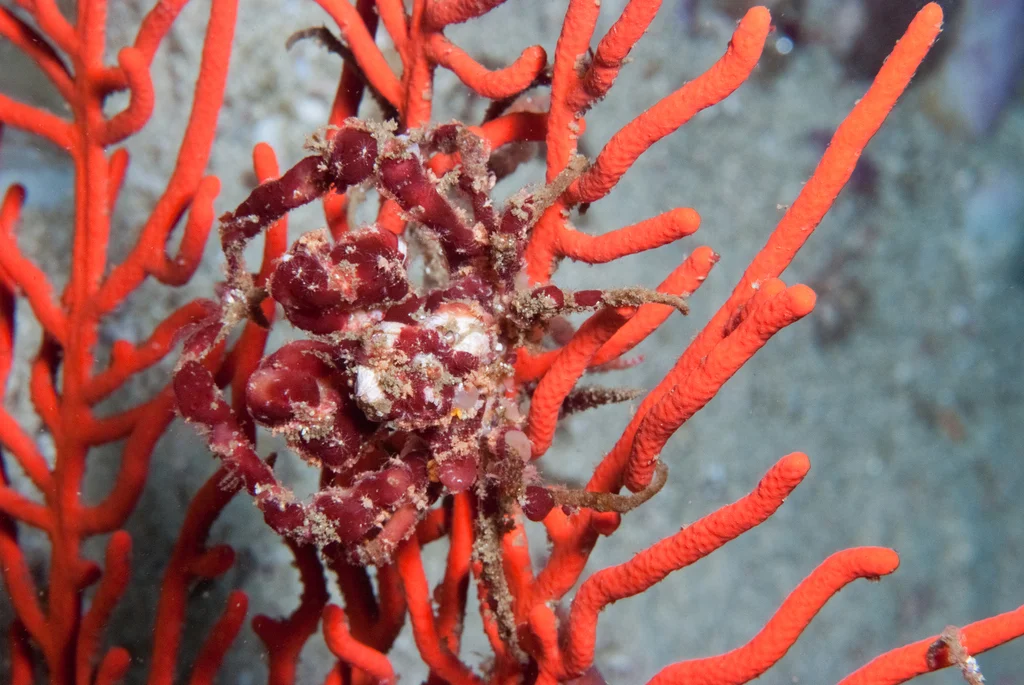
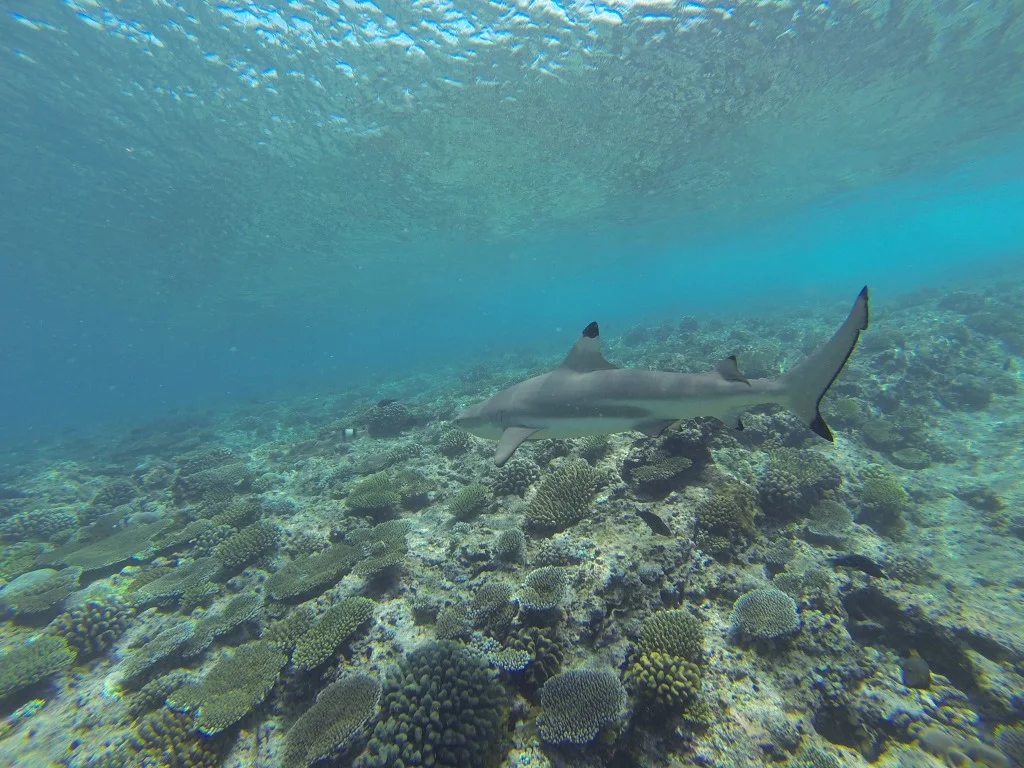
Divers regularly encounter spider crabs and swimmer crabs, often tucked into crevices. Keep an eye out for lesser spotted catsharks, which are common inhabitants, along with flounder and undulate rays foraging on the seabed.
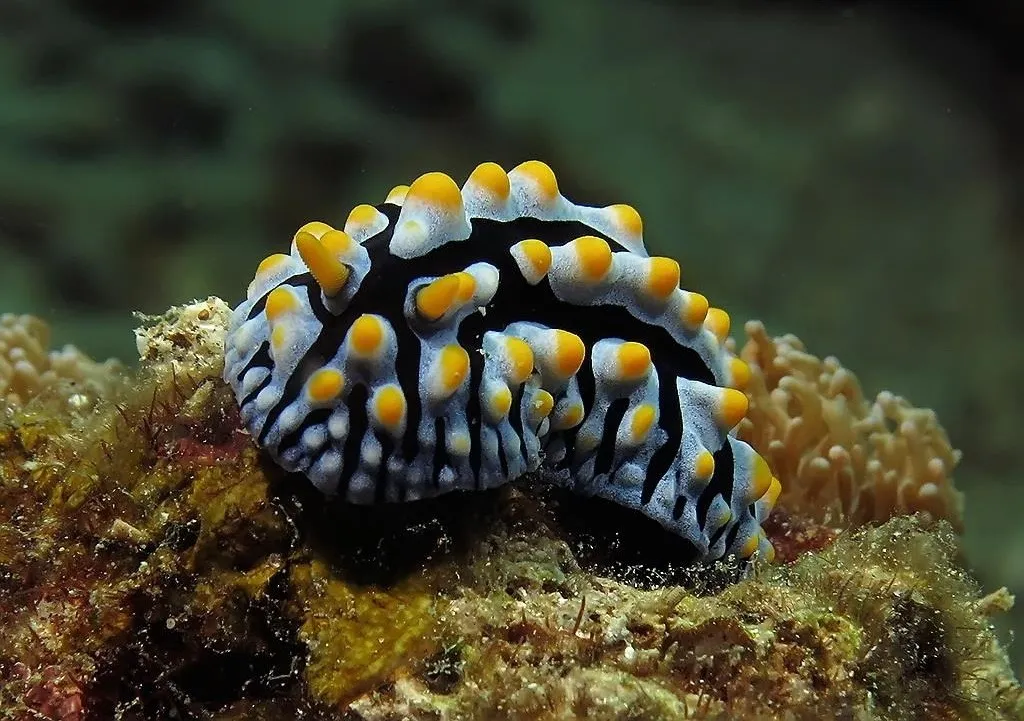
Keen observers also discover shark and ray egg cases, various nudibranch species, and a vibrant display of anemones and sponges attached to the reef structures.


Dive Sites Near Wide Water Beach
View all dive sites in United KingdomDiscover more underwater gems in this area.
Dive Centers Near Wide Water Beach

Nearest Airports
Nearest airports to help plan travel to this dive area.
Search Flights
Check available flights and routes on Expedia, using the nearby airports listed in this section.
Search Flights on ExpediaFrequently Asked Questions
What is the maximum depth at Wide Water Beach?
The maximum depth divers typically reach at Wide Water Beach is approximately 10 meters, or about 33 feet. This makes it an accessible site for divers of various certification levels, provided they manage the conditions.
Are there any specific marine animals I might see?
Yes, the reefs here host a range of marine life. You can often spot spider crabs, swimmer crabs, and lesser spotted catsharks. Flounder and undulate rays are also commonly seen, alongside various nudibranchs, anemones, and sponges.
Is Wide Water Beach suitable for beginners?
While the maximum depth is shallow, the site can be challenging due to tides and variable visibility. Divers should have good buoyancy control and navigation skills. It's generally more suitable for certified divers comfortable with less predictable conditions rather than absolute beginners.
How do I access the dive site?
Access to Wide Water Beach is directly from the shore. Divers typically walk in from the beach, and a surface swim may be required depending on the specific entry point and current conditions before descending to the reefs.
What are the common challenges at this dive site?
The main challenges at Wide Water Beach are the variable visibility and the presence of tidal currents. These factors require divers to be attentive to their surroundings and to plan their dives carefully around tide times.
What months offer the best diving conditions?
The period from May through August typically offers the best diving conditions, with warmer air temperatures and generally lower rainfall and wave heights. March and April can also be good, though slightly cooler.
Is a surface swim always necessary?
A surface swim might be involved depending on the specific entry point and the day's conditions. Divers should be prepared for this possibility when planning their dive at Wide Water Beach.
Planning to dive Wide Water Beach?
Send one inquiry and receive offers directly from the best verified local dive operators.
Conditions are Poor
High Wind Advisory (50km/h). Unsafe surface.
Current conditions near Wide Water Beach show 18° air, 19° sea temperature, 1.7 m waves, and 50 km/h wind. Forecast data is refreshed regularly to ensure accuracy.