
Diving at Brighton Pier (United Kingdom)
Beneath the bustling Brighton Pier, a surprising underwater realm awaits exploration. This iconic British landmark presents divers an opportunity to witness the intricate foundations supporting the structure above. Such an experience combines the familiar with the unexpected, revealing a different side of this vibrant coastal city.
Evening condition tracking at Brighton Pier features an air temperature of 20°C. We have recorded wave heights measuring 1.4 m during this period. These figures outline the environmental parameters currently present.
Dive Site Location & Key Facts
Dive Site Overview
Exploring the submerged architecture of Brighton Pier presents a distinctive urban dive. Descending into the water, divers navigate the complex network of metal girders and wooden pilings that form the pier's robust support system.
This structural environment creates a thriving artificial reef, actively attracting various forms of marine life seeking shelter and foraging opportunities. A sandy seabed predominantly lies beneath the pier, often featuring accumulating debris from the structure above. Entry to the site is typically from the shore, leading divers gradually towards the pier's foundations.
Navigating this area requires close attention to buoyancy and trim, particularly when maneuvering through the dense uprights. Maximum depths here generally remain around 8 meters (26 feet), making the site accessible for open water certified divers.
Current conditions in the area can influence dive trajectory, necessitating careful planning, especially when moving amongst the numerous pilings and beneath the main structure. Water temperatures are typically cooler, often requiring robust thermal protection.
While visibility varies depending on recent weather and tidal movements, exploring the structural elements offers a constantly changing visual landscape. Divers will spend time observing growth on the pilings and exploring the immediate vicinity for inhabitants.
Conditions are Poor
High Wind Advisory (47km/h). Unsafe surface.
Current conditions near Brighton Pier show 20° air, 19° sea temperature, 1.7 m waves, and 47 km/h wind. Forecast data is refreshed regularly to ensure accuracy.
Best Time to Dive
Optimizing a dive at Brighton Pier often hinges on favorable visibility and calmer conditions. The period from late spring through late summer, specifically May to August, generally presents the best opportunities, with dive scores rated 'Good' or 'Moderate'. During May and June, average air temperatures range from 13-16.5°C (55-62°F), accompanied by lower average wave heights around 0.7-0.8 meters (2.3-2.6 feet) and less rainfall, averaging 1.4-1.6 mm per month. Water temperatures aren't consistently reported, but tend to be warmer in late summer. Diving during an incoming tide, roughly 2-3 hours before high water, is often recommended as it helps gently push divers towards the shore. This tidal timing, combined with lighter winds and minimal swell, typically offers the clearest water conditions for exploration, which can otherwise be limited by sediment stirred up in this coastal environment.
PEAK SEASON SCORE
Scores combine air & water temps, waves, wind & rainfall for overall conditions.
BEST MONTHS TO DIVE
Monthly records compiled from satellite and marine observation nodes over the last 3 years. Data provided by Open-Meteo and MET Norway.
Dive Experience & Conditions
Diving at this site primarily involves a shore entry into salt water, making access straightforward for most certified divers. Once submerged, the environment shifts to a world dominated by the pier's sub-aquatic framework. The maximum depth reaches approximately 8 meters (26 feet), ensuring a relatively shallow and extended bottom time for recreational divers. Visibility varies significantly, often influenced by recent weather, tides, and human activity; it can range from a few meters to more limited conditions. Divers should anticipate cooler water temperatures year-round, as is typical for UK coastal waters. The presence of currents, especially around the pilings, means divers need to maintain good buoyancy control and be aware of their positioning to avoid contact with the structure. This site provides a unique opportunity to observe how marine ecosystems adapt to man-made structures in a dynamic coastal setting.
Dive Difficulty & Safety Guidelines
Diving around Brighton Pier requires diligent attention to tidal patterns. Planning dives for an incoming tide, specifically 2-3 hours before high water, is a crucial safety measure as it naturally directs divers toward the beach. This strategy helps prevent being pushed further out to sea and assists with an easier exit.
While specific hazards are not consistently reported beyond the natural marine environment, general precautions for pier diving include being mindful of boat traffic, fishing lines, and potential debris. Divers should maintain appropriate distances from the pier's active sections and any potentially unstable structures.
It's always advisable to consult with local dive professionals regarding current conditions and site-specific recommendations before entering the water.
Recommended Equipment
- Dive Computer
- Hard-soled Dive Boots
This gear list is based on verified equipment signals for Brighton Pier, United Kingdom. Always confirm final gear choices with your dive operator, guide, or liveaboard.
Recommended Dive Suit
Forecast conditions over the next few days suggest temperatures will remain relatively stable.
Divers who prefer a balanced level of warmth often select 5mm wetsuit in water temperatures like this. Consider warmer surface protection (like a boat coat) due to brisk winds. Surface intervals may feel cooler.
At Brighton Pier, the water is currently sitting around 19°C (67°F). Surface air temperatures are resting at 20°C (68°F).
Due to technical issues with our weather providers, live updates are temporarily delayed. The data above reflects the conditions at the time of the last successful fetch.
Emergency & Medical Support
Essential information to help you plan your dive trip to Brighton Pier.

Hyperbaric chambers are a critical part of dive safety infrastructure. Availability varies significantly by region, and not all dive areas have immediate access.
Before diving, it's recommended to:
- confirm nearest medical facilities
- check emergency procedures with local dive operators
- ensure dive insurance covers evacuation if required
Divers Alert Network
Diving emergency assistance available through DAN Europe.
+39 0642115685- 24/7 emergency hotline
- Diving medical assistance
- Evacuation coordination
Emergency contacts are provided for reference. Always verify local emergency services before diving.
Closest Listed Hyperbaric Chambers
Showing listed hyperbaric chamber facilities within 200 km of this dive site.
Distances are approximate straight-line distances and may not reflect emergency travel time.
Hyperbaric Medicine Unit, St Richard’s Hospital
24/7 ListedChichester, United Kingdom•Approx. 45 km straight-line
Hyperbaric Medicine Unit, St Richard’s Hospital
24/7 ListedInformation is provided for reference and planning purposes only. Dive Navigator does not verify operational status, staffing, availability, or quality of care at listed facilities. In an emergency, contact local emergency services, DAN, your dive operator, or the chamber directly. Do not travel to a facility without calling ahead.
London Hyperbaric Medicine
Leytonstone, London, United Kingdom•Approx. 85 km straight-line
London Hyperbaric Medicine
Information is provided for reference and planning purposes only. Dive Navigator does not verify operational status, staffing, availability, or quality of care at listed facilities. In an emergency, contact local emergency services, DAN, your dive operator, or the chamber directly. Do not travel to a facility without calling ahead.
Midlands Diving Chamber
Rugby, United Kingdom•Approx. 189 km straight-line
Midlands Diving Chamber
Information is provided for reference and planning purposes only. Dive Navigator does not verify operational status, staffing, availability, or quality of care at listed facilities. In an emergency, contact local emergency services, DAN, your dive operator, or the chamber directly. Do not travel to a facility without calling ahead.
Marine Life at Brighton Pier
Beneath the pier's shadow, divers can observe a surprising array of marine life that thrives in this sheltered, artificial reef environment. The pilings and submerged structures provide vital surfaces for algae growth and hiding spots, attracting various crustaceans and smaller fish species.
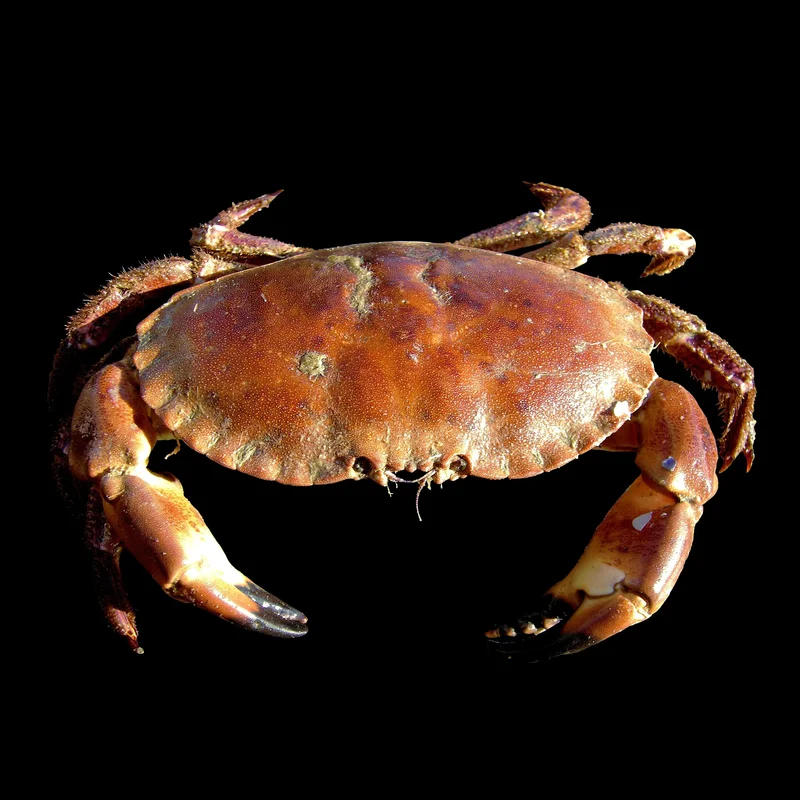
You might notice crabs scuttling among the debris or small blennies peeking from crevices. Occasional sightings of larger, transient fish species are possible as they patrol the perimeter.
The pier's foundations essentially act as an aggregation point, creating a localized ecosystem in an otherwise open sandy area.
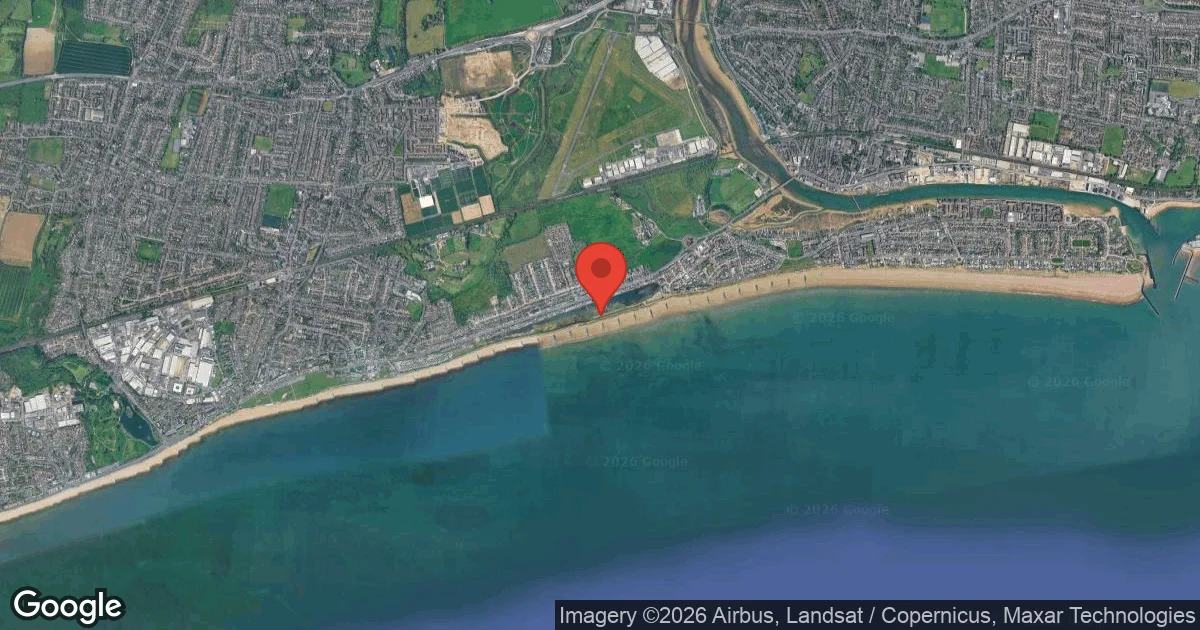
Dive Sites Near Brighton Pier
View all dive sites in United KingdomDiscover more underwater gems in this area.
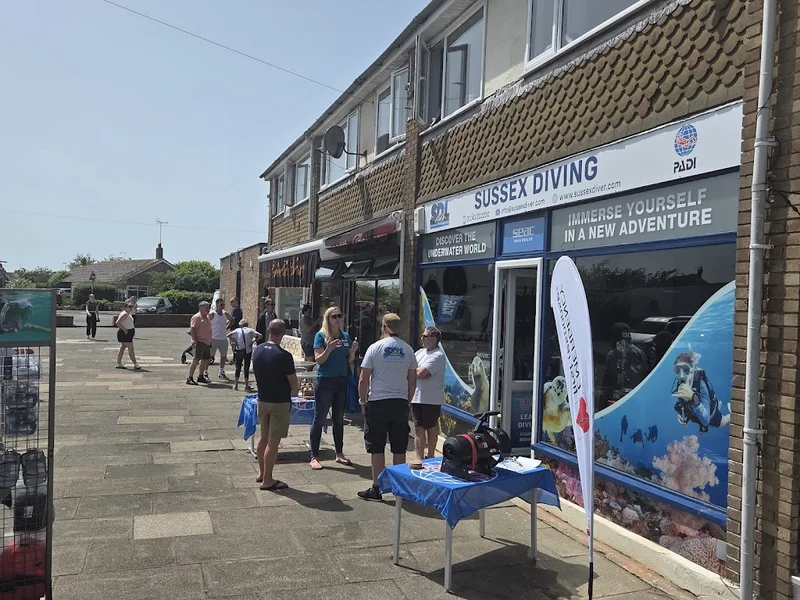
Dive Centers Near Brighton Pier
Nearest Airports
Nearest airports to help plan travel to this dive area.
Search Flights
Check available flights and routes on Expedia, using the nearby airports listed in this section.
Search Flights on ExpediaFrequently Asked Questions
What is the maximum depth at Brighton Pier?
The maximum depth encountered while diving at Brighton Pier is generally around 8 meters (26 feet). This makes it a suitable site for Open Water certified divers.
What kind of entry does this dive site have?
Brighton Pier typically features a shore entry. Divers can wade into the water from the beach and then swim towards the pier's structures.
When is the best time to dive Brighton Pier?
The best time to dive is generally from late spring to late summer (May-August), when air temperatures are milder and wave heights are lower. Diving an incoming tide, 2-3 hours before high water, is also highly recommended for safety and better conditions.
What should I be aware of regarding currents?
Currents around the pier can be present, especially around the pilings. Divers should be proficient in buoyancy control and aware of tidal movements, which can influence dive plans and safety.
Is a drysuit recommended for diving here?
Yes, a drysuit is often recommended for diving at Brighton Pier due to the cooler water temperatures typical of UK coastal waters. This ensures greater comfort and extends bottom time.
What marine life can I expect to see?
The pier's structure acts as an artificial reef, attracting various smaller marine life such as crabs, blennies, and other fish species seeking shelter and food. It's an interesting environment for observing coastal biodiversity.
Planning to dive Brighton Pier?
Send one inquiry and receive offers directly from the best verified local dive operators.
Conditions are Poor
High Wind Advisory (47km/h). Unsafe surface.
Current conditions near Brighton Pier show 20° air, 19° sea temperature, 1.7 m waves, and 47 km/h wind. Forecast data is refreshed regularly to ensure accuracy.