
Diving at 2018 Miramar/Frangista Reef (S) (United States)
Miramar/Frangista Reef (S), established in 2018, forms part of the expansive SWARA artificial reef system in Walton County, Florida. This site is composed of specially designed structures crafted from steel, concrete, and Florida limestone, purpose-sunk to foster marine habitats. Located offshore, it creates a structured underwater landscape that attracts diverse aquatic life. These modules provide vital shelter and serve as a sustainable food source, enriching the local underwater environment.
Evening condition tracking at 2018 Miramar/Frangista Reef (S) features an air temperature of 27°C. We have recorded wave heights measuring 0.9 m during this period. These figures outline the environmental parameters currently present.
Dive Site Location & Key Facts
Dive Site Overview
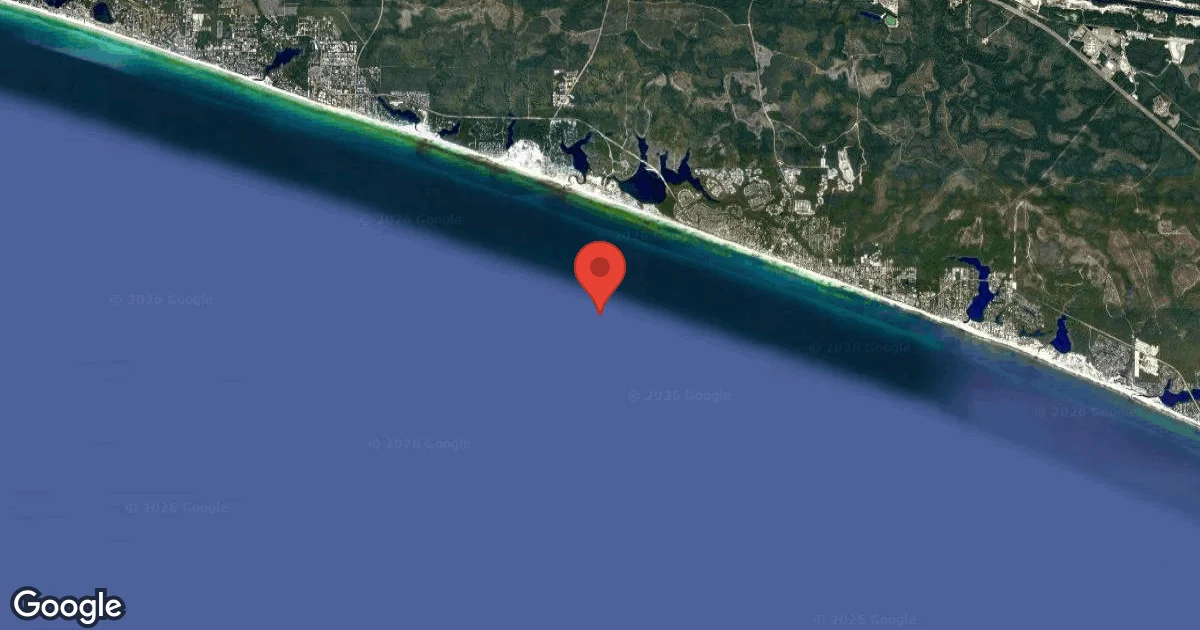
Miramar/Frangista Reef offers an engaging dive into an artificial habitat designed to support marine ecosystems off Miramar Beach. Sunk in 2018, this site lies in State of Florida waters at depths ranging from 21 to 23 meters (68 to 75 ft).
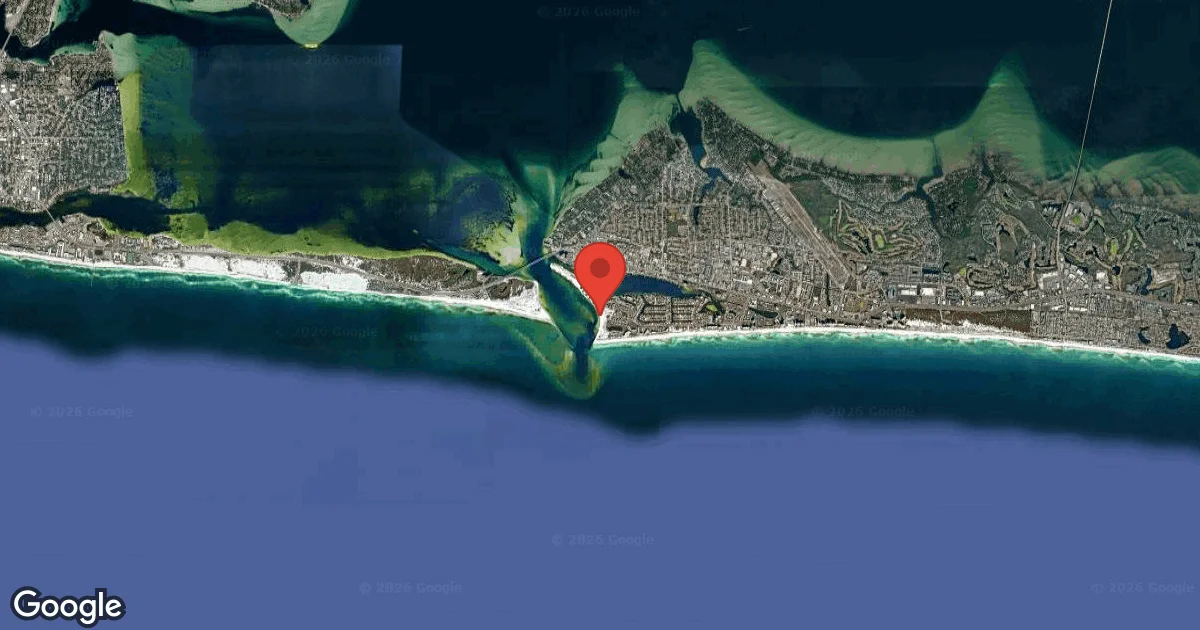
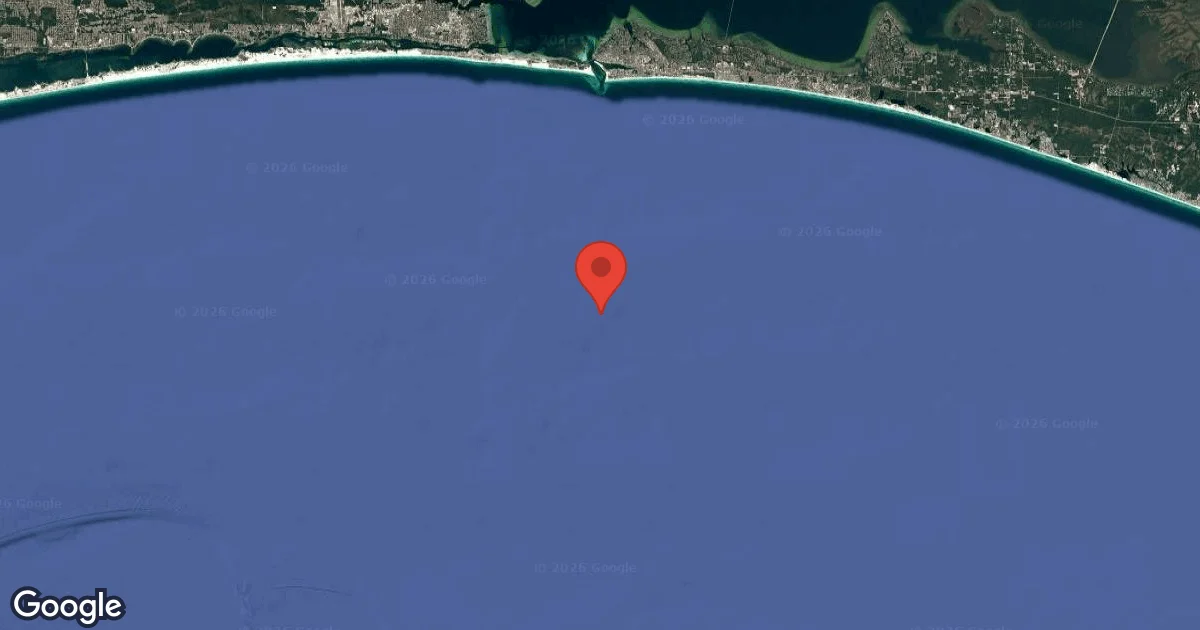
It's distinct from shallower snorkel reefs, requiring boat access with a GPS device for accurate location, given its placement between two and four miles offshore. The reef spans approximately 40 acres of permitted sea bottom, featuring at least five patch reefs alongside 30 pre-fabricated concrete and embedded Florida limestone rock reef modules. These structures are built to provide shelter and a sustainable food source, which in turn draws a wide array of species.
Divers can expect to explore these substantial formations, observing the developing marine growth and the resident fish populations. This site demands a level of planning, given its offshore distance, but rewards divers with a dedicated artificial reef experience.
Conditions are Good
07:00 - 14:00
Optimal conditions expected
Current conditions near 2018 Miramar/Frangista Reef (S) show 27° air, 30° sea temperature, 0.4 m waves, and 20 km/h wind. Forecast data is refreshed regularly to ensure accuracy.
Best Time to Dive
Optimizing a dive trip to Miramar/Frangista Reef involves considering the region's dynamic weather patterns. Conditions tend to be more favorable from May through November, marked by lower average wave heights and lighter winds. For instance, July typically experiences the lowest average wave heights at 0.6 meters, coupled with calmer wind speeds averaging 24.4 km/h (15.2 mph). Conversely, winter months, particularly January, present higher average wave heights of 1.1 meters and stronger winds around 34.5 km/h (21.4 mph), which may lead to choppier surface conditions and reduced visibility. Air temperatures fluctuate significantly, ranging from 12°C (54°F) in January to 29°C (84°F) in August, affecting comfort both above and below the surface. Rainfall also varies, with September seeing higher averages around 5.8 mm, while April has lower averages around 2.6 mm. Focusing on the warmer, calmer months generally provides a better dive experience.
PEAK SEASON SCORE
Scores combine air & water temps, waves, wind & rainfall for overall conditions.
BEST MONTHS TO DIVE
Monthly records compiled from satellite and marine observation nodes over the last 3 years. Data provided by Open-Meteo and MET Norway.
Dive Experience & Conditions
Descending onto the Miramar/Frangista Reef, divers encounter a series of artificial structures carefully placed to mimic natural reef systems. The maximum depth for this site is around 23 meters (75 ft), providing ample opportunity for extended bottom times within recreational limits. Visibility can vary significantly depending on recent weather and sea conditions, with calm days offering clearer views of the reef modules. Water temperatures are not consistently reported but generally align with regional patterns, warming considerably during summer months. Exploring the reef modules, divers will notice the intricate designs of the steel, concrete, and limestone structures. These formations are already developing marine growth, which contributes to the site's appeal. Current can be a factor, especially given its offshore location, so divers should be prepared for potential drift. Each dive here presents a chance to witness an evolving underwater environment.
Dive Difficulty & Safety Guidelines
Diving Miramar/Frangista Reef requires adherence to established safety practices and local regulations. Before diving, always prioritize assessing weather and sea conditions, as they can change quickly and often in this region. As an offshore site, proper boat handling and navigation using a GPS device are essential for accurate location and safe return.
Florida State Law mandates that all divers prominently display a diver-down flag or buoys during any diving activity. Divers should be appropriately trained and certified for SCUBA diving, ensuring they don't exceed their personal limits.
While exploring the reef, practicing responsible diving, such as taking only pictures and leaving only bubbles, helps preserve the marine environment. SWARA, the reef system developer, advises visitors to proceed at their own risk and take full responsibility for their safety, as they have no control over or responsibility for incidents at the sites.
Recommended Equipment
- Dive Computer
This gear list is based on verified equipment signals for 2018 Miramar/Frangista Reef (S), United States. Always confirm final gear choices with your dive operator, guide, or liveaboard.
Recommended Dive Suit
In these water temperatures, dive skin or rash guard is a common choice for recreational diving. Consider warmer surface protection (like a boat coat) due to brisk winds. Longer dive profiles can make thermal protection more important than short exploratory dives.
At the moment, divers exploring 2018 Miramar/Frangista Reef (S) will likely experience water temperatures near 30°C (87°F). Surface air temperatures are resting at 27°C (81°F).
Forecast models indicate that diving conditions should remain largely unchanged.
Due to technical issues with our weather providers, data hasn't been fetched for over 48 hours. The data above reflects the conditions at the time of the last successful fetch.
Emergency & Medical Support
Essential information to help you plan your dive trip to 2018 Miramar/Frangista Reef (S).

Hyperbaric chambers are a critical part of dive safety infrastructure. Availability varies significantly by region, and not all dive areas have immediate access.
Before diving, it's recommended to:
- confirm nearest medical facilities
- check emergency procedures with local dive operators
- ensure dive insurance covers evacuation if required
Divers Alert Network
Diving emergency assistance available through DAN World.
+1-919-684-9111- 24/7 emergency hotline
- Diving medical assistance
- Evacuation coordination
Emergency contacts are provided for reference. Always verify local emergency services before diving.
Marine Life at 2018 Miramar/Frangista Reef (S)
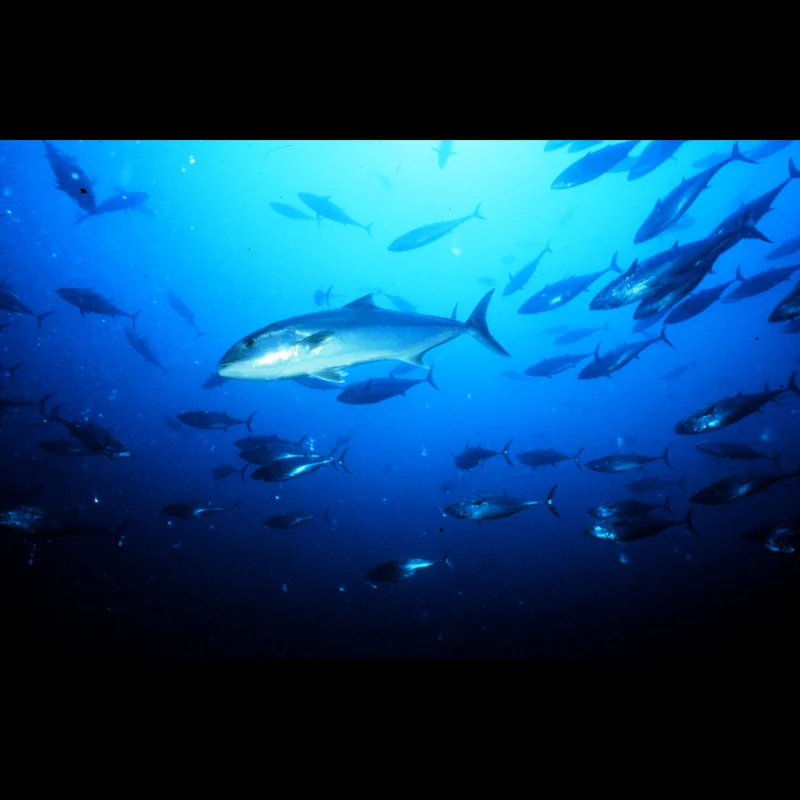
The artificial structures of Miramar/Frangista Reef serve as a magnet for a diverse array of marine life. Among the commonly sighted species are Amberjack and Red Snapper, often found navigating the reef modules.
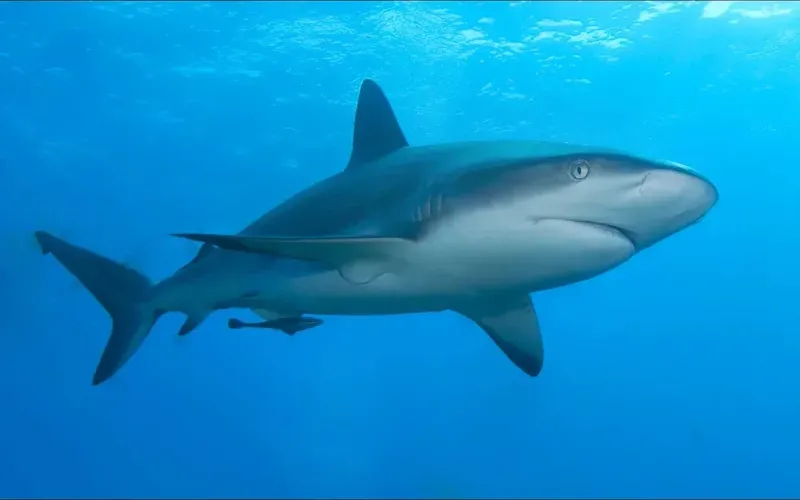
Triggerfish and Gag Grouper also inhabit these formations, seeking shelter and foraging opportunities. Divers might observe Lionfish, Octopus, and various Reef Sharks, contributing to the site's predatory populations.
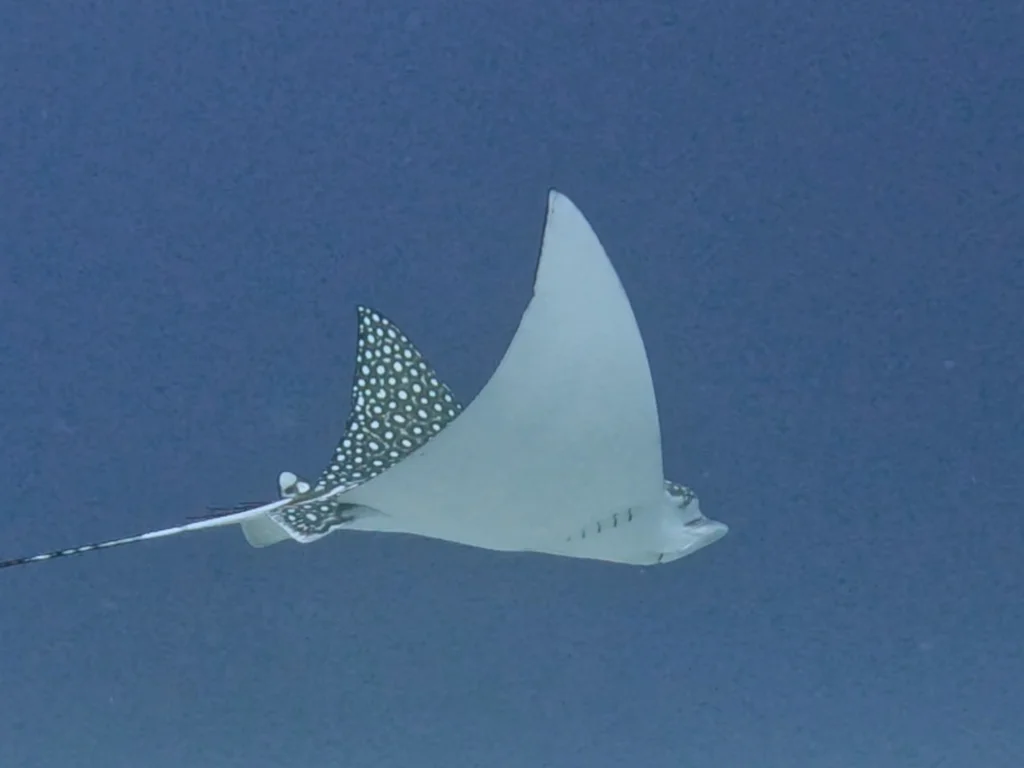
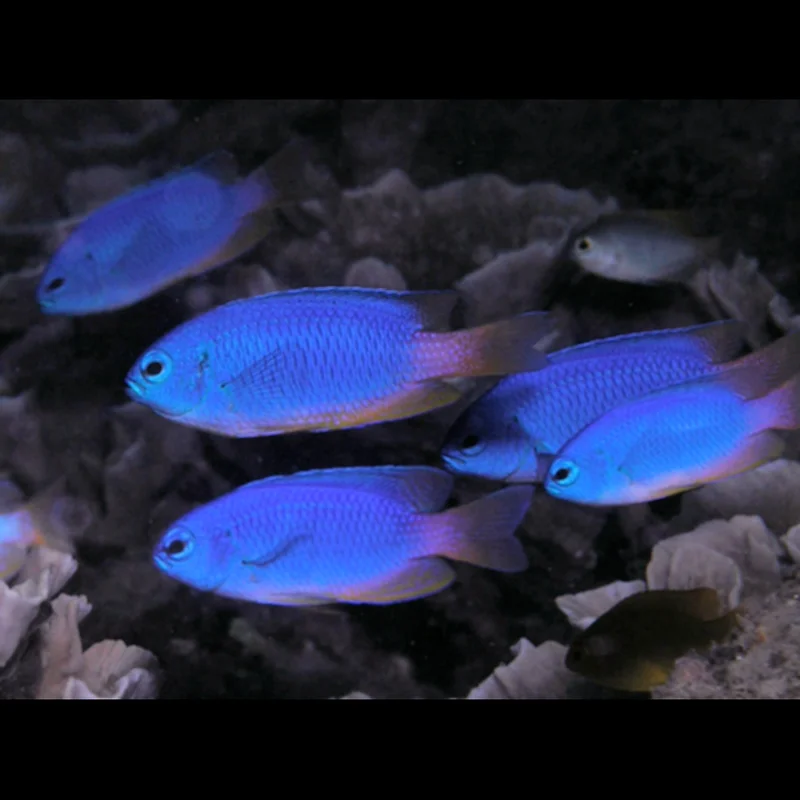
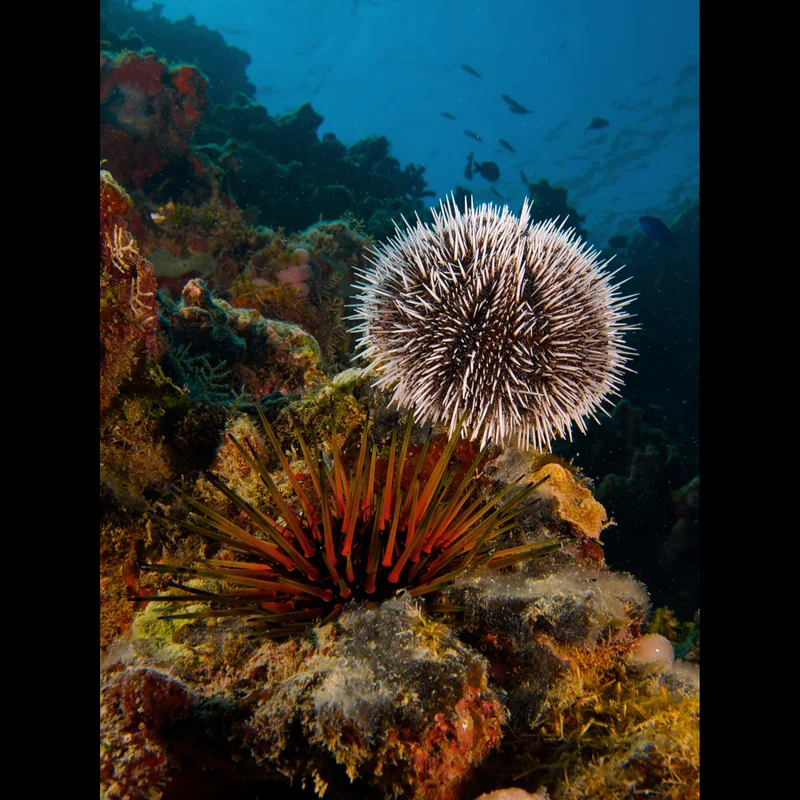
Stingrays and Spotted Eagle Rays are known to cruise the surrounding sandy areas. Smaller species like Gray Snapper, Wrasse, and Damselfish populate the reef, alongside Tunicate Colonies and Sea Urchins. Green Sea Turtles occasionally visit, adding to the richness of this man-made habitat.
Dive Sites Near 2018 Miramar/Frangista Reef (S)
View all dive sites in United StatesDiscover more underwater gems in this area.
Dive Centers Near 2018 Miramar/Frangista Reef (S)
Today: 09:00 - 16:00
Nearest Airports
Nearest airports to help plan travel to this dive area.
Search Flights
Check available flights and routes on Expedia, using the nearby airports listed in this section.
Search Flights on Expedia
Plan Your Stay
Looking for a place to stay for your dive trip? Explore hotels, stays, and vacation rentals for dive groups near Miramar Beach.
Dive Navigator may earn a commission from these links at no extra cost to you.
Frequently Asked Questions
What is the typical depth range for diving Miramar/Frangista Reef?
Depths at this dive site range from approximately 21 to 23 meters (68 to 75 ft). It's categorized as a fish/dive reef, suitable for certified recreational divers.
How far offshore is Miramar/Frangista Reef?
The site lies between two and four miles offshore from Miramar Beach. Given this distance, boat access is essential.
Is a GPS device necessary to find the reef?
A GPS device is necessary for accurate reef navigation. Its offshore position means visual navigation from shore isn't typically feasible.
What kind of structures make up the reef?
Artificial structures composed of steel, concrete, and Florida limestone make up the reef. These modules are specifically designed to create habitat and attract marine life.
Are there any specific safety requirements for diving in Florida's state waters?
Yes, Florida State Law requires all divers to prominently display a diver-down flag or buoys when diving. Always be aware of your surroundings and adhere to local boating and diving regulations.
What type of marine life can be seen at this site?
Various species, including Amberjack, Red Snapper, Triggerfish, Gag Grouper, Lionfish, Octopus, Reef Sharks, and Green Sea Turtles, are drawn to the reef. Many smaller fish and invertebrates also inhabit the structures.
Planning to dive 2018 Miramar/Frangista Reef (S)?
Send one inquiry and receive offers directly from the best verified local dive operators.
Conditions are Good
07:00 - 14:00
Optimal conditions expected
Current conditions near 2018 Miramar/Frangista Reef (S) show 27° air, 30° sea temperature, 0.4 m waves, and 20 km/h wind. Forecast data is refreshed regularly to ensure accuracy.